

Ebola Virus Disease

Ebola virus disease Ebola virus disease A highly fatal, acute hemorrhagic fever caused by ebolavirus. Ebolavirus and Marburgvirus is a severe viral illness caused by human-pathogenic viruses Viruses Minute infectious agents whose genomes are composed of DNA or RNA, but not both. They are characterized by a lack of independent metabolism and the inability to replicate outside living host cells. Virology in the genus Orthoebolavirus and the family Filoviridae Filoviridae A family of RNA viruses, of the order mononegavirales, containing filamentous virions. Although they resemble rhabdoviridae in possessing helical nucleocapsids, filoviridae differ in the length and degree of branching in their virions. There are two genera: ebolavirus and marburgvirus. Ebolavirus and Marburgvirus. Ebola viruses Viruses Minute infectious agents whose genomes are composed of DNA or RNA, but not both. They are characterized by a lack of independent metabolism and the inability to replicate outside living host cells. Virology are enveloped, nonsegmented, negative-sense, single-stranded RNA viruses RNA Viruses Viruses whose genetic material is RNA. Virology with filamentous, pleomorphic Pleomorphic Bacteroides morphology. Transmission occurs through direct contact with infected body fluids, contaminated materials, infected animals Animals Unicellular or multicellular, heterotrophic organisms, that have sensation and the power of voluntary movement. Under the older five kingdom paradigm, animalia was one of the kingdoms. Under the modern three domain model, animalia represents one of the many groups in the domain eukaryota. Cell Types: Eukaryotic versus Prokaryotic, or bodies of people who died from Ebola disease. Clinical disease ranges from nonspecific febrile illness with gastrointestinal symptoms to shock Shock Shock is a life-threatening condition associated with impaired circulation that results in tissue hypoxia. The different types of shock are based on the underlying cause: distributive (↑ cardiac output (CO), ↓ systemic vascular resistance (SVR)), cardiogenic (↓ CO, ↑ SVR), hypovolemic (↓ CO, ↑ SVR), obstructive (↓ CO), and mixed. Types of Shock, multiorgan dysfunction, hemorrhage, and death. Diagnosis is made primarily with RT-PCR RT-PCR A variation of the pcr technique in which cDNA is made from RNA via reverse transcription. The resultant cDNA is then amplified using standard pcr protocols. Polymerase Chain Reaction (PCR)/molecular testing, with species identification Identification Defense Mechanisms when possible. Management is primarily supportive, but vaccine Vaccine Suspensions of killed or attenuated microorganisms (bacteria, viruses, fungi, protozoa), antigenic proteins, synthetic constructs, or other bio-molecular derivatives, administered for the prevention, amelioration, or treatment of infectious and other diseases. Vaccination and monoclonal antibody options are species-specific and currently apply to Zaire ebolavirus Zaire ebolavirus Ebolavirus and Marburgvirus disease, not Bundibugyo virus Virus Viruses are infectious, obligate intracellular parasites composed of a nucleic acid core surrounded by a protein capsid. Viruses can be either naked (non-enveloped) or enveloped. The classification of viruses is complex and based on many factors, including type and structure of the nucleoid and capsid, the presence of an envelope, the replication cycle, and the host range. Virology disease.

Last updated: Jun 5, 2026
Editorial responsibility: Stanley Oiseth, Lindsay Jones, Evelin Maza

Classification and General Characteristics

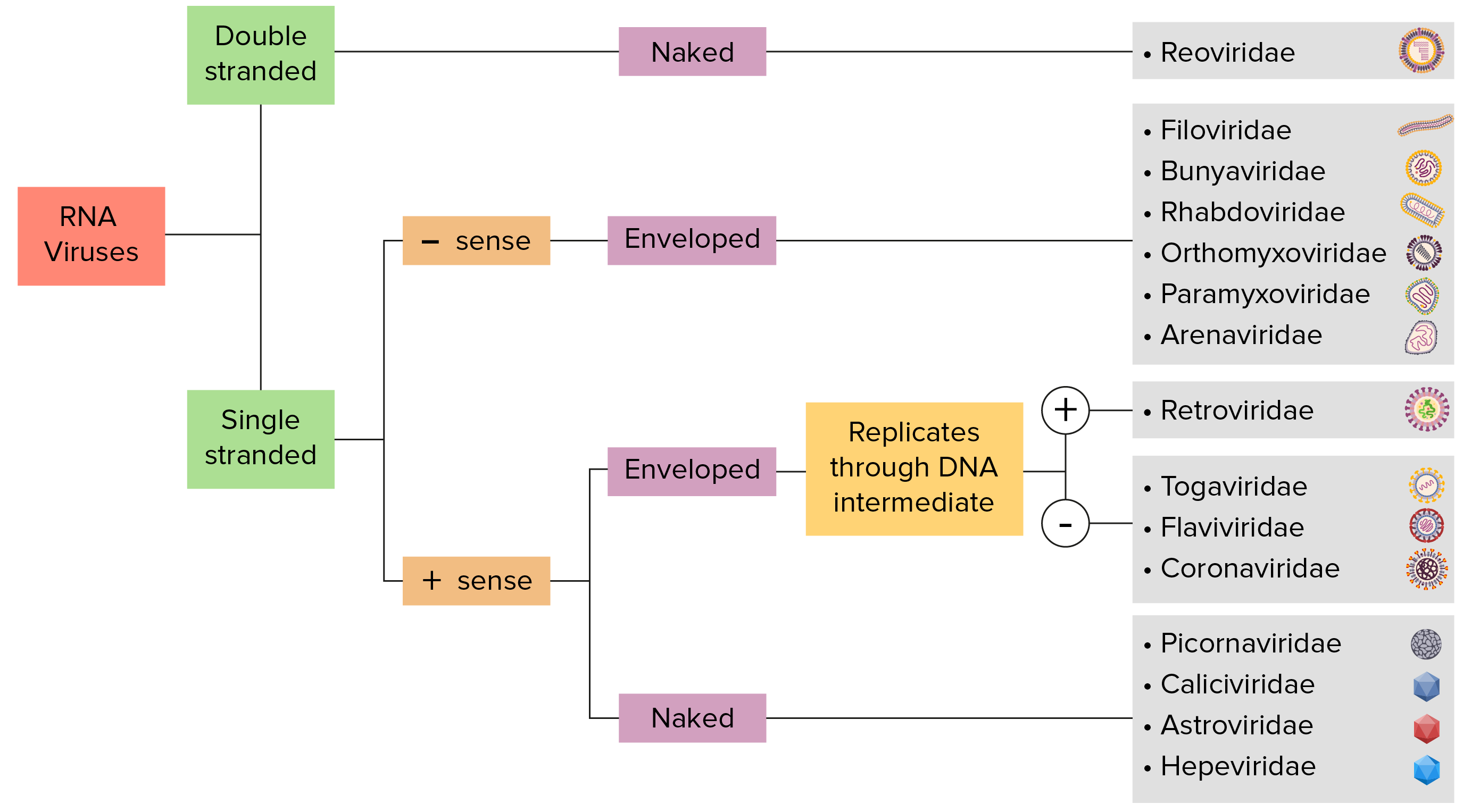
RNA Viruses Flowchart Classification

RNA virus identification:
Viruses can be classified in many ways. Most viruses, however, will have a genome formed by either DNA or RNA. RNA genome viruses can be further characterized by either a single- or double-stranded RNA. “Enveloped” viruses are covered by a thin coat of cell membrane (usually taken from the host cell). If the coat is absent, the viruses are called “naked” viruses. Viruses with single-stranded genomes are “positive-sense” viruses if the genome is directly used as messenger RNA (mRNA), which is translated into proteins. “Negative-sense,” single-stranded viruses use RNA-dependent RNA polymerase, a viral enzyme, to transcribe their genome into messenger RNA.

Image by Lecturio. License: CC BY-NC-SA 4.0

RNA RNA A polynucleotide consisting essentially of chains with a repeating backbone of phosphate and ribose units to which nitrogenous bases are attached. RNA is unique among biological macromolecules in that it can encode genetic information, serve as an abundant structural component of cells, and also possesses catalytic activity. RNA Types and Structure virus Virus Viruses are infectious, obligate intracellular parasites composed of a nucleic acid core surrounded by a protein capsid. Viruses can be either naked (non-enveloped) or enveloped. The classification of viruses is complex and based on many factors, including type and structure of the nucleoid and capsid, the presence of an envelope, the replication cycle, and the host range. Virology classification

Ebola viruses Viruses Minute infectious agents whose genomes are composed of DNA or RNA, but not both. They are characterized by a lack of independent metabolism and the inability to replicate outside living host cells. Virology are RNA viruses RNA Viruses Viruses whose genetic material is RNA. Virology. They are single-stranded, negative-sense RNA Negative-sense RNA RNA viruses that have their genetic material encoded in the form of single-stranded, negative-sense RNA. Unlike retroviruses they do not employ DNA intermediates in their life-cycle. Respiratory Syncytial Virus viruses Viruses Minute infectious agents whose genomes are composed of DNA or RNA, but not both. They are characterized by a lack of independent metabolism and the inability to replicate outside living host cells. Virology, meaning the viral genome Viral genome The complete genetic complement contained in a DNA or RNA molecule in a virus. Virology cannot be translated directly into protein. Negative-sense RNA Negative-sense RNA RNA viruses that have their genetic material encoded in the form of single-stranded, negative-sense RNA. Unlike retroviruses they do not employ DNA intermediates in their life-cycle. Respiratory Syncytial Virus viruses Viruses Minute infectious agents whose genomes are composed of DNA or RNA, but not both. They are characterized by a lack of independent metabolism and the inability to replicate outside living host cells. Virology must use RNA-dependent RNA polymerase RNA-dependent RNA polymerase An enzyme that catalyses rna-template-directed extension of the 3′- end of an RNA strand by one nucleotide at a time, and can initiate a chain de novo. Virology to transcribe their genome Genome The complete genetic complement contained in the DNA of a set of chromosomes in a human. The length of the human genome is about 3 billion base pairs. Basic Terms of Genetics into messenger RNA Messenger RNA RNA sequences that serve as templates for protein synthesis. Bacterial mRNAs are generally primary transcripts in that they do not require post-transcriptional processing. Eukaryotic mRNA is synthesized in the nucleus and must be exported to the cytoplasm for translation. Most eukaryotic mRNAs have a sequence of polyadenylic acid at the 3′ end, referred to as the poly(a) tail. The function of this tail is not known for certain, but it may play a role in the export of mature mRNA from the nucleus as well as in helping stabilize some mRNA molecules by retarding their degradation in the cytoplasm. RNA Types and Structure.

Taxonomy

  • Family: Filoviridae Filoviridae A family of RNA viruses, of the order mononegavirales, containing filamentous virions. Although they resemble rhabdoviridae in possessing helical nucleocapsids, filoviridae differ in the length and degree of branching in their virions. There are two genera: ebolavirus and marburgvirus. Ebolavirus and Marburgvirus
  • Genus: Orthoebolavirus
    • Older references may use the genus name Ebolavirus Ebolavirus Ebolavirus is a member of the Filoviridae family. They are single-stranded, negative-sense RNA viruses with a characteristic filamentous, pleomorphic morphology. Transmission mainly occurs through contact with secretions from an infected individual. This virus causes flu-like symptoms, diarrhea, hemorrhage, multiorgan dysfunction, and shock. Ebolavirus and Marburgvirus. Current taxonomy uses Orthoebolavirus, which is reflected in recent CDC and FDA-style language.
    • Human disease-causing orthoebolaviruses include Ebola virus Virus Viruses are infectious, obligate intracellular parasites composed of a nucleic acid core surrounded by a protein capsid. Viruses can be either naked (non-enveloped) or enveloped. The classification of viruses is complex and based on many factors, including type and structure of the nucleoid and capsid, the presence of an envelope, the replication cycle, and the host range. Virology/ Zaire ebolavirus Zaire ebolavirus Ebolavirus and Marburgvirus, Sudan virus Virus Viruses are infectious, obligate intracellular parasites composed of a nucleic acid core surrounded by a protein capsid. Viruses can be either naked (non-enveloped) or enveloped. The classification of viruses is complex and based on many factors, including type and structure of the nucleoid and capsid, the presence of an envelope, the replication cycle, and the host range. Virology, Taï Forest virus Virus Viruses are infectious, obligate intracellular parasites composed of a nucleic acid core surrounded by a protein capsid. Viruses can be either naked (non-enveloped) or enveloped. The classification of viruses is complex and based on many factors, including type and structure of the nucleoid and capsid, the presence of an envelope, the replication cycle, and the host range. Virology, and Bundibugyo virus Virus Viruses are infectious, obligate intracellular parasites composed of a nucleic acid core surrounded by a protein capsid. Viruses can be either naked (non-enveloped) or enveloped. The classification of viruses is complex and based on many factors, including type and structure of the nucleoid and capsid, the presence of an envelope, the replication cycle, and the host range. Virology.
    • High-yield point: Bundibugyo virus Virus Viruses are infectious, obligate intracellular parasites composed of a nucleic acid core surrounded by a protein capsid. Viruses can be either naked (non-enveloped) or enveloped. The classification of viruses is complex and based on many factors, including type and structure of the nucleoid and capsid, the presence of an envelope, the replication cycle, and the host range. Virology disease causes Ebola disease, but not the Zaire ebolavirus Zaire ebolavirus Ebolavirus and Marburgvirus disease. Species identity matters for diagnosis, vaccine Vaccine Suspensions of killed or attenuated microorganisms (bacteria, viruses, fungi, protozoa), antigenic proteins, synthetic constructs, or other bio-molecular derivatives, administered for the prevention, amelioration, or treatment of infectious and other diseases. Vaccination use, and treatment.
Table: Medically important orthoebolaviruses
Virus Virus Viruses are infectious, obligate intracellular parasites composed of a nucleic acid core surrounded by a protein capsid. Viruses can be either naked (non-enveloped) or enveloped. The classification of viruses is complex and based on many factors, including type and structure of the nucleoid and capsid, the presence of an envelope, the replication cycle, and the host range. Virology Species Associated disease Board-relevant point
Ebola virus Virus Viruses are infectious, obligate intracellular parasites composed of a nucleic acid core surrounded by a protein capsid. Viruses can be either naked (non-enveloped) or enveloped. The classification of viruses is complex and based on many factors, including type and structure of the nucleoid and capsid, the presence of an envelope, the replication cycle, and the host range. Virology/ Zaire ebolavirus Zaire ebolavirus Ebolavirus and Marburgvirus Orthoebolavirus zairense Zaire ebolavirus Zaire ebolavirus Ebolavirus and Marburgvirus disease, commonly called Ebola virus disease Ebola virus disease A highly fatal, acute hemorrhagic fever caused by ebolavirus. Ebolavirus and Marburgvirus Approved vaccine Vaccine Suspensions of killed or attenuated microorganisms (bacteria, viruses, fungi, protozoa), antigenic proteins, synthetic constructs, or other bio-molecular derivatives, administered for the prevention, amelioration, or treatment of infectious and other diseases. Vaccination and monoclonal antibodies Monoclonal antibodies Antibodies produced by a single clone of cells. Ebolavirus and Marburgvirus are directed here
Sudan virus Virus Viruses are infectious, obligate intracellular parasites composed of a nucleic acid core surrounded by a protein capsid. Viruses can be either naked (non-enveloped) or enveloped. The classification of viruses is complex and based on many factors, including type and structure of the nucleoid and capsid, the presence of an envelope, the replication cycle, and the host range. Virology Orthoebolavirus sudanense Sudan virus Virus Viruses are infectious, obligate intracellular parasites composed of a nucleic acid core surrounded by a protein capsid. Viruses can be either naked (non-enveloped) or enveloped. The classification of viruses is complex and based on many factors, including type and structure of the nucleoid and capsid, the presence of an envelope, the replication cycle, and the host range. Virology disease Severe Ebola disease; no approved Zaire-equivalent vaccine Vaccine Suspensions of killed or attenuated microorganisms (bacteria, viruses, fungi, protozoa), antigenic proteins, synthetic constructs, or other bio-molecular derivatives, administered for the prevention, amelioration, or treatment of infectious and other diseases. Vaccination or monoclonal antibody therapy
Bundibugyo virus Virus Viruses are infectious, obligate intracellular parasites composed of a nucleic acid core surrounded by a protein capsid. Viruses can be either naked (non-enveloped) or enveloped. The classification of viruses is complex and based on many factors, including type and structure of the nucleoid and capsid, the presence of an envelope, the replication cycle, and the host range. Virology Orthoebolavirus bundibugyoense Bundibugyo virus Virus Viruses are infectious, obligate intracellular parasites composed of a nucleic acid core surrounded by a protein capsid. Viruses can be either naked (non-enveloped) or enveloped. The classification of viruses is complex and based on many factors, including type and structure of the nucleoid and capsid, the presence of an envelope, the replication cycle, and the host range. Virology disease Cause of 2026 DRC/Uganda outbreak; no licensed vaccine Vaccine Suspensions of killed or attenuated microorganisms (bacteria, viruses, fungi, protozoa), antigenic proteins, synthetic constructs, or other bio-molecular derivatives, administered for the prevention, amelioration, or treatment of infectious and other diseases. Vaccination or approved specific treatment
Taï Forest virus Virus Viruses are infectious, obligate intracellular parasites composed of a nucleic acid core surrounded by a protein capsid. Viruses can be either naked (non-enveloped) or enveloped. The classification of viruses is complex and based on many factors, including type and structure of the nucleoid and capsid, the presence of an envelope, the replication cycle, and the host range. Virology Orthoebolavirus taiense Taï Forest virus Virus Viruses are infectious, obligate intracellular parasites composed of a nucleic acid core surrounded by a protein capsid. Viruses can be either naked (non-enveloped) or enveloped. The classification of viruses is complex and based on many factors, including type and structure of the nucleoid and capsid, the presence of an envelope, the replication cycle, and the host range. Virology disease Rare human disease; only a single nonfatal human case has been documented
Reston virus Virus Viruses are infectious, obligate intracellular parasites composed of a nucleic acid core surrounded by a protein capsid. Viruses can be either naked (non-enveloped) or enveloped. The classification of viruses is complex and based on many factors, including type and structure of the nucleoid and capsid, the presence of an envelope, the replication cycle, and the host range. Virology Orthoebolavirus restonense Reston virus Virus Viruses are infectious, obligate intracellular parasites composed of a nucleic acid core surrounded by a protein capsid. Viruses can be either naked (non-enveloped) or enveloped. The classification of viruses is complex and based on many factors, including type and structure of the nucleoid and capsid, the presence of an envelope, the replication cycle, and the host range. Virology infection Not known to cause disease in humans; subclinical human infection/ seroconversion Seroconversion The appearance of antibodies against causative agents in the blood of individuals during the course of an infection or following immunization. HIV Infection and AIDS has been reported
Bombali virus Virus Viruses are infectious, obligate intracellular parasites composed of a nucleic acid core surrounded by a protein capsid. Viruses can be either naked (non-enveloped) or enveloped. The classification of viruses is complex and based on many factors, including type and structure of the nucleoid and capsid, the presence of an envelope, the replication cycle, and the host range. Virology Orthoebolavirus bombaliense Detected in bats; not established as a major human disease cause

Basic features of Ebola viruses Viruses Minute infectious agents whose genomes are composed of DNA or RNA, but not both. They are characterized by a lack of independent metabolism and the inability to replicate outside living host cells. Virology

  • Enveloped
  • Nonsegmented
  • Single-stranded RNA viruses RNA Viruses Viruses whose genetic material is RNA. Virology
  • Negative-sense RNA Negative-sense RNA RNA viruses that have their genetic material encoded in the form of single-stranded, negative-sense RNA. Unlike retroviruses they do not employ DNA intermediates in their life-cycle. Respiratory Syncytial Virus viruses Viruses Minute infectious agents whose genomes are composed of DNA or RNA, but not both. They are characterized by a lack of independent metabolism and the inability to replicate outside living host cells. Virology
  • Filamentous and pleomorphic Pleomorphic Bacteroides

Structure and morphology of Ebola virions

  • Lipid envelope Envelope Bilayer lipid membrane acquired by viral particles during viral morphogenesis. Although the lipids of the viral envelope are host derived, various virus-encoded integral membrane proteins, i.e. Viral envelope proteins are incorporated there. Virology
  • Helical Helical Computed tomography where there is continuous x-ray exposure to the patient while being transported in a spiral or helical pattern through the beam of irradiation. This provides improved three-dimensional contrast and spatial resolution compared to conventional computed tomography, where data is obtained and computed from individual sequential exposures. Computed Tomography (CT) nucleocapsid
  • Filamentous morphology
  • Pleomorphic Pleomorphic Bacteroides forms, including long filamentous, U-shaped, 6-shaped, and circular forms

Epidemiology

General epidemiology

  • Ebola disease outbreaks Outbreaks Sudden increase in the incidence of a disease. The concept includes epidemics and pandemics. Influenza Viruses/Influenza occur mainly in sub-Saharan Africa.
  • Any age group can be infected.
  • Risk is determined primarily by exposure, not by race or sex Sex The totality of characteristics of reproductive structure, functions, phenotype, and genotype, differentiating the male from the female organism. Gender Dysphoria.
  • Transmission often begins with zoonotic spillover, through human exposure to infected animals Animals Unicellular or multicellular, heterotrophic organisms, that have sensation and the power of voluntary movement. Under the older five kingdom paradigm, animalia was one of the kingdoms. Under the modern three domain model, animalia represents one of the many groups in the domain eukaryota. Cell Types: Eukaryotic versus Prokaryotic, animal tissues, or contaminated environments, then continues through human-to-human spread.
  • Outbreaks Outbreaks Sudden increase in the incidence of a disease. The concept includes epidemics and pandemics. Influenza Viruses/Influenza are amplified by healthcare exposure, unsafe injections, contaminated equipment, inadequate PPE, funeral exposure, population movement, conflict, and delayed recognition.

2026 Bundibugyo virus Virus Viruses are infectious, obligate intracellular parasites composed of a nucleic acid core surrounded by a protein capsid. Viruses can be either naked (non-enveloped) or enveloped. The classification of viruses is complex and based on many factors, including type and structure of the nucleoid and capsid, the presence of an envelope, the replication cycle, and the host range. Virology disease outbreak

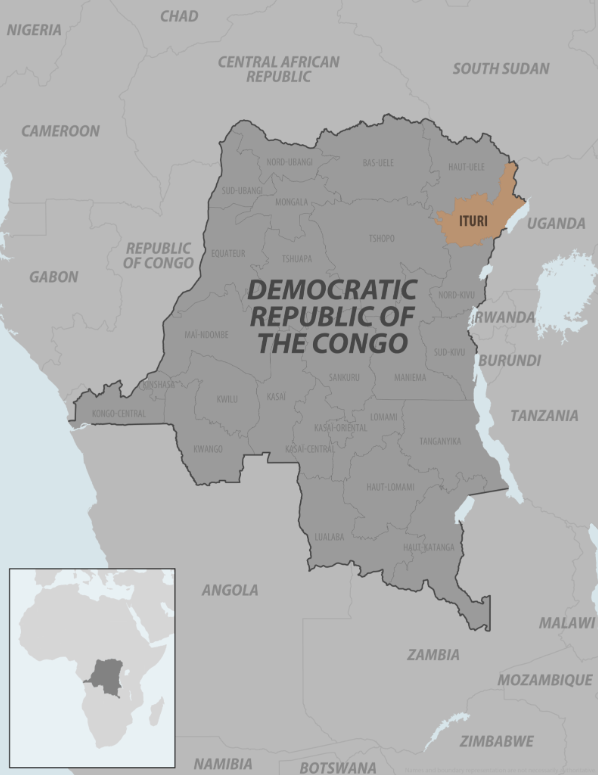
On 15 May 2026, the Democratic Republic of the Congo (DRC) and Uganda declared an outbreak of Ebola disease after confirmation of Bundibugyo virus Virus Viruses are infectious, obligate intracellular parasites composed of a nucleic acid core surrounded by a protein capsid. Viruses can be either naked (non-enveloped) or enveloped. The classification of viruses is complex and based on many factors, including type and structure of the nucleoid and capsid, the presence of an envelope, the replication cycle, and the host range. Virology disease (BVD) in both countries. The WHO determined that the outbreak constituted a Public Health Emergency of International Concern (PHEIC).
  • As of 21 May 2026, the WHO reported 746 suspected cases and 176 deaths in DRC.
  • In DRC, transmission is concentrated in the Ituri, North Kivu, and South Kivu provinces.
    • WHO notes that Ituri’s role as a commercial and migratory hub and its proximity to Uganda and South Sudan increase the risk of regional exportation and cross-border transmission.
  • The most affected health zones are Mongbwalu, Rwampara, and Bunia.
  • In Uganda, there were 2 imported cases in Kampala, with no confirmed local transmission.
  • Bundibugyo virus Virus Viruses are infectious, obligate intracellular parasites composed of a nucleic acid core surrounded by a protein capsid. Viruses can be either naked (non-enveloped) or enveloped. The classification of viruses is complex and based on many factors, including type and structure of the nucleoid and capsid, the presence of an envelope, the replication cycle, and the host range. Virology disease rarity:
    • Bundibugyo virus Virus Viruses are infectious, obligate intracellular parasites composed of a nucleic acid core surrounded by a protein capsid. Viruses can be either naked (non-enveloped) or enveloped. The classification of viruses is complex and based on many factors, including type and structure of the nucleoid and capsid, the presence of an envelope, the replication cycle, and the host range. Virology disease is relatively rare.
    • Before the 2026 DRC/Uganda outbreak, only two known BDBV outbreaks Outbreaks Sudden increase in the incidence of a disease. The concept includes epidemics and pandemics. Influenza Viruses/Influenza had been reported:
      • Uganda in 2007, when the virus Virus Viruses are infectious, obligate intracellular parasites composed of a nucleic acid core surrounded by a protein capsid. Viruses can be either naked (non-enveloped) or enveloped. The classification of viruses is complex and based on many factors, including type and structure of the nucleoid and capsid, the presence of an envelope, the replication cycle, and the host range. Virology was first identified
      • DRC in 2012

Case fatality

  • Note that case fatality is not a single static number, but changes with virus Virus Viruses are infectious, obligate intracellular parasites composed of a nucleic acid core surrounded by a protein capsid. Viruses can be either naked (non-enveloped) or enveloped. The classification of viruses is complex and based on many factors, including type and structure of the nucleoid and capsid, the presence of an envelope, the replication cycle, and the host range. Virology species, outbreak setting, surveillance Surveillance Developmental Milestones and Normal Growth quality Quality Activities and programs intended to assure or improve the quality of care in either a defined medical setting or a program. The concept includes the assessment or evaluation of the quality of care; identification of problems or shortcomings in the delivery of care; designing activities to overcome these deficiencies; and follow-up monitoring to ensure effectiveness of corrective steps. Quality Measurement and Improvement, confirmation status, access to treatment centers, and quality Quality Activities and programs intended to assure or improve the quality of care in either a defined medical setting or a program. The concept includes the assessment or evaluation of the quality of care; identification of problems or shortcomings in the delivery of care; designing activities to overcome these deficiencies; and follow-up monitoring to ensure effectiveness of corrective steps. Quality Measurement and Improvement of supportive care.
  • WHO reported an early confirmed-case CFR of 12% as of 21 May 2026 (preliminary, based on 10 deaths among 85 confirmed cases)
  • Prior BVD outbreaks Outbreaks Sudden increase in the incidence of a disease. The concept includes epidemics and pandemics. Influenza Viruses/Influenza in Uganda and DRC in 2007 and 2012 had CFRs of ~30%–50%.
2026 Bundibugyo virus disease outbreak

The 2026 Bundibugyo virus disease outbreak is centered in northeastern DRC, especially in the Ituri Province near the Uganda border, with cross-border cases reported in Uganda. Surveillance, contact tracing, and infection prevention are critical because the affected region is highly mobile and conflict-affected.

Source: WHO PHEIC statement, 17 May 2026; map adapted from CDC Travelers’ Health, 2026

Transmission

Ebola disease spreads through direct contact through broken skin Skin The skin, also referred to as the integumentary system, is the largest organ of the body. The skin is primarily composed of the epidermis (outer layer) and dermis (deep layer). The epidermis is primarily composed of keratinocytes that undergo rapid turnover, while the dermis contains dense layers of connective tissue. Skin: Structure and Functions or mucous membranes with infectious body fluids or contaminated materials from a person who is sick with or has died from Ebola disease.

  • Reservoir Reservoir Animate or inanimate sources which normally harbor disease-causing organisms and thus serve as potential sources of disease outbreaks. Reservoirs are distinguished from vectors (disease vectors) and carriers, which are agents of disease transmission rather than continuing sources of potential disease outbreaks. Humans may serve both as disease reservoirs and carriers. Escherichia coli and animal hosts:
    • The natural reservoir Reservoir Animate or inanimate sources which normally harbor disease-causing organisms and thus serve as potential sources of disease outbreaks. Reservoirs are distinguished from vectors (disease vectors) and carriers, which are agents of disease transmission rather than continuing sources of potential disease outbreaks. Humans may serve both as disease reservoirs and carriers. Escherichia coli is not completely known, but fruit bats are considered likely reservoirs.
    • Humans and nonhuman primates can become infected.
  • High-risk body fluids and materials:
    • Blood
    • Vomit
    • Stool/feces
    • Urine
    • Saliva Saliva The clear, viscous fluid secreted by the salivary glands and mucous glands of the mouth. It contains mucins, water, organic salts, and ptyalin. Salivary Glands: Anatomy
    • Sweat
    • Semen
    • Breast milk
    • Vaginal fluids
    • Contaminated clothing or bedding
    • Contaminated needles or medical equipment
    • Bodies of people who died from Ebola disease
  • High-risk exposures:
    • Caring for a symptomatic patient without appropriate PPE
    • Contact with a dead body during funeral or burial practices
    • Needlestick or sharps injury
    • Laboratory exposure
    • Health care exposure in an outbreak area
    • Contact with infected nonhuman primates or bats
    • Exposure to semen from a male survivor if viral persistence has not been excluded
  • Infectious period: A person infected with an orthoebolavirus is not considered contagious until symptoms appear.

Pathogenesis

Entry and Spread

  • Ebola viruses Viruses Minute infectious agents whose genomes are composed of DNA or RNA, but not both. They are characterized by a lack of independent metabolism and the inability to replicate outside living host cells. Virology enter through:
    • Mucous membranes
    • Broken skin Skin The skin, also referred to as the integumentary system, is the largest organ of the body. The skin is primarily composed of the epidermis (outer layer) and dermis (deep layer). The epidermis is primarily composed of keratinocytes that undergo rapid turnover, while the dermis contains dense layers of connective tissue. Skin: Structure and Functions
    • Percutaneous exposure
    • Contact with contaminated blood, body fluids, tissues, or medical equipment
  • Early target cells include:
    • Macrophages Macrophages The relatively long-lived phagocytic cell of mammalian tissues that are derived from blood monocytes. Main types are peritoneal macrophages; alveolar macrophages; histiocytes; kupffer cells of the liver; and osteoclasts. They may further differentiate within chronic inflammatory lesions to epithelioid cells or may fuse to form foreign body giant cells or langhans giant cells. Innate Immunity: Phagocytes and Antigen Presentation
    • Monocytes Monocytes Large, phagocytic mononuclear leukocytes produced in the vertebrate bone marrow and released into the blood; contain a large, oval or somewhat indented nucleus surrounded by voluminous cytoplasm and numerous organelles. Innate Immunity: Phagocytes and Antigen Presentation
    • Dendritic cells Dendritic cells Specialized cells of the hematopoietic system that have branch-like extensions. They are found throughout the lymphatic system, and in non-lymphoid tissues such as skin and the epithelia of the intestinal, respiratory, and reproductive tracts. They trap and process antigens, and present them to T-cells, thereby stimulating cell-mediated immunity. They are different from the non-hematopoietic follicular dendritic cells, which have a similar morphology and immune system function, but with respect to humoral immunity (antibody production). Skin: Structure and Functions
  • After local replication, the virus Virus Viruses are infectious, obligate intracellular parasites composed of a nucleic acid core surrounded by a protein capsid. Viruses can be either naked (non-enveloped) or enveloped. The classification of viruses is complex and based on many factors, including type and structure of the nucleoid and capsid, the presence of an envelope, the replication cycle, and the host range. Virology spreads to regional lymph nodes Lymph Nodes They are oval or bean shaped bodies (1 – 30 mm in diameter) located along the lymphatic system. Lymphatic Drainage System: Anatomy and disseminates through the bloodstream.

Immune dysfunction

  • Ebola viruses Viruses Minute infectious agents whose genomes are composed of DNA or RNA, but not both. They are characterized by a lack of independent metabolism and the inability to replicate outside living host cells. Virology impair immune responses through:
    • Infection of dendritic cells Dendritic cells Specialized cells of the hematopoietic system that have branch-like extensions. They are found throughout the lymphatic system, and in non-lymphoid tissues such as skin and the epithelia of the intestinal, respiratory, and reproductive tracts. They trap and process antigens, and present them to T-cells, thereby stimulating cell-mediated immunity. They are different from the non-hematopoietic follicular dendritic cells, which have a similar morphology and immune system function, but with respect to humoral immunity (antibody production). Skin: Structure and Functions, which reduces antigen Antigen Substances that are recognized by the immune system and induce an immune reaction. Vaccination presentation
    • Activation of macrophages Macrophages The relatively long-lived phagocytic cell of mammalian tissues that are derived from blood monocytes. Main types are peritoneal macrophages; alveolar macrophages; histiocytes; kupffer cells of the liver; and osteoclasts. They may further differentiate within chronic inflammatory lesions to epithelioid cells or may fuse to form foreign body giant cells or langhans giant cells. Innate Immunity: Phagocytes and Antigen Presentation and monocytes Monocytes Large, phagocytic mononuclear leukocytes produced in the vertebrate bone marrow and released into the blood; contain a large, oval or somewhat indented nucleus surrounded by voluminous cytoplasm and numerous organelles. Innate Immunity: Phagocytes and Antigen Presentation
    • Release of inflammatory cytokines Cytokines Non-antibody proteins secreted by inflammatory leukocytes and some non-leukocytic cells, that act as intercellular mediators. They differ from classical hormones in that they are produced by a number of tissue or cell types rather than by specialized glands. They generally act locally in a paracrine or autocrine rather than endocrine manner. Adaptive Immune Response
    • Lymphocyte apoptosis Apoptosis A regulated cell death mechanism characterized by distinctive morphologic changes in the nucleus and cytoplasm, including the endonucleolytic cleavage of genomic DNA, at regularly spaced, internucleosomal sites, I.e., DNA fragmentation. It is genetically-programmed and serves as a balance to mitosis in regulating the size of animal tissues and in mediating pathologic processes associated with tumor growth. Ischemic Cell Damage despite limited direct lymphocyte infection
    • Dysregulated innate and adaptive immune responses

Tissue injury, Systemic infection, and Death

  • Systemic infection can cause:
    • Cytokine-mediated inflammation Inflammation Inflammation is a complex set of responses to infection and injury involving leukocytes as the principal cellular mediators in the body’s defense against pathogenic organisms. Inflammation is also seen as a response to tissue injury in the process of wound healing. The 5 cardinal signs of inflammation are pain, heat, redness, swelling, and loss of function. Inflammation
    • Vascular leak
    • Hypotension Hypotension Hypotension is defined as low blood pressure, specifically < 90/60 mm Hg, and is most commonly a physiologic response. Hypotension may be mild, serious, or life threatening, depending on the cause. Hypotension
    • Coagulation abnormalities
    • Hepatic injury
    • Renal injury
    • Gastrointestinal fluid loss
    • Shock Shock Shock is a life-threatening condition associated with impaired circulation that results in tissue hypoxia. The different types of shock are based on the underlying cause: distributive (↑ cardiac output (CO), ↓ systemic vascular resistance (SVR)), cardiogenic (↓ CO, ↑ SVR), hypovolemic (↓ CO, ↑ SVR), obstructive (↓ CO), and mixed. Types of Shock
    • Multiorgan dysfunction
  • Causes of death extend beyond simple hemorrhage to include:
    • Shock Shock Shock is a life-threatening condition associated with impaired circulation that results in tissue hypoxia. The different types of shock are based on the underlying cause: distributive (↑ cardiac output (CO), ↓ systemic vascular resistance (SVR)), cardiogenic (↓ CO, ↑ SVR), hypovolemic (↓ CO, ↑ SVR), obstructive (↓ CO), and mixed. Types of Shock
    • Severe fluid loss
    • Electrolyte abnormalities
    • Multiorgan failure

Clinical Presentation

Early Ebola disease is nonspecific and may resemble malaria Malaria Malaria is an infectious parasitic disease affecting humans and other animals. Most commonly transmitted via the bite of a female Anopheles mosquito infected with microorganisms of the Plasmodium genus. Patients present with fever, chills, myalgia, headache, and diaphoresis. Plasmodium/Malaria, typhoid Typhoid Typhoid (or enteric) fever is a severe, systemic bacterial infection classically caused by the facultative intracellular and Gram-negative bacilli Salmonella enterica serotype Typhi (S. Typhimurium, formerly S. typhi). S. paratyphi serotypes A, B, or C can cause a similar syndrome. Enteric Fever (Typhoid Fever) fever Fever Fever is defined as a measured body temperature of at least 38°C (100.4°F). Fever is caused by circulating endogenous and/or exogenous pyrogens that increase levels of prostaglandin E2 in the hypothalamus. Fever is commonly associated with chills, rigors, sweating, and flushing of the skin. Fever, influenza Influenza Influenza viruses are members of the Orthomyxoviridae family and the causative organisms of influenza, a highly contagious febrile respiratory disease. There are 3 primary influenza viruses (A, B, and C) and various subtypes, which are classified based on their virulent surface antigens, hemagglutinin (HA) and neuraminidase (NA). Influenza typically presents with a fever, myalgia, headache, and symptoms of an upper respiratory infection. Influenza Viruses/Influenza, COVID-19 COVID-19 Coronavirus disease 2019 (COVID-19) is an infectious disease caused by the severe acute respiratory syndrome coronavirus 2 (SARS-CoV-2) that mainly affects the respiratory system but can also cause damage to other body systems (cardiovascular, gastrointestinal, renal, and central nervous systems). , viral gastroenteritis Gastroenteritis Gastroenteritis is inflammation of the stomach and intestines, commonly caused by infections from bacteria, viruses, or parasites. Transmission may be foodborne, fecal-oral, or through animal contact. Common clinical features include abdominal pain, diarrhea, vomiting, fever, and dehydration. Gastroenteritis, bacterial gastroenteritis Gastroenteritis Gastroenteritis is inflammation of the stomach and intestines, commonly caused by infections from bacteria, viruses, or parasites. Transmission may be foodborne, fecal-oral, or through animal contact. Common clinical features include abdominal pain, diarrhea, vomiting, fever, and dehydration. Gastroenteritis, or other viral hemorrhagic fevers.

  • Incubation Incubation The amount time between exposure to an infectious agent and becoming symptomatic. Rabies Virus period: ranges from 2 to 21 days after exposure
  • Individuals are usually not infectious until symptom onset.
  • Early nonspecific symptoms:
    • Fever Fever Fever is defined as a measured body temperature of at least 38°C (100.4°F). Fever is caused by circulating endogenous and/or exogenous pyrogens that increase levels of prostaglandin E2 in the hypothalamus. Fever is commonly associated with chills, rigors, sweating, and flushing of the skin. Fever
    • Fatigue Fatigue The state of weariness following a period of exertion, mental or physical, characterized by a decreased capacity for work and reduced efficiency to respond to stimuli. Fibromyalgia
    • Muscle pain Muscle Pain Ion Channel Myopathy
    • Headache Headache The symptom of pain in the cranial region. It may be an isolated benign occurrence or manifestation of a wide variety of headache disorders. Brain Abscess
    • Sore throat Sore throat Pharyngitis is an inflammation of the back of the throat (pharynx). Pharyngitis is usually caused by an upper respiratory tract infection, which is viral in most cases. It typically results in a sore throat and fever. Other symptoms may include a runny nose, cough, headache, and hoarseness. Pharyngitis
  • Later “wet” symptoms:
    • Diarrhea Diarrhea Diarrhea is defined as ≥ 3 watery or loose stools in a 24-hour period. There are a multitude of etiologies, which can be classified based on the underlying mechanism of disease. The duration of symptoms (acute or chronic) and characteristics of the stools (e.g., watery, bloody, steatorrheic, mucoid) can help guide further diagnostic evaluation. Diarrhea
    • Vomiting Vomiting The forcible expulsion of the contents of the stomach through the mouth. Hypokalemia
    • Unexplained bleeding
  • Other common symptoms include:

Severe manifestations

  • Profuse vomiting Vomiting The forcible expulsion of the contents of the stomach through the mouth. Hypokalemia and diarrhea Diarrhea Diarrhea is defined as ≥ 3 watery or loose stools in a 24-hour period. There are a multitude of etiologies, which can be classified based on the underlying mechanism of disease. The duration of symptoms (acute or chronic) and characteristics of the stools (e.g., watery, bloody, steatorrheic, mucoid) can help guide further diagnostic evaluation. Diarrhea
  • Severe dehydration Severe Dehydration Fluid Replacement Therapy in Children
  • Electrolyte abnormalities
  • Hypotension Hypotension Hypotension is defined as low blood pressure, specifically < 90/60 mm Hg, and is most commonly a physiologic response. Hypotension may be mild, serious, or life threatening, depending on the cause. Hypotension
  • Shock Shock Shock is a life-threatening condition associated with impaired circulation that results in tissue hypoxia. The different types of shock are based on the underlying cause: distributive (↑ cardiac output (CO), ↓ systemic vascular resistance (SVR)), cardiogenic (↓ CO, ↑ SVR), hypovolemic (↓ CO, ↑ SVR), obstructive (↓ CO), and mixed. Types of Shock
  • Hepatitis or hepatic injury
  • Acute kidney injury Acute Kidney Injury Acute kidney injury refers to sudden and often reversible loss of renal function, which develops over days or weeks. Azotemia refers to elevated levels of nitrogen-containing substances in the blood that accompany AKI, which include BUN and creatinine. Acute Kidney Injury
  • Coagulopathy
  • Mucosal bleeding Mucosal bleeding Chédiak-Higashi Syndrome
  • Gastrointestinal bleeding Gastrointestinal bleeding Gastrointestinal bleeding (GIB) is a symptom of multiple diseases within the gastrointestinal (GI) tract. Gastrointestinal bleeding is designated as upper or lower based on the etiology’s location to the ligament of Treitz. Depending on the location of the bleeding, the patient may present with hematemesis (vomiting blood), melena (black, tarry stool), or hematochezia (fresh blood in stools). Gastrointestinal Bleeding
  • Oozing from venipuncture sites
  • Altered mental status Altered Mental Status Sepsis in Children
  • Seizures Seizures A seizure is abnormal electrical activity of the neurons in the cerebral cortex that can manifest in numerous ways depending on the region of the brain affected. Seizures consist of a sudden imbalance that occurs between the excitatory and inhibitory signals in cortical neurons, creating a net excitation. The 2 major classes of seizures are focal and generalized. Seizures
  • Respiratory failure Respiratory failure Respiratory failure is a syndrome that develops when the respiratory system is unable to maintain oxygenation and/or ventilation. Respiratory failure may be acute or chronic and is classified as hypoxemic, hypercapnic, or a combination of the two. Respiratory Failure
  • Multiorgan failure

Hemorrhage

Bleeding can occur but is not required. Many patients Patients Individuals participating in the health care system for the purpose of receiving therapeutic, diagnostic, or preventive procedures. Clinician–Patient Relationship present first with fever Fever Fever is defined as a measured body temperature of at least 38°C (100.4°F). Fever is caused by circulating endogenous and/or exogenous pyrogens that increase levels of prostaglandin E2 in the hypothalamus. Fever is commonly associated with chills, rigors, sweating, and flushing of the skin. Fever, weakness, body aches, vomiting Vomiting The forcible expulsion of the contents of the stomach through the mouth. Hypokalemia, diarrhea Diarrhea Diarrhea is defined as ≥ 3 watery or loose stools in a 24-hour period. There are a multitude of etiologies, which can be classified based on the underlying mechanism of disease. The duration of symptoms (acute or chronic) and characteristics of the stools (e.g., watery, bloody, steatorrheic, mucoid) can help guide further diagnostic evaluation. Diarrhea, or abdominal pain Abdominal Pain Acute Abdomen. In the 2026 outbreak, reported symptoms included fever Fever Fever is defined as a measured body temperature of at least 38°C (100.4°F). Fever is caused by circulating endogenous and/or exogenous pyrogens that increase levels of prostaglandin E2 in the hypothalamus. Fever is commonly associated with chills, rigors, sweating, and flushing of the skin. Fever, generalized body pain Pain An unpleasant sensation induced by noxious stimuli which are detected by nerve endings of nociceptive neurons. Pain: Types and Pathways, weakness, vomiting Vomiting The forcible expulsion of the contents of the stomach through the mouth. Hypokalemia, and, in some cases, bleeding.

High-yield point: Do not wait for bleeding before suspecting or isolating a patient with compatible symptoms and epidemiologic risk.

Post-recovery manifestations

  • Fatigue Fatigue The state of weariness following a period of exertion, mental or physical, characterized by a decreased capacity for work and reduced efficiency to respond to stimuli. Fibromyalgia
  • Arthralgia Arthralgia Pain in the joint. Rheumatic Fever
  • Vision Vision Ophthalmic Exam problems, including uveitis Uveitis Uveitis is the inflammation of the uvea, the pigmented middle layer of the eye, which comprises the iris, ciliary body, and choroid. The condition is categorized based on the site of disease; anterior uveitis is the most common. Diseases of the Uvea
  • Hearing changes
  • Cognitive symptoms
  • Psychosocial sequelae
  • Possible relapse Relapse Relapsing Fever from viral persistence in immune-privileged sites
  • Risk of sexual transmission due to semen persistence after recovery

Diagnosis and Management

Diagnosis

Diagnosing Ebola disease early can be difficult because early symptoms mimic other common infectious diseases. A high degree of suspicion is required, and immediate isolation of suspected cases is essential to prevent outbreak amplification.

  • Initial evaluation:
    • Assessment should combine symptoms with epidemiologic risk.
    • Important epidemiologic risk factors include:
      • Travel to or residence in an affected outbreak area
      • Direct contact with a symptomatic person with suspected or confirmed Ebola disease, alive or dead
      • Contact with objects contaminated by body fluids
      • Contact with bats in an outbreak area
      • Breach in infection prevention precautions while caring for a suspected or confirmed case
      • Participation in funeral or burial practices
      • Health care or laboratory exposure
    • Systematic assessment of patients Patients Individuals participating in the health care system for the purpose of receiving therapeutic, diagnostic, or preventive procedures. Clinician–Patient Relationship with compatible symptoms for exposure risk and viral hemorrhagic fevers is recommended.

RT-PCR RT-PCR A variation of the pcr technique in which cDNA is made from RNA via reverse transcription. The resultant cDNA is then amplified using standard pcr protocols. Polymerase Chain Reaction (PCR)/molecular testing

  • The main diagnostic approaches for acute suspected Ebola disease.
  • Detects viral RNA RNA A polynucleotide consisting essentially of chains with a repeating backbone of phosphate and ribose units to which nitrogenous bases are attached. RNA is unique among biological macromolecules in that it can encode genetic information, serve as an abundant structural component of cells, and also possesses catalytic activity. RNA Types and Structure
  • Should be coordinated through public health or reference laboratories
  • Can help identify the causative virus Virus Viruses are infectious, obligate intracellular parasites composed of a nucleic acid core surrounded by a protein capsid. Viruses can be either naked (non-enveloped) or enveloped. The classification of viruses is complex and based on many factors, including type and structure of the nucleoid and capsid, the presence of an envelope, the replication cycle, and the host range. Virology species; especially important for distinguishing Bundibugyo virus Virus Viruses are infectious, obligate intracellular parasites composed of a nucleic acid core surrounded by a protein capsid. Viruses can be either naked (non-enveloped) or enveloped. The classification of viruses is complex and based on many factors, including type and structure of the nucleoid and capsid, the presence of an envelope, the replication cycle, and the host range. Virology disease from Zaire ebolavirus Zaire ebolavirus Ebolavirus and Marburgvirus disease, Sudan virus Virus Viruses are infectious, obligate intracellular parasites composed of a nucleic acid core surrounded by a protein capsid. Viruses can be either naked (non-enveloped) or enveloped. The classification of viruses is complex and based on many factors, including type and structure of the nucleoid and capsid, the presence of an envelope, the replication cycle, and the host range. Virology disease, and Marburg virus disease Marburg virus disease An RNA virus infection of rhesus, vervet, and squirrel monkeys transmissible to man. Ebolavirus and Marburgvirus
    • The GeneXpert platform cannot detect Bundibugyo virus Virus Viruses are infectious, obligate intracellular parasites composed of a nucleic acid core surrounded by a protein capsid. Viruses can be either naked (non-enveloped) or enveloped. The classification of viruses is complex and based on many factors, including type and structure of the nucleoid and capsid, the presence of an envelope, the replication cycle, and the host range. Virology.
    • Special-pathogen panels can detect orthomarburgviruses and orthoebolaviruses, but results from these test kits are presumptive and require confirmatory testing at central laboratories.

WHO recommends scaling up and strengthening RT-PCR RT-PCR A variation of the pcr technique in which cDNA is made from RNA via reverse transcription. The resultant cDNA is then amplified using standard pcr protocols. Polymerase Chain Reaction (PCR) laboratory capacity for timely testing for BDBV and notes that field laboratories should meet biosecurity and biosafety standards.

Antigen detection Antigen detection Respiratory Syncytial Virus and serology Serology The study of serum, especially of antigen-antibody reactions in vitro. Yellow Fever Virus

Antigen detection Antigen detection Respiratory Syncytial Virus and serologic testing may be used in some Ebola disease diagnostic workflows. Differentiating BVD from other endemic febrile illnesses, such as malaria Malaria Malaria is an infectious parasitic disease affecting humans and other animals. Most commonly transmitted via the bite of a female Anopheles mosquito infected with microorganisms of the Plasmodium genus. Patients present with fever, chills, myalgia, headache, and diaphoresis. Plasmodium/Malaria, is challenging without laboratory confirmation using PCR PCR Polymerase chain reaction (PCR) is a technique that amplifies DNA fragments exponentially for analysis. The process is highly specific, allowing for the targeting of specific genomic sequences, even with minuscule sample amounts. The PCR cycles multiple times through 3 phases: denaturation of the template DNA, annealing of a specific primer to the individual DNA strands, and synthesis/elongation of new DNA molecules. Polymerase Chain Reaction (PCR) or antigen Antigen Substances that are recognized by the immune system and induce an immune reaction. Vaccination/antibody-based assays.
BDBV-specific isolation and testing rule

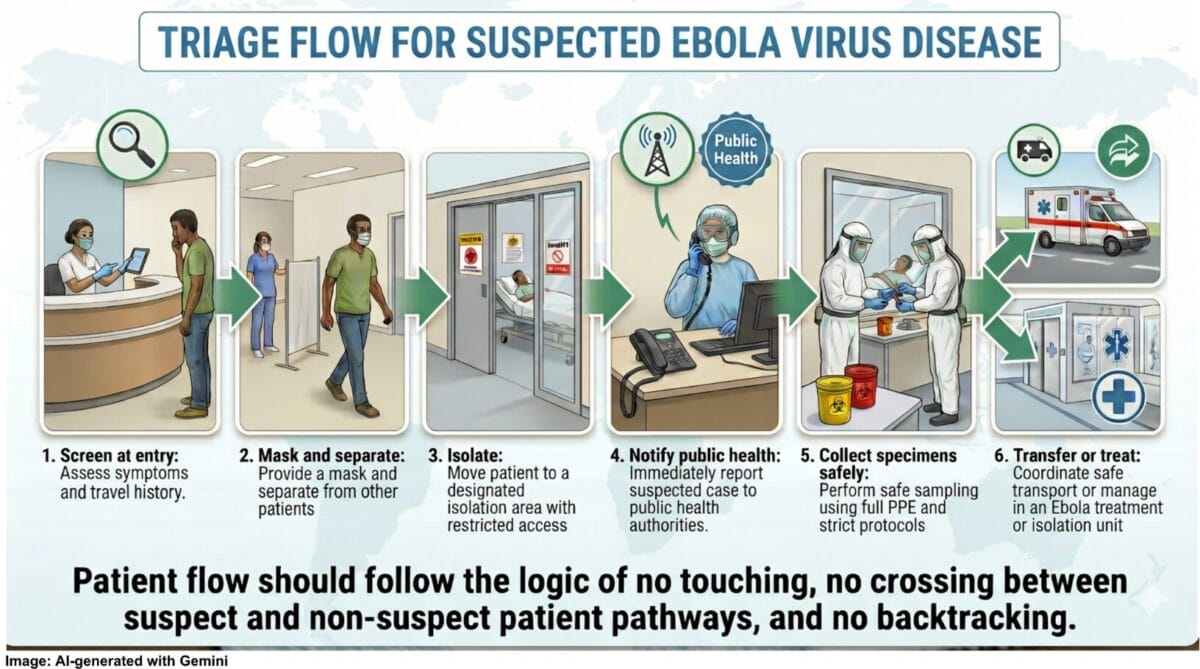
  • Patients Patients Individuals participating in the health care system for the purpose of receiving therapeutic, diagnostic, or preventive procedures. Clinician–Patient Relationship with both exposure risk and compatible symptoms should be immediately isolated and hospitalized until receiving a negative BVD test result from a specimen collected ≥72 hours after symptom onset.
  • If a specimen is collected early and is negative, the patient should remain isolated and undergo repeat testing with a new specimen collected ≥72 hours after symptom onset.
  • A recent stay in DRC or Uganda should trigger Trigger The type of signal that initiates the inspiratory phase by the ventilator Invasive Mechanical Ventilation isolation in a symptomatic patient, with PPE, public health notification, and BVD testing, but it should not stop clinicians from evaluating and treating common or concurrent illnesses.
  • Malaria Malaria Malaria is an infectious parasitic disease affecting humans and other animals. Most commonly transmitted via the bite of a female Anopheles mosquito infected with microorganisms of the Plasmodium genus. Patients present with fever, chills, myalgia, headache, and diaphoresis. Plasmodium/Malaria, sepsis Sepsis Systemic inflammatory response syndrome with a proven or suspected infectious etiology. When sepsis is associated with organ dysfunction distant from the site of infection, it is called severe sepsis. When sepsis is accompanied by hypotension despite adequate fluid infusion, it is called septic shock. Sepsis and Septic Shock, influenza Influenza Influenza viruses are members of the Orthomyxoviridae family and the causative organisms of influenza, a highly contagious febrile respiratory disease. There are 3 primary influenza viruses (A, B, and C) and various subtypes, which are classified based on their virulent surface antigens, hemagglutinin (HA) and neuraminidase (NA). Influenza typically presents with a fever, myalgia, headache, and symptoms of an upper respiratory infection. Influenza Viruses/Influenza, COVID-19 COVID-19 Coronavirus disease 2019 (COVID-19) is an infectious disease caused by the severe acute respiratory syndrome coronavirus 2 (SARS-CoV-2) that mainly affects the respiratory system but can also cause damage to other body systems (cardiovascular, gastrointestinal, renal, and central nervous systems). , and gastroenteritis Gastroenteritis Gastroenteritis is inflammation of the stomach and intestines, commonly caused by infections from bacteria, viruses, or parasites. Transmission may be foodborne, fecal-oral, or through animal contact. Common clinical features include abdominal pain, diarrhea, vomiting, fever, and dehydration. Gastroenteritis can mimic and may coexist with BVD.
Triage flow for suspected Ebola Virus Disease
Image: AI-generated with Gemini

Management

Management is species-dependent. Supportive care is the foundation for all Ebola disease. Intense supportive care and fluid replacement may lower mortality Mortality All deaths reported in a given population. Measures of Health Status. Vaccines and monoclonal antibodies Monoclonal antibodies Antibodies produced by a single clone of cells. Ebolavirus and Marburgvirus cannot be generalized across all orthoebolaviruses.

Supportive management

  • Immediate isolation and infection prevention precautions
  • Oral or IV rehydration Rehydration Dengue Virus
  • Electrolyte monitoring and replacement
  • Antiemetics Antiemetics Antiemetics are medications used to treat and/or prevent nausea and vomiting. These drugs act on different target receptors. The main classes include benzodiazepines, corticosteroids, atypical antipsychotics, cannabinoids, and antagonists of the following receptors: serotonin, dopamine, and muscarinic and neurokinin receptors. Antiemetics
  • Antidiarrheal Antidiarrheal Antidiarrheal agents include several drug classes, including opioid agonists, somatostatin analogues, adsorbents, and bile acid sequestrants. These medications mainly work through antimotility and/or antisecretory effects. Antidiarrheal Drugs therapy when appropriate
  • Antipyretics such as acetaminophen Acetaminophen Acetaminophen is an over-the-counter nonopioid analgesic and antipyretic medication and the most commonly used analgesic worldwide. Despite the widespread use of acetaminophen, its mechanism of action is not entirely understood. Acetaminophen
  • Pain Pain An unpleasant sensation induced by noxious stimuli which are detected by nerve endings of nociceptive neurons. Pain: Types and Pathways control
  • Hemodynamic support for shock Shock Shock is a life-threatening condition associated with impaired circulation that results in tissue hypoxia. The different types of shock are based on the underlying cause: distributive (↑ cardiac output (CO), ↓ systemic vascular resistance (SVR)), cardiogenic (↓ CO, ↑ SVR), hypovolemic (↓ CO, ↑ SVR), obstructive (↓ CO), and mixed. Types of Shock
  • Oxygen or mechanical ventilation Ventilation The total volume of gas inspired or expired per unit of time, usually measured in liters per minute. Ventilation: Mechanics of Breathing for respiratory failure Respiratory failure Respiratory failure is a syndrome that develops when the respiratory system is unable to maintain oxygenation and/or ventilation. Respiratory failure may be acute or chronic and is classified as hypoxemic, hypercapnic, or a combination of the two. Respiratory Failure
  • Blood products, when clinically indicated
  • Monitoring for renal failure Renal failure Conditions in which the kidneys perform below the normal level in the ability to remove wastes, concentrate urine, and maintain electrolyte balance; blood pressure; and calcium metabolism. Renal insufficiency can be classified by the degree of kidney damage (as measured by the level of proteinuria) and reduction in glomerular filtration rate. Crush Syndrome, hepatic injury, coagulopathy, hypoglycemia Hypoglycemia Hypoglycemia is an emergency condition defined as a serum glucose level ≤ 70 mg/dL (≤ 3.9 mmol/L) in diabetic patients. In nondiabetic patients, there is no specific or defined limit for normal serum glucose levels, and hypoglycemia is defined mainly by its clinical features. Hypoglycemia, and secondary infections Infections Invasion of the host organism by microorganisms or their toxins or by parasites that can cause pathological conditions or diseases. Chronic Granulomatous Disease

Species-specific treatment

  • Zaire ebolavirus Zaire ebolavirus Ebolavirus and Marburgvirus disease:
    • Preventive vaccine Vaccine Suspensions of killed or attenuated microorganisms (bacteria, viruses, fungi, protozoa), antigenic proteins, synthetic constructs, or other bio-molecular derivatives, administered for the prevention, amelioration, or treatment of infectious and other diseases. Vaccination: Ervebo, also called rVSV-ZEBOV
    • Monoclonal antibody treatments: Inmazeb and Ebanga
  • Bundibugyo virus Virus Viruses are infectious, obligate intracellular parasites composed of a nucleic acid core surrounded by a protein capsid. Viruses can be either naked (non-enveloped) or enveloped. The classification of viruses is complex and based on many factors, including type and structure of the nucleoid and capsid, the presence of an envelope, the replication cycle, and the host range. Virology disease:
    • There is currently no licensed vaccine Vaccine Suspensions of killed or attenuated microorganisms (bacteria, viruses, fungi, protozoa), antigenic proteins, synthetic constructs, or other bio-molecular derivatives, administered for the prevention, amelioration, or treatment of infectious and other diseases. Vaccination or approved therapeutic against BDBV.
    • Ervebo does not protect against Bundibugyo virus Virus Viruses are infectious, obligate intracellular parasites composed of a nucleic acid core surrounded by a protein capsid. Viruses can be either naked (non-enveloped) or enveloped. The classification of viruses is complex and based on many factors, including type and structure of the nucleoid and capsid, the presence of an envelope, the replication cycle, and the host range. Virology or other orthoebolaviruses.

Prevention and Outbreak Control

Prevention requires rapid recognition, isolation, infection prevention, and public health response.

Key prevention measures

  • Screen patients Patients Individuals participating in the health care system for the purpose of receiving therapeutic, diagnostic, or preventive procedures. Clinician–Patient Relationship for compatible symptoms and exposure history at first contact
  • Immediately separate and isolate suspected cases
  • Notify public health authorities
  • Use appropriate PPE:
    • For routine care of suspected/confirmed patients Patients Individuals participating in the health care system for the purpose of receiving therapeutic, diagnostic, or preventive procedures. Clinician–Patient Relationship, CDC guidance recommends Standard, Contact, and Droplet Precautions with eye protection.
    • Eye protection should include goggles or a face shield.
    • Airborne precautions are reserved for aerosol-generating procedures (e.g., endotracheal intubation Intubation Peritonsillar Abscess, bronchoscopy Bronchoscopy Endoscopic examination, therapy or surgery of the bronchi. Laryngomalacia and Tracheomalacia, suctioning, or autopsy procedures involving oscillating saws)
  • Use trained observers for donning and doffing
  • Practice strict hand hygiene Hand hygiene Practices involved in preventing the transmission of diseases by hand. Surgical Infections
  • Avoid unsafe injections and unnecessary sharps
  • Use safe specimen collection, packaging, and transport
  • Disinfect contaminated equipment and surfaces
  • Manage infectious waste safely
  • Avoid direct contact with blood and body fluids, including semen from male survivors until testing confirms clearance
  • Avoid touching the bodies of people who died from suspected or confirmed Ebola disease
  • Conduct contact tracing
  • Monitor exposed contacts for 21 days
  • Use safe and dignified burial practices
  • Communicate clearly with communities to reduce fear, stigma, and misinformation

Health care amplification

  • Health care settings can amplify Ebola transmission if:
    • Suspected cases are not separated at first contact
    • PPE is unavailable or used incorrectly
    • Doffing procedures lead to self-contamination
    • Sharps are handled unsafely
    • Equipment is reused without proper disinfection
    • Waste is not managed safely
    • Staff are not trained in high-risk isolation care

WHO reported 4 health worker deaths in DRC as of 21 May 2026 and described concerns about inadequate isolation and referral systems, inconsistent safe burial measures, and healthcare-associated transmission risk.

Response challenges

The 2026 outbreak is occurring in a complex humanitarian and security context. WHO notes that insecurity, movement restrictions, poor contact follow-up, weak referral pathways, misinformation, and difficulties transporting samples have complicated response activities. A 4-week detection gap between the onset of symptoms in the presumed index case Index case Basic Terms of Genetics and laboratory confirmation suggests a low initial clinical index of suspicion, compounded by co-circulating febrile illnesses.
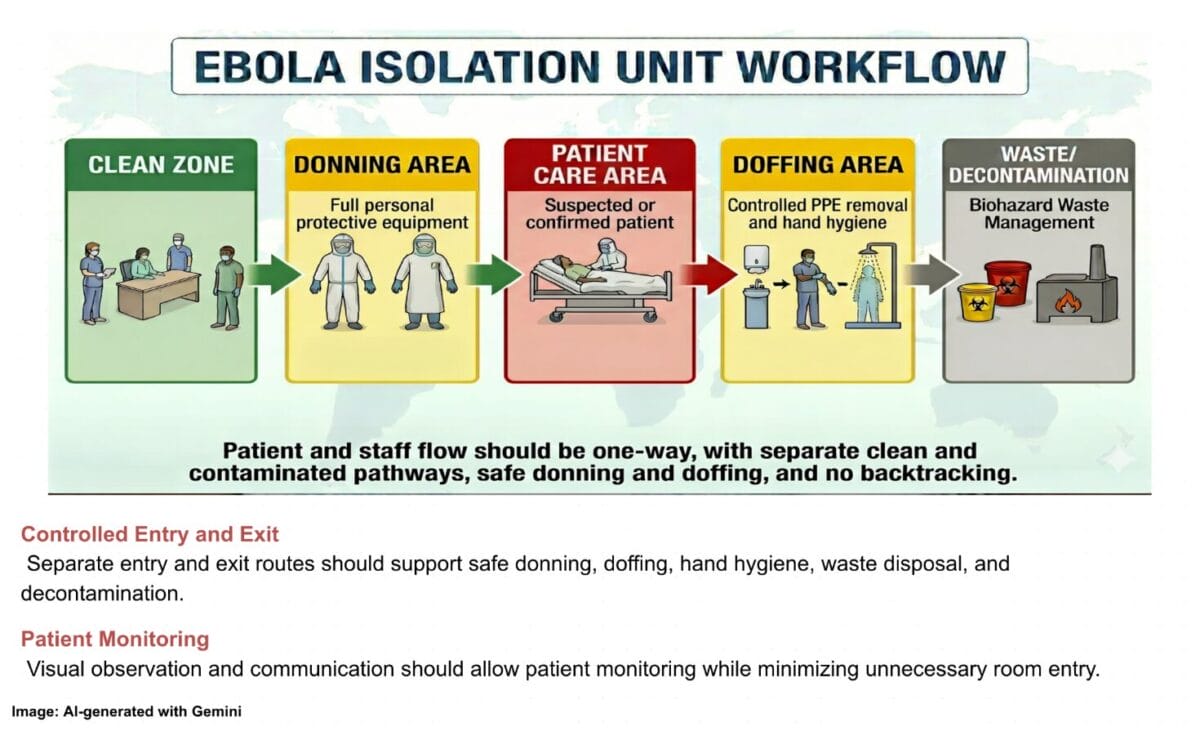
Ebola Isolation Unit Workflow

Ebola isolation care should use one-way patient and staff flow with separate clean and contaminated zones, controlled donning and doffing areas, safe waste/decontamination, and patient monitoring methods that reduce unnecessary room entry.

Image: AI-generated with Gemini

Comparison of Viral Hemorrhagic Fevers

The following table compares and contrasts several viral causes of hemorrhagic fever Fever Fever is defined as a measured body temperature of at least 38°C (100.4°F). Fever is caused by circulating endogenous and/or exogenous pyrogens that increase levels of prostaglandin E2 in the hypothalamus. Fever is commonly associated with chills, rigors, sweating, and flushing of the skin. Fever:

Table: Comparison of viral hemorrhagic fevers
Organism Family Genome Genome The complete genetic complement contained in the DNA of a set of chromosomes in a human. The length of the human genome is about 3 billion base pairs. Basic Terms of Genetics Transmission Clinical Presentation Diagnosis Management
Ebola viruses Viruses Minute infectious agents whose genomes are composed of DNA or RNA, but not both. They are characterized by a lack of independent metabolism and the inability to replicate outside living host cells. Virology Filoviridae Filoviridae A family of RNA viruses, of the order mononegavirales, containing filamentous virions. Although they resemble rhabdoviridae in possessing helical nucleocapsids, filoviridae differ in the length and degree of branching in their virions. There are two genera: ebolavirus and marburgvirus. Ebolavirus and Marburgvirus Enveloped, nonsegmented, negative-sense ssRNA Direct contact with body fluids, contaminated materials, infected animals Animals Unicellular or multicellular, heterotrophic organisms, that have sensation and the power of voluntary movement. Under the older five kingdom paradigm, animalia was one of the kingdoms. Under the modern three domain model, animalia represents one of the many groups in the domain eukaryota. Cell Types: Eukaryotic versus Prokaryotic, funeral exposure, health care exposure Fever Fever Fever is defined as a measured body temperature of at least 38°C (100.4°F). Fever is caused by circulating endogenous and/or exogenous pyrogens that increase levels of prostaglandin E2 in the hypothalamus. Fever is commonly associated with chills, rigors, sweating, and flushing of the skin. Fever, fatigue Fatigue The state of weariness following a period of exertion, mental or physical, characterized by a decreased capacity for work and reduced efficiency to respond to stimuli. Fibromyalgia, myalgia Myalgia Painful sensation in the muscles. Ion Channel Myopathy, vomiting Vomiting The forcible expulsion of the contents of the stomach through the mouth. Hypokalemia, diarrhea Diarrhea Diarrhea is defined as ≥ 3 watery or loose stools in a 24-hour period. There are a multitude of etiologies, which can be classified based on the underlying mechanism of disease. The duration of symptoms (acute or chronic) and characteristics of the stools (e.g., watery, bloody, steatorrheic, mucoid) can help guide further diagnostic evaluation. Diarrhea, shock Shock Shock is a life-threatening condition associated with impaired circulation that results in tissue hypoxia. The different types of shock are based on the underlying cause: distributive (↑ cardiac output (CO), ↓ systemic vascular resistance (SVR)), cardiogenic (↓ CO, ↑ SVR), hypovolemic (↓ CO, ↑ SVR), obstructive (↓ CO), and mixed. Types of Shock, multiorgan dysfunction; bleeding may occur but is not required RT-PCR RT-PCR A variation of the pcr technique in which cDNA is made from RNA via reverse transcription. The resultant cDNA is then amplified using standard pcr protocols. Polymerase Chain Reaction (PCR)/molecular testing, species identification Identification Defense Mechanisms important Supportive care, Zaire-specific vaccine Vaccine Suspensions of killed or attenuated microorganisms (bacteria, viruses, fungi, protozoa), antigenic proteins, synthetic constructs, or other bio-molecular derivatives, administered for the prevention, amelioration, or treatment of infectious and other diseases. Vaccination, monoclonal antibodies Monoclonal antibodies Antibodies produced by a single clone of cells. Ebolavirus and Marburgvirus
Marburg virus Virus Viruses are infectious, obligate intracellular parasites composed of a nucleic acid core surrounded by a protein capsid. Viruses can be either naked (non-enveloped) or enveloped. The classification of viruses is complex and based on many factors, including type and structure of the nucleoid and capsid, the presence of an envelope, the replication cycle, and the host range. Virology Filoviridae Filoviridae A family of RNA viruses, of the order mononegavirales, containing filamentous virions. Although they resemble rhabdoviridae in possessing helical nucleocapsids, filoviridae differ in the length and degree of branching in their virions. There are two genera: ebolavirus and marburgvirus. Ebolavirus and Marburgvirus Enveloped, negative-sense ssRNA Body fluids, contaminated materials, bats/caves/mines, health care exposure Similar to Ebola disease RT-PCR RT-PCR A variation of the pcr technique in which cDNA is made from RNA via reverse transcription. The resultant cDNA is then amplified using standard pcr protocols. Polymerase Chain Reaction (PCR), antigen Antigen Substances that are recognized by the immune system and induce an immune reaction. Vaccination/ serology Serology The study of serum, especially of antigen-antibody reactions in vitro. Yellow Fever Virus in some workflows Supportive care, no approved vaccine Vaccine Suspensions of killed or attenuated microorganisms (bacteria, viruses, fungi, protozoa), antigenic proteins, synthetic constructs, or other bio-molecular derivatives, administered for the prevention, amelioration, or treatment of infectious and other diseases. Vaccination or specific treatment
Yellow fever Fever Fever is defined as a measured body temperature of at least 38°C (100.4°F). Fever is caused by circulating endogenous and/or exogenous pyrogens that increase levels of prostaglandin E2 in the hypothalamus. Fever is commonly associated with chills, rigors, sweating, and flushing of the skin. Fever virus Virus Viruses are infectious, obligate intracellular parasites composed of a nucleic acid core surrounded by a protein capsid. Viruses can be either naked (non-enveloped) or enveloped. The classification of viruses is complex and based on many factors, including type and structure of the nucleoid and capsid, the presence of an envelope, the replication cycle, and the host range. Virology Flaviviridae Flaviviridae A family of RNA viruses, many of which cause disease in humans and domestic animals. There are three genera flavivirus; pestivirus; and hepacivirus, as well as several unassigned species. Hepatitis C Virus Enveloped, positive-sense ssRNA Positive-sense ssRNA Hepatitis C Virus Mosquito vector Fever Fever Fever is defined as a measured body temperature of at least 38°C (100.4°F). Fever is caused by circulating endogenous and/or exogenous pyrogens that increase levels of prostaglandin E2 in the hypothalamus. Fever is commonly associated with chills, rigors, sweating, and flushing of the skin. Fever, jaundice Jaundice Jaundice is the abnormal yellowing of the skin and/or sclera caused by the accumulation of bilirubin. Hyperbilirubinemia is caused by either an increase in bilirubin production or a decrease in the hepatic uptake, conjugation, or excretion of bilirubin. Jaundice, hepatic dysfunction, hemorrhage Serology Serology The study of serum, especially of antigen-antibody reactions in vitro. Yellow Fever Virus, PCR PCR Polymerase chain reaction (PCR) is a technique that amplifies DNA fragments exponentially for analysis. The process is highly specific, allowing for the targeting of specific genomic sequences, even with minuscule sample amounts. The PCR cycles multiple times through 3 phases: denaturation of the template DNA, annealing of a specific primer to the individual DNA strands, and synthesis/elongation of new DNA molecules. Polymerase Chain Reaction (PCR) Supportive care, vaccine Vaccine Suspensions of killed or attenuated microorganisms (bacteria, viruses, fungi, protozoa), antigenic proteins, synthetic constructs, or other bio-molecular derivatives, administered for the prevention, amelioration, or treatment of infectious and other diseases. Vaccination prevention
Hantaviruses Hantaviridae Enveloped, segmented, negative-sense ssRNA Aerosolized rodent waste Fever Fever Fever is defined as a measured body temperature of at least 38°C (100.4°F). Fever is caused by circulating endogenous and/or exogenous pyrogens that increase levels of prostaglandin E2 in the hypothalamus. Fever is commonly associated with chills, rigors, sweating, and flushing of the skin. Fever, thrombocytopenia Thrombocytopenia Thrombocytopenia occurs when the platelet count is < 150,000 per microliter. The normal range for platelets is usually 150,000-450,000/µL of whole blood. Thrombocytopenia can be a result of decreased production, increased destruction, or splenic sequestration of platelets. Patients are often asymptomatic until platelet counts are < 50,000/µL. Thrombocytopenia, AKI AKI Acute kidney injury refers to sudden and often reversible loss of renal function, which develops over days or weeks. Azotemia refers to elevated levels of nitrogen-containing substances in the blood that accompany AKI, which include BUN and creatinine. Acute Kidney Injury or pulmonary edema Pulmonary edema Pulmonary edema is a condition caused by excess fluid within the lung parenchyma and alveoli as a consequence of a disease process. Based on etiology, pulmonary edema is classified as cardiogenic or noncardiogenic. Patients may present with progressive dyspnea, orthopnea, cough, or respiratory failure. Pulmonary Edema depending on syndrome Serology Serology The study of serum, especially of antigen-antibody reactions in vitro. Yellow Fever Virus, PCR PCR Polymerase chain reaction (PCR) is a technique that amplifies DNA fragments exponentially for analysis. The process is highly specific, allowing for the targeting of specific genomic sequences, even with minuscule sample amounts. The PCR cycles multiple times through 3 phases: denaturation of the template DNA, annealing of a specific primer to the individual DNA strands, and synthesis/elongation of new DNA molecules. Polymerase Chain Reaction (PCR) Supportive care
Lassa virus Lassa Virus Lassa virus, part of the Arenaviridae family, is an ssRNA virus that causes Lassa fever, a type of viral hemorrhagic illness. The virus is endemic in parts of West Africa (Sierra Leone, Liberia, Guinea, and Nigeria) and neighboring countries. The reservoir is the multimammate rat (Mastomys natalensis), and transmission is via inhalation or contact with rodent excretions or consumption of rodents. Lassa Virus Arenaviridae Arenaviridae A family of RNA viruses naturally infecting rodents and consisting of one genus (arenavirus) with two groups: old world arenaviruses and new world arenaviruses. Infection in rodents is persistent and silent. Vertical transmission is through milk-, saliva-, or urine-borne routes. Horizontal transmission to humans, monkeys, and other animals is important. Lassa Virus Enveloped, segmented, negative-sense ssRNA Rodent waste, direct contact, body fluids Fever Fever Fever is defined as a measured body temperature of at least 38°C (100.4°F). Fever is caused by circulating endogenous and/or exogenous pyrogens that increase levels of prostaglandin E2 in the hypothalamus. Fever is commonly associated with chills, rigors, sweating, and flushing of the skin. Fever, pharyngitis Pharyngitis Pharyngitis is an inflammation of the back of the throat (pharynx). Pharyngitis is usually caused by an upper respiratory tract infection, which is viral in most cases. It typically results in a sore throat and fever. Other symptoms may include a runny nose, cough, headache, and hoarseness. Pharyngitis, edema Edema Edema is a condition in which excess serous fluid accumulates in the body cavity or interstitial space of connective tissues. Edema is a symptom observed in several medical conditions. It can be categorized into 2 types, namely, peripheral (in the extremities) and internal (in an organ or body cavity). Edema, hemorrhage, deafness may occur RT-PCR RT-PCR A variation of the pcr technique in which cDNA is made from RNA via reverse transcription. The resultant cDNA is then amplified using standard pcr protocols. Polymerase Chain Reaction (PCR), serology Serology The study of serum, especially of antigen-antibody reactions in vitro. Yellow Fever Virus Supportive care, ribavirin Ribavirin A nucleoside antimetabolite antiviral agent that blocks nucleic acid synthesis and is used against both RNA and DNA viruses. Antivirals for Hepatitis C may be used

Differential Diagnosis

  • Malaria Malaria Malaria is an infectious parasitic disease affecting humans and other animals. Most commonly transmitted via the bite of a female Anopheles mosquito infected with microorganisms of the Plasmodium genus. Patients present with fever, chills, myalgia, headache, and diaphoresis. Plasmodium/Malaria: a mosquito-borne infectious disease caused by Plasmodium Plasmodium A genus of protozoa that comprise the malaria parasites of mammals. Four species infect humans (although occasional infections with primate malarias may occur). These are plasmodium falciparum; plasmodium malariae; plasmodium ovale, and plasmodium vivax. Species causing infection in vertebrates other than man include: plasmodium berghei; plasmodium chabaudi; p. Vinckei, and plasmodium yoelii in rodents; p. Brasilianum, plasmodium cynomolgi; and plasmodium knowlesi in monkeys; and plasmodium gallinaceum in chickens. Antimalarial Drugs species. It can present with fever Fever Fever is defined as a measured body temperature of at least 38°C (100.4°F). Fever is caused by circulating endogenous and/or exogenous pyrogens that increase levels of prostaglandin E2 in the hypothalamus. Fever is commonly associated with chills, rigors, sweating, and flushing of the skin. Fever, chills Chills The sudden sensation of being cold. It may be accompanied by shivering. Fever, diaphoresis, jaundice Jaundice Jaundice is the abnormal yellowing of the skin and/or sclera caused by the accumulation of bilirubin. Hyperbilirubinemia is caused by either an increase in bilirubin production or a decrease in the hepatic uptake, conjugation, or excretion of bilirubin. Jaundice, abdominal pain Abdominal Pain Acute Abdomen, anemia Anemia Anemia is a condition in which individuals have low Hb levels, which can arise from various causes. Anemia is accompanied by a reduced number of RBCs and may manifest with fatigue, shortness of breath, pallor, and weakness. Subtypes are classified by the size of RBCs, chronicity, and etiology. Anemia: Overview and Types, splenomegaly Splenomegaly Splenomegaly is pathologic enlargement of the spleen that is attributable to numerous causes, including infections, hemoglobinopathies, infiltrative processes, and outflow obstruction of the portal vein. Splenomegaly, and renal impairment. Diagnosis is made with a blood smear Blood smear Myeloperoxidase Deficiency or rapid antigen Antigen Substances that are recognized by the immune system and induce an immune reaction. Vaccination testing. Management requires a prolonged course of multiple antimalarial drugs Antimalarial drugs Malaria, a vector-borne parasitic disease caused by Plasmodium spp., is transmitted via injection of sporozoites or immature forms of the parasite into a person’s bloodstream. Sporozoites then infect the hepatocytes and differentiate into schizonts, which subsequently rupture, and merozoites invade red blood cells. Antimalarial Drugs. Malaria Malaria Malaria is an infectious parasitic disease affecting humans and other animals. Most commonly transmitted via the bite of a female Anopheles mosquito infected with microorganisms of the Plasmodium genus. Patients present with fever, chills, myalgia, headache, and diaphoresis. Plasmodium/Malaria can coexist with Ebola disease and should not be excluded solely because Ebola testing is being performed.
  • Typhoid Typhoid Typhoid (or enteric) fever is a severe, systemic bacterial infection classically caused by the facultative intracellular and Gram-negative bacilli Salmonella enterica serotype Typhi (S. Typhimurium, formerly S. typhi). S. paratyphi serotypes A, B, or C can cause a similar syndrome. Enteric Fever (Typhoid Fever) fever Fever Fever is defined as a measured body temperature of at least 38°C (100.4°F). Fever is caused by circulating endogenous and/or exogenous pyrogens that increase levels of prostaglandin E2 in the hypothalamus. Fever is commonly associated with chills, rigors, sweating, and flushing of the skin. Fever: a systemic disease caused by the gram-negative bacteria gram-negative bacteria Bacteria which lose crystal violet stain but are stained pink when treated by gram’s method. Bacteriology, Salmonella enterica Salmonella enterica A subgenus of Salmonella containing several medically important serotypes. The habitat for the majority of strains is warm-blooded animals. Salmonella serotype typhi. Symptoms include high fever Fever Fever is defined as a measured body temperature of at least 38°C (100.4°F). Fever is caused by circulating endogenous and/or exogenous pyrogens that increase levels of prostaglandin E2 in the hypothalamus. Fever is commonly associated with chills, rigors, sweating, and flushing of the skin. Fever, abdominal pain Abdominal Pain Acute Abdomen, a rose-colored rash Rash Rocky Mountain Spotted Fever, and diarrhea Diarrhea Diarrhea is defined as ≥ 3 watery or loose stools in a 24-hour period. There are a multitude of etiologies, which can be classified based on the underlying mechanism of disease. The duration of symptoms (acute or chronic) and characteristics of the stools (e.g., watery, bloody, steatorrheic, mucoid) can help guide further diagnostic evaluation. Diarrhea. Gastrointestinal bleeding Gastrointestinal bleeding Gastrointestinal bleeding (GIB) is a symptom of multiple diseases within the gastrointestinal (GI) tract. Gastrointestinal bleeding is designated as upper or lower based on the etiology’s location to the ligament of Treitz. Depending on the location of the bleeding, the patient may present with hematemesis (vomiting blood), melena (black, tarry stool), or hematochezia (fresh blood in stools). Gastrointestinal Bleeding is a complication of an untreated infection. The diagnosis is confirmed by culture. Treatment includes fluoroquinolones Fluoroquinolones Fluoroquinolones are a group of broad-spectrum, bactericidal antibiotics inhibiting bacterial DNA replication. Fluoroquinolones cover gram-negative, anaerobic, and atypical organisms, as well as some gram-positive and multidrug-resistant (MDR) organisms. Fluoroquinolones or azithromycin Azithromycin A semi-synthetic macrolide antibiotic structurally related to erythromycin. It has been used in the treatment of Mycobacterium avium intracellulare infections, toxoplasmosis, and cryptosporidiosis. Macrolides and Ketolides.
  • Viral or bacterial gastroenteritis Gastroenteritis Gastroenteritis is inflammation of the stomach and intestines, commonly caused by infections from bacteria, viruses, or parasites. Transmission may be foodborne, fecal-oral, or through animal contact. Common clinical features include abdominal pain, diarrhea, vomiting, fever, and dehydration. Gastroenteritis: an inflammation Inflammation Inflammation is a complex set of responses to infection and injury involving leukocytes as the principal cellular mediators in the body’s defense against pathogenic organisms. Inflammation is also seen as a response to tissue injury in the process of wound healing. The 5 cardinal signs of inflammation are pain, heat, redness, swelling, and loss of function. Inflammation of the lining of the stomach Stomach The stomach is a muscular sac in the upper left portion of the abdomen that plays a critical role in digestion. The stomach develops from the foregut and connects the esophagus with the duodenum. Structurally, the stomach is C-shaped and forms a greater and lesser curvature and is divided grossly into regions: the cardia, fundus, body, and pylorus. Stomach: Anatomy and intestines. Symptoms include vomiting Vomiting The forcible expulsion of the contents of the stomach through the mouth. Hypokalemia, diarrhea Diarrhea Diarrhea is defined as ≥ 3 watery or loose stools in a 24-hour period. There are a multitude of etiologies, which can be classified based on the underlying mechanism of disease. The duration of symptoms (acute or chronic) and characteristics of the stools (e.g., watery, bloody, steatorrheic, mucoid) can help guide further diagnostic evaluation. Diarrhea, abdominal cramping Abdominal cramping Norovirus, and fever Fever Fever is defined as a measured body temperature of at least 38°C (100.4°F). Fever is caused by circulating endogenous and/or exogenous pyrogens that increase levels of prostaglandin E2 in the hypothalamus. Fever is commonly associated with chills, rigors, sweating, and flushing of the skin. Fever. Unlike Ebola disease, it usually lacks a high-risk exposure history, outbreak-area travel, or contact with infected body fluids.
  • Influenza Influenza Influenza viruses are members of the Orthomyxoviridae family and the causative organisms of influenza, a highly contagious febrile respiratory disease. There are 3 primary influenza viruses (A, B, and C) and various subtypes, which are classified based on their virulent surface antigens, hemagglutinin (HA) and neuraminidase (NA). Influenza typically presents with a fever, myalgia, headache, and symptoms of an upper respiratory infection. Influenza Viruses/Influenza: a common, self-limiting Self-Limiting Meningitis in Children viral infection caused by the influenza Influenza Influenza viruses are members of the Orthomyxoviridae family and the causative organisms of influenza, a highly contagious febrile respiratory disease. There are 3 primary influenza viruses (A, B, and C) and various subtypes, which are classified based on their virulent surface antigens, hemagglutinin (HA) and neuraminidase (NA). Influenza typically presents with a fever, myalgia, headache, and symptoms of an upper respiratory infection. Influenza Viruses/Influenza virus Virus Viruses are infectious, obligate intracellular parasites composed of a nucleic acid core surrounded by a protein capsid. Viruses can be either naked (non-enveloped) or enveloped. The classification of viruses is complex and based on many factors, including type and structure of the nucleoid and capsid, the presence of an envelope, the replication cycle, and the host range. Virology that typically presents with fever Fever Fever is defined as a measured body temperature of at least 38°C (100.4°F). Fever is caused by circulating endogenous and/or exogenous pyrogens that increase levels of prostaglandin E2 in the hypothalamus. Fever is commonly associated with chills, rigors, sweating, and flushing of the skin. Fever, myalgias Myalgias Painful sensation in the muscles. Tick-borne Encephalitis Virus, headache Headache The symptom of pain in the cranial region. It may be an isolated benign occurrence or manifestation of a wide variety of headache disorders. Brain Abscess, and upper respiratory symptoms. Abdominal pain Abdominal Pain Acute Abdomen, vomiting Vomiting The forcible expulsion of the contents of the stomach through the mouth. Hypokalemia, and diarrhea Diarrhea Diarrhea is defined as ≥ 3 watery or loose stools in a 24-hour period. There are a multitude of etiologies, which can be classified based on the underlying mechanism of disease. The duration of symptoms (acute or chronic) and characteristics of the stools (e.g., watery, bloody, steatorrheic, mucoid) can help guide further diagnostic evaluation. Diarrhea may also occur more commonly in children. Hemorrhagic manifestations are not seen. Diagnosis is confirmed using PCR PCR Polymerase chain reaction (PCR) is a technique that amplifies DNA fragments exponentially for analysis. The process is highly specific, allowing for the targeting of specific genomic sequences, even with minuscule sample amounts. The PCR cycles multiple times through 3 phases: denaturation of the template DNA, annealing of a specific primer to the individual DNA strands, and synthesis/elongation of new DNA molecules. Polymerase Chain Reaction (PCR) or ELISA ELISA An immunoassay utilizing an antibody labeled with an enzyme marker such as horseradish peroxidase. While either the enzyme or the antibody is bound to an immunosorbent substrate, they both retain their biologic activity; the change in enzyme activity as a result of the enzyme-antibody-antigen reaction is proportional to the concentration of the antigen and can be measured spectrophotometrically or with the naked eye. Many variations of the method have been developed. St. Louis Encephalitis Virus. Management is generally supportive, although neuraminidase inhibitors Neuraminidase Inhibitors Antivirals for Influenza may be initiated within the 1st 48 hours of the disease.
  • COVID-19 COVID-19 Coronavirus disease 2019 (COVID-19) is an infectious disease caused by the severe acute respiratory syndrome coronavirus 2 (SARS-CoV-2) that mainly affects the respiratory system but can also cause damage to other body systems (cardiovascular, gastrointestinal, renal, and central nervous systems). : a highly contagious respiratory illness caused by the SARS-CoV-2 virus Virus Viruses are infectious, obligate intracellular parasites composed of a nucleic acid core surrounded by a protein capsid. Viruses can be either naked (non-enveloped) or enveloped. The classification of viruses is complex and based on many factors, including type and structure of the nucleoid and capsid, the presence of an envelope, the replication cycle, and the host range. Virology. Symptoms include fever Fever Fever is defined as a measured body temperature of at least 38°C (100.4°F). Fever is caused by circulating endogenous and/or exogenous pyrogens that increase levels of prostaglandin E2 in the hypothalamus. Fever is commonly associated with chills, rigors, sweating, and flushing of the skin. Fever, myalgia Myalgia Painful sensation in the muscles. Ion Channel Myopathy, headache Headache The symptom of pain in the cranial region. It may be an isolated benign occurrence or manifestation of a wide variety of headache disorders. Brain Abscess, fatigue Fatigue The state of weariness following a period of exertion, mental or physical, characterized by a decreased capacity for work and reduced efficiency to respond to stimuli. Fibromyalgia, and respiratory symptoms. Hemorrhage and high-risk body-fluid exposure are not typical features.
  • Bacterial meningitis Bacterial meningitis Bacterial infections of the leptomeninges and subarachnoid space, frequently involving the cerebral cortex, cranial nerves, cerebral blood vessels, spinal cord, and nerve roots. Meningitis: an acute infection of the meninges Meninges The brain and the spinal cord are enveloped by 3 overlapping layers of connective tissue called the meninges. The layers are, from the most external layer to the most internal layer, the dura mater, arachnoid mater, and pia mater. Between these layers are 3 potential spaces called the epidural, subdural, and subarachnoid spaces. Meninges: Anatomy. Patients Patients Individuals participating in the health care system for the purpose of receiving therapeutic, diagnostic, or preventive procedures. Clinician–Patient Relationship present with headaches, fever Fever Fever is defined as a measured body temperature of at least 38°C (100.4°F). Fever is caused by circulating endogenous and/or exogenous pyrogens that increase levels of prostaglandin E2 in the hypothalamus. Fever is commonly associated with chills, rigors, sweating, and flushing of the skin. Fever, nuchal rigidity Nuchal Rigidity Meningitis, and rapid clinical deterioration. A lumbar puncture Lumbar Puncture Febrile Infant is performed to make the diagnosis. Cerebrospinal fluid Cerebrospinal Fluid A watery fluid that is continuously produced in the choroid plexus and circulates around the surface of the brain; spinal cord; and in the cerebral ventricles. Ventricular System: Anatomy analysis will show turbid fluid, low glucose Glucose A primary source of energy for living organisms. It is naturally occurring and is found in fruits and other parts of plants in its free state. It is used therapeutically in fluid and nutrient replacement. Lactose Intolerance, and high WBC count with neutrophil predominance. Gram staining Gram staining Bacteriology and culture are used to determine the causative bacteria Bacteria Bacteria are prokaryotic single-celled microorganisms that are metabolically active and divide by binary fission. Some of these organisms play a significant role in the pathogenesis of diseases. Bacteriology. Treatment includes antibiotics and corticosteroids Corticosteroids Chorioretinitis.

References

  1. CDC. “Ebola Disease Outbreak in the Democratic Republic of the Congo and Uganda.” Health Alert Network (HAN), 19 May 2026, https://www.cdc.gov/han/php/notices/han00530.html.
  2. Ebola Disease Caused by Bundibugyo Virus – Democratic Republic of the Congo. https://www.who.int/emergencies/disease-outbreak-news/item/2026-DON603. Accessed 23 May 2026.
  3. A New Ebola Outbreak Spreads Through Conflict and a Weak U.S. Response | Council on Foreign Relations. 22 May 2026, https://www.cfr.org/articles/a-new-ebola-outbreak-spreads-through-conflict-and-a-weak-u-s-response.
  4. Maldarelli, Claire. “The Rare Ebola Virus behind the Current Outbreak, Explained.” Scientific American, https://www.scientificamerican.com/article/rare-ebola-causing-bundibugyo-virus-is-uniquely-challenging-to-treat-heres-why/.
  5. Malvy D, McElroy AK, de Clerck H, Günther S, van Griensven J. Ebola virus disease. Lancet. 2019;393(10174):936–948.
  6. Feldmann H, Sprecher A, Geisbert TW. Ebola. New England Journal of Medicine. 2020;382(19):1832–1842.
  7. Roddy P, Howard N, Van Kerkhove MD, et al. Clinical manifestations and case management of Ebola hemorrhagic fever caused by Bundibugyo virus, Uganda, 2007–2008. PLoS One. 2012;7(12):e52986.
  8. MacNeil A, Farnon EC, Wamala J, et al. Proportion of deaths and clinical features in Bundibugyo Ebola virus infection, Uganda. Emerging Infectious Diseases. 2010;16(12):1969–1972.

Create your free account or log in to continue reading!

Sign up now and get free access to Lecturio with concept pages, medical videos, and questions for your medical education.

User Reviews

Details