
La gastroenteritis Gastroenteritis Gastroenteritis is inflammation of the stomach and intestines, commonly caused by infections from bacteria, viruses, or parasites. Transmission may be foodborne, fecal-oral, or through animal contact. Common clinical features include abdominal pain, diarrhea, vomiting, fever, and dehydration. Gastroenteritis es la inflamación del estómago y los LOS Neisseria intestinos, comúnmente causada por infecciones causadas por bacterias, virus Virus Viruses are infectious, obligate intracellular parasites composed of a nucleic acid core surrounded by a protein capsid. Viruses can be either naked (non-enveloped) or enveloped. The classification of viruses is complex and based on many factors, including type and structure of the nucleoid and capsid, the presence of an envelope, the replication cycle, and the host range. Virology o parásitos. La transmisión puede ser por alimentos, fecal-oral o por contacto con animales. Las características clínicas comunes incluyen dolor Dolor Inflammation abdominal, diarrea, vómitos, fiebre y deshidratación. No siempre se requieren pruebas de diagnóstico con análisis de heces o coprocultivos, pero pueden ayudar a determinar la etiología en EN Erythema nodosum is an immune-mediated panniculitis (inflammation of the subcutaneous fat) caused by a type IV (delayed-type) hypersensitivity reaction. It commonly manifests in young women as tender, erythematous nodules on the shins. Erythema Nodosum ciertas circunstancias. La mayoría de los LOS Neisseria casos de gastroenteritis Gastroenteritis Gastroenteritis is inflammation of the stomach and intestines, commonly caused by infections from bacteria, viruses, or parasites. Transmission may be foodborne, fecal-oral, or through animal contact. Common clinical features include abdominal pain, diarrhea, vomiting, fever, and dehydration. Gastroenteritis son autolimitados; por lo tanto, el único tratamiento requerido es la terapia de soporte (líquidos). Sin embargo, los LOS Neisseria antibióticos están indicados en EN Erythema nodosum is an immune-mediated panniculitis (inflammation of the subcutaneous fat) caused by a type IV (delayed-type) hypersensitivity reaction. It commonly manifests in young women as tender, erythematous nodules on the shins. Erythema Nodosum casos severos.
Last updated: Dec 18, 2025
| Mecanismo de la diarrea | No inflamatorio (adhesión, enterotoxina) | Inflamatorio (invasión, citotoxina) | Penetrante (invade los LOS Neisseria linfáticos) |
|---|---|---|---|
| Presentación | Diarrea acuosa | Disentería (sangre o mucosidad) o diarrea inflamatoria | Fiebre entérica |
| Hallazgos coprológicos |
|
|
Leucocitos mononucleares fecales |
| Patógeno involucrado |
|
|
|
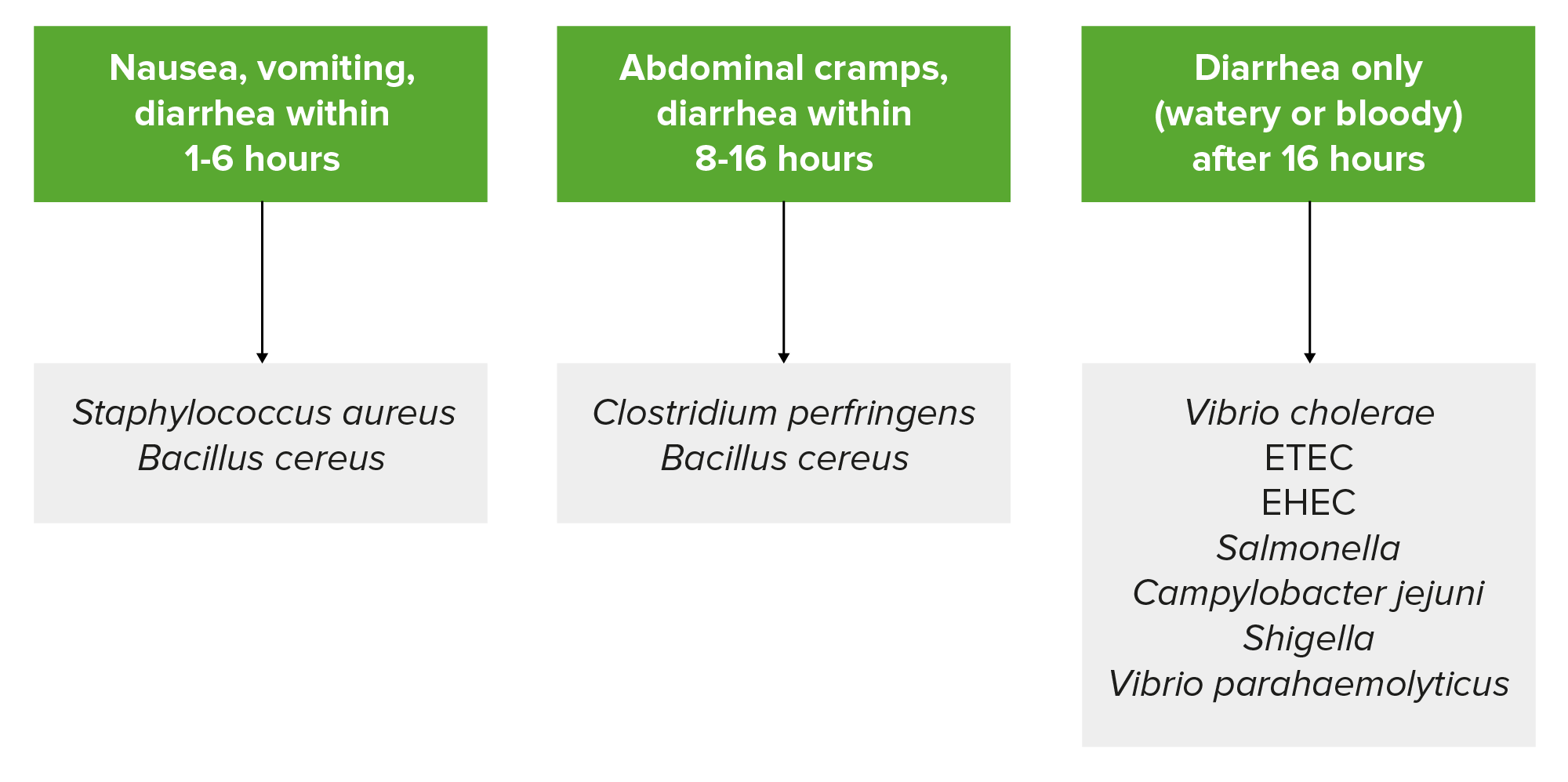
Resumen de síntomas comunes y períodos de incubación según el patógeno: Bacillus cereus aparece dos veces porque produce dos tipos de enfermedades transmitidas por los alimentos debido a diferentes enterotoxinas. La enfermedad de tipo emético tiene una incubación de alrededor de 1–6 horas, y la enfermedad de tipo diarreico tiene un período de incubación de 8–16 horas.
Nota: esto es una generalización y la presentación del paciente puede variar.
ETEC: E. coli enterotoxigénica
ECEH: E. coli enterohemorrágica
| Organismo | Rasgos característicos |
|---|---|
| Bacillus cereus Bacillus cereus A species of rod-shaped bacteria that is a common soil saprophyte. Its spores are widespread and multiplication has been observed chiefly in foods. Contamination may lead to food poisoning. Bacillus |
|
| Staphylococcus aureus Staphylococcus aureus Potentially pathogenic bacteria found in nasal membranes, skin, hair follicles, and perineum of warm-blooded animals. They may cause a wide range of infections and intoxications. Brain Abscess |
|
| Clostridioides difficile |
|
| Salmonela |
|
| Vibrio vulnificus Vibrio vulnificus A species of halophilic bacteria in the genus vibrio, which lives in warm seawater. It can cause infections in those who eat raw contaminated seafood or have open wounds exposed to seawater. Vibrio |
|
| Clostridium perfringens Clostridium perfringens The most common etiologic agent of gas gangrene. It is differentiable into several distinct types based on the distribution of twelve different toxins. Gas Gangrene |
|
| Escherichia coli Escherichia coli The gram-negative bacterium Escherichia coli is a key component of the human gut microbiota. Most strains of E. coli are avirulent, but occasionally they escape the GI tract, infecting the urinary tract and other sites. Less common strains of E. coli are able to cause disease within the GI tract, most commonly presenting as abdominal pain and diarrhea. Escherichia coli |
|
| Shigella Shigella Shigella is a genus of gram-negative, non-lactose-fermenting facultative intracellular bacilli. Infection spreads most commonly via person-to-person contact or through contaminated food and water. Humans are the only known reservoir. Shigella |
|
| Especies de Campylobacter Campylobacter Campylobacter (“curved bacteria”) is a genus of thermophilic, S-shaped, gram-negative bacilli. There are many species of Campylobacter, with C. jejuni and C. coli most commonly implicated in human disease. Campylobacter |
|
|
Diarrea acuosa crónica en EN Erythema nodosum is an immune-mediated panniculitis (inflammation of the subcutaneous fat) caused by a type IV (delayed-type) hypersensitivity reaction. It commonly manifests in young women as tender, erythematous nodules on the shins. Erythema Nodosum pacientes inmunodeprimidos |
| Giardia Giardia A genus of flagellate intestinal eukaryotes parasitic in various vertebrates, including humans. Characteristics include the presence of four pairs of flagella arising from a complicated system of axonemes and cysts that are ellipsoidal to ovoidal in shape. Nitroimidazoles |
|
| Rotavirus Rotavirus A genus of Reoviridae, causing acute gastroenteritis in birds and mammals, including humans. Transmission is horizontal and by environmental contamination. Seven species (rotaviruses A through G) are recognized. Rotavirus y norovirus Norovirus Norovirus is a nonenveloped, single-stranded, positive-sense RNA virus belonging to the Caliciviridae family. Norovirus infections are transmitted via the fecal-oral route or by aerosols from vomiting. The virus is one of the most common causes of nonbacterial gastroenteritis epidemic worldwide. Symptoms include watery and nonbloody diarrhea, nausea, vomiting, and low-grade fever. Norovirus |
|
El siguiente algoritmo resume el estudio de la gastroenteritis Gastroenteritis Gastroenteritis is inflammation of the stomach and intestines, commonly caused by infections from bacteria, viruses, or parasites. Transmission may be foodborne, fecal-oral, or through animal contact. Common clinical features include abdominal pain, diarrhea, vomiting, fever, and dehydration. Gastroenteritis:
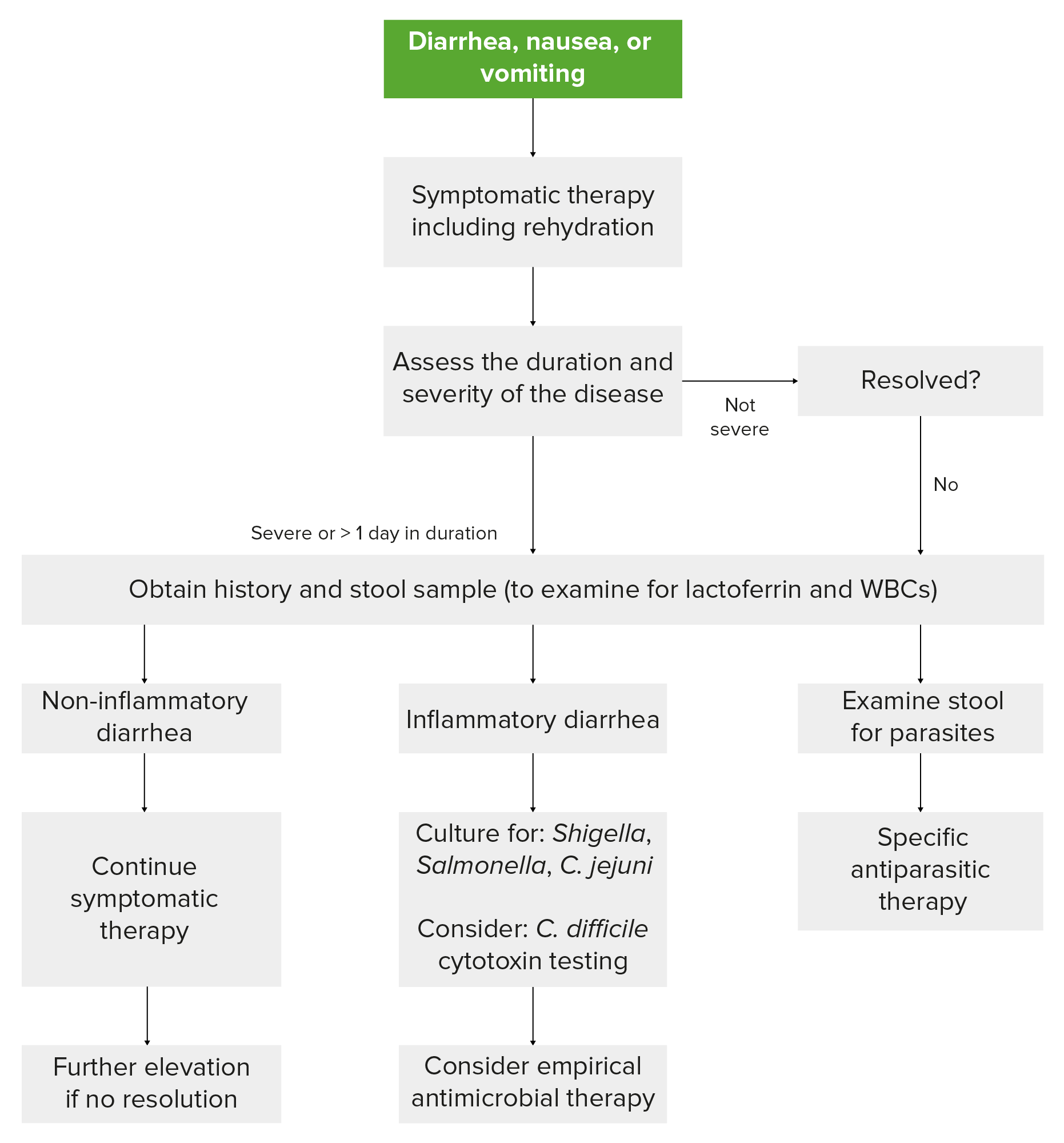
Evaluación de la gastroenteritis
Imagen por Lecturio.| Complicación | Descripción | Organismo responsable |
|---|---|---|
| Diarrea crónica (que dura más de 2 semanas) |
|
Puede ocurrir con cualquier tipo de diarrea aguda, especialmente protozoaria |
| Presentación inicial o exacerbación de la enfermedad inflamatoria intestinal | Por desencadenamiento de la respuesta inflamatoria. | Puede ocurrir con cualquier tipo de diarrea aguda, especialmente C. difficile |
| Artritis reactiva |
|
|
| SHU |
|
Sigue a la infección por bacterias productoras de toxina Shiga ( Shigella Shigella Shigella is a genus of gram-negative, non-lactose-fermenting facultative intracellular bacilli. Infection spreads most commonly via person-to-person contact or through contaminated food and water. Humans are the only known reservoir. Shigella y E. coli enterohemorrágica) |
| Síndorme de Guillain-Barré | Polineuropatías inmunomediadas agudas | Campylobacter Campylobacter Campylobacter (“curved bacteria”) is a genus of thermophilic, S-shaped, gram-negative bacilli. There are many species of Campylobacter, with C. jejuni and C. coli most commonly implicated in human disease. Campylobacter |
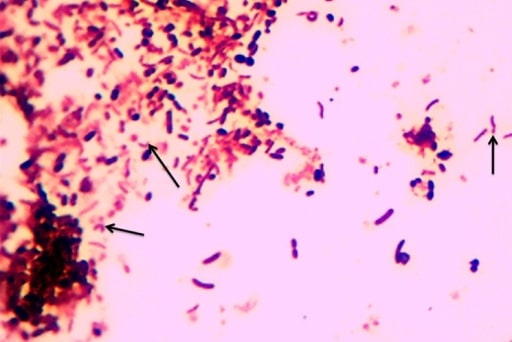
Imagen que muestra el característico Campylobacter en forma de S o en forma de ala de gaviota
Imagen: “F0001” por Department of Microbiology/Immunology, Catholic University of Health and Allied Sciences, Mwanza, Tanzania. Licencia: CC BY 2.0.Shigella Shigella Shigella is a genus of gram-negative, non-lactose-fermenting facultative intracellular bacilli. Infection spreads most commonly via person-to-person contact or through contaminated food and water. Humans are the only known reservoir. Shigella causa disentería bacilar, también conocida como shigellosis Shigellosis Shigella.
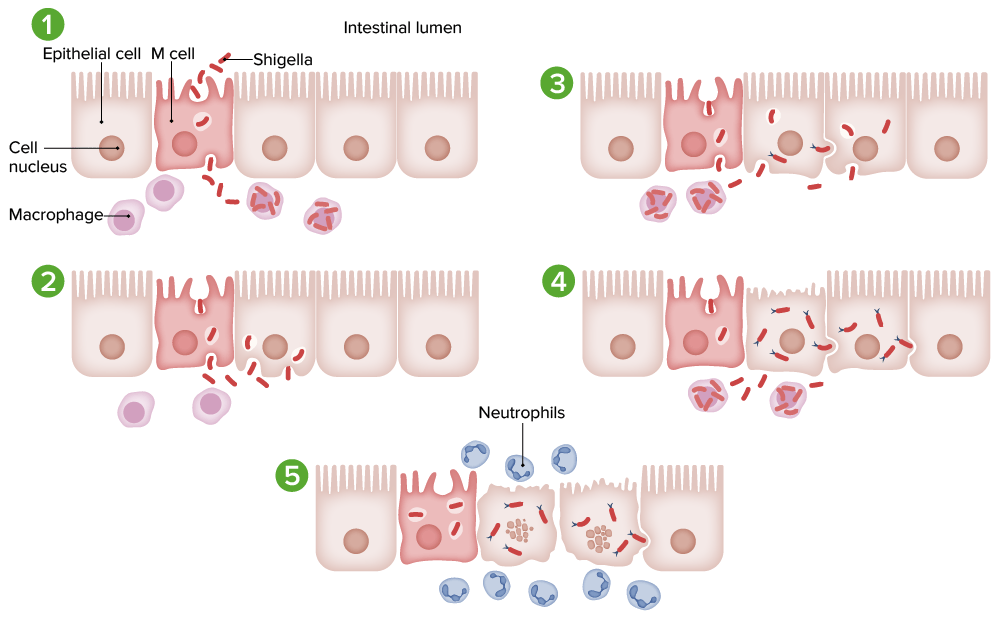
Patogénesis de la infección por Shigella:
Las microcélulas (células M) son invadidas por Shigella mediante macropinocitosis y captadas por los macrófagos.
La muerte de los macrófagos provoca la liberación de la bacteria. Las células epiteliales son invadidas por los macrófagos, inferior y lateralmente, mediante endocitosis. La lisis de los endosomas libera las bacterias en el citoplasma.
Los filamentos de actina polimerizados permiten la propagación de célula a célula.
La Shigella se multiplica y propaga la infección en la célula adyacente.
La muerte de las células infectadas desencadena una respuesta inflamatoria aguda (neutrófilos), que provoca una hemorragia y la formación de un absceso.
El cólera es una forma grave de gastroenteritis Gastroenteritis Gastroenteritis is inflammation of the stomach and intestines, commonly caused by infections from bacteria, viruses, or parasites. Transmission may be foodborne, fecal-oral, or through animal contact. Common clinical features include abdominal pain, diarrhea, vomiting, fever, and dehydration. Gastroenteritis causada por Vibrio cholerae Vibrio cholerae The etiologic agent of cholera. Vibrio (V. cholerae).
La siguiente tabla resume brevemente la forma más leve de gastroenteritis Gastroenteritis Gastroenteritis is inflammation of the stomach and intestines, commonly caused by infections from bacteria, viruses, or parasites. Transmission may be foodborne, fecal-oral, or through animal contact. Common clinical features include abdominal pain, diarrhea, vomiting, fever, and dehydration. Gastroenteritis causada por especies de Vibrio Vibrio Vibrio is a genus of comma-shaped, gram-negative bacilli. It is halophilic, acid labile, and commonly isolated on thiosulfate-citrate-bile-sucrose (TCBS) agar. There are 3 clinically relevant species: Vibrio cholerae (V. cholerae), Vibrio vulnificus (V. vulnificus), and Vibrio parahaemolyticus (V. parahaemolyticus). Vibrio no colérico:
| Vibrio parahaemolyticus Vibrio parahaemolyticus A species of bacteria found in the marine environment, sea foods, and the feces of patients with acute enteritis. Vibrio | Vibrio Vibrio Vibrio is a genus of comma-shaped, gram-negative bacilli. It is halophilic, acid labile, and commonly isolated on thiosulfate-citrate-bile-sucrose (TCBS) agar. There are 3 clinically relevant species: Vibrio cholerae (V. cholerae), Vibrio vulnificus (V. vulnificus), and Vibrio parahaemolyticus (V. parahaemolyticus). Vibrio mimicus | Vibrio vulnificus Vibrio vulnificus A species of halophilic bacteria in the genus vibrio, which lives in warm seawater. It can cause infections in those who eat raw contaminated seafood or have open wounds exposed to seawater. Vibrio | |
|---|---|---|---|
| Característica distintiva |
|
|
|
| Transmisión | Consumo de pescados y mariscos crudos o poco cocidos | Consumo de pescados y mariscos crudos o poco cocidos |
|
| Enfermedad | Gastroenteritis Gastroenteritis Gastroenteritis is inflammation of the stomach and intestines, commonly caused by infections from bacteria, viruses, or parasites. Transmission may be foodborne, fecal-oral, or through animal contact. Common clinical features include abdominal pain, diarrhea, vomiting, fever, and dehydration. Gastroenteritis | Gastroenteritis Gastroenteritis Gastroenteritis is inflammation of the stomach and intestines, commonly caused by infections from bacteria, viruses, or parasites. Transmission may be foodborne, fecal-oral, or through animal contact. Common clinical features include abdominal pain, diarrhea, vomiting, fever, and dehydration. Gastroenteritis |
|
| Presentación clínica | Diarrea acuosa con cólicos y dolor Dolor Inflammation abdominal | Diarrea acuosa, náuseas, cólico abdominal |
|
| Tratamiento | Autolimitado | Autolimitado |
|
La enterocolitis Enterocolitis Inflammation of the mucosa of both the small intestine and the large intestine. Etiology includes ischemia, infections, allergic, and immune responses. Yersinia spp./Yersiniosis por Clostridium perfringens Clostridium perfringens The most common etiologic agent of gas gangrene. It is differentiable into several distinct types based on the distribution of twelve different toxins. Gas Gangrene se discutirá aquí.
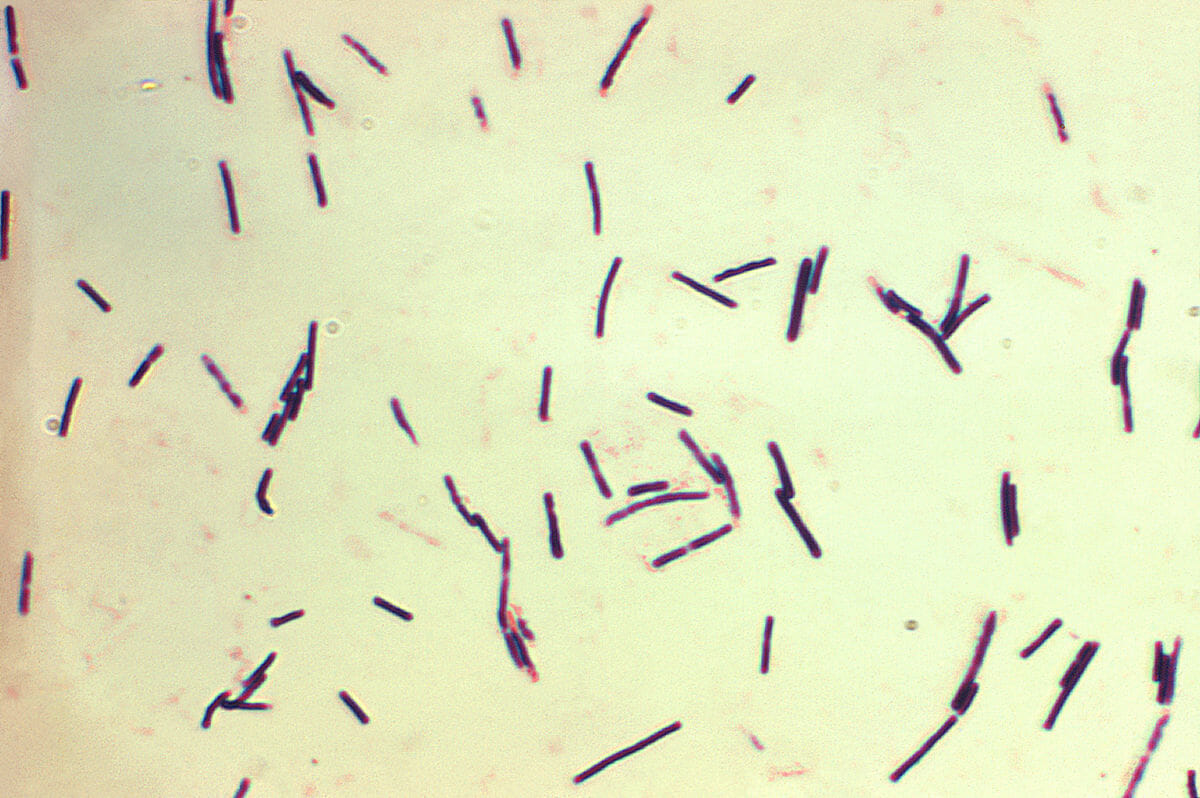
Microfotografía de bacilos grampositivos de Clostridium perfringens
Imagen: “Clostridium perfringens” por Centers for Disease Control and Prevention/Don Stalons. Licencia: Dominio Público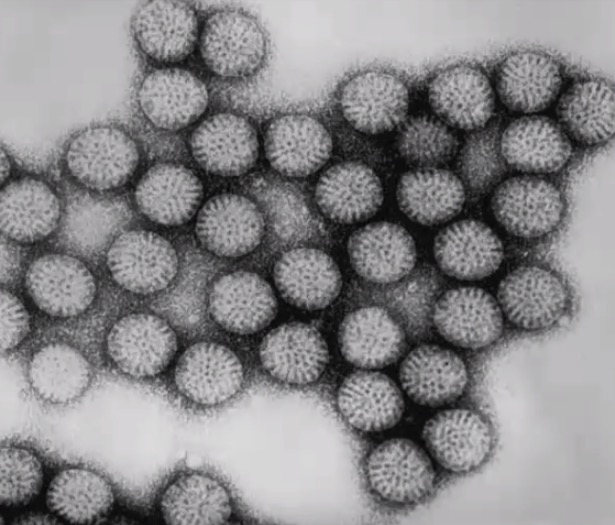
Micrografía electrónica de transmisión de partículas de rotavirus
Imagen por CDC/Dr. Erskine Palmer, PD.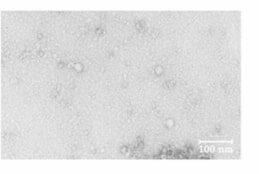
Microscopía electrónica de norovirus
Imagen: “Norovirus” por Department of Food Science and Technology, Faculty of Marine Science, Tokyo University of Marine Science and Technology, 4 -5-7, Konan, Minato-ku, Tokyo, 108-8477 Japan. Licencia: CC BY 4.0, editado por Lecturio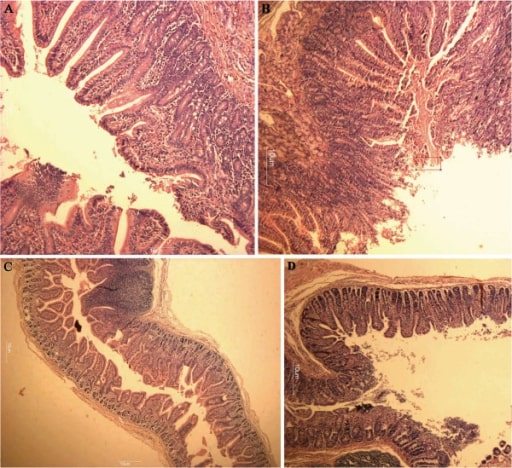
Tinción de hematoxilina y eosina:
A: Vellosidades largas del duodeno de apariencia normal
B: Vellosidades del duodeno que muestran atrofia leve de las vellosidades por una infección por norovirus
C: Vellosidades largas y de apariencia normal del yeyuno
D: Vellosidades del yeyuno que muestran una atrofia leve de las vellosidades por una infección por norovirus