Domina Conceptos Médicos

Estudia para la escuela de medicina y tus examenes con Lecturio.

Infecciones de Transmisión Sexual (ITS)

Las infecciones de transmisión sexual (ITS) o enfermedades de transmisión sexual (ETS) son infecciones que se propagan durante el coito vaginal, el sexo anal o el sexo oral. Los LOS Neisseria síntomas y signos pueden incluir secreción vaginal, secreción del pene, disuria, lesiones en EN Erythema nodosum is an immune-mediated panniculitis (inflammation of the subcutaneous fat) caused by a type IV (delayed-type) hypersensitivity reaction. It commonly manifests in young women as tender, erythematous nodules on the shins. Erythema Nodosum la piel (e.g., verrugas, úlceras) en EN Erythema nodosum is an immune-mediated panniculitis (inflammation of the subcutaneous fat) caused by a type IV (delayed-type) hypersensitivity reaction. It commonly manifests in young women as tender, erythematous nodules on the shins. Erythema Nodosum o alrededor de los LOS Neisseria genitales y dolor Dolor Inflammation pélvico. Algunas infecciones pueden provocar infertilidad y enfermedades crónicas debilitantes. Y algunas ITS pueden afectar a los LOS Neisseria lactantes por transmisión vertical. El diagnóstico de las ITS incluye una combinación de los LOS Neisseria antecedentes clínicos y sexuales completos, la evaluación de los LOS Neisseria factores de riesgo, un examen físico genitourinario específico y pruebas de laboratorio/cultivos específicos de la enfermedad. El tratamiento y la prevención incluyen una combinación de agentes antibióticos/antivirales y la educación del paciente sobre prácticas sexuales seguras.

Last updated: Dec 15, 2025

Editorial responsibility: Stanley Oiseth, Lindsay Jones, Evelin Maza

Epidemiología

  • En EN Erythema nodosum is an immune-mediated panniculitis (inflammation of the subcutaneous fat) caused by a type IV (delayed-type) hypersensitivity reaction. It commonly manifests in young women as tender, erythematous nodules on the shins. Erythema Nodosum 2018, 26 millones de casos nuevos por ITS se diagnosticaron en EN Erythema nodosum is an immune-mediated panniculitis (inflammation of the subcutaneous fat) caused by a type IV (delayed-type) hypersensitivity reaction. It commonly manifests in young women as tender, erythematous nodules on the shins. Erythema Nodosum Estados Unidos.
  • Grupos de pacientes de alto riesgo:
    • Adolescentes y adultos jóvenes de 15 a 24 años (representaron el 50% de las nuevas ITS en EN Erythema nodosum is an immune-mediated panniculitis (inflammation of the subcutaneous fat) caused by a type IV (delayed-type) hypersensitivity reaction. It commonly manifests in young women as tender, erythematous nodules on the shins. Erythema Nodosum 2018)
    • Hombres que tienen sexo con hombres (HSH)
    • Minorías raciales y étnicas
  • El VHS-2 y la sífilis aumentan el riesgo de infección por el VIH.
  • Las ITS pueden tener graves consecuencias reproductivas y efectos adversos para la salud a largo plazo.
  • ITS notificables a los LOS Neisseria departamentos de salud estatales:
    • Sífilis
    • Chancroide
    • VIH
    • Gonorrea
    • Clamidia

Etiología

Las infecciones se transmiten principalmente por vía sexual, lo que puede incluir sexo sin protección vaginal, anal u oral.

Bacteriana

  • Chancroide ( Haemophilus ducreyi Haemophilus ducreyi A species of Haemophilus that appears to be the pathogen or causative agent of the sexually transmitted disease, chancroid. Haemophilus)
  • Clamidia y linfogranuloma venéreo ( Chlamydia trachomatis Chlamydia trachomatis Type species of Chlamydia causing a variety of ocular and urogenital diseases. Chlamydia)
  • Gonorrea ( Neisseria gonorrhoeae Neisseria gonorrhoeae A species of gram-negative, aerobic bacteria primarily found in purulent venereal discharges. It is the causative agent of gonorrhea. Neisseria)
  • Granuloma inguinal o donovanosis Donovanosis Donovanosis (also known as granuloma inguinale) is an STD caused by Klebsiella granulomatis and is mainly seen in tropical regions. The condition is characterized by chronic, progressive, ulcerating disease mostly affecting the genital region. Donovanosis ( Klebsiella Klebsiella Klebsiella are encapsulated gram-negative, lactose-fermenting bacilli. They form pink colonies on MacConkey agar due to lactose fermentation. The main virulence factor is a polysaccharide capsule. Klebsiella pneumoniae is the most important pathogenic species. Klebsiella granulomatis)
  • Mycoplasma genitalium Mycoplasma genitalium A species of gram-negative bacteria originally isolated from urethral specimens of patients with non-gonococcal urethritis. In primates it exists in parasitic association with ciliated epithelial cells in the genital and respiratory tracts. Mycoplasma
  • Sífilis ( Treponema pallidum Treponema pallidum The causative agent of venereal and non-venereal syphilis as well as yaws. Treponema)

Viral

  • Herpes simple ( virus Virus Viruses are infectious, obligate intracellular parasites composed of a nucleic acid core surrounded by a protein capsid. Viruses can be either naked (non-enveloped) or enveloped. The classification of viruses is complex and based on many factors, including type and structure of the nucleoid and capsid, the presence of an envelope, the replication cycle, and the host range. Virology del herpes simple, VHS tipos 1 y 2)
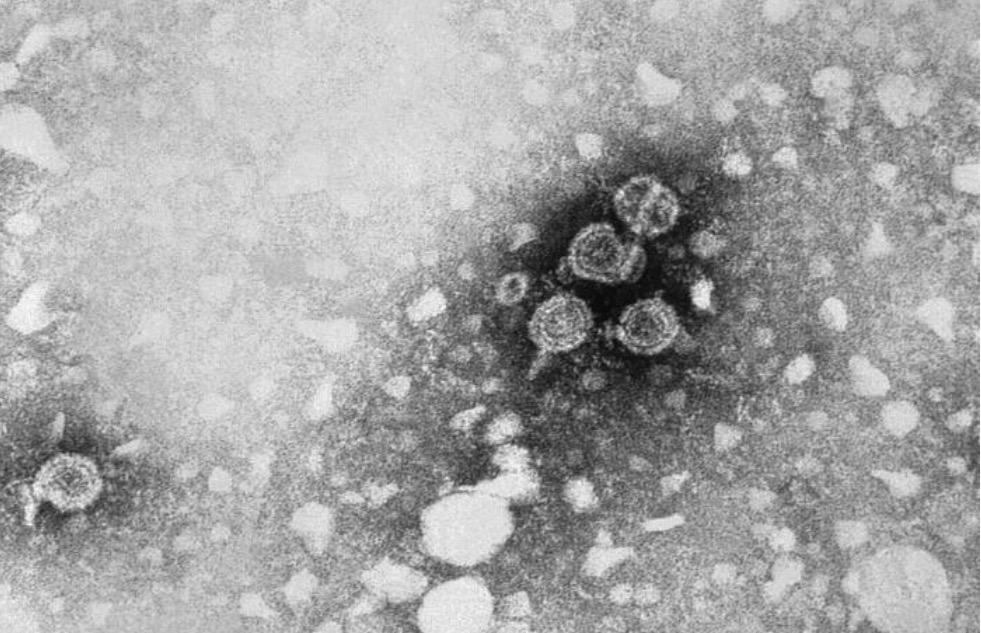
  • Virus Virus Viruses are infectious, obligate intracellular parasites composed of a nucleic acid core surrounded by a protein capsid. Viruses can be either naked (non-enveloped) or enveloped. The classification of viruses is complex and based on many factors, including type and structure of the nucleoid and capsid, the presence of an envelope, the replication cycle, and the host range. Virology de la hepatitis B Hepatitis B Hepatitis B virus (HBV) is a partially double-stranded DNA virus, which belongs to the Orthohepadnavirus genus and the Hepadnaviridae family. Most individuals with acute HBV infection are asymptomatic or have mild, self-limiting symptoms. Chronic infection can be asymptomatic or create hepatic inflammation, leading to liver cirrhosis and hepatocellular carcinoma (HCC). Hepatitis B Virus:
    • Transmisión sexual
    • Otros modos de transmisión: exposición a sangre/productos sanguíneos, de madre a hijo
  • VIH
    • Transmisión sexual
    • Otros modos de transmisión: exposición a sangre/productos sanguíneos, lactancia materna
  • VPH
    • La ITS más común en EN Erythema nodosum is an immune-mediated panniculitis (inflammation of the subcutaneous fat) caused by a type IV (delayed-type) hypersensitivity reaction. It commonly manifests in young women as tender, erythematous nodules on the shins. Erythema Nodosum todo el mundo
    • Verrugas genitales: VPH-6 y 11
    • Lesiones intraepiteliales escamosas anogenitales: asociadas a 15 tipos, siendo el VPH-16 el más común

Parásitos

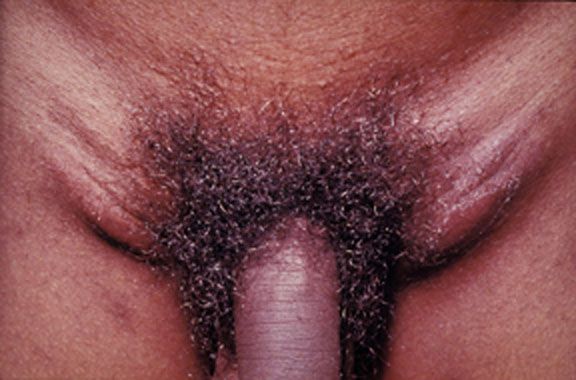
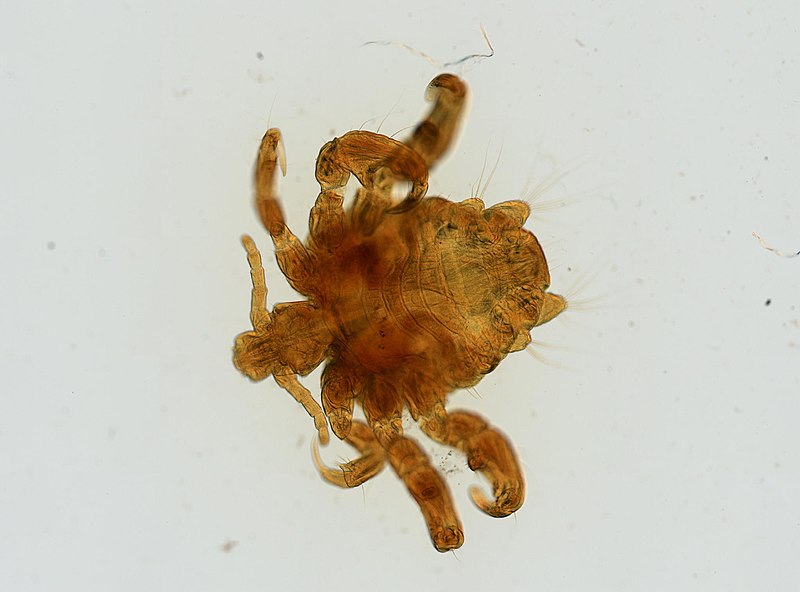
  • Piojos púbicos o ladillas (Phthirus pubis)
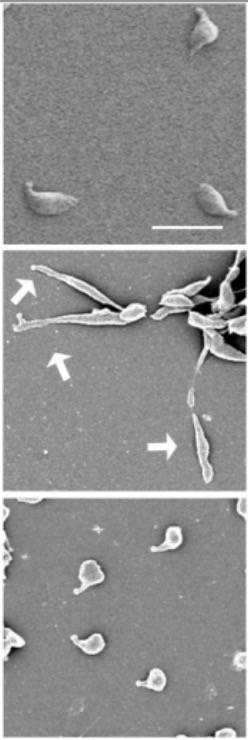
  • Tricomoniasis ( Trichomonas Trichomonas A genus of parasitic flagellate eukaryotes distinguished by the presence of four anterior flagella, an undulating membrane, and a trailing flagellum. Nitroimidazoles vaginalis)

Presentación Clínica

ITS bacterianas

Tabla: Presentación clínica de las ITS bacterianas
Tipo de ITS Organismo Signos y síntomas
Chancroide Haemophilus ducreyi Haemophilus ducreyi A species of Haemophilus that appears to be the pathogen or causative agent of the sexually transmitted disease, chancroid. Haemophilus
  • Pápula eritematosa en EN Erythema nodosum is an immune-mediated panniculitis (inflammation of the subcutaneous fat) caused by a type IV (delayed-type) hypersensitivity reaction. It commonly manifests in young women as tender, erythematous nodules on the shins. Erythema Nodosum el lugar de la inoculación
  • Las pápulas se convierten en EN Erythema nodosum is an immune-mediated panniculitis (inflammation of the subcutaneous fat) caused by a type IV (delayed-type) hypersensitivity reaction. It commonly manifests in young women as tender, erythematous nodules on the shins. Erythema Nodosum úlceras.
  • Linfadenopatía inguinal/bubones
Clamidia Chlamydia trachomatis Chlamydia trachomatis Type species of Chlamydia causing a variety of ocular and urogenital diseases. Chlamydia
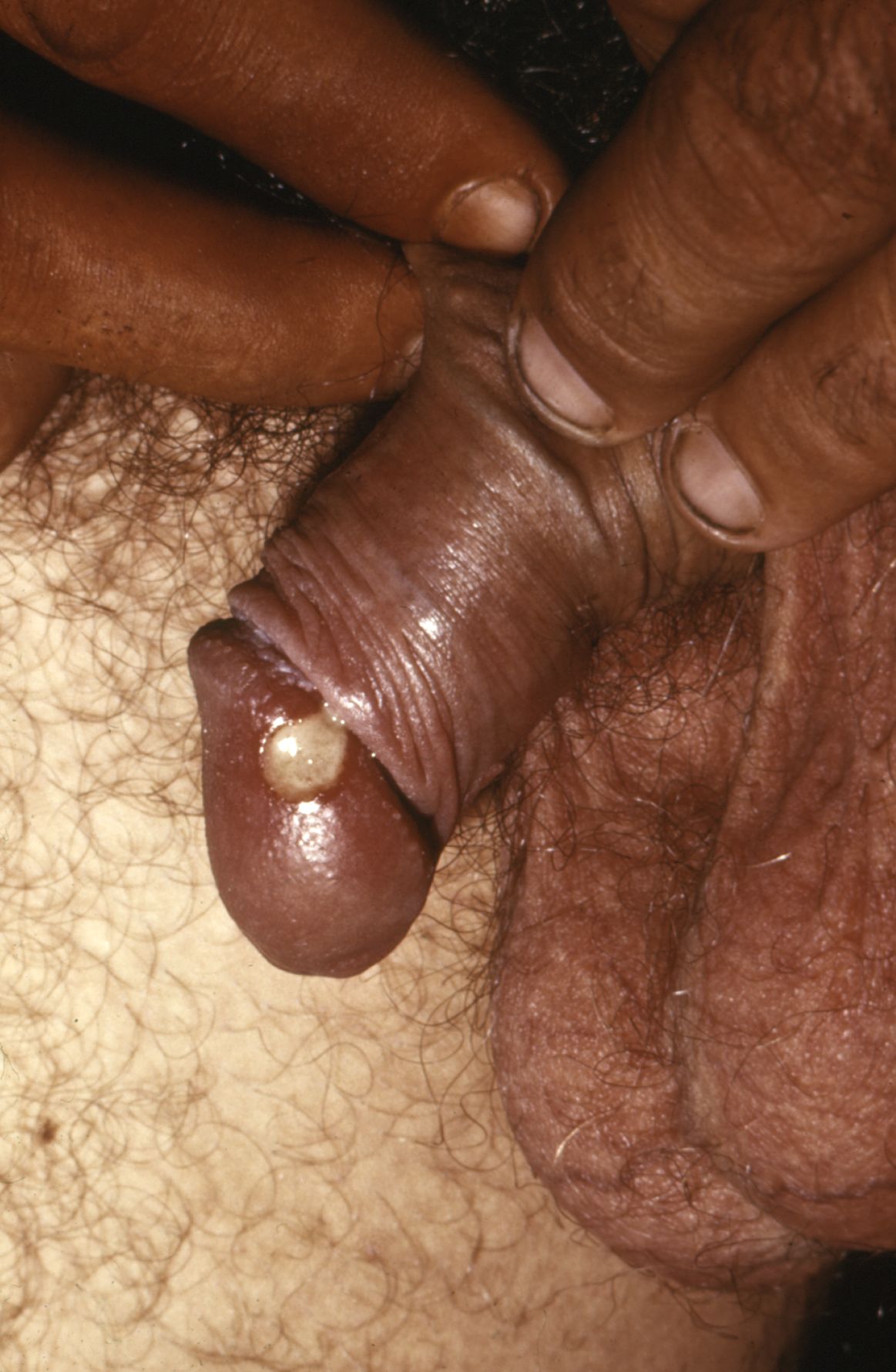
  • Flujo vaginal/penil anormal
  • Ardor al AL Amyloidosis orinar
  • Sangrado entre periodos
  • Proctitis Proctitis Inflammation of the mucous membrane of the rectum, the distal end of the large intestine. Chronic Granulomatous Disease en EN Erythema nodosum is an immune-mediated panniculitis (inflammation of the subcutaneous fat) caused by a type IV (delayed-type) hypersensitivity reaction. It commonly manifests in young women as tender, erythematous nodules on the shins. Erythema Nodosum el coito anal receptivo
  • Epididimitis, prostatitis Prostatitis Prostatitis is inflammation or an irritative condition of the prostate that presents as different syndromes: acute bacterial, chronic bacterial, chronic prostatitis/chronic pelvic pain, and asymptomatic. Bacterial prostatitis is easier to identify clinically and the management (antibiotics) is better established. Prostatitis en EN Erythema nodosum is an immune-mediated panniculitis (inflammation of the subcutaneous fat) caused by a type IV (delayed-type) hypersensitivity reaction. It commonly manifests in young women as tender, erythematous nodules on the shins. Erythema Nodosum los LOS Neisseria hombres
Gonorrea Neisseria gonorrhoeae Neisseria gonorrhoeae A species of gram-negative, aerobic bacteria primarily found in purulent venereal discharges. It is the causative agent of gonorrhea. Neisseria
  • Disuria, frecuencia urinaria
  • Secreción del pene/ vagina Vagina The vagina is the female genital canal, extending from the vulva externally to the cervix uteri internally. The structures have sexual, reproductive, and urinary functions and a rich blood supply, mainly arising from the internal iliac artery. Vagina, Vulva, and Pelvic Floor: Anatomy
  • Uretra roja o inflamada
  • Testículos inflamados o sensibles
  • Dolor Dolor Inflammation de garganta
  • Proctitis Proctitis Inflammation of the mucous membrane of the rectum, the distal end of the large intestine. Chronic Granulomatous Disease
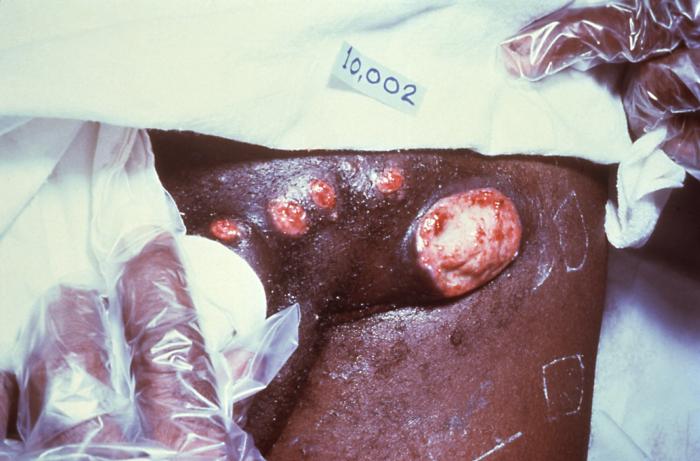
Granuloma inguinal o donovanosis Donovanosis Donovanosis (also known as granuloma inguinale) is an STD caused by Klebsiella granulomatis and is mainly seen in tropical regions. The condition is characterized by chronic, progressive, ulcerating disease mostly affecting the genital region. Donovanosis Klebsiella Klebsiella Klebsiella are encapsulated gram-negative, lactose-fermenting bacilli. They form pink colonies on MacConkey agar due to lactose fermentation. The main virulence factor is a polysaccharide capsule. Klebsiella pneumoniae is the most important pathogenic species. Klebsiella granulomatis
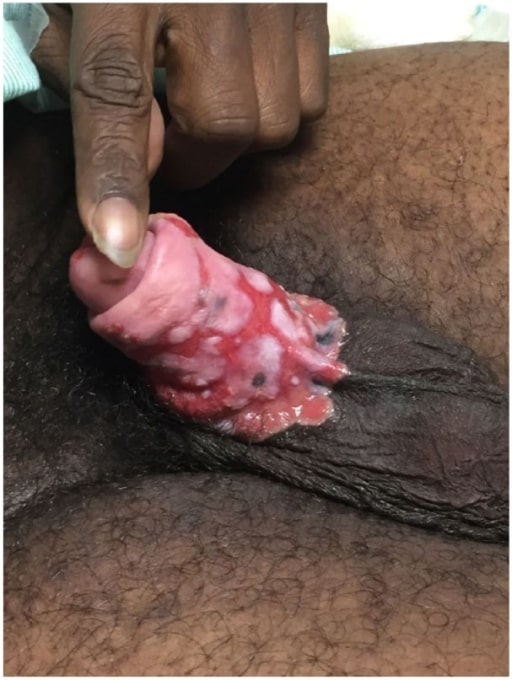
  • Enfermedad ulcerosa crónica y progresiva (región genital)
  • Lesiones nodulares indoloras que se ulceran, comúnmente con una base de color rojo carnoso
Linfogranuloma venéreo ( LGV LGV Subacute inflammation of the inguinal lymph glands caused by certain immunotypes of Chlamydia trachomatis. It is a sexually transmitted disease in the U.S. But is more widespread in developing countries. It is distinguished from granuloma venereum, which is caused by calymmatobacterium granulomatis. Chlamydial Infections) Serovares L1, L2 y L3 de Chlamydia trachomatis Chlamydia trachomatis Type species of Chlamydia causing a variety of ocular and urogenital diseases. Chlamydia
  • Úlcera genital
  • Linfadenopatía inguinal/bubones
  • Vaginitis (flujo)
  • Proctocolitis Proctocolitis Inflammation of the rectum and the distal portion of the colon. Ulcerative Colitis
Infección por Mycoplasma genitalium Mycoplasma genitalium A species of gram-negative bacteria originally isolated from urethral specimens of patients with non-gonococcal urethritis. In primates it exists in parasitic association with ciliated epithelial cells in the genital and respiratory tracts. Mycoplasma Mycoplasma genitalium Mycoplasma genitalium A species of gram-negative bacteria originally isolated from urethral specimens of patients with non-gonococcal urethritis. In primates it exists in parasitic association with ciliated epithelial cells in the genital and respiratory tracts. Mycoplasma
  • Uretritis no gonocócica
  • Enfermedad pélvica inflamatoria
  • Proctitis Proctitis Inflammation of the mucous membrane of the rectum, the distal end of the large intestine. Chronic Granulomatous Disease
Sífilis Treponema pallidum Treponema pallidum The causative agent of venereal and non-venereal syphilis as well as yaws. Treponema
  • Ulceración del tracto urogenital (chancro)
  • Los LOS Neisseria síntomas de la sífilis secundaria y tardía varían.

ITS virales

Tabla: Presentación clínica de las ITS virales
Tipo de ITS Organismo Signos y síntomas
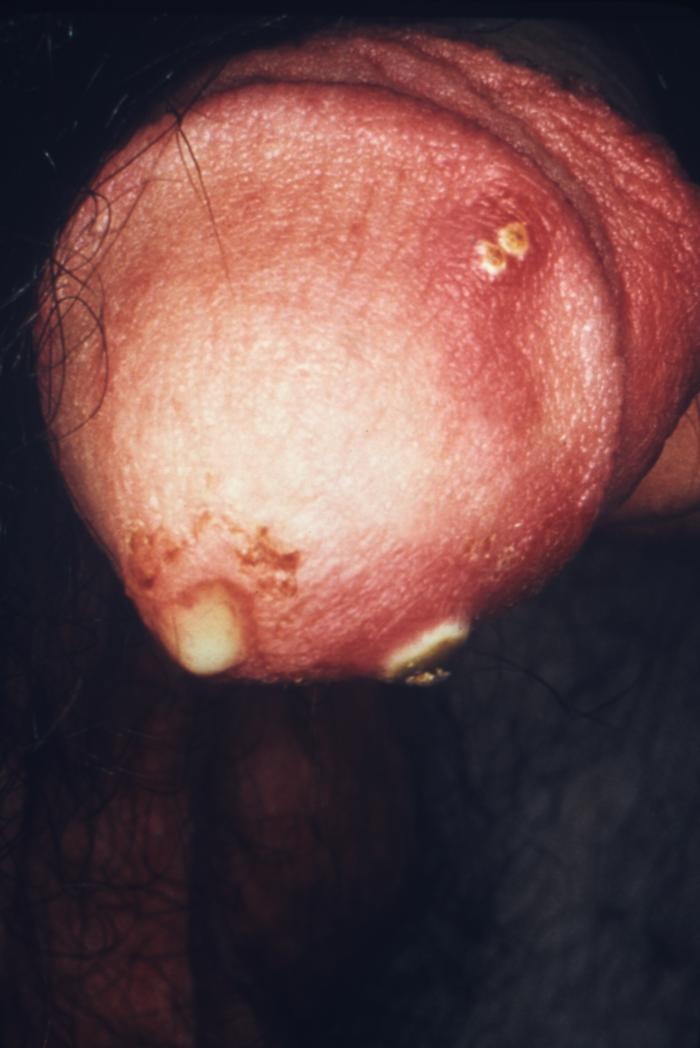
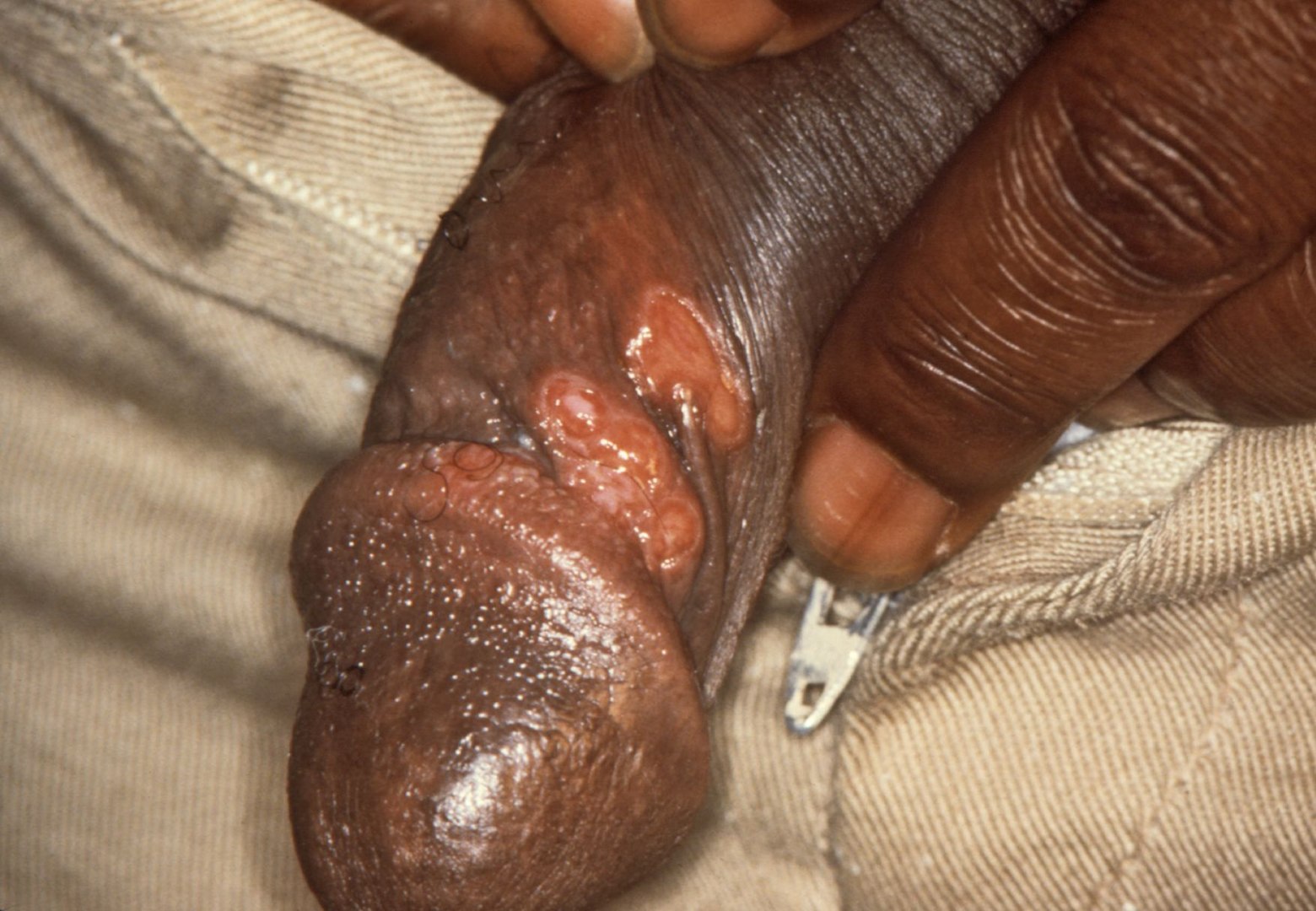
Herpes VHS-1 o 2 Si son sintomáticos, los LOS Neisseria pacientes manifiestan:
  • Pequeñas ampollas llenas de líquido
  • Prurito/hormigueo en EN Erythema nodosum is an immune-mediated panniculitis (inflammation of the subcutaneous fat) caused by a type IV (delayed-type) hypersensitivity reaction. It commonly manifests in young women as tender, erythematous nodules on the shins. Erythema Nodosum la zona genital o anal
  • Disuria
  • Síntomas similares a los LOS Neisseria de la gripe (e.g., fiebre)
Hepatitis B Hepatitis B Hepatitis B virus (HBV) is a partially double-stranded DNA virus, which belongs to the Orthohepadnavirus genus and the Hepadnaviridae family. Most individuals with acute HBV infection are asymptomatic or have mild, self-limiting symptoms. Chronic infection can be asymptomatic or create hepatic inflammation, leading to liver cirrhosis and hepatocellular carcinoma (HCC). Hepatitis B Virus Virus Virus Viruses are infectious, obligate intracellular parasites composed of a nucleic acid core surrounded by a protein capsid. Viruses can be either naked (non-enveloped) or enveloped. The classification of viruses is complex and based on many factors, including type and structure of the nucleoid and capsid, the presence of an envelope, the replication cycle, and the host range. Virology de la hepatitis B Hepatitis B Hepatitis B virus (HBV) is a partially double-stranded DNA virus, which belongs to the Orthohepadnavirus genus and the Hepadnaviridae family. Most individuals with acute HBV infection are asymptomatic or have mild, self-limiting symptoms. Chronic infection can be asymptomatic or create hepatic inflammation, leading to liver cirrhosis and hepatocellular carcinoma (HCC). Hepatitis B Virus ( HBV HBV Hepatitis B virus (HBV) is a partially double-stranded DNA virus, which belongs to the Orthohepadnavirus genus and the Hepadnaviridae family. Hepatitis B virus is transmitted by exposure to infectious blood or body fluids. Examples of types of exposure include sexual intercourse, IV drug use, and childbirth. Hepatitis B Virus) Aguda:Crónica:
  • Asintomática
  • Enfermedad hepática crónica/cirrosis
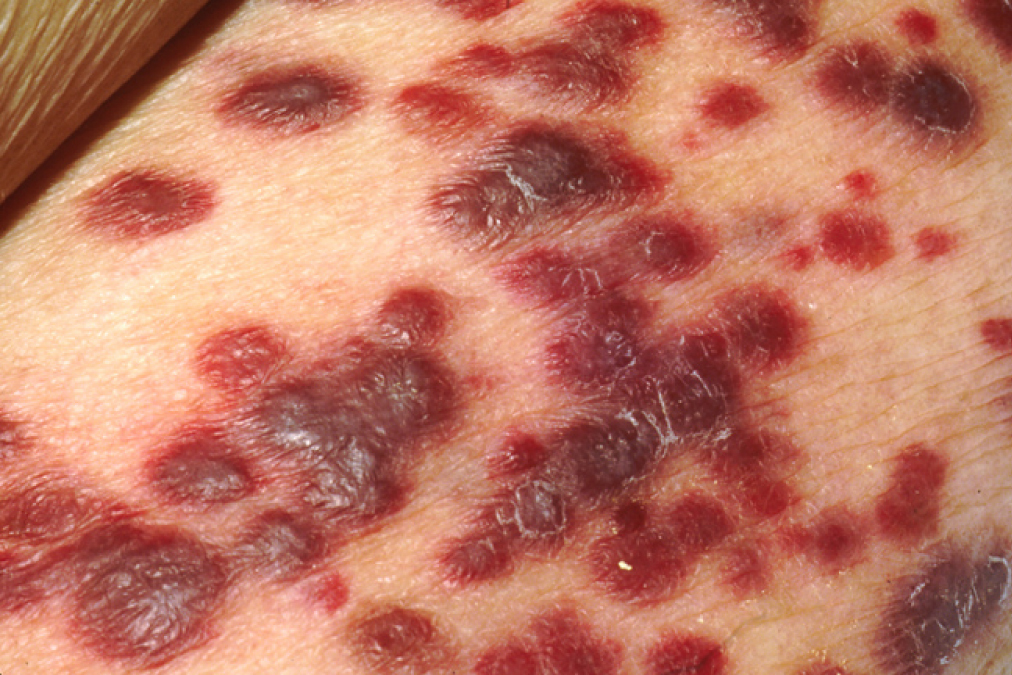
VIH Dos especies de Lentivirus Lentivirus A genus of the family retroviridae consisting of non-oncogenic retroviruses that produce multi-organ diseases characterized by long incubation periods and persistent infection. Lentiviruses are unique in that they contain open reading frames (orfs) between the pol and env genes and in the 3′ env region. Five serogroups are recognized, reflecting the mammalian hosts with which they are associated. HIV-1 is the type species. Human Immunodeficiency Virus (HIV) Las diferentes etapas de la enfermedad incluyen:
  • Infección primaria
  • Infección asintomática
  • Infección sintomática
  • SIDA
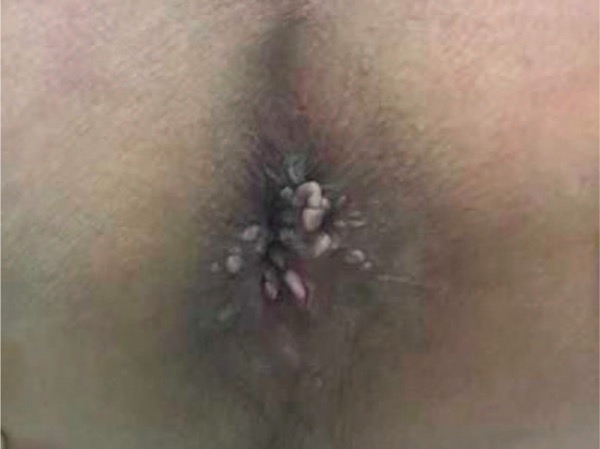
VPH Diferentes tipos (6, 11, 16 y 18) de VPH
  • Verrugas genitales alrededor de la zona anogenital
  • Cáncer de cuello uterino

ITS parasitarias

Tabla: Presentación clínica de las ITS parasitarias
Tipo de ITS Organismo Signos y síntomas
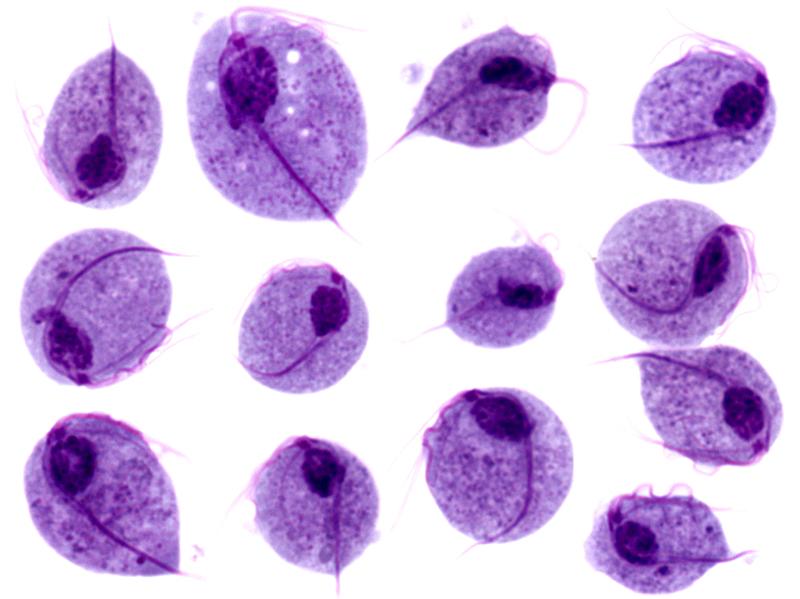
Tricomoniasis Trichomonas Trichomonas A genus of parasitic flagellate eukaryotes distinguished by the presence of four anterior flagella, an undulating membrane, and a trailing flagellum. Nitroimidazoles vaginalis
  • Dolor Dolor Inflammation urente o prurito en EN Erythema nodosum is an immune-mediated panniculitis (inflammation of the subcutaneous fat) caused by a type IV (delayed-type) hypersensitivity reaction. It commonly manifests in young women as tender, erythematous nodules on the shins. Erythema Nodosum la zona genital
  • Uretritis
  • Vaginitis
Piojos púbicos o ladillas Pthirus pubis Prurito en EN Erythema nodosum is an immune-mediated panniculitis (inflammation of the subcutaneous fat) caused by a type IV (delayed-type) hypersensitivity reaction. It commonly manifests in young women as tender, erythematous nodules on the shins. Erythema Nodosum la zona genital y perianal

Diagnóstico

Enfoque diagnóstico

Antecedentes sexuales completos:

  • Número de parejas
  • Tipos de prácticas sexuales
  • Tipos de protección utilizados, si alguno fue usado
  • Antecedentes de ITS
  • Antecedentes de embarazo
  • Historial de vacunación:
    • Hepatitis A Hepatitis A Hepatitis A is caused by the hepatitis A virus (HAV), a nonenveloped virus of the Picornaviridae family with single-stranded RNA. HAV causes an acute, highly contagious hepatitis with unspecific prodromal symptoms such as fever and malaise followed by jaundice and elevated liver transaminases. Hepatitis A Virus/B
    • VPH
  • Antecedentes de viajes

Examen físico focalizado:

  • Cabeza, ojos, oídos, nariz y garganta (HEENT, por sus siglas en EN Erythema nodosum is an immune-mediated panniculitis (inflammation of the subcutaneous fat) caused by a type IV (delayed-type) hypersensitivity reaction. It commonly manifests in young women as tender, erythematous nodules on the shins. Erythema Nodosum inglés): examinar la mucosa oral y los LOS Neisseria labios en EN Erythema nodosum is an immune-mediated panniculitis (inflammation of the subcutaneous fat) caused by a type IV (delayed-type) hypersensitivity reaction. It commonly manifests in young women as tender, erythematous nodules on the shins. Erythema Nodosum busca de erupciones o úlceras
  • Examen abdominopélvico: evaluar si hay sensibilidad abdominal baja o pélvica
  • Examen genitourinario:
    • Palpar los LOS Neisseria ganglios linfáticos inguinales en EN Erythema nodosum is an immune-mediated panniculitis (inflammation of the subcutaneous fat) caused by a type IV (delayed-type) hypersensitivity reaction. It commonly manifests in young women as tender, erythematous nodules on the shins. Erythema Nodosum busca de nódulos
    • Examen genital para detectar erupciones, úlceras, exudado, verrugas
    • Hombre: examen testicular para evaluar la hinchazón, la sensibilidad

Pruebas específicas

Las muestras para las pruebas se obtienen del lugar o los LOS Neisseria lugares de la infección/lesión, que pueden incluir zonas anogenitales, ganglios linfáticos y zonas orales.

Enfermedad bacteriana:

  • Chancroide:
    • Cultivo a partir de úlceras genitales
    • Descartar las etiologías comunes de las úlceras genitales: herpes y sífilis
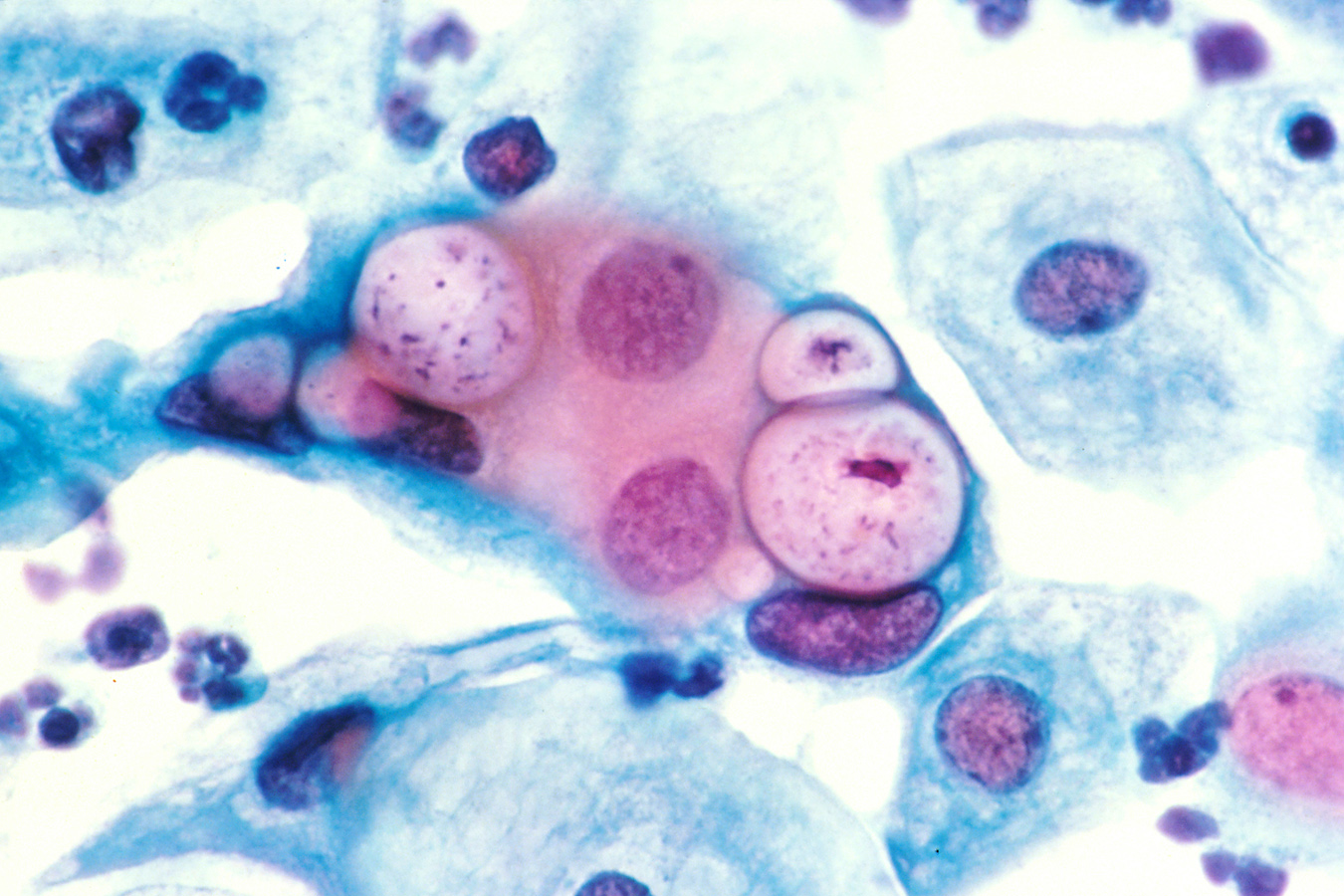
  • Clamidia:
    • Prueba de elección: prueba de amplificación de ácidos nucléicos (NAAT, por sus siglas en EN Erythema nodosum is an immune-mediated panniculitis (inflammation of the subcutaneous fat) caused by a type IV (delayed-type) hypersensitivity reaction. It commonly manifests in young women as tender, erythematous nodules on the shins. Erythema Nodosum inglés) (la PCR PCR Polymerase chain reaction (PCR) is a technique that amplifies DNA fragments exponentially for analysis. The process is highly specific, allowing for the targeting of specific genomic sequences, even with minuscule sample amounts. The PCR cycles multiple times through 3 phases: denaturation of the template DNA, annealing of a specific primer to the individual DNA strands, and synthesis/elongation of new DNA molecules. Polymerase Chain Reaction (PCR) es un método común).
    • El cultivo tiene un uso limitado.
  • Gonorrea:
    • Prueba de elección: NAAT
    • Tinción de Gram (microscopía)
    • Cultivos (uretral, vaginal, faríngeo, rectal)
  • Granuloma inguinal ( donovanosis Donovanosis Donovanosis (also known as granuloma inguinale) is an STD caused by Klebsiella granulomatis and is mainly seen in tropical regions. The condition is characterized by chronic, progressive, ulcerating disease mostly affecting the genital region. Donovanosis):
    • Muestra de biopsia de tejido
    • La patología mostraría cuerpos de Donovan (cuerpos de inclusión citoplasmáticos de tinción bipolar Bipolar Nervous System: Histology).
  • Linfogranuloma venéreo: NAAT
  • Mycoplasma genitalium Mycoplasma genitalium A species of gram-negative bacteria originally isolated from urethral specimens of patients with non-gonococcal urethritis. In primates it exists in parasitic association with ciliated epithelial cells in the genital and respiratory tracts. Mycoplasma: NAAT
  • Sífilis:
    • Pruebas no treponémicas: reagina plasmática rápida y prueba de enfermedades venéreas de laboratorios de investigación ( VDRL VDRL Treponema, por sus siglas en EN Erythema nodosum is an immune-mediated panniculitis (inflammation of the subcutaneous fat) caused by a type IV (delayed-type) hypersensitivity reaction. It commonly manifests in young women as tender, erythematous nodules on the shins. Erythema Nodosum inglés)
    • Prueba de confirmación: absorción de anticuerpos treponémicos fluorescentes (FTA-ABS, por sus siglas en EN Erythema nodosum is an immune-mediated panniculitis (inflammation of the subcutaneous fat) caused by a type IV (delayed-type) hypersensitivity reaction. It commonly manifests in young women as tender, erythematous nodules on the shins. Erythema Nodosum inglés)

Enfermedad viral:

  • VHS-1 y 2:
    • Prueba de elección: PCR PCR Polymerase chain reaction (PCR) is a technique that amplifies DNA fragments exponentially for analysis. The process is highly specific, allowing for the targeting of specific genomic sequences, even with minuscule sample amounts. The PCR cycles multiple times through 3 phases: denaturation of the template DNA, annealing of a specific primer to the individual DNA strands, and synthesis/elongation of new DNA molecules. Polymerase Chain Reaction (PCR)
    • Serología
    • Cultivo viral
  • VIH:
    • Tamizaje: inmunoensayo que detecta los LOS Neisseria anticuerpos contra el VIH-1 y el VIH-2 y el antígeno p24 del VIH-1
    • Pruebas de confirmación: muestras con inmunoensayo de antígeno/anticuerpo reactivo
    • Infección aguda: carga viral del ARN del VIH
  • VPH:
    • Detectado en EN Erythema nodosum is an immune-mediated panniculitis (inflammation of the subcutaneous fat) caused by a type IV (delayed-type) hypersensitivity reaction. It commonly manifests in young women as tender, erythematous nodules on the shins. Erythema Nodosum una muestra de cuello uterino (como parte del tamizaje de cáncer de cuello uterino)
    • También se comprueba en EN Erythema nodosum is an immune-mediated panniculitis (inflammation of the subcutaneous fat) caused by a type IV (delayed-type) hypersensitivity reaction. It commonly manifests in young women as tender, erythematous nodules on the shins. Erythema Nodosum la biopsia orofaríngea
  • Hepatitis B Hepatitis B Hepatitis B virus (HBV) is a partially double-stranded DNA virus, which belongs to the Orthohepadnavirus genus and the Hepadnaviridae family. Most individuals with acute HBV infection are asymptomatic or have mild, self-limiting symptoms. Chronic infection can be asymptomatic or create hepatic inflammation, leading to liver cirrhosis and hepatocellular carcinoma (HCC). Hepatitis B Virus:
    • Marcadores serológicos (e.g., antígeno de superficie y anticuerpos de la hepatitis B Hepatitis B Hepatitis B virus (HBV) is a partially double-stranded DNA virus, which belongs to the Orthohepadnavirus genus and the Hepadnaviridae family. Most individuals with acute HBV infection are asymptomatic or have mild, self-limiting symptoms. Chronic infection can be asymptomatic or create hepatic inflammation, leading to liver cirrhosis and hepatocellular carcinoma (HCC). Hepatitis B Virus)
    • PCR PCR Polymerase chain reaction (PCR) is a technique that amplifies DNA fragments exponentially for analysis. The process is highly specific, allowing for the targeting of specific genomic sequences, even with minuscule sample amounts. The PCR cycles multiple times through 3 phases: denaturation of the template DNA, annealing of a specific primer to the individual DNA strands, and synthesis/elongation of new DNA molecules. Polymerase Chain Reaction (PCR) (ADN del HBV HBV Hepatitis B virus (HBV) is a partially double-stranded DNA virus, which belongs to the Orthohepadnavirus genus and the Hepadnaviridae family. Hepatitis B virus is transmitted by exposure to infectious blood or body fluids. Examples of types of exposure include sexual intercourse, IV drug use, and childbirth. Hepatitis B Virus)

Enfermedad parasitaria:

  • Trichomonas Trichomonas A genus of parasitic flagellate eukaryotes distinguished by the presence of four anterior flagella, an undulating membrane, and a trailing flagellum. Nitroimidazoles vaginalis:
    • La microscopía (montaje húmedo) muestra tricomonas móviles.
    • PCR PCR Polymerase chain reaction (PCR) is a technique that amplifies DNA fragments exponentially for analysis. The process is highly specific, allowing for the targeting of specific genomic sequences, even with minuscule sample amounts. The PCR cycles multiple times through 3 phases: denaturation of the template DNA, annealing of a specific primer to the individual DNA strands, and synthesis/elongation of new DNA molecules. Polymerase Chain Reaction (PCR)
    • Cultivo vaginal
    • Citología cervical
  • Pthirus pubis:
    • Demostración de la presencia de piojos o liendres (huevos de piojo) mediante el examen directo o microscópico de los LOS Neisseria tallos del cabello

Tratamiento

ITS bacterianas

Tabla: Manejo de las ITS bacterianas
Tipo de ITS Tratamiento
Chancroide Azitromicina 1 g oral × 1 o Ceftriaxona 250 mg IM × 1
Clamidia Doxiciclina 100 mg por vía oral dos veces al AL Amyloidosis día x 7 días (primera línea); azitromicina 1 g por vía oral x 1 (alternativa, p. ej., embarazo)
Gonorrea Ceftriaxona 500 mg IM × 1 (+ doxiciclina 7 días si no se ha HA Hemolytic anemia (HA) is the term given to a large group of anemias that are caused by the premature destruction/hemolysis of circulating red blood cells (RBCs). Hemolysis can occur within (intravascular hemolysis) or outside the blood vessels (extravascular hemolysis). Hemolytic Anemia descartado clamidia)
Granuloma inguinal o donovanosis Donovanosis Donovanosis (also known as granuloma inguinale) is an STD caused by Klebsiella granulomatis and is mainly seen in tropical regions. The condition is characterized by chronic, progressive, ulcerating disease mostly affecting the genital region. Donovanosis
  • Azitromicina
  • Doxiciclina
Linfogranuloma venéreo ( LGV LGV Subacute inflammation of the inguinal lymph glands caused by certain immunotypes of Chlamydia trachomatis. It is a sexually transmitted disease in the U.S. But is more widespread in developing countries. It is distinguished from granuloma venereum, which is caused by calymmatobacterium granulomatis. Chlamydial Infections) Doxiciclina 100 mg oral dos veces al AL Amyloidosis día × 21 días
Infección por Mycoplasma genitalium Mycoplasma genitalium A species of gram-negative bacteria originally isolated from urethral specimens of patients with non-gonococcal urethritis. In primates it exists in parasitic association with ciliated epithelial cells in the genital and respiratory tracts. Mycoplasma Si es sensible a macrólidos:Si es resistente a macrólidos:
Sífilis Penicilina G (parenteral)

ITS virales

Tabla: Manejo de las ITS virales
Tipo de ITS Tratamiento
Herpes Antivirales:
  • Aciclovir, famciclovir Famciclovir An aminopurine derivative and prodrug of penciclovir which is a competitive inhibitor of herpes simplex 2 DNA polymerase. It is used to treat herpes simplex virus infection. Antivirals for Herpes Virus, valaciclovir
  • Regímenes de terapia episódica y supresiva
VPH Terapia citodestructiva:
  • Podofilox 0,5% crema
  • Imiquimod Imiquimod A topically-applied aminoquinoline immune modulator that induces interferon production. It is used in the treatment of external genital and perianal warts, superficial carcinoma, basal cell; and actinic keratosis. Hypertrophic and Keloid Scars 5% crema
Terapia quirúrgica:
  • Crioterapia
  • Ablación con láser de CO2
VIH Terapia antirretroviral combinada con lo siguiente:
  • Inhibidores de la transcriptasa reversa de nucleótidos
  • Inhibidores no nucleósidos de la transcriptasa reversa
  • Inhibidores de integrasa
  • Inhibidores de proteasa
Hepatitis B Hepatitis B Hepatitis B virus (HBV) is a partially double-stranded DNA virus, which belongs to the Orthohepadnavirus genus and the Hepadnaviridae family. Most individuals with acute HBV infection are asymptomatic or have mild, self-limiting symptoms. Chronic infection can be asymptomatic or create hepatic inflammation, leading to liver cirrhosis and hepatocellular carcinoma (HCC). Hepatitis B Virus
  • El régimen puede incluir interferón pegilado, tenofovir Tenofovir An adenine analog reverse transcriptase inhibitor with antiviral activity against HIV-1 and hepatitis b. It is used to treat HIV infections and chronic hepatitis b, in combination with other antiviral agents, due to the emergence of antiviral drug resistance when it is used alone. Anti-HIV Drugs o entecavir Entecavir Anti-HIV Drugs.
  • Los LOS Neisseria agentes utilizados dependen de consideraciones clínicas (e.g., embarazo, cirrosis).

ITS parasitarias

Tabla: Manejo de las ITS parasitarias
Tipo de ITS Tratamiento
Tricomoniasis
  • Metronidazol o tinidazol
  • Tratar a las parejas sexuales
Piojo púbico Permetrina tópica o piretrinas tópicas con butóxido de piperonilo

Prevención

  • Tamizaje de ITS
  • Asesoramiento sobre prácticas sexuales seguras:
    • Educar sobre los LOS Neisseria comportamientos que aumentan los LOS Neisseria riesgos de las ITS
    • Medidas preventivas (e.g., uso del preservativo)
    • Importancia de tratar a las parejas
  • Vacunación:
    • Hepatitis B Hepatitis B Hepatitis B virus (HBV) is a partially double-stranded DNA virus, which belongs to the Orthohepadnavirus genus and the Hepadnaviridae family. Most individuals with acute HBV infection are asymptomatic or have mild, self-limiting symptoms. Chronic infection can be asymptomatic or create hepatic inflammation, leading to liver cirrhosis and hepatocellular carcinoma (HCC). Hepatitis B Virus
    • VPH
  • Profilaxis:
    • Profilaxis antirretroviral de preexposición contra el VIH (PrEP, por sus siglas en EN Erythema nodosum is an immune-mediated panniculitis (inflammation of the subcutaneous fat) caused by a type IV (delayed-type) hypersensitivity reaction. It commonly manifests in young women as tender, erythematous nodules on the shins. Erythema Nodosum inglés)
    • Profilaxis antirretroviral postexposición contra el VIH (administrada en EN Erythema nodosum is an immune-mediated panniculitis (inflammation of the subcutaneous fat) caused by a type IV (delayed-type) hypersensitivity reaction. It commonly manifests in young women as tender, erythematous nodules on the shins. Erythema Nodosum un plazo de 72 horas)
  • La terapia supresora del VHS reduce la transmisión de la infección a la pareja no infectada.

Referencias

  1. Centers for Disease Control and Prevention. (2021). Chlamydial infections. In Sexually transmitted infections treatment guidelines. Retrieved August 11, 2025, from https://www.cdc.gov/std/treatment-guidelines/chlamydia.htm
  2. National Center for HIV, Viral Hepatitis, STD, and Tuberculosis Prevention. (2024). Sexually Transmitted Infections Prevalence, Incidence, and Cost Estimates in the United States. Centers for Disease Control and Prevention. Retrieved August 11, 2025, from https://www.cdc.gov/sti/php/communication-resources/prevalence-incidence-and-cost-estimates.html?CDC_AAref_Val=https://www.cdc.gov/std/statistics/prevalence-2020-at-a-glance.htm
  3. Ghanem, K. (2024) Clinical manifestations and diagnosis of Neisseria gonorrhoeae infection in adults and adolescents. UpToDate. Retrieved August 11, 2025, from https://www.uptodate.com/contents/clinical-manifestations-and-diagnosis-of-neisseria-gonorrhoeae-infection-in-adults-and-adolescents
  4. Ghanem, K. (2025). Screening for sexually transmitted infections. UpToDate. Retrieved August 11, 2025, from https://www.uptodate.com/contents/screening-for-sexually-transmitted-infections
  5. Goldstein, A., Goldstein, B. (2025) Pediculosis pubis and pediculosis ciliaris. UpToDate. Retrieved August 11, 2025, from https://www.uptodate.com/contents/pediculosis-pubis-and-pediculosis-ciliaris
  6. Hamill, M. (2024) Lymphogranuloma venereum. UpToDate. Retrieved August 11, 2025, from https://www.uptodate.com/contents/lymphogranuloma-venereum
  7. Hicks, C. (2025) Chancroid. UpToDate. Retrieved August 11, 2025, from https://www.uptodate.com/contents/chancroid
  8. Lok, A. (2024) Hepatitis B virus: overview of management. UpToDate. Retrieved August 11, 2025, from https://www.uptodate.com/contents/hepatitis-b-virus-overview-of-management
  9. Geisler, W. M. (2025). Mycoplasma genitalium infection. UpToDate. Retrieved August 11, 2025, from https://www.uptodate.com/contents/mycoplasma-genitalium-infection
  10. Palefsky, J. (2025) Human papillomavirus infections: epidemiology and disease associations. UpToDate. Retrieved August 11, 2025, from https://www.uptodate.com/contents/human-papillomavirus-infections-epidemiology-and-disease-associations
  11. Simma-Chiang, V. (2025). Sexually Transmitted Infection. AUA Core Curriculum. Retrieved August 11, 2025, from https://auau.auanet.org/core
  12. Sobel, J. D., & Mitchell, C. (2023). Trichomoniasis: Clinical manifestations and diagnosis. UpToDate. Retrieved August 11, 2025, from https://www.uptodate.com/contents/trichomoniasis-clinical-manifestations-and-diagnosis
  13. Teo, E., Lok, A. (2025) Epidemiology, transmission and prevention of hepatitis B infection. UpToDate. Retrieved August 11, 2025, from https://www.uptodate.com/contents/epidemiology-transmission-and-prevention-of-hepatitis-b-virus-infection

¡Crea tu cuenta gratis o inicia una sesión para seguir leyendo!

Regístrate ahora y obtén acceso gratuito a Lecturio con páginas de concepto, videos médicos y cuestionarios para tu educación médica.

User Reviews

Que tengas una sesión de estudio alegre y navideña 🎁 Ahorra 50% en todos los planes >>

Details