Domina Conceptos Médicos

Estudia para la escuela de medicina y tus examenes con Lecturio.

Virus de la Fiebre Amarilla

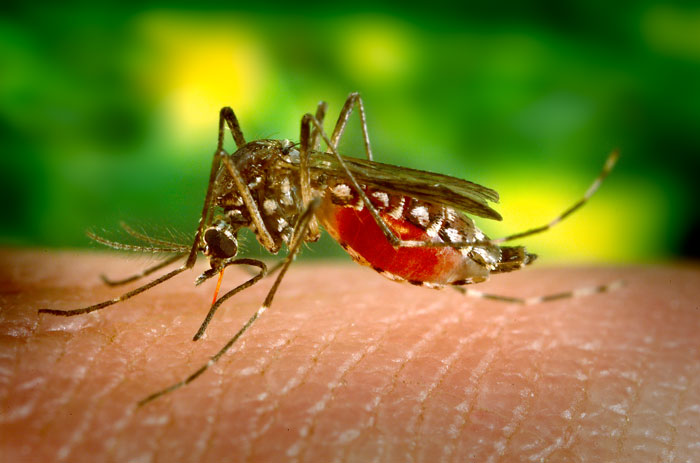
La fiebre amarilla es una enfermedad causada por el virus Virus Viruses are infectious, obligate intracellular parasites composed of a nucleic acid core surrounded by a protein capsid. Viruses can be either naked (non-enveloped) or enveloped. The classification of viruses is complex and based on many factors, including type and structure of the nucleoid and capsid, the presence of an envelope, the replication cycle, and the host range. Virology de la fiebre amarilla, un virus Virus Viruses are infectious, obligate intracellular parasites composed of a nucleic acid core surrounded by a protein capsid. Viruses can be either naked (non-enveloped) or enveloped. The classification of viruses is complex and based on many factors, including type and structure of the nucleoid and capsid, the presence of an envelope, the replication cycle, and the host range. Virology de ácido ribonucleico (ARN) monocatenario de sentido positivo del género Flavivirus Flavivirus A genus of flaviviridae containing several subgroups and many species. Most are arboviruses transmitted by mosquitoes or ticks. The type species is yellow fever virus. Tick-borne Encephalitis Virus. Los LOS Neisseria seres humanos y los LOS Neisseria primates sirven de reservorios, y la transmisión se produce por la picadura de un mosquito Aedes hembra infectado. La mayoría de los LOS Neisseria pacientes presentan fiebre y síntomas similares a los LOS Neisseria de la gripe. La enfermedad severa puede causar una disfunción multiorgánica que provoca ictericia, disfunción renal, hemorragia, shock Shock Shock is a life-threatening condition associated with impaired circulation that results in tissue hypoxia. The different types of shock are based on the underlying cause: distributive (↑ cardiac output (CO), ↓ systemic vascular resistance (SVR)), cardiogenic (↓ CO, ↑ SVR), hypovolemic (↓ CO, ↑ SVR), obstructive (↓ CO), and mixed. Types of Shock y potencialmente la muerte. El diagnóstico puede confirmarse con serología y reacción en EN Erythema nodosum is an immune-mediated panniculitis (inflammation of the subcutaneous fat) caused by a type IV (delayed-type) hypersensitivity reaction. It commonly manifests in young women as tender, erythematous nodules on the shins. Erythema Nodosum cadena de polimerasa ( PCR PCR Polymerase chain reaction (PCR) is a technique that amplifies DNA fragments exponentially for analysis. The process is highly specific, allowing for the targeting of specific genomic sequences, even with minuscule sample amounts. The PCR cycles multiple times through 3 phases: denaturation of the template DNA, annealing of a specific primer to the individual DNA strands, and synthesis/elongation of new DNA molecules. Polymerase Chain Reaction (PCR), por sus siglas en EN Erythema nodosum is an immune-mediated panniculitis (inflammation of the subcutaneous fat) caused by a type IV (delayed-type) hypersensitivity reaction. It commonly manifests in young women as tender, erythematous nodules on the shins. Erythema Nodosum inglés). No hay tratamiento antiviral Antiviral Antivirals for Hepatitis B, por lo que el tratamiento es de soporte. La prevención incluye evitar los LOS Neisseria mosquitos y vacunación.

Last updated: Dec 15, 2025
Editorial responsibility: Stanley Oiseth, Lindsay Jones, Evelin Maza

Clasificación

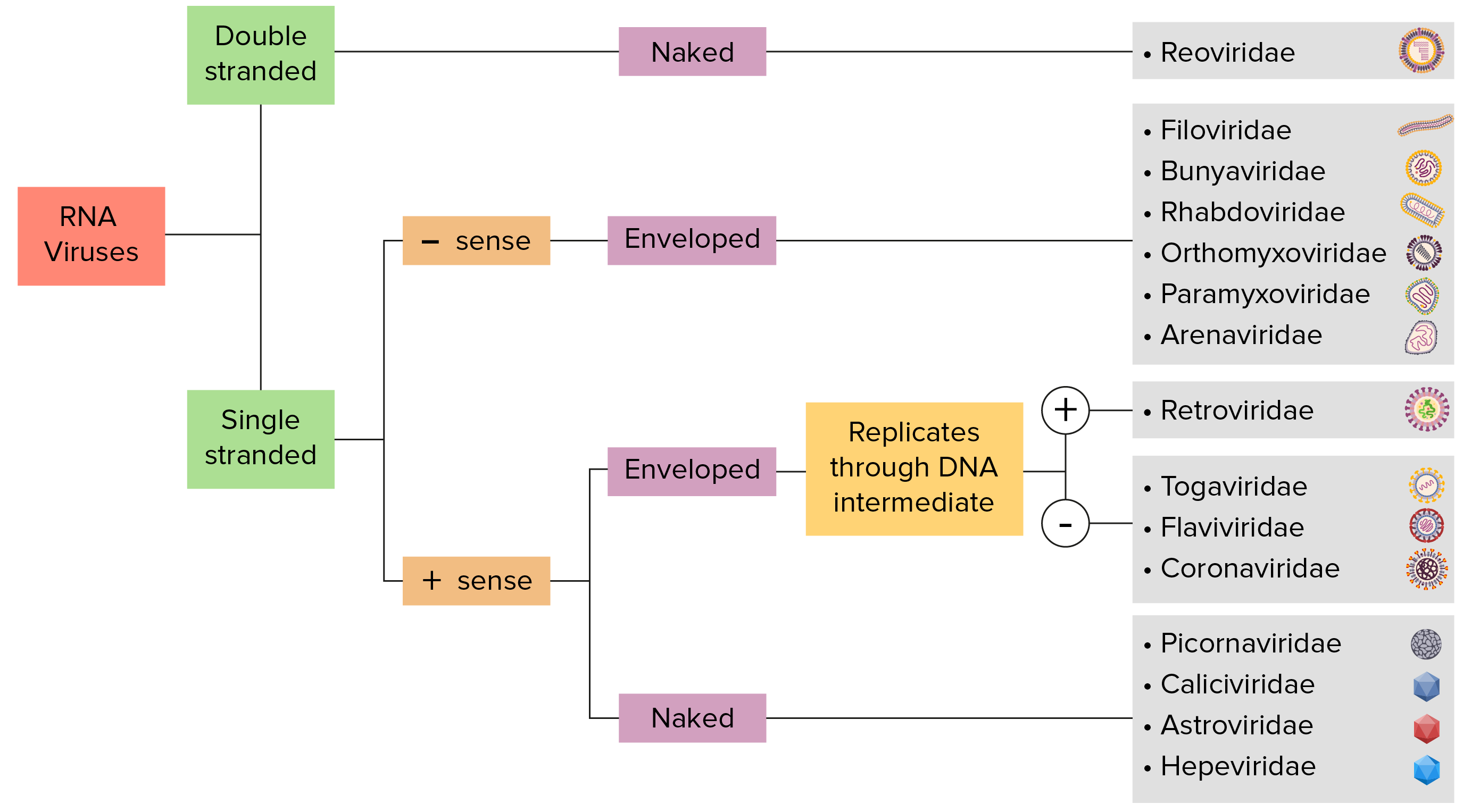
Diagrama de flujo de la clasificación de los virus de ARN

Identificación de los virus ARN:
Los virus pueden clasificarse de muchas maneras. Sin embargo, la mayoría de los virus tienen un genoma formado por ácido desoxirribonucleico (ADN) o ARN. Los virus con genoma ARN pueden caracterizarse además por tener ARN monocatenario o bicatenario. Los virus “envueltos” están cubiertos por una fina capa de membrana celular (normalmente tomada de la célula huésped). Si la capa está ausente, los virus se denominan “desnudos”. Los virus con genomas monocatenarios son de “sentido positivo” si el genoma se emplea directamente como ARN mensajero (ARNm), que se traduce en proteínas. Los virus monocatenarios de “sentido negativo” emplean la ARN polimerasa dependiente de ARN, una enzima viral, para transcribir su genoma en ARN mensajero.
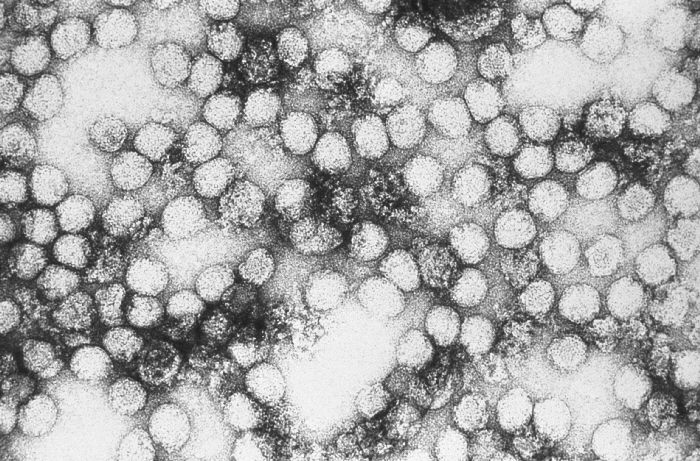
Imagen por Lecturio. Licencia: CC BY-NC-SA 4.0

Características Generales y Epidemiología

Características básicas del virus Virus Viruses are infectious, obligate intracellular parasites composed of a nucleic acid core surrounded by a protein capsid. Viruses can be either naked (non-enveloped) or enveloped. The classification of viruses is complex and based on many factors, including type and structure of the nucleoid and capsid, the presence of an envelope, the replication cycle, and the host range. Virology de la fiebre amarilla

  • Taxonomía:
    • Familia: Flaviviridae Flaviviridae A family of RNA viruses, many of which cause disease in humans and domestic animals. There are three genera flavivirus; pestivirus; and hepacivirus, as well as several unassigned species. Hepatitis C Virus
    • Género: Flavivirus Flavivirus A genus of flaviviridae containing several subgroups and many species. Most are arboviruses transmitted by mosquitoes or ticks. The type species is yellow fever virus. Tick-borne Encephalitis Virus
  • Virus Virus Viruses are infectious, obligate intracellular parasites composed of a nucleic acid core surrounded by a protein capsid. Viruses can be either naked (non-enveloped) or enveloped. The classification of viruses is complex and based on many factors, including type and structure of the nucleoid and capsid, the presence of an envelope, the replication cycle, and the host range. Virology de ARN:
    • Monocatenario
    • Sentido positivo
    • Lineal
  • Esférico
  • Simetría icosaédrica
  • Envuelto
  • Tamaño: 40–60 nm
Partículas del virus de la fiebre amarilla

Imagen de microscopio electrónico de transmisión de partículas del virus de la fiebre amarilla.
Los viriones son esferoidales, de forma uniforme y de 40‒60 nm de diámetro.

Imagen: “2176” por Erskine Palmer. Licencia: Dominio Público

Especies clínicamente relevantes

El virus Virus Viruses are infectious, obligate intracellular parasites composed of a nucleic acid core surrounded by a protein capsid. Viruses can be either naked (non-enveloped) or enveloped. The classification of viruses is complex and based on many factors, including type and structure of the nucleoid and capsid, the presence of an envelope, the replication cycle, and the host range. Virology de la fiebre amarilla solo tiene un serotipo, que es el que causa la enfermedad (fiebre amarilla).

Epidemiología

  • Se estima que se producen entre 84 000 y 170 000 casos graves y entre 29 000 y 60 000 muertes al AL Amyloidosis año (la mayoría en EN Erythema nodosum is an immune-mediated panniculitis (inflammation of the subcutaneous fat) caused by a type IV (delayed-type) hypersensitivity reaction. It commonly manifests in young women as tender, erythematous nodules on the shins. Erythema Nodosum África subsahariana).
  • Distribución:
    • América del Sur
    • África subsahariana (aproximadamente 90% de los LOS Neisseria casos)

Patogénesis

Reservorios

  • Humanos
  • Primates

Transmisión

Vectores:

  • Mosquitos Aedes en EN Erythema nodosum is an immune-mediated panniculitis (inflammation of the subcutaneous fat) caused by a type IV (delayed-type) hypersensitivity reaction. It commonly manifests in young women as tender, erythematous nodules on the shins. Erythema Nodosum África
  • Mosquitos Haemagogus y Sabethes en EN Erythema nodosum is an immune-mediated panniculitis (inflammation of the subcutaneous fat) caused by a type IV (delayed-type) hypersensitivity reaction. It commonly manifests in young women as tender, erythematous nodules on the shins. Erythema Nodosum Sur América

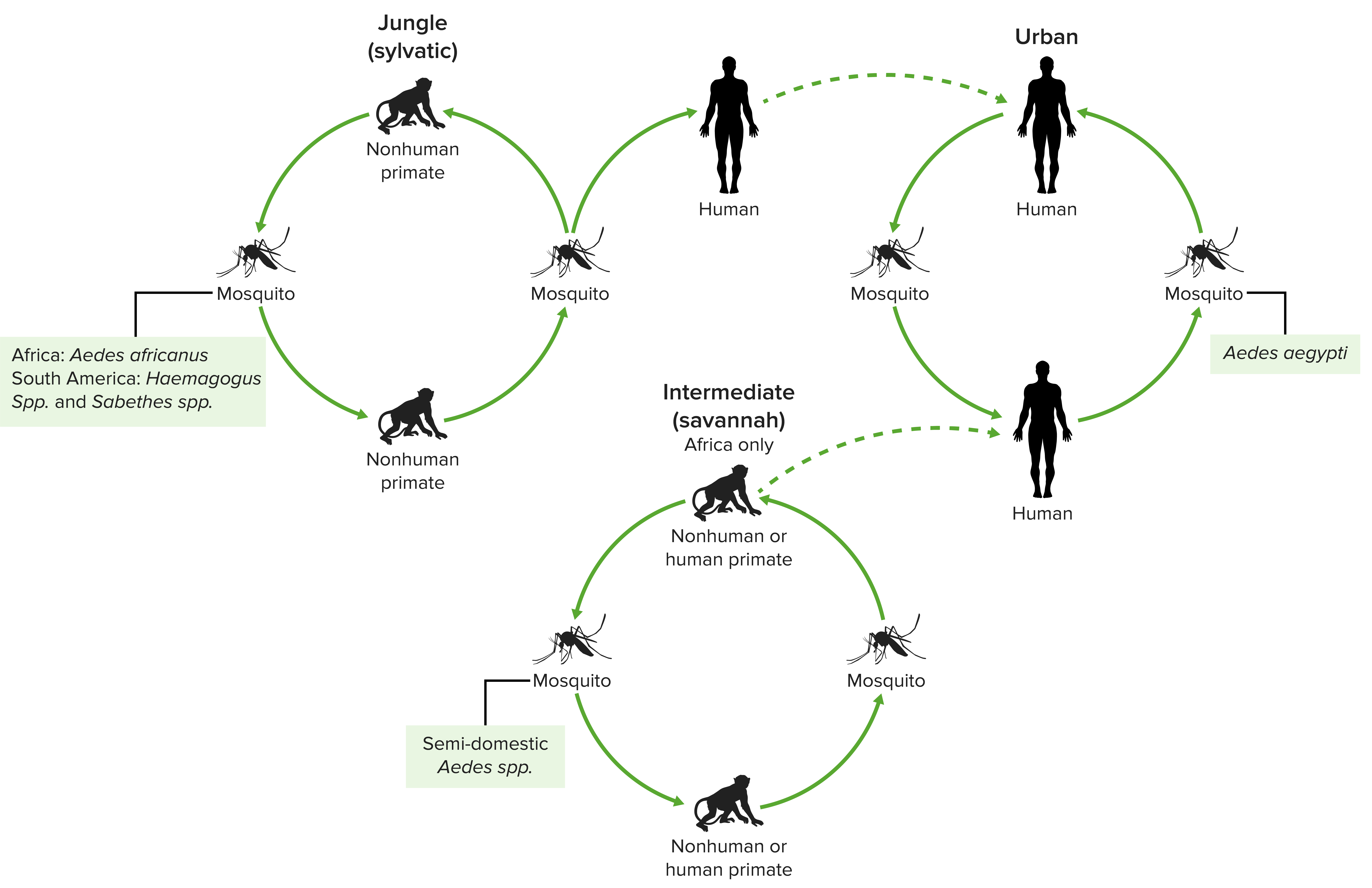
Ciclos de transmisión:

  • Jungla (selvático):
    • El ciclo se produce entre primates no humanos y mosquitos.
    • Los LOS Neisseria humanos se infectan cuando trabajan o visitan la selva.
  • Intermedio (sabana):
    • El ciclo se produce entre primates, humanos y mosquitos.
    • Se da en EN Erythema nodosum is an immune-mediated panniculitis (inflammation of the subcutaneous fat) caused by a type IV (delayed-type) hypersensitivity reaction. It commonly manifests in young women as tender, erythematous nodules on the shins. Erythema Nodosum la sabana africana en EN Erythema nodosum is an immune-mediated panniculitis (inflammation of the subcutaneous fat) caused by a type IV (delayed-type) hypersensitivity reaction. It commonly manifests in young women as tender, erythematous nodules on the shins. Erythema Nodosum aquellos que viven en EN Erythema nodosum is an immune-mediated panniculitis (inflammation of the subcutaneous fat) caused by a type IV (delayed-type) hypersensitivity reaction. It commonly manifests in young women as tender, erythematous nodules on the shins. Erythema Nodosum regiones fronterizas con la selva
  • Urbano:
    • El ciclo se produce entre los LOS Neisseria humanos y los LOS Neisseria mosquitos.
    • El virus Virus Viruses are infectious, obligate intracellular parasites composed of a nucleic acid core surrounded by a protein capsid. Viruses can be either naked (non-enveloped) or enveloped. The classification of viruses is complex and based on many factors, including type and structure of the nucleoid and capsid, the presence of an envelope, the replication cycle, and the host range. Virology es traído al AL Amyloidosis entorno urbano por un humano que fue infectado en EN Erythema nodosum is an immune-mediated panniculitis (inflammation of the subcutaneous fat) caused by a type IV (delayed-type) hypersensitivity reaction. It commonly manifests in young women as tender, erythematous nodules on the shins. Erythema Nodosum la selva o la sabana.

Ciclo de replicación viral

  • El virus Virus Viruses are infectious, obligate intracellular parasites composed of a nucleic acid core surrounded by a protein capsid. Viruses can be either naked (non-enveloped) or enveloped. The classification of viruses is complex and based on many factors, including type and structure of the nucleoid and capsid, the presence of an envelope, the replication cycle, and the host range. Virology se une a las células diana a través de receptores → endocitosis
  • pH pH The quantitative measurement of the acidity or basicity of a solution. Acid-Base Balance en EN Erythema nodosum is an immune-mediated panniculitis (inflammation of the subcutaneous fat) caused by a type IV (delayed-type) hypersensitivity reaction. It commonly manifests in young women as tender, erythematous nodules on the shins. Erythema Nodosum el endosoma → fusión de la membrana endosomal con la envoltura del virus Virus Viruses are infectious, obligate intracellular parasites composed of a nucleic acid core surrounded by a protein capsid. Viruses can be either naked (non-enveloped) or enveloped. The classification of viruses is complex and based on many factors, including type and structure of the nucleoid and capsid, the presence of an envelope, the replication cycle, and the host range. Virology → inyección de la nucleocápside en EN Erythema nodosum is an immune-mediated panniculitis (inflammation of the subcutaneous fat) caused by a type IV (delayed-type) hypersensitivity reaction. It commonly manifests in young women as tender, erythematous nodules on the shins. Erythema Nodosum el citoplasma
  • Desintegración de la nucleocápside → replicación del genoma viral en EN Erythema nodosum is an immune-mediated panniculitis (inflammation of the subcutaneous fat) caused by a type IV (delayed-type) hypersensitivity reaction. It commonly manifests in young women as tender, erythematous nodules on the shins. Erythema Nodosum el retículo endoplásmico rugoso
  • Las partículas inmaduras se procesan en EN Erythema nodosum is an immune-mediated panniculitis (inflammation of the subcutaneous fat) caused by a type IV (delayed-type) hypersensitivity reaction. It commonly manifests in young women as tender, erythematous nodules on the shins. Erythema Nodosum el aparato de Golgi → maduran → se liberan como virión infeccioso

Fisiopatología

  • El mosquito se alimenta → inocula el virus Virus Viruses are infectious, obligate intracellular parasites composed of a nucleic acid core surrounded by a protein capsid. Viruses can be either naked (non-enveloped) or enveloped. The classification of viruses is complex and based on many factors, including type and structure of the nucleoid and capsid, the presence of an envelope, the replication cycle, and the host range. Virology en EN Erythema nodosum is an immune-mediated panniculitis (inflammation of the subcutaneous fat) caused by a type IV (delayed-type) hypersensitivity reaction. It commonly manifests in young women as tender, erythematous nodules on the shins. Erythema Nodosum el huésped
  • La replicación se produce en EN Erythema nodosum is an immune-mediated panniculitis (inflammation of the subcutaneous fat) caused by a type IV (delayed-type) hypersensitivity reaction. It commonly manifests in young women as tender, erythematous nodules on the shins. Erythema Nodosum el lugar de inoculación (células dendríticas).
  • Se propaga a través del sistema linfático → ganglios linfáticos regionales
  • La replicación se produce en EN Erythema nodosum is an immune-mediated panniculitis (inflammation of the subcutaneous fat) caused by a type IV (delayed-type) hypersensitivity reaction. It commonly manifests in young women as tender, erythematous nodules on the shins. Erythema Nodosum los LOS Neisseria macrófagos/monocitos.
  • Se propaga a través del sistema linfático → torrente sanguíneo → órganos (especialmente el hígado) y los LOS Neisseria tejidos
  • Replicación viral en EN Erythema nodosum is an immune-mediated panniculitis (inflammation of the subcutaneous fat) caused by a type IV (delayed-type) hypersensitivity reaction. It commonly manifests in young women as tender, erythematous nodules on the shins. Erythema Nodosum los LOS Neisseria tejidos de los LOS Neisseria órganos da lugar a:
    • Cuerpos apoptóticos eosinofílicos (Cuerpos Councilman)
    • Apoptosis Apoptosis A regulated cell death mechanism characterized by distinctive morphologic changes in the nucleus and cytoplasm, including the endonucleolytic cleavage of genomic DNA, at regularly spaced, internucleosomal sites, I.e., DNA fragmentation. It is genetically-programmed and serves as a balance to mitosis in regulating the size of animal tissues and in mediating pathologic processes associated with tumor growth. Ischemic Cell Damage
    • Cambio graso
  • Efectos:
    • Daños en EN Erythema nodosum is an immune-mediated panniculitis (inflammation of the subcutaneous fat) caused by a type IV (delayed-type) hypersensitivity reaction. It commonly manifests in young women as tender, erythematous nodules on the shins. Erythema Nodosum el hígado
    • Insuficiencia renal
    • Edema Edema Edema is a condition in which excess serous fluid accumulates in the body cavity or interstitial space of connective tissues. Edema is a symptom observed in several medical conditions. It can be categorized into 2 types, namely, peripheral (in the extremities) and internal (in an organ or body cavity). Edema cerebral
    • Respuesta inflamatoria sistémica → shock Shock Shock is a life-threatening condition associated with impaired circulation that results in tissue hypoxia. The different types of shock are based on the underlying cause: distributive (↑ cardiac output (CO), ↓ systemic vascular resistance (SVR)), cardiogenic (↓ CO, ↑ SVR), hypovolemic (↓ CO, ↑ SVR), obstructive (↓ CO), and mixed. Types of Shock

Presentación Clínica

El periodo de incubación es de 3–6 días. Las características clínicas van desde una enfermedad febril leve y autolimitada ( en EN Erythema nodosum is an immune-mediated panniculitis (inflammation of the subcutaneous fat) caused by a type IV (delayed-type) hypersensitivity reaction. It commonly manifests in young women as tender, erythematous nodules on the shins. Erythema Nodosum la mayoría de los LOS Neisseria casos) hasta una enfermedad grave y potencialmente mortal.

Período de infección

Los LOS Neisseria siguientes síntomas iniciales son inespecíficos:

  • Fiebre y escalofríos
  • Cefalea
  • Fotofobia
  • Malestar
  • Mialgias
  • Dolor Dolor Inflammation de espalda baja
  • Náuseas
  • Anorexia Anorexia The lack or loss of appetite accompanied by an aversion to food and the inability to eat. It is the defining characteristic of the disorder anorexia nervosa. Anorexia Nervosa
  • Mareo

Periodo de intoxicación

Tras un periodo de remisión de 48 horas, una minoría de pacientes desarrollará síntomas de fiebre amarilla grave. Este periodo se presenta con fiebre alta y disfunción multiorgánica.

  • Disfunción hepática: ictericia
  • Disfunción renal: oliguria Oliguria Decreased urine output that is below the normal range. Oliguria can be defined as urine output of less than or equal to 0. 5 or 1 ml/kg/hr depending on the age. Renal Potassium Regulation
  • Hemorragia (por disfunción hepática y coagulación intravascular diseminada (CID)):
  • Pancreatitis Pancreatitis Inflammation of the pancreas. Pancreatitis is classified as acute unless there are computed tomographic or endoscopic retrograde cholangiopancreatographic findings of chronic pancreatitis. The two most common forms of acute pancreatitis are alcoholic pancreatitis and gallstone pancreatitis. Acute Pancreatitis:
  • Miocarditis
  • Disfunción del sistema nervioso central (SNC) (por encefalopatía metabólica, edema Edema Edema is a condition in which excess serous fluid accumulates in the body cavity or interstitial space of connective tissues. Edema is a symptom observed in several medical conditions. It can be categorized into 2 types, namely, peripheral (in the extremities) and internal (in an organ or body cavity). Edema cerebral y/o hemorragia):
    • Delirio
    • Convulsiones
    • Coma Coma Coma is defined as a deep state of unarousable unresponsiveness, characterized by a score of 3 points on the GCS. A comatose state can be caused by a multitude of conditions, making the precise epidemiology and prognosis of coma difficult to determine. Coma

Examen físico

Los LOS Neisseria hallazgos dependerán de la gravedad de la enfermedad y de la fase de la infección, pero pueden incluir:

  • Signos vitales:
    • Fiebre
    • Bradicardia durante la fiebre (signo de Faget)
    • Hipotensión
  • Oculares:
    • Inyección conjuntival
    • Ictericia escleral
  • Cutáneos:
  • Abdominales:
    • Sensibilidad epigástrica
    • Hepatomegalia
  • Renales:

Diagnóstico y Tratamiento

Diagnóstico

Pruebas específicas:

  • Serología por ensayo inmunoabsorbente ligado a enzimas ( ELISA ELISA An immunoassay utilizing an antibody labeled with an enzyme marker such as horseradish peroxidase. While either the enzyme or the antibody is bound to an immunosorbent substrate, they both retain their biologic activity; the change in enzyme activity as a result of the enzyme-antibody-antigen reaction is proportional to the concentration of the antigen and can be measured spectrophotometrically or with the naked eye. Many variations of the method have been developed. St. Louis Encephalitis Virus, por sus siglas en EN Erythema nodosum is an immune-mediated panniculitis (inflammation of the subcutaneous fat) caused by a type IV (delayed-type) hypersensitivity reaction. It commonly manifests in young women as tender, erythematous nodules on the shins. Erythema Nodosum inglés) para anticuerpos de inmunoglobulina M ( IgM IgM A class of immunoglobulin bearing mu chains (immunoglobulin mu-chains). Igm can fix complement. The name comes from its high molecular weight and originally being called a macroglobulin. Immunoglobulins: Types and Functions)
  • PCR PCR Polymerase chain reaction (PCR) is a technique that amplifies DNA fragments exponentially for analysis. The process is highly specific, allowing for the targeting of specific genomic sequences, even with minuscule sample amounts. The PCR cycles multiple times through 3 phases: denaturation of the template DNA, annealing of a specific primer to the individual DNA strands, and synthesis/elongation of new DNA molecules. Polymerase Chain Reaction (PCR) para el ARN viral
  • Cultivo viral
  • Nota: La biopsia hepática no debe realizarse nunca debido al AL Amyloidosis riesgo de hemorragia mortal.

Evaluación de soporte:

  • Hemograma
    • ↓ Leucocitos con neutropenia Neutropenia Neutrophils are an important component of the immune system and play a significant role in the eradication of infections. Low numbers of circulating neutrophils, referred to as neutropenia, predispose the body to recurrent infections or sepsis, though patients can also be asymptomatic. Neutropenia
    • ↓ Plaquetas
  • Pruebas de función hepática:
    • ↑ Aspartato aminotransferasa y alanina aminotransferasa
    • ↑ Bilirrubina
  • Estudios de coagulación:
    • ↑ Tiempo de protrombina y tiempo de tromboplastina parcial
    • ↓ Fibrinógeno
    • ↑ Dímero D
  • Estudios renales:
    • ↑ Nitrógeno de urea Urea A compound formed in the liver from ammonia produced by the deamination of amino acids. It is the principal end product of protein catabolism and constitutes about one half of the total urinary solids. Urea Cycle (BUN, por sus siglas en EN Erythema nodosum is an immune-mediated panniculitis (inflammation of the subcutaneous fat) caused by a type IV (delayed-type) hypersensitivity reaction. It commonly manifests in young women as tender, erythematous nodules on the shins. Erythema Nodosum inglés) y creatinina
    • ↑ Albúmina y proteínas en EN Erythema nodosum is an immune-mediated panniculitis (inflammation of the subcutaneous fat) caused by a type IV (delayed-type) hypersensitivity reaction. It commonly manifests in young women as tender, erythematous nodules on the shins. Erythema Nodosum orina

Tratamiento

No existe una terapia antiviral Antiviral Antivirals for Hepatitis B para tratar la fiebre amarilla. El tratamiento es de soporte.

  • Se aconseja la hospitalización y atención en EN Erythema nodosum is an immune-mediated panniculitis (inflammation of the subcutaneous fat) caused by a type IV (delayed-type) hypersensitivity reaction. It commonly manifests in young women as tender, erythematous nodules on the shins. Erythema Nodosum la unidad de cuidados intensivos (UCI) porque puede producirse un rápido deterioro.
  • Hidratación de líquidos por vía intravenosa
  • Soporte vasopresor para el shock Shock Shock is a life-threatening condition associated with impaired circulation that results in tissue hypoxia. The different types of shock are based on the underlying cause: distributive (↑ cardiac output (CO), ↓ systemic vascular resistance (SVR)), cardiogenic (↓ CO, ↑ SVR), hypovolemic (↓ CO, ↑ SVR), obstructive (↓ CO), and mixed. Types of Shock
  • Monitoreo por:
    • Hipoglucemia
    • CID
    • Disfunción hepática
    • Disfunción renal

Prevención

  • Evitar los LOS Neisseria mosquitos:
    • Repelente de insectos
    • Ropa protectora
    • Mosquiteras
    • Drenar y evitar el agua estancada
  • Vacunación ( virus Virus Viruses are infectious, obligate intracellular parasites composed of a nucleic acid core surrounded by a protein capsid. Viruses can be either naked (non-enveloped) or enveloped. The classification of viruses is complex and based on many factors, including type and structure of the nucleoid and capsid, the presence of an envelope, the replication cycle, and the host range. Virology 17D vivo atenuado): una sola dosis generalmente proporciona protección duradera, recomendada para:
    • Viajes a zonas endémicas
    • Residentes de regiones endémicas

Comparación de las Especies de Flavivirus

Tabla: Comparación de las especies de Flavivirus Flavivirus A genus of flaviviridae containing several subgroups and many species. Most are arboviruses transmitted by mosquitoes or ticks. The type species is yellow fever virus. Tick-borne Encephalitis Virus
Organismo Virus Virus Viruses are infectious, obligate intracellular parasites composed of a nucleic acid core surrounded by a protein capsid. Viruses can be either naked (non-enveloped) or enveloped. The classification of viruses is complex and based on many factors, including type and structure of the nucleoid and capsid, the presence of an envelope, the replication cycle, and the host range. Virology de la fiebre amarilla Virus Virus Viruses are infectious, obligate intracellular parasites composed of a nucleic acid core surrounded by a protein capsid. Viruses can be either naked (non-enveloped) or enveloped. The classification of viruses is complex and based on many factors, including type and structure of the nucleoid and capsid, the presence of an envelope, the replication cycle, and the host range. Virology de la hepatitis C Hepatitis C Hepatitis C is an infection of the liver caused by the hepatitis C virus (HCV). The infection can be transmitted through infectious blood or body fluids and may be transmitted during childbirth or through IV drug use or sexual intercourse. Hepatitis C virus can cause both acute and chronic hepatitis, ranging from a mild to a serious, lifelong illness including liver cirrhosis and hepatocellular carcinoma (HCC). Hepatitis C Virus Virus Virus Viruses are infectious, obligate intracellular parasites composed of a nucleic acid core surrounded by a protein capsid. Viruses can be either naked (non-enveloped) or enveloped. The classification of viruses is complex and based on many factors, including type and structure of the nucleoid and capsid, the presence of an envelope, the replication cycle, and the host range. Virology del dengue Dengue An acute febrile disease transmitted by the bite of aedes mosquitoes infected with dengue virus. It is self-limiting and characterized by fever, myalgia, headache, and rash. Severe dengue is a more virulent form of dengue. Dengue Virus
Características
  • 1 serotipo
  • 40–60 nm
  • 2 serotipos
  • 55–65 nm
  • 4 serotipos
  • 40–60 nm
Transmisión Mosquito Transmisión sanguínea Mosquito
Presentación clínica
  • Fiebre
  • Síntomas similares a gripe
  • Ictericia
  • Disfunción multiorgánica
  • Hemorragia
  • Shock Shock Shock is a life-threatening condition associated with impaired circulation that results in tissue hypoxia. The different types of shock are based on the underlying cause: distributive (↑ cardiac output (CO), ↓ systemic vascular resistance (SVR)), cardiogenic (↓ CO, ↑ SVR), hypovolemic (↓ CO, ↑ SVR), obstructive (↓ CO), and mixed. Types of Shock
  • Asintomática
  • Hepatitis
  • Cirrosis
  • Carcinoma hepatocelular
  • Fiebre
  • Síntomas similares a gripe
  • Enrojecimiento de la piel/erupción
  • Dolor Dolor Inflammation severo
  • Disfunción multiorgánica
  • Hemorragia
  • Shock Shock Shock is a life-threatening condition associated with impaired circulation that results in tissue hypoxia. The different types of shock are based on the underlying cause: distributive (↑ cardiac output (CO), ↓ systemic vascular resistance (SVR)), cardiogenic (↓ CO, ↑ SVR), hypovolemic (↓ CO, ↑ SVR), obstructive (↓ CO), and mixed. Types of Shock
Diagnóstico
  • Serología
  • PCR PCR Polymerase chain reaction (PCR) is a technique that amplifies DNA fragments exponentially for analysis. The process is highly specific, allowing for the targeting of specific genomic sequences, even with minuscule sample amounts. The PCR cycles multiple times through 3 phases: denaturation of the template DNA, annealing of a specific primer to the individual DNA strands, and synthesis/elongation of new DNA molecules. Polymerase Chain Reaction (PCR)
  • Cultivo viral
  • Serología
  • PCR PCR Polymerase chain reaction (PCR) is a technique that amplifies DNA fragments exponentially for analysis. The process is highly specific, allowing for the targeting of specific genomic sequences, even with minuscule sample amounts. The PCR cycles multiple times through 3 phases: denaturation of the template DNA, annealing of a specific primer to the individual DNA strands, and synthesis/elongation of new DNA molecules. Polymerase Chain Reaction (PCR)
  • Serología
  • PCR PCR Polymerase chain reaction (PCR) is a technique that amplifies DNA fragments exponentially for analysis. The process is highly specific, allowing for the targeting of specific genomic sequences, even with minuscule sample amounts. The PCR cycles multiple times through 3 phases: denaturation of the template DNA, annealing of a specific primer to the individual DNA strands, and synthesis/elongation of new DNA molecules. Polymerase Chain Reaction (PCR)
  • Pruebas de antígenos
Tratamiento De soporte Antivirales de acción directa De soporte
Prevención
  • Evitar compartir agujas
  • Eliminación adecuada de objetos punzantes y residuos
  • Análisis de la sangre donada

Diagnóstico Diferencial

  • Malaria Malaria Malaria is an infectious parasitic disease affecting humans and other animals. Most commonly transmitted via the bite of a female Anopheles mosquito infected with microorganisms of the Plasmodium genus. Patients present with fever, chills, myalgia, headache, and diaphoresis. Plasmodium/Malaria: enfermedad infecciosa transmitida por mosquitos y causada por la especie Plasmodium Plasmodium A genus of protozoa that comprise the malaria parasites of mammals. Four species infect humans (although occasional infections with primate malarias may occur). These are plasmodium falciparum; plasmodium malariae; plasmodium ovale, and plasmodium vivax. Species causing infection in vertebrates other than man include: plasmodium berghei; plasmodium chabaudi; p. Vinckei, and plasmodium yoelii in rodents; p. Brasilianum, plasmodium cynomolgi; and plasmodium knowlesi in monkeys; and plasmodium gallinaceum in chickens. Antimalarial Drugs. La malaria Malaria Malaria is an infectious parasitic disease affecting humans and other animals. Most commonly transmitted via the bite of a female Anopheles mosquito infected with microorganisms of the Plasmodium genus. Patients present with fever, chills, myalgia, headache, and diaphoresis. Plasmodium/Malaria suele presentarse con fiebre, escalofríos, diaforesis, ictericia, dolor Dolor Inflammation abdominal, anemia Anemia Anemia is a condition in which individuals have low Hb levels, which can arise from various causes. Anemia is accompanied by a reduced number of RBCs and may manifest with fatigue, shortness of breath, pallor, and weakness. Subtypes are classified by the size of RBCs, chronicity, and etiology. Anemia: Overview and Types hemolítica, hepatoesplenomegalia y deterioro renal. Un frotis de sangre muestra un anillo pleomórfico único. También se pueden realizar pruebas rápidas para detectar antígenos de Plasmodium Plasmodium A genus of protozoa that comprise the malaria parasites of mammals. Four species infect humans (although occasional infections with primate malarias may occur). These are plasmodium falciparum; plasmodium malariae; plasmodium ovale, and plasmodium vivax. Species causing infection in vertebrates other than man include: plasmodium berghei; plasmodium chabaudi; p. Vinckei, and plasmodium yoelii in rodents; p. Brasilianum, plasmodium cynomolgi; and plasmodium knowlesi in monkeys; and plasmodium gallinaceum in chickens. Antimalarial Drugs. El tratamiento requiere un curso prolongado de múltiples medicamentos antipalúdicos.
  • Fiebre de Lassa: fiebre hemorrágica causada por el virus Virus Viruses are infectious, obligate intracellular parasites composed of a nucleic acid core surrounded by a protein capsid. Viruses can be either naked (non-enveloped) or enveloped. The classification of viruses is complex and based on many factors, including type and structure of the nucleoid and capsid, the presence of an envelope, the replication cycle, and the host range. Virology de Lassa. La mayoría de las infecciones por fiebre de Lassa son leves y de tipo gripal. Algunos pacientes experimentan manifestaciones graves de edema Edema Edema is a condition in which excess serous fluid accumulates in the body cavity or interstitial space of connective tissues. Edema is a symptom observed in several medical conditions. It can be categorized into 2 types, namely, peripheral (in the extremities) and internal (in an organ or body cavity). Edema pulmonar, hepatitis, hemorragias, inflamación facial, convulsiones, coma Coma Coma is defined as a deep state of unarousable unresponsiveness, characterized by a score of 3 points on the GCS. A comatose state can be caused by a multitude of conditions, making the precise epidemiology and prognosis of coma difficult to determine. Coma y shock Shock Shock is a life-threatening condition associated with impaired circulation that results in tissue hypoxia. The different types of shock are based on the underlying cause: distributive (↑ cardiac output (CO), ↓ systemic vascular resistance (SVR)), cardiogenic (↓ CO, ↑ SVR), hypovolemic (↓ CO, ↑ SVR), obstructive (↓ CO), and mixed. Types of Shock. El diagnóstico se confirma con serología y PCR PCR Polymerase chain reaction (PCR) is a technique that amplifies DNA fragments exponentially for analysis. The process is highly specific, allowing for the targeting of specific genomic sequences, even with minuscule sample amounts. The PCR cycles multiple times through 3 phases: denaturation of the template DNA, annealing of a specific primer to the individual DNA strands, and synthesis/elongation of new DNA molecules. Polymerase Chain Reaction (PCR). La ribavirina se ha HA Hemolytic anemia (HA) is the term given to a large group of anemias that are caused by the premature destruction/hemolysis of circulating red blood cells (RBCs). Hemolysis can occur within (intravascular hemolysis) or outside the blood vessels (extravascular hemolysis). Hemolytic Anemia utilizado con éxito para tratar la fiebre de Lassa.
  • Ébola: fiebre hemorrágica altamente contagiosa y potencialmente mortal causada por Ebolavirus Ebolavirus Ebolavirus is a member of the Filoviridae family. They are single-stranded, negative-sense RNA viruses with a characteristic filamentous, pleomorphic morphology. Transmission mainly occurs through contact with secretions from an infected individual. This virus causes flu-like symptoms, diarrhea, hemorrhage, multiorgan dysfunction, and shock. Ebolavirus and Marburgvirus. Los LOS Neisseria individuos afectados presentan síntomas de fiebre, malestar, náuseas, vómitos y dolor Dolor Inflammation abdominal. Estos síntomas pueden evolucionar a hemorragia, insuficiencia multiorgánica y shock Shock Shock is a life-threatening condition associated with impaired circulation that results in tissue hypoxia. The different types of shock are based on the underlying cause: distributive (↑ cardiac output (CO), ↓ systemic vascular resistance (SVR)), cardiogenic (↓ CO, ↑ SVR), hypovolemic (↓ CO, ↑ SVR), obstructive (↓ CO), and mixed. Types of Shock. El diagnóstico se confirma por PCR PCR Polymerase chain reaction (PCR) is a technique that amplifies DNA fragments exponentially for analysis. The process is highly specific, allowing for the targeting of specific genomic sequences, even with minuscule sample amounts. The PCR cycles multiple times through 3 phases: denaturation of the template DNA, annealing of a specific primer to the individual DNA strands, and synthesis/elongation of new DNA molecules. Polymerase Chain Reaction (PCR), serología y microscopía electrónica de tejido o sangre. El tratamiento es de soporte.
  • Leptospirosis Leptospirosis Leptospira is a spiral or question mark-shaped, gram-negative spirochete with hook-shaped ends. The major clinical species is Leptospira interrogans, which causes a mild flu-like illness in a majority of cases. The manifestations are biphasic, with Leptospira found in the blood initially. Leptospira/Leptospirosis: enfermedad causada por Leptospira interrogans Leptospira interrogans A genus of question mark-shaped bacteria spirochetes which is found in freshwater that is contaminated by animal urine. It causes leptospirosis. Leptospira/Leptospirosis. La mayoría de los LOS Neisseria pacientes presentan una enfermedad leve parecida a la gripe, y las manifestaciones son bifásicas. En EN Erythema nodosum is an immune-mediated panniculitis (inflammation of the subcutaneous fat) caused by a type IV (delayed-type) hypersensitivity reaction. It commonly manifests in young women as tender, erythematous nodules on the shins. Erythema Nodosum aproximadamente el 10% de las infecciones, se desarrolla una leptospirosis Leptospirosis Leptospira is a spiral or question mark-shaped, gram-negative spirochete with hook-shaped ends. The major clinical species is Leptospira interrogans, which causes a mild flu-like illness in a majority of cases. The manifestations are biphasic, with Leptospira found in the blood initially. Leptospira/Leptospirosis icterohemorrágica que se manifiesta con hemorragia, insuficiencia renal e ictericia. El cultivo bacteriano tarda semanas, por lo que se utilizan otras pruebas de diagnóstico, como la serología y la microscopía de campo oscuro. El tratamiento es principalmente con penicilina.
  • Fiebre recurrente: enfermedad transmitida por vectores y causada por múltiples especies de la espiroqueta Borrelia Borrelia Borrelia are gram-negative microaerophilic spirochetes. Owing to their small size, they are not easily seen on Gram stain but can be visualized using dark-field microscopy, Giemsa, or Wright stain. Spirochetes are motile and move in a characteristic spinning fashion due to axial filaments in the periplasmic space. Borrelia. Los LOS Neisseria pacientes pasan por etapas recurrentes de fiebre, crisis y períodos afebriles. Puede producirse meningitis Meningitis Meningitis is inflammation of the meninges, the protective membranes of the brain, and spinal cord. The causes of meningitis are varied, with the most common being bacterial or viral infection. The classic presentation of meningitis is a triad of fever, altered mental status, and nuchal rigidity. Meningitis, ictericia, CID y miocarditis. El diagnóstico se basa en EN Erythema nodosum is an immune-mediated panniculitis (inflammation of the subcutaneous fat) caused by a type IV (delayed-type) hypersensitivity reaction. It commonly manifests in young women as tender, erythematous nodules on the shins. Erythema Nodosum los LOS Neisseria antecedentes clínicos y en EN Erythema nodosum is an immune-mediated panniculitis (inflammation of the subcutaneous fat) caused by a type IV (delayed-type) hypersensitivity reaction. It commonly manifests in young women as tender, erythematous nodules on the shins. Erythema Nodosum la visualización de espiroquetas en EN Erythema nodosum is an immune-mediated panniculitis (inflammation of the subcutaneous fat) caused by a type IV (delayed-type) hypersensitivity reaction. It commonly manifests in young women as tender, erythematous nodules on the shins. Erythema Nodosum frotis de sangre gruesos y finos. El tratamiento es con antibióticos, como doxiciclina, penicilina o ceftriaxona.
  • Fiebre Q: infección bacteriana zoonótica causada por Coxiella burnetii Coxiella burnetii A species of gram-negative bacteria that grows preferentially in the vacuoles of the host cell. It is the etiological agent of q fever. Coxiella/Q Fever. La presentación clínica de la fiebre Q puede variar, pero suele ser leve con síntomas similares a los LOS Neisseria de la gripe. Otras manifestaciones incluyen neumonía, hepatitis, endocarditis Endocarditis Endocarditis is an inflammatory disease involving the inner lining (endometrium) of the heart, most commonly affecting the cardiac valves. Both infectious and noninfectious etiologies lead to vegetations on the valve leaflets. Patients may present with nonspecific symptoms such as fever and fatigue. Endocarditis y meningitis Meningitis Meningitis is inflammation of the meninges, the protective membranes of the brain, and spinal cord. The causes of meningitis are varied, with the most common being bacterial or viral infection. The classic presentation of meningitis is a triad of fever, altered mental status, and nuchal rigidity. Meningitis aséptica. Se requiere un alto grado de sospecha para hacer el diagnóstico, y se ayuda de la serología y la PCR PCR Polymerase chain reaction (PCR) is a technique that amplifies DNA fragments exponentially for analysis. The process is highly specific, allowing for the targeting of specific genomic sequences, even with minuscule sample amounts. The PCR cycles multiple times through 3 phases: denaturation of the template DNA, annealing of a specific primer to the individual DNA strands, and synthesis/elongation of new DNA molecules. Polymerase Chain Reaction (PCR). Los LOS Neisseria antibióticos son el pilar del tratamiento.

Referencias

  1. World Health Organization. Yellow fever Fact sheet no. 100. May 2013. Archived from the original on 19 February 2014. Retrieved October 27, 2025, from https://www.who.int/news-room/fact-sheets/detail/yellow-fever
  2. Oliveira, C. H. de, Andrade, M. S., Campos, F. S., et al. (2023). Yellow Fever Virus Maintained by Sabethes Mosquitoes during the Dry Season in Cerrado, a Semiarid Region of Brazil, in 2021. Viruses, 15(3), 757. https://doi.org/10.3390/v15030757
  3. Tolle, M.A. (2009). Mosquito-borne diseases. Curr Probl Pediatr Adolesc Health Care 39:97–140. https://pubmed.ncbi.nlm.nih.gov/19327647/
  4. Chen, L.H., Kozarsky, P.E., Visser, L.G. (2019). What’s old is new again: the re-emergence of yellow fever in Brazil and vaccine shortages. Clin Infect Dis 68:1761–1762. https://www.ncbi.nlm.nih.gov/pubmed/30204852
  5. Lindenbach, B.D., et al. (2007). Flaviviridae: the viruses and their replication. In Knipe, D.M., Howley, P.M. (Eds.). Fields Virology, 5th ed. Philadelphia: Lippincott Williams & Wilkins, p. 1101. ISBN 978-0-7817-6060-7.
  6. Sanna, A., et al. (2018). Yellow fever cases in French Guiana, evidence of an active circulation in the Guiana Shield, 2017 and 2018. Euro Surveill 23(36):1800471. https://www.ncbi.nlm.nih.gov/pubmed/30205871
  7. Leong, W.Y. (2018). New diagnostic tools for yellow fever. J Travel Med 25(1). https://www.ncbi.nlm.nih.gov/pubmed/30184173
  8. Barrett, A.D., Higgs, S. (2007). Yellow fever: a disease that has yet to be conquered. Annu Rev Entomol 52:209–229. https://pubmed.ncbi.nlm.nih.gov/16913829/
  9. Javelle, E., Gautret, P., Raoult, D. (2019). Towards the risk of yellow fever transmission in Europe. Clin Microbiol Infect 25:10–12. https://www.ncbi.nlm.nih.gov/pubmed/30170135
  10. Wilder-Smith, A. (2024). Yellow fever: epidemiology, clinical manifestations, and diagnosis. In Baron, E.L. (Ed.), UpToDate. Retrieved October 27, 2025, from https://www.uptodate.com/contents/yellow-fever-epidemiology-clinical-manifestations-and-diagnosis
  11. Wilder-Smith, A. (2025). Yellow fever: treatment and prevention. In Baron, E.L. (Ed.), UpToDate. Retrieved October 27, 2025, from https://www.uptodate.com/contents/yellow-fever-treatment-and-prevention
  12. Yuill, T.M. (2025). Yellow fever. MSD Manual Professional Version. Retrieved October 27, 2025, from https://www.msdmanuals.com/professional/infectious-diseases/arboviruses-arenaviridae-and-filoviridae/yellow-fever
  13. Simon, L.V., Hashimi, M.F., Torp, K.D. (2023). Yellow fever. StatPearls. Retrieved October 27, 2025, from https://www.ncbi.nlm.nih.gov/books/NBK470425/
  14. Blyth, D.M. (2024). Yellow fever. In Brusch, J.L. (Ed.), Medscape. Retrieved October 27, 2025, from https://emedicine.medscape.com/article/232244-overview
  15. Centers for Disease Control and Prevention (n.d.). Yellow fever. Retrieved October 27, 2025, from https://www.cdc.gov/yellowfever/index.html

¡Crea tu cuenta gratis o inicia una sesión para seguir leyendo!

Regístrate ahora y obtén acceso gratuito a Lecturio con páginas de concepto, videos médicos y cuestionarios para tu educación médica.

User Reviews

Que tengas una sesión de estudio alegre y navideña 🎁 Ahorra 50% en todos los planes >>

Details