


Descrição Geral: Infeções Sexualmente Transmissíveis

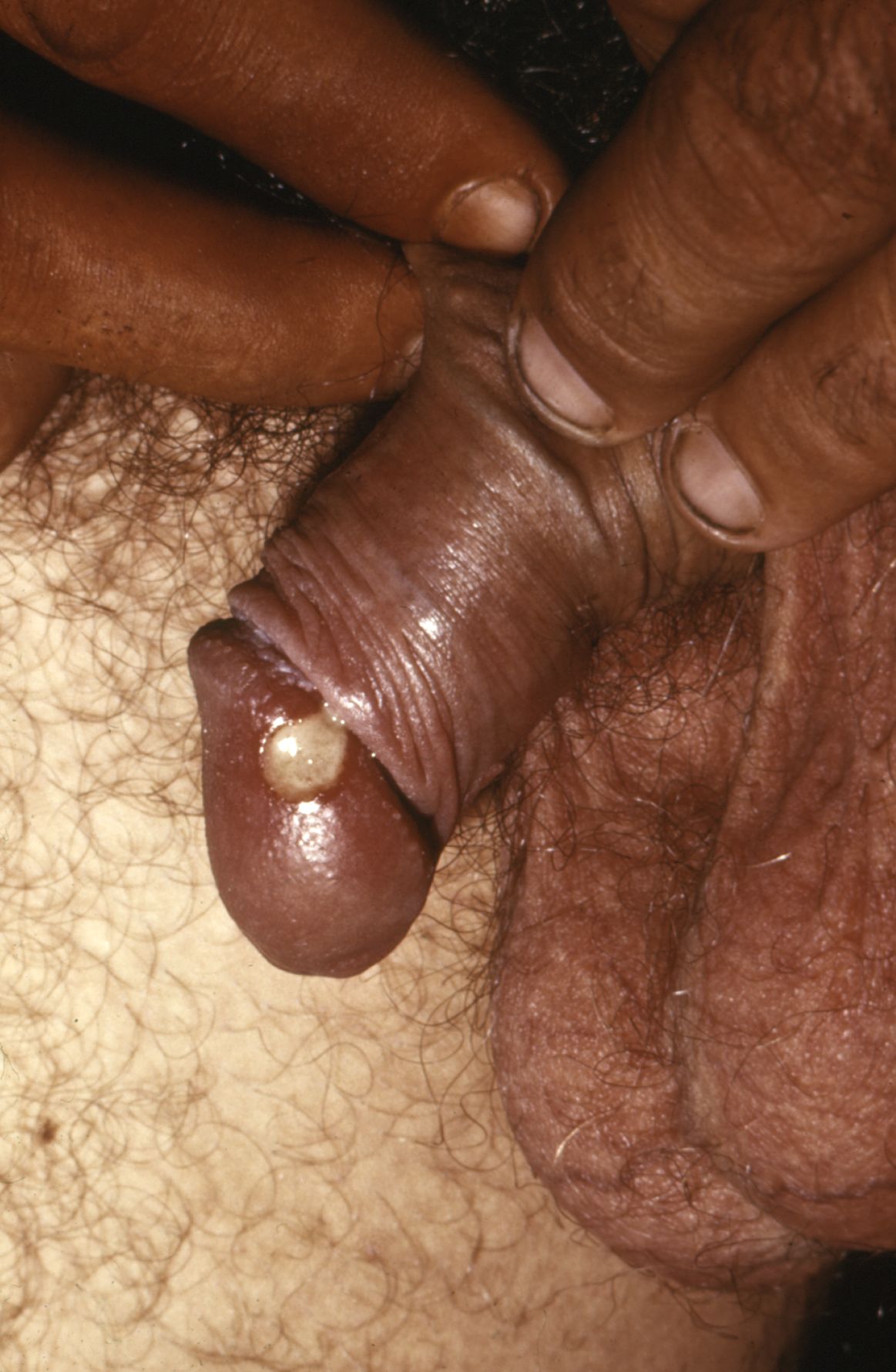
As infeções sexualmente transmissíveis (ISTs) ou doenças sexualmente transmissíveis (DSTs) são infeções que se disseminam através de relações sexuais vaginais, sexo anal ou sexo oral. Os sinais e sintomas podem incluir corrimento vaginal, corrimento peniano, disúria, lesões cutâneas (por exemplo, verrugas, úlceras) nos genitais ou ao redor deles e dor pélvica. Algumas infeções podem levar a infertilidade e a doenças crónicas debilitantes. Algumas ISTs podem afetar lactentes através da transmissão vertical. O diagnóstico das ISTs inclui uma combinação de história médica e sexual aprofundada, avaliação de fatores de risco, exame objetivo geniturinário focado ao problema e exames laboratoriais/culturas específicos para determinadas doenças. O tratamento e a prevenção incluem uma combinação de antibióticos/antivíricos, bem como educação do doente acerca de práticas sexuais seguras.

Last updated: Dec 15, 2025

Editorial responsibility: Stanley Oiseth, Lindsay Jones, Evelin Maza

Epidemiologia

  • 26 milhões de novas ISTs diagnosticadas em 2018 nos Estados Unidos
  • Grupos de doentes de alto risco:
    • Adolescentes e adultos jovens de 15 a 24 anos (responsáveis por 50% das novas ISTs em 2018)
    • Homens que fazem sexo com homens (HSH)
    • Minorias raciais e étnicas
  • O HSV-2 e a sífilis aumentam o risco de infeção pelo VIH.
  • As ISTs podem resultar em consequências sérias para a reprodução e efeitos adversos para a saúde a longo prazo.
  • ISTs que devem ser notificadas às secretarias estaduais de saúde:
    • Sífilis
    • Cancroide
    • VIH
    • Gonorreia
    • Clamídia

Etiologia

As infeções são principalmente transmitidas por via sexual, que pode incluir sexo vaginal, anal ou oral desprotegido.

Bacteriana

  • Cancroide ( Haemophilus ducreyi Haemophilus ducreyi A species of Haemophilus that appears to be the pathogen or causative agent of the sexually transmitted disease, chancroid. Haemophilus)
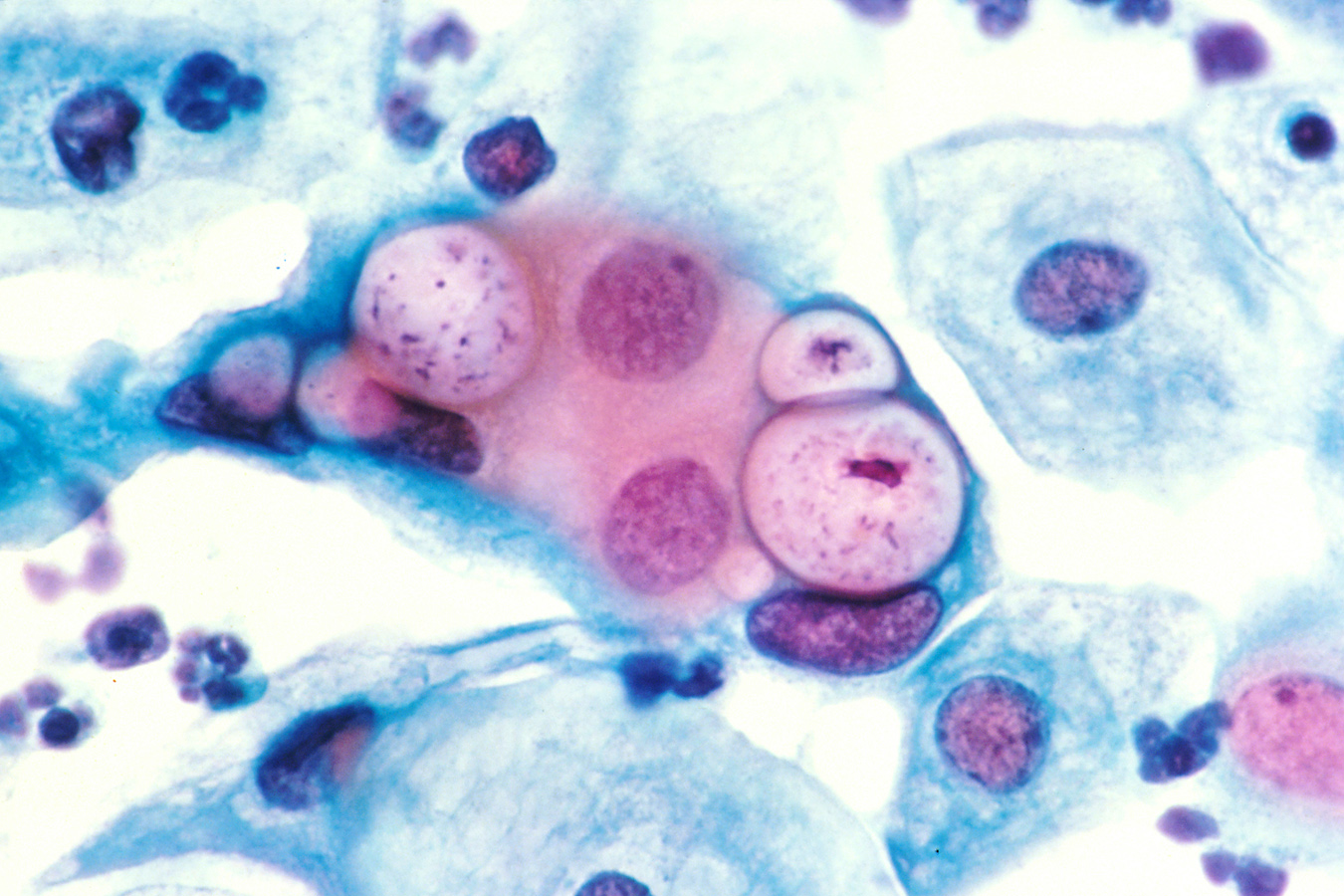
  • Clamídia e linfogranuloma venéreo ( Chlamydia trachomatis Chlamydia trachomatis Type species of Chlamydia causing a variety of ocular and urogenital diseases. Chlamydia)
  • Gonorreia ( Neisseria gonorrhoeae Neisseria gonorrhoeae A species of gram-negative, aerobic bacteria primarily found in purulent venereal discharges. It is the causative agent of gonorrhea. Neisseria)
  • Granuloma inguinal ou donovanose ( Klebsiella Klebsiella Klebsiella are encapsulated gram-negative, lactose-fermenting bacilli. They form pink colonies on MacConkey agar due to lactose fermentation. The main virulence factor is a polysaccharide capsule. Klebsiella pneumoniae is the most important pathogenic species. Klebsiella granulomatis)
  • Mycoplasma genitalium Mycoplasma genitalium A species of gram-negative bacteria originally isolated from urethral specimens of patients with non-gonococcal urethritis. In primates it exists in parasitic association with ciliated epithelial cells in the genital and respiratory tracts. Mycoplasma
  • Sífilis ( Treponema pallidum Treponema pallidum The causative agent of venereal and non-venereal syphilis as well as yaws. Treponema)

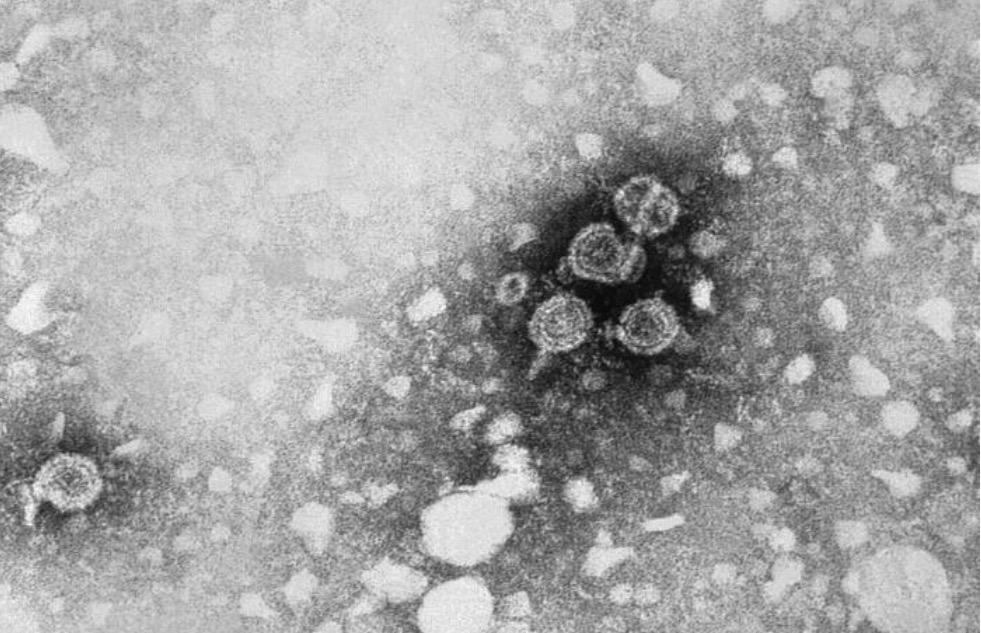
Vírica

  • Herpes simplex Herpes Simplex A group of acute infections caused by herpes simplex virus type 1 or type 2 that is characterized by the development of one or more small fluid-filled vesicles with a raised erythematous base on the skin or mucous membrane. It occurs as a primary infection or recurs due to a reactivation of a latent infection. Congenital TORCH Infections (vírus herpes simplex Herpes Simplex A group of acute infections caused by herpes simplex virus type 1 or type 2 that is characterized by the development of one or more small fluid-filled vesicles with a raised erythematous base on the skin or mucous membrane. It occurs as a primary infection or recurs due to a reactivation of a latent infection. Congenital TORCH Infections, HSV HSV Herpes simplex virus (HSV) is a double-stranded DNA virus belonging to the family Herpesviridae. Herpes simplex virus commonly causes recurrent infections involving the skin and mucosal surfaces, including the mouth, lips, eyes, and genitals. Herpes Simplex Virus 1 and 2 tipos 1 e 2)
  • Vírus da hepatite B:
    • Transmissão sexual
    • Outros modos de transmissão: exposição a sangue/produtos sanguíneos, de mãe para filho
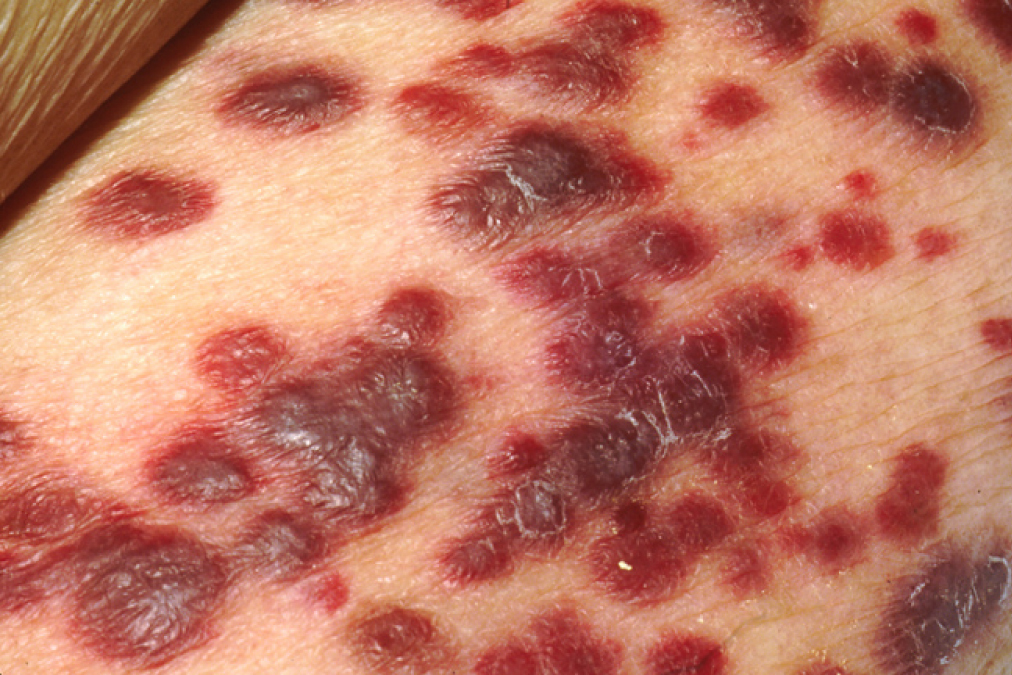
  • VIH
    • Transmissão sexual
    • Outros modos de transmissão: exposição a sangue/produtos sanguíneos, amamentação
  • HPV HPV Human papillomavirus (HPV) is a nonenveloped, circular, double-stranded DNA virus belonging to the Papillomaviridae family. Humans are the only reservoir, and transmission occurs through close skin-to-skin or sexual contact. Human papillomaviruses infect basal epithelial cells and can affect cell-regulatory proteins to result in cell proliferation. Papillomavirus (HPV)

Parasitas

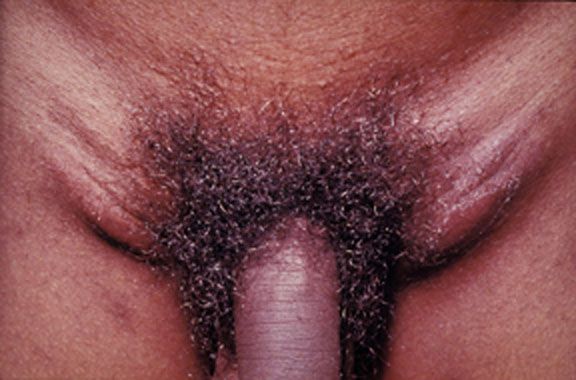
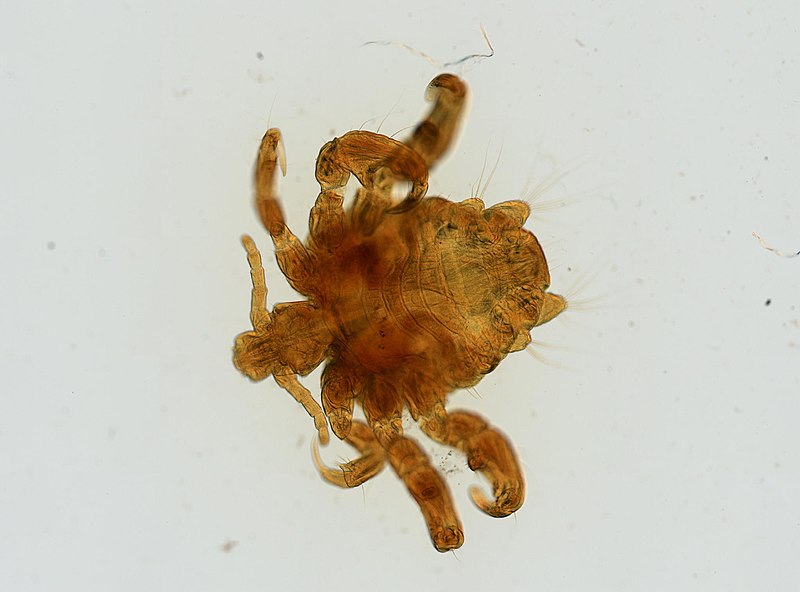
  • Pediculose púbica ou piolho de caranguejo (Pthirus pubis)
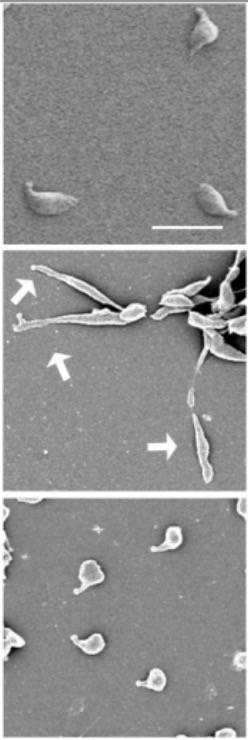
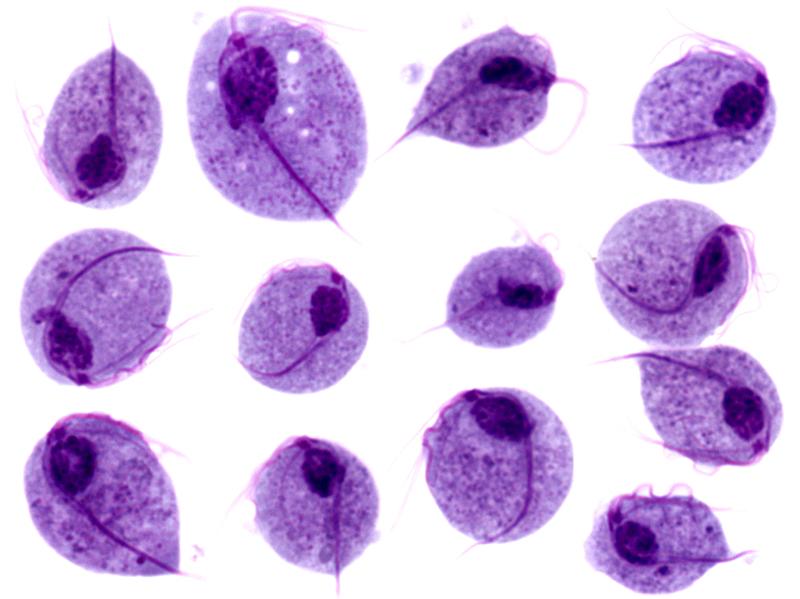
  • Tricomoníase ( Trichomonas Trichomonas A genus of parasitic flagellate eukaryotes distinguished by the presence of four anterior flagella, an undulating membrane, and a trailing flagellum. Nitroimidazoles vaginalis)

Apresentação Clínica

ISTs bacterianas

Tabela: Apresentação clínica das ISTs bacterianas
Tipo de IST Organismo Sinais e sintomas
Cancroide Haemophilus ducreyi Haemophilus ducreyi A species of Haemophilus that appears to be the pathogen or causative agent of the sexually transmitted disease, chancroid. Haemophilus
  • Pápula eritematosa no local da inoculação
  • As pápulas tornam-se úlceras.
  • Linfadenopatia inguinal/bubões
Clamídia Chlamydia trachomatis Chlamydia trachomatis Type species of Chlamydia causing a variety of ocular and urogenital diseases. Chlamydia
  • Corrimento vaginal/peniano anormal
  • Ardência durante a micção
  • Hemorragia intermenstrual
  • Proctite no caso de relação sexual anal recetiva
  • Epididimite, prostatite em homens
Gonorreia Neisseria gonorrhoeae Neisseria gonorrhoeae A species of gram-negative, aerobic bacteria primarily found in purulent venereal discharges. It is the causative agent of gonorrhea. Neisseria
  • Disúria, polaquiúria
  • Corrimento peniano/vaginal
  • Uretra vermelha ou tumefacta
  • Testículos tumefactos ou dolorosos
  • Odinofagia
  • Proctite
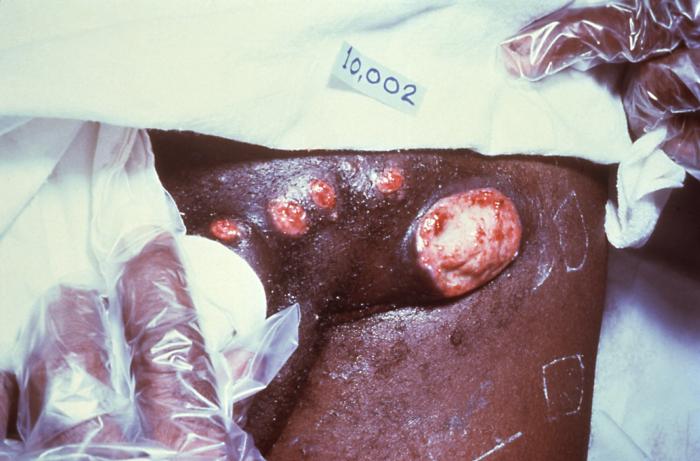
Granuloma inguinal ou donovanose Klebsiella Klebsiella Klebsiella are encapsulated gram-negative, lactose-fermenting bacilli. They form pink colonies on MacConkey agar due to lactose fermentation. The main virulence factor is a polysaccharide capsule. Klebsiella pneumoniae is the most important pathogenic species. Klebsiella granulomatis
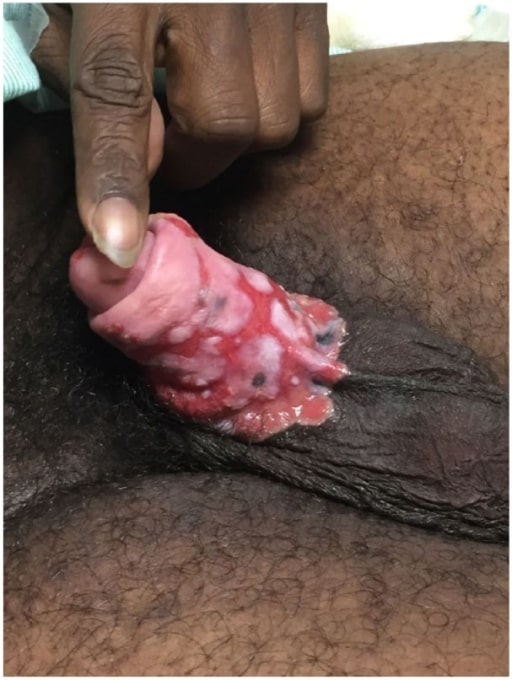
  • Doença ulcerativa crónica progressiva (região genital)
  • Lesões indolores nodulares que ulceram, geralmente com uma base vermelha-carnuda
Linfogranuloma venéreo ( LGV LGV Subacute inflammation of the inguinal lymph glands caused by certain immunotypes of Chlamydia trachomatis. It is a sexually transmitted disease in the U.S. But is more widespread in developing countries. It is distinguished from granuloma venereum, which is caused by calymmatobacterium granulomatis. Chlamydial Infections) Sorovars L1, L2 e L3 de Chlamydia trachomatis Chlamydia trachomatis Type species of Chlamydia causing a variety of ocular and urogenital diseases. Chlamydia
  • Úlcera genital
  • Linfadenopatia inguinal/bubões
  • Vaginite (corrimento)
  • Proctocolite
Infecção genital por Mycoplasma Mycoplasma Mycoplasma is a species of pleomorphic bacteria that lack a cell wall, which makes them difficult to target with conventional antibiotics and causes them to not gram stain well. Mycoplasma bacteria commonly target the respiratory and urogenital epithelium. Mycoplasma pneumoniae (M. pneumoniae), the causative agent of atypical or “walking” pneumonia. Mycoplasma Mycoplasma genitalium Mycoplasma genitalium A species of gram-negative bacteria originally isolated from urethral specimens of patients with non-gonococcal urethritis. In primates it exists in parasitic association with ciliated epithelial cells in the genital and respiratory tracts. Mycoplasma
  • Uretrite não-gonocócica
  • Doença inflamatória pélvica
  • Proctite
Sífilis Treponema pallidum Treponema pallidum The causative agent of venereal and non-venereal syphilis as well as yaws. Treponema
  • Ulceração do trato urogenital (cancro)
  • Os sintomas secundários e tardios da sífilis variam.

ISTs víricas

Tabela: Apresentação clínica das ISTs víricas
Tipo de IST Organismo Sinais e sintomas
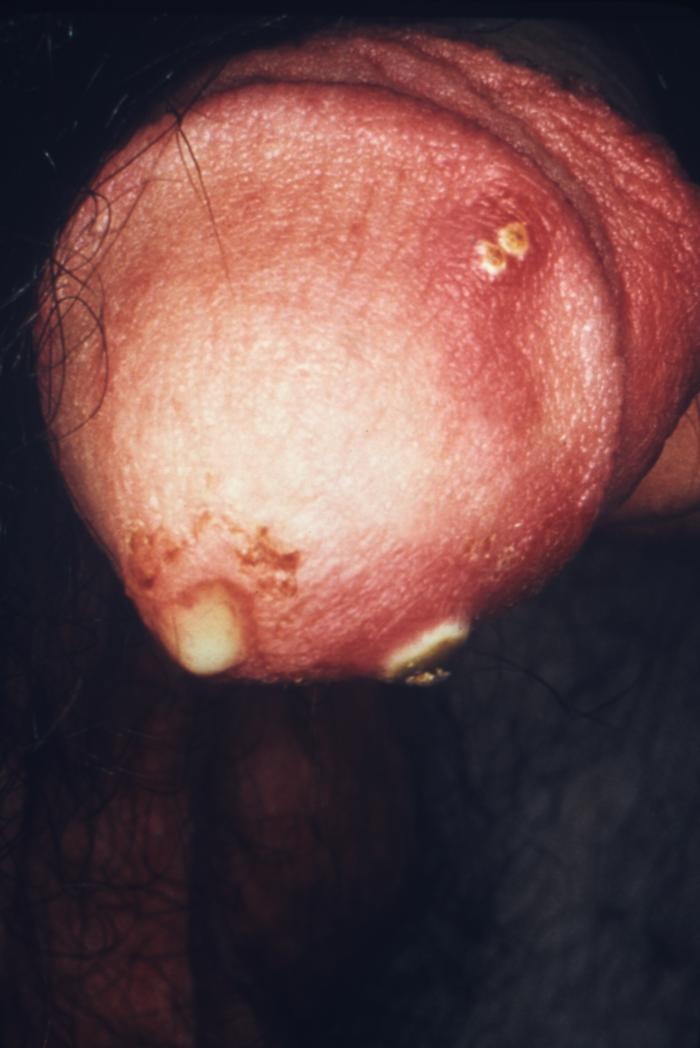
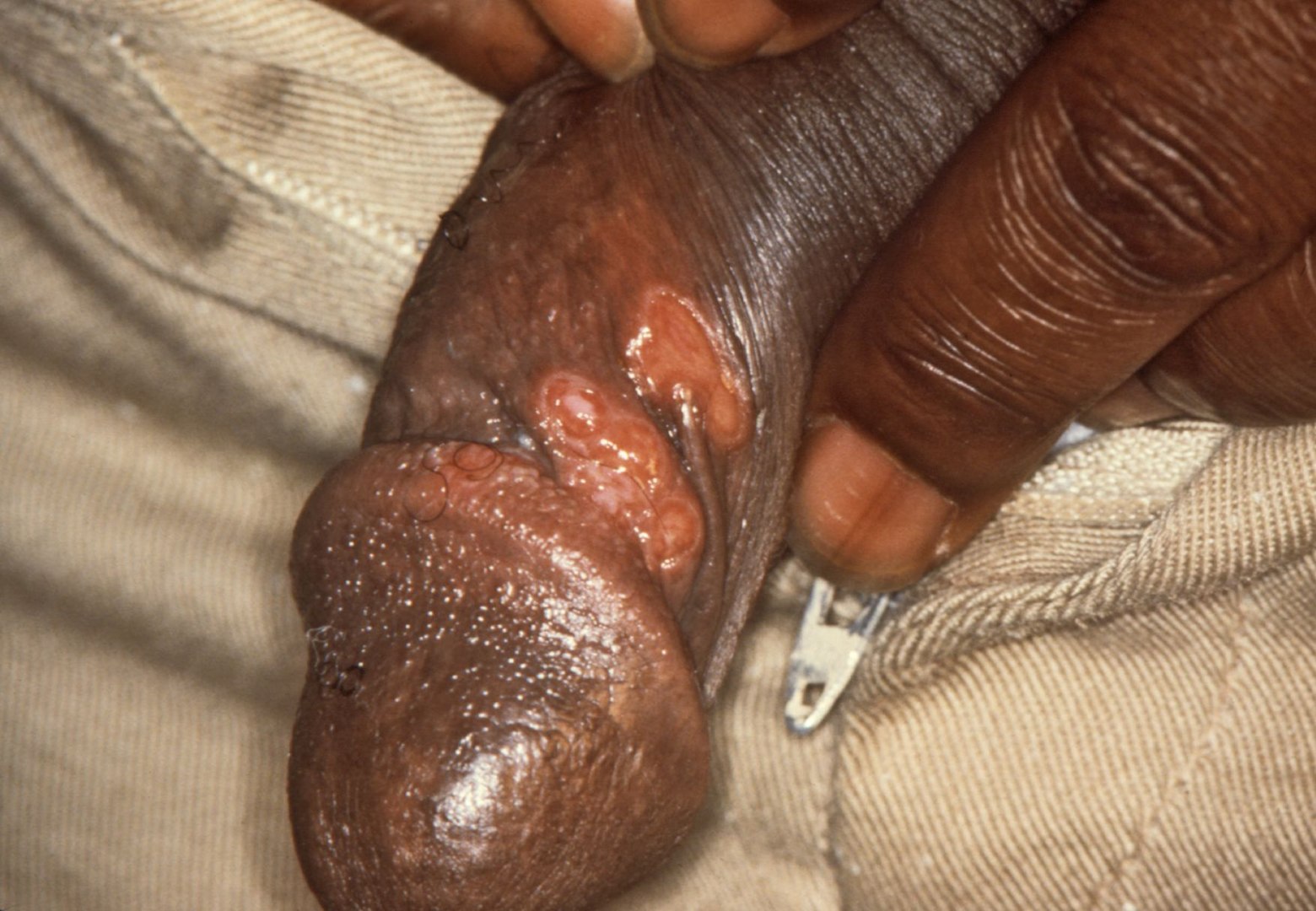
Herpes HSV-1 ou 2 Se sintomáticos, os doentes manifestam:
  • Pequenas vesículas cheias de líquido
  • Prurido/formigueiro na área genital ou anal
  • Disúria
  • Sintomas semelhantes aos da gripe (por exemplo, febre)
Hepatite B Vírus da hepatite B ( HBV HBV Hepatitis B virus (HBV) is a partially double-stranded DNA virus, which belongs to the Orthohepadnavirus genus and the Hepadnaviridae family. Hepatitis B virus is transmitted by exposure to infectious blood or body fluids. Examples of types of exposure include sexual intercourse, IV drug use, and childbirth. Hepatitis B Virus) Aguda:
  • Dor abdominal, vómito
  • Mal-estar
  • Icterícia
  • Urina escura
Crónica:
  • Assintomática
  • Doença hepática crónica/cirrose
VIH Duas espécies de Lentivirus Lentivirus A genus of the family retroviridae consisting of non-oncogenic retroviruses that produce multi-organ diseases characterized by long incubation periods and persistent infection. Lentiviruses are unique in that they contain open reading frames (orfs) between the pol and env genes and in the 3′ env region. Five serogroups are recognized, reflecting the mammalian hosts with which they are associated. HIV-1 is the type species. Human Immunodeficiency Virus (HIV) Existem diferentes estadios da doença:
  • Infeção primária
  • Infeção assintomática
  • Infeção sintomática
  • SIDA
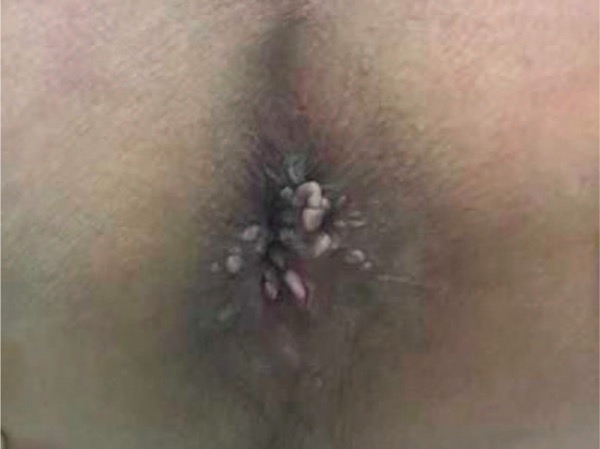
HPV HPV Human papillomavirus (HPV) is a nonenveloped, circular, double-stranded DNA virus belonging to the Papillomaviridae family. Humans are the only reservoir, and transmission occurs through close skin-to-skin or sexual contact. Human papillomaviruses infect basal epithelial cells and can affect cell-regulatory proteins to result in cell proliferation. Papillomavirus (HPV) Diferentes tipos (6, 11, 16 e 18) de HPV HPV Human papillomavirus (HPV) is a nonenveloped, circular, double-stranded DNA virus belonging to the Papillomaviridae family. Humans are the only reservoir, and transmission occurs through close skin-to-skin or sexual contact. Human papillomaviruses infect basal epithelial cells and can affect cell-regulatory proteins to result in cell proliferation. Papillomavirus (HPV)
  • Verrugas genitais ao redor da área anogenital
  • Cancro do colo do útero

ISTs parasitárias

Tabela: Apresentação clínica das ISTs parasitárias
Tipo de IST Organismo Sinais e sintomas
Tricomoníase Trichomonas Trichomonas A genus of parasitic flagellate eukaryotes distinguished by the presence of four anterior flagella, an undulating membrane, and a trailing flagellum. Nitroimidazoles vaginalis
  • Ardência ou prurido na área genital
  • Uretrite
  • Vaginite
Pediculose púbica ou piolho de caranguejo Pthirus pubis Prurido na área genital e perianal

Diagnóstico

Abordagem diagnóstica

História sexual completa:

  • Número de parceiros
  • Tipos de práticas sexuais
  • Tipos de proteções utilizadas, se houver
  • História prévia de ISTs
  • História prévia de gravidez
  • Historial de vacinação:
    • Hepatite A/B
    • HPV HPV Human papillomavirus (HPV) is a nonenveloped, circular, double-stranded DNA virus belonging to the Papillomaviridae family. Humans are the only reservoir, and transmission occurs through close skin-to-skin or sexual contact. Human papillomaviruses infect basal epithelial cells and can affect cell-regulatory proteins to result in cell proliferation. Papillomavirus (HPV)
  • Historial de viagens

Exame objetivo focado ao problema:

  • Cabeça, olhos, ouvidos, nariz, garganta (HEENT, pela sigla em inglês): Examinar a mucosa oral e os lábios, procurando exantemas ou úlceras.
  • Exame abdominopélvico: Avaliar a presença de dor abdominal inferior ou pélvica.
  • Exame geniturinário:
    • Palpação dos gânglios inguinais, procurando nódulos.
    • Exame genital para avaliação de exantemas, úlceras, exsudado, verrugas
    • Masculino: exame testicular para avaliar tumefação, dor

Testes Testes Gonadal Hormones específicos

A amostra é obtida do(s) local(is) com infeção/lesão, que pode(m) incluir a área anogenital, gânglios e oral.

Doença bacteriana:

  • Cancroide:
    • Cultura de úlceras genitais
    • Descartar etiologias comuns para úlcera(s) genital(is): herpes e sífilis
  • Clamídia:
    • Melhor teste: teste de amplificação de ácido nucleico (NAAT, pela sigla em inglês) (o PCR PCR Polymerase chain reaction (PCR) is a technique that amplifies DNA fragments exponentially for analysis. The process is highly specific, allowing for the targeting of specific genomic sequences, even with minuscule sample amounts. The PCR cycles multiple times through 3 phases: denaturation of the template DNA, annealing of a specific primer to the individual DNA strands, and synthesis/elongation of new DNA molecules. Polymerase Chain Reaction (PCR) é um método comum.)
    • A cultura tem uma utilidade limitada.
  • Gonorreia:
    • Melhor teste: NAAT
    • Coloração de Gram (microscopia)
    • Culturas (uretral, vaginal, faríngea, retal)
  • Granuloma inguinal (donovanose):
    • Biópsia de tecido
    • Observam-se corpos de Donovan (corpos de inclusão citoplasmáticos com coloração bipolar Bipolar Nervous System: Histology) na anatomia patológica
  • Linfogranuloma venéreo: NAAT
  • Mycoplasma genitalium Mycoplasma genitalium A species of gram-negative bacteria originally isolated from urethral specimens of patients with non-gonococcal urethritis. In primates it exists in parasitic association with ciliated epithelial cells in the genital and respiratory tracts. Mycoplasma: NAAT
  • Sífilis:
    • Testes Testes Gonadal Hormones não treponémicos: reagina plasmática rápida e VDRL VDRL Treponema
    • Teste confirmatório: absorção de anticorpos treponémicos fluorescentes (FTA-ABS, pela sigla em inglês)

Doença vírica:

  • HSV-1 e 2:
    • Melhor teste: PCR PCR Polymerase chain reaction (PCR) is a technique that amplifies DNA fragments exponentially for analysis. The process is highly specific, allowing for the targeting of specific genomic sequences, even with minuscule sample amounts. The PCR cycles multiple times through 3 phases: denaturation of the template DNA, annealing of a specific primer to the individual DNA strands, and synthesis/elongation of new DNA molecules. Polymerase Chain Reaction (PCR)
    • Sorologia
    • Cultura vírica
    • Esfregaço de Tzanck
  • VIH:
    • Rastreio: imunoensaio que deteta anticorpos HIV-1 HIV-1 The type species of lentivirus and the etiologic agent of aids. It is characterized by its cytopathic effect and affinity for the T4-lymphocyte. HIV Infection and AIDS e HIV-2 HIV-2 An HIV species related to HIV-1 but carrying different antigenic components and with differing nucleic acid composition. It shares serologic reactivity and sequence homology with the simian lentivirus simian immunodeficiency virus and infects only t4-lymphocytes expressing the CD4 phenotypic marker. HIV Infection and AIDS e o antigénio HIV-1 HIV-1 The type species of lentivirus and the etiologic agent of aids. It is characterized by its cytopathic effect and affinity for the T4-lymphocyte. HIV Infection and AIDS p24
    • Teste confirmatório: imunoensaio de antigénio/anticorpo reativo
    • Infeção aguda: carga vírica de ARN do VIH
  • HPV HPV Human papillomavirus (HPV) is a nonenveloped, circular, double-stranded DNA virus belonging to the Papillomaviridae family. Humans are the only reservoir, and transmission occurs through close skin-to-skin or sexual contact. Human papillomaviruses infect basal epithelial cells and can affect cell-regulatory proteins to result in cell proliferation. Papillomavirus (HPV):
    • Detetado em amostras do colo do útero (como parte do rastreio do cancro do colo do útero)
    • Também testado em biópsias orofaríngeas
  • Hepatite B:
    • Marcadores sorológicos (por exemplo, antigénio de superfície e anticorpo da hepatite B)
    • PCR PCR Polymerase chain reaction (PCR) is a technique that amplifies DNA fragments exponentially for analysis. The process is highly specific, allowing for the targeting of specific genomic sequences, even with minuscule sample amounts. The PCR cycles multiple times through 3 phases: denaturation of the template DNA, annealing of a specific primer to the individual DNA strands, and synthesis/elongation of new DNA molecules. Polymerase Chain Reaction (PCR) (ADN VHB)

Doença parasitária:

  • Trichomonas Trichomonas A genus of parasitic flagellate eukaryotes distinguished by the presence of four anterior flagella, an undulating membrane, and a trailing flagellum. Nitroimidazoles vaginalis:
    • A microscopia (montagem húmida) mostra tricomonas móveis.
    • PCR PCR Polymerase chain reaction (PCR) is a technique that amplifies DNA fragments exponentially for analysis. The process is highly specific, allowing for the targeting of specific genomic sequences, even with minuscule sample amounts. The PCR cycles multiple times through 3 phases: denaturation of the template DNA, annealing of a specific primer to the individual DNA strands, and synthesis/elongation of new DNA molecules. Polymerase Chain Reaction (PCR)
    • Cultura vaginal
    • Citologia cervical
  • Pthirus púbis:
    • Visualização de piolhos ou lêndeas (ovos de piolhos) por exame direto ou microscópico dos fios de cabelo

Tratamento

ISTs bacterianas

Tabela: Tratamento das ISTs bacterianas
Tipo de IST Tratamento
Cancroide Azitromicina ou ceftriaxona
Clamídia Azitromicina 1 g por via oral x 1 ou doxiciclina x 7 dias (preferido na proctite)
Gonorreia Ceftriaxona 500 mg (com doxiciclina se a clamídia não tiver sido descartada)
Granuloma inguinal ou donovanose
  • Azitromicina
  • Doxiciclina
Linfogranuloma venéreo ( LGV LGV Subacute inflammation of the inguinal lymph glands caused by certain immunotypes of Chlamydia trachomatis. It is a sexually transmitted disease in the U.S. But is more widespread in developing countries. It is distinguished from granuloma venereum, which is caused by calymmatobacterium granulomatis. Chlamydial Infections) Doxiciclina
Infeção genital por Mycoplasma Mycoplasma Mycoplasma is a species of pleomorphic bacteria that lack a cell wall, which makes them difficult to target with conventional antibiotics and causes them to not gram stain well. Mycoplasma bacteria commonly target the respiratory and urogenital epithelium. Mycoplasma pneumoniae (M. pneumoniae), the causative agent of atypical or “walking” pneumonia. Mycoplasma Azitromicina
Sífilis Penicilina G (parenteral)

ISTs víricas

Tabela: Tratamento das ISTs víricas
Tipo de IST Tratamento
Herpes Antivíricos:
  • Aciclovir, fanciclovir, valaciclovir
  • Regimes de terapêutica episódica e supressiva
HPV HPV Human papillomavirus (HPV) is a nonenveloped, circular, double-stranded DNA virus belonging to the Papillomaviridae family. Humans are the only reservoir, and transmission occurs through close skin-to-skin or sexual contact. Human papillomaviruses infect basal epithelial cells and can affect cell-regulatory proteins to result in cell proliferation. Papillomavirus (HPV) Terapêutica citodestrutiva:
  • Creme de Podofilox 0,5%
  • Creme de Imiquimod Imiquimod A topically-applied aminoquinoline immune modulator that induces interferon production. It is used in the treatment of external genital and perianal warts, superficial carcinoma, basal cell; and actinic keratosis. Hypertrophic and Keloid Scars 5%
Terapêutica cirúrgica:
  • Crioterapia
  • Ablação com laser de CO 2
VIH Terapêutica antirretrovírica combinada, com os seguintes:
  • Inibidores da transcriptase reversa nucleotídeos
  • Inibidores da transcriptase reversa não nucleosídeos
  • Inibidores da integrase Integrase Enzyme of the human immunodeficiency virus that is required to integrate viral DNA into cellular DNA in the nucleus of a host cell. HIV integrase is a DNA nucleotidyltransferase encoded by the pol gene. HIV Infection and AIDS
  • Inibidores da protease Protease Enzyme of the human immunodeficiency virus that is required for post-translational cleavage of gag and gag-pol precursor polyproteins into functional products needed for viral assembly. HIV protease is an aspartic protease encoded by the amino terminus of the pol gene. HIV Infection and AIDS
Hepatite B
  • O regime pode incluir interferon peguilado, tenofovir Tenofovir An adenine analog reverse transcriptase inhibitor with antiviral activity against HIV-1 and hepatitis b. It is used to treat HIV infections and chronic hepatitis b, in combination with other antiviral agents, due to the emergence of antiviral drug resistance when it is used alone. Anti-HIV Drugs ou entecavir Entecavir Anti-HIV Drugs
  • Os agentes utilizados dependem das considerações clínicas (por exemplo, gravidez, cirrose)

ISTs parasitárias

Tabela: Tratamento das ISTs parasitárias
Tipo de IST Tratamento
Tricomoníase
  • Metronidazol ou tinidazol
  • Tratar os parceiros sexuais.
Pediculose púbica Permetrina tópica ou piretrinas tópicas com butóxido de piperonila

Prevenção

  • Rastreio de ISTs
  • Aconselhamento sobre práticas sexuais seguras:
    • Educação sobre os comportamentos que aumentam o risco de ISTs.
    • Medidas preventivas (por exemplo, uso de preservativo)
    • Importância de tratar os parceiros
  • Vacinação:
    • Hepatite B
    • HPV HPV Human papillomavirus (HPV) is a nonenveloped, circular, double-stranded DNA virus belonging to the Papillomaviridae family. Humans are the only reservoir, and transmission occurs through close skin-to-skin or sexual contact. Human papillomaviruses infect basal epithelial cells and can affect cell-regulatory proteins to result in cell proliferation. Papillomavirus (HPV)
  • Profilaxia:
    • Profilaxia antirretrovírica pré-exposição contra o VIH ( HIV HIV Anti-HIV Drugs PrEP)
    • Profilaxia antirretrovírica pós-exposição contra o VIH (administrada dentro de 72 horas)
  • A terapêutica supressora do HSV HSV Herpes simplex virus (HSV) is a double-stranded DNA virus belonging to the family Herpesviridae. Herpes simplex virus commonly causes recurrent infections involving the skin and mucosal surfaces, including the mouth, lips, eyes, and genitals. Herpes Simplex Virus 1 and 2 reduz a transmissão da infeção para o parceiro não infetado.

Referências

  1. Centers for Disease Control and Prevention. (2021). Chlamydial infections. In Sexually transmitted infections treatment guidelines. Retrieved August 11, 2025, from https://www.cdc.gov/std/treatment-guidelines/chlamydia.htm
  2. National Center for HIV, Viral Hepatitis, STD, and Tuberculosis Prevention. (2024). Sexually Transmitted Infections Prevalence, Incidence, and Cost Estimates in the United States. Centers for Disease Control and Prevention. Retrieved August 11, 2025, from https://www.cdc.gov/sti/php/communication-resources/prevalence-incidence-and-cost-estimates.html?CDC_AAref_Val=https://www.cdc.gov/std/statistics/prevalence-2020-at-a-glance.htm
  3. Ghanem, K. (2024) Clinical manifestations and diagnosis of Neisseria gonorrhoeae infection in adults and adolescents. UpToDate. Retrieved August 11, 2025, from https://www.uptodate.com/contents/clinical-manifestations-and-diagnosis-of-neisseria-gonorrhoeae-infection-in-adults-and-adolescents
  4. Ghanem, K. (2025). Screening for sexually transmitted infections. UpToDate. Retrieved August 11, 2025, from https://www.uptodate.com/contents/screening-for-sexually-transmitted-infections
  5. Goldstein, A., Goldstein, B. (2025) Pediculosis pubis and pediculosis ciliaris. UpToDate. Retrieved August 11, 2025, from https://www.uptodate.com/contents/pediculosis-pubis-and-pediculosis-ciliaris
  6. Hamill, M. (2024) Lymphogranuloma venereum. UpToDate. Retrieved August 11, 2025, from https://www.uptodate.com/contents/lymphogranuloma-venereum
  7. Hicks, C. (2025) Chancroid. UpToDate. Retrieved August 11, 2025, from https://www.uptodate.com/contents/chancroid
  8. Lok, A. (2024) Hepatitis B virus: overview of management. UpToDate. Retrieved August 11, 2025, from https://www.uptodate.com/contents/hepatitis-b-virus-overview-of-management
  9. Geisler, W. M. (2025). Mycoplasma genitalium infection. UpToDate. Retrieved August 11, 2025, from https://www.uptodate.com/contents/mycoplasma-genitalium-infection
  10. Palefsky, J. (2025) Human papillomavirus infections: epidemiology and disease associations. UpToDate. Retrieved August 11, 2025, from https://www.uptodate.com/contents/human-papillomavirus-infections-epidemiology-and-disease-associations
  11. Simma-Chiang, V. (2025). Sexually Transmitted Infection. AUA Core Curriculum. Retrieved August 11, 2025, from https://auau.auanet.org/core
  12. Sobel, J. D., & Mitchell, C. (2023). Trichomoniasis: Clinical manifestations and diagnosis. UpToDate. Retrieved August 11, 2025, from https://www.uptodate.com/contents/trichomoniasis-clinical-manifestations-and-diagnosis
  13. Teo, E., Lok, A. (2025) Epidemiology, transmission and prevention of hepatitis B infection. UpToDate. Retrieved August 11, 2025, from https://www.uptodate.com/contents/epidemiology-transmission-and-prevention-of-hepatitis-b-virus-infection

Crie sua conta gratuita ou faça login para continuar lendo!

Cadastre-se agora e tenha acesso grátis ao Lecturio, com páginas de conceitos, vídeos de medicina e questões para sua educação médica.

Aprende mais com a Lecturio:

Multiple devices displaying human anatomy and health education content.

Complementa o teu estudo da faculdade com o companheiro de estudo tudo-em-um da Lecturio, através de métodos de ensino baseados em evidência.

Estuda onde quiseres

Two iPhones display medical education apps, one showing anatomy, the other Bookmatcher.

A Lecturio Medical complementa o teu estudo através de métodos de ensino baseados em evidência, vídeos de palestras, perguntas e muito mais – tudo combinado num só lugar e fácil de usar.

User Reviews

Have a holly, jolly study session 🎁 Save 50% on all plans now >>

Que tengas una sesión de estudio alegre y navideña 🎁 Ahorra 50% en todos los planes >>

Details