Domina Conceptos Médicos

Estudia para la escuela de medicina y tus examenes con Lecturio.

Vasculitis

Las vasculitis Vasculitis Inflammation of any one of the blood vessels, including the arteries; veins; and rest of the vasculature system in the body. Systemic Lupus Erythematosus son un grupo de enfermedades caracterizadas por vasculitis Vasculitis Inflammation of any one of the blood vessels, including the arteries; veins; and rest of the vasculature system in the body. Systemic Lupus Erythematosus, isquemia y daño a los LOS Neisseria órganos irrigados por los LOS Neisseria vasos afectados. Las arterias afectadas son de diferentes tamaños y ubicaciones y varían según el tipo de vasculitis Vasculitis Inflammation of any one of the blood vessels, including the arteries; veins; and rest of the vasculature system in the body. Systemic Lupus Erythematosus. Las vasculitis Vasculitis Inflammation of any one of the blood vessels, including the arteries; veins; and rest of the vasculature system in the body. Systemic Lupus Erythematosus pueden ser una condición primaria o secundaria a otra enfermedad subyacente. No existe una fisiopatología claramente conocida. El diagnóstico debe considerarse en EN Erythema nodosum is an immune-mediated panniculitis (inflammation of the subcutaneous fat) caused by a type IV (delayed-type) hypersensitivity reaction. It commonly manifests in young women as tender, erythematous nodules on the shins. Erythema Nodosum cualquier individuo con púrpura palpable, infiltrados pulmonares, eventos isquémicos y enfermedad multisistémica. Es imprescindible reconocer y tratar con prontitud las vasculitis Vasculitis Inflammation of any one of the blood vessels, including the arteries; veins; and rest of the vasculature system in the body. Systemic Lupus Erythematosus, ya que suelen ser enfermedades graves y a veces mortales. El tratamiento incluye agentes inmunosupresores, antivirales y/o antiinflamatorios.

Last updated: Dec 15, 2025

Editorial responsibility: Stanley Oiseth, Lindsay Jones, Evelin Maza

Descripción General

Definición

Las vasculitis Vasculitis Inflammation of any one of the blood vessels, including the arteries; veins; and rest of the vasculature system in the body. Systemic Lupus Erythematosus son enfermedades de los LOS Neisseria vasos sanguíneos, con una inflamación de las paredes de los LOS Neisseria vasos que provoca hemorragias, isquemia y necrosis Necrosis The death of cells in an organ or tissue due to disease, injury or failure of the blood supply. Ischemic Cell Damage de los LOS Neisseria tejidos y órganos distales.

Clasificación

La siguiente clasificación es una adaptación de la Nomenclatura de Vasculitis Vasculitis Inflammation of any one of the blood vessels, including the arteries; veins; and rest of the vasculature system in the body. Systemic Lupus Erythematosus de la International Chapel Hill Consensus Conference en EN Erythema nodosum is an immune-mediated panniculitis (inflammation of the subcutaneous fat) caused by a type IV (delayed-type) hypersensitivity reaction. It commonly manifests in young women as tender, erythematous nodules on the shins. Erythema Nodosum 2012:
  • Vasculitis Vasculitis Inflammation of any one of the blood vessels, including the arteries; veins; and rest of the vasculature system in the body. Systemic Lupus Erythematosus de grandes vasos:
    • Arteritis de Takayasu
    • Arteritis temporal o arteritis de células gigantes
  • Vasculitis Vasculitis Inflammation of any one of the blood vessels, including the arteries; veins; and rest of the vasculature system in the body. Systemic Lupus Erythematosus de vaso medio:
    • Poliarteritis nodosa
    • Enfermedad de Kawasaki o síndrome de los LOS Neisseria ganglios linfáticos mucocutáneos
    • Tromboangeítis obliterante, o enfermedad de Buerger
  • Vasculitis Vasculitis Inflammation of any one of the blood vessels, including the arteries; veins; and rest of the vasculature system in the body. Systemic Lupus Erythematosus de pequeños vasos:
    • Vasculitis Vasculitis Inflammation of any one of the blood vessels, including the arteries; veins; and rest of the vasculature system in the body. Systemic Lupus Erythematosus asociada–anticuerpos citoplasmáticos antineutrófilos:
      • Granulomatosis con poliangeitis
      • Poliangeitis microscópica
      • Granulomatosis eosinofílica con poliangeitis, antes conocida como síndrome de Churg-Strauss
    • Vasculitis Vasculitis Inflammation of any one of the blood vessels, including the arteries; veins; and rest of the vasculature system in the body. Systemic Lupus Erythematosus de pequeños vasos asociada a inmunocomplejos:
      • Enfermedad anti-membrana basal glomerular, antes conocida como síndrome de Goodpasture
      • Vasculitis Vasculitis Inflammation of any one of the blood vessels, including the arteries; veins; and rest of the vasculature system in the body. Systemic Lupus Erythematosus crioglobulinémica
      • Vasculitis Vasculitis Inflammation of any one of the blood vessels, including the arteries; veins; and rest of the vasculature system in the body. Systemic Lupus Erythematosus IgA IgA Represents 15-20% of the human serum immunoglobulins, mostly as the 4-chain polymer in humans or dimer in other mammals. Secretory iga is the main immunoglobulin in secretions. Immunoglobulins: Types and Functions, antes conocida como púrpura de Henoch-Schönlein
  • Vasculitis Vasculitis Inflammation of any one of the blood vessels, including the arteries; veins; and rest of the vasculature system in the body. Systemic Lupus Erythematosus de vasos variables:
    • Enfermedad de Behçet
    • Síndrome de Cogan
  • Vasculitis Vasculitis Inflammation of any one of the blood vessels, including the arteries; veins; and rest of the vasculature system in the body. Systemic Lupus Erythematosus de un solo órgano
    • Vasculitis Vasculitis Inflammation of any one of the blood vessels, including the arteries; veins; and rest of the vasculature system in the body. Systemic Lupus Erythematosus primaria del SNC
    • Angeitis leucocitoclástica cutánea (por hipersensibilidad a medicamentos)
    • Aortitis Aortitis Inflammation of the wall of the aorta. Ankylosing Spondylitis aislada

Etiología

  • Primaria: idiopática
  • Secundaria:
    • Desencadenado por una infección viral (e.g., hepatitis B Hepatitis B Hepatitis B virus (HBV) is a partially double-stranded DNA virus, which belongs to the Orthohepadnavirus genus and the Hepadnaviridae family. Most individuals with acute HBV infection are asymptomatic or have mild, self-limiting symptoms. Chronic infection can be asymptomatic or create hepatic inflammation, leading to liver cirrhosis and hepatocellular carcinoma (HCC). Hepatitis B Virus o C) o una toxina
    • Inducido por drogas
    • Relacionadas con enfermedades del tejido conectivo (e.g., lupus sistémico o artritis reumatoide)
    • Relacionado con malignidad

Fisiopatología

  • Puede ser segmentaria o afectar a todo el vaso
  • Leucocito polimorfonucleares responsables de la inflamación aguda
  • Linfocitos responsables de la inflamación crónica
  • La inflamación de la media de una arteria muscular destruye la lámina elástica interna.
  • La resolución de la inflamación puede dejar fibrosis Fibrosis Any pathological condition where fibrous connective tissue invades any organ, usually as a consequence of inflammation or other injury. Bronchiolitis Obliterans e hipertrofia intimal.
  • La formación de coágulos secundarios puede estrechar la luz del vaso y causar isquemia y necrosis Necrosis The death of cells in an organ or tissue due to disease, injury or failure of the blood supply. Ischemic Cell Damage tisular.
  • La inflamación parenquimatosa predominante es un patrón característico que afecta a órganos específicos en EN Erythema nodosum is an immune-mediated panniculitis (inflammation of the subcutaneous fat) caused by a type IV (delayed-type) hypersensitivity reaction. It commonly manifests in young women as tender, erythematous nodules on the shins. Erythema Nodosum diferentes vasculitis Vasculitis Inflammation of any one of the blood vessels, including the arteries; veins; and rest of the vasculature system in the body. Systemic Lupus Erythematosus.

Presentación Clínica

Arteritis de Takayasu

  • Inusual
  • Principalmente en EN Erythema nodosum is an immune-mediated panniculitis (inflammation of the subcutaneous fat) caused by a type IV (delayed-type) hypersensitivity reaction. It commonly manifests in young women as tender, erythematous nodules on the shins. Erythema Nodosum mujeres asiáticas (< 50 años)
  • Los LOS Neisseria síntomas inespecíficos pueden aparecer meses antes de los LOS Neisseria síntomas vasculares:
    • Fiebre
    • Malestar
    • Sudoración nocturna
    • Artralgias
    • Anorexia Anorexia The lack or loss of appetite accompanied by an aversion to food and the inability to eat. It is the defining characteristic of the disorder anorexia nervosa. Anorexia Nervosa y pérdida de peso
  • Dolor Dolor Inflammation o sensibilidad de los LOS Neisseria vasos sanguíneos
  • Pulsos desiguales o ausentes:
    • Carótida
    • Radial
    • Otras zonas de pulsos

Arteritis de células gigantes

  • Asociada a la polimialgia reumática
  • Edad media de inicio: 69 años
  • Síntomas inespecíficos:
    • Fiebre
    • Pérdida de peso
    • Fatiga
  • Específicos de la arteritis de células gigantes:
    • Sensibilidad sobre las arterias temporales
    • Cefalea unilateral
    • Amaurosis fugaz
    • Claudicación de la mandíbula

Poliarteritis nodosa

  • Edad media de inicio: 45–50 años
  • Los LOS Neisseria síntomas constitucionales pueden aparecer meses antes de los LOS Neisseria síntomas vasculares:
    • Fiebre y sudores nocturnos
    • Malestar y fatiga
    • Artralgias y mialgias
    • Anorexia Anorexia The lack or loss of appetite accompanied by an aversion to food and the inability to eat. It is the defining characteristic of the disorder anorexia nervosa. Anorexia Nervosa y pérdida de peso
  • Dolor Dolor Inflammation abdominal (debido a la vasculitis Vasculitis Inflammation of any one of the blood vessels, including the arteries; veins; and rest of the vasculature system in the body. Systemic Lupus Erythematosus de la arteria mesentérica)
  • Hematuria Hematuria Presence of blood in the urine. Renal Cell Carcinoma (debido a la vasculitis Vasculitis Inflammation of any one of the blood vessels, including the arteries; veins; and rest of the vasculature system in the body. Systemic Lupus Erythematosus de la arteria renal)
  • Manifestaciones dermatológicas:
    • Púrpura
    • Nódulos
    • Ulceraciones
    • Livedo reticularis Livedo reticularis A condition characterized by a reticular or fishnet pattern on the skin of lower extremities and other parts of the body. This red and blue pattern is due to deoxygenated blood in unstable dermal blood vessels. The condition is intensified by cold exposure and relieved by rewarming. Chronic Kidney Disease
  • Mononeuritis múltiple (como la caída del pie o de la muñeca)
  • 30% de asociación con hepatitis B Hepatitis B Hepatitis B virus (HBV) is a partially double-stranded DNA virus, which belongs to the Orthohepadnavirus genus and the Hepadnaviridae family. Most individuals with acute HBV infection are asymptomatic or have mild, self-limiting symptoms. Chronic infection can be asymptomatic or create hepatic inflammation, leading to liver cirrhosis and hepatocellular carcinoma (HCC). Hepatitis B Virus, también con hepatitis C Hepatitis C Hepatitis C is an infection of the liver caused by the hepatitis C virus (HCV). The infection can be transmitted through infectious blood or body fluids and may be transmitted during childbirth or through IV drug use or sexual intercourse. Hepatitis C virus can cause both acute and chronic hepatitis, ranging from a mild to a serious, lifelong illness including liver cirrhosis and hepatocellular carcinoma (HCC). Hepatitis C Virus
  • Los LOS Neisseria pulmones/arterias pulmonares no se ven afectados en EN Erythema nodosum is an immune-mediated panniculitis (inflammation of the subcutaneous fat) caused by a type IV (delayed-type) hypersensitivity reaction. It commonly manifests in young women as tender, erythematous nodules on the shins. Erythema Nodosum la poliarteritis nodosa.

Enfermedad de Kawasaki

  • Ocurre en EN Erythema nodosum is an immune-mediated panniculitis (inflammation of the subcutaneous fat) caused by a type IV (delayed-type) hypersensitivity reaction. It commonly manifests in young women as tender, erythematous nodules on the shins. Erythema Nodosum los LOS Neisseria niños
  • Presenta fiebre
  • Conjuntivitis bilateral
  • Mucositis Mucositis Stomatitis is a general term referring to inflammation of the mucous membranes of the mouth, which may include sores. Stomatitis can be caused by infections, autoimmune disorders, allergic reactions, or exposure to irritants. The typical presentation may be either solitary or a group of painful oral lesions. Stomatitis (lengua de fresa)
  • Erupción descamativa en EN Erythema nodosum is an immune-mediated panniculitis (inflammation of the subcutaneous fat) caused by a type IV (delayed-type) hypersensitivity reaction. It commonly manifests in young women as tender, erythematous nodules on the shins. Erythema Nodosum manos y pies
  • Linfadenopatía cervical
  • Complicación potencial de enfermedad cardíaca, incluyendo aneurisma de la arteria coronaria

Granulomatosis con poliangeítis

  • Edad media de inicio: 45–50 años
  • Se presenta con nariz en EN Erythema nodosum is an immune-mediated panniculitis (inflammation of the subcutaneous fat) caused by a type IV (delayed-type) hypersensitivity reaction. It commonly manifests in young women as tender, erythematous nodules on the shins. Erythema Nodosum silla de montar
  • Sinusitis Sinusitis Sinusitis refers to inflammation of the mucosal lining of the paranasal sinuses. The condition usually occurs concurrently with inflammation of the nasal mucosa (rhinitis), a condition known as rhinosinusitis. Acute sinusitis is due to an upper respiratory infection caused by a viral, bacterial, or fungal agent. Sinusitis recurrente
  • Epistaxis Epistaxis Bleeding from the nose. Granulomatosis with Polyangiitis
  • Hematuria Hematuria Presence of blood in the urine. Renal Cell Carcinoma
  • La hemoptisis inexplicable siempre debe suscitar sospecha de hemorragia alveolar y vasculitis Vasculitis Inflammation of any one of the blood vessels, including the arteries; veins; and rest of the vasculature system in the body. Systemic Lupus Erythematosus asociada a anticuerpos citoplasmáticos antineutrófilos.
  • Pruebas de laboratorio: proteinasa 3 (PR3)-anticuerpos citoplasmáticos antineutrófilos-positiva
  • La biopsia muestra granulomas Granulomas A relatively small nodular inflammatory lesion containing grouped mononuclear phagocytes, caused by infectious and noninfectious agents. Sarcoidosis, hemorragia pulmonar, glomerulonefritis pauciinmune.

Granulomatosis eosinofílica con poliangeítis

  • Personas mayores con asma ASMA Autoimmune Hepatitis de nueva aparición
  • Tos TOS Thoracic outlet syndrome (TOS) is a broad term used for a spectrum of syndromes related to the general region of the thoracic outlet, which involves the compression or irritation of elements of the brachial plexus, subclavian artery, or subclavian vein. Thoracic Outlet Syndrome, síntomas alérgicos
  • Puede tener pericarditis Pericarditis Pericarditis is an inflammation of the pericardium, often with fluid accumulation. It can be caused by infection (often viral), myocardial infarction, drugs, malignancies, metabolic disorders, autoimmune disorders, or trauma. Acute, subacute, and chronic forms exist. Pericarditis
  • Erupción cutánea/nódulos
  • Mononeuritis múltiple
  • Los LOS Neisseria análisis de laboratorio muestran eosinofilia, 50% de mieloperoxidasa–anticuerpos citoplasmáticos antineutrófilos–positiva; radiografía de tórax anormal
  • La biopsia de pulmón muestra infiltrados eosinófilos, necrosis Necrosis The death of cells in an organ or tissue due to disease, injury or failure of the blood supply. Ischemic Cell Damage y granulomas Granulomas A relatively small nodular inflammatory lesion containing grouped mononuclear phagocytes, caused by infectious and noninfectious agents. Sarcoidosis.

Anti-membrana basal glomerular

  • Síntomas constitucionales durante algunas semanas (malestar, pérdida de peso, fiebre o artralgias)
  • El 90% se presenta con características clínicas de glomerulonefrítis rápida ( hematuria Hematuria Presence of blood in the urine. Renal Cell Carcinoma, hipertensión, edema Edema Edema is a condition in which excess serous fluid accumulates in the body cavity or interstitial space of connective tissues. Edema is a symptom observed in several medical conditions. It can be categorized into 2 types, namely, peripheral (in the extremities) and internal (in an organ or body cavity). Edema, proteinuria Proteinuria The presence of proteins in the urine, an indicator of kidney diseases. Nephrotic Syndrome in Children).
  • 25%–60% de los LOS Neisseria individuos presentan una hemorragia alveolar concomitante.
  • Mieloperoxidasa–anticuerpos citoplasmáticos antineutrófilos-positivo

Vasculitis Vasculitis Inflammation of any one of the blood vessels, including the arteries; veins; and rest of the vasculature system in the body. Systemic Lupus Erythematosus crioglobulinémica

  • Presentación relacionada con las crioglobulinas del suero que precipitan en EN Erythema nodosum is an immune-mediated panniculitis (inflammation of the subcutaneous fat) caused by a type IV (delayed-type) hypersensitivity reaction. It commonly manifests in young women as tender, erythematous nodules on the shins. Erythema Nodosum temperaturas frías y se disuelven tras recalentamiento y precipitación
  • Púrpura palpable
  • Isquemia digital
  • Mononeuritis múltiple ocasional o hemoptisis
  • Asociado con:
    • Hepatitis C Hepatitis C Hepatitis C is an infection of the liver caused by the hepatitis C virus (HCV). The infection can be transmitted through infectious blood or body fluids and may be transmitted during childbirth or through IV drug use or sexual intercourse. Hepatitis C virus can cause both acute and chronic hepatitis, ranging from a mild to a serious, lifelong illness including liver cirrhosis and hepatocellular carcinoma (HCC). Hepatitis C Virus
    • Mieloma múltiple
    • Trastornos linfoproliferativos
    • Enfermedades del tejido conectivo
    • Infecciones
    • Enfermedades hepáticas
  • Crioglobulinas positivas, ↓ C3, C4 y factor reumatoide positivo
  • Glomerulonefritis por inmunocomplejos

Vasculitis Vasculitis Inflammation of any one of the blood vessels, including the arteries; veins; and rest of the vasculature system in the body. Systemic Lupus Erythematosus IgA IgA Represents 15-20% of the human serum immunoglobulins, mostly as the 4-chain polymer in humans or dimer in other mammals. Secretory iga is the main immunoglobulin in secretions. Immunoglobulins: Types and Functions

  • Edad media de inicio en EN Erythema nodosum is an immune-mediated panniculitis (inflammation of the subcutaneous fat) caused by a type IV (delayed-type) hypersensitivity reaction. It commonly manifests in young women as tender, erythematous nodules on the shins. Erythema Nodosum niños es de 6 años.
  • En EN Erythema nodosum is an immune-mediated panniculitis (inflammation of the subcutaneous fat) caused by a type IV (delayed-type) hypersensitivity reaction. It commonly manifests in young women as tender, erythematous nodules on the shins. Erythema Nodosum varias series de casos de adultos, la edad de inicio oscilaba entre los LOS Neisseria 32 y los LOS Neisseria 50 años.
  • Más del 90 % de los LOS Neisseria casos se presentan en EN Erythema nodosum is an immune-mediated panniculitis (inflammation of the subcutaneous fat) caused by a type IV (delayed-type) hypersensitivity reaction. It commonly manifests in young women as tender, erythematous nodules on the shins. Erythema Nodosum niños menores de 10 años.
  • La vasculitis Vasculitis Inflammation of any one of the blood vessels, including the arteries; veins; and rest of the vasculature system in the body. Systemic Lupus Erythematosus IgA IgA Represents 15-20% of the human serum immunoglobulins, mostly as the 4-chain polymer in humans or dimer in other mammals. Secretory iga is the main immunoglobulin in secretions. Immunoglobulins: Types and Functions de la piel no es lo mismo que la nefropatía IgA IgA Represents 15-20% of the human serum immunoglobulins, mostly as the 4-chain polymer in humans or dimer in other mammals. Secretory iga is the main immunoglobulin in secretions. Immunoglobulins: Types and Functions de Burger
  • Erupción con púrpura palpable; autolimitada o tratada con esteroides
Púrpura Vasculitis

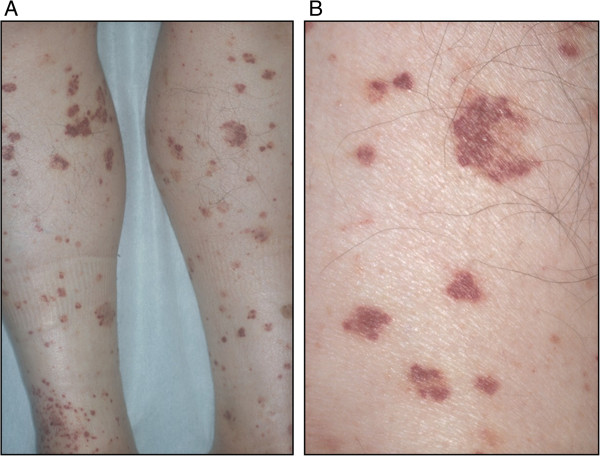
Púrpura:
A: Púrpura difusa palpable pequeña en las extremidades inferiores
B: Vista ampliada
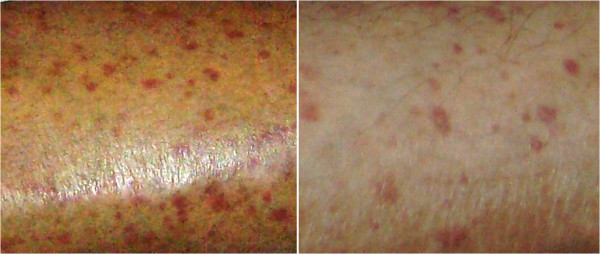
Imagen: “Purpura” por Oshikata C et al. Licencia: CC BY 2.0

Enfermedad de Behçet

  • Úlceras aftosas orales dolorosas recurrentes
  • Úlceras genitales dolorosas recurrentes
  • Lesiones cutáneas en EN Erythema nodosum is an immune-mediated panniculitis (inflammation of the subcutaneous fat) caused by a type IV (delayed-type) hypersensitivity reaction. It commonly manifests in young women as tender, erythematous nodules on the shins. Erythema Nodosum el 80% de los LOS Neisseria individuos afectados:
    • Foliculitis
    • Erupción cutánea de tipo acnéico
    • Eritema nodoso
    • Raramente: erupción vasculítica purpúrica
  • También puede tener manifestaciones trombóticas del SNC, gastrointestinal, oculares o venosas

Síndrome de Cogan

  • Presenta lesiones inflamatorias oculares:
    • Queratitis intersticial
    • Uveitis Uveitis Uveitis is the inflammation of the uvea, the pigmented middle layer of the eye, which comprises the iris, ciliary body, and choroid. The condition is categorized based on the site of disease; anterior uveitis is the most common. Diseases of the Uvea
    • Episcleritis
  • Síntomas de enfermedad del oído interno:
    • Pérdida auditiva neurosensorial
    • Disfunción vestibular
  • Las manifestaciones vasculíticas pueden incluir arteritis de vasos de cualquier tamaño.

Angiitis leucocitoclástica cutánea

  • También conocida como vasculitis Vasculitis Inflammation of any one of the blood vessels, including the arteries; veins; and rest of the vasculature system in the body. Systemic Lupus Erythematosus por hipersensibilidad
  • Se presume que se debe al AL Amyloidosis suero o a drogas
  • Vasculitis Vasculitis Inflammation of any one of the blood vessels, including the arteries; veins; and rest of the vasculature system in the body. Systemic Lupus Erythematosus de pequeños vasos en EN Erythema nodosum is an immune-mediated panniculitis (inflammation of the subcutaneous fat) caused by a type IV (delayed-type) hypersensitivity reaction. It commonly manifests in young women as tender, erythematous nodules on the shins. Erythema Nodosum un solo órgano, aislada en EN Erythema nodosum is an immune-mediated panniculitis (inflammation of the subcutaneous fat) caused by a type IV (delayed-type) hypersensitivity reaction. It commonly manifests in young women as tender, erythematous nodules on the shins. Erythema Nodosum la piel, sin vasculitis Vasculitis Inflammation of any one of the blood vessels, including the arteries; veins; and rest of the vasculature system in the body. Systemic Lupus Erythematosus sistémica o glomerulonefritis
  • Misma presentación cutánea que las vasculitis Vasculitis Inflammation of any one of the blood vessels, including the arteries; veins; and rest of the vasculature system in the body. Systemic Lupus Erythematosus de pequeños vasos sistémicas
  • Lesiones con erupción purpúrica urticarial palpable y no palpable
  • La biopsia con pruebas de inmunofluorescencia muestra una vasculitis Vasculitis Inflammation of any one of the blood vessels, including the arteries; veins; and rest of the vasculature system in the body. Systemic Lupus Erythematosus leucocitoclástica.
  • El tratamiento consiste en EN Erythema nodosum is an immune-mediated panniculitis (inflammation of the subcutaneous fat) caused by a type IV (delayed-type) hypersensitivity reaction. It commonly manifests in young women as tender, erythematous nodules on the shins. Erythema Nodosum eliminar el agente agresor.
Erupción cutánea purpúrica Vasculitis

Erupción cutánea purpúrica en un individuo con vasculitis crioglobulinémica secundaria a una enfermedad del tejido conectivo.

Imagen: “Purpuric skin rash” por Gheita TA et al. Licencia: CC BY 4.0
Diagnóstico

Antecedentes clínicos

  • Síntomas que pueden caracterizar o excluir una sospecha diagnóstica
  • Fármacos y medicamentos que pueden causar vasculitis Vasculitis Inflammation of any one of the blood vessels, including the arteries; veins; and rest of the vasculature system in the body. Systemic Lupus Erythematosus:
    • La hidralazina es la causa más común de vasculitis Vasculitis Inflammation of any one of the blood vessels, including the arteries; veins; and rest of the vasculature system in the body. Systemic Lupus Erythematosus inducida por medicamentos.
    • El propiltiouracilo y el metimazol se utilizan para tratar el hipertiroidismo.
    • Minociclina
    • Cocaína
  • Exposición a enfermedades infecciosas:
    • La hepatitis B Hepatitis B Hepatitis B virus (HBV) is a partially double-stranded DNA virus, which belongs to the Orthohepadnavirus genus and the Hepadnaviridae family. Most individuals with acute HBV infection are asymptomatic or have mild, self-limiting symptoms. Chronic infection can be asymptomatic or create hepatic inflammation, leading to liver cirrhosis and hepatocellular carcinoma (HCC). Hepatitis B Virus está asociada a la poliarteritis nodosa.
    • La hepatitis C Hepatitis C Hepatitis C is an infection of the liver caused by the hepatitis C virus (HCV). The infection can be transmitted through infectious blood or body fluids and may be transmitted during childbirth or through IV drug use or sexual intercourse. Hepatitis C virus can cause both acute and chronic hepatitis, ranging from a mild to a serious, lifelong illness including liver cirrhosis and hepatocellular carcinoma (HCC). Hepatitis C Virus está asociada a la vasculitis Vasculitis Inflammation of any one of the blood vessels, including the arteries; veins; and rest of the vasculature system in the body. Systemic Lupus Erythematosus crioglobulinémica.

Examen físico

  • Identificar los LOS Neisseria sitios potenciales de afectación de la vasculitis Vasculitis Inflammation of any one of the blood vessels, including the arteries; veins; and rest of the vasculature system in the body. Systemic Lupus Erythematosus y determinar la extensión de las lesiones vasculares.
  • Erupción purpúrica palpable
  • Neuropatía sensorial o motora
  • Pulsos ausentes, desiguales o sensibles
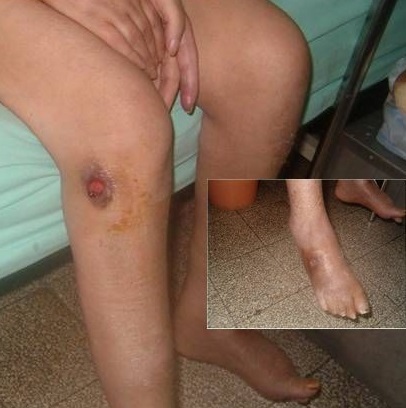
Múltiples ulceraciones en un individuo con poliangeítis microscópica

Múltiples ulceraciones en un individuo con poliangeítis microscópica

Imagen: “Multiple ulcerations in a patient with microscopic polyangiitis” por Khammassi N et al. Licencia: CC BY 2.0

Pruebas de laboratorio

La evaluación de laboratorio inicial en EN Erythema nodosum is an immune-mediated panniculitis (inflammation of the subcutaneous fat) caused by a type IV (delayed-type) hypersensitivity reaction. It commonly manifests in young women as tender, erythematous nodules on the shins. Erythema Nodosum la sospecha de vasculitis Vasculitis Inflammation of any one of the blood vessels, including the arteries; veins; and rest of the vasculature system in the body. Systemic Lupus Erythematosus incluye:

  • Velocidad de eritrosedimentación (VES) y proteína C reactiva ( PCR PCR Polymerase chain reaction (PCR) is a technique that amplifies DNA fragments exponentially for analysis. The process is highly specific, allowing for the targeting of specific genomic sequences, even with minuscule sample amounts. The PCR cycles multiple times through 3 phases: denaturation of the template DNA, annealing of a specific primer to the individual DNA strands, and synthesis/elongation of new DNA molecules. Polymerase Chain Reaction (PCR)):
    • Inespecífica pero si ↑, indica un proceso inflamatorio agudo
    • ↑VES en EN Erythema nodosum is an immune-mediated panniculitis (inflammation of the subcutaneous fat) caused by a type IV (delayed-type) hypersensitivity reaction. It commonly manifests in young women as tender, erythematous nodules on the shins. Erythema Nodosum arteritis de células gigantes, granulomatosis eosinofílica con poliangitis
  • Hemograma
    • Puede mostrar anemia Anemia Anemia is a condition in which individuals have low Hb levels, which can arise from various causes. Anemia is accompanied by a reduced number of RBCs and may manifest with fatigue, shortness of breath, pallor, and weakness. Subtypes are classified by the size of RBCs, chronicity, and etiology. Anemia: Overview and Types (normocrómica, normocítica), leucocitosis y trombocitosis consistente con proceso inflamatorio
    • ↑ Eosinófilos en EN Erythema nodosum is an immune-mediated panniculitis (inflammation of the subcutaneous fat) caused by a type IV (delayed-type) hypersensitivity reaction. It commonly manifests in young women as tender, erythematous nodules on the shins. Erythema Nodosum granulomatosis eosinofílica con poliangitis
  • Pruebas de función renal y hepática: inespecíficas, pero detectan compromiso renal/ hepático
  • Serologías por hepatitis B Hepatitis B Hepatitis B virus (HBV) is a partially double-stranded DNA virus, which belongs to the Orthohepadnavirus genus and the Hepadnaviridae family. Most individuals with acute HBV infection are asymptomatic or have mild, self-limiting symptoms. Chronic infection can be asymptomatic or create hepatic inflammation, leading to liver cirrhosis and hepatocellular carcinoma (HCC). Hepatitis B Virus y C
    • Hepatitis B Hepatitis B Hepatitis B virus (HBV) is a partially double-stranded DNA virus, which belongs to the Orthohepadnavirus genus and the Hepadnaviridae family. Most individuals with acute HBV infection are asymptomatic or have mild, self-limiting symptoms. Chronic infection can be asymptomatic or create hepatic inflammation, leading to liver cirrhosis and hepatocellular carcinoma (HCC). Hepatitis B Virus asociada con poliarteritis nodosa
    • Hepatitis C Hepatitis C Hepatitis C is an infection of the liver caused by the hepatitis C virus (HCV). The infection can be transmitted through infectious blood or body fluids and may be transmitted during childbirth or through IV drug use or sexual intercourse. Hepatitis C virus can cause both acute and chronic hepatitis, ranging from a mild to a serious, lifelong illness including liver cirrhosis and hepatocellular carcinoma (HCC). Hepatitis C Virus asociada con vasculitis Vasculitis Inflammation of any one of the blood vessels, including the arteries; veins; and rest of the vasculature system in the body. Systemic Lupus Erythematosus crioglobulinémica
  • Crioglobulinas séricas: ↑ en EN Erythema nodosum is an immune-mediated panniculitis (inflammation of the subcutaneous fat) caused by a type IV (delayed-type) hypersensitivity reaction. It commonly manifests in young women as tender, erythematous nodules on the shins. Erythema Nodosum vasculitis Vasculitis Inflammation of any one of the blood vessels, including the arteries; veins; and rest of the vasculature system in the body. Systemic Lupus Erythematosus crioglobulinémica
  • Análisis de orina:
    • Inespecífica, pero detecta compromiso renal
    • Puede mostrar:
    • Hemocultivos para excluir infección

Las pruebas adicionales pueden incluir:
  • Anticuerpos antinucleares (ANA, por sus siglas en EN Erythema nodosum is an immune-mediated panniculitis (inflammation of the subcutaneous fat) caused by a type IV (delayed-type) hypersensitivity reaction. It commonly manifests in young women as tender, erythematous nodules on the shins. Erythema Nodosum inglés) o factor reumatoideo:
    • Puede indicar una condición reumatológica de base
    • Las vasculitis Vasculitis Inflammation of any one of the blood vessels, including the arteries; veins; and rest of the vasculature system in the body. Systemic Lupus Erythematosus crioglobulinémicas a menudo presentan factor reumatoideo positivo
  • Niveles de complemento:
    • ↓ C3, C4 en EN Erythema nodosum is an immune-mediated panniculitis (inflammation of the subcutaneous fat) caused by a type IV (delayed-type) hypersensitivity reaction. It commonly manifests in young women as tender, erythematous nodules on the shins. Erythema Nodosum la crioglobulinemia
    • ↓ C3 y tal TAL Renal Sodium and Water Regulation vez C4 en EN Erythema nodosum is an immune-mediated panniculitis (inflammation of the subcutaneous fat) caused by a type IV (delayed-type) hypersensitivity reaction. It commonly manifests in young women as tender, erythematous nodules on the shins. Erythema Nodosum vasculitis Vasculitis Inflammation of any one of the blood vessels, including the arteries; veins; and rest of the vasculature system in the body. Systemic Lupus Erythematosus asociada a lupus
  • Anticuerpos anticitoplasma de neutrófilos (pueden indicar la presencia de una vasculitis Vasculitis Inflammation of any one of the blood vessels, including the arteries; veins; and rest of the vasculature system in the body. Systemic Lupus Erythematosus asociada a ANCA ANCA Group of systemic vasculitis with a strong association with anca. The disorders are characterized by necrotizing inflammation of small and medium size vessels, with little or no immune-complex deposits in vessel walls. Rapidly Progressive Glomerulonephritis):
    • Anticuerpos anticitoplasma de neutrófilos perinuclear (pANCA, anti-MPO):
      • Granulomatosis eosinofílica con poliangeitis
      • Anti-membrana basal glomerular
      • Poliangtiis microscópica
      • Vasculitis Vasculitis Inflammation of any one of the blood vessels, including the arteries; veins; and rest of the vasculature system in the body. Systemic Lupus Erythematosus asociada a ANCA ANCA Group of systemic vasculitis with a strong association with anca. The disorders are characterized by necrotizing inflammation of small and medium size vessels, with little or no immune-complex deposits in vessel walls. Rapidly Progressive Glomerulonephritis inducida por medicamentos
      • Vasculitis Vasculitis Inflammation of any one of the blood vessels, including the arteries; veins; and rest of the vasculature system in the body. Systemic Lupus Erythematosus limitada al AL Amyloidosis riñón (pauci-inmune)
    • Anticuerpos anticitoplasma de neutrófilos citoplasmático (cANCA, anti-PR3):
      • Granulomatosis con poliangeitis
      • Menos común en EN Erythema nodosum is an immune-mediated panniculitis (inflammation of the subcutaneous fat) caused by a type IV (delayed-type) hypersensitivity reaction. It commonly manifests in young women as tender, erythematous nodules on the shins. Erythema Nodosum vasculitis Vasculitis Inflammation of any one of the blood vessels, including the arteries; veins; and rest of the vasculature system in the body. Systemic Lupus Erythematosus asociada a ANCA ANCA Group of systemic vasculitis with a strong association with anca. The disorders are characterized by necrotizing inflammation of small and medium size vessels, with little or no immune-complex deposits in vessel walls. Rapidly Progressive Glomerulonephritis inducida por medicamentos

Imagenología

  • Radiografía de tórax si hay síntomas pulmonares o hemoptisis
  • Imágenes vasculares con TC y RM/RM con angiografía para la sospecha de vasculitis Vasculitis Inflammation of any one of the blood vessels, including the arteries; veins; and rest of the vasculature system in the body. Systemic Lupus Erythematosus de grandes vasos:
    • RM con angiografía de la zona afectada para buscar estenosis o dilatación postestenótica
    • Ultrasonido vascular
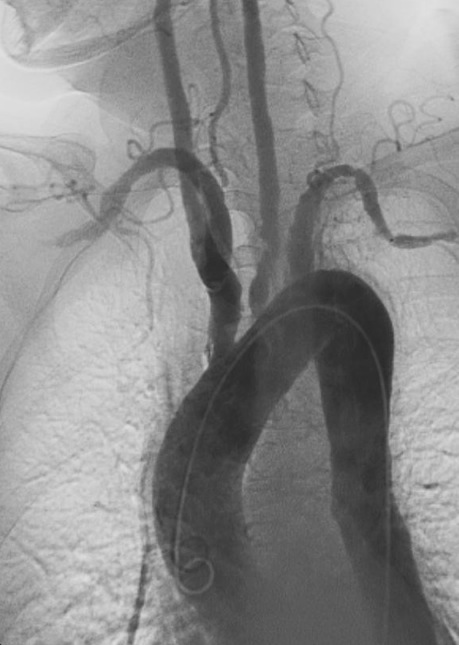
  • Arteriografía dirigida por catéter si no hay tejido disponible para la biopsia

Biopsia

  • La biopsia de la arteria afectada es el gold standard.
  • Puede verse en EN Erythema nodosum is an immune-mediated panniculitis (inflammation of the subcutaneous fat) caused by a type IV (delayed-type) hypersensitivity reaction. It commonly manifests in young women as tender, erythematous nodules on the shins. Erythema Nodosum una biopsia de la arteria temporal en EN Erythema nodosum is an immune-mediated panniculitis (inflammation of the subcutaneous fat) caused by a type IV (delayed-type) hypersensitivity reaction. It commonly manifests in young women as tender, erythematous nodules on the shins. Erythema Nodosum arteritis de células gigantes:
    • Engrosamiento granulomatoso
    • Células plasmáticas y linfocitos en EN Erythema nodosum is an immune-mediated panniculitis (inflammation of the subcutaneous fat) caused by a type IV (delayed-type) hypersensitivity reaction. It commonly manifests in young women as tender, erythematous nodules on the shins. Erythema Nodosum la media y la adventicia
    • Fibrosis Fibrosis Any pathological condition where fibrous connective tissue invades any organ, usually as a consequence of inflammation or other injury. Bronchiolitis Obliterans

Tratamiento

  • Medicamentos inmunosupresores:
    • Corticosteroides
    • No biológicos:
      • Metotrexato
      • Azatioprina
      • Micofenolato
      • Leflunomida
      • Ciclofosfamida
    • Biológicos:
  • Antihipertensivos, si están indicados
  • Antivirales, si están indicados, para la hepatitis B Hepatitis B Hepatitis B virus (HBV) is a partially double-stranded DNA virus, which belongs to the Orthohepadnavirus genus and the Hepadnaviridae family. Most individuals with acute HBV infection are asymptomatic or have mild, self-limiting symptoms. Chronic infection can be asymptomatic or create hepatic inflammation, leading to liver cirrhosis and hepatocellular carcinoma (HCC). Hepatitis B Virus o C
  • Inmunoglobulina intravenosa para la enfermedad de Kawasaki
  • Para arteritis de células gigantes:
    • Comenzar con esteroides incluso antes de la biopsia, si se sospecha clínicamente.
    • Si no se trata, complicación potencial de ceguera
  • Suspender el medicamento perjudicial en EN Erythema nodosum is an immune-mediated panniculitis (inflammation of the subcutaneous fat) caused by a type IV (delayed-type) hypersensitivity reaction. It commonly manifests in young women as tender, erythematous nodules on the shins. Erythema Nodosum poliangeitis microscópica y Granulomatosis eosinofílica con poliangeitis.

Diagnóstico Diferencial

  • Lupus eritematoso sistémico (LES): enfermedad crónica, autoinmune e inflamatoria que provoca el depósito de inmunocomplejos en EN Erythema nodosum is an immune-mediated panniculitis (inflammation of the subcutaneous fat) caused by a type IV (delayed-type) hypersensitivity reaction. It commonly manifests in young women as tender, erythematous nodules on the shins. Erythema Nodosum los LOS Neisseria órganos, dando lugar a manifestaciones sistémicas. La presentación incluye erupción malar, artritis no destructiva, nefritis lúpica, serositis Serositis Inflammation of a serous membrane. Systemic Lupus Erythematosus, citopenias, enfermedad tromboembólica, convulsiones y/o psicosis. El diagnóstico se realiza mediante el hallazgo de anticuerpos antinucleares, anticuerpos específicos del LES y hallazgos clínicos específicos. El tratamiento es con corticosteroides, hidroxicloroquina e inmunosupresores.
  • Virus Virus Viruses are infectious, obligate intracellular parasites composed of a nucleic acid core surrounded by a protein capsid. Viruses can be either naked (non-enveloped) or enveloped. The classification of viruses is complex and based on many factors, including type and structure of the nucleoid and capsid, the presence of an envelope, the replication cycle, and the host range. Virology de la inmunodeficiencia humana (VIH): virus Virus Viruses are infectious, obligate intracellular parasites composed of a nucleic acid core surrounded by a protein capsid. Viruses can be either naked (non-enveloped) or enveloped. The classification of viruses is complex and based on many factors, including type and structure of the nucleoid and capsid, the presence of an envelope, the replication cycle, and the host range. Virology de ARN monocatenario perteneciente a la familia Retroviridae Retroviridae The human immunodeficiency virus (HIV) is a species of Lentivirus, a genus of the family Retroviridae, which causes HIV infections and acquired immunodeficiency syndrome (AIDS). The virus has high genetic variability and is divided into 2 major types, HIV type 1 (HIV-1) and HIV type 2 (HIV-2). The human immunodeficiency virus is a single-stranded, positive-sense, enveloped RNA virus, which targets and destroys WBCs, leading to frequent opportunistic infections and, eventually, death. Human Immunodeficiency Virus (HIV). El VIH es el agente etiológico del SIDA. El virus Virus Viruses are infectious, obligate intracellular parasites composed of a nucleic acid core surrounded by a protein capsid. Viruses can be either naked (non-enveloped) or enveloped. The classification of viruses is complex and based on many factors, including type and structure of the nucleoid and capsid, the presence of an envelope, the replication cycle, and the host range. Virology ataca a los LOS Neisseria linfocitos T CD4+, a los LOS Neisseria macrófagos y a las células dendríticas. Se presenta con síntomas constitucionales, infecciones oportunistas y neoplasias. El diagnóstico se realiza mediante inmunoensayo enzimático para el VIH-1 y 2. El tratamiento es con antirretrovirales combinados.
  • Aterosclerosis: forma común de enfermedad arterial en EN Erythema nodosum is an immune-mediated panniculitis (inflammation of the subcutaneous fat) caused by a type IV (delayed-type) hypersensitivity reaction. It commonly manifests in young women as tender, erythematous nodules on the shins. Erythema Nodosum la que el depósito de lípidos forma una placa en EN Erythema nodosum is an immune-mediated panniculitis (inflammation of the subcutaneous fat) caused by a type IV (delayed-type) hypersensitivity reaction. It commonly manifests in young women as tender, erythematous nodules on the shins. Erythema Nodosum las paredes de los LOS Neisseria vasos sanguíneos. La aterosclerosis es una enfermedad incurable, para la que existen factores de riesgo que a menudo pueden reducirse mediante un cambio en EN Erythema nodosum is an immune-mediated panniculitis (inflammation of the subcutaneous fat) caused by a type IV (delayed-type) hypersensitivity reaction. It commonly manifests in young women as tender, erythematous nodules on the shins. Erythema Nodosum el estilo de vida y el comportamiento del individuo. Las manifestaciones de la aterosclerosis dependen de los LOS Neisseria vasos específicos afectados e incluyen, sobre todo, la enfermedad arterial coronaria, la enfermedad carotídea y la enfermedad vascular periférica.
  • Síndrome de Ehlers-Danlos: grupo heterogéneo de trastornos hereditarios del tejido conectivo que se caracteriza por una piel hiperextensible, articulaciones hipermóviles y fragilidad de la piel y el tejido conectivo. El síndrome se debe a defectos genéticos que afectan al AL Amyloidosis procesamiento y la síntesis del colágeno. El diagnóstico es principalmente clínico, pero se confirma mediante pruebas genéticas. No existe ningún tratamiento curativo.
  • Displasia fibromuscular: angiopatía no aterosclerótica, no inflamatoria, de tamaño medio, debida a la fibroplasia Fibroplasia Fibromuscular Dysplasia de la pared del vaso. Esta fibroplasia Fibroplasia Fibromuscular Dysplasia conduce a complicaciones relacionadas con la estenosis arterial, el aneurisma o la disección. El diagnóstico se confirma con imagenología y el tratamiento incluye modificaciones del estilo de vida, antihipertensivos y, potencialmente, revascularización.
  • Púrpura trombocitopénica trombótica: afección potencialmente mortal debida a una deficiencia de ADAMTS13. La presentación clínica puede consistir en EN Erythema nodosum is an immune-mediated panniculitis (inflammation of the subcutaneous fat) caused by a type IV (delayed-type) hypersensitivity reaction. It commonly manifests in young women as tender, erythematous nodules on the shins. Erythema Nodosum trombocitopenia, anemia Anemia Anemia is a condition in which individuals have low Hb levels, which can arise from various causes. Anemia is accompanied by a reduced number of RBCs and may manifest with fatigue, shortness of breath, pallor, and weakness. Subtypes are classified by the size of RBCs, chronicity, and etiology. Anemia: Overview and Types hemolítica, hematuria Hematuria Presence of blood in the urine. Renal Cell Carcinoma, síntomas gastrointestinales, síntomas neurológicos y afectación renal. El diagnóstico se basa en EN Erythema nodosum is an immune-mediated panniculitis (inflammation of the subcutaneous fat) caused by a type IV (delayed-type) hypersensitivity reaction. It commonly manifests in young women as tender, erythematous nodules on the shins. Erythema Nodosum los LOS Neisseria síntomas clínicos y las pruebas de laboratorio. El tratamiento incluye el intercambio de plasma Plasma The residual portion of blood that is left after removal of blood cells by centrifugation without prior blood coagulation. Transfusion Products y las terapias inmunosupresoras.
  • Leucemia mieloide aguda: neoplasia hematológica caracterizada por la proliferación incontrolada de células precursoras mieloides. La presentación clínica consiste en EN Erythema nodosum is an immune-mediated panniculitis (inflammation of the subcutaneous fat) caused by a type IV (delayed-type) hypersensitivity reaction. It commonly manifests in young women as tender, erythematous nodules on the shins. Erythema Nodosum fatiga, hemorragias, fiebre e infecciones relacionadas con la anemia Anemia Anemia is a condition in which individuals have low Hb levels, which can arise from various causes. Anemia is accompanied by a reduced number of RBCs and may manifest with fatigue, shortness of breath, pallor, and weakness. Subtypes are classified by the size of RBCs, chronicity, and etiology. Anemia: Overview and Types, la trombocitopenia y la falta de leucocitos funcionales. El diagnóstico se realiza mediante un frotis de sangre periférica y un examen de biopsia de médula ósea que muestra mieloblastos. El tratamiento es principalmente con quimioterapia.

Referencias

  1. Jennette JC, et al. (2013). Revised International Chapel Hill Consensus Conference nomenclature of vasculitis. Arthritis & Rheumatism, 65(1), 1–11. https://doi.org/10.1002/art.37715
  2. Kasper, D. L., Fauci, A. S., Hauser, S. L., Longo, D. L., Jameson, J. L., & Loscalzo, J. (Eds.). (2018). Harrison’s principles of internal medicine (20th ed., Vol. 2). McGraw-Hill.
  3. Russell, D. S., Peng, J., & Kausch, O. (2020). Evaluation and management of anal cancer. American Family Physician, 102(4), 229–234. https://www.aafp.org/pubs/afp/issues/2020/0815/p229.html
  4. Merkel PA  (2024). Overview of and approach to the vasculitides in adults. UpToDate. Retrieved April 28, 2025, from https://www.uptodate.com/contents/overview-of-and-approach-to-the-vasculitides-in-adults
  5. National Center for Biotechnology Information. (n.d.). Allergic cutaneous vasculitis. MedGen. U.S. National Library of Medicine. Retrieved April 28, 2025, from https://www.ncbi.nlm.nih.gov/medgen/57718/
  6. Villa-Forte, A. (2024, December). Overview of vasculitis. Merck Manual Professional Version. Retrieved April 28, 2025, from https://www.merckmanuals.com/professional/musculoskeletal-and-connective-tissue-disorders/vasculitis/overview-of-vasculitis
  7. Falk RJ, Merkel, PA (2025). Clinical spectrum of antineutrophil cytoplasmic antibodies. UpToDate. Retrieved April 28, 2025, from https://www.uptodate.com/contents/clinical-spectrum-of-antineutrophil-cytoplasmic-autoantibodies
  8. Luca N. (2023). Vasculitis and thrombophlebitis. Emedicine. Retrieved April 28, 2025, from https://emedicine.medscape.com/article/1008239-overview

¡Crea tu cuenta gratis o inicia una sesión para seguir leyendo!

Regístrate ahora y obtén acceso gratuito a Lecturio con páginas de concepto, videos médicos y cuestionarios para tu educación médica.

User Reviews

Que tengas una sesión de estudio alegre y navideña 🎁 Ahorra 50% en todos los planes >>

Details