Domina Conceptos Médicos

Estudia para la escuela de medicina y tus examenes con Lecturio.

Toxocariasis

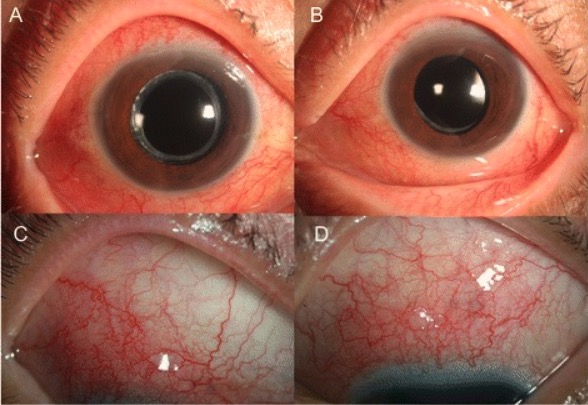
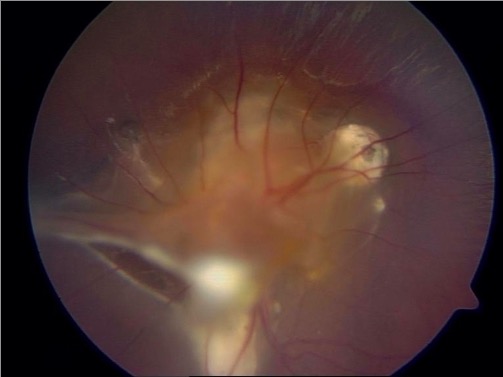
La toxocariasis Toxocariasis Toxocariasis is caused by the nematodes Toxocara canis and T. cati. These species frequently infect dogs and cats and are most commonly transmitted to humans via accidental ingestion of eggs through the fecal-oral route. Toxocara are not able to complete their life cycle in humans, but they do migrate to organs (including the liver, lungs, heart, brain, and eyes), where they cause inflammation and tissue damage. Toxocariasis es causada por los LOS Neisseria nemátodos Toxocara canis Toxocara canis A species of parasitic nematode found in the intestine of dogs. Lesions in the brain, liver, eye, kidney, and lung are caused by migrating larvae. In humans, these larvae do not follow normal patterns and may produce visceral larva migrans (larva migrans, visceral). Toxocariasis y T. cati. Estas especies infectan con frecuencia a perros y gatos y se transmiten más comúnmente a los LOS Neisseria humanos a través de la ingestión accidental de huevos por la vía fecal-oral. Los LOS Neisseria Toxocara Toxocara A genus of ascarid nematodes commonly parasitic in the intestines of cats and dogs. Toxocariasis no son capaces de completar su ciclo de vida en EN Erythema nodosum is an immune-mediated panniculitis (inflammation of the subcutaneous fat) caused by a type IV (delayed-type) hypersensitivity reaction. It commonly manifests in young women as tender, erythematous nodules on the shins. Erythema Nodosum el humano, pero migran a los LOS Neisseria órganos (incluidos hígado, pulmones, corazón, cerebro y ojos), donde causan inflamación y daño tisular. Dependiendo de la zona afectada, los LOS Neisseria pacientes pueden desarrollar larva migrans visceral o larva migrans ocular. La larva migrans visceral puede presentarse con síntomas similares a los LOS Neisseria de la gripe, así como con manifestaciones hepáticas, pulmonares, neurológicas y cardíacas. La larva migrans ocular se presenta con alteración unilateral de la visión y en EN Erythema nodosum is an immune-mediated panniculitis (inflammation of the subcutaneous fat) caused by a type IV (delayed-type) hypersensitivity reaction. It commonly manifests in young women as tender, erythematous nodules on the shins. Erythema Nodosum la fundoscopia se puede observar un granuloma blanco y elevado. El diagnóstico se basa en EN Erythema nodosum is an immune-mediated panniculitis (inflammation of the subcutaneous fat) caused by a type IV (delayed-type) hypersensitivity reaction. It commonly manifests in young women as tender, erythematous nodules on the shins. Erythema Nodosum la sospecha clínica y puede apoyarse en EN Erythema nodosum is an immune-mediated panniculitis (inflammation of the subcutaneous fat) caused by a type IV (delayed-type) hypersensitivity reaction. It commonly manifests in young women as tender, erythematous nodules on the shins. Erythema Nodosum la serología. El tratamiento para los LOS Neisseria casos con una enfermedad grave incluye una terapia antihelmíntica y esteroides.

Last updated: Dec 15, 2025
Editorial responsibility: Stanley Oiseth, Lindsay Jones, Evelin Maza

Características Generales y Epidemiología

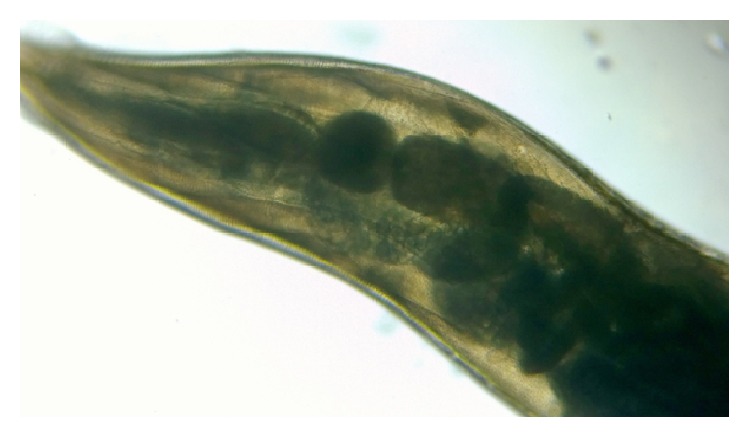
Características básicas de Toxocara Toxocara A genus of ascarid nematodes commonly parasitic in the intestines of cats and dogs. Toxocariasis

  • Nemátodo (verme redondo)
  • Es un helminto dioico ( los LOS Neisseria machos y las hembras tienen morfologías diferentes):
    • Las hembras son más largas que los LOS Neisseria machos.
    • Los LOS Neisseria machos tienen una cola curvada con un par PAR The PAR is the attributable risk for an entire population. It represents the fraction of cases that would not occur in a population if the exposure was eliminated. Measures of Risk de espículas.
  • Tamaño: 4–12 cm de longitud
  • Tienen sistemas digestivos completos
  • Se mueven en EN Erythema nodosum is an immune-mediated panniculitis (inflammation of the subcutaneous fat) caused by a type IV (delayed-type) hypersensitivity reaction. It commonly manifests in young women as tender, erythematous nodules on the shins. Erythema Nodosum ondas contráctiles
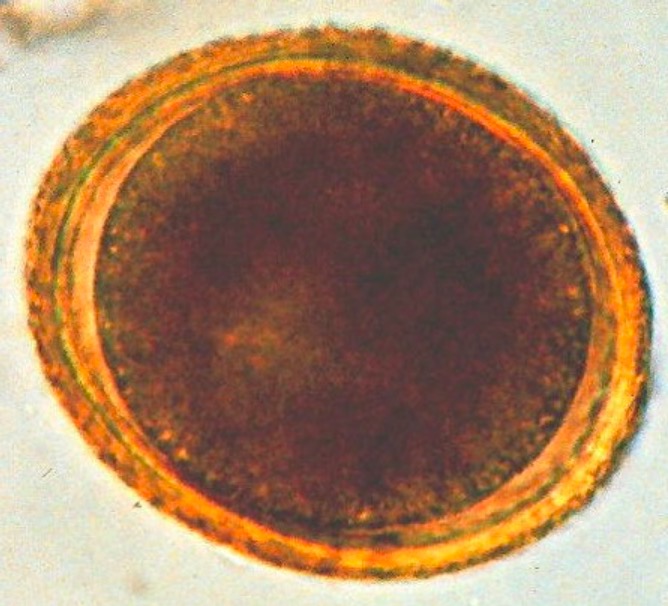
  • Huevos:
    • Marrones
    • Esféricos
    • De superficie granulada o punteada
    • Muy resistentes a condiciones ambientales adversas
Toxocara (gusano redondo)

Huevo esférico de Toxocara con un aspecto marrón y granulado

Imagen: “Toxocara (roundworm)” por SuSanA Secretariat. Licencia: CC BY 2.0

Especies clínicamente relevantes

La toxocariasis Toxocariasis Toxocariasis is caused by the nematodes Toxocara canis and T. cati. These species frequently infect dogs and cats and are most commonly transmitted to humans via accidental ingestion of eggs through the fecal-oral route. Toxocara are not able to complete their life cycle in humans, but they do migrate to organs (including the liver, lungs, heart, brain, and eyes), where they cause inflammation and tissue damage. Toxocariasis es causada por las siguientes especies:

  • Toxocara canis Toxocara canis A species of parasitic nematode found in the intestine of dogs. Lesions in the brain, liver, eye, kidney, and lung are caused by migrating larvae. In humans, these larvae do not follow normal patterns and may produce visceral larva migrans (larva migrans, visceral). Toxocariasis (verme redondo canino)
  • Toxocara cati Toxocara Cati Toxocariasis (verme redondo felino)

Epidemiología

  • Estados Unidos:
    • Prevalencia: 5%–15% de la población
    • Se diagnostican aproximadamente 10 000 casos al AL Amyloidosis año.
  • Internacional:
    • Tasa positiva en EN Erythema nodosum is an immune-mediated panniculitis (inflammation of the subcutaneous fat) caused by a type IV (delayed-type) hypersensitivity reaction. It commonly manifests in young women as tender, erythematous nodules on the shins. Erythema Nodosum el 2%–5% en EN Erythema nodosum is an immune-mediated panniculitis (inflammation of the subcutaneous fat) caused by a type IV (delayed-type) hypersensitivity reaction. It commonly manifests in young women as tender, erythematous nodules on the shins. Erythema Nodosum adultos sanos de países occidentales urbanizados
    • 14%–37% en EN Erythema nodosum is an immune-mediated panniculitis (inflammation of the subcutaneous fat) caused by a type IV (delayed-type) hypersensitivity reaction. It commonly manifests in young women as tender, erythematous nodules on the shins. Erythema Nodosum las zonas rurales
    • Más común en EN Erythema nodosum is an immune-mediated panniculitis (inflammation of the subcutaneous fat) caused by a type IV (delayed-type) hypersensitivity reaction. It commonly manifests in young women as tender, erythematous nodules on the shins. Erythema Nodosum regiones tropicales y subtropicales
  • Raza: más común en EN Erythema nodosum is an immune-mediated panniculitis (inflammation of the subcutaneous fat) caused by a type IV (delayed-type) hypersensitivity reaction. It commonly manifests in young women as tender, erythematous nodules on the shins. Erythema Nodosum los LOS Neisseria negros no hispanos
  • Edad: común en EN Erythema nodosum is an immune-mediated panniculitis (inflammation of the subcutaneous fat) caused by a type IV (delayed-type) hypersensitivity reaction. It commonly manifests in young women as tender, erythematous nodules on the shins. Erythema Nodosum niños pequeños y personas < 20 años de edad

Patogénesis

Reservorios

  • T. canis:
    • Perros (la mayoría de los LOS Neisseria cachorros se infectan poco después del nacimiento)
    • Zorros
  • T. cati: gatos

Transmisión

La transmisión se produce a través de:

  • Vía fecal-oral
  • Ingesta de animales infectados

Factores de riesgo del huésped

  • Edad temprana
  • Convivencia con perros y gatos
  • Falta de higiene y lavado de manos
  • Consumo de:
    • Carne poco cocida
    • Frutas y verduras sin lavar
  • Contacto con tierra infestada de un patio, caja de arena, parque o zona de juegos
  • Vivir en EN Erythema nodosum is an immune-mediated panniculitis (inflammation of the subcutaneous fat) caused by a type IV (delayed-type) hypersensitivity reaction. It commonly manifests in young women as tender, erythematous nodules on the shins. Erythema Nodosum:
    • Zonas rurales
    • Pobreza
    • Ambiente cálido y húmedo (favorece la supervivencia de los LOS Neisseria huevos)

Ciclo de vida y fisiopatología

En EN Erythema nodosum is an immune-mediated panniculitis (inflammation of the subcutaneous fat) caused by a type IV (delayed-type) hypersensitivity reaction. It commonly manifests in young women as tender, erythematous nodules on the shins. Erythema Nodosum los LOS Neisseria animales:

  • Los LOS Neisseria vermes Toxocara Toxocara A genus of ascarid nematodes commonly parasitic in the intestines of cats and dogs. Toxocariasis adultos viven en EN Erythema nodosum is an immune-mediated panniculitis (inflammation of the subcutaneous fat) caused by a type IV (delayed-type) hypersensitivity reaction. It commonly manifests in young women as tender, erythematous nodules on the shins. Erythema Nodosum el intestino delgado de los LOS Neisseria perros y gatos.
  • Los LOS Neisseria huevos se excretan con las heces al AL Amyloidosis medio ambiente → transmisión a un nuevo huésped
  • Los LOS Neisseria huevos eclosionan en EN Erythema nodosum is an immune-mediated panniculitis (inflammation of the subcutaneous fat) caused by a type IV (delayed-type) hypersensitivity reaction. It commonly manifests in young women as tender, erythematous nodules on the shins. Erythema Nodosum el intestino y liberan larvas → excavan a través de la pared intestinal → entran en EN Erythema nodosum is an immune-mediated panniculitis (inflammation of the subcutaneous fat) caused by a type IV (delayed-type) hypersensitivity reaction. It commonly manifests in young women as tender, erythematous nodules on the shins. Erythema Nodosum el torrente sanguíneo
  • Las larvas migran a través de los LOS Neisseria pulmones y la tráquea → son expulsados por la tos TOS Thoracic outlet syndrome (TOS) is a broad term used for a spectrum of syndromes related to the general region of the thoracic outlet, which involves the compression or irritation of elements of the brachial plexus, subclavian artery, or subclavian vein. Thoracic Outlet Syndrome → se degluten hacia el tracto gastrointestinal
  • Los LOS Neisseria vermes adultos se desarrollan en EN Erythema nodosum is an immune-mediated panniculitis (inflammation of the subcutaneous fat) caused by a type IV (delayed-type) hypersensitivity reaction. It commonly manifests in young women as tender, erythematous nodules on the shins. Erythema Nodosum el intestino delgado → ponen huevos → se excretan en EN Erythema nodosum is an immune-mediated panniculitis (inflammation of the subcutaneous fat) caused by a type IV (delayed-type) hypersensitivity reaction. It commonly manifests in young women as tender, erythematous nodules on the shins. Erythema Nodosum las heces

En EN Erythema nodosum is an immune-mediated panniculitis (inflammation of the subcutaneous fat) caused by a type IV (delayed-type) hypersensitivity reaction. It commonly manifests in young women as tender, erythematous nodules on the shins. Erythema Nodosum los LOS Neisseria humanos:

  • La infección se produce por transmisión fecal-oral.
  • Los LOS Neisseria huevos eclosionan en EN Erythema nodosum is an immune-mediated panniculitis (inflammation of the subcutaneous fat) caused by a type IV (delayed-type) hypersensitivity reaction. It commonly manifests in young women as tender, erythematous nodules on the shins. Erythema Nodosum el intestino y liberan larvas → excavan a través de la pared intestinal → entran en EN Erythema nodosum is an immune-mediated panniculitis (inflammation of the subcutaneous fat) caused by a type IV (delayed-type) hypersensitivity reaction. It commonly manifests in young women as tender, erythematous nodules on the shins. Erythema Nodosum el torrente sanguíneo
  • Invaden órganos de todo el cuerpo, principalmente:
    • Músculos
    • Hígado
    • Corazón
    • Pulmón
    • Ojos
    • Cerebro
  • Respuesta inmunitaria contra los LOS Neisseria antígenos de las larvas → inflamación → daño tisular → signos y síntomas clínicos
  • Los LOS Neisseria Toxocara Toxocara A genus of ascarid nematodes commonly parasitic in the intestines of cats and dogs. Toxocariasis no pueden completar su ciclo de vida en EN Erythema nodosum is an immune-mediated panniculitis (inflammation of the subcutaneous fat) caused by a type IV (delayed-type) hypersensitivity reaction. It commonly manifests in young women as tender, erythematous nodules on the shins. Erythema Nodosum el humano.

Presentación Clínica

La mayoría de las infecciones por Toxocara Toxocara A genus of ascarid nematodes commonly parasitic in the intestines of cats and dogs. Toxocariasis son asintomáticas y tienen un curso benigno. Las 2 formas principales de toxocariasis Toxocariasis Toxocariasis is caused by the nematodes Toxocara canis and T. cati. These species frequently infect dogs and cats and are most commonly transmitted to humans via accidental ingestion of eggs through the fecal-oral route. Toxocara are not able to complete their life cycle in humans, but they do migrate to organs (including the liver, lungs, heart, brain, and eyes), where they cause inflammation and tissue damage. Toxocariasis son la larva migrans visceral y la larva migrans ocular.

Larva migrans visceral

Síntomas generales:

  • Fiebre
  • Anorexia Anorexia The lack or loss of appetite accompanied by an aversion to food and the inability to eat. It is the defining characteristic of the disorder anorexia nervosa. Anorexia Nervosa
  • Malestar
  • Linfadenopatía
  • Lesiones pruriginosas urticariformes

Síntomas hepáticos:

Síntomas pulmonares:

  • Disnea
  • Tos TOS Thoracic outlet syndrome (TOS) is a broad term used for a spectrum of syndromes related to the general region of the thoracic outlet, which involves the compression or irritation of elements of the brachial plexus, subclavian artery, or subclavian vein. Thoracic Outlet Syndrome no productiva
  • Sibilancias
  • Sensación opresiva en EN Erythema nodosum is an immune-mediated panniculitis (inflammation of the subcutaneous fat) caused by a type IV (delayed-type) hypersensitivity reaction. It commonly manifests in young women as tender, erythematous nodules on the shins. Erythema Nodosum el tórax

Manifestaciones menos comunes:

  • Afectación muscular
  • Afectación del SNC:
    • Meningitis Meningitis Meningitis is inflammation of the meninges, the protective membranes of the brain, and spinal cord. The causes of meningitis are varied, with the most common being bacterial or viral infection. The classic presentation of meningitis is a triad of fever, altered mental status, and nuchal rigidity. Meningitis eosinofílica
    • Meningoencefalitis
    • Vasculitis Vasculitis Inflammation of any one of the blood vessels, including the arteries; veins; and rest of the vasculature system in the body. Systemic Lupus Erythematosus cerebral
    • Lesiones ocupantes de espacio
  • Afectación cardíaca:
    • Miocarditis
    • Pericarditis Pericarditis Pericarditis is an inflammation of the pericardium, often with fluid accumulation. It can be caused by infection (often viral), myocardial infarction, drugs, malignancies, metabolic disorders, autoimmune disorders, or trauma. Acute, subacute, and chronic forms exist. Pericarditis
    • Endocarditis Endocarditis Endocarditis is an inflammatory disease involving the inner lining (endometrium) of the heart, most commonly affecting the cardiac valves. Both infectious and noninfectious etiologies lead to vegetations on the valve leaflets. Patients may present with nonspecific symptoms such as fever and fatigue. Endocarditis de Loeffler (eosinofílica)
    • Insuficiencia cardíaca
    • Taponamiento cardíaco (a partir de derrame pericárdico)

Larva migrans ocular

Síntomas unilaterales:

  • Deterioro de la visión
  • Miodesopsias
  • Estrabismo

Hallazgos:

  • Granuloma blanco y elevado (puede confundirse con el retinoblastoma Retinoblastoma Retinoblastoma is a rare tumor but the most common primary intraocular malignancy of childhood. It is believed that the condition arises from a neuronal progenitor cell. Retinoblastoma can be heritable or non-heritable. Retinoblastoma)
  • Uveítis
  • Retinitis
  • Endoftalmitis
  • Escleritis

Complicaciones:

  • Desprendimiento de retina Retina The ten-layered nervous tissue membrane of the eye. It is continuous with the optic nerve and receives images of external objects and transmits visual impulses to the brain. Its outer surface is in contact with the choroid and the inner surface with the vitreous body. The outermost layer is pigmented, whereas the inner nine layers are transparent. Eye: Anatomy
  • Ceguera

Diagnóstico

El diagnóstico de la toxocariasis Toxocariasis Toxocariasis is caused by the nematodes Toxocara canis and T. cati. These species frequently infect dogs and cats and are most commonly transmitted to humans via accidental ingestion of eggs through the fecal-oral route. Toxocara are not able to complete their life cycle in humans, but they do migrate to organs (including the liver, lungs, heart, brain, and eyes), where they cause inflammation and tissue damage. Toxocariasis requiere un alto índice de sospecha.

Exámenes de laboratorio

Pruebas serológicas:

  • ( ELISA ELISA An immunoassay utilizing an antibody labeled with an enzyme marker such as horseradish peroxidase. While either the enzyme or the antibody is bound to an immunosorbent substrate, they both retain their biologic activity; the change in enzyme activity as a result of the enzyme-antibody-antigen reaction is proportional to the concentration of the antigen and can be measured spectrophotometrically or with the naked eye. Many variations of the method have been developed. St. Louis Encephalitis Virus, por sus siglas en EN Erythema nodosum is an immune-mediated panniculitis (inflammation of the subcutaneous fat) caused by a type IV (delayed-type) hypersensitivity reaction. It commonly manifests in young women as tender, erythematous nodules on the shins. Erythema Nodosum inglés):
    • Detecta anticuerpos contra los LOS Neisseria antígenos excretores/secretores de Toxocara Toxocara A genus of ascarid nematodes commonly parasitic in the intestines of cats and dogs. Toxocariasis
    • Una prueba positiva no indica una infección activa.
    • Puede ser negativo en EN Erythema nodosum is an immune-mediated panniculitis (inflammation of the subcutaneous fat) caused by a type IV (delayed-type) hypersensitivity reaction. It commonly manifests in young women as tender, erythematous nodules on the shins. Erythema Nodosum la larva migrans ocular
  • Western blot:
    • Más sensible y específico
    • Costoso
    • Puede utilizarse como prueba de confirmación

Estudios adicionales:

Biopsia

  • Proporciona un diagnóstico definitivo, pero rara vez está indicada
  • Hallazgos: Larvas de Toxocara Toxocara A genus of ascarid nematodes commonly parasitic in the intestines of cats and dogs. Toxocariasis dentro de lesiones granulomatosas eosinófilas

Imagenología

Generalmente, la imagenología es guiada por la presentación clínica del paciente.
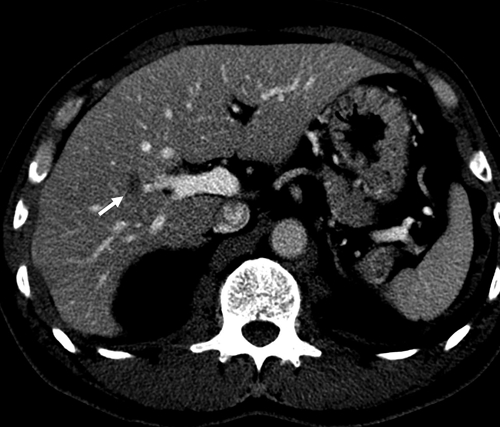
  • Radiografía de tórax:
    • Infiltración peribronquial bilateral
    • Infiltrados parenquimatosos
    • Derrame pleural
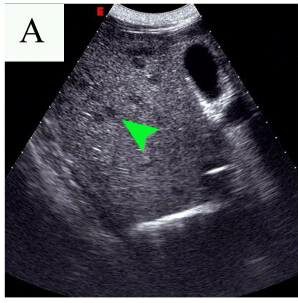
  • Ultrasonido: múltiples áreas hipoecoicas en EN Erythema nodosum is an immune-mediated panniculitis (inflammation of the subcutaneous fat) caused by a type IV (delayed-type) hypersensitivity reaction. It commonly manifests in young women as tender, erythematous nodules on the shins. Erythema Nodosum el hígado
  • TC:
    • Pulmones: múltiples nódulos pulmonares con opacidades periféricas en EN Erythema nodosum is an immune-mediated panniculitis (inflammation of the subcutaneous fat) caused by a type IV (delayed-type) hypersensitivity reaction. It commonly manifests in young women as tender, erythematous nodules on the shins. Erythema Nodosum vidrio esmerilado
    • Hepático: lesiones de baja densidad
    • Cerebro: granulomas Granulomas A relatively small nodular inflammatory lesion containing grouped mononuclear phagocytes, caused by infectious and noninfectious agents. Sarcoidosis hiperintensos corticales o subcorticales

Tratamiento y Prevención

Tratamiento de la larva migrans visceral

Los LOS Neisseria pacientes con síntomas leves no requieren terapia, ya que la enfermedad es autolimitada. A los LOS Neisseria pacientes con una enfermedad moderada o grave se les puede proporcionar tratamiento:

  • Terapia antihelmíntica:
    • Albendazol
    • Mebendazol
  • Prednisona en EN Erythema nodosum is an immune-mediated panniculitis (inflammation of the subcutaneous fat) caused by a type IV (delayed-type) hypersensitivity reaction. It commonly manifests in young women as tender, erythematous nodules on the shins. Erythema Nodosum caso de enfermedad grave respiratoria, miocárdica o del SNC.

Tratamiento de la larva migrans ocular

  • Terapia antihelmíntica
  • Prednisona cuando la inflamación amenaza la vista

Prevención

  • Eliminación adecuada de las heces de perros y gatos
  • Desparasitación de las mascotas
  • Buenas prácticas de higiene
  • Cubrir las cajas de arena cuando no se utilizan.

Comparación de Helmintos Similares

Tabla: Comparación de helmintos similares y sus enfermedades asociadas
Organismo Enterobius vermicularis Enterobius Vermicularis Enterobius/Enterobiasis Toxocara canis Toxocara canis A species of parasitic nematode found in the intestine of dogs. Lesions in the brain, liver, eye, kidney, and lung are caused by migrating larvae. In humans, these larvae do not follow normal patterns and may produce visceral larva migrans (larva migrans, visceral). Toxocariasis Ascaris Ascaris Ascaris is a genus of parasitic nematodes. The infection, ascariasis, is most often caused by A. lumbricoides. Transmission occurs primarily via ingestion of water or food contaminated with Ascaris eggs. Most patients with ascariasis are asymptomatic. Ascaris/Ascariasis lumbricoides Strongyloides stercoralis Strongyloides stercoralis A species of parasitic nematode widely distributed in tropical and subtropical countries. The females and their larvae inhabit the mucosa of the intestinal tract, where they cause ulceration and diarrhea. Strongyloidiasis Schistosoma Schistosoma Schistosomiasis is an infection caused by Schistosoma, a trematode. Schistosomiasis occurs in developing countries with poor sanitation. Freshwater snails are the intermediate host and are transmitted to humans through skin contact with contaminated fresh water. The clinical presentation occurs as a result of the host’s immune response to antigens from the eggs. Schistosoma/Schistosomiasis mansoni
Características Nemátodo Nemátodo Nemátodo Nemátodo Trematodos
Reservorio Humanos Perros Humanos
  • Humanos
  • Perros
  • Gatos
Humanos
Transmisión Fecal-oral Fecal-oral Fecal-oral Contacto de la piel con suelo contaminado Contacto de la piel con agua contaminada
Cuadro clínico
  • Larva migrans visceral
  • Larva migrans ocular
  • Tos TOS Thoracic outlet syndrome (TOS) is a broad term used for a spectrum of syndromes related to the general region of the thoracic outlet, which involves the compression or irritation of elements of the brachial plexus, subclavian artery, or subclavian vein. Thoracic Outlet Syndrome
  • Sibilancias
  • Hemoptisis
  • Cólicos abdominales
  • Náuseas
  • Desnutrición
  • Tos TOS Thoracic outlet syndrome (TOS) is a broad term used for a spectrum of syndromes related to the general region of the thoracic outlet, which involves the compression or irritation of elements of the brachial plexus, subclavian artery, or subclavian vein. Thoracic Outlet Syndrome
  • Sibilancias
  • Dolor Dolor Inflammation abdominal
  • Diarrea
  • Erupción
  • Prurito del nadador
  • Fiebre de Katayama
  • Las infecciones crónicas conducen a la formación de granulomas Granulomas A relatively small nodular inflammatory lesion containing grouped mononuclear phagocytes, caused by infectious and noninfectious agents. Sarcoidosis, que causan enfermedad cerebral, pulmonar, intestinal y hepática.
Diagnóstico
  • Clínico
  • Prueba de la cinta de celofán
  • Serología
  • Biopsia
Análisis de heces
  • Análisis de heces
  • Serología
  • Análisis de heces
  • Serología
Tratamiento
  • Albendazol
  • Mebendazol
  • Pamoato de pirantel
  • Albendazol
  • Mebendazol
  • Albendazol
  • Mebendazol
  • Ivermectina
  • Albendazol
Praziquantel Praziquantel An anthelmintic used in most schistosome and many cestode infestations. Anthelmintic Drugs
Prevención Buena higiene
  • Buena higiene
  • Desparasitación de los LOS Neisseria perros.
  • Eliminación adecuada de las heces de los LOS Neisseria perros
  • Buena higiene
  • Limpiar frutas y verduras crudas antes de consumirlas.
  • Utilizar zapatos y ropa protectora.
  • Mejorar el saneamiento.
  • Evitar nadar o bañarse en EN Erythema nodosum is an immune-mediated panniculitis (inflammation of the subcutaneous fat) caused by a type IV (delayed-type) hypersensitivity reaction. It commonly manifests in young women as tender, erythematous nodules on the shins. Erythema Nodosum agua contaminada.
  • Beber agua hervida o embotellada.
  • Mejorar el saneamiento.

Diagnóstico Diferencial

  • Aspergilosis broncopulmonar alérgica: reacción de hipersensibilidad al AL Amyloidosis Aspergillus Aspergillus A genus of mitosporic fungi containing about 100 species and eleven different teleomorphs in the family trichocomaceae. Echinocandins: Los LOS Neisseria pacientes pueden presentar síntomas de obstrucción de las vías respiratorias, como disnea, sibilancias, tos TOS Thoracic outlet syndrome (TOS) is a broad term used for a spectrum of syndromes related to the general region of the thoracic outlet, which involves the compression or irritation of elements of the brachial plexus, subclavian artery, or subclavian vein. Thoracic Outlet Syndrome productiva y fiebre. Si no se trata, pueden producirse bronquiectasias y fibrosis Fibrosis Any pathological condition where fibrous connective tissue invades any organ, usually as a consequence of inflammation or other injury. Bronchiolitis Obliterans pulmonar. Puede observarse eosinofilia. El diagnóstico se realiza mediante imagenología, niveles de IgE IgE An immunoglobulin associated with mast cells. Overexpression has been associated with allergic hypersensitivity. Immunoglobulins: Types and Functions, pruebas de punción cutánea y serología. El tratamiento incluye esteroides y terapia antifúngica.
  • Retinoblastoma Retinoblastoma Retinoblastoma is a rare tumor but the most common primary intraocular malignancy of childhood. It is believed that the condition arises from a neuronal progenitor cell. Retinoblastoma can be heritable or non-heritable. Retinoblastoma: es el tumor Tumor Inflammation maligno intraocular primario más frecuente en EN Erythema nodosum is an immune-mediated panniculitis (inflammation of the subcutaneous fat) caused by a type IV (delayed-type) hypersensitivity reaction. It commonly manifests in young women as tender, erythematous nodules on the shins. Erythema Nodosum la infancia: El retinoblastoma Retinoblastoma Retinoblastoma is a rare tumor but the most common primary intraocular malignancy of childhood. It is believed that the condition arises from a neuronal progenitor cell. Retinoblastoma can be heritable or non-heritable. Retinoblastoma se presenta típicamente como leucocoria (reflejo blanco anormal en EN Erythema nodosum is an immune-mediated panniculitis (inflammation of the subcutaneous fat) caused by a type IV (delayed-type) hypersensitivity reaction. It commonly manifests in young women as tender, erythematous nodules on the shins. Erythema Nodosum el ojo) en EN Erythema nodosum is an immune-mediated panniculitis (inflammation of the subcutaneous fat) caused by a type IV (delayed-type) hypersensitivity reaction. It commonly manifests in young women as tender, erythematous nodules on the shins. Erythema Nodosum un niño menor de 2 años. La enfermedad puede afectar 1 o ambos ojos (a diferencia de la toxocariasis Toxocariasis Toxocariasis is caused by the nematodes Toxocara canis and T. cati. These species frequently infect dogs and cats and are most commonly transmitted to humans via accidental ingestion of eggs through the fecal-oral route. Toxocara are not able to complete their life cycle in humans, but they do migrate to organs (including the liver, lungs, heart, brain, and eyes), where they cause inflammation and tissue damage. Toxocariasis). El diagnóstico se realiza mediante la fundoscopia y la imagenología. El tratamiento puede incluir la enucleación, la fotocoagulación con láser, la radiación y la quimioterapia.
  • Toxoplasmosis Toxoplasmosis Toxoplasmosis is an infectious disease caused by Toxoplasma gondii, an obligate intracellular protozoan parasite. Felines are the definitive host, but transmission to humans can occur through contact with cat feces or the consumption of contaminated foods. The clinical presentation and complications depend on the host’s immune status. Toxoplasma/Toxoplasmosis: enfermedad infecciosa causada por Toxoplasma Toxoplasma Toxoplasmosis is an infectious disease caused by Toxoplasma gondii, an obligate intracellular protozoan parasite. Felines are the definitive host, but transmission to humans can occur through contact with cat feces or the consumption of contaminated foods. The clinical presentation and complications depend on the host’s immune status. Toxoplasma/Toxoplasmosis gondii: La presentación clínica y las complicaciones de la toxoplasmosis Toxoplasmosis Toxoplasmosis is an infectious disease caused by Toxoplasma gondii, an obligate intracellular protozoan parasite. Felines are the definitive host, but transmission to humans can occur through contact with cat feces or the consumption of contaminated foods. The clinical presentation and complications depend on the host’s immune status. Toxoplasma/Toxoplasmosis dependen del estado inmunitario del huésped y pueden ser muy variadas, incluyendo un síndrome agudo similar a la gripe, toxoplasmosis Toxoplasmosis Toxoplasmosis is an infectious disease caused by Toxoplasma gondii, an obligate intracellular protozoan parasite. Felines are the definitive host, but transmission to humans can occur through contact with cat feces or the consumption of contaminated foods. The clinical presentation and complications depend on the host’s immune status. Toxoplasma/Toxoplasmosis del SNC, coriorretinitis o neumonía. El diagnóstico depende de la presentación clínica, pero puede incluir una punción lumbar, imagenología, biopsia, serología o PCR PCR Polymerase chain reaction (PCR) is a technique that amplifies DNA fragments exponentially for analysis. The process is highly specific, allowing for the targeting of specific genomic sequences, even with minuscule sample amounts. The PCR cycles multiple times through 3 phases: denaturation of the template DNA, annealing of a specific primer to the individual DNA strands, and synthesis/elongation of new DNA molecules. Polymerase Chain Reaction (PCR). El tratamiento es con terapia antimicrobiana.
  • Hepatitis viral: inflamación del hígado causada por la infección del virus Virus Viruses are infectious, obligate intracellular parasites composed of a nucleic acid core surrounded by a protein capsid. Viruses can be either naked (non-enveloped) or enveloped. The classification of viruses is complex and based on many factors, including type and structure of the nucleoid and capsid, the presence of an envelope, the replication cycle, and the host range. Virology de la hepatitis: Los LOS Neisseria pacientes pueden presentarse con un pródromo viral de fiebre, anorexia Anorexia The lack or loss of appetite accompanied by an aversion to food and the inability to eat. It is the defining characteristic of the disorder anorexia nervosa. Anorexia Nervosa y náuseas. También pueden cursar con dolor Dolor Inflammation abdominal en EN Erythema nodosum is an immune-mediated panniculitis (inflammation of the subcutaneous fat) caused by a type IV (delayed-type) hypersensitivity reaction. It commonly manifests in young women as tender, erythematous nodules on the shins. Erythema Nodosum el cuadrante superior derecho, ictericia y transaminitis Transaminitis Tick-borne Encephalitis Virus. El diagnóstico se realiza mediante pruebas serológicas virales y estas pruebas diferenciarán la hepatitis viral de la larva migrans visceral. El tratamiento de la hepatitis aguda es de soporte.

Referencias

  1. Woodhall DM, Fiore AE. (2014). Toxocariasis: a review for pediatricians. J Pediatric Infect Dis Soc 3(2):154–159.
  2. Woodhall D, Jones JL, Cantey PT, Wilkins PP, Montgomery SP. (2014). Neglected parasitic infections: what every family physician needs to know. Am Fam Physician 89(10):803–811.
  3. Hotez PJ, Wilkins PP. (2009). Toxocariasis: America’s most common neglected infection of poverty and a helminthiasis of global importance? PLoS Negl Trop Dis 3(3).
  4. Weller PF, Leder K. (2025). Toxocariasis: visceral and ocular larva migrans. In Baron EL (Ed.), UpToDate. Retrieved March 28, 2025, from https://www.uptodate.com/contents/toxocariasis-visceral-and-ocular-larva-migrans
  5. Huh S, Lee S. (2023). Toxocariasis. In Brusch JL (Ed.), Medscape. Retrieved March 28, 2025, from https://emedicine.medscape.com/article/229855-overview
  6. Pearson RD. (2025). Toxocariasis. MSD Manual Professional Version. Retrieved March 28, 2025, from https://www.msdmanuals.com/professional/infectious-diseases/nematodes-roundworms/toxocariasis
  7. Winders WT, Merkin-Smith L. (2023). Toxocara canis. StatPearls. Retrieved March 28, 2025, from https://www.ncbi.nlm.nih.gov/books/NBK538524/

¡Crea tu cuenta gratis o inicia una sesión para seguir leyendo!

Regístrate ahora y obtén acceso gratuito a Lecturio con páginas de concepto, videos médicos y cuestionarios para tu educación médica.

User Reviews

Que tengas una sesión de estudio alegre y navideña 🎁 Ahorra 50% en todos los planes >>

Details