
Domina Conceptos Médicos

Estudia para la escuela de medicina y tus examenes con Lecturio.

Epiglotitis

La epiglotitis (o "supraglotitis") es una inflamación de la epiglotis y de las estructuras supraglóticas adyacentes. La mayoría de los LOS Neisseria casos están causados por una infección bacteriana; sin embargo, se han identificado varios patógenos virales y fúngicos, en EN Erythema nodosum is an immune-mediated panniculitis (inflammation of the subcutaneous fat) caused by a type IV (delayed-type) hypersensitivity reaction. It commonly manifests in young women as tender, erythematous nodules on the shins. Erythema Nodosum función del estado inmunitario y la edad del paciente. Los LOS Neisseria síntomas son de rápida aparición y graves. Si no se trata, la epiglotitis puede causar una obstrucción de las vías respiratorias potencialmente mortal que se presenta con dificultad para respirar, estridor y cianosis. El diagnóstico es principalmente clínico, pero puede confirmarse mediante laringoscopia. El tratamiento se centra en EN Erythema nodosum is an immune-mediated panniculitis (inflammation of the subcutaneous fat) caused by a type IV (delayed-type) hypersensitivity reaction. It commonly manifests in young women as tender, erythematous nodules on the shins. Erythema Nodosum el manejo de las vías respiratorias y la administración de antibióticos.

Last updated: Dec 15, 2025

Editorial responsibility: Stanley Oiseth, Lindsay Jones, Evelin Maza

Epidemiología

  • Estados Unidos:
    • Incidencia anual en EN Erythema nodosum is an immune-mediated panniculitis (inflammation of the subcutaneous fat) caused by a type IV (delayed-type) hypersensitivity reaction. It commonly manifests in young women as tender, erythematous nodules on the shins. Erythema Nodosum adultos: 1.6 por 100 000; en EN Erythema nodosum is an immune-mediated panniculitis (inflammation of the subcutaneous fat) caused by a type IV (delayed-type) hypersensitivity reaction. It commonly manifests in young women as tender, erythematous nodules on the shins. Erythema Nodosum niños: 0.6-0.8 por 100 000
    • Antes de la introducción de la vacuna conjugada contra el Haemophilus influenzae Haemophilus Influenzae A species of Haemophilus found on the mucous membranes of humans and a variety of animals. The species is further divided into biotypes I through viii. Haemophilus tipo b (Hib) en EN Erythema nodosum is an immune-mediated panniculitis (inflammation of the subcutaneous fat) caused by a type IV (delayed-type) hypersensitivity reaction. It commonly manifests in young women as tender, erythematous nodules on the shins. Erythema Nodosum 1987, la incidencia anual de epiglotitis entre los LOS Neisseria niños < 5 años era 3 veces superior a la de los LOS Neisseria adultos (5 por 100 000 frente a 1.6 por 100 000). Esta proporción se ha HA Hemolytic anemia (HA) is the term given to a large group of anemias that are caused by the premature destruction/hemolysis of circulating red blood cells (RBCs). Hemolysis can occur within (intravascular hemolysis) or outside the blood vessels (extravascular hemolysis). Hemolytic Anemia invertido.
    • La edad media de los LOS Neisseria niños con epiglotitis es ahora de 6-12 años.
  • En EN Erythema nodosum is an immune-mediated panniculitis (inflammation of the subcutaneous fat) caused by a type IV (delayed-type) hypersensitivity reaction. It commonly manifests in young women as tender, erythematous nodules on the shins. Erythema Nodosum todo el mundo:
    • Es más común en EN Erythema nodosum is an immune-mediated panniculitis (inflammation of the subcutaneous fat) caused by a type IV (delayed-type) hypersensitivity reaction. It commonly manifests in young women as tender, erythematous nodules on the shins. Erythema Nodosum los LOS Neisseria hombres adultos, con una proporción hombre-mujer de 3:1
    • No hay diferencias estacionales en EN Erythema nodosum is an immune-mediated panniculitis (inflammation of the subcutaneous fat) caused by a type IV (delayed-type) hypersensitivity reaction. It commonly manifests in young women as tender, erythematous nodules on the shins. Erythema Nodosum la incidencia
    • Más común en EN Erythema nodosum is an immune-mediated panniculitis (inflammation of the subcutaneous fat) caused by a type IV (delayed-type) hypersensitivity reaction. It commonly manifests in young women as tender, erythematous nodules on the shins. Erythema Nodosum naciones sin inmunización para H. influenzae H. influenzae A species of Haemophilus found on the mucous membranes of humans and a variety of animals. The species is further divided into biotypes I through VIII. Haemophilus tipo b
  • Factores de riesgo:
    • Niños:
      • Vacunación incompleta o falta de vacunación contra el Hib
      • Inmunodeficiencia
    • Adultos:
      • Inmunodeficiencia
      • Abuso de sustancias
      • Hipertensión
      • Diabetes Diabetes Diabetes mellitus (DM) is a metabolic disease characterized by hyperglycemia and dysfunction of the regulation of glucose metabolism by insulin. Type 1 DM is diagnosed mostly in children and young adults as the result of autoimmune destruction of β cells in the pancreas and the resulting lack of insulin. Type 2 DM has a significant association with obesity and is characterized by insulin resistance. Diabetes Mellitus mellitus
      • Índice de masa corporal > 25
      • Neumonía concurrente

Etiología

  • La epiglotitis puede ser bacteriana, viral, fúngica o no infecciosa. En EN Erythema nodosum is an immune-mediated panniculitis (inflammation of the subcutaneous fat) caused by a type IV (delayed-type) hypersensitivity reaction. It commonly manifests in young women as tender, erythematous nodules on the shins. Erythema Nodosum los LOS Neisseria niños previamente sanos, la mayoría de las causas son bacterianas.
  • Las causas bacterianas más comunes:
    • H. influenzae H. influenzae A species of Haemophilus found on the mucous membranes of humans and a variety of animals. The species is further divided into biotypes I through VIII. Haemophilus, que representa aproximadamente el 25% de los LOS Neisseria casos (sobre todo en EN Erythema nodosum is an immune-mediated panniculitis (inflammation of the subcutaneous fat) caused by a type IV (delayed-type) hypersensitivity reaction. It commonly manifests in young women as tender, erythematous nodules on the shins. Erythema Nodosum niños no inmunizados, pero todavía se ve VE Ventilation: Mechanics of Breathing (raramente) en EN Erythema nodosum is an immune-mediated panniculitis (inflammation of the subcutaneous fat) caused by a type IV (delayed-type) hypersensitivity reaction. It commonly manifests in young women as tender, erythematous nodules on the shins. Erythema Nodosum niños inmunizados porque la vacuna no es 100% efectiva)
    • Neumonía por Streptococcus Streptococcus Streptococcus is one of the two medically important genera of gram-positive cocci, the other being Staphylococcus. Streptococci are identified as different species on blood agar on the basis of their hemolytic pattern and sensitivity to optochin and bacitracin. There are many pathogenic species of streptococci, including S. pyogenes, S. agalactiae, S. pneumoniae, and the viridans streptococci. Streptococcus pneumoniae (más común en EN Erythema nodosum is an immune-mediated panniculitis (inflammation of the subcutaneous fat) caused by a type IV (delayed-type) hypersensitivity reaction. It commonly manifests in young women as tender, erythematous nodules on the shins. Erythema Nodosum adultos)
    • H. parainfluenzae
    • Streptococcus Streptococcus Streptococcus is one of the two medically important genera of gram-positive cocci, the other being Staphylococcus. Streptococci are identified as different species on blood agar on the basis of their hemolytic pattern and sensitivity to optochin and bacitracin. There are many pathogenic species of streptococci, including S. pyogenes, S. agalactiae, S. pneumoniae, and the viridans streptococci. Streptococcus del grupo A
  • La enfermedad es causada con menos frecuencia por los LOS Neisseria siguientes patógenos:
    • Staphylococcus aureus Staphylococcus aureus Potentially pathogenic bacteria found in nasal membranes, skin, hair follicles, and perineum of warm-blooded animals. They may cause a wide range of infections and intoxications. Brain Abscess
    • Neisseria meningitidis Neisseria meningitidis A species of gram-negative, aerobic bacteria. It is a commensal and pathogen only of humans, and can be carried asymptomatically in the nasopharynx. When found in cerebrospinal fluid it is the causative agent of cerebrospinal meningitis. It is also found in venereal discharges and blood. There are at least 13 serogroups based on antigenic differences in the capsular polysaccharides; the ones causing most meningitis infections being a, b, c, y, and w-135. Each serogroup can be further classified by serotype, serosubtype, and immunotype. Neisseria
    • Pasteurella multocida Pasteurella Multocida A species of gram-negative, facultatively anaerobic, rod-shaped bacteria normally found in the flora of the mouth and respiratory tract of animals and birds. It causes shipping fever; hemorrhagic bacteremia; and intestinal disease in animals. In humans, disease usually arises from a wound infection following a bite or scratch from domesticated animals. Dog and Cat Bites
  • En EN Erythema nodosum is an immune-mediated panniculitis (inflammation of the subcutaneous fat) caused by a type IV (delayed-type) hypersensitivity reaction. It commonly manifests in young women as tender, erythematous nodules on the shins. Erythema Nodosum pacientes inmunocomprometidos, también pueden observarse los LOS Neisseria siguientes patógenos:
    • Micobacterias
    • Bacteroides Bacteroides Bacteroides is a genus of opportunistic, anaerobic, gram-negative bacilli. Bacteroides fragilis is the most common species involved in human disease and is part of the normal flora of the large intestine. Bacteroides
    • Candida Candida Candida is a genus of dimorphic, opportunistic fungi. Candida albicans is part of the normal human flora and is the most common cause of candidiasis. The clinical presentation varies and can include localized mucocutaneous infections (e.g., oropharyngeal, esophageal, intertriginous, and vulvovaginal candidiasis) and invasive disease (e.g., candidemia, intraabdominal abscess, pericarditis, and meningitis). Candida/Candidiasis
    • Pseudomonas aeruginosa Pseudomonas aeruginosa A species of gram-negative, aerobic, rod-shaped bacteria commonly isolated from clinical specimens (wound, burn, and urinary tract infections). It is also found widely distributed in soil and water. P. Aeruginosa is a major agent of nosocomial infection. Pseudomonas
    • Serratia Serratia A genus of gram-negative, facultatively anaerobic, rod-shaped bacteria that occurs in the natural environment (soil, water, and plant surfaces) or as an opportunistic human pathogen. Acute Cholangitis spp.
    • Enterobacter Enterobacter Multidrug-resistant Organisms and Nosocomial Infections spp.
  • Causas no infecciosas:
    • Traumatismos por lesiones térmicas
    • Ingestión de cuerpos extraños
    • Ingestión de cáusticos
    • Fumar crack Crack The purified, alkaloidal, extra-potent form of cocaine. It is smoked (free-based), injected intravenously, and orally ingested. Use of crack results in alterations in function of the cardiovascular system, the autonomic nervous system, the central nervous system, and the gastrointestinal system. The slang term ‘crack’ was derived from the crackling sound made upon igniting of this form of cocaine for smoking. Cocaine Use Disorder
    • Quimioterapia de la región de la cabeza y cuello
  • Otras causas: trastornos linfoproliferativos (e.g., enfermedad de injerto contra huésped)

Presentación Clínica

  • Hallazgos comunes:
    • Los rasgos distintivos en los niños son las “4 D”:
      • Dysphagia Dysphagia Dysphagia is the subjective sensation of difficulty swallowing. Symptoms can range from a complete inability to swallow, to the sensation of solids or liquids becoming “stuck.” Dysphagia is classified as either oropharyngeal or esophageal, with esophageal dysphagia having 2 sub-types: functional and mechanical. Dysphagia (disfagia)
      • Dysphonia Dysphonia Difficulty and/or pain in phonation or speaking. Epiglottitis (disfonía)
      • Drooling Drooling Peritonsillar Abscess (babeo)
      • Distress (angustia)
    • Dolor Dolor Inflammation de garganta severo: síntoma más común en EN Erythema nodosum is an immune-mediated panniculitis (inflammation of the subcutaneous fat) caused by a type IV (delayed-type) hypersensitivity reaction. It commonly manifests in young women as tender, erythematous nodules on the shins. Erythema Nodosum los LOS Neisseria adultos
    • La enfermedad tiene una progresión rápida en EN Erythema nodosum is an immune-mediated panniculitis (inflammation of the subcutaneous fat) caused by a type IV (delayed-type) hypersensitivity reaction. It commonly manifests in young women as tender, erythematous nodules on the shins. Erythema Nodosum niños, mientras que en EN Erythema nodosum is an immune-mediated panniculitis (inflammation of the subcutaneous fat) caused by a type IV (delayed-type) hypersensitivity reaction. It commonly manifests in young women as tender, erythematous nodules on the shins. Erythema Nodosum los LOS Neisseria adultos, la progresión clínica es más lenta.
  • Otras características:
    • Dificultad para tragar (disfagia)
    • Dolor Dolor Inflammation al AL Amyloidosis tragar (odinofagia)
    • Aparición repentina de fiebre alta
    • Estridor inspiratorio: sonido anormal y agudo al AL Amyloidosis respirar
    • Disfonía (ronquera): y/o habla apagada, a menudo descrita como una voz de “patata caliente”.
    • Dificultad para respirar → dificultad respiratoria → cianosis
    • Inquietud, ansiedad, irritabilidad
    • Rechazo a acostarse horizontalmente
    • Insistir en EN Erythema nodosum is an immune-mediated panniculitis (inflammation of the subcutaneous fat) caused by a type IV (delayed-type) hypersensitivity reaction. It commonly manifests in young women as tender, erythematous nodules on the shins. Erythema Nodosum sentarse e inclinarse hacia delante (posición de trípode) con el cuello hiperextendido y la barbilla empujada hacia delante (postura de olfateo): para maximizar el diámetro de las vías respiratorias estrechas.

Diagnóstico

  • Evaluación inicial:
    • Ante la sospecha clínica, proceder al AL Amyloidosis manejo de la vía aérea antes de realizar más pruebas.
    • ¡La sospecha de epiglotitis es una urgencia médica!
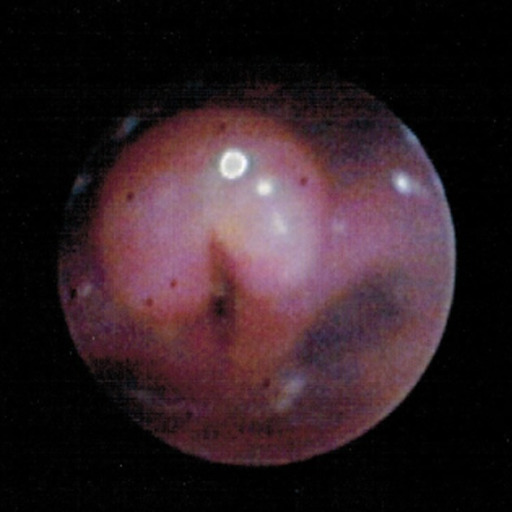
    • El diagnóstico se realiza mediante la visualización de la epiglotis a través de una laringoscopia indirecta o directa (debe realizarse bajo anestesia general en EN Erythema nodosum is an immune-mediated panniculitis (inflammation of the subcutaneous fat) caused by a type IV (delayed-type) hypersensitivity reaction. It commonly manifests in young women as tender, erythematous nodules on the shins. Erythema Nodosum el quirófano).
      • La epiglotis aparece de color rojo cereza e hinchada.
      • Inflamación y edema Edema Edema is a condition in which excess serous fluid accumulates in the body cavity or interstitial space of connective tissues. Edema is a symptom observed in several medical conditions. It can be categorized into 2 types, namely, peripheral (in the extremities) and internal (in an organ or body cavity). Edema de las estructuras supraglóticas
      • Sensibilidad a la palpación del hueso y la región hioides
    • Se desaconseja la inspección con un depresor lingual, ya que puede provocar espasmos de las vías respiratorias o angustia en EN Erythema nodosum is an immune-mediated panniculitis (inflammation of the subcutaneous fat) caused by a type IV (delayed-type) hypersensitivity reaction. It commonly manifests in young women as tender, erythematous nodules on the shins. Erythema Nodosum los LOS Neisseria niños.
  • Laboratorio: Hemograma con diferencial, hemocultivo, cultivo epiglótico si está intubado
    • No es necesario para el diagnóstico
    • La mayoría de los LOS Neisseria pacientes tendrán un recuento elevado de leucocitos, pero este es un hallazgo inespecífico.
    • No realice punciones en EN Erythema nodosum is an immune-mediated panniculitis (inflammation of the subcutaneous fat) caused by a type IV (delayed-type) hypersensitivity reaction. It commonly manifests in young women as tender, erythematous nodules on the shins. Erythema Nodosum niños pequeños con sospecha de epiglotitis a menos que ya estén intubados.
  • Radiografía lateral del cuello:
    • La enfermedad puede confirmarse mediante el “signo del pulgar” (epiglotis agrandada e hinchada que sobresale de la pared anterior de la hipofaringe).
    • Las radiografías no son necesarias para hacer el diagnóstico.
  • Tomografía computarizada (TC):
    • No es necesaria para el diagnóstico
    • La posición (supina) podría provocar un arresto respiratoria.
    • Indicado si se sospechan otros diagnósticos (como absceso retrofaríngeo o periamigdalino).
    • Signo de Halloween: describe el aspecto en EN Erythema nodosum is an immune-mediated panniculitis (inflammation of the subcutaneous fat) caused by a type IV (delayed-type) hypersensitivity reaction. It commonly manifests in young women as tender, erythematous nodules on the shins. Erythema Nodosum la TC de una epiglotis de grosor normal en EN Erythema nodosum is an immune-mediated panniculitis (inflammation of the subcutaneous fat) caused by a type IV (delayed-type) hypersensitivity reaction. It commonly manifests in young women as tender, erythematous nodules on the shins. Erythema Nodosum el plano axial Axial Computed Tomography (CT); si está presente, este signo excluye la epiglotitis aguda.
Estridor y fiebre

Algoritmo diagnóstico de la epiglotitis

Imagen por Lecturio.
Tratamiento

  • Tratamiento de las vías respiratorias
    • La intubación traqueal debe realizarse en EN Erythema nodosum is an immune-mediated panniculitis (inflammation of the subcutaneous fat) caused by a type IV (delayed-type) hypersensitivity reaction. It commonly manifests in young women as tender, erythematous nodules on the shins. Erythema Nodosum caso de compromiso de la vía aérea.
    • La extubación suele tener lugar 2-3 días después de iniciar los LOS Neisseria antibióticos.
    • Si la intubación falla, se debe realizar una traqueotomía.
    • La intubación de un niño debe realizarse en EN Erythema nodosum is an immune-mediated panniculitis (inflammation of the subcutaneous fat) caused by a type IV (delayed-type) hypersensitivity reaction. It commonly manifests in young women as tender, erythematous nodules on the shins. Erythema Nodosum el quirófano, ya que la intubación fallida hace HACE Altitude Sickness necesaria la traqueotomía.
    • Monitorear en EN Erythema nodosum is an immune-mediated panniculitis (inflammation of the subcutaneous fat) caused by a type IV (delayed-type) hypersensitivity reaction. It commonly manifests in young women as tender, erythematous nodules on the shins. Erythema Nodosum una unidad de cuidados intensivos.
  • Terapia con antibióticos
    • Cefalosporina de tercera generación (ceftriaxona o cefotaxima) Y un agente antiestafilocócico (vancomicina) durante 7-10 días
    • Reacción de hipersensibilidad grave a los LOS Neisseria antibióticos de penicilina o cefalosporina: vancomicina + quinolona o carbapenem Carbapenem The carbapenems and aztreonam are both members of the bactericidal beta-lactam family of antibiotics (similar to penicillins). They work by preventing bacteria from producing their cell wall, ultimately leading to bacterial cell death. Carbapenems and Aztreonam
    • Consultar a infectología para obtener recomendaciones y seguimiento.
    • Ajustar acorde al AL Amyloidosis hemocultivo y al AL Amyloidosis cultivo de epiglotis, si es que es posible obtener un cultivo de epiglotis.
  • Prevención
    • Vacuna conjugada contra la Hib y vacuna antineumocócica
    • Se recomienda la quimioprofilaxis con rifampicina para los LOS Neisseria contactos domésticos y otros contactos de alto riesgo (p. ej., niños menores de 4 años no vacunados).

Complicaciones

El pronóstico es bueno si se diagnostica y se trata inmediatamente, pero la enfermedad puede conducir a la muerte si hay una obstrucción aguda y no tratada de las vías respiratorias.

Complicaciones de la epiglotitis

  • Obstrucción de las vías respiratorias → asfixia → muerte
  • Absceso epiglótico
  • Infección secundaria
    • Neumonía
    • Adenitis cervical
    • Celulitis
    • Artritis séptica
    • Empiema
    • Meningitis Meningitis Meningitis is inflammation of the meninges, the protective membranes of the brain, and spinal cord. The causes of meningitis are varied, with the most common being bacterial or viral infection. The classic presentation of meningitis is a triad of fever, altered mental status, and nuchal rigidity. Meningitis
    • Bacteriemia/ shock Shock Shock is a life-threatening condition associated with impaired circulation that results in tissue hypoxia. The different types of shock are based on the underlying cause: distributive (↑ cardiac output (CO), ↓ systemic vascular resistance (SVR)), cardiogenic (↓ CO, ↑ SVR), hypovolemic (↓ CO, ↑ SVR), obstructive (↓ CO), and mixed. Types of Shock séptico
  • Granuloma vocal
  • Metaplasia Metaplasia A condition in which there is a change of one adult cell type to another similar adult cell type. Cellular Adaptation cartilaginosa de la epiglotis
  • Epiglotitis necrosante con inmunodeficiencias

Diagnóstico Diferencial

  • Tos TOS Thoracic outlet syndrome (TOS) is a broad term used for a spectrum of syndromes related to the general region of the thoracic outlet, which involves the compression or irritation of elements of the brachial plexus, subclavian artery, or subclavian vein. Thoracic Outlet Syndrome ferina: infección bacteriana causada por Bordetella pertussis Bordetella pertussis A species of gram-negative, aerobic bacteria that is the causative agent of whooping cough. Its cells are minute coccobacilli that are surrounded by a slime sheath. Bordetella; los LOS Neisseria pacientes infectados presentan tos TOS Thoracic outlet syndrome (TOS) is a broad term used for a spectrum of syndromes related to the general region of the thoracic outlet, which involves the compression or irritation of elements of the brachial plexus, subclavian artery, or subclavian vein. Thoracic Outlet Syndrome ferina paroxística, que persiste durante 2 semanas o más
  • Faringitis: inflamación de la parte posterior de la garganta o faringe, generalmente causada por una infección de las vías respiratorias superiores. La faringitis suele provocar dolor Dolor Inflammation de garganta y fiebre. Otros síntomas pueden ser secreción nasal, tos TOS Thoracic outlet syndrome (TOS) is a broad term used for a spectrum of syndromes related to the general region of the thoracic outlet, which involves the compression or irritation of elements of the brachial plexus, subclavian artery, or subclavian vein. Thoracic Outlet Syndrome, cefalea y ronquera.
  • Neumonía: inflamación aguda o crónica del tejido pulmonar causada por una infección por bacterias, virus Virus Viruses are infectious, obligate intracellular parasites composed of a nucleic acid core surrounded by a protein capsid. Viruses can be either naked (non-enveloped) or enveloped. The classification of viruses is complex and based on many factors, including type and structure of the nucleoid and capsid, the presence of an envelope, the replication cycle, and the host range. Virology u hongos. La neumonía también puede deberse a desencadenantes tóxicos por inhalación de sustancias tóxicas, procesos inmunológicos o durante radioterapia.
  • Absceso periamigdalino: una infección bacteriana con un inicio de faringitis estreptocócica o amigdalitis no tratada, que consiste en EN Erythema nodosum is an immune-mediated panniculitis (inflammation of the subcutaneous fat) caused by a type IV (delayed-type) hypersensitivity reaction. It commonly manifests in young women as tender, erythematous nodules on the shins. Erythema Nodosum una bolsa llena de pus que se forma cerca de una amígdala
  • Absceso retrofaríngeo: acumulación de pus en EN Erythema nodosum is an immune-mediated panniculitis (inflammation of the subcutaneous fat) caused by a type IV (delayed-type) hypersensitivity reaction. It commonly manifests in young women as tender, erythematous nodules on the shins. Erythema Nodosum la parte posterior de la garganta causada por una infección bacteriana, que se manifiesta clínicamente con dolor Dolor Inflammation al AL Amyloidosis tragar, fiebre, rigidez de cuello y respiración ruidosa
  • Crup: también llamada laringotraqueobronquitis; causada por una infección viral o, en EN Erythema nodosum is an immune-mediated panniculitis (inflammation of the subcutaneous fat) caused by a type IV (delayed-type) hypersensitivity reaction. It commonly manifests in young women as tender, erythematous nodules on the shins. Erythema Nodosum raras ocasiones, por una infección bacteriana que provoca una inflamación en EN Erythema nodosum is an immune-mediated panniculitis (inflammation of the subcutaneous fat) caused by a type IV (delayed-type) hypersensitivity reaction. It commonly manifests in young women as tender, erythematous nodules on the shins. Erythema Nodosum el interior de la tráquea y que interfiere en EN Erythema nodosum is an immune-mediated panniculitis (inflammation of the subcutaneous fat) caused by a type IV (delayed-type) hypersensitivity reaction. It commonly manifests in young women as tender, erythematous nodules on the shins. Erythema Nodosum la respiración normal. Los LOS Neisseria pacientes desarrollan una tos TOS Thoracic outlet syndrome (TOS) is a broad term used for a spectrum of syndromes related to the general region of the thoracic outlet, which involves the compression or irritation of elements of the brachial plexus, subclavian artery, or subclavian vein. Thoracic Outlet Syndrome característica y estridor.
  • Laringomalacia: la laringomalacia y la traqueomalacia son las afecciones más comunes de las vías respiratorias superiores que producen estridor en EN Erythema nodosum is an immune-mediated panniculitis (inflammation of the subcutaneous fat) caused by a type IV (delayed-type) hypersensitivity reaction. It commonly manifests in young women as tender, erythematous nodules on the shins. Erythema Nodosum los LOS Neisseria recién nacidos y tienen un estridor característico de la dificultad respiratoria
  • Sarampión: el morbillivirus Morbillivirus A genus of the family paramyxoviridae (subfamily paramyxovirinae) where the virions of most members have hemagglutinin but not neuraminidase activity. All members produce both cytoplasmic and intranuclear inclusion bodies. Measles virus is the type species. Measles Virus del sarampión es un virus Virus Viruses are infectious, obligate intracellular parasites composed of a nucleic acid core surrounded by a protein capsid. Viruses can be either naked (non-enveloped) or enveloped. The classification of viruses is complex and based on many factors, including type and structure of the nucleoid and capsid, the presence of an envelope, the replication cycle, and the host range. Virology del género Morbillivirus Morbillivirus A genus of the family paramyxoviridae (subfamily paramyxovirinae) where the virions of most members have hemagglutinin but not neuraminidase activity. All members produce both cytoplasmic and intranuclear inclusion bodies. Measles virus is the type species. Measles Virus dentro de la familia Paramyxoviridae Paramyxoviridae A family of spherical viruses, of the order mononegavirales, somewhat larger than the orthomyxoviruses, and containing single-stranded RNA. Subfamilies include paramyxoviridae and pneumovirinae. Respiratory Syncytial Virus. Los LOS Neisseria seres humanos son los LOS Neisseria huéspedes naturales de este virus Virus Viruses are infectious, obligate intracellular parasites composed of a nucleic acid core surrounded by a protein capsid. Viruses can be either naked (non-enveloped) or enveloped. The classification of viruses is complex and based on many factors, including type and structure of the nucleoid and capsid, the presence of an envelope, the replication cycle, and the host range. Virology y no se conoce la existencia de otros reservorios animales.

Referencias

  1. Shah R. (2024). Epiglottitis—symptoms, diagnosis, and treatment. BMJ Best Practice. Retrieved May 10, 2025, from https://bestpractice.bmj.com/topics/en-gb/452
  2. Woods CR. (2025). Epiglottitis (supraglottitis): management. UpToDate. Retrieved May 10, 2025, from https://www.uptodate.com/contents/epiglottitis-supraglottitis-management
  3. Woods CR. (2023). Epiglottitis (supraglottitis): clinical features and diagnosis. UpToDate. Retrieved May 10, 2025, from https://www.uptodate.com/contents/epiglottitis-supraglottitis-clinical-features-and-diagnosis
  4. Centers for Disease Control and Prevention. (2025). Child and adolescent immunization schedule by age. Centers for Disease Control and Prevention. https://www.cdc.gov/vaccines/hcp/imz-schedules/child-adolescent-age.html?CDC_AAref_Val=https://www.cdc.gov/vaccines/schedules/hcp/imz/child-adolescent.html
  5. WHO. (2006) WHO position paper on Haemophilus influenzae type b conjugate vaccines. Retrieved May 10, 2025, from https://www.who.int/publications-detail-redirect/WER8147
  6. Centers for Disease Control and Prevention. (2024). Chapter 17: Pneumococcal disease. In Epidemiology and prevention of vaccine-preventable diseases. Centers for Disease Control and Prevention. https://www.cdc.gov/pinkbook/hcp/table-of-contents/chapter-17-pneumococcal-disease.html?CDC_AAref_Val=https://www.cdc.gov/vaccines/pubs/pinkbook/pneumo.html
  7. Apfelbaum JL, Hagberg CA, et al. (2022). 2022 American Society of Anesthesiologists practice guidelines for management of the difficult airway. Anesthesiology 136:31–81. https://doi.org/10.1097/ALN.0000000000004002
  8. Lichtor JL, Rodriguez MM, et al. (2016). Epiglottitis: it hasn’t gone away. Anesthesiology 124:1404–1407. https://doi.org/10.1097/ALN.0000000000001125
  9. Center for Disease Control and Prevention (2024) Pneumococcal Vaccination: summary of who and when to vaccinate. Retrieved May 10, 2025, from https://www.cdc.gov/vaccines/vpd/pneumo/hcp/who-when-to-vaccinate.html 

¡Crea tu cuenta gratis o inicia una sesión para seguir leyendo!

Regístrate ahora y obtén acceso gratuito a Lecturio con páginas de concepto, videos médicos y cuestionarios para tu educación médica.

User Reviews

Que tengas una sesión de estudio alegre y navideña 🎁 Ahorra 50% en todos los planes >>

Details