Domina Conceptos Médicos

Estudia para la escuela de medicina y tus examenes con Lecturio.

Vulvovaginitis

El término vulvovaginitis Vulvovaginitis The term vulvovaginitis is used to describe an acute inflammation of the vulva and vagina. Vulvovaginitis can be caused by several infectious and non-infectious etiologies, and results from disruption of the normal vaginal environment. Common signs and symptoms include pain, pruritus, erythema, edema, vaginal discharge and dyspareunia. Vulvovaginitis se utiliza para describir una inflamación aguda de la vulva Vulva The vulva is the external genitalia of the female and includes the mons pubis, labia majora, labia minora, clitoris, vestibule, vestibular bulb, and greater vestibular glands. Vagina, Vulva, and Pelvic Floor: Anatomy y la vagina Vagina The vagina is the female genital canal, extending from the vulva externally to the cervix uteri internally. The structures have sexual, reproductive, and urinary functions and a rich blood supply, mainly arising from the internal iliac artery. Vagina, Vulva, and Pelvic Floor: Anatomy. La vulvovaginitis Vulvovaginitis The term vulvovaginitis is used to describe an acute inflammation of the vulva and vagina. Vulvovaginitis can be caused by several infectious and non-infectious etiologies, and results from disruption of the normal vaginal environment. Common signs and symptoms include pain, pruritus, erythema, edema, vaginal discharge and dyspareunia. Vulvovaginitis puede estar causada por varias etiologías infecciosas y no infecciosas y es el resultado de la alteración del entorno vaginal normal. Los LOS Neisseria signos y síntomas más comunes son dolor Dolor Inflammation, prurito, eritema y edema Edema Edema is a condition in which excess serous fluid accumulates in the body cavity or interstitial space of connective tissues. Edema is a symptom observed in several medical conditions. It can be categorized into 2 types, namely, peripheral (in the extremities) and internal (in an organ or body cavity). Edema de la región afectada, así como flujo vaginal y dispareunia. El diagnóstico se basa en EN Erythema nodosum is an immune-mediated panniculitis (inflammation of the subcutaneous fat) caused by a type IV (delayed-type) hypersensitivity reaction. It commonly manifests in young women as tender, erythematous nodules on the shins. Erythema Nodosum la presentación clínica, los LOS Neisseria hallazgos del examen físico y la inspección de las secreciones vaginales. El tratamiento depende de la etiología, incluyendo los LOS Neisseria antimicrobianos para las causas infecciosas.

Last updated: Dec 15, 2025

Editorial responsibility: Stanley Oiseth, Lindsay Jones, Evelin Maza

Descripción General

Epidemiología

  • Aproximadamente el 75% de las mujeres tendrán al AL Amyloidosis menos un episodio de vulvovaginitis Vulvovaginitis The term vulvovaginitis is used to describe an acute inflammation of the vulva and vagina. Vulvovaginitis can be caused by several infectious and non-infectious etiologies, and results from disruption of the normal vaginal environment. Common signs and symptoms include pain, pruritus, erythema, edema, vaginal discharge and dyspareunia. Vulvovaginitis en EN Erythema nodosum is an immune-mediated panniculitis (inflammation of the subcutaneous fat) caused by a type IV (delayed-type) hypersensitivity reaction. It commonly manifests in young women as tender, erythematous nodules on the shins. Erythema Nodosum su vida.
  • El 55%–83% consultará a un profesional sanitario.
  • Común en EN Erythema nodosum is an immune-mediated panniculitis (inflammation of the subcutaneous fat) caused by a type IV (delayed-type) hypersensitivity reaction. It commonly manifests in young women as tender, erythematous nodules on the shins. Erythema Nodosum mujeres de edad universitaria

Etiología

  • Infeccioso:
    • Vaginosis bacteriana (VB)
    • Candida albicans Candida albicans A unicellular budding fungus which is the principal pathogenic species causing candidiasis (moniliasis). Candida/Candidiasis (C. albicans)
    • Trichomonas Trichomonas A genus of parasitic flagellate eukaryotes distinguished by the presence of four anterior flagella, an undulating membrane, and a trailing flagellum. Nitroimidazoles vaginalis (T. vaginalis)
  • No infeccioso:

Fisiopatología

  • El epitelio escamoso estratificado de la vagina Vagina The vagina is the female genital canal, extending from the vulva externally to the cervix uteri internally. The structures have sexual, reproductive, and urinary functions and a rich blood supply, mainly arising from the internal iliac artery. Vagina, Vulva, and Pelvic Floor: Anatomy es rico en EN Erythema nodosum is an immune-mediated panniculitis (inflammation of the subcutaneous fat) caused by a type IV (delayed-type) hypersensitivity reaction. It commonly manifests in young women as tender, erythematous nodules on the shins. Erythema Nodosum glucógeno (el epitelio se mantiene gracias a los LOS Neisseria estrógenos).
  • Los LOS Neisseria azúcares derivados del glucógeno son metabolizados en EN Erythema nodosum is an immune-mediated panniculitis (inflammation of the subcutaneous fat) caused by a type IV (delayed-type) hypersensitivity reaction. It commonly manifests in young women as tender, erythematous nodules on the shins. Erythema Nodosum ácido láctico por Lactobacillus spp.:
    • Crea un ambiente ácido ( pH pH The quantitative measurement of the acidity or basicity of a solution. Acid-Base Balance 3,8-4,5)
    • Mantiene la flora vaginal normal.
    • Inhibe el crecimiento de patógenos.
  • La vulvovaginitis Vulvovaginitis The term vulvovaginitis is used to describe an acute inflammation of the vulva and vagina. Vulvovaginitis can be caused by several infectious and non-infectious etiologies, and results from disruption of the normal vaginal environment. Common signs and symptoms include pain, pruritus, erythema, edema, vaginal discharge and dyspareunia. Vulvovaginitis es el resultado de una alteración de este entorno:
    • ↓ o ↑ estrógeno
    • Alcalinización del pH pH The quantitative measurement of the acidity or basicity of a solution. Acid-Base Balance vaginal:
      • Sangre menstrual
      • Semen
      • Productos higiénicos
  • ↓ Colonización de Lactobacillus y Corynebacterium Corynebacterium Corynebacteria are gram-positive, club-shaped bacilli. Corynebacteria are commonly isolated on tellurite or Loeffler’s media and have characteristic metachromatic granules. The major pathogenic species is Corynebacterium diphtheriae, which causes a severe respiratory infection called diphtheria. Corynebacterium (e.g., antibióticos)

Vaginosis Bacteriana

La vaginosis bacteriana (VB) es una disbiosis polimicrobiana de la microbiota vaginal, frecuentemente asociada con Gardnerella vaginalis Gardnerella vaginalis Polymicrobial, nonspecific vaginitis associated with positive cultures of gardnerella vaginalis and other anaerobic organisms and a decrease in lactobacilli. It remains unclear whether the initial pathogenic event is caused by the growth of anaerobes or a primary decrease in lactobacilli. Vulvovaginitis.
Etiología y fisiopatología

  • Lactobacillus → pH pH The quantitative measurement of the acidity or basicity of a solution. Acid-Base Balance sobrecrecimiento de bacterias anaerobias:
    • Gardnerella vaginalis Gardnerella vaginalis Polymicrobial, nonspecific vaginitis associated with positive cultures of gardnerella vaginalis and other anaerobic organisms and a decrease in lactobacilli. It remains unclear whether the initial pathogenic event is caused by the growth of anaerobes or a primary decrease in lactobacilli. Vulvovaginitis:
      • Bacilos pequeños, pleomórficos, Gram-variables
      • No forma esporas.
      • No es móvil.
    • Mycoplasma hominis Mycoplasma hominis A common inhabitant of the vagina and cervix and a potential human pathogen, causing infections of the male and female reproductive tracts. It has also been associated with respiratory disease and pharyngitis. Mycoplasma
    • Peptostreptococcus Peptostreptococcus A genus of gram-positive, anaerobic, coccoid bacteria that is part of the normal flora of humans. Its organisms are opportunistic pathogens causing bacteremias and soft tissue infections. Perianal and Perirectal Abscess
    • Prevotella Prevotella A genus of gram-negative, anaerobic, nonsporeforming, nonmotile rods. Organisms of this genus had originally been classified as members of the bacteroides genus but overwhelming biochemical and chemical findings in 1990 indicated the need to separate them from other bacteroides species, and hence, this new genus was established. Dog and Cat Bites
    • Ureaplasma urealyticum
    • Mobiluncus
  • Las bacterias anaerobias producen enzimas descomponen los LOS Neisseria péptidos vaginales en EN Erythema nodosum is an immune-mediated panniculitis (inflammation of the subcutaneous fat) caused by a type IV (delayed-type) hypersensitivity reaction. It commonly manifests in young women as tender, erythematous nodules on the shins. Erythema Nodosum aminas, dando lugar a:
    • Transudación vaginal
    • Exfoliación de células epiteliales escamosas
    • Olor
  • Factores de riesgo:
    • Sexo sin protección
    • ↑ Número de parejas sexuales
    • Otras infecciones de transmisión sexual (ITS)
    • Duchas vaginales
    • Bañarse en EN Erythema nodosum is an immune-mediated panniculitis (inflammation of the subcutaneous fat) caused by a type IV (delayed-type) hypersensitivity reaction. It commonly manifests in young women as tender, erythematous nodules on the shins. Erythema Nodosum una bañera (especialmente los LOS Neisseria baños de burbujas)

Presentación clínica

  • 50%–75% de las pacientes son asintomáticas.
  • Flujo vaginal:
    • Maloliente (con olor a pescado)
    • Gris
    • Poco espeso

Diagnóstico

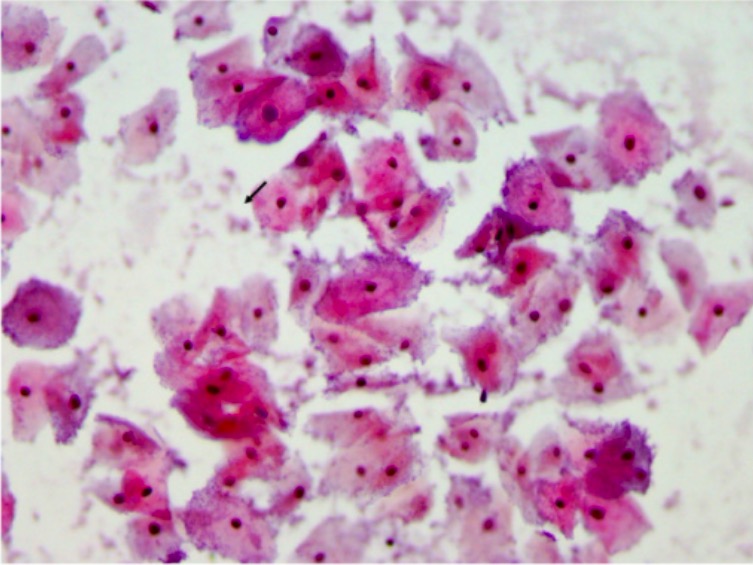
  • Examen microscópico (montaje húmedo con solución salina): células clave (bacterias adheridas a las células epiteliales)
  • Prueba de Whiff o de aminas: presencia de un olor a pescado cuando se añade hidróxido de potasio (KOH) al AL Amyloidosis 10%, a una muestra de flujo vaginal
  • Citología:
    • Puede detectarse durante un frotis de Papanicolaou.
    • No es fiable.
  • Criterios de Amsel (3 de 4 deben estar presentes):
    • Descarga gris
    • pH pH The quantitative measurement of the acidity or basicity of a solution. Acid-Base Balance de la secreción vaginal > 4,5
    • Olor a pescado en EN Erythema nodosum is an immune-mediated panniculitis (inflammation of the subcutaneous fat) caused by a type IV (delayed-type) hypersensitivity reaction. It commonly manifests in young women as tender, erythematous nodules on the shins. Erythema Nodosum la prueba de olfato
    • Células clave

Tratamiento

  • En EN Erythema nodosum is an immune-mediated panniculitis (inflammation of the subcutaneous fat) caused by a type IV (delayed-type) hypersensitivity reaction. It commonly manifests in young women as tender, erythematous nodules on the shins. Erythema Nodosum general, el tratamiento se recomienda solo para los LOS Neisseria pacientes sintomáticos:
    • Excepción: Las pacientes embarazadas asintomáticas también deben ser tratadas.
  • 1ra línea: metronidazol o tinidazol
  • Alternativa: clindamicina

Complicaciones

La vaginosis bacteriana se asocia con un mayor riesgo de:

  • Otras ITS y enfermedad inflamatoria pélvica (EIP)
  • Endometritis Endometritis Endometritis is an inflammation of the endometrium, the inner layer of the uterus. The most common subtype is postpartum endometritis, resulting from the ascension of normal vaginal flora to the previously aseptic uterus. Postpartum Endometritis posparto
  • Corioamnionitis
  • Parto prematuro y nacimiento

Vaginitis Candidiásica

Etiología

La vaginitis candidiásica es una vaginitis por hongos causada por:
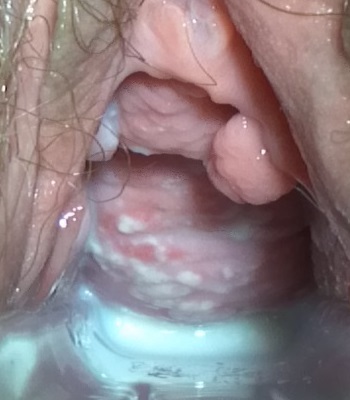
  • C. albicans (80%–92%)
  • C. glabrata

Fisiopatología

  • No necesariamente asociada con ↓ Lactobacillus
  • ↑ Entorno estrogénico → ↑ glucógeno vaginal → entorno favorable para el crecimiento y la adherencia de Candida Candida Candida is a genus of dimorphic, opportunistic fungi. Candida albicans is part of the normal human flora and is the most common cause of candidiasis. The clinical presentation varies and can include localized mucocutaneous infections (e.g., oropharyngeal, esophageal, intertriginous, and vulvovaginal candidiasis) and invasive disease (e.g., candidemia, intraabdominal abscess, pericarditis, and meningitis). Candida/Candidiasis
  • Factores de riesgo:
    • Embarazo
    • Anticoncepción
    • Terapia de sustitución hormonal
    • Inmunosupresión
    • Diabetes Diabetes Diabetes mellitus (DM) is a metabolic disease characterized by hyperglycemia and dysfunction of the regulation of glucose metabolism by insulin. Type 1 DM is diagnosed mostly in children and young adults as the result of autoimmune destruction of β cells in the pancreas and the resulting lack of insulin. Type 2 DM has a significant association with obesity and is characterized by insulin resistance. Diabetes Mellitus
    • Antibióticos

Presentación clínica

  • Prurito, ardor e irritación vulvar
  • Eritema y edema Edema Edema is a condition in which excess serous fluid accumulates in the body cavity or interstitial space of connective tissues. Edema is a symptom observed in several medical conditions. It can be categorized into 2 types, namely, peripheral (in the extremities) and internal (in an organ or body cavity). Edema
  • Flujo vaginal:
    • Espeso
    • Blanco
    • Con apariencia a queso cottage
    • Olor mínimo o nulo
  • Dispareunia

Diagnóstico

  • El pH pH The quantitative measurement of the acidity or basicity of a solution. Acid-Base Balance vaginal es normal.
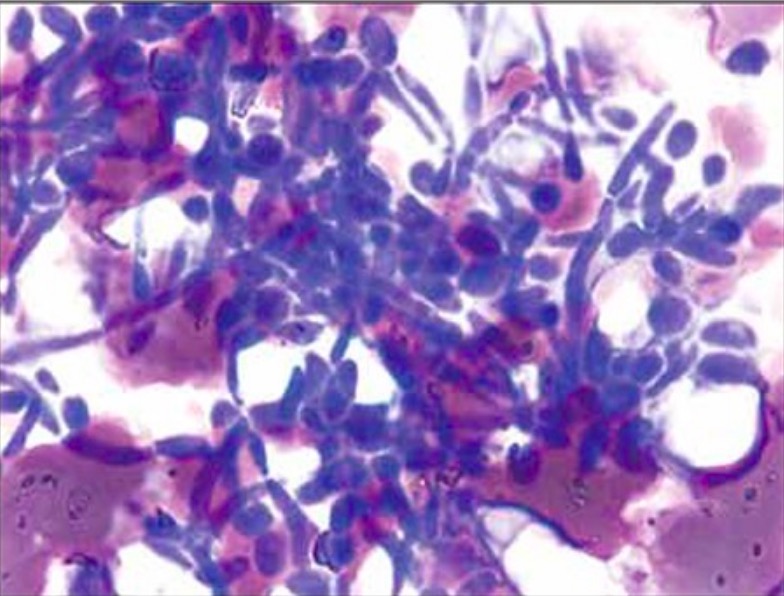
  • Montaje en EN Erythema nodosum is an immune-mediated panniculitis (inflammation of the subcutaneous fat) caused by a type IV (delayed-type) hypersensitivity reaction. It commonly manifests in young women as tender, erythematous nodules on the shins. Erythema Nodosum húmedo con KOH al AL Amyloidosis 10%:
    • Levaduras en EN Erythema nodosum is an immune-mediated panniculitis (inflammation of the subcutaneous fat) caused by a type IV (delayed-type) hypersensitivity reaction. It commonly manifests in young women as tender, erythematous nodules on the shins. Erythema Nodosum gemación
    • Pseudohífas
  • El cultivo está reservado para:
    • Cuando la microscopía no es reveladora
    • Continuación de los LOS Neisseria síntomas a pesar del tratamiento

Tratamiento

Las opciones de tratamiento incluyen antifúngicos orales o tópicos.

  • Fluconazol oral:
    • Dosis única
    • Lo más conveniente
  • Crema o supositorio vaginal de clotrimazol
  • Supositorio vaginal de miconazol
  • Ibrexafungerp (oral) es una opción para:
    • Individuos alérgicos a otros medicamentos antifúngicos.
    • Candidiasis Candidiasis Candida is a genus of dimorphic, opportunistic fungi. Candida albicans is part of the normal human flora and is the most common cause of candidiasis. The clinical presentation varies and can include localized mucocutaneous infections (e.g., oropharyngeal, esophageal, intertriginous, and vulvovaginal candidiasis) and invasive disease (e.g., candidemia, intraabdominal abscess, pericarditis, and meningitis). Candida/Candidiasis recurrentes o resistentes

Related videos

Tricomoniasis

La tricomoniasis es la ITS no viral más común.
Etiología

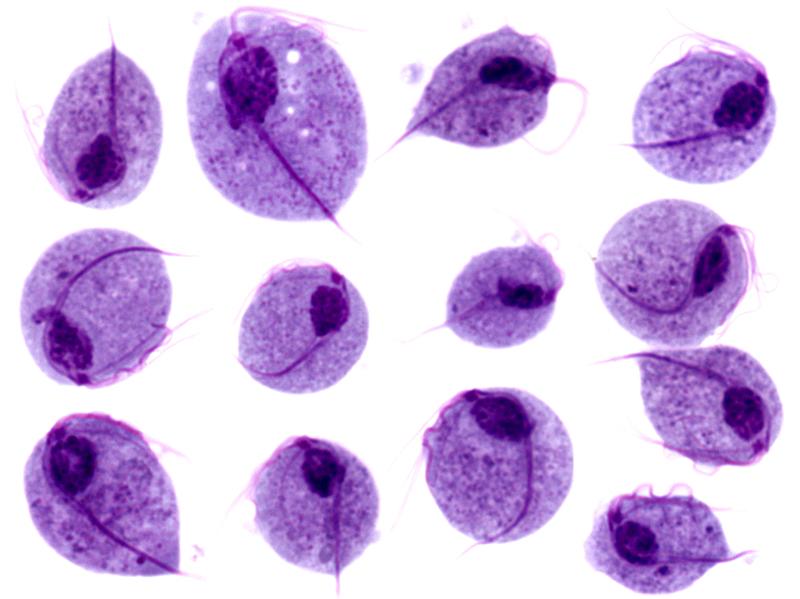
  • T. vaginalis:
    • Protozoo flagelado:
      • Con forma ovoide
      • 5 flagelos
      • Membrana ondulada
      • Anaerobio facultativo
    • Formas:
      • Trofozoíto
      • No hay forma de quiste.
    • Los LOS Neisseria humanos son el único huésped.
    • La transmisión es por contacto sexual.
  • Coexiste frecuentemente con VB.
  • Factores de riesgo:
    • Sexo sin protección
    • Múltiples parejas sexuales
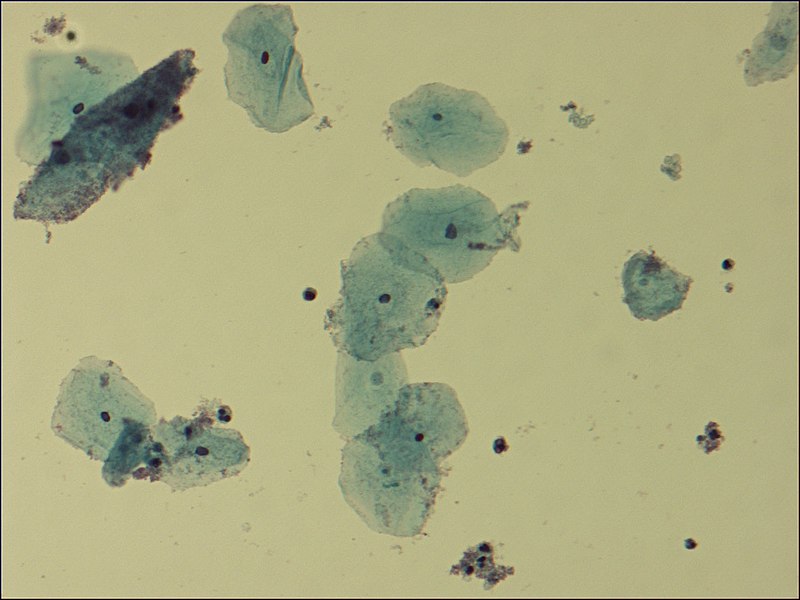
Protozoos Trichomonas

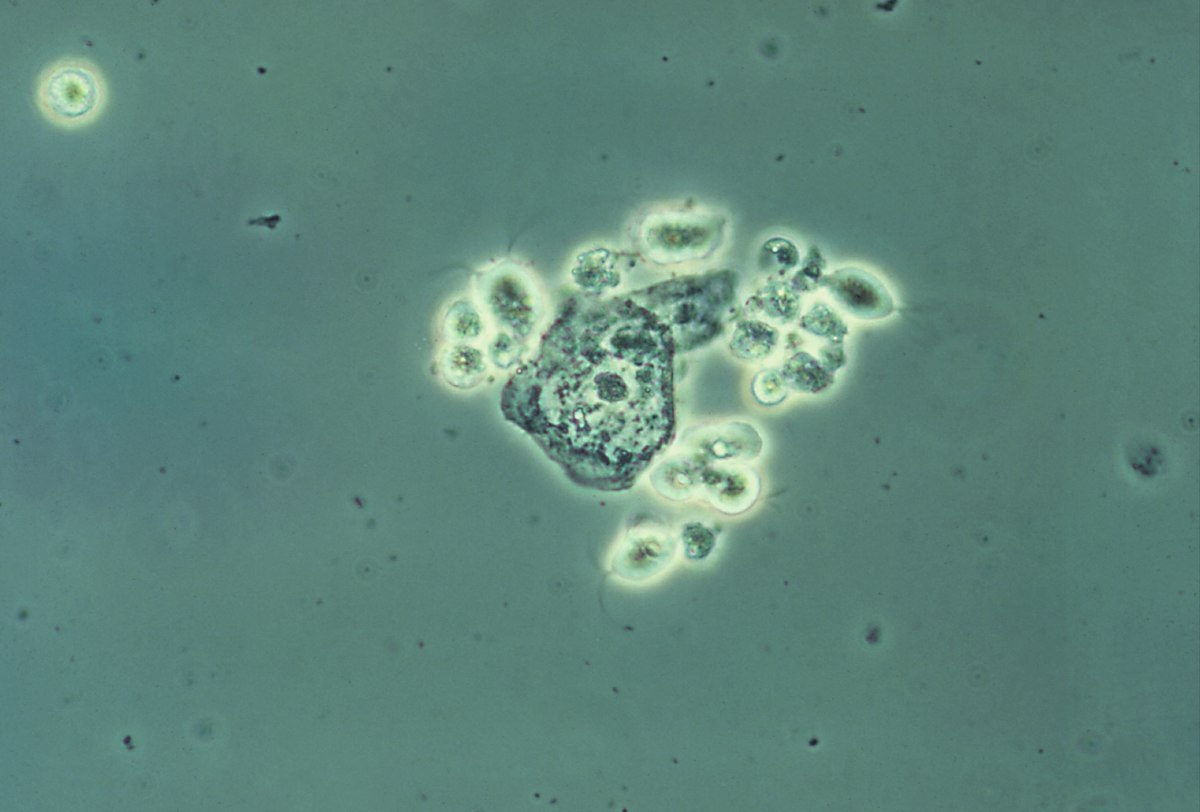
Imágenes microscópicas de trofozoítos de Trichomonas vaginalis

Imagen: “Trichomonas protozoa” por isis325. Licencia: CC BY 2.0
Fisiopatología

  • Factores de virulencia:
    • Adhesinas bacterianas → adhesión a las células epiteliales vaginales
    • Proteinasas de cisteína → descomponen las proteínas de la matriz extracelular.
  • La infección se asocia con ↓ Lactobacillus y ↑ pH pH The quantitative measurement of the acidity or basicity of a solution. Acid-Base Balance vaginal.
  • T. vaginalis se adhiere a las células epiteliales vaginales:
    • Libera sustancias citotóxicas → destruye las células epiteliales.
    • Se une a las proteínas plasmáticas del huésped → evade el sistema inmunitario del huésped.
    • Libera sustancias quimiotácticas → atrae a los LOS Neisseria leucocitos polimorfonucleares (PMN).
    • También puede alterar la flora vaginal.

Presentación clínica

  • Puede ser asintomática (generalmente en EN Erythema nodosum is an immune-mediated panniculitis (inflammation of the subcutaneous fat) caused by a type IV (delayed-type) hypersensitivity reaction. It commonly manifests in young women as tender, erythematous nodules on the shins. Erythema Nodosum hombres)
  • Flujo vaginal:
    • Amarillo-verde
    • De escaso a abundante
    • Espumoso y purulento
    • Maloliente (con olor a pescado)
  • Dolor Dolor Inflammation vulvar y perineal
  • Disuria
  • Dispareunia
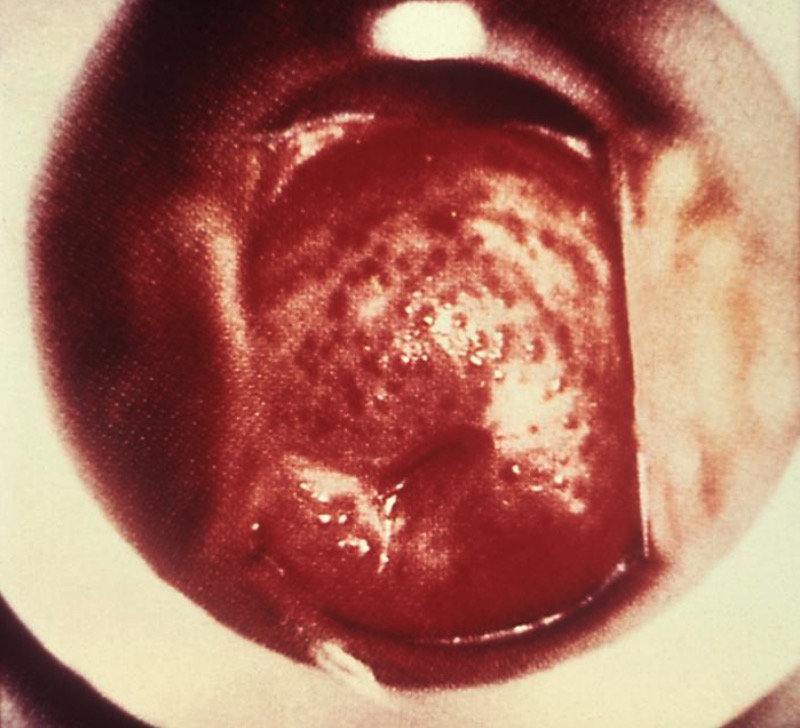
  • Manchas rojas “fresa” en EN Erythema nodosum is an immune-mediated panniculitis (inflammation of the subcutaneous fat) caused by a type IV (delayed-type) hypersensitivity reaction. It commonly manifests in young women as tender, erythematous nodules on the shins. Erythema Nodosum las paredes vaginales
  • Cuello uterino rojo “fresa”

Diagnóstico

  • Montaje húmedo de las secreciones vaginales:
    • Protozoos móviles, flagelados y ovoides
    • Presencia de PMN
    • pH pH The quantitative measurement of the acidity or basicity of a solution. Acid-Base Balance > 4,5
  • Prueba de amplificación del ácido nucleico (NAAT, por sus siglas en EN Erythema nodosum is an immune-mediated panniculitis (inflammation of the subcutaneous fat) caused by a type IV (delayed-type) hypersensitivity reaction. It commonly manifests in young women as tender, erythematous nodules on the shins. Erythema Nodosum inglés):
    • Muy sensible y específico
    • Detecta y amplifica los LOS Neisseria ácidos nucleicos de T. vaginalis
  • Cultivo:
    • Utiliza el medio de Diamond (medio líquido enriquecido).
    • Tarda 7 días en EN Erythema nodosum is an immune-mediated panniculitis (inflammation of the subcutaneous fat) caused by a type IV (delayed-type) hypersensitivity reaction. It commonly manifests in young women as tender, erythematous nodules on the shins. Erythema Nodosum obtener un resultado.
  • Deben descartarse las infecciones concurrentes (e.g., la VB).
Trichomonas vaginalis

Imagen de montaje húmedo de secreciones vaginales que muestra varios protozoos de T. vaginalis (imagen con contraste)

Imagen: “Trichomonas vaginalis” por CDC. Licencia: Public Domain
Tratamiento

  • Metronidazol
  • Tinidazol
  • Tratar a las parejas sexuales actuales y abstenerse de tener relaciones sexuales hasta que finalice el tratamiento; repetir la prueba a las mujeres aproximadamente 3 meses después del tratamiento

Vulvovaginitis no Infecciosa

Vaginitis atrófica

  • Etiología y fisiopatología:
    • ↓ Niveles de estrógenos → atrofia del epitelio vulvar y vaginal:
      • Menopausia
      • Postparto
      • Ooforectomía bilateral
      • Radioterapia y/o quimioterapia
      • Trastornos inmunológicos
      • Medicamentos (e.g., tamoxifeno, danazol Danazol A synthetic steroid with antigonadotropic and anti-estrogenic activities that acts as an anterior pituitary suppressant by inhibiting the pituitary output of gonadotropins. It possesses some androgenic properties. Danazol has been used in the treatment of endometriosis and some benign breast disorders. Antiestrogens, medroxiprogesterona)
  • Presentación clínica:
    • La mayoría son asintomáticas.
    • Dolor Dolor Inflammation y sequedad vaginal
    • Dispareunia y ardor postcoital
    • Manchado ocasional
    • Flujo vaginal serosanguíneo
    • Epitelio pálido, liso, brillante y fácilmente friable
    • Pérdida de plenitud labial y vulvar
    • Vello púbico escaso
  • Diagnóstico:
    • Generalmente se basa en EN Erythema nodosum is an immune-mediated panniculitis (inflammation of the subcutaneous fat) caused by a type IV (delayed-type) hypersensitivity reaction. It commonly manifests in young women as tender, erythematous nodules on the shins. Erythema Nodosum los LOS Neisseria antecedentes y el examen físico
    • Montaje en EN Erythema nodosum is an immune-mediated panniculitis (inflammation of the subcutaneous fat) caused by a type IV (delayed-type) hypersensitivity reaction. It commonly manifests in young women as tender, erythematous nodules on the shins. Erythema Nodosum húmedo:
      • pH pH The quantitative measurement of the acidity or basicity of a solution. Acid-Base Balance 5–7
      • Glóbulos blancos
      • Deben descartarse otras posibles causas infecciosas.
  • Manejo: estrógeno tópico (e.g., crema, tableta vaginal, anillo)

Dermatitis Dermatitis Any inflammation of the skin. Atopic Dermatitis (Eczema) de contacto

  • Etiología:
    • Causada por una sustancia que irrita la piel o provoca una reacción alérgica
    • Irritantes y alérgenos comunes:
      • Orina
      • Medicamentos tópicos
      • Látex
      • Agentes espermicidas
      • Cosméticos
      • Duchas vaginales
      • Productos de limpieza
      • Ropa interior
  • Presentación clínica:
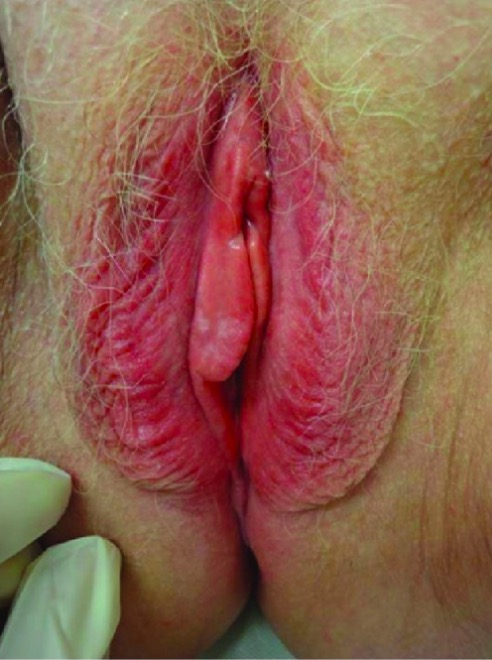
    • Piel roja y edematosa:
      • Puede ir seguida de exudación y supuración.
      • Los LOS Neisseria irritantes potentes pueden causar erosión y ulceración.
    • Prurito y ardor
    • Dolor Dolor Inflammation
  • Diagnóstico:
    • Generalmente se basa en EN Erythema nodosum is an immune-mediated panniculitis (inflammation of the subcutaneous fat) caused by a type IV (delayed-type) hypersensitivity reaction. It commonly manifests in young women as tender, erythematous nodules on the shins. Erythema Nodosum los LOS Neisseria antecedentes y el examen físico
    • Montaje en EN Erythema nodosum is an immune-mediated panniculitis (inflammation of the subcutaneous fat) caused by a type IV (delayed-type) hypersensitivity reaction. It commonly manifests in young women as tender, erythematous nodules on the shins. Erythema Nodosum húmedo:
      • El pH pH The quantitative measurement of the acidity or basicity of a solution. Acid-Base Balance es normal.
      • Deben descartarse otras posibles causas infecciosas.
  • Tratamiento:
    • Identificación y evitación del agente incitador
    • Limpieza suave de la zona (pero evitar el lavado excesivo)
    • Esteroides tópicos:
      • Triamcinolona
      • Hidrocortisona
    • Antihistamínicos:
      • Hidroxizina
      • Difenhidramina

Diagnóstico Diferencial

  • Clamidia: Una ITS debida a Chlamydia trachomatis Chlamydia trachomatis Type species of Chlamydia causing a variety of ocular and urogenital diseases. Chlamydia, que puede causar cervicitis Cervicitis Inflammation of the uterine cervix. Gonorrhea, uretritis y EIP en EN Erythema nodosum is an immune-mediated panniculitis (inflammation of the subcutaneous fat) caused by a type IV (delayed-type) hypersensitivity reaction. It commonly manifests in young women as tender, erythematous nodules on the shins. Erythema Nodosum las mujeres. Los LOS Neisseria signos y síntomas incluyen flujo cervical purulento o mucopurulento (amarillo), eritema cervical, edema Edema Edema is a condition in which excess serous fluid accumulates in the body cavity or interstitial space of connective tissues. Edema is a symptom observed in several medical conditions. It can be categorized into 2 types, namely, peripheral (in the extremities) and internal (in an organ or body cavity). Edema, friabilidad, sangrado vaginal y dispareunia. El diagnóstico se basa en EN Erythema nodosum is an immune-mediated panniculitis (inflammation of the subcutaneous fat) caused by a type IV (delayed-type) hypersensitivity reaction. It commonly manifests in young women as tender, erythematous nodules on the shins. Erythema Nodosum los LOS Neisseria hallazgos clínicos y en EN Erythema nodosum is an immune-mediated panniculitis (inflammation of the subcutaneous fat) caused by a type IV (delayed-type) hypersensitivity reaction. It commonly manifests in young women as tender, erythematous nodules on the shins. Erythema Nodosum la NAAT. El tratamiento incluye azitromicina o doxiciclina.
  • Gonorrea: Una ITS debida a Neisseria gonorrhoeae Neisseria gonorrhoeae A species of gram-negative, aerobic bacteria primarily found in purulent venereal discharges. It is the causative agent of gonorrhea. Neisseria, que puede causar cervicitis Cervicitis Inflammation of the uterine cervix. Gonorrhea, uretritis, EIP y enfermedad diseminada. Los LOS Neisseria signos y síntomas incluyen flujo cervical purulento o mucopurulento (amarillo), eritema del orificio cervical, edema Edema Edema is a condition in which excess serous fluid accumulates in the body cavity or interstitial space of connective tissues. Edema is a symptom observed in several medical conditions. It can be categorized into 2 types, namely, peripheral (in the extremities) and internal (in an organ or body cavity). Edema, friabilidad, sangrado vaginal y dispareunia. El diagnóstico se basa en EN Erythema nodosum is an immune-mediated panniculitis (inflammation of the subcutaneous fat) caused by a type IV (delayed-type) hypersensitivity reaction. It commonly manifests in young women as tender, erythematous nodules on the shins. Erythema Nodosum los LOS Neisseria hallazgos clínicos y en EN Erythema nodosum is an immune-mediated panniculitis (inflammation of the subcutaneous fat) caused by a type IV (delayed-type) hypersensitivity reaction. It commonly manifests in young women as tender, erythematous nodules on the shins. Erythema Nodosum la NAAT. El tratamiento incluye ceftriaxona. Dado que es frecuente una infección por clamidia concurrente, también se administra azitromicina.
  • Sarna: Infestación de la piel por el ácaro Sarcoptes scabiei Sarcoptes scabiei A species of mite that causes scabies in humans and sarcoptic mange in other animals. Specific variants of s. Scabiei exist for humans and animals, but many have the ability to cross species and cause disease. Scabies que se presenta con prurito intenso, madrigueras lineales y pápulas eritematosas. Los LOS Neisseria lugares comúnmente afectados son los LOS Neisseria genitales, los LOS Neisseria pliegues interdigitales, los LOS Neisseria pliegues axilares y los LOS Neisseria aspectos flexores de las muñecas. La sarna se transmite por contacto directo de persona a persona (incluido el contacto sexual). El diagnóstico es clínico, pero puede confirmarse mediante dermatoscopia. El tratamiento incluye una crema de permetrina, así como una limpieza a fondo de la ropa de cama y la ropa.
  • Herpes: Las infecciones por herpes genital son ITS comunes causadas por el virus Virus Viruses are infectious, obligate intracellular parasites composed of a nucleic acid core surrounded by a protein capsid. Viruses can be either naked (non-enveloped) or enveloped. The classification of viruses is complex and based on many factors, including type and structure of the nucleoid and capsid, the presence of an envelope, the replication cycle, and the host range. Virology del herpes simple tipo 1 o 2. La infección primaria suele presentarse con síntomas prodrómicos, seguidos de grupos de vesículas dolorosas y llenas de líquido con una base eritematosa, disuria y linfadenopatía dolorosa. El diagnóstico es clínico, pero se pueden realizar pruebas confirmatorias de reacción en EN Erythema nodosum is an immune-mediated panniculitis (inflammation of the subcutaneous fat) caused by a type IV (delayed-type) hypersensitivity reaction. It commonly manifests in young women as tender, erythematous nodules on the shins. Erythema Nodosum cadena de la polimerasa ( PCR PCR Polymerase chain reaction (PCR) is a technique that amplifies DNA fragments exponentially for analysis. The process is highly specific, allowing for the targeting of specific genomic sequences, even with minuscule sample amounts. The PCR cycles multiple times through 3 phases: denaturation of the template DNA, annealing of a specific primer to the individual DNA strands, and synthesis/elongation of new DNA molecules. Polymerase Chain Reaction (PCR)) o serológicas. El tratamiento incluye aciclovir, valaciclovir o famcilovir.

Referencias

  1. Sobel, J, & Mitchell, C. (2024). Candida vulvovaginitis: Clinical manifestations and diagnosis. Retrieved September 22, 2025, from https://www.uptodate.com/contents/candida-vulvovaginitis-clinical-manifestations-and-diagnosis
  2. Sobel, J. D. (2023). Vaginitis in adults and adolescents: Initial evaluation. UpToDate. Retrieved September 22, 2025, from https://www.uptodate.com/contents/vaginitis-in-adults-and-adolescents-initial-evaluation
  3. Sobel, J. D. (2024). Candida vulvovaginitis in adults: Treatment of acute infection. UpToDate. Retrieved September 22, 2025, from https://www.uptodate.com/contents/candida-vulvovaginitis-in-adults-treatment-of-acute-infection
  4. Sobel, J. D., & Mitchell, C. (2023). Trichomoniasis: Clinical manifestations and diagnosis. UpToDate. Retrieved September 22, 2025, from https://www.uptodate.com/contents/trichomoniasis-clinical-manifestations-and-diagnosis
  5. Sobel, J., & Mitchell, C. (2025). Bacterial vaginosis: Clinical manifestations and diagnosis. Retrieved September 22, 2025, from https://www.uptodate.com/contents/bacterial-vaginosis-clinical-manifestations-and-diagnosis
  6. Sobel, J. D. (2025). Bacterial vaginosis: Initial treatment. UpToDate. Retrieved September 22, 2025, from https://www.uptodate.com/contents/bacterial-vaginosis-initial-treatment
  7. Goje, O. (2023). Overview of vaginitis. [online] MSD Manual Professional Version. Retrieved September 22, 2025, from https://www.merckmanuals.com/professional/gynecology-and-obstetrics/vaginitis,-cervicitis,-and-pelvic-inflammatory-disease-pid/overview-of-vaginitis
  8. Goje, O. (2023). Bacterial vaginosis (BV). [online] MSD Manual Professional Version. Retrieved September 22, 2025, from https://www.merckmanuals.com/professional/gynecology-and-obstetrics/vaginitis,-cervicitis,-and-pelvic-inflammatory-disease-pid/bacterial-vaginosis-bv
  9. Morris, S.R. (2023). Trichomoniasis. [online] MSD Manual Professional Version. Retrieved September 22, 2025, from https://www.merckmanuals.com/professional/infectious-diseases/sexually-transmitted-diseases-stds/trichomoniasis
  10. Goje, O. (2023). Candidal vaginitis. [online] MSD Manual Professional Version. Retrieved September 22, 2025, from https://www.merckmanuals.com/professional/gynecology-and-obstetrics/vaginitis,-cervicitis,-and-pelvic-inflammatory-disease-pid/candidal-vaginitis
  11. Krapf, J.M. (2024). Vulvovaginitis. In Isaacs, C. (Ed.), Medscape. Retrieved September 22, 2025, from https://emedicine.medscape.com/article/2188931-overview
  12. Smith, D.S., Holderman, J.C., & Bugayong, K.T. (2025). Trichomoniasis. In Bronze, M.S. (Ed.), Medscape. Retrieved September 22, 2025, from https://emedicine.medscape.com/article/230617-overview

¡Crea tu cuenta gratis o inicia una sesión para seguir leyendo!

Regístrate ahora y obtén acceso gratuito a Lecturio con páginas de concepto, videos médicos y cuestionarios para tu educación médica.

User Reviews

Details