


Fármacos Antiadrenérgicos

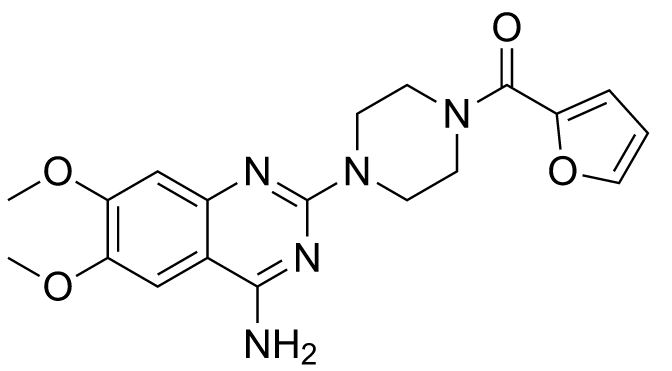
Os fármacos antiadrenérgicos bloqueiam a atividade das catecolaminas, principalmente da noradrenalina (NA). Os 2 principais tipos de recetores adrenérgicos são os recetores alfa e beta e existem vários subtipos de cada um. Os fármacos antiadrenérgicos podem ser classificados de acordo com a sua especificidade para os diferentes recetores, sendo as principais classes os bloqueadores seletivos dos recetores beta-1, os betabloqueadores não seletivos, os bloqueadores mistos alfa e beta, os bloqueadores seletivos dos recetores alfa-1 e os bloqueadores alfa não seletivos. Existem muitos recetores beta no coração, por isso, estes fármacos são usados sobretudo para indicações cardíacas, como o enfarte agudo do miocárdio, a angina, a insuficiência cardíaca ( IC IC Inhaled Anesthetics) (estável) e a hipertensão (como alternativa). Os recetores alfa predominam no músculo liso, especialmente na vasculatura. Assim, os bloqueadores alfa causam uma vasodilatação significativa, estando indicados na hipertensão e na hiperplasia benigna da próstata (HPB). Existe a possibilidade de ocorrência de efeitos adversos significativos.

Last updated: Dec 15, 2025

Editorial responsibility: Stanley Oiseth, Lindsay Jones, Evelin Maza

Descrição Geral

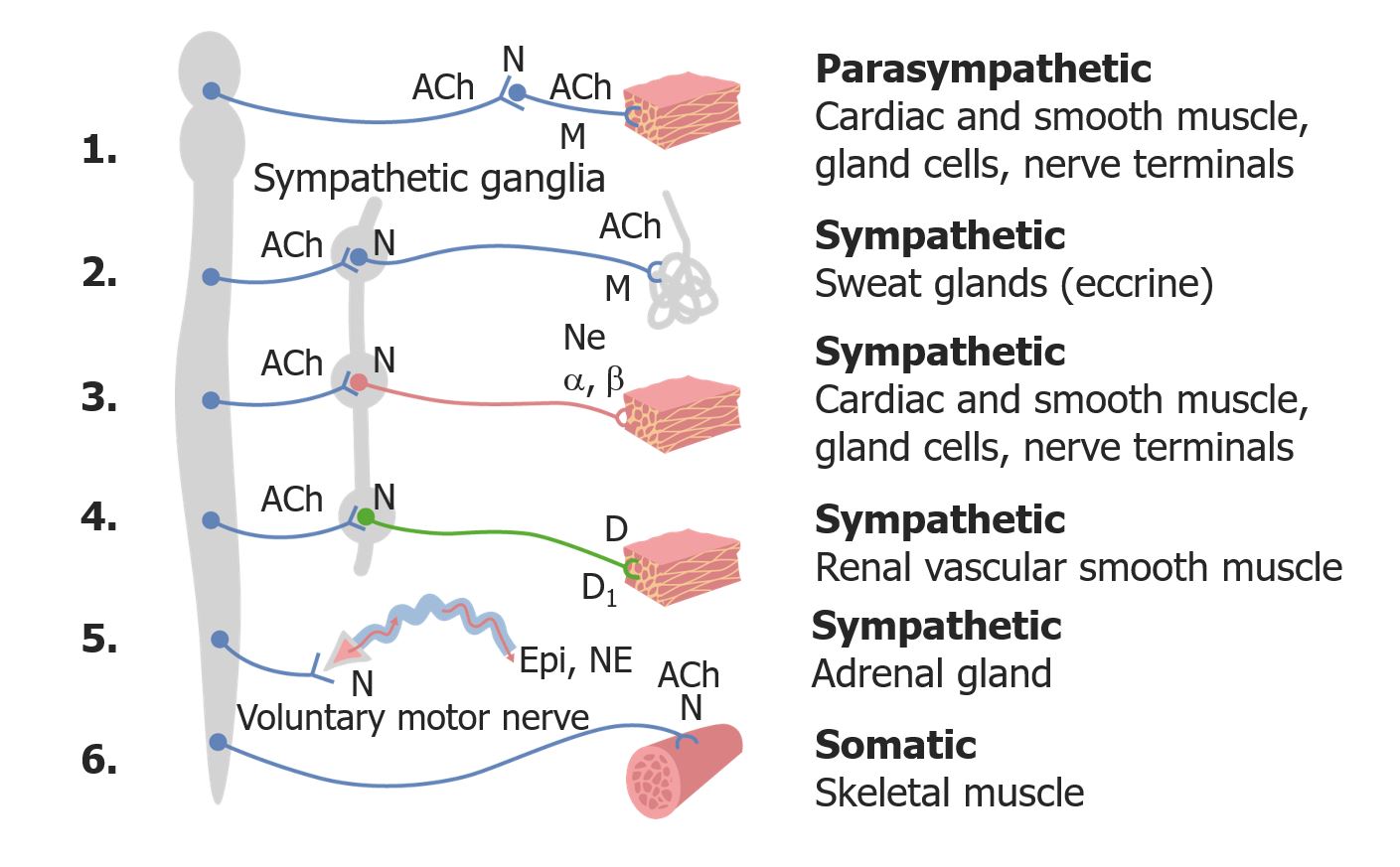
Visão geral do Sistema Nervoso Autónomo

O SNA é subdividido nas vias simpática e parassimpática. Ambas contêm 2 neurónios eferentes em série conhecidos como os neurónios pré e pós-ganglionares.

Neurónio pré-ganglionar:

  • 1º neurónio da via
  • O corpo celular localiza-se no SNC.
  • Liberta acetilcolina que se vai ligar aos recetores colinérgicos nicotínicos nos gânglios autonómicos
  • Na suprarrenal, os neurónios pré-ganglionares fazem sinapse diretamente com as células cromafins localizadas na medula desta glândula (em vez dos gânglios simpáticos).

Neurónio pós-ganglionar:

  • Segundo neurónio da via
  • O corpo celular localiza-se no gânglio.
  • Pode libertar:
    • Noradrenalina (NA) nos recetores alfa ou beta-adrenérgicos nos tecidos-alvo:
      • Músculo cardíaco e liso
      • Células glandulares
      • Terminais nervosos
    • Acetilcolina nos recetores muscarínicos nas glândulas sudoríparas
    • Dopamina nos recetores dopaminérgicos no músculo liso vascular renal
  • Na suprarrenal, as células cromafins atuam como neurónios pós-ganglionares modificados e libertam adrenalina (80%) e NA (20%) diretamente na corrente sanguínea.
Visão geral da ANS

Visão geral do SNA
ACh: acetilcolina
N: recetor nicotínico
M: recetor muscarínico
α e β: recetores α e β adrenérgicos
NE: norepinefrina (noradrenalina)
D: dopamina
D1 : recetor de dopamina
Epi: epinefrina (adrenalina)

Imagem de Lecturio.

Estrutura Química e Farmacodinâmica

Química

  • As catecolaminas derivam do aminoácido tirosina ( aa AA Amyloidosis. Tyr).
  • A maioria dos betabloqueadores são estruturalmente semelhantes às catecolaminas.

Mecanismos de ação

Os fármacos antiadrenérgicos atuam através da inibição dos recetores adrenérgicos pós-ganglionares, que estão acoplados à proteína G.

Recetores alfa:

  • Recetores alfa-1:
    • Estimulação alfa-1:
      • Ativa a enzima fosfolipase C →
      • Gera trifosfato de inositol ( IP3 IP3 Intracellular messenger formed by the action of phospholipase C on phosphatidylinositol 4, 5-bisphosphate, which is one of the phospholipids that make up the cell membrane. Inositol 1, 4, 5-trisphosphate is released into the cytoplasm where it releases calcium ions from internal stores within the cell’s endoplasmic reticulum. These calcium ions stimulate the activity of B kinase or calmodulin. Second Messengers) e diacilglicerol ( DAG DAG Second Messengers) como mensageiros secundários →
      • Causa um ↑ dos níveis de cálcio ( Ca CA Condylomata acuminata are a clinical manifestation of genital HPV infection. Condylomata acuminata are described as raised, pearly, flesh-colored, papular, cauliflower-like lesions seen in the anogenital region that may cause itching, pain, or bleeding. Condylomata Acuminata (Genital Warts)2+) intracelulares →
      • Contração do músculo liso
    • Antagonistas do recetor alfa-1: inibem a libertação de IP3 IP3 Intracellular messenger formed by the action of phospholipase C on phosphatidylinositol 4, 5-bisphosphate, which is one of the phospholipids that make up the cell membrane. Inositol 1, 4, 5-trisphosphate is released into the cytoplasm where it releases calcium ions from internal stores within the cell’s endoplasmic reticulum. These calcium ions stimulate the activity of B kinase or calmodulin. Second Messengers e DAG DAG Second Messengers → ↓ libertação de Ca CA Condylomata acuminata are a clinical manifestation of genital HPV infection. Condylomata acuminata are described as raised, pearly, flesh-colored, papular, cauliflower-like lesions seen in the anogenital region that may cause itching, pain, or bleeding. Condylomata Acuminata (Genital Warts) 2+ → relaxamento do músculo liso
  • Recetores alfa-2 (localizados principalmente nas terminações nervosas periféricas):
    • Estimulação do recetor alfa-2:
      • Inibe a enzima adenilil ciclase
      • ↓ Níveis do mensageiro secundário cAMP cAMP An adenine nucleotide containing one phosphate group which is esterified to both the 3′- and 5′-positions of the sugar moiety. It is a second messenger and a key intracellular regulator, functioning as a mediator of activity for a number of hormones, including epinephrine, glucagon, and acth. Phosphodiesterase Inhibitors
      • Resulta no bloqueio da libertação pré-sináptica de NA →
      • ↓ Estimulação adrenérgica
    • Antagonistas do recetor alfa-2: redução do bloqueio no AMPc → ↑ liberação de NE → ↑ estimulação adrenérgica
  • A ligação do inibidor do recetor alfa pode ser:
    • Seletiva ou não seletiva para os recetores alfa-1 vs. alfa-2
    • Reversível ou irreversível

Recetores beta: beta-1, beta-2 e beta-3

  • Estimulação do recetor beta: estimula a adenilil ciclase → ↑ AMPc → desencadeia efeitos nas células-alvo
  • Antagonistas do recetor beta:
    • Inibem competitivamente a ligação das catecolaminas aos recetores beta-adrenérgicos
    • ↓ Ativação da adenilil ciclase → inibem os efeitos nas células alvo
    • Têm um impacto mínimo nos doentes em repouso
  • Agonistas parciais do recetor beta:
    • Ativam parcialmente os recetores beta, não tão intensamente como as catecolaminas verdadeiras
    • Resulta na diminuição dos efeitos quando a NA está ↑ e no aumento dos efeitos quando a NA está ↓

Efeitos fisiológicos

Os recetores adrenérgicos estão localizados por todo o corpo e desencadeiam uma ampla variedade de efeitos. Os efeitos fisiológicos dos agentes antiadrenérgicos consistem no bloqueio de qualquer resposta típica desse recetor em particular.

  • Recetores alfa-1:
    • Encontrados no músculo liso em todo o corpo (por exemplo, paredes brônquicas, vasculares, intestinais e da bexiga)
    • Desempenham um papel importante na determinação do tónus vascular
    • Os antagonistas do recetor alfa-1 causam:
      • Vasodilatação
      • Relaxamento dos músculos da bexiga → micção melhorada
  • Recetores beta-1:
    • Localizados principalmente no coração
    • Desempenham um papel importante na determinação da frequência cardíaca ( FC Fc Crystallizable fragments composed of the carboxy-terminal halves of both immunoglobulin heavy chains linked to each other by disulfide bonds. Fc fragments contain the carboxy-terminal parts of the heavy chain constant regions that are responsible for the effector functions of an immunoglobulin (complement fixation, binding to the cell membrane via fc receptors, and placental transport). This fragment can be obtained by digestion of immunoglobulins with the proteolytic enzyme papain. Immunoglobulins: Types and Functions) e da sua contratilidade
    • Antagonistas beta-1:
      • FC Fc Crystallizable fragments composed of the carboxy-terminal halves of both immunoglobulin heavy chains linked to each other by disulfide bonds. Fc fragments contain the carboxy-terminal parts of the heavy chain constant regions that are responsible for the effector functions of an immunoglobulin (complement fixation, binding to the cell membrane via fc receptors, and placental transport). This fragment can be obtained by digestion of immunoglobulins with the proteolytic enzyme papain. Immunoglobulins: Types and Functions e a contratilidade
      • ↓ necessidades miocárdicas de O2
  • Recetores beta-2:
    • Localizados por todo o corpo, incluindo no coração, pulmões e músculo liso
    • Geralmente têm efeitos opostos aos dos recetores alfa-1
    • Antagonistas beta-2:
      • FC Fc Crystallizable fragments composed of the carboxy-terminal halves of both immunoglobulin heavy chains linked to each other by disulfide bonds. Fc fragments contain the carboxy-terminal parts of the heavy chain constant regions that are responsible for the effector functions of an immunoglobulin (complement fixation, binding to the cell membrane via fc receptors, and placental transport). This fragment can be obtained by digestion of immunoglobulins with the proteolytic enzyme papain. Immunoglobulins: Types and Functions, contratilidade e as necessidades miocárdicas de O2
      • Broncoconstrição (efeito adverso)
      • Vasoconstrição
      • ↓ Pressão intraocular (PIO)
      • Efeitos metabólicos
Tabela: Efeitos fisiológicos dos fármacos antiadrenérgicos
Sistema Órgão Recetores Efeitos fisiológicas da estimulação do recetor (agonismo) Efeitos fisiológicos do bloqueio do recetor (antagonismo)
Olho Músculo radial da íris α1 Contração → midríase Relaxamento → miose
Músculo ciliar β Relaxa → achata o cristalino → melhor para focar à distância ↓ Relaxamento → cristalino mais MAIS Androgen Insensitivity Syndrome redondo → foco a curto alcance
Epitélio ciliar β ↑ Produção de humor Humor Defense Mechanisms aquoso ↓ Secreção de humor Humor Defense Mechanisms aquoso → ↓ PIO
Sistema Cardiovascular SA β1, β2 Aceleração (↑ FC Fc Crystallizable fragments composed of the carboxy-terminal halves of both immunoglobulin heavy chains linked to each other by disulfide bonds. Fc fragments contain the carboxy-terminal parts of the heavy chain constant regions that are responsible for the effector functions of an immunoglobulin (complement fixation, binding to the cell membrane via fc receptors, and placental transport). This fragment can be obtained by digestion of immunoglobulins with the proteolytic enzyme papain. Immunoglobulins: Types and Functions) FC Fc Crystallizable fragments composed of the carboxy-terminal halves of both immunoglobulin heavy chains linked to each other by disulfide bonds. Fc fragments contain the carboxy-terminal parts of the heavy chain constant regions that are responsible for the effector functions of an immunoglobulin (complement fixation, binding to the cell membrane via fc receptors, and placental transport). This fragment can be obtained by digestion of immunoglobulins with the proteolytic enzyme papain. Immunoglobulins: Types and Functions
Pacemakers ectópicos β1, β2 Aceleração (↑ FC Fc Crystallizable fragments composed of the carboxy-terminal halves of both immunoglobulin heavy chains linked to each other by disulfide bonds. Fc fragments contain the carboxy-terminal parts of the heavy chain constant regions that are responsible for the effector functions of an immunoglobulin (complement fixation, binding to the cell membrane via fc receptors, and placental transport). This fragment can be obtained by digestion of immunoglobulins with the proteolytic enzyme papain. Immunoglobulins: Types and Functions) FC Fc Crystallizable fragments composed of the carboxy-terminal halves of both immunoglobulin heavy chains linked to each other by disulfide bonds. Fc fragments contain the carboxy-terminal parts of the heavy chain constant regions that are responsible for the effector functions of an immunoglobulin (complement fixation, binding to the cell membrane via fc receptors, and placental transport). This fragment can be obtained by digestion of immunoglobulins with the proteolytic enzyme papain. Immunoglobulins: Types and Functions
Contratilidade auricular e ventricular β1, β2 ↑ Contratilidade ↓ Contratilidade
Músculo liso da parede vascular α1 Vasoconstrição Vasodilatação → pode causar hipotensão ortostática e taquicardia reflexa
β2 Vasodilatação Vasoconstrição → ↑ resistência periférica
Músculo liso pulmonar Músculo liso bronquiolar β2 Broncodilatação Broncoconstrição (especialmente se asma ASMA Autoimmune Hepatitis)
Músculo liso do trato GI Parede intestinal α2, β2 Relaxamento (↓ motilidade) ↑ Motilidade → pode causar diarreia
Músculos do esfíncter α1 Contração (impede a passagem do quimo) Relaxamento esfincteriano → ↑ risco de azia
Músculo liso genitourinário Parede vesical β2, β3 Relaxa ↓ Resistência ao fluxo urinário
Esfíncteres uretrais α1 Contração ↓ Resistência ao fluxo urinário → ↑ risco de incontinência
Útero gravídico α Contração uterina Relaxamento uterino
β2 Relaxamento uterino Contrações uterinas → trabalho de parto/parto pré-termo
Pénis e vesículas seminais α Ejaculação Dificuldade na ejaculação
Funções metabólicas Fígado α, β2 Gluconeogénese, glicogenólise ↓ Glicogenólise → pode prejudicar a recuperação de uma hipoglicemia
Tecido adiposo β3 Lipólise Inibição da lipólise
Rim β1 Libertação de renina Supressão da libertação de renina
PIO: pressão intraocular
SA: nó sinoauricular
FC: frequência cardíaca

Classificação

Alfa-bloqueadores

  • Bloqueadores seletivosalfa-1:
    • Prazosina
    • Doxazosina
    • Terazosina
    • Tansulosina
  • Bloqueador seletivo alfa-2: ioimbina (atualmente não aprovada pela FDA ou pelo INFARMED)
  • Bloqueadores alfa-1 e alfa-2 não seletivos:
    • Fenoxibenzamina
    • Fentolamina

Betabloqueadores

  • Bloqueadores seletivos beta-1:
    • Atenolol Atenolol A cardioselective beta-1 adrenergic blocker possessing properties and potency similar to propranolol, but without a negative inotropic effect. Class 2 Antiarrhythmic Drugs (Beta Blockers)
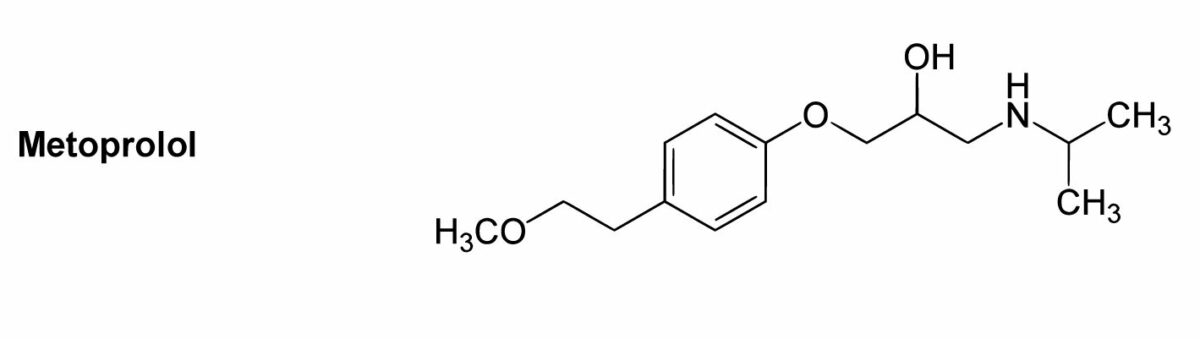
    • Metoprolol Metoprolol A selective adrenergic beta-1 blocking agent that is commonly used to treat angina pectoris; hypertension; and cardiac arrhythmias. Antiadrenergic Drugs
    • Esmolol Esmolol Antiadrenergic Drugs
    • Nebivolol Nebivolol A cardioselective adrenergic beta-1 receptor antagonist (beta-blocker) that functions as a vasodilator through the endothelial l-arginine/ nitric oxide system. It is used to manage hypertension and chronic heart failure in elderly patients. Antiadrenergic Drugs
  • Bloqueador seletivo beta-2: butaxamina (usado apenas experimentalmente)
  • Betabloqueadores não seletivos:
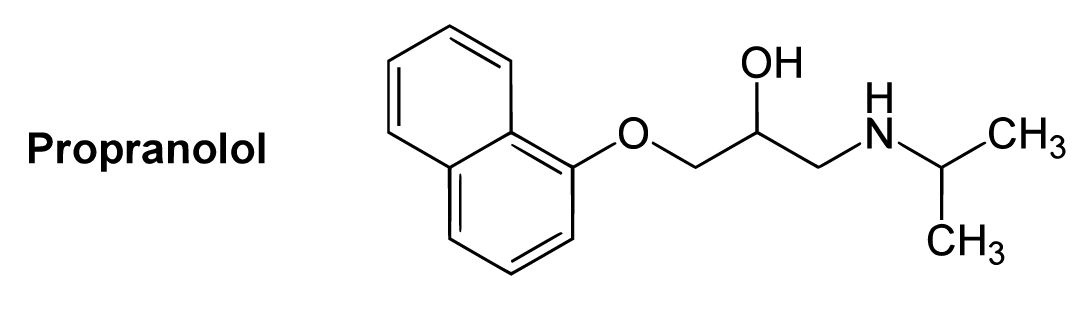
    • Propranolol Propranolol A widely used non-cardioselective beta-adrenergic antagonist. Propranolol has been used for myocardial infarction; arrhythmia; angina pectoris; hypertension; hyperthyroidism; migraine; pheochromocytoma; and anxiety but adverse effects instigate replacement by newer drugs. Antiadrenergic Drugs
    • Nadolol Nadolol A non-selective beta-adrenergic antagonist with a long half-life, used in cardiovascular disease to treat arrhythmias, angina pectoris, and hypertension. Nadolol is also used for migraine disorders and for tremor. Class 2 Antiarrhythmic Drugs (Beta Blockers)
    • Timolol Timolol A beta-adrenergic antagonist that is similar in action to propranolol; the levo-isomer is more active. Timolol has been proposed as an anti-hypertensive, anti-arrhythmic, anti-angina, and anti-glaucoma agent. It is also used in the treatment of migraine disorders and tremor. Class 2 Antiarrhythmic Drugs (Beta Blockers)
  • Betabloqueadores com atividade agonista parcial:
    • Pindolol Pindolol A moderately lipophilic beta blocker (adrenergic beta-antagonists). It is non-cardioselective and has intrinsic sympathomimetic actions, but little membrane-stabilizing activity. Antiadrenergic Drugs
    • Acebutolol Acebutolol A cardioselective beta-1 adrenergic antagonist with little effect on the bronchial receptors. The drug has stabilizing and quinidine-like effects on cardiac rhythm, as well as weak inherent sympathomimetic action. Class 2 Antiarrhythmic Drugs (Beta Blockers)

Bloqueadores mistos alfa e beta

Estes fármacos têm efeitos inibitórios nos recetores beta e alfa-1

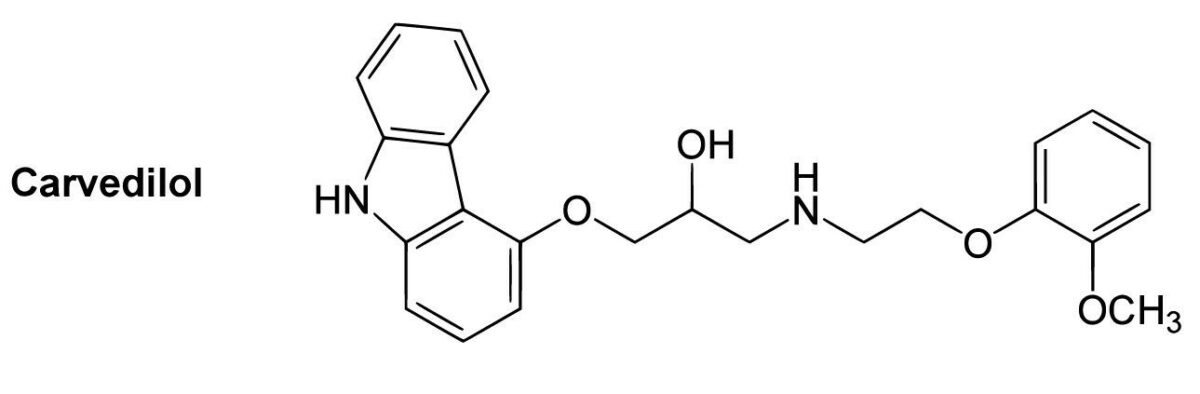
  • Carvedilol Carvedilol A carbazole and propanol derivative that acts as a non-cardioselective beta blocker and vasodilator. It has blocking activity for alpha 1 adrenergic receptors and, at higher doses, may function as a blocker of calcium channels; it also has antioxidant properties. Carvedilol is used in the treatment of hypertension; angina pectoris; and heart failure. It can also reduce the risk of death following myocardial infarction. Class 2 Antiarrhythmic Drugs (Beta Blockers)
  • Labetalol Labetalol A salicylamide derivative that is a non-cardioselective blocker of beta-adrenergic receptors and alpha-1 adrenergic receptors. Subarachnoid Hemorrhage

Farmacocinética

As diferenças na farmacocinética podem ajudar a determinar qual o fármaco ideal dentro de uma classe para um determinado cenário clínico.

Tabela: Farmacocinética dos fármacos antiadrenérgicos
Fármaco Absorção Distribuição Metabolismo Excreção
Prazosina (bloqueador α1 seletivo) Início: 2‒4 horas
  • VD: 0,5 L/kg
  • Ligação a proteínas: 97%
Hepático extenso via desmetilação e conjugação
  • Fecal
  • Semivida: 2‒3 horas
Fentolamina (α-bloqueador não seletivo
  • Má absorção oral
  • Início:
    • IM: 15‒20 min
    • IV: 1‒2 min
Amplamente distribuído Hepático
  • Urina
  • Semivida: aproximadamente 20 minutos
Propranolol Propranolol A widely used non-cardioselective beta-adrenergic antagonist. Propranolol has been used for myocardial infarction; arrhythmia; angina pectoris; hypertension; hyperthyroidism; migraine; pheochromocytoma; and anxiety but adverse effects instigate replacement by newer drugs. Antiadrenergic Drugs (β-bloqueador não seletivo)
  • Absorção oral completa rápida
  • Início:
    • Via oral: 1‒2 horas
    • IV: <5 min
  • VD 4 L/kg
  • Atravessa a BHE
  • Ligação a proteínas: aproximadamente 90%
Extenso metabolismo hepático de 1ª passagem
  • Urina (como metabolitos)
  • Semivida: 3‒6 horas
Atenolol Atenolol A cardioselective beta-1 adrenergic blocker possessing properties and potency similar to propranolol, but without a negative inotropic effect. Class 2 Antiarrhythmic Drugs (Beta Blockers) (betabloqueador seletivo β1)
  • Absorção oral incompleta rápida (aproximadamente 50%)
  • Início (via oral): <1h
  • VD: aproximadamente 75L
  • Não atravessa a BHE
  • Ligação a proteínas: aproximadamente 10%
Metabolismo hepático mínimo
  • Fezes: 50%
  • Urina: 40%
  • Semivida: 6‒7 horas (até 35 horas se DRC terminal)
Metoprolol Metoprolol A selective adrenergic beta-1 blocking agent that is commonly used to treat angina pectoris; hypertension; and cardiac arrhythmias. Antiadrenergic Drugs (betabloqueador seletivo β1)
  • Absorção oral completa rápida
  • Início:
    • Via oral: 1‒2 horas
    • IV: 20 minutos
  • VD: aproximadamente 4L/kg
  • Atravessa a BHE
  • Ligação a proteínas: aproximadamente 10%
Extenso metabolismo hepático de 1ª passagem
  • Urina
  • Semivida: 3‒4 horas (↑ se insuficiência hepática)
Carvedilol Carvedilol A carbazole and propanol derivative that acts as a non-cardioselective beta blocker and vasodilator. It has blocking activity for alpha 1 adrenergic receptors and, at higher doses, may function as a blocker of calcium channels; it also has antioxidant properties. Carvedilol is used in the treatment of hypertension; angina pectoris; and heart failure. It can also reduce the risk of death following myocardial infarction. Class 2 Antiarrhythmic Drugs (Beta Blockers) (bloqueio misto α e β)
  • Absorção oral completa rápida
  • Início (via oral):
    • bloqueio α: 30 min
    • bloqueio β: 1 hora
  • VD: 115 L (distribui no espaço extravascular)
  • Ligação a proteínas: 98%
Extenso metabolismo hepático de 1ª passagem
  • Fezes
  • Semivida: 7‒10 horas
IM: intramuscular
IV: intravenoso
BHE: barreira hematoencefálica
DRC: doença renal crónica
VD: volume de distribuição

Interações medicamentosas

As interações medicamentosas também são importantes em vários fármacos desta classe.

  • Bloqueadores alfa + Fármacos para a disfunção erétil (por exemplo, sildenafil Sildenafil A phosphodiesterase type-5 inhibitor; vasodilator agent and urological agent that is used in the treatment of erectile dysfunction and primary pulmonary hypertension. Phosphodiesterase Inhibitors) → podem causar hipotensão significativa
  • Betabloqueadores + diuréticos de ansa → podem resultar em hipotensão
  • Os AINEs podem ↓ a eficácia dos betabloqueadores.

Indicações

Antagonistas alfa

Ao contrário dos antagonistas alfa-2, que têm poucas indicações clínicas, os antagonistas alfa-1 e alfa não seletivos são mais MAIS Androgen Insensitivity Syndrome utilizados devido à sua capacidade de causar vasodilatação e relaxamento do músculo liso. São frequentemente utilizados no tratamento de:

  • Prazosina:
    • Hipertensão arterial
    • Hiperplasia benigna da próstata (HBP, aumento da próstata que resulta em retenção urinária)
    • Utilização off-label: pesadelos na PTSD PTSD Posttraumatic stress disorder is a psychiatric illness characterized by overwhelming stress and anxiety experienced after exposure to a life-threatening event. Symptoms last more than 1 month and involve re-experiencing the event as flashbacks or nightmares, avoiding reminders of the event, irritability, hyperarousal, and poor memory and concentration. Posttraumatic Stress Disorder (PTSD) (perturbação de stress pós-traumático, pela sigla em inglês)
  • Fenoxibenzamina: feocromocitoma (tumores secretores de catecolaminas da medula da suprarrenal)
  • Fentolamina:
    • Disfunção erétil (DE)
    • Prevenção ou tratamento do extravasamento de NA IV
    • Reversão da anestesia dos tecidos moles Moles Primary Skin Lesions com anestésicos locais que contêm um vasoconstritor

Antagonistas beta

Os betabloqueadores têm uma variedade de indicações. São frequentemente utilizados devido aos seus efeitos cardíacos inotrópicos e cronotrópicos negativos.

  • Indicações cardiovasculares:
  • Outras indicações do propranolol Propranolol A widely used non-cardioselective beta-adrenergic antagonist. Propranolol has been used for myocardial infarction; arrhythmia; angina pectoris; hypertension; hyperthyroidism; migraine; pheochromocytoma; and anxiety but adverse effects instigate replacement by newer drugs. Antiadrenergic Drugs:
    • Neuropsiquiátricas:
      • Tremor Tremor Cyclical movement of a body part that can represent either a physiologic process or a manifestation of disease. Intention or action tremor, a common manifestation of cerebellar diseases, is aggravated by movement. In contrast, resting tremor is maximal when there is no attempt at voluntary movement, and occurs as a relatively frequent manifestation of parkinson disease. Myotonic Dystrophies essencial
      • Enxaqueca
      • Ansiedade (especialmente na ansiedade de desempenho)
    • GIs: hemorragia por varizes esofágicas (o bloqueio beta ↓ a pressão portal na cirrose)
    • Endócrinas: hipertiroidismo
  • Indicações específicas de outros betabloqueadores:
    • Labetalol Labetalol A salicylamide derivative that is a non-cardioselective blocker of beta-adrenergic receptors and alpha-1 adrenergic receptors. Subarachnoid Hemorrhage: hipertensão na gravidez
    • Timolol Timolol A beta-adrenergic antagonist that is similar in action to propranolol; the levo-isomer is more active. Timolol has been proposed as an anti-hypertensive, anti-arrhythmic, anti-angina, and anti-glaucoma agent. It is also used in the treatment of migraine disorders and tremor. Class 2 Antiarrhythmic Drugs (Beta Blockers) (boa penetração ocular): glaucoma Glaucoma Glaucoma is an optic neuropathy characterized by typical visual field defects and optic nerve atrophy seen as optic disc cupping on examination. The acute form of glaucoma is a medical emergency. Glaucoma is often, but not always, caused by increased intraocular pressure (IOP). Glaucoma
    • Esmolol Esmolol Antiadrenergic Drugs (semivida muito curta): quando são necessárias perfusões estáveis
    • Butoxamina (antagonista seletivo beta-2): usado para investigação

Efeitos Adversos e Contraindicações

Os fármacos antiadrenérgicos devem ser usados com cautela e titulados lentamente para evitar os efeitos colaterais.

Tabela: Efeitos adversos e contraindicações dos fármacos antiadrenérgicos
Fármaco Efeitos adversos Contraindicações
Betabloqueadores
  • Bradicardia
  • Broncoespasmo (pelo bloqueio beta-2 dos betabloqueadores não seletivos)
  • IC IC Inhaled Anesthetics
  • Hipotensão
  • Síncope e/ou tonturas
  • Impotência/disfunção ejaculatória
  • Diarreia
  • Pirose
  • Fadiga
  • Hiperglicemia
  • Mascarar sinais de hipoglicemia nos diabéticos
  • Visão turva
  • Contraindicações absolutas:
  • Contraindicações relativas:
    • Indivíduos propensos a hipoglicemias
    • Diabetes Diabetes Diabetes mellitus (DM) is a metabolic disease characterized by hyperglycemia and dysfunction of the regulation of glucose metabolism by insulin. Type 1 DM is diagnosed mostly in children and young adults as the result of autoimmune destruction of β cells in the pancreas and the resulting lack of insulin. Type 2 DM has a significant association with obesity and is characterized by insulin resistance. Diabetes Mellitus
    • Hipotensão
    • DAP
    • Doença hepática ou renal
    • Feocromocitoma (não tratado com o bloqueio alfa)
    • MG
    • Hipertiroidismo
Bloqueadores alfa-1 (prazosina)
  • Hipotensão ortostática
  • Síncope e/ou tonturas
  • Cefaleias
  • Fadiga
  • Congestão nasal
  • Desconforto GI
  • Edema Edema Edema is a condition in which excess serous fluid accumulates in the body cavity or interstitial space of connective tissues. Edema is a symptom observed in several medical conditions. It can be categorized into 2 types, namely, peripheral (in the extremities) and internal (in an organ or body cavity). Edema
  • Priapismo (ereção prolongada)
Hipersensibilidade conhecida ao fármaco
Antagonistas alfa não seletivos (fenoxibenzamina, fentolamina)
  • Iguais aos antagonistas alfa-1, especialmente hipotensão ortostática
  • Taquicardia reflexa (devido ao bloqueio alfa-2 adicional, que causa um ↑ da libertação de NA)
  • Amamentação
  • Doenças cardiovasculares que não toleram a hipotensão:
IC: Insuficiência cardíaca
DAP: Doença arterial periférica
MG: Miastenia gravis
DAC: Doença arterial coronária

Sobredosagem

Apresentação da intoxicação por betabloqueador

Embora os betabloqueadores sejam geralmente seguros, a sobredosagem pode causar sintomas de toxicidade, geralmente em 2 horas (quase sempre em 6). Os sintomas incluem:

  • Bradicardia
  • Hipotensão
  • Depressão miocárdica e choque cardiogénico
  • Arritmias ventriculares
  • Alteração do estado de consciência (por exemplo, delírio, coma Coma Coma is defined as a deep state of unarousable unresponsiveness, characterized by a score of 3 points on the GCS. A comatose state can be caused by a multitude of conditions, making the precise epidemiology and prognosis of coma difficult to determine. Coma, convulsões)
  • Broncoespasmo
  • Hipoglicemia

Tratamento

  • Estabilização aguda da via aérea, da respiração e da circulação (ABC):
    • Entubar se necessário.
    • Fluidoterapia isotónica para tratar a hipotensão
  • Reverter os efeitos cardiotóxicos:
    • Atropina para tratar a bradicardia sintomática
    • Glucagon Glucagon A 29-amino acid pancreatic peptide derived from proglucagon which is also the precursor of intestinal glucagon-like peptides. Glucagon is secreted by pancreatic alpha cells and plays an important role in regulation of blood glucose concentration, ketone metabolism, and several other biochemical and physiological processes. Gastrointestinal Secretions
    • Sais de cálcio
    • Vasopressores
  • Evitar a hipoglicemia: dextrose Dextrose Intravenous Fluids IV
  • Tratar as convulsões: benzodiazepinas

Comparação entre Fármacos

Tabela: Comparação entre fármacos
Fármaco Mecanismo Efeitos fisiológicos Indicação
Metoprolol Metoprolol A selective adrenergic beta-1 blocking agent that is commonly used to treat angina pectoris; hypertension; and cardiac arrhythmias. Antiadrenergic Drugs Bloqueador β1 seletivo
  • FC Fc Crystallizable fragments composed of the carboxy-terminal halves of both immunoglobulin heavy chains linked to each other by disulfide bonds. Fc fragments contain the carboxy-terminal parts of the heavy chain constant regions that are responsible for the effector functions of an immunoglobulin (complement fixation, binding to the cell membrane via fc receptors, and placental transport). This fragment can be obtained by digestion of immunoglobulins with the proteolytic enzyme papain. Immunoglobulins: Types and Functions
  • ↓ Contratilidade
  • Menor efeito no músculo liso brônquico
Propranolol Propranolol A widely used non-cardioselective beta-adrenergic antagonist. Propranolol has been used for myocardial infarction; arrhythmia; angina pectoris; hypertension; hyperthyroidism; migraine; pheochromocytoma; and anxiety but adverse effects instigate replacement by newer drugs. Antiadrenergic Drugs β-bloqueador não seletivo
  • FC Fc Crystallizable fragments composed of the carboxy-terminal halves of both immunoglobulin heavy chains linked to each other by disulfide bonds. Fc fragments contain the carboxy-terminal parts of the heavy chain constant regions that are responsible for the effector functions of an immunoglobulin (complement fixation, binding to the cell membrane via fc receptors, and placental transport). This fragment can be obtained by digestion of immunoglobulins with the proteolytic enzyme papain. Immunoglobulins: Types and Functions
  • ↓ Contratilidade
  • ↓ Pressão arterial
  • Maior risco de broncoespasmo
  • EAM
  • Angina
  • Hipertensão (não como 1ª linha)
  • Profilaxia da enxaqueca
  • Tremor Tremor Cyclical movement of a body part that can represent either a physiologic process or a manifestation of disease. Intention or action tremor, a common manifestation of cerebellar diseases, is aggravated by movement. In contrast, resting tremor is maximal when there is no attempt at voluntary movement, and occurs as a relatively frequent manifestation of parkinson disease. Myotonic Dystrophies essencial
  • Ansiedade de desempenho
  • PTSD PTSD Posttraumatic stress disorder is a psychiatric illness characterized by overwhelming stress and anxiety experienced after exposure to a life-threatening event. Symptoms last more than 1 month and involve re-experiencing the event as flashbacks or nightmares, avoiding reminders of the event, irritability, hyperarousal, and poor memory and concentration. Posttraumatic Stress Disorder (PTSD)
  • Tirotoxicose
Carvedilol Carvedilol A carbazole and propanol derivative that acts as a non-cardioselective beta blocker and vasodilator. It has blocking activity for alpha 1 adrenergic receptors and, at higher doses, may function as a blocker of calcium channels; it also has antioxidant properties. Carvedilol is used in the treatment of hypertension; angina pectoris; and heart failure. It can also reduce the risk of death following myocardial infarction. Class 2 Antiarrhythmic Drugs (Beta Blockers) Bloqueador α e β não seletivo
  • FC Fc Crystallizable fragments composed of the carboxy-terminal halves of both immunoglobulin heavy chains linked to each other by disulfide bonds. Fc fragments contain the carboxy-terminal parts of the heavy chain constant regions that are responsible for the effector functions of an immunoglobulin (complement fixation, binding to the cell membrane via fc receptors, and placental transport). This fragment can be obtained by digestion of immunoglobulins with the proteolytic enzyme papain. Immunoglobulins: Types and Functions
  • ↓ Contratilidade
  • Vasodilatação
  • ↓ libertação de renina
Prazosina Bloqueador α1 seletivo
  • Vasodilatação arterial e venosa
  • ↓ Pressão arterial
  • Relaxamento dos músculos da bexiga
  • Hipertensão (não como 1ª linha)
  • HBP
  • PTSD PTSD Posttraumatic stress disorder is a psychiatric illness characterized by overwhelming stress and anxiety experienced after exposure to a life-threatening event. Symptoms last more than 1 month and involve re-experiencing the event as flashbacks or nightmares, avoiding reminders of the event, irritability, hyperarousal, and poor memory and concentration. Posttraumatic Stress Disorder (PTSD) (uso off-label)
Fentolamina Antagonista α-adrenérgico não seletivo
  • Vasodilatação
  • ↓ Pressão arterial
  • FC Fc Crystallizable fragments composed of the carboxy-terminal halves of both immunoglobulin heavy chains linked to each other by disulfide bonds. Fc fragments contain the carboxy-terminal parts of the heavy chain constant regions that are responsible for the effector functions of an immunoglobulin (complement fixation, binding to the cell membrane via fc receptors, and placental transport). This fragment can be obtained by digestion of immunoglobulins with the proteolytic enzyme papain. Immunoglobulins: Types and Functions
  • Feocromocitoma
  • Prevenção ou tratamento do extravasamento de NA IV
  • Reversão da anestesia de tecidos moles Moles Primary Skin Lesions com anestésicos locais que contêm um vasoconstritor
IC: insuficiência cardíaca
FA: fibrilhação auricular
HBP: hiperplasia benigna da próstata
NA: noradrenalina

Referências

  1. Katzung, BG. (2012). Introduction to autonomic pharmacology. In Katzung, BG, Masters, SB, & Trevor, AJ. (Eds.), Basic and Clinical Pharmacology. 12th Ed. pp. 79–95. McGraw-Hill.
  2. Robertson, D, & Biaggioni, I. (2012). Adrenoceptor antagonist drugs. In Katzung, BG, Masters, SB, & Trevor, AJ. (Eds.), Basic and Clinical Pharmacology. 12th Ed. pp. 151–165. McGraw-Hill.
  3. Podrid, PJ. (2020). Major side effects of beta blockers. UpToDate. Retrieved September 1, 2021, from https://www.uptodate.com/contents/major-side-effects-of-beta-blockers
  4. Farzam, K, & Jan, A. (2021). Beta blockers. StatPearls. Retrieved August 31, 2021, from https://www.statpearls.com/articlelibrary/viewarticle/18241/ 
  5. Nachawati, D, & Patel, J. (2021). Alpha blockers. StatPearls. Retrieved August 31, 2021, from https://www.statpearls.com/articlelibrary/viewarticle/17401/ 
  6. Lexicomp Drug Information Sheets (2021). In UpToDate. Retrieved August 31, 2021:
  7. Wang, J, Gareri, C, & Rockman, HA. (2018). G-protein-coupled receptors in heart disease. Circ Res. 123(6), 716–735. https://doi.org/10.1161/CIRCRESAHA.118.311403 
  8. Westfall, TC, Macarthur, H, & Westfall, DP. (2018). Neurotransmission: The autonomic and somatic motor nervous systems. Adrenergic Agonists and Antagonists. In Brunton, LL, et al. (Eds.). Goodman & Gilman’s: The Pharmacological Basis of Therapeutics 13e. New York, NY: McGraw-Hill. 
  9. Gorodetzky, CW, et al. (2017). A phase III, randomized, multi-center, double-blind, placebo-controlled study of safety and efficacy of lofexidine for relief of symptoms in individuals undergoing inpatient opioid withdrawal. Drug Alcohol Depend. 176, 79–88. https://doi.org/10.1016/j.drugalcdep.2017.02.020 
  10. Sarma, AV, Wei, JT. (2012). Benign prostatic hyperplasia and lower urinary tract symptoms. N Engl J Med. 367(3), 248–57. https://doi.org/10.1056/NEJMcp1106637 
  11. Wolraich, ML, et al. (2019). Clinical practice guideline for the diagnosis, evaluation, and treatment of attention-deficit/hyperactivity disorder in children and adolescents. Pediatrics. 144(4), e20192528. https://doi.org/10.1542/peds.2019-2528 
  12. Campbell, RJ, et al. (2019). Evolution in the risk of cataract surgical complications among patients exposed to tamsulosin: A population-based study. Ophthalmology. 126(4), 490–496. https://doi.org/10.1016/j.ophtha.2018.11.028 
  13. The definition of orthostatic hypotension, pure autonomic failure, and multiple system atrophy. (1996). J Auton Nerv Syst. 58(1–2), 123–4. https://doi.org/10.1016/0165-1838(96)90001-6 
  14. Griebenow, R, et al. (1997). Low-dose reserpine/thiazide combination in first-line treatment of hypertension: efficacy and safety compared to an ACE inhibitor. Blood Press. 6(5), 299–306. https://pubmed.ncbi.nlm.nih.gov/9360001/
  15. Li, S, Liu, X, & Li, L. (2020). A Multicenter retrospective analysis on clinical effectiveness and economic assessment of compound reserpine and hydrochlorothiazide tablets (CRH) for hypertension. Clinicoecon Outcomes Res. 12, 107–114. https://www.ncbi.nlm.nih.gov/pubmed/32104022
  16. Shamon, SD, Perez, MI. (2016). Blood pressure–lowering efficacy of reserpine for primary hypertension. Cochrane Database Syst Rev. 12, CD007655. https://www.ncbi.nlm.nih.gov/pubmed/27997978
  17. Khakurel, S, Sapkota, S, & Karki, AJ. (2019). Analgesic effect of caudal bupivacaine with or without clonidine in pediatric patient. J Nepal Health Res Counc. 16(41), 428–433. https://www.ncbi.nlm.nih.gov/pubmed/30739935
  18. Bello, M, et al. (2019). Effect of opioid-free anesthesia on postoperative epidural ropivacaine requirement after thoracic surgery: A retrospective unmatched case-control study. Anaesth Crit Care Pain Med. 38(5), 499–505. https://pubmed.ncbi.nlm.nih.gov/30731138/
  19. Pelayo, R, & Yuen, K. (2012). Pediatric sleep pharmacology. Child Adolesc Psychiatr Clin N Am. 21(4), 861–83. https://pubmed.ncbi.nlm.nih.gov/23040905/
  20. Drugs for ADHD. (2020). Med Lett Drugs Ther. 62(1590), 9–15. https://pubmed.ncbi.nlm.nih.gov/31999670/

Crie sua conta gratuita ou faça login para continuar lendo!

Cadastre-se agora e tenha acesso grátis ao Lecturio, com páginas de conceitos, vídeos de medicina e questões para sua educação médica.

Aprende mais com a Lecturio:

Multiple devices displaying human anatomy and health education content.

Complementa o teu estudo da faculdade com o companheiro de estudo tudo-em-um da Lecturio, através de métodos de ensino baseados em evidência.

Estuda onde quiseres

Two iPhones display medical education apps, one showing anatomy, the other Bookmatcher.

A Lecturio Medical complementa o teu estudo através de métodos de ensino baseados em evidência, vídeos de palestras, perguntas e muito mais – tudo combinado num só lugar e fácil de usar.

User Reviews

Have a holly, jolly study session 🎁 Save 50% on all plans now >>

Que tengas una sesión de estudio alegre y navideña 🎁 Ahorra 50% en todos los planes >>

Details