


Meningite em Crianças

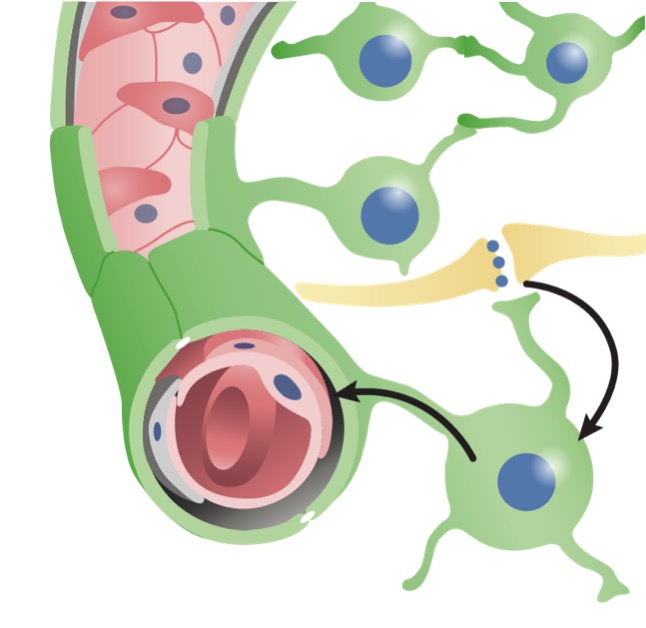
A meningite é a inflamação das membranas ( meninges Meninges The brain and the spinal cord are enveloped by 3 overlapping layers of connective tissue called the meninges. The layers are, from the most external layer to the most internal layer, the dura mater, arachnoid mater, and pia mater. Between these layers are 3 potential spaces called the epidural, subdural, and subarachnoid spaces. Meninges: Anatomy) em redor do cérebro e da medula espinhal. A maioria dos casos ocorre durante a infância e é de etiologia predominantemente viral ou bacteriana. A apresentação clínica é influenciada pela idade da criança e pelo agente patogénico causador, mas a meningite apresenta-se tipicamente com sinais de irritação meníngea, febre e letargia. O tratamento varia dependendo do agente patogénico que é isolado no LCR. O prognóstico depende do agente patogénico causador e da existência de uma intervenção atempada apropriada. A meningite bacteriana pode ser fatal e ter complicações graves que podem resultar em sequelas a longo prazo.

Last updated: Dec 15, 2025

Editorial responsibility: Stanley Oiseth, Lindsay Jones, Evelin Maza

Descrição Geral

Definição

A meningite é a inflamação das membranas, ou meninges Meninges The brain and the spinal cord are enveloped by 3 overlapping layers of connective tissue called the meninges. The layers are, from the most external layer to the most internal layer, the dura mater, arachnoid mater, and pia mater. Between these layers are 3 potential spaces called the epidural, subdural, and subarachnoid spaces. Meninges: Anatomy, que envolvem a medula espinhal e o cérebro.

Epidemiologia

  • 80% dos casos de meningite ocorrem na infância.
  • Principalmente em crianças < 10 anos
  • Meningite viral:
  • Meningite bacteriana:
    • Tipo mais MAIS Androgen Insensitivity Syndrome comum em recém-nascidos
    • Se não tratada, taxa de mortalidade de 100%
    • Recém-nascidos (< 28 dias de idade) têm risco ↑ devido à resposta imunológica ↓.
    • O Streptococcus Streptococcus Streptococcus is one of the two medically important genera of gram-positive cocci, the other being Staphylococcus. Streptococci are identified as different species on blood agar on the basis of their hemolytic pattern and sensitivity to optochin and bacitracin. There are many pathogenic species of streptococci, including S. pyogenes, S. agalactiae, S. pneumoniae, and the viridans streptococci. Streptococcus pneumoniae é a principal causa de meningite adquirida na comunidade em crianças (1,1 casos por 100.000 habitantes).
    • A vacinação contra os agentes causadores (por exemplo, Haemophilus influenzae Haemophilus Influenzae A species of Haemophilus found on the mucous membranes of humans and a variety of animals. The species is further divided into biotypes I through viii. Haemophilus tipo B (Hib), S. pneumoniae e Neisseria meningitidis Neisseria meningitidis A species of gram-negative, aerobic bacteria. It is a commensal and pathogen only of humans, and can be carried asymptomatically in the nasopharynx. When found in cerebrospinal fluid it is the causative agent of cerebrospinal meningitis. It is also found in venereal discharges and blood. There are at least 13 serogroups based on antigenic differences in the capsular polysaccharides; the ones causing most meningitis infections being a, b, c, y, and w-135. Each serogroup can be further classified by serotype, serosubtype, and immunotype. Neisseria) tem ↓ a incidência em todas as faixas etárias, exceto nos bebés não imunizados < 1 mês.

Fatores de risco

  • Recém-nascidos:
    • Prematuridade
    • ↓ Peso ao nascimento
    • Complicações no parto
    • Colonização materna por Streptococcus Streptococcus Streptococcus is one of the two medically important genera of gram-positive cocci, the other being Staphylococcus. Streptococci are identified as different species on blood agar on the basis of their hemolytic pattern and sensitivity to optochin and bacitracin. There are many pathogenic species of streptococci, including S. pyogenes, S. agalactiae, S. pneumoniae, and the viridans streptococci. Streptococcus do grupo B
    • Infeções maternas como o HSV HSV Herpes simplex virus (HSV) is a double-stranded DNA virus belonging to the family Herpesviridae. Herpes simplex virus commonly causes recurrent infections involving the skin and mucosal surfaces, including the mouth, lips, eyes, and genitals. Herpes Simplex Virus 1 and 2
  • Crianças mais MAIS Androgen Insensitivity Syndrome velhas:
    • ↓ Rendimento familiar
    • Creche
    • Traumatismo craniano
    • Esplenectomia
    • Doença crónica, por exemplo, VIH
    • Outras infeções

Etiologia

Tabela: Agentes causais comuns da meningite em crianças
Bactérias Vírus Fungos
Recém-nascidos:
  • Streptococcus Streptococcus Streptococcus is one of the two medically important genera of gram-positive cocci, the other being Staphylococcus. Streptococci are identified as different species on blood agar on the basis of their hemolytic pattern and sensitivity to optochin and bacitracin. There are many pathogenic species of streptococci, including S. pyogenes, S. agalactiae, S. pneumoniae, and the viridans streptococci. Streptococcus do Grupo B
  • Escherichia coli Escherichia coli The gram-negative bacterium Escherichia coli is a key component of the human gut microbiota. Most strains of E. coli are avirulent, but occasionally they escape the GI tract, infecting the urinary tract and other sites. Less common strains of E. coli are able to cause disease within the GI tract, most commonly presenting as abdominal pain and diarrhea. Escherichia coli
  • Listeria Listeria Listeria spp. are motile, flagellated, gram-positive, facultative intracellular bacilli. The major pathogenic species is Listeria monocytogenes. Listeria are part of the normal gastrointestinal flora of domestic mammals and poultry and are transmitted to humans through the ingestion of contaminated food, especially unpasteurized dairy products. Listeria Monocytogenes/Listeriosis monocytogenes
Lactentes > 1 mês e crianças:
  • S. pneumoniae
  • Neisseria meningitidis Neisseria meningitidis A species of gram-negative, aerobic bacteria. It is a commensal and pathogen only of humans, and can be carried asymptomatically in the nasopharynx. When found in cerebrospinal fluid it is the causative agent of cerebrospinal meningitis. It is also found in venereal discharges and blood. There are at least 13 serogroups based on antigenic differences in the capsular polysaccharides; the ones causing most meningitis infections being a, b, c, y, and w-135. Each serogroup can be further classified by serotype, serosubtype, and immunotype. Neisseria
  • H. influenzae H. influenzae A species of Haemophilus found on the mucous membranes of humans and a variety of animals. The species is further divided into biotypes I through VIII. Haemophilus tipo b
  • Mycobacterium tuberculosis Mycobacterium tuberculosis Tuberculosis (TB) is an infectious disease caused by Mycobacterium tuberculosis complex bacteria. The bacteria usually attack the lungs but can also damage other parts of the body. Approximately 30% of people around the world are infected with this pathogen, with the majority harboring a latent infection. Tuberculosis spreads through the air when a person with active pulmonary infection coughs or sneezes. Tuberculosis
  • Borrelia burgdorferi Borrelia burgdorferi A specific species of bacteria, part of the borrelia burgdorferi group, whose common name is lyme disease spirochete. Borrelia
  • Enterovirus Enterovirus A genus of the family picornaviridae whose members preferentially inhabit the intestinal tract of a variety of hosts. The genus contains many species. Newly described members of human enteroviruses are assigned continuous numbers with the species designated ‘human enterovirus’. Coxsackievirus
  • Arbovirus
  • Herpesvirus
  • Vírus da papeira
  • Adenovírus
  • Influenzavírus
  • Vírus da raiva
  • Vírus da coriomeningite linfocítica (VCML)
  • Cryptococcus Cryptococcus Cryptococcosis is an opportunistic, fungal infection caused by the Cryptococcus species. The principal pathogens in humans are C. neoformans (primary) and C. gattii. Cryptococcus neoformans is typically found in pigeon droppings and acquired by inhaling dust from contaminated soil. The majority of affected patients are immunocompromised. Cryptococcus/Cryptococcosis neoformans
  • Coccidioides immitis Coccidioides immitis Coccidioides/Coccidioidomycosis
  • Candida albicans Candida albicans A unicellular budding fungus which is the principal pathogenic species causing candidiasis (moniliasis). Candida/Candidiasis

Fisiopatologia

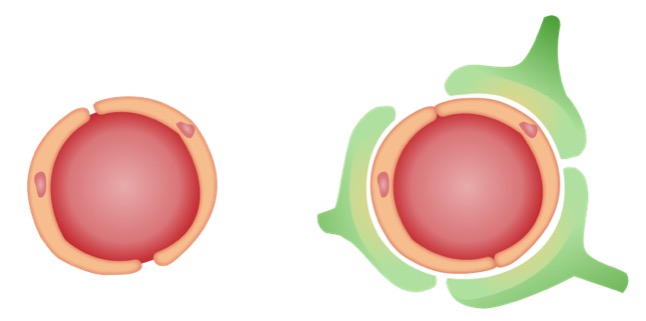
  • Os agentes patogénicos penetram na barreira hematoencefálica (BHE):
    • Os microorganismos replicam-se em níveis que não são contidos pela resposta imunológica típica
    • A integridade (BHE) é comprometida diretamente (trauma) ou indiretamente (aumento da permeabilidade em resposta à inflamação/infeção).
  • Os agentes patogénicos sofrem um período de incubação antes do início dos sintomas:
    • 3-7 dias em infeções bacterianas
    • 2-14 dias em infeções virais
  • Os microorganismos atravessam a BHE através de 1 de vários mecanismos:
    • Disseminação hematogénica ( mais MAIS Androgen Insensitivity Syndrome comum)
    • Disseminação direta a partir de um local de infeção contíguo
      • Otite média
      • Sinusite
      • Celulite orbital
    • Disseminação transplacentária de bactérias (em recém-nascidos)
    • Traumatismo craniano ou cirurgia craniana
    • Defeitos abertos do tubo neural
  • Inflamação e irritação meníngea → IL-1 e fator de necrose tumoral α (TNF-α) → fator ativador de plaquetas → fosfolipase A₂ → prostaglandinas + tromboxanos + leucotrienos
  • Adesão leucocitária → libertação de enzimas proteolíticas → aumento da permeabilidade da BHE
  • Edema Edema Edema is a condition in which excess serous fluid accumulates in the body cavity or interstitial space of connective tissues. Edema is a symptom observed in several medical conditions. It can be categorized into 2 types, namely, peripheral (in the extremities) and internal (in an organ or body cavity). Edema e proliferação de células endoteliais → aumento do sódio e da água intracelular → edema Edema Edema is a condition in which excess serous fluid accumulates in the body cavity or interstitial space of connective tissues. Edema is a symptom observed in several medical conditions. It can be categorized into 2 types, namely, peripheral (in the extremities) and internal (in an organ or body cavity). Edema cerebral e ↓ circulação cerebral

Apresentação Clínica

A apresentação clínica em lactentes e recém-nascidos tende a ser muito inespecífica; assim, deve haver um alto índice de suspeita de meningite em todos os lactentes e recém-nascidos que aparentem estar doentes.
Sintomas clássicos

  • Febre
  • Cefaleias
  • Sinais meníngeos (alteração do estado mental, irritabilidade ou confusão)
  • Rigidez do pescoço (rigidez nucal)

Lactentes

  • Febre (levanta sempre suspeita de meningite)
  • Temperatura baixa (particularmente em recém-nascidos e bebés permaturos)
  • Fontanela abaulada (20% dos pacientes)
  • Irritabilidade/letargia (pode apresentar-se como recusa alimentar)
  • Choro excessivo
  • Grunhido
  • Tónus ↑ ou ↓
  • Aspeto tóxico

Crianças mais MAIS Androgen Insensitivity Syndrome velhas

  • Febre
  • Vómitos
  • Cefaleias
  • Fotofobia
  • Confusão
  • Rigidez nucal
  • Opistótono
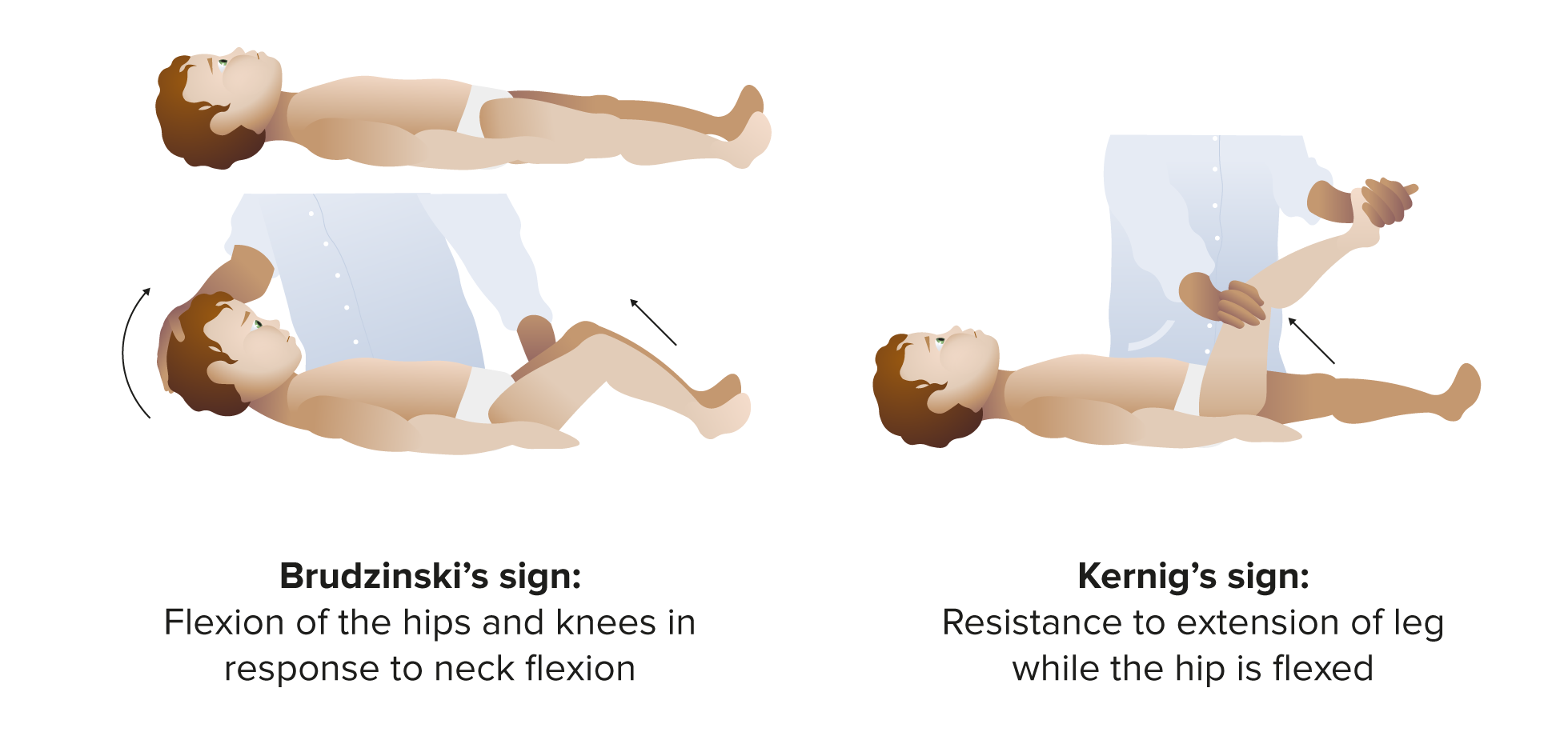
  • Sinais de Kernig e Brudzinksi
  • Petéquias e púrpura ( N. meningitidis N. meningitidis A species of gram-negative, aerobic bacteria. It is a commensal and pathogen only of humans, and can be carried asymptomatically in the nasopharynx. When found in cerebrospinal fluid it is the causative agent of cerebrospinal meningitis. It is also found in venereal discharges and blood. There are at least 13 serogroups based on antigenic differences in the capsular polysaccharides; the ones causing most meningitis infections being a, b, c, y, and w-135. Each serogroup can be further classified by serotype, serosubtype, and immunotype. Neisseria)
Sinais positivos para meningite

Achados positivos do exame físico na meningite

Imagem por Lecturio.

Diagnóstico

O diagnóstico de meningite é baseado em achados clínicos e confirmado com achados positivos no LCR.

Análise do LCR

  • A probabilidade de resultados positivos no LCR é de 80%–90% se a amostra for colhida antes do início da antibioterapia.
  • O LCR é obtido por punção lombar (PL):
    • As contra-indicações à PL incluem:
      • ↑ Pressão intracraniana causada por tumores ou por uma massa intracraniana
      • Convulsões ativas
      • Papiledema ( edema Edema Edema is a condition in which excess serous fluid accumulates in the body cavity or interstitial space of connective tissues. Edema is a symptom observed in several medical conditions. It can be categorized into 2 types, namely, peripheral (in the extremities) and internal (in an organ or body cavity). Edema do disco óptico)
    • A tomografia computorizada só está indicada antes da PL se houver suspeita ou história de:
      • ↑ Pressão intracraniana
      • Cirurgia recente do SNC
      • Presença de uma derivação ventriculoperitoneal (VP)
  • Achados:
    • ↑ leucócitos
    • ↑ eritrócitos
    • ↑ ou ↓ glicose e proteínas, dependendo da etiologia
    • O lactato do LCR tem um alto valor diagnóstico para meningite bacteriana.
    • A coloração e cultura de Gram é usada para identificar o organismo.
  • Regras de Nigrovic: uma escala de meningite usada para avaliar a probabilidade de meningite bacteriana
    • História de convulsões antes ou no momento da apresentação
    • Proteínas do LCR > 80 mg/dL
    • Neutrófilos do LCR > 1000/µL
    • Total de neutrófilos sanguíneos ou contagem absoluta de neutrófilos (CAN) > 10.000/µL
    • Coloração de Gram do LCR +
Tabela: Estudo do LCR na meningite
Coloração de Gram do LCR Muitos falsos-negativos, poucos falsos-positivos
Proteínas no LCR Na infeção bacteriana, geralmente > 80
Glicose no LCR Na infeção bacteriana, geralmente < ⅔ glicose sérica
Contagem celular do LCR
  • > 21: < 4 semanas
  • > 11: 4–8 semanas
  • > 8: > 8 semanas

Exames laboratoriais de suporte

  • Hemograma: leucócitos > 10.000/µL
  • Painel metabólico: hiponatremia
  • ↑ nitrogénio ureico e creatinina
  • Nível de glicose no soro
  • Proteína C reativa: um marcador inflamatório
  • Hemoculturas antes de iniciar a antibioterapia
  • Análise de urina e urocultura

Exames especiais

  • Pode obter-se títulos séricos de Lyme em áreas onde a doença de Lyme é endémica.
  • PCR PCR Polymerase chain reaction (PCR) is a technique that amplifies DNA fragments exponentially for analysis. The process is highly specific, allowing for the targeting of specific genomic sequences, even with minuscule sample amounts. The PCR cycles multiple times through 3 phases: denaturation of the template DNA, annealing of a specific primer to the individual DNA strands, and synthesis/elongation of new DNA molecules. Polymerase Chain Reaction (PCR) para enterovírus
  • Coloração ácido-rápida e ensaio de libertação de interferão-gamma em casos de suspeita de meningite tuberculosa
  • PCR PCR Polymerase chain reaction (PCR) is a technique that amplifies DNA fragments exponentially for analysis. The process is highly specific, allowing for the targeting of specific genomic sequences, even with minuscule sample amounts. The PCR cycles multiple times through 3 phases: denaturation of the template DNA, annealing of a specific primer to the individual DNA strands, and synthesis/elongation of new DNA molecules. Polymerase Chain Reaction (PCR) do LCR para HSV HSV Herpes simplex virus (HSV) is a double-stranded DNA virus belonging to the family Herpesviridae. Herpes simplex virus commonly causes recurrent infections involving the skin and mucosal surfaces, including the mouth, lips, eyes, and genitals. Herpes Simplex Virus 1 and 2
Tabela: Diagnóstico diferencial da meningite de acordo com as características do LCR
Células/ mm MM Multiple myeloma (MM) is a malignant condition of plasma cells (activated B lymphocytes) primarily seen in the elderly. Monoclonal proliferation of plasma cells results in cytokine-driven osteoclastic activity and excessive secretion of IgG antibodies. Multiple Myeloma3 Tipo de célula Proteínas (mg/dL) Glicose (mg/dL)
LCR normal < 10 Mononuclear (MN) < 45 35–100
Meningite bacteriana > 1000 Polimorfonuclareares (PMN) > 80 ↓ ou < ⅔ da glicose sérica
Meningite vírica < 300 Inicialmente PMN, posteriormente MN Normal ou ↑ Normal
MN: mononucleares
PMN: polimorfonucleares
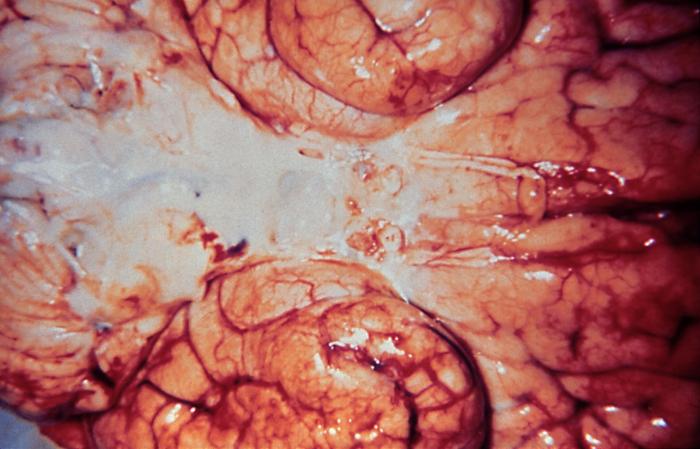
Meningite por Haemophilus influenzae

Vista inferior de um cérebro infetado por bactérias Haemophilus influenzae gram-negativas

Imagem: “Haemophilus influenzae meningitis” por CDC. Licença: Public Domain
Tratamento

Meningite viral

  • Autolimitada
  • Tratamento de suporte
  • A farmacoterapia não é o padrão de tratamento.
  • O aciclovir empírico está indicado em:
    • Casos documentados de VHS
    • Indivíduos imunocomprometidos
    • Indivíduos com sinais e sintomas de encefalite aguda

Meningite bacteriana

  • Monitorizar o estado de hidratação porque pode desenvolver-se síndrome de secreção inapropriada de hormona antidiurética ( SIADH SIADH Syndrome of inappropriate antidiuretic hormone secretion (SIADH) is a disorder of impaired water excretion due to the inability to suppress the secretion of antidiuretic hormone (ADH). SIADH is characterized by impaired water excretion leading to dilutional hyponatremia, which is mainly asymptomatic but may cause neurologic symptoms. S Syndrome of Inappropriate Antidiuretic Hormone Secretion (SIADH), pela sigla em inglês).
  • A antibioterapia empírica deve ser iniciada antes de se obter os resultados das culturas em casos suspeitos e interrompida se as culturas forem negativas.
  • Se positivas, fazer antibioterapia dirigida a agentes patogénicos específicos pelas guidelines de tratamento e descontinuar quando o LCR for estéril após a repetição da PL e for alcançada uma melhoria clínica.

Terapia empírica para bactérias suspeitas

  • S. pneumoniae:
    • Cefotaxime Cefotaxime Semisynthetic broad-spectrum cephalosporin. Cephalosporins ou ceftriaxone Ceftriaxone A broad-spectrum cephalosporin antibiotic and cefotaxime derivative with a very long half-life and high penetrability to meninges, eyes and inner ears. Cephalosporins
    • Vancomicina
    • Rifampicina
  • N. meningitidis N. meningitidis A species of gram-negative, aerobic bacteria. It is a commensal and pathogen only of humans, and can be carried asymptomatically in the nasopharynx. When found in cerebrospinal fluid it is the causative agent of cerebrospinal meningitis. It is also found in venereal discharges and blood. There are at least 13 serogroups based on antigenic differences in the capsular polysaccharides; the ones causing most meningitis infections being a, b, c, y, and w-135. Each serogroup can be further classified by serotype, serosubtype, and immunotype. Neisseria:
    • Ampicilina/penicilina G
    • Cefotaxime Cefotaxime Semisynthetic broad-spectrum cephalosporin. Cephalosporins ou ceftriaxone Ceftriaxone A broad-spectrum cephalosporin antibiotic and cefotaxime derivative with a very long half-life and high penetrability to meninges, eyes and inner ears. Cephalosporins
  • Hib:
    • Ampicilina
    • Cefotaxime Cefotaxime Semisynthetic broad-spectrum cephalosporin. Cephalosporins ou ceftriaxone Ceftriaxone A broad-spectrum cephalosporin antibiotic and cefotaxime derivative with a very long half-life and high penetrability to meninges, eyes and inner ears. Cephalosporins para resistência às beta-lactamases
  • Staphylococcus aureus Staphylococcus aureus Potentially pathogenic bacteria found in nasal membranes, skin, hair follicles, and perineum of warm-blooded animals. They may cause a wide range of infections and intoxications. Brain Abscess:
    • Cloxacilina +/- rifampicina
    • Vancomicina + rifampicina ou linezolida para MRSA MRSA A strain of Staphylococcus aureus that is non-susceptible to the action of methicillin. The mechanism of resistance usually involves modification of normal or the presence of acquired penicillin binding proteins. Staphylococcus

Terapia empírica por idade

  • Bebés < 4 semanas:
    • Ampicilina: 300-400 mg/kg/dia dividido em 4-6 doses
    • Gentamicina: 7,5 mg/kg/dia dividido em 3 doses
    • +/- cefotaxime Cefotaxime Semisynthetic broad-spectrum cephalosporin. Cephalosporins: 225-300 mg/kg/dia dividido em 3-4 doses
  • Bebés 4-8 semanas:
    • Ampicilina: 300-400 mg/kg/dia dividido em 4-6 doses
    • Ceftriaxone Ceftriaxone A broad-spectrum cephalosporin antibiotic and cefotaxime derivative with a very long half-life and high penetrability to meninges, eyes and inner ears. Cephalosporins: 100 mg/kg/dia dividido em 2 doses
  • Crianças > 8 semanas:
    • Vancomicina: 15 mg/kg/dose a cada 6 horas
    • Ceftriaxone Ceftriaxone A broad-spectrum cephalosporin antibiotic and cefotaxime derivative with a very long half-life and high penetrability to meninges, eyes and inner ears. Cephalosporins: 100 mg/kg/dia dividido em 2 doses
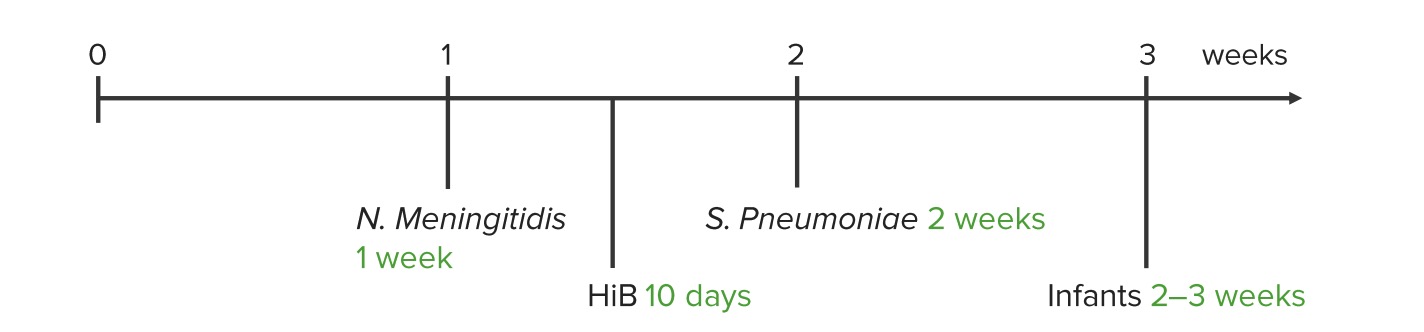
Meningite - Duração normal da antibioterapia necessária para diferentes agentes patogénicos

Duração habitual da antibioterapia necessária para diferentes agentes patogénicos

Imagem por Lecturio.
Complicações

  • Edema Edema Edema is a condition in which excess serous fluid accumulates in the body cavity or interstitial space of connective tissues. Edema is a symptom observed in several medical conditions. It can be categorized into 2 types, namely, peripheral (in the extremities) and internal (in an organ or body cavity). Edema cerebral
  • SIADH SIADH Syndrome of inappropriate antidiuretic hormone secretion (SIADH) is a disorder of impaired water excretion due to the inability to suppress the secretion of antidiuretic hormone (ADH). SIADH is characterized by impaired water excretion leading to dilutional hyponatremia, which is mainly asymptomatic but may cause neurologic symptoms. S Syndrome of Inappropriate Antidiuretic Hormone Secretion (SIADH)
  • Convulsões
  • Hidrocefalia
  • Perda de audição
  • Défices neurológicos
  • Enfartes vasculares

Prevenção

  • Recomenda-se a vacinação infantil de rotina contra:
    • Hib
    • S. pneumoniae
    • N. meningitidis N. meningitidis A species of gram-negative, aerobic bacteria. It is a commensal and pathogen only of humans, and can be carried asymptomatically in the nasopharynx. When found in cerebrospinal fluid it is the causative agent of cerebrospinal meningitis. It is also found in venereal discharges and blood. There are at least 13 serogroups based on antigenic differences in the capsular polysaccharides; the ones causing most meningitis infections being a, b, c, y, and w-135. Each serogroup can be further classified by serotype, serosubtype, and immunotype. Neisseria
    • Varicela
    • Influenzavírus
  • Quimioprofilaxia: a terapia preventiva pode ↓ morbilidade e mortalidade nos contactos de casos identificados.
    • N. meningitidis N. meningitidis A species of gram-negative, aerobic bacteria. It is a commensal and pathogen only of humans, and can be carried asymptomatically in the nasopharynx. When found in cerebrospinal fluid it is the causative agent of cerebrospinal meningitis. It is also found in venereal discharges and blood. There are at least 13 serogroups based on antigenic differences in the capsular polysaccharides; the ones causing most meningitis infections being a, b, c, y, and w-135. Each serogroup can be further classified by serotype, serosubtype, and immunotype. Neisseria: rifampicina, ceftriaxone Ceftriaxone A broad-spectrum cephalosporin antibiotic and cefotaxime derivative with a very long half-life and high penetrability to meninges, eyes and inner ears. Cephalosporins, ciprofloxacina
    • Hib: rifampicina

Prognóstico

  • Meningite viral:
    • Recuperação total na maioria dos casos, geralmente em 7-10 dias
    • Dados de morbi-mortalidade pouco claros
    • Efeitos observados a longo prazo mínimos ou nulos
  • Meningite bacteriana:
    • Vai desde a recuperação completa até a défice neurológico grave ou morte.
    • Mortalidade global: 5%–10%
    • Em recém-nascidos: 15%–20% de mortalidade
    • Mortalidade no S. pneumoniae: 10%–15%

Diagnóstico Diferencial

  • Abcesso cerebral: abcessos intracranianos geralmente originados pela disseminação contígua de sinusite, mastoidite ou infeções dentárias, ou devido a traumatismo craniano. A apresentação clínica é semelhante à da meningite. O diagnóstico é feito com exames de imagem cranioencefálica e o tratamento envolve antibioterapia de largo espectro. As complicações estão relacionadas com os efeitos de massa, causando aumento da pressão intracraniana e septicemia.
  • Hidrocefalia: uma perturbação da formação, circulação e distribuição do líquido cefalorraquidiano que leva a uma acumulação do mesmo. Pode ser classificada como de tipo comunicante e não comunicante. Os bebés apresentam dificuldade na alimentação, irritabilidade, diminuição da atividade e letargia. As crianças mais MAIS Androgen Insensitivity Syndrome velhas têm dores de cabeça, dores no pescoço, vómitos, visão turva e visão dupla. O tratamento é feito com farmacoterapia ou cirurgia.
  • Tumores cerebrais: a 2ª doença maligna mais MAIS Androgen Insensitivity Syndrome comum em idade pediátrica e uma das principais causas de mortalidade. Os sintomas clínicos podem ter um início gradual e estão relacionados com o aumento da pressão intracraniana, incluindo dores de cabeça, vómitos e défices neurológicos. O diagnóstico é feito por exames de imagem e o tratamento é específico para o tipo e localização do tumor Tumor Inflammation e pode envolver resseção cirúrgica, radioterapia ou quimioterapia.
  • Convulsões: atividade neuronal síncrona excessiva e descontrolada no cérebro causando alterações transitórias repentinas na função motora, sensitiva, no comportamento ou no estado mental. Classificam-se principalmente como generalizadas ou focais. O diagnóstico depende da história, dos exames e dos achados eletroencefalográficos. O tratamento é dirigido ao fator desencadeante subjacente e a medicação é feita conforme necessário.

Referências

  1. Levine, A. (2016). Meningitis in infants and children. In: Tintinalli, J. E., Stapczynski, J. S., Ma, O. J., Yealy, D. M., Meckler, G. D., Cline, D. M. (Eds.), Tintinalli’s Emergency Medicine: A Comprehensive Study Guide, 8th ed. New York: McGraw-Hill Education.
  2. Meningitis bacteriana. (2007). Anales de Pediatria Continuada 5(1):22_29.
  3. Muller, M. L. (2020). Pediatric bacterial meningitis: practice essentials, background, pathophysiology. Medscape. Retrieved August 8, 2021, from https://emedicine.medscape.com/article/961497-overview
  4. Nasir, H., Afzal, M. F., Hamid, M.H., Laeeq, A. (2020). Diagnostic accuracy of cerebrospinal fluid lactate in confirmed cases of acute bacterial meningitis in children. Pak J Med Sci 36:1558–1561.
  5. Owens, B. D. M. (2021). Pediatric aseptic meningitis: background, pathophysiology, etiology. Medscape. Retrieved August 8, 2021, from https://emedicine.medscape.com/article/972179-overview

Crie sua conta gratuita ou faça login para continuar lendo!

Cadastre-se agora e tenha acesso grátis ao Lecturio, com páginas de conceitos, vídeos de medicina e questões para sua educação médica.

Aprende mais com a Lecturio:

Multiple devices displaying human anatomy and health education content.

Complementa o teu estudo da faculdade com o companheiro de estudo tudo-em-um da Lecturio, através de métodos de ensino baseados em evidência.

Estuda onde quiseres

Two iPhones display medical education apps, one showing anatomy, the other Bookmatcher.

A Lecturio Medical complementa o teu estudo através de métodos de ensino baseados em evidência, vídeos de palestras, perguntas e muito mais – tudo combinado num só lugar e fácil de usar.

User Reviews

Have a holly, jolly study session 🎁 Save 50% on all plans now >>

Que tengas una sesión de estudio alegre y navideña 🎁 Ahorra 50% en todos los planes >>

Details