
Domina Conceptos Médicos

Estudia para la escuela de medicina y tus examenes con Lecturio.

Tumores Neuroendocrinos Pancreáticos (PanNETs)

Los LOS Neisseria tumores neuroendocrinos pancreáticos (PanNET, por sus siglas en EN Erythema nodosum is an immune-mediated panniculitis (inflammation of the subcutaneous fat) caused by a type IV (delayed-type) hypersensitivity reaction. It commonly manifests in young women as tender, erythematous nodules on the shins. Erythema Nodosum inglés) surgen del páncreas endocrino (células de los LOS Neisseria islotes) y representan entre el 1% y el 2% de las neoplasias pancreáticas primarias; el >90% restante proviene del páncreas exocrino. La mayoría de los LOS Neisseria PanNET son no funcionales (50%-75%), mientras que la minoría funcional puede ser benigna o maligna. Los LOS Neisseria PanNET benignos o malignos incluyen insulinomas Insulinomas An insulinoma is a type of functional neuroendocrine tumor that manifests with hypoglycemia due to autologous secretion of insulin. It more commonly presents as a solitary benign tumor but can sometimes be associated with MEN type 1 (MEN1). Patients present with fasting hypoglycemia, which may manifest as episodes of diaphoresis, palpitations, tremor, and confusion. Insulinomas, gastrinomas, carcinomas neuroendocrinos pancreáticos poco diferenciados y tumores muy raros llamados glucagonomas, somatostatinomas y vipomas, que reciben su nombre de las hormonas que secretan. El diagnóstico se realiza clínicamente, con pruebas de laboratorio para la secreción hormonal, así como imágenes o endoscopia digestiva alta. El tratamiento es quirúrgico y puede incluir análogos de la somatostatina, fármacos dirigidos como everolimus Everolimus A derivative of sirolimus and an inhibitor of tor serine-threonine kinases. It is used to prevent graft rejection in heart and kidney transplant patients by blocking cell proliferation signals. It is also an antineoplastic agent. Immunosuppressants o sunitinib, y terapia con radionúclidos de receptores peptídicos (PRRT).

Last updated: Dec 15, 2025

Editorial responsibility: Stanley Oiseth, Lindsay Jones, Evelin Maza

Descripción General

Epidemiología

  • Raro; incidencia anual: ≤ 1 caso/100 000
  • El 2%–3% de todos los LOS Neisseria tumores pancreáticos surgen del páncreas endocrino y se denominan tumores neuroendocrinos pancreáticos (PanNET, por sus siglas en EN Erythema nodosum is an immune-mediated panniculitis (inflammation of the subcutaneous fat) caused by a type IV (delayed-type) hypersensitivity reaction. It commonly manifests in young women as tender, erythematous nodules on the shins. Erythema Nodosum inglés):
    • Se asemejan a los LOS Neisseria tumores neuroendocrinos de otras partes del tracto digestivo
    • Tumores benignos y malignos
    • Pueden producir hormonas pancreáticas (e.g., insulina, glucagón, gastrina) o ser no funcionales
  • Se diagnostica con mayor frecuencia entre los LOS Neisseria 30 y los LOS Neisseria 50 años
  • También llamados tumores de células de los LOS Neisseria islotes

Etiología

  • La mayoría de los LOS Neisseria PanNET son esporádicos.
  • 50%–75% son no funcionales (i.e., no están asociados a un síndrome hormonal).
  • En EN Erythema nodosum is an immune-mediated panniculitis (inflammation of the subcutaneous fat) caused by a type IV (delayed-type) hypersensitivity reaction. It commonly manifests in young women as tender, erythematous nodules on the shins. Erythema Nodosum las endocrinopatías hereditarias:
    • Los LOS Neisseria tumores tienen un curso más indolente.
    • Síndromes que pueden estar implicados y porcentaje en EN Erythema nodosum is an immune-mediated panniculitis (inflammation of the subcutaneous fat) caused by a type IV (delayed-type) hypersensitivity reaction. It commonly manifests in young women as tender, erythematous nodules on the shins. Erythema Nodosum que desarrollan PanNET a lo largo de su vida
      • Neoplasia endocrina múltiple tipo 1 (MEN 1, por sus siglas en EN Erythema nodosum is an immune-mediated panniculitis (inflammation of the subcutaneous fat) caused by a type IV (delayed-type) hypersensitivity reaction. It commonly manifests in young women as tender, erythematous nodules on the shins. Erythema Nodosum inglés): 80%–100%
      • Síndrome de Von Hippel-Lindau: 20%.
      • Neurofibromatosis tipo I ( NF1 NF1 Neurofibromatosis type 1 (NF1), also known as phakomatosis, is a neurocutaneous disorder that is most commonly of autosomal dominant inheritance due to mutations in the NF1 gene. Neurofibromatosis type 1 presents a range of clinical manifestations with the most prominent features being various pigmented skin lesions called café au lait macules (CALMs), neurofibromas, freckling of the inguinal and axillary regions, and iris hamartomas. Neurofibromatosis Type 1): 10%.
      • Esclerosis tuberosa: 1%.
  • Otros posibles factores de riesgo, con una evidencia científica más débil que las causas hereditarias:
    • Tabaquismo
    • Diabetes Diabetes Diabetes mellitus (DM) is a metabolic disease characterized by hyperglycemia and dysfunction of the regulation of glucose metabolism by insulin. Type 1 DM is diagnosed mostly in children and young adults as the result of autoimmune destruction of β cells in the pancreas and the resulting lack of insulin. Type 2 DM has a significant association with obesity and is characterized by insulin resistance. Diabetes Mellitus
    • Pancreatitis Pancreatitis Inflammation of the pancreas. Pancreatitis is classified as acute unless there are computed tomographic or endoscopic retrograde cholangiopancreatographic findings of chronic pancreatitis. The two most common forms of acute pancreatitis are alcoholic pancreatitis and gallstone pancreatitis. Acute Pancreatitis crónica
    • Trastorno por consumo de alcohol

Patología y Fisiopatología

Patología

  • Excepto por los LOS Neisseria insulinomas Insulinomas An insulinoma is a type of functional neuroendocrine tumor that manifests with hypoglycemia due to autologous secretion of insulin. It more commonly presents as a solitary benign tumor but can sometimes be associated with MEN type 1 (MEN1). Patients present with fasting hypoglycemia, which may manifest as episodes of diaphoresis, palpitations, tremor, and confusion. Insulinomas, > 50% son malignos.
  • La morfología se asemeja a los LOS Neisseria tumores neuroendocrinos que se encuentran en EN Erythema nodosum is an immune-mediated panniculitis (inflammation of the subcutaneous fat) caused by a type IV (delayed-type) hypersensitivity reaction. It commonly manifests in young women as tender, erythematous nodules on the shins. Erythema Nodosum otras partes del tracto digestivo:
    • Sitios:
      • En EN Erythema nodosum is an immune-mediated panniculitis (inflammation of the subcutaneous fat) caused by a type IV (delayed-type) hypersensitivity reaction. It commonly manifests in young women as tender, erythematous nodules on the shins. Erythema Nodosum cualquier parte del páncreas o en EN Erythema nodosum is an immune-mediated panniculitis (inflammation of the subcutaneous fat) caused by a type IV (delayed-type) hypersensitivity reaction. It commonly manifests in young women as tender, erythematous nodules on the shins. Erythema Nodosum los LOS Neisseria tejidos peripancreáticos inmediatos
      • Pueden ser únicos o múltiples
      • Triángulo del gastrinoma Gastrinoma A gastrinoma is a tumor that secretes excessive levels of the hormone gastrin and is responsible for Zollinger-Ellison syndrome (ZES). Gastrinomas are frequently associated with multiple endocrine neoplasia 1 (MEN 1) and can arise from the pancreas, stomach, duodenum, jejunum, and/or even from the lymph nodes. Gastrinoma (la mayoría de los LOS Neisseria gastrinomas): duodeno > páncreas > tejidos extrapancreáticos
    • Características microscópicas de los LOS Neisseria tumores neuroendocrinos bien diferenciados:
      • Arquitectura: nidos sólidos, trabecular, glandular, acinar
      • Citología: células pequeñas a medianas, núcleos redondos con cromatina en “sal y pimienta” (finamente punteada), bajo índice mitótico
    • Características microscópicas de los LOS Neisseria carcinomas neuroendocrinos poco diferenciados:
      • Arquitectura: láminas o nidos de células atípicas
      • Citología: núcleos pleomórficos, hipercromáticos, actividad mitótica intensa
    • Clasificación de la OMS 2022 para los LOS Neisseria PanNET bien diferenciados:
      • G1: Ki-67 <3% o <2 mitosis Mitosis A type of cell nucleus division by means of which the two daughter nuclei normally receive identical complements of the number of chromosomes of the somatic cells of the species. Cell Cycle/2 mm²
      • G2: Ki-67 3%–20% o 2–20 mitosis Mitosis A type of cell nucleus division by means of which the two daughter nuclei normally receive identical complements of the number of chromosomes of the somatic cells of the species. Cell Cycle/2 mm²
      • G3: Ki-67 >20% o >20 mitosis Mitosis A type of cell nucleus division by means of which the two daughter nuclei normally receive identical complements of the number of chromosomes of the somatic cells of the species. Cell Cycle/2 mm²
    • Los LOS Neisseria criterios de malignidad incluyen un alto grado de Ki-67, invasión vascular o perineural, infiltración local y/o metástasis a distancia.

Fisiopatología

3 de las mutaciones somáticas más comunes:

  • MEN 1 (la misma mutación que se observa en la MEN 1 hereditaria, recordado como las “3 Ps”):
    • Hiperplasia o adenoma paratiroideo
    • Adenoma pituitario (hipofisiario) de la hipófisis anterior (generalmente prolactinoma Prolactinoma A pituitary adenoma which secretes prolactin, leading to hyperprolactinemia. Clinical manifestations include amenorrhea; galactorrhea; impotence; headache; visual disturbances; and cerebrospinal fluid rhinorrhea. Hyperprolactinemia)
    • PanNET ( gastrinoma Gastrinoma A gastrinoma is a tumor that secretes excessive levels of the hormone gastrin and is responsible for Zollinger-Ellison syndrome (ZES). Gastrinomas are frequently associated with multiple endocrine neoplasia 1 (MEN 1) and can arise from the pancreas, stomach, duodenum, jejunum, and/or even from the lymph nodes. Gastrinoma, insulinoma Insulinoma A benign tumor of the pancreatic beta cells. Insulinoma secretes excess insulin resulting in hypoglycemia. Pancreatic Neuroendocrine Tumors (PanNETs), glucagonoma Glucagonoma A glucagonoma is a glucagon-secreting neuroendocrine tumor that originates from the β-cells in the pancreatic islets. Most glucagonomas are malignant, and many of them are part of the autosomal dominant condition known as multiple endocrine neoplasia syndrome type 1 (MEN 1). Elevated levels of glucagon lead to increased gluconeogenesis and glycogenolysis. Glucagonoma, VIPoma VIPoma A VIPoma is a rare neuroendocrine tumor arising primarily in the pancreas that releases large amounts of vasoactive intestinal polypeptide (VIP). This process leads to chronic watery diarrhea with concomitant hypokalemia and dehydration, as well as wheezing and flushing (known as Verner-Morrison or WDHA syndrome). VIPoma)
  • PTEN, TSC2: genes Genes A category of nucleic acid sequences that function as units of heredity and which code for the basic instructions for the development, reproduction, and maintenance of organisms. DNA Types and Structure supresores tumorales que provocan la activación de la vía de señalización oncogénica mTOR mTOR Peutz-Jeghers Syndrome
  • ATRX, DAXX: permiten mantener los LOS Neisseria telómeros en EN Erythema nodosum is an immune-mediated panniculitis (inflammation of the subcutaneous fat) caused by a type IV (delayed-type) hypersensitivity reaction. It commonly manifests in young women as tender, erythematous nodules on the shins. Erythema Nodosum las células neoplásicas

Presentación Clínica y Diagnóstico

Presentación clínica

  • Si es no funcional (50%–75%) → el diagnóstico se realiza por efecto de masa o presencia de metástasis
  • Si es funcional (secretor de hormonas) → características del síndrome relacionado con la elevación de la hormona producida
  • Los LOS Neisseria 4 PanNETs PanNETs Pancreatic neuroendocrine tumors (PanNETs) arise from the endocrine pancreas (islet cells) and represent 2%-5% of primary pancreatic neoplasms; the other 95%-98% of pancreatic neoplasms are from the exocrine pancreas. The majority of PanNETs are nonfunctional (50%-75%), while others that are functional may be benign or malignant. Pancreatic Neuroendocrine Tumors (PanNETs) funcionales más comunes y distintivos:
    • Insulinoma Insulinoma A benign tumor of the pancreatic beta cells. Insulinoma secretes excess insulin resulting in hypoglycemia. Pancreatic Neuroendocrine Tumors (PanNETs) (tumores de células beta): el PanNET funcional más común
      • Hiperinsulinismo y episodios hipoglucémicos recurrentes
      • La mayoría de los LOS Neisseria insulinomas Insulinomas An insulinoma is a type of functional neuroendocrine tumor that manifests with hypoglycemia due to autologous secretion of insulin. It more commonly presents as a solitary benign tumor but can sometimes be associated with MEN type 1 (MEN1). Patients present with fasting hypoglycemia, which may manifest as episodes of diaphoresis, palpitations, tremor, and confusion. Insulinomas son solitarios.
      • 10% asociado a MEN 1
      • 90% benigno
    • Gastrinoma Gastrinoma A gastrinoma is a tumor that secretes excessive levels of the hormone gastrin and is responsible for Zollinger-Ellison syndrome (ZES). Gastrinomas are frequently associated with multiple endocrine neoplasia 1 (MEN 1) and can arise from the pancreas, stomach, duodenum, jejunum, and/or even from the lymph nodes. Gastrinoma:
      • Hipergastrinemia en EN Erythema nodosum is an immune-mediated panniculitis (inflammation of the subcutaneous fat) caused by a type IV (delayed-type) hypersensitivity reaction. It commonly manifests in young women as tender, erythematous nodules on the shins. Erythema Nodosum ayunas y síndrome de Zollinger-Ellison
      • Suelen ser múltiples y se localizan en EN Erythema nodosum is an immune-mediated panniculitis (inflammation of the subcutaneous fat) caused by a type IV (delayed-type) hypersensitivity reaction. It commonly manifests in young women as tender, erythematous nodules on the shins. Erythema Nodosum la pared duodenal
      • Hipersecreción de ácido gástrico y úlceras pépticas ( en EN Erythema nodosum is an immune-mediated panniculitis (inflammation of the subcutaneous fat) caused by a type IV (delayed-type) hypersensitivity reaction. It commonly manifests in young women as tender, erythematous nodules on the shins. Erythema Nodosum estómago, duodeno)
      • 25% asociado a MEN 1
      • 60%–90% son malignos.
      • La esofagogastroduodenoscopia muestra múltiples úlceras y pliegues gástricos gruesos.
    • Glucagonoma Glucagonoma A glucagonoma is a glucagon-secreting neuroendocrine tumor that originates from the β-cells in the pancreatic islets. Most glucagonomas are malignant, and many of them are part of the autosomal dominant condition known as multiple endocrine neoplasia syndrome type 1 (MEN 1). Elevated levels of glucagon lead to increased gluconeogenesis and glycogenolysis. Glucagonoma ( tumor Tumor Inflammation de células alfa):
      • El exceso de glucagón se asocia con eritema migratorio necrolítico, pérdida de peso, intolerancia a la glucosa/ diabetes Diabetes Diabetes mellitus (DM) is a metabolic disease characterized by hyperglycemia and dysfunction of the regulation of glucose metabolism by insulin. Type 1 DM is diagnosed mostly in children and young adults as the result of autoimmune destruction of β cells in the pancreas and the resulting lack of insulin. Type 2 DM has a significant association with obesity and is characterized by insulin resistance. Diabetes Mellitus, diarrea, estomatitis y una alta tasa de tromboembolismo venoso.
      • La mayoría de los LOS Neisseria glucagonomas se presentan con metástasis hepáticas.
    • VIPoma VIPoma A VIPoma is a rare neuroendocrine tumor arising primarily in the pancreas that releases large amounts of vasoactive intestinal polypeptide (VIP). This process leads to chronic watery diarrhea with concomitant hypokalemia and dehydration, as well as wheezing and flushing (known as Verner-Morrison or WDHA syndrome). VIPoma:
      • Producir un exceso de péptido intestinal vasoactivo ( VIP VIP A highly basic, 28 amino acid neuropeptide released from intestinal mucosa. It has a wide range of biological actions affecting the cardiovascular, gastrointestinal, and respiratory systems and is neuroprotective. It binds special receptors. Gastrointestinal Neural and Hormonal Signaling, por sus siglas en EN Erythema nodosum is an immune-mediated panniculitis (inflammation of the subcutaneous fat) caused by a type IV (delayed-type) hypersensitivity reaction. It commonly manifests in young women as tender, erythematous nodules on the shins. Erythema Nodosum inglés), que puede causar diarrea acuosa, hipopotasemia y aclorhidria (síndrome WDHA, por sus siglas en EN Erythema nodosum is an immune-mediated panniculitis (inflammation of the subcutaneous fat) caused by a type IV (delayed-type) hypersensitivity reaction. It commonly manifests in young women as tender, erythematous nodules on the shins. Erythema Nodosum inglés)
      • La mayoría son solitarios.
      • Aproximadamente el 50% tiene metástasis hepáticas.
    • PanNETs PanNETs Pancreatic neuroendocrine tumors (PanNETs) arise from the endocrine pancreas (islet cells) and represent 2%-5% of primary pancreatic neoplasms; the other 95%-98% of pancreatic neoplasms are from the exocrine pancreas. The majority of PanNETs are nonfunctional (50%-75%), while others that are functional may be benign or malignant. Pancreatic Neuroendocrine Tumors (PanNETs) funcionales pocos comunes:
      • Somatostatinomas: causan diabetes Diabetes Diabetes mellitus (DM) is a metabolic disease characterized by hyperglycemia and dysfunction of the regulation of glucose metabolism by insulin. Type 1 DM is diagnosed mostly in children and young adults as the result of autoimmune destruction of β cells in the pancreas and the resulting lack of insulin. Type 2 DM has a significant association with obesity and is characterized by insulin resistance. Diabetes Mellitus mellitus, colelitiasis, esteatorrea e hipoclorhidria
      • Tumores carcinoides: producen serotonina y síndrome carcinoide
      • 2 o más hormonas secretadas: Además de la insulina, el glucagón y la gastrina, los LOS Neisseria PanNETs PanNETs Pancreatic neuroendocrine tumors (PanNETs) arise from the endocrine pancreas (islet cells) and represent 2%-5% of primary pancreatic neoplasms; the other 95%-98% of pancreatic neoplasms are from the exocrine pancreas. The majority of PanNETs are nonfunctional (50%-75%), while others that are functional may be benign or malignant. Pancreatic Neuroendocrine Tumors (PanNETs) pueden producir la hormona adrenocorticotrópica (ACTH, por sus siglas en EN Erythema nodosum is an immune-mediated panniculitis (inflammation of the subcutaneous fat) caused by a type IV (delayed-type) hypersensitivity reaction. It commonly manifests in young women as tender, erythematous nodules on the shins. Erythema Nodosum inglés), la hormona antidiurética (ADH, por sus siglas en EN Erythema nodosum is an immune-mediated panniculitis (inflammation of the subcutaneous fat) caused by a type IV (delayed-type) hypersensitivity reaction. It commonly manifests in young women as tender, erythematous nodules on the shins. Erythema Nodosum inglés), la serotonina y la norepinefrina.

Diagnóstico

Los LOS Neisseria pacientes pueden presentar una enfermedad metastásica hepática, que se confirma con una biopsia. El enfoque de diagnóstico se centra en EN Erythema nodosum is an immune-mediated panniculitis (inflammation of the subcutaneous fat) caused by a type IV (delayed-type) hypersensitivity reaction. It commonly manifests in young women as tender, erythematous nodules on the shins. Erythema Nodosum la identificación tanto de la extensión de la enfermedad como del sitio primario probable de la misma.
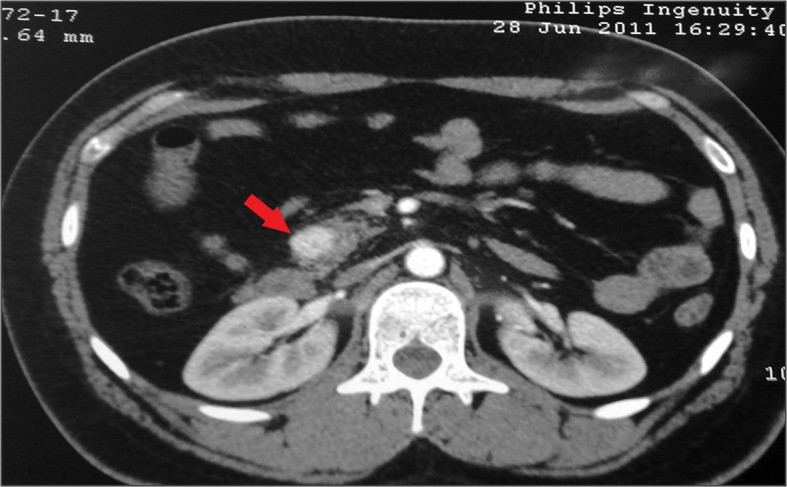
  • Imagenología:
    • RM o TC multifásica del abdomen
    • Estudios imagenológicos de medicina nuclear con análogos de la somatostatina radiomarcados
    • Si está disponible, imagen funcional con PET PET An imaging technique that combines a positron-emission tomography (PET) scanner and a ct X ray scanner. This establishes a precise anatomic localization in the same session. Nuclear Imaging con galio
    • Ultrasonido endoscópico si no se encuentra con otros estudios imagenológicos
    • Una gammagrafía con octreotida (imita farmacológicamente la somatostatina natural) detecta la expresión del receptor Receptor Receptors are proteins located either on the surface of or within a cell that can bind to signaling molecules known as ligands (e.g., hormones) and cause some type of response within the cell. Receptors de somatostatina.
  • Pruebas de laboratorio:
    • Secreción de hormonas para PanNETs PanNETs Pancreatic neuroendocrine tumors (PanNETs) arise from the endocrine pancreas (islet cells) and represent 2%-5% of primary pancreatic neoplasms; the other 95%-98% of pancreatic neoplasms are from the exocrine pancreas. The majority of PanNETs are nonfunctional (50%-75%), while others that are functional may be benign or malignant. Pancreatic Neuroendocrine Tumors (PanNETs):
      • Insulina
      • Glucagon Glucagon A 29-amino acid pancreatic peptide derived from proglucagon which is also the precursor of intestinal glucagon-like peptides. Glucagon is secreted by pancreatic alpha cells and plays an important role in regulation of blood glucose concentration, ketone metabolism, and several other biochemical and physiological processes. Gastrointestinal Secretions
      • Gastrina
      • Péptido intestinal vasoactivo
      • ACTH
      • ADH
      • Serotonina
      • Norepinefrina
    • Los LOS Neisseria marcadores peptídicos pueden utilizarse en EN Erythema nodosum is an immune-mediated panniculitis (inflammation of the subcutaneous fat) caused by a type IV (delayed-type) hypersensitivity reaction. It commonly manifests in young women as tender, erythematous nodules on the shins. Erythema Nodosum el seguimiento de los LOS Neisseria pacientes con tumores neuroendocrinos de páncreas:
      • Cromogranina A ( CgA CgA A type of chromogranin which was first isolated from chromaffin cells of the adrenal medulla but is also found in other tissues and in many species including human, bovine, rat, mouse, and others. It is an acidic protein with 431 to 445 amino acid residues. It contains fragments that inhibit vasoconstriction or release of hormones and neurotransmitter, while other fragments exert antimicrobial actions. Serum Tumor Markers)
      • Polipéptido pancreático (PP)
TC que muestra insulinoma solitario en la cabeza del páncreas

TC con contraste (sección transversal) que muestra un insulinoma solitario en la cabeza del páncreas (flecha)

Imagen: “Insulinoma presenting as refractory seizure disorder” por Correia P, Panchani R, Ranjan R, Agrawal C. Licencia: CC BY 3.0, editado por Lecturio.

Tratamiento

En EN Erythema nodosum is an immune-mediated panniculitis (inflammation of the subcutaneous fat) caused by a type IV (delayed-type) hypersensitivity reaction. It commonly manifests in young women as tender, erythematous nodules on the shins. Erythema Nodosum general, el tratamiento es quirúrgico si la neoplasia es resecable.

  • PanNETs PanNETs Pancreatic neuroendocrine tumors (PanNETs) arise from the endocrine pancreas (islet cells) and represent 2%-5% of primary pancreatic neoplasms; the other 95%-98% of pancreatic neoplasms are from the exocrine pancreas. The majority of PanNETs are nonfunctional (50%-75%), while others that are functional may be benign or malignant. Pancreatic Neuroendocrine Tumors (PanNETs) malignos o irresecables: varios tratamientos
    • Análogos de acción prolongada de la somatostatina:
      • Octreotida
      • Lanreotida
    • Citorreducción/resección de tumores locales y metastásicos
    • Radioterapia (RT) y terapia de radionúclidos con receptor Receptor Receptors are proteins located either on the surface of or within a cell that can bind to signaling molecules known as ligands (e.g., hormones) and cause some type of response within the cell. Receptors de péptidos
    • Embolización de la arteria hepática
    • Ablación por radiofrecuencia y crioablación
    • Radioembolización
    • Trasplante hepático
    • Quimioterapia:
      • Solo una modesta respuesta con la quimioterapia citotóxica convencional
      • Se utilizan nuevas terapias moleculares dirigidas.
    • Terapias dirigidas: everolimus Everolimus A derivative of sirolimus and an inhibitor of tor serine-threonine kinases. It is used to prevent graft rejection in heart and kidney transplant patients by blocking cell proliferation signals. It is also an antineoplastic agent. Immunosuppressants (inhibidor de mTOR mTOR Peutz-Jeghers Syndrome), sunitinib (inhibidor de multiquinasas) y surufatinib son opciones sistémicas estándar para los LOS Neisseria PanNET metastásicos progresivos.
  • Insulinoma Insulinoma A benign tumor of the pancreatic beta cells. Insulinoma secretes excess insulin resulting in hypoglycemia. Pancreatic Neuroendocrine Tumors (PanNETs):
    • Cirugía si el tumor Tumor Inflammation es resecable (90%)
    • Solamente el 10% de los LOS Neisseria insulinomas Insulinomas An insulinoma is a type of functional neuroendocrine tumor that manifests with hypoglycemia due to autologous secretion of insulin. It more commonly presents as a solitary benign tumor but can sometimes be associated with MEN type 1 (MEN1). Patients present with fasting hypoglycemia, which may manifest as episodes of diaphoresis, palpitations, tremor, and confusion. Insulinomas son malignos; la mayoría de los LOS Neisseria demás PanNET son malignos.
    • Tumores irresecables: diazóxido (inhibe la liberación de insulina)
  • Gastrinoma Gastrinoma A gastrinoma is a tumor that secretes excessive levels of the hormone gastrin and is responsible for Zollinger-Ellison syndrome (ZES). Gastrinomas are frequently associated with multiple endocrine neoplasia 1 (MEN 1) and can arise from the pancreas, stomach, duodenum, jejunum, and/or even from the lymph nodes. Gastrinoma:
    • Inhibidores de la bomba de protones (IBP): utilizados para controlar los LOS Neisseria síntomas
    • Cirugía: Procedimiento de Whipple si no hay metástasis hepáticas
  • VIPoma VIPoma A VIPoma is a rare neuroendocrine tumor arising primarily in the pancreas that releases large amounts of vasoactive intestinal polypeptide (VIP). This process leads to chronic watery diarrhea with concomitant hypokalemia and dehydration, as well as wheezing and flushing (known as Verner-Morrison or WDHA syndrome). VIPoma:
    • Corregir las anomalías de fluidos y electrolitos (deshidratación, hipopotasemia)
    • La cirugía solo es posible en EN Erythema nodosum is an immune-mediated panniculitis (inflammation of the subcutaneous fat) caused by a type IV (delayed-type) hypersensitivity reaction. It commonly manifests in young women as tender, erythematous nodules on the shins. Erythema Nodosum aproximadamente la mitad de los LOS Neisseria casos.
  • Glucagonoma Glucagonoma A glucagonoma is a glucagon-secreting neuroendocrine tumor that originates from the β-cells in the pancreatic islets. Most glucagonomas are malignant, and many of them are part of the autosomal dominant condition known as multiple endocrine neoplasia syndrome type 1 (MEN 1). Elevated levels of glucagon lead to increased gluconeogenesis and glycogenolysis. Glucagonoma:
    • Apoyo nutricional para pacientes con pérdida de peso y deficiencia nutricional
    • La octreotida/lanreotida puede mejorar la erupción cutánea, la pérdida de peso, el dolor Dolor Inflammation y la diarrea.

Diagnóstico Diferencial

Diagnóstico diferencial de las masas pancreáticas

  • Adenocarcinoma ductal pancreático invasivo: surge de las células ductales del páncreas exocrino. La presentación clínica incluye síntomas de dolor Dolor Inflammation abdominal, ictericia y pérdida de peso. El diagnóstico se realiza mediante TC, RM y ultrasonido endoscópico. El tratamiento mediante resección quirúrgica, generalmente con quimioterapia neoadyuvante o adyuvante, proporciona la única posibilidad de curación en EN Erythema nodosum is an immune-mediated panniculitis (inflammation of the subcutaneous fat) caused by a type IV (delayed-type) hypersensitivity reaction. It commonly manifests in young women as tender, erythematous nodules on the shins. Erythema Nodosum el 15%–20% de los LOS Neisseria pacientes que tienen enfermedad resecable en EN Erythema nodosum is an immune-mediated panniculitis (inflammation of the subcutaneous fat) caused by a type IV (delayed-type) hypersensitivity reaction. It commonly manifests in young women as tender, erythematous nodules on the shins. Erythema Nodosum el momento del diagnóstico. Otros tumores malignos poco frecuentes que surgen del páncreas exocrino son el carcinoma de células acinares y el pancreatoblastoma.
  • Carcinoma de células acinares: tumor Tumor Inflammation primario maligno poco frecuente de las glándulas exocrinas que produce enzimas exocrinas como la tripsina y la lipasa. Los LOS Neisseria carcinomas de células acinares pueden causar un síndrome de necrosis Necrosis The death of cells in an organ or tissue due to disease, injury or failure of the blood supply. Ischemic Cell Damage grasa metastásica debido a la liberación de lipasa en EN Erythema nodosum is an immune-mediated panniculitis (inflammation of the subcutaneous fat) caused by a type IV (delayed-type) hypersensitivity reaction. It commonly manifests in young women as tender, erythematous nodules on the shins. Erythema Nodosum la circulación. Este tipo de tumores malignos pueden aparecer en EN Erythema nodosum is an immune-mediated panniculitis (inflammation of the subcutaneous fat) caused by a type IV (delayed-type) hypersensitivity reaction. It commonly manifests in young women as tender, erythematous nodules on the shins. Erythema Nodosum niños, y su pronóstico es mejor que el del adenocarcinoma ductal pancreático invasivo.
  • Pancreatoblastoma: un tumor Tumor Inflammation primario maligno poco frecuente de las glándulas exocrinas que se observa sobre todo en EN Erythema nodosum is an immune-mediated panniculitis (inflammation of the subcutaneous fat) caused by a type IV (delayed-type) hypersensitivity reaction. It commonly manifests in young women as tender, erythematous nodules on the shins. Erythema Nodosum los LOS Neisseria niños. La histología muestra múltiples líneas de diferenciación (acinar, ductal, mesenquimal, neuroendocrina) y nidos escamoides mezclados con células acinares. El pronóstico es relativamente bueno.

Diagnóstico diferencial del insulinoma Insulinoma A benign tumor of the pancreatic beta cells. Insulinoma secretes excess insulin resulting in hypoglycemia. Pancreatic Neuroendocrine Tumors (PanNETs)

  • Hipoglucemia facticia: puede resultar de la autoadministración exógena de insulina. La hipoglucemia facticia se observa a menudo en EN Erythema nodosum is an immune-mediated panniculitis (inflammation of the subcutaneous fat) caused by a type IV (delayed-type) hypersensitivity reaction. It commonly manifests in young women as tender, erythematous nodules on the shins. Erythema Nodosum trabajadores sanitarios que presentan síntomas de hipoglucemia. A diferencia de los LOS Neisseria insulinomas Insulinomas An insulinoma is a type of functional neuroendocrine tumor that manifests with hypoglycemia due to autologous secretion of insulin. It more commonly presents as a solitary benign tumor but can sometimes be associated with MEN type 1 (MEN1). Patients present with fasting hypoglycemia, which may manifest as episodes of diaphoresis, palpitations, tremor, and confusion. Insulinomas, una evaluación de laboratorio revelará niveles bajos de péptido C y proinsulina a pesar de los LOS Neisseria niveles altos de insulina. El tratamiento incluye la terapia psiquiátrica y la corrección de la hipoglucemia.
  • Toxicidad por sulfonilureas: puede ocurrir en EN Erythema nodosum is an immune-mediated panniculitis (inflammation of the subcutaneous fat) caused by a type IV (delayed-type) hypersensitivity reaction. It commonly manifests in young women as tender, erythematous nodules on the shins. Erythema Nodosum pacientes que no comen o que tienen deterioro renal. Los LOS Neisseria pacientes se presentarán con hipoglucemia. A diferencia de los LOS Neisseria insulinomas Insulinomas An insulinoma is a type of functional neuroendocrine tumor that manifests with hypoglycemia due to autologous secretion of insulin. It more commonly presents as a solitary benign tumor but can sometimes be associated with MEN type 1 (MEN1). Patients present with fasting hypoglycemia, which may manifest as episodes of diaphoresis, palpitations, tremor, and confusion. Insulinomas, las pruebas de sulfonilurea en EN Erythema nodosum is an immune-mediated panniculitis (inflammation of the subcutaneous fat) caused by a type IV (delayed-type) hypersensitivity reaction. It commonly manifests in young women as tender, erythematous nodules on the shins. Erythema Nodosum suero serán positivas. El tratamiento incluye retirar el agente causal y tratar la hipoglucemia.

Diagnóstico diferencial del gastrinoma Gastrinoma A gastrinoma is a tumor that secretes excessive levels of the hormone gastrin and is responsible for Zollinger-Ellison syndrome (ZES). Gastrinomas are frequently associated with multiple endocrine neoplasia 1 (MEN 1) and can arise from the pancreas, stomach, duodenum, jejunum, and/or even from the lymph nodes. Gastrinoma y del glucagonoma Glucagonoma A glucagonoma is a glucagon-secreting neuroendocrine tumor that originates from the β-cells in the pancreatic islets. Most glucagonomas are malignant, and many of them are part of the autosomal dominant condition known as multiple endocrine neoplasia syndrome type 1 (MEN 1). Elevated levels of glucagon lead to increased gluconeogenesis and glycogenolysis. Glucagonoma

  • Enfermedad ulcerosa péptica: ulceración de la mucosa del estómago o del duodeno, debida en EN Erythema nodosum is an immune-mediated panniculitis (inflammation of the subcutaneous fat) caused by a type IV (delayed-type) hypersensitivity reaction. It commonly manifests in young women as tender, erythematous nodules on the shins. Erythema Nodosum la mayoría de los LOS Neisseria casos a una infección por Helicobacter pylori Helicobacter pylori A spiral bacterium active as a human gastric pathogen. It is a gram-negative, urease-positive, curved or slightly spiral organism initially isolated in 1982 from patients with lesions of gastritis or peptic ulcers in Western Australia. Helicobacter pylori was originally classified in the genus campylobacter, but RNA sequencing, cellular fatty acid profiles, growth patterns, and other taxonomic characteristics indicate that the micro-organism should be included in the genus Helicobacter. It has been officially transferred to Helicobacter gen. Helicobacter o al AL Amyloidosis uso de AINE. El síntoma más común de las úlceras duodenales y gástricas es el dolor Dolor Inflammation epigástrico. El diagnóstico se realiza mediante endoscopia. Las úlceras pépticas esporádicas suelen responder bien a los LOS Neisseria regímenes de tratamiento con antibióticos e IBP.
  • VIPoma VIPoma A VIPoma is a rare neuroendocrine tumor arising primarily in the pancreas that releases large amounts of vasoactive intestinal polypeptide (VIP). This process leads to chronic watery diarrhea with concomitant hypokalemia and dehydration, as well as wheezing and flushing (known as Verner-Morrison or WDHA syndrome). VIPoma: tumor Tumor Inflammation neuroendocrino que segrega péptido intestinal vasoactivo ( VIP VIP A highly basic, 28 amino acid neuropeptide released from intestinal mucosa. It has a wide range of biological actions affecting the cardiovascular, gastrointestinal, and respiratory systems and is neuroprotective. It binds special receptors. Gastrointestinal Neural and Hormonal Signaling, por sus siglas en EN Erythema nodosum is an immune-mediated panniculitis (inflammation of the subcutaneous fat) caused by a type IV (delayed-type) hypersensitivity reaction. It commonly manifests in young women as tender, erythematous nodules on the shins. Erythema Nodosum inglés). El VIPoma VIPoma A VIPoma is a rare neuroendocrine tumor arising primarily in the pancreas that releases large amounts of vasoactive intestinal polypeptide (VIP). This process leads to chronic watery diarrhea with concomitant hypokalemia and dehydration, as well as wheezing and flushing (known as Verner-Morrison or WDHA syndrome). VIPoma también está asociado a la MEN 1. El tumor Tumor Inflammation provoca diarrea crónica, enrojecimiento y sibilancias. El diagnóstico se establece midiendo los LOS Neisseria niveles de VIP VIP A highly basic, 28 amino acid neuropeptide released from intestinal mucosa. It has a wide range of biological actions affecting the cardiovascular, gastrointestinal, and respiratory systems and is neuroprotective. It binds special receptors. Gastrointestinal Neural and Hormonal Signaling en EN Erythema nodosum is an immune-mediated panniculitis (inflammation of the subcutaneous fat) caused by a type IV (delayed-type) hypersensitivity reaction. It commonly manifests in young women as tender, erythematous nodules on the shins. Erythema Nodosum sangre y orina. El tratamiento consiste en EN Erythema nodosum is an immune-mediated panniculitis (inflammation of the subcutaneous fat) caused by a type IV (delayed-type) hypersensitivity reaction. It commonly manifests in young women as tender, erythematous nodules on the shins. Erythema Nodosum la extirpación quirúrgica del tumor Tumor Inflammation y el control de los LOS Neisseria síntomas.

Referencias

  1. Strosberg, J. R. (2025). Classification, clinical presentation, diagnosis, and staging of pancreatic neuroendocrine neoplasms. In D. M. Nathan (Ed.), UpToDate. Retrieved August 6, 2025, from https://www.uptodate.com/contents/classification-clinical-presentation-diagnosis-and-staging-of-pancreatic-neuroendocrine-neoplasms
  2. Jensen, R. (2018). Neuroendocrine tumors of the gastrointestinal tract and pancreas. In Jameson, J.L., et al. (Ed.), Harrison’s Principles of Internal Medicine. 20th ed. Vol 1. pp. 596–616. McGraw-Hill Education. https://accessmedicine.mhmedical.com/content.aspx?bookid=2129&sectionid=192104918
  3. American Society of Clinical Oncology (ASCO). (2025). Neuroendocrine tumor of the pancreas: Risk factors. Cancer.Net. Retrieved on August 6, 2025, from https://www.cancer.net/cancer-types/neuroendocrine-tumor-pancreas/risk-factors
  4. Abraham, S. C. (2017). Well-differentiated neuroendocrine tumor, ampulla. In L. M. Caccamese & D. S. Klimstra (Eds.), Diagnostic pathology: Hepatobiliary and pancreas (2nd ed., pp. 430–431). Elsevier. https://doi.org/10.1016/B978-0-323-44307-4.50145-7 
  5. Rindi, G., Mete, O., Uccella, S., Basturk, O., La Rosa, S., Brosens, L. A. A., Ezzat, S., de Herder, W. W., Klimstra, D. S., Papotti, M., & Asa, S. L. (2022). Overview of the 2022 WHO classification of neuroendocrine neoplasms. Endocrine Pathology, 33(1), 115–154. https://doi.org/10.1007/s12022-022-09708-2

¡Crea tu cuenta gratis o inicia una sesión para seguir leyendo!

Regístrate ahora y obtén acceso gratuito a Lecturio con páginas de concepto, videos médicos y cuestionarios para tu educación médica.

User Reviews

Que tengas una sesión de estudio alegre y navideña 🎁 Ahorra 50% en todos los planes >>

Details