Domina Conceptos Médicos

Estudia para la escuela de medicina y tus examenes con Lecturio.

Síndrome de Goodpasture

El síndrome de Goodpasture, también conocida como la enfermedad anti-membrana basal glomerular, es una enfermedad autoinmune caracterizada por anticuerpos circulantes dirigidos contra las membranas basales glomerulares y alveolares. Se cree que los LOS Neisseria autoanticuerpos se generan en EN Erythema nodosum is an immune-mediated panniculitis (inflammation of the subcutaneous fat) caused by a type IV (delayed-type) hypersensitivity reaction. It commonly manifests in young women as tender, erythematous nodules on the shins. Erythema Nodosum respuesta a un estímulo incitador en EN Erythema nodosum is an immune-mediated panniculitis (inflammation of the subcutaneous fat) caused by a type IV (delayed-type) hypersensitivity reaction. It commonly manifests in young women as tender, erythematous nodules on the shins. Erythema Nodosum individuos genéticamente predispuestos. Los LOS Neisseria individuos afectados presentan síntomas de glomerulonefritis rápidamente progresiva y hemorragia alveolar. También pueden presentarse síntomas constitucionales como malestar, escalofríos, fiebre, artralgia y pérdida de peso. La detección de anticuerpos anti-membrana basal glomerular y los LOS Neisseria hallazgos de la biopsia renal de glomerulonefritis crescéntica con depósito lineal de IgG IgG The major immunoglobulin isotype class in normal human serum. There are several isotype subclasses of igg, for example, igg1, igg2a, and igg2b. Hypersensitivity Pneumonitis a lo largo de las membranas basales proporcionan el diagnóstico. El tratamiento incluye plasmaféresis e inmunosupresores. El trasplante renal es una opción en EN Erythema nodosum is an immune-mediated panniculitis (inflammation of the subcutaneous fat) caused by a type IV (delayed-type) hypersensitivity reaction. It commonly manifests in young women as tender, erythematous nodules on the shins. Erythema Nodosum personas que desarrollan enfermedad renal en EN Erythema nodosum is an immune-mediated panniculitis (inflammation of the subcutaneous fat) caused by a type IV (delayed-type) hypersensitivity reaction. It commonly manifests in young women as tender, erythematous nodules on the shins. Erythema Nodosum etapa terminal.

Last updated: Aug 15, 2025

Editorial responsibility: Stanley Oiseth, Lindsay Jones, Evelin Maza

Epidemiología y Etiología

Epidemiología

  • Raro: ~0,6-1,8 casos por millón de personas al AL Amyloidosis año
  • Representa:
    • ~13 % de casos de glomerulonefritis crescéntica
    • ~8 % de casos de glomerulonefritis de progresión rápida
  • Distribución de edad bimodal:
    • 3ra década
    • 6ta–7ma década
  • Sexo:
    • Ligero predominio masculino en EN Erythema nodosum is an immune-mediated panniculitis (inflammation of the subcutaneous fat) caused by a type IV (delayed-type) hypersensitivity reaction. It commonly manifests in young women as tender, erythematous nodules on the shins. Erythema Nodosum el grupo de edad más joven
    • Predominio femenino en EN Erythema nodosum is an immune-mediated panniculitis (inflammation of the subcutaneous fat) caused by a type IV (delayed-type) hypersensitivity reaction. It commonly manifests in young women as tender, erythematous nodules on the shins. Erythema Nodosum el grupo de mayor edad

Etiología

  • Posible predisposición genética:
  • Posibles desencadenantes:
    • Lesión pulmonar:
      • Infecciones pulmonares
      • Tabaquismo
      • Inhalación de disolventes de hidrocarburos
      • Fibrosis Fibrosis Any pathological condition where fibrous connective tissue invades any organ, usually as a consequence of inflammation or other injury. Bronchiolitis Obliterans pulmonar
      • Cáncer de pulmón
    • Lesión de renal:
      • Litotricia extracorpórea por ondas
      • Obstrucción ureteral
      • Nefropatía membranosa
      • Glomerulonefritis asociada a anticuerpos anticitoplasmáticos
    • Desregulación inmunológica:
      • Trasplante de células hematopoyéticas
      • Terapia de depleción de linfocitos (e.g., alemtuzumab)
      • Leucemia linfocítica de células T granulares grandes
      • Inmunodeficiencia variable Variable Variables represent information about something that can change. The design of the measurement scales, or of the methods for obtaining information, will determine the data gathered and the characteristics of that data. As a result, a variable can be qualitative or quantitative, and may be further classified into subgroups. Types of Variables común
      • VIH

Fisiopatología

El síndrome de Goodpasture (enfermedad anti-membrana basal glomerular) es una hipersensibilidad de tipo II causada por autoanticuerpos circulantes dirigidos contra un antígeno intrínseco en EN Erythema nodosum is an immune-mediated panniculitis (inflammation of the subcutaneous fat) caused by a type IV (delayed-type) hypersensitivity reaction. It commonly manifests in young women as tender, erythematous nodules on the shins. Erythema Nodosum las membranas basales glomerulares y alveolares. El síndrome de Goodpasture es una vasculitis Vasculitis Inflammation of any one of the blood vessels, including the arteries; veins; and rest of the vasculature system in the body. Systemic Lupus Erythematosus de pequeños vasos.

  • Un desencadenante ambiental (junto con la predisposición genética) causa daño glomerular o alveolar → ↑ exposición al AL Amyloidosis antígeno diana
  • Desregulación inmunológica → producción de anticuerpos anti-membrana basal glomerular
    • Especificidad:
      • Se dirige a la cadena alfa-3 del colágeno tipo IV
      • La cadena alfa-3 está presente en EN Erythema nodosum is an immune-mediated panniculitis (inflammation of the subcutaneous fat) caused by a type IV (delayed-type) hypersensitivity reaction. It commonly manifests in young women as tender, erythematous nodules on the shins. Erythema Nodosum las concentraciones más altas en EN Erythema nodosum is an immune-mediated panniculitis (inflammation of the subcutaneous fat) caused by a type IV (delayed-type) hypersensitivity reaction. It commonly manifests in young women as tender, erythematous nodules on the shins. Erythema Nodosum las membranas basales de los LOS Neisseria capilares renales y pulmonares.
    • Generalmente IgG IgG The major immunoglobulin isotype class in normal human serum. There are several isotype subclasses of igg, for example, igg1, igg2a, and igg2b. Hypersensitivity Pneumonitis
    • Normalmente policlonal
  • Los LOS Neisseria anticuerpos anti-membrana basal glomerular circulantes se unen a las membranas basales → fijan el complemento → desencadenan una respuesta inflamatoria mediada por células → lesión tisular:
    • Glomerulonefritis → proteinuria Proteinuria The presence of proteins in the urine, an indicator of kidney diseases. Nephrotic Syndrome in Children e insuficiencia renal
    • Capilaritis pulmonar → hemorragia alveolar

Presentación Clínica

Variaciones según edad

  • Las personas más jóvenes (< 30 años) tienen más probabilidades de:
    • Desarrollar hemorragia pulmonar y glomerulonefritis
    • Estar críticamente enfermas
  • Las personas mayores (> 50 años) tienen más probabilidades de:
    • Presentarse con glomerulonefritis aislada
    • Seguir un curso menos severo

Síntomas constitucionales

  • Malestar
  • Fiebre
  • Escalofríos
  • Artralgia
  • Pérdida de peso

Glomerulonefritis rápidamente progresiva

  • Insuficiencia renal
  • Orina “espumosa” (signo de proteinuria Proteinuria The presence of proteins in the urine, an indicator of kidney diseases. Nephrotic Syndrome in Children)
  • Edema Edema Edema is a condition in which excess serous fluid accumulates in the body cavity or interstitial space of connective tissues. Edema is a symptom observed in several medical conditions. It can be categorized into 2 types, namely, peripheral (in the extremities) and internal (in an organ or body cavity). Edema
  • Hematuria Hematuria Presence of blood in the urine. Renal Cell Carcinoma
  • Oliguria Oliguria Decreased urine output that is below the normal range. Oliguria can be defined as urine output of less than or equal to 0. 5 or 1 ml/kg/hr depending on the age. Renal Potassium Regulation
  • Hipertensión

Hemorragia alveolar

  • Disnea
  • Taquipnea
  • Tos TOS Thoracic outlet syndrome (TOS) is a broad term used for a spectrum of syndromes related to the general region of the thoracic outlet, which involves the compression or irritation of elements of the brachial plexus, subclavian artery, or subclavian vein. Thoracic Outlet Syndrome
  • Hemoptisis
  • Crepitantes inspiratorios
  • Insuficiencia respiratoria

Enfermedad “doble positiva”

En EN Erythema nodosum is an immune-mediated panniculitis (inflammation of the subcutaneous fat) caused by a type IV (delayed-type) hypersensitivity reaction. It commonly manifests in young women as tender, erythematous nodules on the shins. Erythema Nodosum raras ocasiones, los LOS Neisseria individuos pueden presentar vasculitis Vasculitis Inflammation of any one of the blood vessels, including the arteries; veins; and rest of the vasculature system in the body. Systemic Lupus Erythematosus concurrente asociada a anticuerpos anticitoplasmáticos.

  • Granulomatosis con poliangeítis
  • Poliangeítis microscópica

Diagnóstico

El diagnóstico definitivo se realiza cuando se identifican anticuerpos anti-membrana basal glomerular en EN Erythema nodosum is an immune-mediated panniculitis (inflammation of the subcutaneous fat) caused by a type IV (delayed-type) hypersensitivity reaction. It commonly manifests in young women as tender, erythematous nodules on the shins. Erythema Nodosum el suero o en EN Erythema nodosum is an immune-mediated panniculitis (inflammation of the subcutaneous fat) caused by a type IV (delayed-type) hypersensitivity reaction. It commonly manifests in young women as tender, erythematous nodules on the shins. Erythema Nodosum una biopsia renal. Los LOS Neisseria individuos deben ser evaluados para los LOS Neisseria anticuerpos cuando los LOS Neisseria síntomas y/o análisis de orina sugieran un síndrome nefrítico y/o si el individuo presenta signos de hemorragia pulmonar.

Estudios de laboratorio

  • Análisis de orina:
    • Proteinuria Proteinuria The presence of proteins in the urine, an indicator of kidney diseases. Nephrotic Syndrome in Children de bajo grado (generalmente no en EN Erythema nodosum is an immune-mediated panniculitis (inflammation of the subcutaneous fat) caused by a type IV (delayed-type) hypersensitivity reaction. It commonly manifests in young women as tender, erythematous nodules on the shins. Erythema Nodosum el rango nefrótico)
    • Hematuria Hematuria Presence of blood in the urine. Renal Cell Carcinoma macroscópica o microscópica
    • Cilindros granulares y de eritrocitos
  • Hemograma puede mostrar:
    • Anemia Anemia Anemia is a condition in which individuals have low Hb levels, which can arise from various causes. Anemia is accompanied by a reduced number of RBCs and may manifest with fatigue, shortness of breath, pallor, and weakness. Subtypes are classified by the size of RBCs, chronicity, and etiology. Anemia: Overview and Types
    • Leucocitosis
  • Pruebas de función renal pueden mostrar:
    • ↑ Nitrógeno de urea Urea A compound formed in the liver from ammonia produced by the deamination of amino acids. It is the principal end product of protein catabolism and constitutes about one half of the total urinary solids. Urea Cycle (BUN, por sus siglas en EN Erythema nodosum is an immune-mediated panniculitis (inflammation of the subcutaneous fat) caused by a type IV (delayed-type) hypersensitivity reaction. It commonly manifests in young women as tender, erythematous nodules on the shins. Erythema Nodosum inglés)
    • ↑ Creatinina
  • Pruebas serológicas:
    • Los LOS Neisseria anticuerpos séricos anti-membrana basal glomerular confirman el diagnóstico y se detectan mediante:
      • Ensayo inmunoabsorbente ligado a enzimas ( ELISA ELISA An immunoassay utilizing an antibody labeled with an enzyme marker such as horseradish peroxidase. While either the enzyme or the antibody is bound to an immunosorbent substrate, they both retain their biologic activity; the change in enzyme activity as a result of the enzyme-antibody-antigen reaction is proportional to the concentration of the antigen and can be measured spectrophotometrically or with the naked eye. Many variations of the method have been developed. St. Louis Encephalitis Virus, por sus siglas en EN Erythema nodosum is an immune-mediated panniculitis (inflammation of the subcutaneous fat) caused by a type IV (delayed-type) hypersensitivity reaction. It commonly manifests in young women as tender, erythematous nodules on the shins. Erythema Nodosum inglés)
      • Inmunofluorescencia indirecta
    • Los LOS Neisseria anticuerpos anticitoplasmáticos séricos ( ANCA ANCA Group of systemic vasculitis with a strong association with anca. The disorders are characterized by necrotizing inflammation of small and medium size vessels, with little or no immune-complex deposits in vessel walls. Rapidly Progressive Glomerulonephritis, por sus siglas en EN Erythema nodosum is an immune-mediated panniculitis (inflammation of the subcutaneous fat) caused by a type IV (delayed-type) hypersensitivity reaction. It commonly manifests in young women as tender, erythematous nodules on the shins. Erythema Nodosum inglés) también deben analizarse para evaluar la presencia de vasculitis Vasculitis Inflammation of any one of the blood vessels, including the arteries; veins; and rest of the vasculature system in the body. Systemic Lupus Erythematosus ANCA ANCA Group of systemic vasculitis with a strong association with anca. The disorders are characterized by necrotizing inflammation of small and medium size vessels, with little or no immune-complex deposits in vessel walls. Rapidly Progressive Glomerulonephritis concurrente.

Imagenología

La imagenología puede mostrar evidencia de hemorragia alveolar.
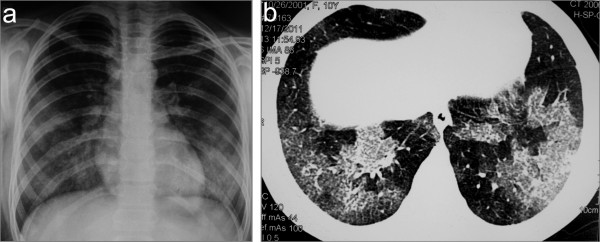
  • Radiografía de tórax:
    • Opacificaciones parenquimales en EN Erythema nodosum is an immune-mediated panniculitis (inflammation of the subcutaneous fat) caused by a type IV (delayed-type) hypersensitivity reaction. It commonly manifests in young women as tender, erythematous nodules on the shins. Erythema Nodosum parche que suelen ser:
      • Bilaterales
      • Simétricas
      • Perihilares y bibasilares
    • Se respetan los LOS Neisseria ápices y los LOS Neisseria ángulos costofrénicos.
  • TC de alta resolución:
    • Opacidades de consolidación o de vidrio esmerilado
    • Distribución bilateral y difusa
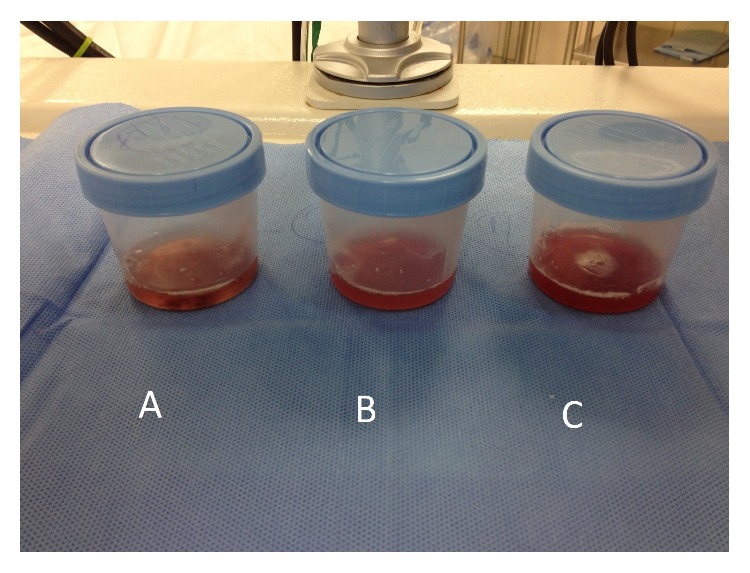
  • Broncoscopia con lavado broncoalveolar secuencial:
    • La hemorragia alveolar se confirma cuando las alícuotas de lavado son progresivamente más hemorrágicas.
    • La tinción con azul de Prusia revela macrófagos cargados de hemosiderina característicos.

Biopsia renal

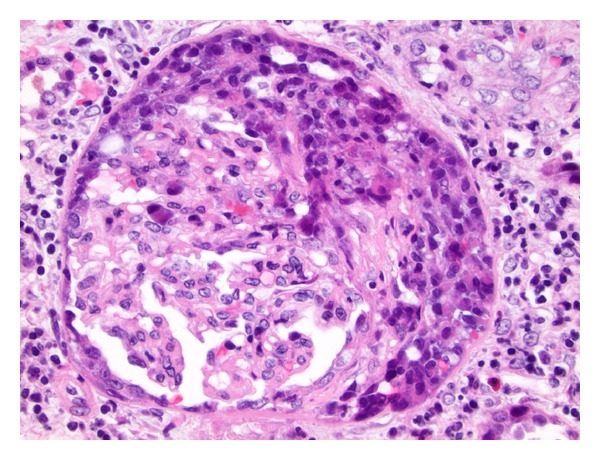
  • Microscopía óptica
    • Crescénticas: ≥ 2 capas de células proliferantes en EN Erythema nodosum is an immune-mediated panniculitis (inflammation of the subcutaneous fat) caused by a type IV (delayed-type) hypersensitivity reaction. It commonly manifests in young women as tender, erythematous nodules on the shins. Erythema Nodosum el espacio de Bowman (signo de glomerulonefritis inflamatoria y lesión grave)
    • Necrosis Necrosis The death of cells in an organ or tissue due to disease, injury or failure of the blood supply. Ischemic Cell Damage en EN Erythema nodosum is an immune-mediated panniculitis (inflammation of the subcutaneous fat) caused by a type IV (delayed-type) hypersensitivity reaction. It commonly manifests in young women as tender, erythematous nodules on the shins. Erythema Nodosum el penacho glomerular
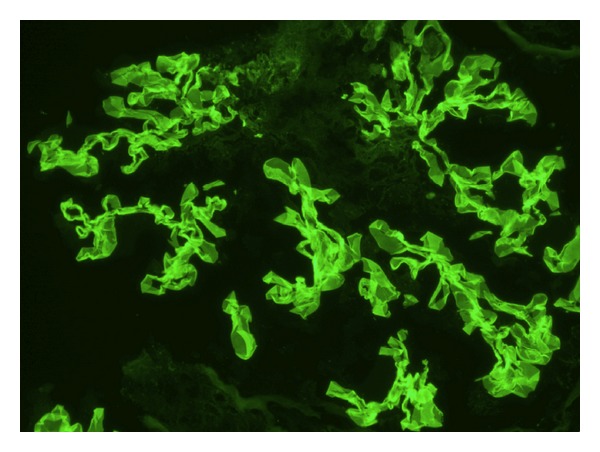
  • Inmunofluorescencia: depósito lineal de IgG IgG The major immunoglobulin isotype class in normal human serum. There are several isotype subclasses of igg, for example, igg1, igg2a, and igg2b. Hypersensitivity Pneumonitis a lo largo de las membranas basales de los LOS Neisseria capilares glomerulares (hallazgo patognomónico)

Tratamiento

Tratamiento de soporte

  • Insuficiencia renal grave → hemodiálisis
  • Insuficiencia respiratoria y hemorragia pulmonar potencialmente mortal → intubación y ventilación mecánica

Terapias especificas

  • Terapias inmunosupresoras:
    • Glucocorticoides (e.g., metilprednisolona, prednisona)
    • Ciclofosfamida
    • Alternativas (para aquellos que no pueden tolerar la ciclofosfamida):
      • Rituximab Rituximab A murine-derived monoclonal antibody and antineoplastic agent that binds specifically to the cd20 antigen and is used in the treatment of leukemia; lymphoma and rheumatoid arthritis. Immunosuppressants
      • Micofenolato de mofetilo
  • Plasmaféresis:
    • Elimina directamente los LOS Neisseria anticuerpos anti-membrana basal glomerular del plasma Plasma The residual portion of blood that is left after removal of blood cells by centrifugation without prior blood coagulation. Transfusion Products
    • Se realiza a diario hasta que los LOS Neisseria niveles de anticuerpos sean indetectables
  • Trasplante renal:
    • Considerado en EN Erythema nodosum is an immune-mediated panniculitis (inflammation of the subcutaneous fat) caused by a type IV (delayed-type) hypersensitivity reaction. It commonly manifests in young women as tender, erythematous nodules on the shins. Erythema Nodosum individuos con enfermedad renal en EN Erythema nodosum is an immune-mediated panniculitis (inflammation of the subcutaneous fat) caused by a type IV (delayed-type) hypersensitivity reaction. It commonly manifests in young women as tender, erythematous nodules on the shins. Erythema Nodosum etapa terminal
    • Requiere 6 meses de niveles negativos de anticuerpos anti-membrana basal glomerular del plasma Plasma The residual portion of blood that is left after removal of blood cells by centrifugation without prior blood coagulation. Transfusion Products
    • La recurrencia después del trasplante es muy rara.

Pronóstico

  • Rápidamente progresivo y fatal si se retrasa el reconocimiento y el tratamiento
  • El pronóstico es generalmente bueno después de un tratamiento agresivo.
    • La tasa de supervivencia a 5 años es > 80%
    • < 30% de las personas requieren diálisis a largo plazo.
  • La supervivencia se correlaciona con el grado de insuficiencia renal en EN Erythema nodosum is an immune-mediated panniculitis (inflammation of the subcutaneous fat) caused by a type IV (delayed-type) hypersensitivity reaction. It commonly manifests in young women as tender, erythematous nodules on the shins. Erythema Nodosum el momento de la presentación.

Diagnóstico Diferencial

  • Granulomatosis con poliangeitis: vasculitis Vasculitis Inflammation of any one of the blood vessels, including the arteries; veins; and rest of the vasculature system in the body. Systemic Lupus Erythematosus de vasos pequeños y medianos caracterizada por inflamación granulomatosa necrosante que comúnmente afecta a los LOS Neisseria senos paranasales, pulmones y riñones. Las manifestaciones clínicas pueden incluir síntomas constitucionales, secreción nasal o epistaxis Epistaxis Bleeding from the nose. Granulomatosis with Polyangiitis recurrente, tos TOS Thoracic outlet syndrome (TOS) is a broad term used for a spectrum of syndromes related to the general region of the thoracic outlet, which involves the compression or irritation of elements of the brachial plexus, subclavian artery, or subclavian vein. Thoracic Outlet Syndrome, hemorragia pulmonar e insuficiencia renal. El diagnóstico se basa en EN Erythema nodosum is an immune-mediated panniculitis (inflammation of the subcutaneous fat) caused by a type IV (delayed-type) hypersensitivity reaction. It commonly manifests in young women as tender, erythematous nodules on the shins. Erythema Nodosum la positividad de c-ANCA c-ANCA Antineutrophil Cytoplasmic Antibody (ANCA)-Associated Vasculitis (que es típicamente negativo en EN Erythema nodosum is an immune-mediated panniculitis (inflammation of the subcutaneous fat) caused by a type IV (delayed-type) hypersensitivity reaction. It commonly manifests in young women as tender, erythematous nodules on the shins. Erythema Nodosum anti-membrana basal glomerular aislada) y la biopsia del tejido afectado. El tratamiento es con corticosteroides e inmunosupresores. La plasmaféresis se puede utilizar en EN Erythema nodosum is an immune-mediated panniculitis (inflammation of the subcutaneous fat) caused by a type IV (delayed-type) hypersensitivity reaction. It commonly manifests in young women as tender, erythematous nodules on the shins. Erythema Nodosum casos graves.
  • Poliangeitis microscópica: vasculitis Vasculitis Inflammation of any one of the blood vessels, including the arteries; veins; and rest of the vasculature system in the body. Systemic Lupus Erythematosus necrosante de vasos pequeños que generalmente afecta los LOS Neisseria pulmones, la piel y los LOS Neisseria riñones. La presentación clínica se basa en EN Erythema nodosum is an immune-mediated panniculitis (inflammation of the subcutaneous fat) caused by a type IV (delayed-type) hypersensitivity reaction. It commonly manifests in young women as tender, erythematous nodules on the shins. Erythema Nodosum los LOS Neisseria órganos afectados y puede incluir glomerulonefritis rápidamente progresiva, hemorragia alveolar y púrpura palpable. El diagnóstico se basa en EN Erythema nodosum is an immune-mediated panniculitis (inflammation of the subcutaneous fat) caused by a type IV (delayed-type) hypersensitivity reaction. It commonly manifests in young women as tender, erythematous nodules on the shins. Erythema Nodosum p-ANCA p-ANCA Antineutrophil Cytoplasmic Antibody (ANCA)-Associated Vasculitis positivo y biopsia del tejido afectado. Por lo general, la poliangeitis microscópica no afecta al AL Amyloidosis tracto respiratorio superior y carece de granulomas Granulomas A relatively small nodular inflammatory lesion containing grouped mononuclear phagocytes, caused by infectious and noninfectious agents. Sarcoidosis, lo que diferencia a la poliangeitis microscópica de la granulomatosis con poliangeitis y la anti-membrana basal glomerular. El tratamiento consiste en EN Erythema nodosum is an immune-mediated panniculitis (inflammation of the subcutaneous fat) caused by a type IV (delayed-type) hypersensitivity reaction. It commonly manifests in young women as tender, erythematous nodules on the shins. Erythema Nodosum corticosteroides e inmunosupresores.
  • Vasculitis Vasculitis Inflammation of any one of the blood vessels, including the arteries; veins; and rest of the vasculature system in the body. Systemic Lupus Erythematosus por IgA IgA Represents 15-20% of the human serum immunoglobulins, mostly as the 4-chain polymer in humans or dimer in other mammals. Secretory iga is the main immunoglobulin in secretions. Immunoglobulins: Types and Functions: vasculitis Vasculitis Inflammation of any one of the blood vessels, including the arteries; veins; and rest of the vasculature system in the body. Systemic Lupus Erythematosus de vasos pequeños, antes conocida como púrpura de Henoch-Schönlein, que comúnmente afecta a los LOS Neisseria niños. Los LOS Neisseria individuos afectados pueden presentar púrpura palpable, artralgias, síntomas gastrointestinales y glomerulonefritis. El diagnóstico se confirma con una biopsia del órgano afectado, que muestra depósito de IgA IgA Represents 15-20% of the human serum immunoglobulins, mostly as the 4-chain polymer in humans or dimer in other mammals. Secretory iga is the main immunoglobulin in secretions. Immunoglobulins: Types and Functions por inmunofluorescencia. La enfermedad suele ser autolimitada en EN Erythema nodosum is an immune-mediated panniculitis (inflammation of the subcutaneous fat) caused by a type IV (delayed-type) hypersensitivity reaction. It commonly manifests in young women as tender, erythematous nodules on the shins. Erythema Nodosum los LOS Neisseria niños. Se pueden utilizar corticosteroides y ciclofosfamida para el tratamiento, sobre todo en EN Erythema nodosum is an immune-mediated panniculitis (inflammation of the subcutaneous fat) caused by a type IV (delayed-type) hypersensitivity reaction. It commonly manifests in young women as tender, erythematous nodules on the shins. Erythema Nodosum el caso de afectación renal grave.
  • Nefritis lúpica: glomerulonefritis causada por lupus eritematoso sistémico. La presentación clínica incluye hematuria Hematuria Presence of blood in the urine. Renal Cell Carcinoma, proteinuria Proteinuria The presence of proteins in the urine, an indicator of kidney diseases. Nephrotic Syndrome in Children en EN Erythema nodosum is an immune-mediated panniculitis (inflammation of the subcutaneous fat) caused by a type IV (delayed-type) hypersensitivity reaction. It commonly manifests in young women as tender, erythematous nodules on the shins. Erythema Nodosum rango nefrótico e insuficiencia renal. El diagnóstico se basa en EN Erythema nodosum is an immune-mediated panniculitis (inflammation of the subcutaneous fat) caused by a type IV (delayed-type) hypersensitivity reaction. It commonly manifests in young women as tender, erythematous nodules on the shins. Erythema Nodosum la biopsia renal, que ayuda a clasificar la enfermedad, orienta el tratamiento y proporciona una indicación de pronóstico. El tratamiento incluye inhibidores de la enzima convertidora de angiotensina e inmunosupresores.

Referencias

  1. Pusey, C.D., et al. (2024). Anti-GBM (Goodpasture) disease: Pathogenesis, clinical manifestations, and diagnosis. In Glassock R.J., et al. (Ed.), UpToDate. Retrieved August 15, 2025, from https://www.uptodate.com/contents/anti-gbm-goodpasture-disease-pathogenesis-clinical-manifestations-and-diagnosis
  2. Kaplan, A.A., et al. (2023). Anti-GBM (Goodpasture) disease: Treatment and prognosis. In Glassock R.J., et al. (Ed.), UpToDate. Retrieved August 15, 2025, from https://www.uptodate.com/contents/anti-gbm-goodpasture-disease-treatment-and-prognosis
  3. Lee, J. (2025). Anti-Glomerular Basement Membrane (Anti-GBM) Disease. [online] MSD Manual Professional Version. Retrieved September 22, 2025, from https://www.msdmanuals.com/professional/pulmonary-disorders/diffuse-alveolar-hemorrhage-and-pulmonary-renal-syndrome/anti-glomerular-basement-membrane-anti-gbm-disease
  4. King, T.E. (2025). The diffuse alveolar hemorrhage syndromes. In Flaherty K.R., et al. (Ed.), UpToDate. Retrieved August 15, 2025, from https://www.uptodate.com/contents/the-diffuse-alveolar-hemorrhage-syndromes
  5. Kathuria, P. (2023). Goodpasture syndrome. In Batuman V., et al. (Ed.), Medscape. Retrieved August 15, 2025, from https://emedicine.medscape.com/article/240556
  6. Rout, P., & DeVrieze, B. W. (2024). Goodpasture syndrome. In StatPearls. StatPearls Publishing. Retrieved August 15, 2025, from https://www.ncbi.nlm.nih.gov/books/NBK459291/ 
  7. Kuang, H., Jiang, N., Jia, X.-Y., Cui, Z., & Zhao, M.-H. (2024). Epidemiology, clinical features, risk factors, and outcomes in anti-glomerular basement membrane disease: A systematic review and meta-analysis. Autoimmunity Reviews, 23(4), 103531. https://doi.org/10.1016/j.autrev.2024.103531

¡Crea tu cuenta gratis o inicia una sesión para seguir leyendo!

Regístrate ahora y obtén acceso gratuito a Lecturio con páginas de concepto, videos médicos y cuestionarios para tu educación médica.

User Reviews

Que tengas una sesión de estudio alegre y navideña 🎁 Ahorra 50% en todos los planes >>

Details