Domina Conceptos Médicos

Estudia para la escuela de medicina y tus examenes con Lecturio.

Faringitis

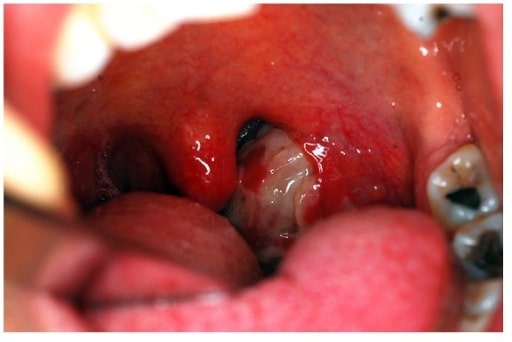
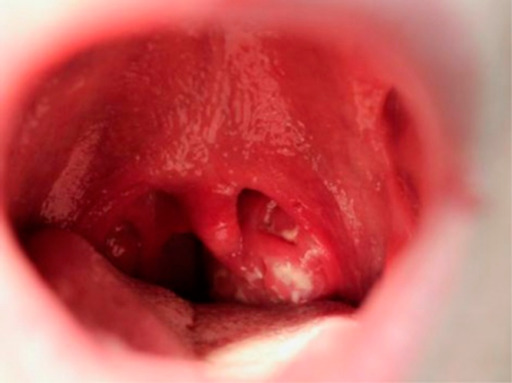
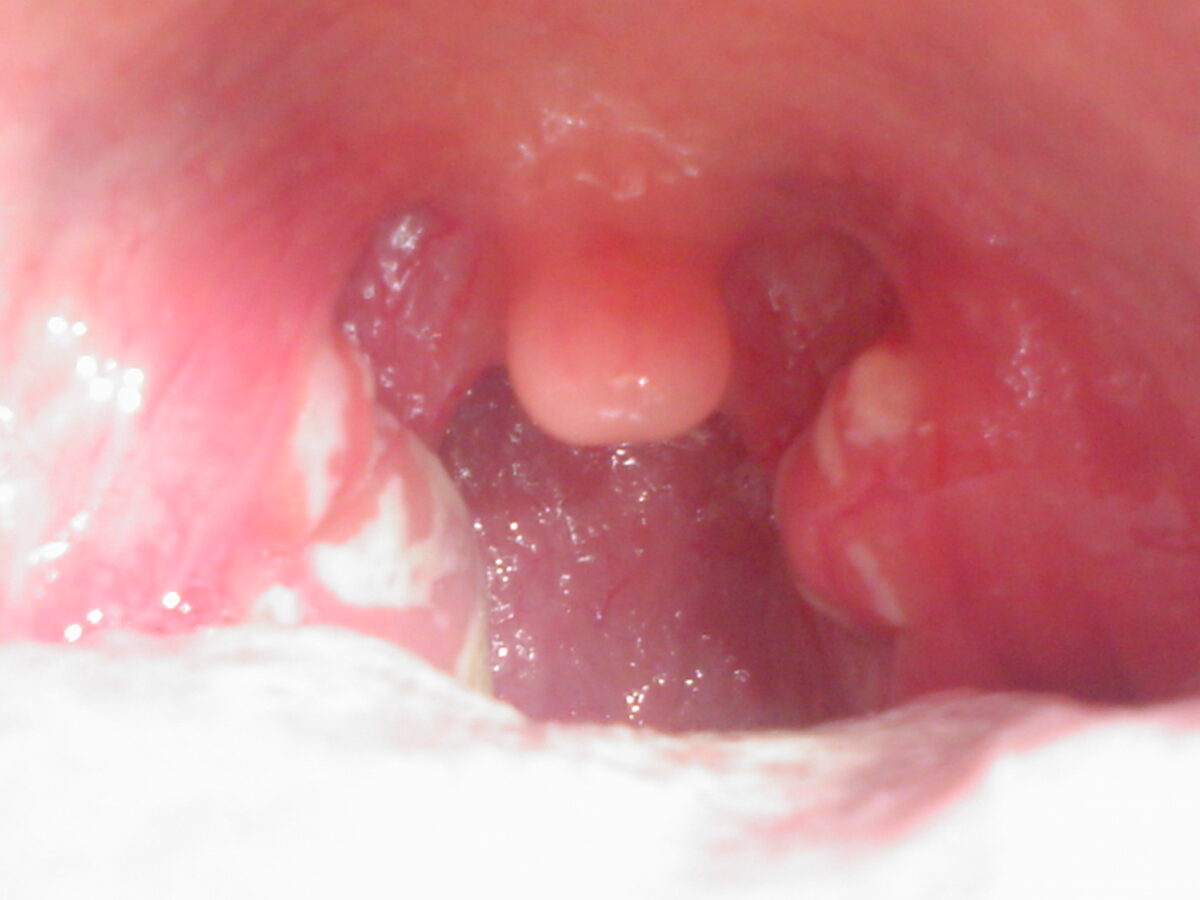
La faringitis es una inflamación de la parte posterior de la garganta (faringe). La faringitis suele ser causada por una infección de las vías respiratorias superiores, que en EN Erythema nodosum is an immune-mediated panniculitis (inflammation of the subcutaneous fat) caused by a type IV (delayed-type) hypersensitivity reaction. It commonly manifests in young women as tender, erythematous nodules on the shins. Erythema Nodosum la mayoría de los LOS Neisseria casos es viral. Suele provocar dolor Dolor Inflammation de garganta y fiebre. Otros síntomas pueden ser secreción nasal, tos TOS Thoracic outlet syndrome (TOS) is a broad term used for a spectrum of syndromes related to the general region of the thoracic outlet, which involves the compression or irritation of elements of the brachial plexus, subclavian artery, or subclavian vein. Thoracic Outlet Syndrome, cefalea y disfonía. Determinar el agente causal basándose únicamente en EN Erythema nodosum is an immune-mediated panniculitis (inflammation of the subcutaneous fat) caused by a type IV (delayed-type) hypersensitivity reaction. It commonly manifests in young women as tender, erythematous nodules on the shins. Erythema Nodosum los LOS Neisseria síntomas es difícil. Por ello, a menudo se realiza un frotis de garganta para descartar una causa bacteriana. La base del tratamiento es sintomática y de soporte, y las causas bacterianas requieren antibióticos.

Last updated: Dec 15, 2025

Editorial responsibility: Stanley Oiseth, Lindsay Jones, Evelin Maza

Etiología

La faringitis se define como una inflamación de la faringe y las estructuras circundantes.

La mayoría de los LOS Neisseria casos se deben a un organismo infeccioso que se adquiere por contacto cercano con un individuo infectado.
  • Viral:
    • Adenovirus Adenovirus Adenovirus (member of the family Adenoviridae) is a nonenveloped, double-stranded DNA virus. Adenovirus is transmitted in a variety of ways, and it can have various presentations based on the site of entry. Presentation can include febrile pharyngitis, conjunctivitis, acute respiratory disease, atypical pneumonia, and gastroenteritis. Adenovirus (más común)
    • Virus Virus Viruses are infectious, obligate intracellular parasites composed of a nucleic acid core surrounded by a protein capsid. Viruses can be either naked (non-enveloped) or enveloped. The classification of viruses is complex and based on many factors, including type and structure of the nucleoid and capsid, the presence of an envelope, the replication cycle, and the host range. Virology Coxsackie A
    • Familia Orthomyxoviridae Orthomyxoviridae A family of RNA viruses causing influenza and other diseases. There are five recognized genera: influenzavirus a; influenzavirus b; influenzavirus c; isavirus; and thogotovirus. Influenza Viruses/Influenza
    • Virus Virus Viruses are infectious, obligate intracellular parasites composed of a nucleic acid core surrounded by a protein capsid. Viruses can be either naked (non-enveloped) or enveloped. The classification of viruses is complex and based on many factors, including type and structure of the nucleoid and capsid, the presence of an envelope, the replication cycle, and the host range. Virology de Epstein-Barr (causa la mononucleosis Mononucleosis Infectious mononucleosis (IM), also known as “the kissing disease,” is a highly contagious viral infection caused by the Epstein-Barr virus. Its common name is derived from its main method of transmission: the spread of infected saliva via kissing. Clinical manifestations of IM include fever, tonsillar pharyngitis, and lymphadenopathy. Mononucleosis infecciosa)
    • Virus Virus Viruses are infectious, obligate intracellular parasites composed of a nucleic acid core surrounded by a protein capsid. Viruses can be either naked (non-enveloped) or enveloped. The classification of viruses is complex and based on many factors, including type and structure of the nucleoid and capsid, the presence of an envelope, the replication cycle, and the host range. Virology del herpes simple
    • Virus Virus Viruses are infectious, obligate intracellular parasites composed of a nucleic acid core surrounded by a protein capsid. Viruses can be either naked (non-enveloped) or enveloped. The classification of viruses is complex and based on many factors, including type and structure of the nucleoid and capsid, the presence of an envelope, the replication cycle, and the host range. Virology del sarampión
    • Rinovirus
    • Coronavirus Coronavirus Coronaviruses are a group of related viruses that contain positive-sense, single-stranded RNA. Coronavirus derives its name from “κορώνη korṓnē” in Greek, which translates as “crown,” after the small club-shaped proteins visible as a ring around the viral envelope in electron micrographs. Coronavirus
    • Virus Virus Viruses are infectious, obligate intracellular parasites composed of a nucleic acid core surrounded by a protein capsid. Viruses can be either naked (non-enveloped) or enveloped. The classification of viruses is complex and based on many factors, including type and structure of the nucleoid and capsid, the presence of an envelope, the replication cycle, and the host range. Virology respiratorio sincitial
    • Virus Virus Viruses are infectious, obligate intracellular parasites composed of a nucleic acid core surrounded by a protein capsid. Viruses can be either naked (non-enveloped) or enveloped. The classification of viruses is complex and based on many factors, including type and structure of the nucleoid and capsid, the presence of an envelope, the replication cycle, and the host range. Virology de la parainfluenza
  • Bacteriana:
    • Streptococcus Streptococcus Streptococcus is one of the two medically important genera of gram-positive cocci, the other being Staphylococcus. Streptococci are identified as different species on blood agar on the basis of their hemolytic pattern and sensitivity to optochin and bacitracin. There are many pathogenic species of streptococci, including S. pyogenes, S. agalactiae, S. pneumoniae, and the viridans streptococci. Streptococcus pyogenes (causa bacteriana más frecuente de la faringitis infecciosa)
    • Streptococcus Streptococcus Streptococcus is one of the two medically important genera of gram-positive cocci, the other being Staphylococcus. Streptococci are identified as different species on blood agar on the basis of their hemolytic pattern and sensitivity to optochin and bacitracin. There are many pathogenic species of streptococci, including S. pyogenes, S. agalactiae, S. pneumoniae, and the viridans streptococci. Streptococcus pneumoniae (las infecciones por Streptococcus Streptococcus Streptococcus is one of the two medically important genera of gram-positive cocci, the other being Staphylococcus. Streptococci are identified as different species on blood agar on the basis of their hemolytic pattern and sensitivity to optochin and bacitracin. There are many pathogenic species of streptococci, including S. pyogenes, S. agalactiae, S. pneumoniae, and the viridans streptococci. Streptococcus beta-hemolíticos son frecuentes en EN Erythema nodosum is an immune-mediated panniculitis (inflammation of the subcutaneous fat) caused by a type IV (delayed-type) hypersensitivity reaction. It commonly manifests in young women as tender, erythematous nodules on the shins. Erythema Nodosum niños de 4–7 años)
    • Haemophilus influenzae Haemophilus Influenzae A species of Haemophilus found on the mucous membranes of humans and a variety of animals. The species is further divided into biotypes I through viii. Haemophilus
    • Bordetella pertussis Bordetella pertussis A species of gram-negative, aerobic bacteria that is the causative agent of whooping cough. Its cells are minute coccobacilli that are surrounded by a slime sheath. Bordetella
    • Bacillus anthracis Bacillus anthracis A species of bacteria that causes anthrax in humans and animals. Anthrax
    • Corynebacterium diphtheriae Corynebacterium diphtheriae Diphtheria is an infectious disease caused by corynebacterium diphtheriae that most often results in respiratory disease with membranous inflammation of the pharynx, sore throat, fever, swollen glands, and weakness. The hallmark sign is a sheet of thick, gray material covering the back of the throat. Diphtheria
    • Neisseria gonorrhoeae Neisseria gonorrhoeae A species of gram-negative, aerobic bacteria primarily found in purulent venereal discharges. It is the causative agent of gonorrhea. Neisseria
    • Chlamydophila pneumoniae
    • Mycoplasma pneumoniae Mycoplasma pneumoniae Short filamentous organism of the genus mycoplasma, which binds firmly to the cells of the respiratory epithelium. It is one of the etiologic agents of non-viral primary atypical pneumonia in man. Mycoplasma
    • Fusobacterium Fusobacterium A genus of gram-negative, anaerobic, rod-shaped bacteria found in cavities of humans and other animals. No endospores are formed. Some species are pathogenic and occur in various purulent or gangrenous infections. Dog and Cat Bites necrophorum
  • Fúngica:
    • Candidiasis Candidiasis Candida is a genus of dimorphic, opportunistic fungi. Candida albicans is part of the normal human flora and is the most common cause of candidiasis. The clinical presentation varies and can include localized mucocutaneous infections (e.g., oropharyngeal, esophageal, intertriginous, and vulvovaginal candidiasis) and invasive disease (e.g., candidemia, intraabdominal abscess, pericarditis, and meningitis). Candida/Candidiasis (la candidiasis Candidiasis Candida is a genus of dimorphic, opportunistic fungi. Candida albicans is part of the normal human flora and is the most common cause of candidiasis. The clinical presentation varies and can include localized mucocutaneous infections (e.g., oropharyngeal, esophageal, intertriginous, and vulvovaginal candidiasis) and invasive disease (e.g., candidemia, intraabdominal abscess, pericarditis, and meningitis). Candida/Candidiasis oral que afecta a la faringe puede ocurrir en EN Erythema nodosum is an immune-mediated panniculitis (inflammation of the subcutaneous fat) caused by a type IV (delayed-type) hypersensitivity reaction. It commonly manifests in young women as tender, erythematous nodules on the shins. Erythema Nodosum pacientes inmunocomprometidos, con el uso de antibióticos y glucocorticoides inhalados, y en EN Erythema nodosum is an immune-mediated panniculitis (inflammation of the subcutaneous fat) caused by a type IV (delayed-type) hypersensitivity reaction. It commonly manifests in young women as tender, erythematous nodules on the shins. Erythema Nodosum pacientes que reciben quimioterapia y/o radiación)
  • Causas no infecciosas:
    • Tabaquismo
    • Roncar
    • Gritar
    • Intubación traqueal
    • Medicamentos
    • Enfermedad concomitante
    • Contaminantes del aire interior y exterior
    • Temperatura y humedad (e.g., sequedad durante los LOS Neisseria meses de invierno, calefacción por aire forzado)
    • Irritantes peligrosos o laborales
    • Cuerpo extraño (e.g., espina de pescado incrustada en EN Erythema nodosum is an immune-mediated panniculitis (inflammation of the subcutaneous fat) caused by a type IV (delayed-type) hypersensitivity reaction. It commonly manifests in young women as tender, erythematous nodules on the shins. Erythema Nodosum la faringe)
    • Condiciones inflamatorias sistémicas: Enfermedad de Kawasaki, síndrome de Stevens-Johnson, síndrome de Behçet, síndrome PFAPA (por sus siglas en EN Erythema nodosum is an immune-mediated panniculitis (inflammation of the subcutaneous fat) caused by a type IV (delayed-type) hypersensitivity reaction. It commonly manifests in young women as tender, erythematous nodules on the shins. Erythema Nodosum inglés, periodic fever (fiebre periódica), aphthous stomatitis Stomatitis Stomatitis is a general term referring to inflammation of the mucous membranes of the mouth, which may include sores. Stomatitis can be caused by infections, autoimmune disorders, allergic reactions, or exposure to irritants. The typical presentation may be either solitary or a group of painful oral lesions. Stomatitis (estomatitis aftosa), pharyngitis (faringitis), adenitis (adenitis))
    • Exposición química (e.g., paraquat Paraquat A poisonous bipyridylium compound used as contact herbicide. Contact with concentrated solutions causes irritation of the skin, cracking and shedding of the nails, and delayed healing of cuts and wounds. Herbicide Poisoning, álcali)
    • Dolor Dolor Inflammation referido (e.g., otitis media, absceso dental)
    • Psicogénico

Presentación Clínica

  • Los LOS Neisseria síntomas suelen durar 3–5 días
  • Molestias en EN Erythema nodosum is an immune-mediated panniculitis (inflammation of the subcutaneous fat) caused by a type IV (delayed-type) hypersensitivity reaction. It commonly manifests in young women as tender, erythematous nodules on the shins. Erythema Nodosum la garganta
  • Odinofagia: dolor Dolor Inflammation al AL Amyloidosis tragar
  • Tos TOS Thoracic outlet syndrome (TOS) is a broad term used for a spectrum of syndromes related to the general region of the thoracic outlet, which involves the compression or irritation of elements of the brachial plexus, subclavian artery, or subclavian vein. Thoracic Outlet Syndrome seca
  • Linfadenopatía cervical
  • Exudado faríngeo
  • No hay tos TOS Thoracic outlet syndrome (TOS) is a broad term used for a spectrum of syndromes related to the general region of the thoracic outlet, which involves the compression or irritation of elements of the brachial plexus, subclavian artery, or subclavian vein. Thoracic Outlet Syndrome ni disfonía (sugiere una laringitis si estos síntomas están presentes)
  • Síntomas constitucionales: dolores corporales, cefalea, fiebre, mialgias, malestar general, aparición brusca

Diagnóstico

Puntaje de Centor: estima la probabilidad de que la faringitis sea estreptocócica y sugiere el curso terapéutico para los LOS Neisseria adultos

  • Criterios:
    • Edad de 3–14 años: +1
    • Edad 15–44 años: +0
    • Edad ≥ 45 años: –1
    • Ausencia de tos TOS Thoracic outlet syndrome (TOS) is a broad term used for a spectrum of syndromes related to the general region of the thoracic outlet, which involves the compression or irritation of elements of the brachial plexus, subclavian artery, or subclavian vein. Thoracic Outlet Syndrome: +1
    • Exudados amigdalinos: +1
    • Fiebre: +1
    • Adenopatía cervical anterior dolorosa: +1
  • Puntuación:
    • –1, 0, o 1 punto: no se requieren más pruebas ni antibióticos
    • 2 puntos: opcionalmente, prueba rápida de estreptococos y/o cultivo
    • 3 puntos: se recomienda la prueba rápida de estreptococos y/o el cultivo, y los LOS Neisseria antibióticos solo si son positivos
    • 4 o 5 puntos: se recomienda la realización de pruebas rápidas de estreptococos y/o un cultivo con antibióticos empíricos

Diagnóstico de laboratorio:

  • Prueba rápida de estreptococos: detecta el antígeno de la ribonucleasa
  • Hisopado de garganta para un cultivo
  • Pruebas serológicas

La identificación de la infección por estreptococos beta-hemolíticos es de suma importancia, ya que se asocia con desarrollo de cardiopatía reumática si no se trata.

Algoritmo diagnóstico de la faringitis

Algoritmo diagnóstico de la faringitis

Imagen por Lecturio.

Para recordar los LOS Neisseria criterios de Centor ( en EN Erythema nodosum is an immune-mediated panniculitis (inflammation of the subcutaneous fat) caused by a type IV (delayed-type) hypersensitivity reaction. It commonly manifests in young women as tender, erythematous nodules on the shins. Erythema Nodosum inglés):

  • C – Cough ( tos TOS Thoracic outlet syndrome (TOS) is a broad term used for a spectrum of syndromes related to the general region of the thoracic outlet, which involves the compression or irritation of elements of the brachial plexus, subclavian artery, or subclavian vein. Thoracic Outlet Syndrome)
  • E Exudate Exudate Exudates are fluids, cells, or other cellular substances that are slowly discharged from blood vessels usually from inflamed tissues. Pleural Effusion (exudado)
  • N – Nodes (nódulos (ganglios) linfáticos)
  • T – Temperature ( fever Fever Fever is defined as a measured body temperature of at least 38°C (100.4°F). Fever is caused by circulating endogenous and/or exogenous pyrogens that increase levels of prostaglandin E2 in the hypothalamus. Fever is commonly associated with chills, rigors, sweating, and flushing of the skin. Fever) (temperatura (fiebre))
  • OR – Young OR old modifier (modificador joven O viejo)

Tratamiento

  • La base del tratamiento es sintomática y de soporte:
    • Ingesta adecuada de líquidos, evitar irritantes respiratorios como el humo, evitar alimentos y bebidas ácidas, dieta blanda, descanso adecuado, analgesia Analgesia Methods of pain relief that may be used with or in place of analgesics. Anesthesiology: History and Basic Concepts sistémica, pastillas medicinales y pulverizador (spray) para la garganta
  • Algunos pacientes pueden requerir antibióticos para una faringitis bacteriana detectada por pruebas de laboratorio:
    • Tratar la faringitis debida a Streptococci beta-hemolíticos del grupo A con penicilina o amoxicilina por vía oral durante 10 días (cefalexina si la penicilina provoca erupciones; clindamicina o macrólido si la penicilina provoca anafilaxia).
    • El tratamiento oportuno es crucial para la prevención de la fiebre reumática aguda.
  • La faringitis viral es autolimitada y se resuelve de forma espontánea y constante en EN Erythema nodosum is an immune-mediated panniculitis (inflammation of the subcutaneous fat) caused by a type IV (delayed-type) hypersensitivity reaction. It commonly manifests in young women as tender, erythematous nodules on the shins. Erythema Nodosum pocos días sin empeorar.
  • Si hay una causa subyacente, se debe identificar y tratar (e.g., terapia retroviral para el VIH, penicilina para el Streptococcus Streptococcus Streptococcus is one of the two medically important genera of gram-positive cocci, the other being Staphylococcus. Streptococci are identified as different species on blood agar on the basis of their hemolytic pattern and sensitivity to optochin and bacitracin. There are many pathogenic species of streptococci, including S. pyogenes, S. agalactiae, S. pneumoniae, and the viridans streptococci. Streptococcus del grupo A, nistatina para Candida Candida Candida is a genus of dimorphic, opportunistic fungi. Candida albicans is part of the normal human flora and is the most common cause of candidiasis. The clinical presentation varies and can include localized mucocutaneous infections (e.g., oropharyngeal, esophageal, intertriginous, and vulvovaginal candidiasis) and invasive disease (e.g., candidemia, intraabdominal abscess, pericarditis, and meningitis). Candida/Candidiasis, etc ETC The electron transport chain (ETC) sends electrons through a series of proteins, which generate an electrochemical proton gradient that produces energy in the form of adenosine triphosphate (ATP). Electron Transport Chain (ETC).).

Complicaciones

Complicaciones supurativas

  • Sinusitis Sinusitis Sinusitis refers to inflammation of the mucosal lining of the paranasal sinuses. The condition usually occurs concurrently with inflammation of the nasal mucosa (rhinitis), a condition known as rhinosinusitis. Acute sinusitis is due to an upper respiratory infection caused by a viral, bacterial, or fungal agent. Sinusitis
  • Otitis media
  • Epiglotitis
  • Mastoiditis Mastoiditis Inflammation of the honeycomb-like mastoid bone in the skull just behind the ear. It is usually a complication of otitis media. Mumps Virus/Mumps
  • Absceso periamigdalino
  • Absceso retrofaríngeo
  • Linfadenitis cervical supurativa
  • Neumonía
  • Celulitis amigdalina
  • Fascitis necrosante
  • Bacteriemia estreptocócica (rara)
  • Meningitis Meningitis Meningitis is inflammation of the meninges, the protective membranes of the brain, and spinal cord. The causes of meningitis are varied, with the most common being bacterial or viral infection. The classic presentation of meningitis is a triad of fever, altered mental status, and nuchal rigidity. Meningitis o absceso cerebral (extremadamente raro)

Complicaciones no supurativas

  • Obstrucción de las vías respiratorias
  • Trombocitopenia
  • Miocarditis
  • Pericarditis Pericarditis Pericarditis is an inflammation of the pericardium, often with fluid accumulation. It can be caused by infection (often viral), myocardial infarction, drugs, malignancies, metabolic disorders, autoimmune disorders, or trauma. Acute, subacute, and chronic forms exist. Pericarditis
  • Encefalitis
  • Meningitis Meningitis Meningitis is inflammation of the meninges, the protective membranes of the brain, and spinal cord. The causes of meningitis are varied, with the most common being bacterial or viral infection. The classic presentation of meningitis is a triad of fever, altered mental status, and nuchal rigidity. Meningitis
  • Síndrome de shock Shock Shock is a life-threatening condition associated with impaired circulation that results in tissue hypoxia. The different types of shock are based on the underlying cause: distributive (↑ cardiac output (CO), ↓ systemic vascular resistance (SVR)), cardiogenic (↓ CO, ↑ SVR), hypovolemic (↓ CO, ↑ SVR), obstructive (↓ CO), and mixed. Types of Shock tóxico
  • Fiebre reumática aguda
  • Polineuropatía inflamatoria aguda desmielinizante
  • Artritis reactiva postestreptocócica
  • Glomerulonefritis aguda
  • Trastornos neuropsiquiátricos pediátricos autoinmunes asociados a infecciones estreptocócicas (PANDAS, por sus siglas en EN Erythema nodosum is an immune-mediated panniculitis (inflammation of the subcutaneous fat) caused by a type IV (delayed-type) hypersensitivity reaction. It commonly manifests in young women as tender, erythematous nodules on the shins. Erythema Nodosum inglés)

Diagnóstico Diferencial

Las siguientes condiciones son diagnósticos diferenciales de la faringitis:

  • Epiglotitis: inflamación de la epiglotis causada por infecciones por Haemophilus Haemophilus Haemophilus is a genus of Gram-negative coccobacilli, all of whose strains require at least 1 of 2 factors for growth (factor V [NAD] and factor X [heme]); therefore, it is most often isolated on chocolate agar, which can supply both factors. The pathogenic species are H. influenzae and H. ducreyi. Haemophilus, estreptococos o estafilococos, que se manifiesta con dificultad para respirar, estridor y cianosis, que en EN Erythema nodosum is an immune-mediated panniculitis (inflammation of the subcutaneous fat) caused by a type IV (delayed-type) hypersensitivity reaction. It commonly manifests in young women as tender, erythematous nodules on the shins. Erythema Nodosum última instancia conduce a la muerte debido a la obstrucción de las vías respiratorias
  • Laringitis o laringotraqueítis: inflamación de la laringe debida, entre otras causas, a un traumatismo o a una infección. En EN Erythema nodosum is an immune-mediated panniculitis (inflammation of the subcutaneous fat) caused by a type IV (delayed-type) hypersensitivity reaction. It commonly manifests in young women as tender, erythematous nodules on the shins. Erythema Nodosum esta enfermedad, los LOS Neisseria 2 pliegues de la membrana mucosa que componen las cuerdas vocales se inflaman e irritan.
  • Absceso periamigdalino: infección profunda del cuello que suele producirse en adolescentes o adultos jóvenes como complicación de una amigdalitis aguda. Se presenta con fiebre, dolor de garganta, disfagia, la llamada voz de “patata caliente” y trismo
  • Candidiasis Candidiasis Candida is a genus of dimorphic, opportunistic fungi. Candida albicans is part of the normal human flora and is the most common cause of candidiasis. The clinical presentation varies and can include localized mucocutaneous infections (e.g., oropharyngeal, esophageal, intertriginous, and vulvovaginal candidiasis) and invasive disease (e.g., candidemia, intraabdominal abscess, pericarditis, and meningitis). Candida/Candidiasis: infección fúngica causada por levaduras del género Candida Candida Candida is a genus of dimorphic, opportunistic fungi. Candida albicans is part of the normal human flora and is the most common cause of candidiasis. The clinical presentation varies and can include localized mucocutaneous infections (e.g., oropharyngeal, esophageal, intertriginous, and vulvovaginal candidiasis) and invasive disease (e.g., candidemia, intraabdominal abscess, pericarditis, and meningitis). Candida/Candidiasis que puede causar infecciones profundas en EN Erythema nodosum is an immune-mediated panniculitis (inflammation of the subcutaneous fat) caused by a type IV (delayed-type) hypersensitivity reaction. It commonly manifests in young women as tender, erythematous nodules on the shins. Erythema Nodosum el cuerpo, afectando a órganos internos como el riñón, el corazón o el cerebro
  • Difteria: infección bacteriana grave causada por Corynebacterium diphtheriae que afecta a las membranas mucosas de la nariz y la garganta, provocando dolor de garganta, fiebre, inflamación de los ganglios (hasta el punto de que el “cuello de toro” es patognomónico de esta infección) y debilidad.
  • Crup: también llamada laringotraqueobronquitis; es causada en EN Erythema nodosum is an immune-mediated panniculitis (inflammation of the subcutaneous fat) caused by a type IV (delayed-type) hypersensitivity reaction. It commonly manifests in young women as tender, erythematous nodules on the shins. Erythema Nodosum la mayoría de los LOS Neisseria casos por una infección viral o, en EN Erythema nodosum is an immune-mediated panniculitis (inflammation of the subcutaneous fat) caused by a type IV (delayed-type) hypersensitivity reaction. It commonly manifests in young women as tender, erythematous nodules on the shins. Erythema Nodosum raras ocasiones, por una infección bacteriana que provoca la inflamación de la tráquea e interfiere con la respiración normal
  • Gonorrea: enfermedad de transmisión sexual que afecta a ambos sexos y que se manifiesta en EN Erythema nodosum is an immune-mediated panniculitis (inflammation of the subcutaneous fat) caused by a type IV (delayed-type) hypersensitivity reaction. It commonly manifests in young women as tender, erythematous nodules on the shins. Erythema Nodosum los LOS Neisseria genitales, el recto y la garganta; suele afectar a los LOS Neisseria adolescentes (15–24 años) que practican sexo vaginal, anal u oral
  • Neumonía: inflamación aguda o crónica del tejido pulmonar, que incluye la infección por bacterias, virus Virus Viruses are infectious, obligate intracellular parasites composed of a nucleic acid core surrounded by a protein capsid. Viruses can be either naked (non-enveloped) or enveloped. The classification of viruses is complex and based on many factors, including type and structure of the nucleoid and capsid, the presence of an envelope, the replication cycle, and the host range. Virology u hongos

¡Crea tu cuenta gratis o inicia una sesión para seguir leyendo!

Regístrate ahora y obtén acceso gratuito a Lecturio con páginas de concepto, videos médicos y cuestionarios para tu educación médica.

User Reviews

¡Flash Sale Doble! ⚡ Ahorra 30% en todos planes y cursos acreditados!

Details