Domina Conceptos Médicos

Estudia para la escuela de medicina y tus examenes con Lecturio.

Síndrome de Sjögren

El síndrome de Sjögren es una afección inflamatoria autoinmune en EN Erythema nodosum is an immune-mediated panniculitis (inflammation of the subcutaneous fat) caused by a type IV (delayed-type) hypersensitivity reaction. It commonly manifests in young women as tender, erythematous nodules on the shins. Erythema Nodosum la que los LOS Neisseria linfocitos infiltran los LOS Neisseria tejidos glandulares, como las glándulas salivales y lagrimales, lo que da como resultado una disminución de la producción de lágrimas y saliva Saliva The clear, viscous fluid secreted by the salivary glands and mucous glands of the mouth. It contains mucins, water, organic salts, and ptyalin. Salivary Glands: Anatomy. La enfermedad afecta principalmente a mujeres de mediana edad y está asociada a otras enfermedades autoinmunes. Los LOS Neisseria pacientes pueden experimentar síntomas y complicaciones relacionadas con ojos y boca secos. Existe una amplia gama de manifestaciones extraglandulares, incluyendo el fenómeno de Raynaud, la neuropatía y la vasculitis Vasculitis Inflammation of any one of the blood vessels, including the arteries; veins; and rest of the vasculature system in the body. Systemic Lupus Erythematosus cutánea. Los LOS Neisseria pacientes también tienen un mayor riesgo de desarrollar linfoma no Hodgkin. El diagnóstico se basa en EN Erythema nodosum is an immune-mediated panniculitis (inflammation of the subcutaneous fat) caused by a type IV (delayed-type) hypersensitivity reaction. It commonly manifests in young women as tender, erythematous nodules on the shins. Erythema Nodosum la presencia de síntomas y se válida mediante el examen clínico, estudios serológicos y biopsia de glándulas salivales. Se necesita un enfoque multidisciplinario para el tratamiento de estos pacientes. Dicho tratamiento se enfoca en EN Erythema nodosum is an immune-mediated panniculitis (inflammation of the subcutaneous fat) caused by a type IV (delayed-type) hypersensitivity reaction. It commonly manifests in young women as tender, erythematous nodules on the shins. Erythema Nodosum el alivio sintomático, reservando la terapia inmunosupresora para los LOS Neisseria síntomas graves.

Last updated: Dec 15, 2025

Editorial responsibility: Stanley Oiseth, Lindsay Jones, Evelin Maza

Descripción General

Definición

El síndrome de Sjögren, también conocido como síndrome sicca, es una condición autoinmune e inflamatoria crónica que conduce a una disminución de la función de las glándulas lagrimales y salivales, lo que provoca sequedad en EN Erythema nodosum is an immune-mediated panniculitis (inflammation of the subcutaneous fat) caused by a type IV (delayed-type) hypersensitivity reaction. It commonly manifests in young women as tender, erythematous nodules on the shins. Erythema Nodosum los LOS Neisseria ojos (xeroftalmía) y en EN Erythema nodosum is an immune-mediated panniculitis (inflammation of the subcutaneous fat) caused by a type IV (delayed-type) hypersensitivity reaction. It commonly manifests in young women as tender, erythematous nodules on the shins. Erythema Nodosum la boca (xerostomía).

Epidemiología

  • El segundo trastorno reumatológico más común
  • Prevalencia: 0,1%–1% de la población
  • Predominantemente visto en EN Erythema nodosum is an immune-mediated panniculitis (inflammation of the subcutaneous fat) caused by a type IV (delayed-type) hypersensitivity reaction. It commonly manifests in young women as tender, erythematous nodules on the shins. Erythema Nodosum mujeres (relación mujer: hombre de 9:1)
  • Edad de inicio: mediana edad (40–55 años)
  • La ½ de los LOS Neisseria pacientes tienen otra enfermedad autoinmune (e.g., artritis reumatoide, lupus eritematoso sistémico).

Etiología

Síndrome de Sjögren primario:

  • Se desconoce la etiología.
  • Posible predisposición genética:
    • HLA-DR3
    • HLA-DQ2
    • HLA-DR5
  • Posible conexión viral:
    • Virus Virus Viruses are infectious, obligate intracellular parasites composed of a nucleic acid core surrounded by a protein capsid. Viruses can be either naked (non-enveloped) or enveloped. The classification of viruses is complex and based on many factors, including type and structure of the nucleoid and capsid, the presence of an envelope, the replication cycle, and the host range. Virology de Epstein-Barr ( EBV EBV Epstein-barr virus (EBV) is a linear, double-stranded DNA virus belonging to the herpesviridae family. This highly prevalent virus is mostly transmitted through contact with oropharyngeal secretions from an infected individual. The virus can infect epithelial cells and B lymphocytes, where it can undergo lytic replication or latency. Epstein-Barr Virus, por sus siglas en EN Erythema nodosum is an immune-mediated panniculitis (inflammation of the subcutaneous fat) caused by a type IV (delayed-type) hypersensitivity reaction. It commonly manifests in young women as tender, erythematous nodules on the shins. Erythema Nodosum inglés)
    • Hepatitis C Hepatitis C Hepatitis C is an infection of the liver caused by the hepatitis C virus (HCV). The infection can be transmitted through infectious blood or body fluids and may be transmitted during childbirth or through IV drug use or sexual intercourse. Hepatitis C virus can cause both acute and chronic hepatitis, ranging from a mild to a serious, lifelong illness including liver cirrhosis and hepatocellular carcinoma (HCC). Hepatitis C Virus crónica
    • Virus Virus Viruses are infectious, obligate intracellular parasites composed of a nucleic acid core surrounded by a protein capsid. Viruses can be either naked (non-enveloped) or enveloped. The classification of viruses is complex and based on many factors, including type and structure of the nucleoid and capsid, the presence of an envelope, the replication cycle, and the host range. Virology de la leucemia de células T humanas tipo 1
    • Virus Virus Viruses are infectious, obligate intracellular parasites composed of a nucleic acid core surrounded by a protein capsid. Viruses can be either naked (non-enveloped) or enveloped. The classification of viruses is complex and based on many factors, including type and structure of the nucleoid and capsid, the presence of an envelope, the replication cycle, and the host range. Virology del herpes humano tipo 6
    • Virus Virus Viruses are infectious, obligate intracellular parasites composed of a nucleic acid core surrounded by a protein capsid. Viruses can be either naked (non-enveloped) or enveloped. The classification of viruses is complex and based on many factors, including type and structure of the nucleoid and capsid, the presence of an envelope, the replication cycle, and the host range. Virology de la inmunodeficiencia humana (VIH)

Síndrome de Sjögren secundario:

Se presenta en EN Erythema nodosum is an immune-mediated panniculitis (inflammation of the subcutaneous fat) caused by a type IV (delayed-type) hypersensitivity reaction. It commonly manifests in young women as tender, erythematous nodules on the shins. Erythema Nodosum asociación con otra enfermedad autoinmune:

  • Artritis reumatoide
  • Lupus eritematoso sistémico
  • Polimiositis
  • Esclerodermia

Fisiopatología

El mecanismo general en EN Erythema nodosum is an immune-mediated panniculitis (inflammation of the subcutaneous fat) caused by a type IV (delayed-type) hypersensitivity reaction. It commonly manifests in young women as tender, erythematous nodules on the shins. Erythema Nodosum el síndrome de Sjögren no está claro:
  • El proceso puede originarse por un desencadenante ambiental en EN Erythema nodosum is an immune-mediated panniculitis (inflammation of the subcutaneous fat) caused by a type IV (delayed-type) hypersensitivity reaction. It commonly manifests in young women as tender, erythematous nodules on the shins. Erythema Nodosum un paciente con una predisposición genética.
  • Células dendríticas migran hacia las glándulas salivales y lagrimales → liberan interferones
  • Los LOS Neisseria linfocitos (generalmente linfocitos T CD4) y linfocitos B se infiltran en EN Erythema nodosum is an immune-mediated panniculitis (inflammation of the subcutaneous fat) caused by a type IV (delayed-type) hypersensitivity reaction. It commonly manifests in young women as tender, erythematous nodules on the shins. Erythema Nodosum las glándulas.
  • Los LOS Neisseria interferones estimulan la producción del factor activador de células B → promueven la maduración irregular de linfocitos B → los LOS Neisseria linfocitos B liberan autoanticuerpos
  • Los LOS Neisseria linfocitos T y las células epiteliales de los LOS Neisseria conductos producen más citoquinas.
  • Las citoquinas y los LOS Neisseria autoanticuerpos causan daño y atrofia del epitelio glandular y ductal → ↓ producción exocrina (↓ producción de lágrimas y saliva Saliva The clear, viscous fluid secreted by the salivary glands and mucous glands of the mouth. It contains mucins, water, organic salts, and ptyalin. Salivary Glands: Anatomy).
  • También pueden estar involucradas otras glándulas exocrinas en EN Erythema nodosum is an immune-mediated panniculitis (inflammation of the subcutaneous fat) caused by a type IV (delayed-type) hypersensitivity reaction. It commonly manifests in young women as tender, erythematous nodules on the shins. Erythema Nodosum todo el cuerpo.
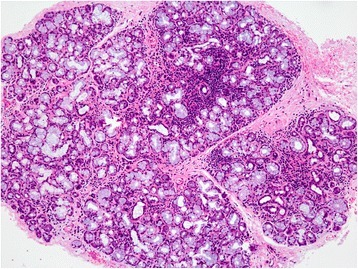
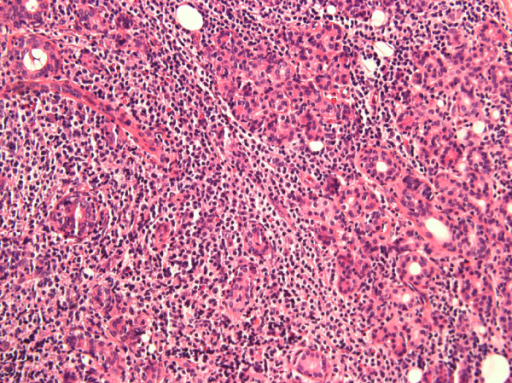
Infiltración linfocítica de la glándula parótida en un paciente con síndrome de Sjögren

Infiltración linfocítica de la glándula parótida en un paciente con síndrome de Sjögren

Imagen: “Anti-salivary gland protein 1 antibodies in two patients with Sjogren’s syndrome: Two case reports” por Vishwanath S, Shen L, Suresh L, Ambrus JL. Licencia: CC BY 2.0.
Presentación Clínica

Manifestaciones glandulares

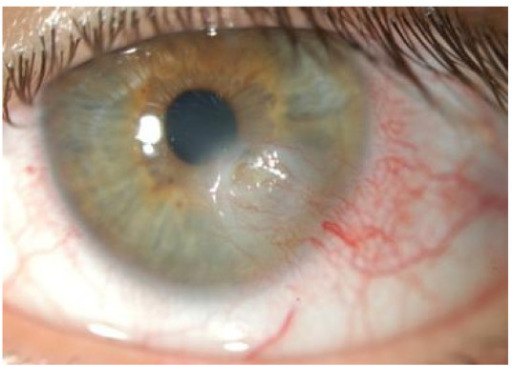
  • Queratoconjuntivitis seca:
    • Síntomas:
      • Xeroftalmía
      • Sensación granulosa o arenosa
      • Enrojecimiento
      • Visión borrosa
      • Entropión/ectropión
    • Hallazgos:
      • ↓ Producción de lágrimas
      • Tejidos corneales lesionados
    • Complicaciones corneales:
      • Ulceración
      • Perforación
  • Hipofunción salival:
    • Síntomas:
      • Xerostomía
      • Disfagia
      • La comida se pega en EN Erythema nodosum is an immune-mediated panniculitis (inflammation of the subcutaneous fat) caused by a type IV (delayed-type) hypersensitivity reaction. It commonly manifests in young women as tender, erythematous nodules on the shins. Erythema Nodosum la boca
      • Cambio en EN Erythema nodosum is an immune-mediated panniculitis (inflammation of the subcutaneous fat) caused by a type IV (delayed-type) hypersensitivity reaction. It commonly manifests in young women as tender, erythematous nodules on the shins. Erythema Nodosum el sentido del gusto
      • Dificultad para hablar durante largos períodos de tiempo
    • Hallazgos:
      • Lengua y labios secos
      • Aspecto vidrioso del paladar
      • Ausencia de acumulación salival sublingual
      • Glándulas salivales y parótidas agrandadas
    • Complicaciones:
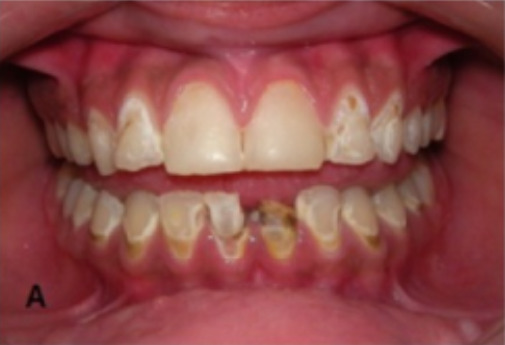
      • Caries dentales
      • Candidiasis Candidiasis Candida is a genus of dimorphic, opportunistic fungi. Candida albicans is part of the normal human flora and is the most common cause of candidiasis. The clinical presentation varies and can include localized mucocutaneous infections (e.g., oropharyngeal, esophageal, intertriginous, and vulvovaginal candidiasis) and invasive disease (e.g., candidemia, intraabdominal abscess, pericarditis, and meningitis). Candida/Candidiasis oral
      • Parotiditis
      • Esofagitis
      • Pérdida de peso debido a la dificultad para comer
  • En EN Erythema nodosum is an immune-mediated panniculitis (inflammation of the subcutaneous fat) caused by a type IV (delayed-type) hypersensitivity reaction. It commonly manifests in young women as tender, erythematous nodules on the shins. Erythema Nodosum otras glándulas:
    • Sequedad nasal
    • Tos TOS Thoracic outlet syndrome (TOS) is a broad term used for a spectrum of syndromes related to the general region of the thoracic outlet, which involves the compression or irritation of elements of the brachial plexus, subclavian artery, or subclavian vein. Thoracic Outlet Syndrome seca
    • Sequedad vaginal:
      • Infecciones vulvares
      • Dispareunia

Manifestaciones extraglandulares

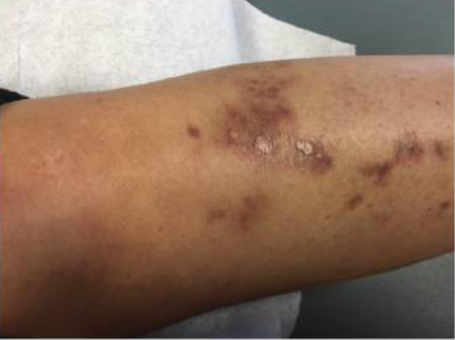
  • Cutáneas:
    • Xerosis Xerosis Sjögren Syndrome (piel seca)
    • Fenómeno de Raynaud
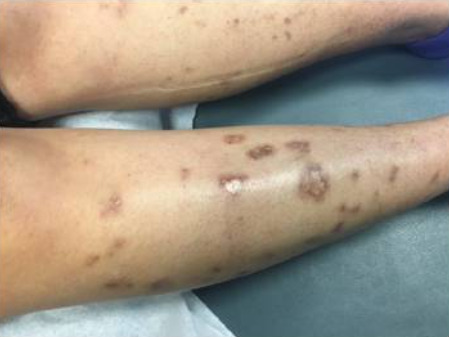
    • Vasculitis Vasculitis Inflammation of any one of the blood vessels, including the arteries; veins; and rest of the vasculature system in the body. Systemic Lupus Erythematosus cutánea:
      • Púrpura palpable
      • Lesiones de urticaria Urticaria Urticaria is raised, well-circumscribed areas (wheals) of edema (swelling) and erythema (redness) involving the dermis and epidermis with associated pruritus (itch). Urticaria is not a single disease but rather is a reaction pattern representing cutaneous mast cell degranulation. Urticaria (Hives)
      • Ulceraciones
    • Eritema nodoso
    • Livedo reticularis Livedo reticularis A condition characterized by a reticular or fishnet pattern on the skin of lower extremities and other parts of the body. This red and blue pattern is due to deoxygenated blood in unstable dermal blood vessels. The condition is intensified by cold exposure and relieved by rewarming. Chronic Kidney Disease
    • Vitíligo
    • Liquen plano
  • Musculoesqueléticas:
    • Fatiga
    • Debilidad muscular proximal (miopatía inflamatoria)
    • Fibromialgia
    • Artralgia
    • Artritis
  • Neurológicas:
    • Disfunción congnitiva
    • Polineuropatía periférica
    • Mononeuritis múltiple
    • Trastornos desmielinizantes
  • Psiquiátricas: depresión
  • Respiratorias:
    • Enfermedad pulmonar intersticial
    • Enfermedad quística pulmonar
  • Cardíacas (raras):
    • Pericarditis Pericarditis Pericarditis is an inflammation of the pericardium, often with fluid accumulation. It can be caused by infection (often viral), myocardial infarction, drugs, malignancies, metabolic disorders, autoimmune disorders, or trauma. Acute, subacute, and chronic forms exist. Pericarditis
    • Miocarditis
    • Bloqueo cardíaco
  • Gastrointestinales: gastritis Gastritis Gastritis refers to inflammation of the gastric mucosa. Gastritis may occur suddenly (acute gastritis) or slowly over time (chronic gastritis). Gastritis may be asymptomatic or with symptoms, including burning abdominal pain (which either worsens or improves with eating), dyspepsia, nausea, and vomiting. Gastritis
  • Hematológicas:
    • Anemia Anemia Anemia is a condition in which individuals have low Hb levels, which can arise from various causes. Anemia is accompanied by a reduced number of RBCs and may manifest with fatigue, shortness of breath, pallor, and weakness. Subtypes are classified by the size of RBCs, chronicity, and etiology. Anemia: Overview and Types
    • Gammapatía monoclonal
    • Macroglobulinemia de Waldenström
    • Linfoma no Hodgkin
  • Endocrinas:
    • Pancreatitis Pancreatitis Inflammation of the pancreas. Pancreatitis is classified as acute unless there are computed tomographic or endoscopic retrograde cholangiopancreatographic findings of chronic pancreatitis. The two most common forms of acute pancreatitis are alcoholic pancreatitis and gallstone pancreatitis. Acute Pancreatitis
    • Enfermedad tiroidea autoinmune
  • Renales:
    • Nefritis intersticial
    • Glomerulonefritis
    • Acidosis Acidosis A pathologic condition of acid accumulation or depletion of base in the body. The two main types are respiratory acidosis and metabolic acidosis, due to metabolic acid build up. Respiratory Acidosis tubular renal

Diagnóstico

Estudios de laboratorio

  • Anticuerpos anti-SSA/Ro y anti-SSB/La (presentes en EN Erythema nodosum is an immune-mediated panniculitis (inflammation of the subcutaneous fat) caused by a type IV (delayed-type) hypersensitivity reaction. It commonly manifests in young women as tender, erythematous nodules on the shins. Erythema Nodosum 60%–70% de los LOS Neisseria pacientes)
  • Anticuerpos antinucleares
  • Factor reumatoideo (presente en EN Erythema nodosum is an immune-mediated panniculitis (inflammation of the subcutaneous fat) caused by a type IV (delayed-type) hypersensitivity reaction. It commonly manifests in young women as tender, erythematous nodules on the shins. Erythema Nodosum 40%–60% de los LOS Neisseria pacientes)
  • Hemograma completo:
    • Anemia Anemia Anemia is a condition in which individuals have low Hb levels, which can arise from various causes. Anemia is accompanied by a reduced number of RBCs and may manifest with fatigue, shortness of breath, pallor, and weakness. Subtypes are classified by the size of RBCs, chronicity, and etiology. Anemia: Overview and Types
    • Leucopenia
    • Trombocitopenia
  • Panel metabólico básico:
    • Creatinina → evaluar afectación renal
    • ↓ Potasio y bicarbonato → acidosis Acidosis A pathologic condition of acid accumulation or depletion of base in the body. The two main types are respiratory acidosis and metabolic acidosis, due to metabolic acid build up. Respiratory Acidosis tubular renal
  • ↑ Velocidad de eritrosedimentación
  • Análisis de orina → evaluar la afectación renal:

Evaluación oftalmológica

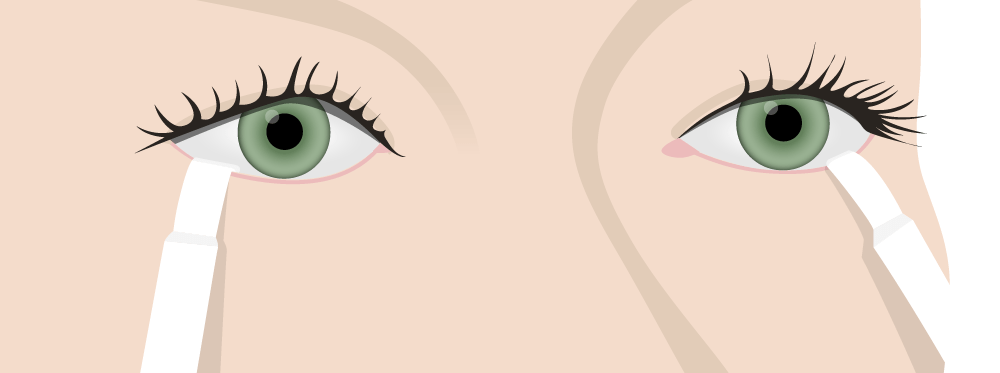
  • Prueba de Schirmer:
    • Mide la producción de lágrimas
    • Se coloca papel filtro en EN Erythema nodosum is an immune-mediated panniculitis (inflammation of the subcutaneous fat) caused by a type IV (delayed-type) hypersensitivity reaction. It commonly manifests in young women as tender, erythematous nodules on the shins. Erythema Nodosum el párpado inferior.
    • La humedad se mide después de 5 minutos.
    • < 5 mm de humedad se considera una prueba positiva.
  • Examen con lámpara de hendidura de fluoresceína y tinción con rojo de bengala:
    • Evalúa la córnea y la conjuntiva en EN Erythema nodosum is an immune-mediated panniculitis (inflammation of the subcutaneous fat) caused by a type IV (delayed-type) hypersensitivity reaction. It commonly manifests in young women as tender, erythematous nodules on the shins. Erythema Nodosum busca de daños.
    • La tinción resalta áreas de tejido desvitalizado.

Evaluación de glándulas salivales

  • Sialometría:
    • Mide la tasa de producción de saliva Saliva The clear, viscous fluid secreted by the salivary glands and mucous glands of the mouth. It contains mucins, water, organic salts, and ptyalin. Salivary Glands: Anatomy
    • La saliva Saliva The clear, viscous fluid secreted by the salivary glands and mucous glands of the mouth. It contains mucins, water, organic salts, and ptyalin. Salivary Glands: Anatomy no estimulada se recoge y mide durante 15 minutos.
    • También se puede hacer con estimulación de la saliva Saliva The clear, viscous fluid secreted by the salivary glands and mucous glands of the mouth. It contains mucins, water, organic salts, and ptyalin. Salivary Glands: Anatomy (con ácido cítrico o pilocarpina)
  • Gammagrafía:
    • Mide la función de las glándulas salivales a través de la captación de radionúclidos
    • Una captación muy baja es altamente específica para síndrome de Sjögren.
  • Imagenología:
    • Ultrasonido:
      • Múltiples áreas hipoecoicas con bordes convexos
      • Bandas lineales hiperdensas, quistes y calcificaciones
    • RM: apariencia nodular de “panal de abeja” de la glándula parótida
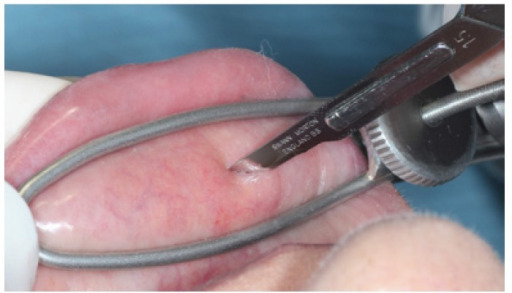
  • Biopsia:
    • Realizado en EN Erythema nodosum is an immune-mediated panniculitis (inflammation of the subcutaneous fat) caused by a type IV (delayed-type) hypersensitivity reaction. It commonly manifests in young women as tender, erythematous nodules on the shins. Erythema Nodosum una glándula salival del labio inferior
    • Hallazgos histológicos:
      • Acumulaciones periductales de linfocitos fuertemente agregados (sialoadenitis linfocítica focal)
      • Atrofia parenquimatosa
      • Fibrosis Fibrosis Any pathological condition where fibrous connective tissue invades any organ, usually as a consequence of inflammation or other injury. Bronchiolitis Obliterans
      • Células linfoides dispersas

Criterios diagnósticos

Se han propuesto varios criterios para ayudar en EN Erythema nodosum is an immune-mediated panniculitis (inflammation of the subcutaneous fat) caused by a type IV (delayed-type) hypersensitivity reaction. It commonly manifests in young women as tender, erythematous nodules on the shins. Erythema Nodosum el diagnóstico de síndrome de Sjögren. Lo siguiente es del American-European Consensus Group (requiere 4 de 6 criterios, incluyendo una biopsia o autoanticuerpos positivos):

  • Síntomas oculares ( al AL Amyloidosis menos 1):
    • Ojos secos por ≥ 3 meses
    • Sensación de cuerpo extraño en EN Erythema nodosum is an immune-mediated panniculitis (inflammation of the subcutaneous fat) caused by a type IV (delayed-type) hypersensitivity reaction. It commonly manifests in young women as tender, erythematous nodules on the shins. Erythema Nodosum los LOS Neisseria ojos
    • Uso de lágrimas artificiales ≥ 3 veces al AL Amyloidosis día
  • Síntomas orales ( al AL Amyloidosis menos 1):
    • Boca seca durante ≥ 3 meses
    • Glándulas salivales inflamadas de manera recurrente o persistente
    • Necesidad de líquidos para tragar alimentos secos.
  • Signos oculares ( al AL Amyloidosis menos 1):
    • Prueba de Schirmer positiva
    • Tinción positiva en EN Erythema nodosum is an immune-mediated panniculitis (inflammation of the subcutaneous fat) caused by a type IV (delayed-type) hypersensitivity reaction. It commonly manifests in young women as tender, erythematous nodules on the shins. Erythema Nodosum la superficie del ojo
  • Signos orales ( al AL Amyloidosis menos 1):
    • Sialografía positiva
    • Gammagrafía positiva
  • Biopsia positiva
  • Anti-Ro o anti-La positivo (o ambos)

Tratamiento y Complicaciones

Tratamiento

  • Abordaje multidisciplinar (reumatólogo, odontólogo y oftalmólogo)
  • Síndrome de Sjögren primario con enfermedad limitada a síntomas oculares y orales:
    • Higiene oral
    • Cesación de tabaquismo
    • Uso de un humidificador
    • Protección ocular
    • Lágrimas artificiales y sustitutos de saliva Saliva The clear, viscous fluid secreted by the salivary glands and mucous glands of the mouth. It contains mucins, water, organic salts, and ptyalin. Salivary Glands: Anatomy
    • Agonistas muscarínicos:
      • Pilocarpina
      • Pevimelina
  • Compromiso extraglandular:
    • Corticosteroides
    • Hidroxicloroquina
    • Fármacos antirreumáticos modificadores de la enfermedad:
      • Metotrexato
      • Leflunomida
      • Azatioprina
      • Sulfasalazina
    • Rituximab Rituximab A murine-derived monoclonal antibody and antineoplastic agent that binds specifically to the cd20 antigen and is used in the treatment of leukemia; lymphoma and rheumatoid arthritis. Immunosuppressants en EN Erythema nodosum is an immune-mediated panniculitis (inflammation of the subcutaneous fat) caused by a type IV (delayed-type) hypersensitivity reaction. It commonly manifests in young women as tender, erythematous nodules on the shins. Erythema Nodosum casos graves que no responden a las terapias anteriores
    • El síndrome de Sjögren secundario se puede mejorar mediante el tratamiento de la enfermedad autoinmune primaria.

Complicaciones

  • Linfoma no Hodgkin:
    • Ocurre en EN Erythema nodosum is an immune-mediated panniculitis (inflammation of the subcutaneous fat) caused by a type IV (delayed-type) hypersensitivity reaction. It commonly manifests in young women as tender, erythematous nodules on the shins. Erythema Nodosum 5%–10% de los LOS Neisseria pacientes
    • Por lo general, se presenta alrededor de los LOS Neisseria 7 años después del inicio
  • Complicaciones durante el embarazo:
    • Parto prematuro, retraso del crecimiento intrauterino y pérdida fetal
    • Lupus neonatal y bloqueo cardíaco congénito
  • Ceguera por cicatrización de la córnea
  • Insuficiencia renal por afectación renal progresiva
  • Infecciones pulmonares
  • Calidad de vida reducida

Diagnóstico Diferencial

El diagnóstico diferencial del síndrome de Sjögren incluye otras patologías basadas en EN Erythema nodosum is an immune-mediated panniculitis (inflammation of the subcutaneous fat) caused by a type IV (delayed-type) hypersensitivity reaction. It commonly manifests in young women as tender, erythematous nodules on the shins. Erythema Nodosum los LOS Neisseria síntomas de presentación, así como otros trastornos autoinmunes:

  • Xeroftalmía inducida por medicamentos: Los LOS Neisseria medicamentos como los LOS Neisseria agentes anticolinérgicos, antidepresivos, antihistamínicos y betabloqueadores pueden causar sequedad ocular al AL Amyloidosis inhibir la función de las glándulas lagrimales. También se puede presentar xerostomía. Los LOS Neisseria pacientes con xeroftalmía inducida por medicamentos no tendrán los LOS Neisseria síntomas sistémicos asociados, y los LOS Neisseria antecedentes de inicio de la medicación proporcionarán una clave para el diagnóstico. Las anomalías de laboratorio no estarán presentes. El tratamiento incluye el alivio sintomático y/o la suspensión del medicamento causal.
  • Conjuntivitis: inflamación de la conjuntiva, que provoca enrojecimiento, picor y disminución de la agudeza visual. Las etiologías incluyen infecciones virales o bacterianas y alergias. La secreción acuosa o purulenta suele estar presente y diferenciará la conjuntivitis del síndrome de Sjögren. El diagnóstico es clínico y las pruebas para síndrome de Sjögren serán negativas. El tratamiento depende de la etiología, pero puede incluir antihistamínicos tópicos, antibióticos o corticosteroides.
  • Paperas: una enfermedad viral aguda y contagiosa que se presenta con inflamación parotídea bilateral dolorosa. La tumefacción parotídea en EN Erythema nodosum is an immune-mediated panniculitis (inflammation of the subcutaneous fat) caused by a type IV (delayed-type) hypersensitivity reaction. It commonly manifests in young women as tender, erythematous nodules on the shins. Erythema Nodosum síndrome de Sjögren no es dolorosa. Las complicaciones incluyen orquitis, meningoencefalitis y pancreatitis Pancreatitis Inflammation of the pancreas. Pancreatitis is classified as acute unless there are computed tomographic or endoscopic retrograde cholangiopancreatographic findings of chronic pancreatitis. The two most common forms of acute pancreatitis are alcoholic pancreatitis and gallstone pancreatitis. Acute Pancreatitis. El diagnóstico es clínico y el tratamiento es de soporte. Las paperas se pueden prevenir con una vacuna.
  • Tumores de las glándulas salivales: tumores benignos o malignos de las glándulas parótidas o submandibulares. Los LOS Neisseria pacientes presentan una masa no dolorosa, que suele ser unilateral. La xerostomía y la xeroftalmía no suelen estar presentes. El diagnóstico se hace HACE Altitude Sickness con una biopsia. Los LOS Neisseria tumores malignos se tratan con escisión y radiación.
  • Sarcoidosis Sarcoidosis Sarcoidosis is a multisystem inflammatory disease that causes noncaseating granulomas. The exact etiology is unknown. Sarcoidosis usually affects the lungs and thoracic lymph nodes, but it can also affect almost every system in the body, including the skin, heart, and eyes, most commonly. Sarcoidosis: trastorno inflamatorio que causa granulomas Granulomas A relatively small nodular inflammatory lesion containing grouped mononuclear phagocytes, caused by infectious and noninfectious agents. Sarcoidosis no caseificantes en EN Erythema nodosum is an immune-mediated panniculitis (inflammation of the subcutaneous fat) caused by a type IV (delayed-type) hypersensitivity reaction. It commonly manifests in young women as tender, erythematous nodules on the shins. Erythema Nodosum órganos y tejidos. La etiología no está clara. Las glándulas parótidas y lagrimales pueden verse afectadas, provocando un agrandamiento indoloro. También se pueden observar xerostomía, xeroftalmía, artritis y nefritis intersticial asociadas. El diagnóstico se realiza con biopsia y se utilizan corticosteroides en EN Erythema nodosum is an immune-mediated panniculitis (inflammation of the subcutaneous fat) caused by a type IV (delayed-type) hypersensitivity reaction. It commonly manifests in young women as tender, erythematous nodules on the shins. Erythema Nodosum el tratamiento.

Referencias

  1. Felman, A. (2023). Sjögren’s syndrome: Everything you need to know. Medical News Today. Retrieved May 3, 2025, from  https://www.medicalnewstoday.com/articles/233747
  2. Baer, A. N. (2024). Diagnosis and classification of Sjögren’s disease. In R. I. Fox & P. Seo (Eds.), UpToDate. UpToDate. Retrieved May 3, 2025, from https://www.uptodate.com/contents/diagnosis-and-classification-of-sjogrens-disease
  3. Baer, A. N., & Vivino, F. B. (2025). Overview of the management and prognosis of Sjögren’s disease. In R. I. Fox & P. Seo (Eds.), UpToDate. UpToDate. Retrieved May 3, 2025, from https://www.uptodate.com/contents/overview-of-the-management-and-prognosis-of-sjogrens-disease
  4. Baer, A. N. (2024). Clinical manifestations of Sjögren’s disease: Exocrine gland disease. In R. I. Fox & P. Seo (Eds.), UpToDate. UpToDate. Retrieved May 3, 2025, from https://www.uptodate.com/contents/clinical-manifestations-of-sjogrens-disease-exocrine-gland-disease
  5. Ranatunga, S.K. (2023). Sjogren syndrome. In Diamond, H.S. (Ed.), Medscape. Retrieved May 3, 2025, from https://emedicine.medscape.com/article/332125-overview
  6. Nevares, A.M. (2024). Sjogren syndrome. [online] MSD Manual Professional Version. Retrieved May 3, 2025, from https://www.merckmanuals.com/professional/musculoskeletal-and-connective-tissue-disorders/autoimmune-rheumatic-disorders/sj%C3%B6gren-syndrome
  7. Nair, J.J., & Singh, T.P. (2017). Sjogren’s syndrome: Review of the aetiology, pathophysiology & potential therapeutic interventions. Journal of clinical and experimental dentistry, 9(4): e584‒e589. https://www.ncbi.nlm.nih.gov/pmc/articles/PMC5410683/
  8. Carsons, S.E., & Patel, B.C. (2023). Sjogren syndrome. [online] StatPearls. Retrieved May 3, 2025, from https://www.ncbi.nlm.nih.gov/books/NBK431049/

¡Crea tu cuenta gratis o inicia una sesión para seguir leyendo!

Regístrate ahora y obtén acceso gratuito a Lecturio con páginas de concepto, videos médicos y cuestionarios para tu educación médica.

User Reviews

Que tengas una sesión de estudio alegre y navideña 🎁 Ahorra 50% en todos los planes >>

Details