Domina Conceptos Médicos

Estudia para la escuela de medicina y tus examenes con Lecturio.

Isquemia Aguda de las Extremidades

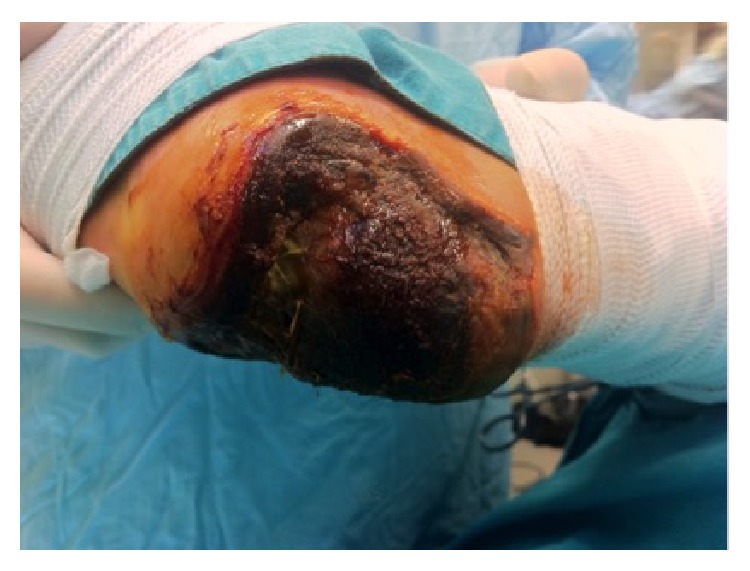
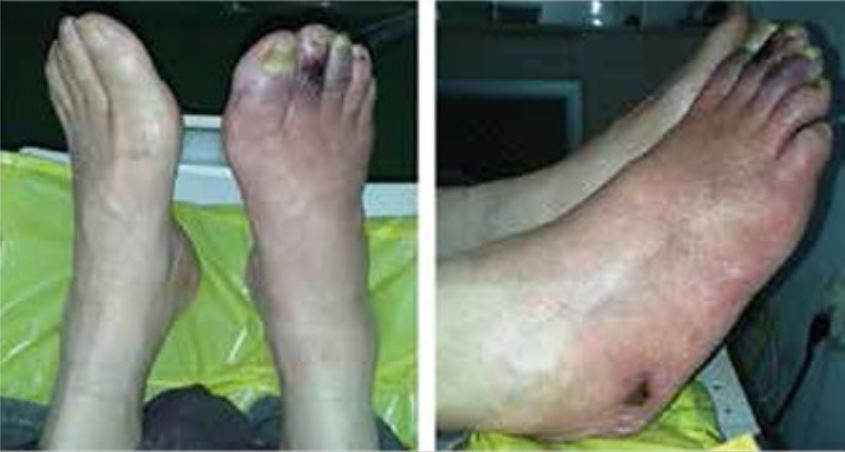
La isquemia aguda de las extremidades es una emergencia vascular importante debido a la rápida disminución de la perfusión de las mismas que implica una amenaza potencial para su viabilidad. La mayoría de los LOS Neisseria casos están causados por una trombosis arterial debida a la progresión de la placa o a una embolia, pero la isquemia aguda de las extremidades también puede ser causada por la obstrucción del drenaje venoso. Los LOS Neisseria signos y síntomas típicos suelen denominarse las 6 P:  Pain ( dolor Dolor Inflammation), Pallor (palidez), Poikilothermia (poiquilotermia), Paralysis (parálisis), Paresthesia (parestesia) y  Pulselessness (ausencia de pulsos periféricos). El diagnóstico se realiza en EN Erythema nodosum is an immune-mediated panniculitis (inflammation of the subcutaneous fat) caused by a type IV (delayed-type) hypersensitivity reaction. It commonly manifests in young women as tender, erythematous nodules on the shins. Erythema Nodosum base de los LOS Neisseria hallazgos clínicos y el ultrasonido Doppler Doppler Ultrasonography applying the doppler effect, with frequency-shifted ultrasound reflections produced by moving targets (usually red blood cells) in the bloodstream along the ultrasound axis in direct proportion to the velocity of movement of the targets, to determine both direction and velocity of blood flow. Ultrasound (Sonography), pero puede ser necesario realizar estudios de imagenología adicionales. El tratamiento se centra en EN Erythema nodosum is an immune-mediated panniculitis (inflammation of the subcutaneous fat) caused by a type IV (delayed-type) hypersensitivity reaction. It commonly manifests in young women as tender, erythematous nodules on the shins. Erythema Nodosum la revascularización. También se administra heparina intravenosa. Las extremidades no viables requieren amputación

Last updated: Dec 15, 2025

Editorial responsibility: Stanley Oiseth, Lindsay Jones, Evelin Maza

Descripción General

Definición

La isquemia aguda de las extremidades es una emergencia vascular causada por una rápida disminución de la perfusión de las mismas.
Epidemiología

  • Incidencia: 14 casos por cada 100 000 personas al AL Amyloidosis año
  • Frecuencia: hombres = mujeres
  • Más común en EN Erythema nodosum is an immune-mediated panniculitis (inflammation of the subcutaneous fat) caused by a type IV (delayed-type) hypersensitivity reaction. It commonly manifests in young women as tender, erythematous nodules on the shins. Erythema Nodosum las personas mayores
  • La extremidad inferior se ve VE Ventilation: Mechanics of Breathing afectada en EN Erythema nodosum is an immune-mediated panniculitis (inflammation of the subcutaneous fat) caused by a type IV (delayed-type) hypersensitivity reaction. It commonly manifests in young women as tender, erythematous nodules on the shins. Erythema Nodosum el 80% de los LOS Neisseria casos.

Etiología

  • Oclusión arterial (la más común):
    • Trombosis:
      • Arteria aterosclerótica trombosada
      • Injerto de bypass trombosado
      • Aneurisma de la arteria poplítea trombosada
      • Quiste adventicio poplíteo
      • Estados hipercoagulables (e.g., síndrome de anticuerpos antifosfolípidos, trombocitopenia inducida por heparina)
    • Embolia:
      • Tromboembolismo (debido a arritmias y/o secuelas de IM)
      • Ateroembolismo (émbolos de colesterol)
      • Embolia paradójica
      • Embolia séptica
    • Disección arterial
    • Trauma:
      • Lesión iatrogénica
      • Lesiones de las extremidades inferiores (e.g., dislocaciones posteriores de la rodilla)
  • Oclusión venosa: flegmasia cerulea dolens (oclusión casi total del sistema venoso profundo que provoca gangrena venosa)
  • Otros:
    • Ergotismo
    • Medicamentos vasopresores
    • Arteriopatía por VIH
    • Vasculitis Vasculitis Inflammation of any one of the blood vessels, including the arteries; veins; and rest of the vasculature system in the body. Systemic Lupus Erythematosus
    • Síndrome compartimental
    • Estados de bajo flujo:
      • Insuficiencia cardíaca
      • Hipovolemia
      • Hipotensión

Fisiopatología

  • Lugares comunes de oclusión de vasos:
    • Trombosis:
      • Arteria femoral
      • Arteria poplítea
    • Embolia:
      • Bifurcación aórtica
      • Bifurcación ilíaca
      • Bifurcación femoral
      • Bifurcación poplítea
  • Factores de riesgo:
    • Tabaquismo
    • Diabetes Diabetes Diabetes mellitus (DM) is a metabolic disease characterized by hyperglycemia and dysfunction of the regulation of glucose metabolism by insulin. Type 1 DM is diagnosed mostly in children and young adults as the result of autoimmune destruction of β cells in the pancreas and the resulting lack of insulin. Type 2 DM has a significant association with obesity and is characterized by insulin resistance. Diabetes Mellitus mellitus
    • Obesidad
    • Hipertensión arterial
    • Colesterol alto
    • Estilo de vida sedentario
    • Antecedentes familiares de enfermedades vasculares
  • Patogénesis:
    • El evento inicial de la reducción de la perfusión conduce a un cambio al AL Amyloidosis metabolismo anaeróbico.
    • Producción de lactato y acidosis Acidosis A pathologic condition of acid accumulation or depletion of base in the body. The two main types are respiratory acidosis and metabolic acidosis, due to metabolic acid build up. Respiratory Acidosis
    • Agotamiento de las reservas de ATP
    • Disfunción de la bomba de Na+/K+-ATPasa y de la bomba de sodio/calcio
    • Fuga de calcio en EN Erythema nodosum is an immune-mediated panniculitis (inflammation of the subcutaneous fat) caused by a type IV (delayed-type) hypersensitivity reaction. It commonly manifests in young women as tender, erythematous nodules on the shins. Erythema Nodosum los LOS Neisseria miocitos
    • Disfunción de la actina, la miosina y las proteasas
    • Desarrollo de la necrosis Necrosis The death of cells in an organ or tissue due to disease, injury or failure of the blood supply. Ischemic Cell Damage muscular

Presentación Clínica

  • La embolia arterial oclusiva se presenta con una aparición repentina de dolor Dolor Inflammation intenso.
  • La trombosis venosa es más indolente.
  • Las 6 P de la oclusión aguda de los LOS Neisseria vasos periféricos:
    • P Pain Pain An unpleasant sensation induced by noxious stimuli which are detected by nerve endings of nociceptive neurons. Pain: Types and Pathways ( dolor Dolor Inflammation):
      • Inicio súbito y constante
      • Exacerbado con el movimiento pasivo
    • P – Pallor (palidez):
      • Visto en EN Erythema nodosum is an immune-mediated panniculitis (inflammation of the subcutaneous fat) caused by a type IV (delayed-type) hypersensitivity reaction. It commonly manifests in young women as tender, erythematous nodules on the shins. Erythema Nodosum las primeras etapas
      • Más tarde progresa a cianosis
    • P Poikilothermia Poikilothermia Cold to the touch. Acute Limb Ischemia (poiquilotermia (frío al AL Amyloidosis tacto))
    • P – Paralysis (paralisis)
    • P – Paresthesia (parestesia)
    • P Pulselessness Pulselessness Cardiac Arrest (sin pulsos distales)

Diagnóstico

La isquemia aguda de las extremidades se diagnostica en EN Erythema nodosum is an immune-mediated panniculitis (inflammation of the subcutaneous fat) caused by a type IV (delayed-type) hypersensitivity reaction. It commonly manifests in young women as tender, erythematous nodules on the shins. Erythema Nodosum base de la historia clínica, la presentación clínica, el examen físico y la imagenología vascular.

Antecedentes

  • Síntomas relacionados con el dolor Dolor Inflammation:
    • Aparición
    • Ubicación
    • Intensidad
    • Presencia de alteraciones motoras y sensoriales
  • Información de contexto:
    • Intervenciones recientes
    • Trauma
    • Presencia o antecedentes familiares de enfermedades cardiovasculares
    • Medicamentos
  • Factores de riesgo

Examen físico

Evaluar las 6 Ps PS Invasive Mechanical Ventilation:

Pruebas diagnósticas

  • Las categorías de isquemia se basan en EN Erythema nodosum is an immune-mediated panniculitis (inflammation of the subcutaneous fat) caused by a type IV (delayed-type) hypersensitivity reaction. It commonly manifests in young women as tender, erythematous nodules on the shins. Erythema Nodosum los LOS Neisseria signos clínicos y los LOS Neisseria resultados del Doppler Doppler Ultrasonography applying the doppler effect, with frequency-shifted ultrasound reflections produced by moving targets (usually red blood cells) in the bloodstream along the ultrasound axis in direct proportion to the velocity of movement of the targets, to determine both direction and velocity of blood flow. Ultrasound (Sonography):
    • Miembro viable:
      • Ausencia de dolor Dolor Inflammation en EN Erythema nodosum is an immune-mediated panniculitis (inflammation of the subcutaneous fat) caused by a type IV (delayed-type) hypersensitivity reaction. It commonly manifests in young women as tender, erythematous nodules on the shins. Erythema Nodosum reposo, pérdida sensorial y/o debilidad muscular
      • Hay presencia de flujo arterial y venoso.
    • Extremidad comprometida:
      • Pérdida sensorial mínima
      • Debilidad muscular de leve a moderada
      • Ausencia de tonos Doppler Doppler Ultrasonography applying the doppler effect, with frequency-shifted ultrasound reflections produced by moving targets (usually red blood cells) in the bloodstream along the ultrasound axis in direct proportion to the velocity of movement of the targets, to determine both direction and velocity of blood flow. Ultrasound (Sonography) arteriales
      • Requiere una intervención urgente
    • Daño isquémico irreversible:
      • Pérdida sensorial, parálisis y/o daño nervioso permanente
      • Ausencia de tonos Doppler Doppler Ultrasonography applying the doppler effect, with frequency-shifted ultrasound reflections produced by moving targets (usually red blood cells) in the bloodstream along the ultrasound axis in direct proportion to the velocity of movement of the targets, to determine both direction and velocity of blood flow. Ultrasound (Sonography) arteriales y venosos
      • La revascularización puede provocar rabdomiólisis y IRA.
  • Imagenología vascular:
    • La ecografía Doppler Doppler Ultrasonography applying the doppler effect, with frequency-shifted ultrasound reflections produced by moving targets (usually red blood cells) in the bloodstream along the ultrasound axis in direct proportion to the velocity of movement of the targets, to determine both direction and velocity of blood flow. Ultrasound (Sonography) muestra la ausencia de flujo sanguíneo distal al AL Amyloidosis lugar de la oclusión.
    • Imagenología confirmatoria:
      • Angiografía de sustracción digital, angiografía por tomografía computarizada (ATC) o angiografía por resonancia magnética ( ARM Arm The arm, or “upper arm” in common usage, is the region of the upper limb that extends from the shoulder to the elbow joint and connects inferiorly to the forearm through the cubital fossa. It is divided into 2 fascial compartments (anterior and posterior). Arm: Anatomy)
      • Se realiza en EN Erythema nodosum is an immune-mediated panniculitis (inflammation of the subcutaneous fat) caused by a type IV (delayed-type) hypersensitivity reaction. It commonly manifests in young women as tender, erythematous nodules on the shins. Erythema Nodosum extremidades isquémicas viables y marginalmente amenazadas
      • Utilice la ATC con precaución debido al AL Amyloidosis material de contraste yodado.
  • Estudios de apoyo:
    • ECG ECG An electrocardiogram (ECG) is a graphic representation of the electrical activity of the heart plotted against time. Adhesive electrodes are affixed to the skin surface allowing measurement of cardiac impulses from many angles. The ECG provides 3-dimensional information about the conduction system of the heart, the myocardium, and other cardiac structures. Electrocardiogram (ECG)
    • Ecocardiografía
    • Hemograma
    • Química sanguínea
    • Estudios de coagulación
    • Creatina quinasa
Angiografía intraoperatoria

Angiografía intraoperatoria:
A: Oclusión de la arteria femoral superficial y poplítea
B: Predilatación femoropoplítea
C: Resultado posterior al procedimiento tras la escisión de la placa con TurboHawk

Imagen: “Intraoperative angiogram” por Translational Medicine @ UniSa. Licencia: CC BY 2.5

Tratamiento

El enfoque del tratamiento depende de la gravedad o categoría de la lesión isquémica:

  • El tratamiento se inicia con una infusión de heparina intravenosa.
  • Isquemia irreversible: amputación
  • Amenaza de isquemia de la extremidad:
    • Revascularización con catéter:
      • Trombólisis dirigida por catéter
      • Trombectomía mecánica percutánea
      • Trombectomía por aspiración percutánea
    • Cirugía:
      • Tromboembolectomía abierta
      • Cirugía de bypass
    • Debe hacerse en EN Erythema nodosum is an immune-mediated panniculitis (inflammation of the subcutaneous fat) caused by a type IV (delayed-type) hypersensitivity reaction. It commonly manifests in young women as tender, erythematous nodules on the shins. Erythema Nodosum un plazo de 6 horas
  • Miembro viable:
    • ATC/ ARM Arm The arm, or “upper arm” in common usage, is the region of the upper limb that extends from the shoulder to the elbow joint and connects inferiorly to the forearm through the cubital fossa. It is divided into 2 fascial compartments (anterior and posterior). Arm: Anatomy para localizar el lugar de la oclusión
    • Revascularización: abordaje endovascular o quirúrgico
    • Debe hacerse en EN Erythema nodosum is an immune-mediated panniculitis (inflammation of the subcutaneous fat) caused by a type IV (delayed-type) hypersensitivity reaction. It commonly manifests in young women as tender, erythematous nodules on the shins. Erythema Nodosum un plazo de 6–24 horas

Complicaciones:

  • Lesión por reperfusión:
    • Producción de especies de oxígeno altamente reactivas que provocan lesiones en EN Erythema nodosum is an immune-mediated panniculitis (inflammation of the subcutaneous fat) caused by a type IV (delayed-type) hypersensitivity reaction. It commonly manifests in young women as tender, erythematous nodules on the shins. Erythema Nodosum los LOS Neisseria tejidos
    • La acidosis Acidosis A pathologic condition of acid accumulation or depletion of base in the body. The two main types are respiratory acidosis and metabolic acidosis, due to metabolic acid build up. Respiratory Acidosis y la hipercalemia se producen debido a la fuga de las células dañadas.
    • Rabdomiólisis
    • Arritmia cardíaca
    • Necrosis Necrosis The death of cells in an organ or tissue due to disease, injury or failure of the blood supply. Ischemic Cell Damage tubular aguda
  • Síndrome compartimental:
    • El aumento de la permeabilidad capilar conduce a un edema Edema Edema is a condition in which excess serous fluid accumulates in the body cavity or interstitial space of connective tissues. Edema is a symptom observed in several medical conditions. It can be categorized into 2 types, namely, peripheral (in the extremities) and internal (in an organ or body cavity). Edema y a una elevación de la presión compartimental que provoca un colapso circulatorio.
    • Requiere fasciotomía
  • Síndrome de dolor Dolor Inflammation crónico: la isquemia prolongada provoca daños permanentes en EN Erythema nodosum is an immune-mediated panniculitis (inflammation of the subcutaneous fat) caused by a type IV (delayed-type) hypersensitivity reaction. It commonly manifests in young women as tender, erythematous nodules on the shins. Erythema Nodosum los LOS Neisseria nervios, lo que produce dolor Dolor Inflammation crónico.

Diagnósticos Diferenciales

  • Isquemia crónica crítica de las extremidades: condición definida como > 2 semanas de dolor Dolor Inflammation isquémico crónico en EN Erythema nodosum is an immune-mediated panniculitis (inflammation of the subcutaneous fat) caused by a type IV (delayed-type) hypersensitivity reaction. It commonly manifests in young women as tender, erythematous nodules on the shins. Erythema Nodosum una extremidad en EN Erythema nodosum is an immune-mediated panniculitis (inflammation of the subcutaneous fat) caused by a type IV (delayed-type) hypersensitivity reaction. It commonly manifests in young women as tender, erythematous nodules on the shins. Erythema Nodosum reposo más presión en EN Erythema nodosum is an immune-mediated panniculitis (inflammation of the subcutaneous fat) caused by a type IV (delayed-type) hypersensitivity reaction. It commonly manifests in young women as tender, erythematous nodules on the shins. Erythema Nodosum el tobillo < 50 mmHg o presión en EN Erythema nodosum is an immune-mediated panniculitis (inflammation of the subcutaneous fat) caused by a type IV (delayed-type) hypersensitivity reaction. It commonly manifests in young women as tender, erythematous nodules on the shins. Erythema Nodosum los LOS Neisseria dedos del pie < 30 mmHg. Los LOS Neisseria pacientes pueden presentar claudicación, dolor Dolor Inflammation en EN Erythema nodosum is an immune-mediated panniculitis (inflammation of the subcutaneous fat) caused by a type IV (delayed-type) hypersensitivity reaction. It commonly manifests in young women as tender, erythematous nodules on the shins. Erythema Nodosum reposo, hiperestesia, rubor Rubor Inflammation, y palidez durante la elevación de la extremidad. La isquemia crónica de las extremidades no tratada puede progresar a gangrena. El diagnóstico se realiza con base en EN Erythema nodosum is an immune-mediated panniculitis (inflammation of the subcutaneous fat) caused by a type IV (delayed-type) hypersensitivity reaction. It commonly manifests in young women as tender, erythematous nodules on the shins. Erythema Nodosum los LOS Neisseria antecedentes, la exploración física y los LOS Neisseria hallazgos de imagenología vascular. El tratamiento es con revascularización.
  • Flegmasia: complicación poco frecuente de la trombosis venosa profunda (TVP) aguda que se caracteriza por un aumento de la presión venosa que provoca una disminución de la perfusión tisular. Los LOS Neisseria pacientes presentan edema Edema Edema is a condition in which excess serous fluid accumulates in the body cavity or interstitial space of connective tissues. Edema is a symptom observed in several medical conditions. It can be categorized into 2 types, namely, peripheral (in the extremities) and internal (in an organ or body cavity). Edema en EN Erythema nodosum is an immune-mediated panniculitis (inflammation of the subcutaneous fat) caused by a type IV (delayed-type) hypersensitivity reaction. It commonly manifests in young women as tender, erythematous nodules on the shins. Erythema Nodosum las extremidades, cianosis y dolor Dolor Inflammation intenso. La condición puede progresar a la gangrena. El diagnóstico se efectúa en EN Erythema nodosum is an immune-mediated panniculitis (inflammation of the subcutaneous fat) caused by a type IV (delayed-type) hypersensitivity reaction. It commonly manifests in young women as tender, erythematous nodules on the shins. Erythema Nodosum base del examen clínico y los LOS Neisseria hallazgos del Doppler Doppler Ultrasonography applying the doppler effect, with frequency-shifted ultrasound reflections produced by moving targets (usually red blood cells) in the bloodstream along the ultrasound axis in direct proportion to the velocity of movement of the targets, to determine both direction and velocity of blood flow. Ultrasound (Sonography) que muestran un trombo extenso en EN Erythema nodosum is an immune-mediated panniculitis (inflammation of the subcutaneous fat) caused by a type IV (delayed-type) hypersensitivity reaction. It commonly manifests in young women as tender, erythematous nodules on the shins. Erythema Nodosum el sistema venoso profundo. El manejo es variable Variable Variables represent information about something that can change. The design of the measurement scales, or of the methods for obtaining information, will determine the data gathered and the characteristics of that data. As a result, a variable can be qualitative or quantitative, and may be further classified into subgroups. Types of Variables e incluye tratamiento conservador, abordaje endovascular o cirugía.
  • Síndrome compartimental: urgencia quirúrgica causada por el aumento de la presión intracompartimental > 30 mmHg dentro de un espacio fascial cerrado que provoca una reducción de la perfusión tisular. Los LOS Neisseria pacientes presentan parestesia, palidez, ausencia de pulsos periféricos y dolor Dolor Inflammation intenso que empeora con los LOS Neisseria estiramientos pasivos. El diagnóstico se realiza en EN Erythema nodosum is an immune-mediated panniculitis (inflammation of the subcutaneous fat) caused by a type IV (delayed-type) hypersensitivity reaction. It commonly manifests in young women as tender, erythematous nodules on the shins. Erythema Nodosum base de los LOS Neisseria hallazgos clínicos. La medición de la presión intracompartimental no es necesaria. Si se sospecha de una fractura, se deben obtener radiografías. El tratamiento consiste en EN Erythema nodosum is an immune-mediated panniculitis (inflammation of the subcutaneous fat) caused by a type IV (delayed-type) hypersensitivity reaction. It commonly manifests in young women as tender, erythematous nodules on the shins. Erythema Nodosum una fasciotomía quirúrgica inmediata.

Referencias

  1. Arnold, J., Koyfman, A., & Long, B. (2023). High risk and low prevalence diseases: Acute limb ischemia. The American Journal of Emergency Medicine, 74, 152–158. https://doi.org/10.1016/j.ajem.2023.09.052
  2. Obara, H., Matsubara, K., Kitagawa, Y. (2018). Acute limb ischemia. Annals of Vascular Diseases 11:443–448. https://doi.org/10.3400/avd.ra.18-00074
  3. Sarwar, S., Narra, S., Munir, A. (2009). Phlegmasia cerulea dolens. Texas Heart Institute Journal 36:76–77. https://pubmed.ncbi.nlm.nih.gov/19436795/
  4. Cevik, Y., Kavalci, C. (2010). Hair tourniquet syndrome. Annals of Saudi Medicine 30(5):416–417. https://doi.org/10.4103/0256-4947.67088
  5. Callum, K., Bradbury, A. (2000). ABC of arterial and venous disease: Acute limb ischaemia. BMJ 320:764–767. https://doi.org/10.1136/bmj.320.7237.764
  6. Norgren, L., et al. (2007). Inter-society consensus for the management of peripheral arterial disease (TASC II). Journal of Vascular Surgery 45(Suppl S):S5–S67. https://doi.org/10.1016/j.jvs.2006.12.037

¡Crea tu cuenta gratis o inicia una sesión para seguir leyendo!

Regístrate ahora y obtén acceso gratuito a Lecturio con páginas de concepto, videos médicos y cuestionarios para tu educación médica.

User Reviews

Que tengas una sesión de estudio alegre y navideña 🎁 Ahorra 50% en todos los planes >>

Details