Domina Conceptos Médicos

Estudia para la escuela de medicina y tus examenes con Lecturio.

Infecciones por Clamidia

Las infecciones por clamidias son un grupo de enfermedades infecciosas causadas por una pequeña bacteria intracelular gramnegativa obligada perteneciente a la familia Chlamydiaceae. Las tres especies que pueden infectar al AL Amyloidosis ser humano son Chlamydia trachomatis Chlamydia trachomatis Type species of Chlamydia causing a variety of ocular and urogenital diseases. Chlamydia, C. pneumoniae y C. psittaci. La infección más común es una ITS, causada por los LOS Neisseria serotipos D hasta la K de C. trachomatis, que es la infección bacteriana de transmisión sexual más frecuente en EN Erythema nodosum is an immune-mediated panniculitis (inflammation of the subcutaneous fat) caused by a type IV (delayed-type) hypersensitivity reaction. It commonly manifests in young women as tender, erythematous nodules on the shins. Erythema Nodosum Estados Unidos. Puede causar cervicitis Cervicitis Inflammation of the uterine cervix. Gonorrhea, uretritis, enfermedad pélvica inflamatoria, laringitis, epididimitis, proctitis Proctitis Inflammation of the mucous membrane of the rectum, the distal end of the large intestine. Chronic Granulomatous Disease y linfogranuloma venéreo. Los LOS Neisseria serotipos A, B, Ba y C de C. trachomatis causan el tracoma, una queratoconjuntivitis crónica que sigue siendo la principal causa infecciosa de ceguera en EN Erythema nodosum is an immune-mediated panniculitis (inflammation of the subcutaneous fat) caused by a type IV (delayed-type) hypersensitivity reaction. It commonly manifests in young women as tender, erythematous nodules on the shins. Erythema Nodosum todo el mundo. Las otras especies de Chlamydia Chlamydia Chlamydiae are obligate intracellular gram-negative bacteria. They lack a peptidoglycan layer and are best visualized using Giemsa stain. The family of Chlamydiaceae comprises 3 pathogens that can infect humans: Chlamydia trachomatis, Chlamydia psittaci, and Chlamydia pneumoniae. Chlamydia causan principalmente infecciones respiratorias. El diagnóstico se basa en EN Erythema nodosum is an immune-mediated panniculitis (inflammation of the subcutaneous fat) caused by a type IV (delayed-type) hypersensitivity reaction. It commonly manifests in young women as tender, erythematous nodules on the shins. Erythema Nodosum pruebas de amplificación de ácidos nucleicos. El tratamiento consiste en EN Erythema nodosum is an immune-mediated panniculitis (inflammation of the subcutaneous fat) caused by a type IV (delayed-type) hypersensitivity reaction. It commonly manifests in young women as tender, erythematous nodules on the shins. Erythema Nodosum antibióticos. Las infecciones por clamidia no tratadas pueden tener consecuencias graves, como esterilidad, embarazos ectópicos, abortos espontáneos e infertilidad debida a enfermedad pélvica inflamatoria crónica.

Last updated: Dec 15, 2025

Editorial responsibility: Stanley Oiseth, Lindsay Jones, Evelin Maza

Descripción General

Definición

Las infecciones por clamidia son enfermedades infecciosas causadas por bacterias pertenecientes a la familia Chlamydiaceae.
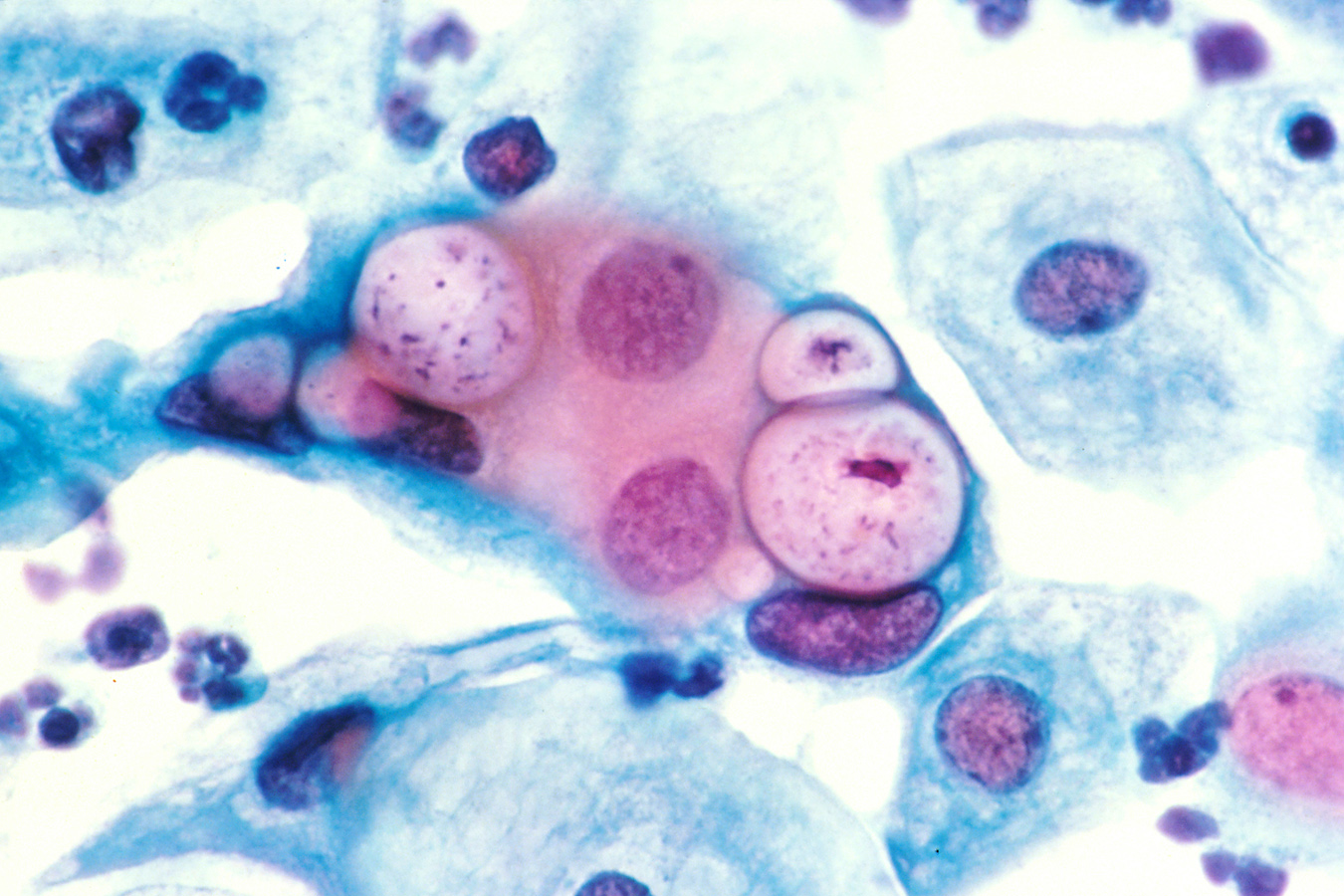
Epidemiología

  • Chlamydia trachomatis Chlamydia trachomatis Type species of Chlamydia causing a variety of ocular and urogenital diseases. Chlamydia:
    • Afecta más comúnmente a los LOS Neisseria jóvenes adultos (15–22 años).
    • La clamidia es la ITS bacteriana más común en EN Erythema nodosum is an immune-mediated panniculitis (inflammation of the subcutaneous fat) caused by a type IV (delayed-type) hypersensitivity reaction. It commonly manifests in young women as tender, erythematous nodules on the shins. Erythema Nodosum Estados Unidos.
    • 30%–50% de los LOS Neisseria casos de esterilidad están causados por clamidia.
    • El 90% de los LOS Neisseria casos de esterilidad por cierre de las trompas de Falopio son consecuencia de infecciones por clamidia.
    • 2%–3% de las mujeres embarazadas están pobladas de C. trachomatis (la tasa de transmisión al AL Amyloidosis bebé es del 50%).
    • Tracoma (clamidia oftálmica):
      • Se produce casi exclusivamente en EN Erythema nodosum is an immune-mediated panniculitis (inflammation of the subcutaneous fat) caused by a type IV (delayed-type) hypersensitivity reaction. It commonly manifests in young women as tender, erythematous nodules on the shins. Erythema Nodosum los LOS Neisseria países tropicales, en EN Erythema nodosum is an immune-mediated panniculitis (inflammation of the subcutaneous fat) caused by a type IV (delayed-type) hypersensitivity reaction. It commonly manifests in young women as tender, erythematous nodules on the shins. Erythema Nodosum individuos que viven en EN Erythema nodosum is an immune-mediated panniculitis (inflammation of the subcutaneous fat) caused by a type IV (delayed-type) hypersensitivity reaction. It commonly manifests in young women as tender, erythematous nodules on the shins. Erythema Nodosum condiciones higiénicas deficientes.
      • Después de las cataratas, el tracoma es la segunda causa de ceguera en EN Erythema nodosum is an immune-mediated panniculitis (inflammation of the subcutaneous fat) caused by a type IV (delayed-type) hypersensitivity reaction. It commonly manifests in young women as tender, erythematous nodules on the shins. Erythema Nodosum el mundo.
  • C. psittaci:
    • Responsable del 1% de los LOS Neisseria casos de neumonía adquirida dentro de la comunidad
    • Las aves son el principal reservorio.
    • Grupos de riesgo:
      • Propietarios de aves
      • Cuidadores de animales/veterinarios
      • Empleados de tiendas de animales, granjas avícolas y mataderos
    • La transmisión de persona a persona es poco común.
  • C. pneumoniae:
    • La distribución por edades es bimodal: 3–6 años y 60–80 años.
    • C. pneumoniae es una causa muy común de infecciones respiratorias en EN Erythema nodosum is an immune-mediated panniculitis (inflammation of the subcutaneous fat) caused by a type IV (delayed-type) hypersensitivity reaction. It commonly manifests in young women as tender, erythematous nodules on the shins. Erythema Nodosum todo el mundo.
    • La prevalencia de la seropositividad es del 50% a los LOS Neisseria 20 años y 70%–80% a los LOS Neisseria 60 años.

Transmisión

  • C. trachomatis:
    • A través del sexo vaginal, anal u oral o del contacto directo con tejidos infectados, como la conjuntiva
    • De una madre infectada al AL Amyloidosis bebé durante el parto vaginal
    • Serovares A–C: secreciones oculares infecciosas, manos contaminadas, toallas (infección por frotis), moscas
    • Serovares D–K: de transmisión sexual, perinatal
    • Serovares L1–L3: de transmisión sexual, causa del linfogranuloma venéreo
    • El periodo de incubación es de 1 a 3 semanas.
  • C. psittaci:
    • El único patógeno humano zoonótico de la familia Chlamydiaceae
    • Procede principalmente de las aves (pollos, patos, palomas, aves exóticas).
    • Infección por contacto directo o inhalación de partículas de polvo o heces
    • Los LOS Neisseria patógenos son parcialmente infecciosos incluso hasta 4 semanas después de secarse.
    • El periodo de incubación es de 1 a 4 semanas.
  • C. pneumoniae:
    • Se transmite de persona a persona a través de gotitas respiratorias, partículas aerosolizadas y fómites.
    • El periodo de incubación es de 1 a 4 semanas.
    • C. pneumoniae persiste durante mucho tiempo en EN Erythema nodosum is an immune-mediated panniculitis (inflammation of the subcutaneous fat) caused by a type IV (delayed-type) hypersensitivity reaction. It commonly manifests in young women as tender, erythematous nodules on the shins. Erythema Nodosum el tracto respiratorio superior.
    • Los LOS Neisseria individuos afectados pueden infectar a otros durante un largo periodo de tiempo.

Fisiopatología y Presentación Clínica

Fisiopatología

  • Las Chlamydia Chlamydia Chlamydiae are obligate intracellular gram-negative bacteria. They lack a peptidoglycan layer and are best visualized using Giemsa stain. The family of Chlamydiaceae comprises 3 pathogens that can infect humans: Chlamydia trachomatis, Chlamydia psittaci, and Chlamydia pneumoniae. Chlamydia son bacterias intracelulares obligadas.
  • Se clasifican como bacterias gram-negativas pero presentan una tinción de Gram pobre.
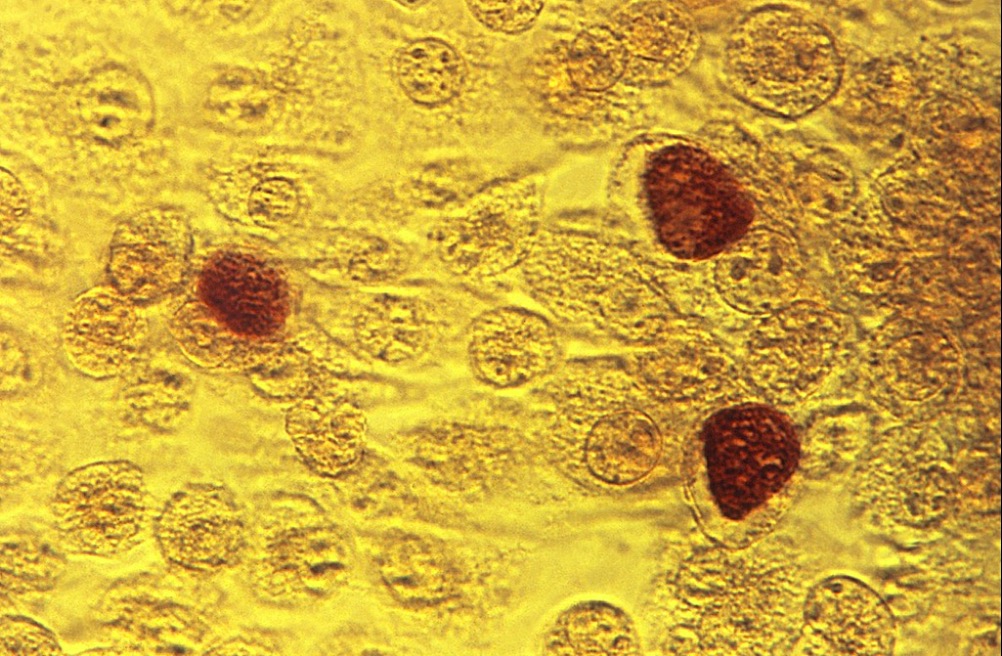
  • Existen en EN Erythema nodosum is an immune-mediated panniculitis (inflammation of the subcutaneous fat) caused by a type IV (delayed-type) hypersensitivity reaction. It commonly manifests in young women as tender, erythematous nodules on the shins. Erythema Nodosum 2 formas: cuerpos elementales (metabólicamente inactivos) y cuerpos reticulados.
  • Los LOS Neisseria cuerpos elementales invaden la célula huésped mediante endocitosis.
  • En EN Erythema nodosum is an immune-mediated panniculitis (inflammation of the subcutaneous fat) caused by a type IV (delayed-type) hypersensitivity reaction. It commonly manifests in young women as tender, erythematous nodules on the shins. Erythema Nodosum el interior de la célula, los LOS Neisseria cuerpos elementales se convierten en EN Erythema nodosum is an immune-mediated panniculitis (inflammation of the subcutaneous fat) caused by a type IV (delayed-type) hypersensitivity reaction. It commonly manifests in young women as tender, erythematous nodules on the shins. Erythema Nodosum cuerpos reticulares metabólicamente activos.
  • Los LOS Neisseria cuerpos reticulados se replican dentro de la célula huésped por fisión.
  • Tras la replicación, los LOS Neisseria cuerpos reticulados se reorganizan en EN Erythema nodosum is an immune-mediated panniculitis (inflammation of the subcutaneous fat) caused by a type IV (delayed-type) hypersensitivity reaction. It commonly manifests in young women as tender, erythematous nodules on the shins. Erythema Nodosum cuerpos elementales y son liberados de la célula.
  • Las agrupaciones de cuerpos reticulados que se replican se conocen como cuerpos de inclusión.
  • C. trachomatis tiene múltiples serovares que causan diferentes manifestaciones clínicas.

Infecciones por C. trachomatis

Enfermedad genital (serovares D–K):

Enfermedad del lactante:

  • La infección materna puede provocar aborto espontáneo y parto prematuro.
  • La transmisión a los LOS Neisseria lactantes se produce durante el paso por el canal del parto.
  • Conjuntivitis (tasa de transmisión del 50% en EN Erythema nodosum is an immune-mediated panniculitis (inflammation of the subcutaneous fat) caused by a type IV (delayed-type) hypersensitivity reaction. It commonly manifests in young women as tender, erythematous nodules on the shins. Erythema Nodosum la infección materna):
    • Suele ocurrir una semana después del nacimiento.
    • Inflamación purulenta, mucopurulenta y hemorrágica de la conjuntiva
    • Edema Edema Edema is a condition in which excess serous fluid accumulates in the body cavity or interstitial space of connective tissues. Edema is a symptom observed in several medical conditions. It can be categorized into 2 types, namely, peripheral (in the extremities) and internal (in an organ or body cavity). Edema del párpado
    • Infiltración folicular del párpado interno
    • Ocurre en EN Erythema nodosum is an immune-mediated panniculitis (inflammation of the subcutaneous fat) caused by a type IV (delayed-type) hypersensitivity reaction. It commonly manifests in young women as tender, erythematous nodules on the shins. Erythema Nodosum un ojo y luego en EN Erythema nodosum is an immune-mediated panniculitis (inflammation of the subcutaneous fat) caused by a type IV (delayed-type) hypersensitivity reaction. It commonly manifests in young women as tender, erythematous nodules on the shins. Erythema Nodosum el otro.
    • Generalmente se cura sin consecuencias.
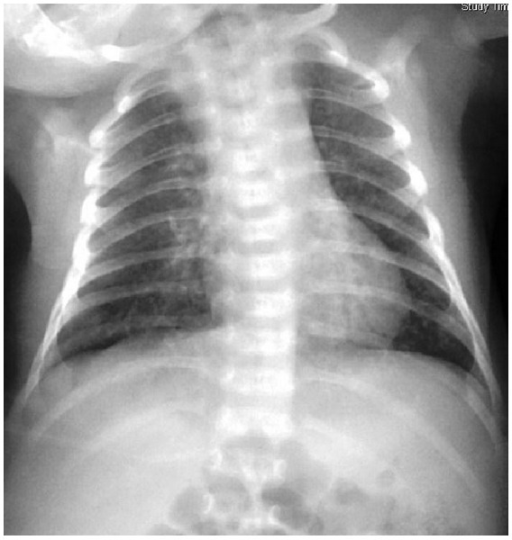
  • Neumonía:
    • Taquipnea
    • ↑ Esfuerzo respiratorio
    • Sonidos de esnórquel al AL Amyloidosis respirar
    • Rechazo a los LOS Neisseria alimentos
    • Cianosis en EN Erythema nodosum is an immune-mediated panniculitis (inflammation of the subcutaneous fat) caused by a type IV (delayed-type) hypersensitivity reaction. It commonly manifests in young women as tender, erythematous nodules on the shins. Erythema Nodosum casos graves
  • Complicaciones posinfección:
    • Más común en EN Erythema nodosum is an immune-mediated panniculitis (inflammation of the subcutaneous fat) caused by a type IV (delayed-type) hypersensitivity reaction. It commonly manifests in young women as tender, erythematous nodules on the shins. Erythema Nodosum hombres jóvenes
    • Sigue de una ITS
    • De origen autoinmune
    • Artritis reactiva
    • Tríada de artritis reactiva:
      • Uretritis
      • Conjuntivitis
      • Artritis

Enfermedad ocular (serovares A–C):

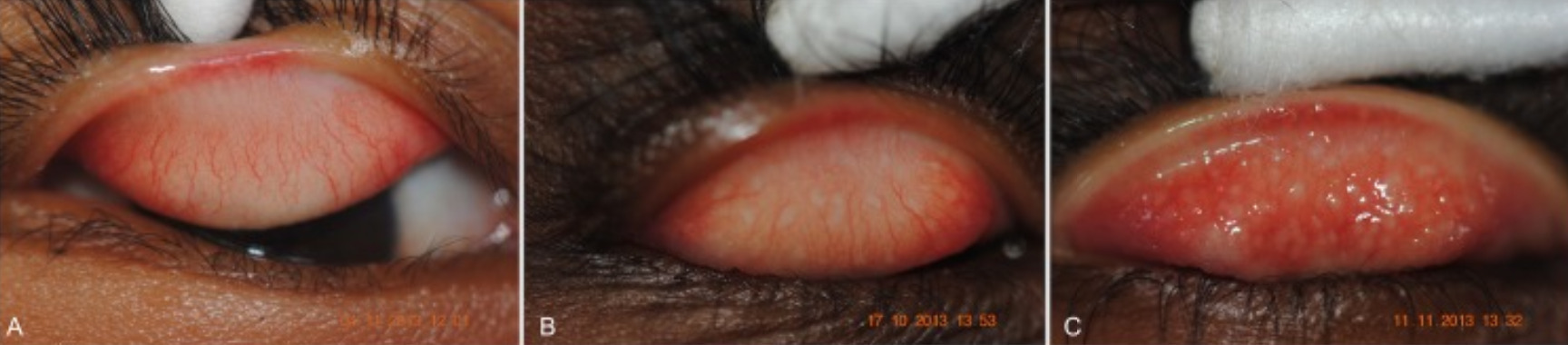
  • Fase inicial (tracoma activo):
    • Conjuntivitis
    • Enrojecimiento, sensibilidad a la luz, secreción mucopurulenta
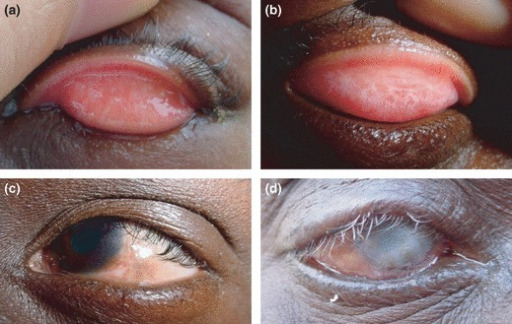
  • Fase tardía (tracoma cicatricial):
    • Cicatrización conjuntival
    • Las infecciones repetidas provocan cicatrices en EN Erythema nodosum is an immune-mediated panniculitis (inflammation of the subcutaneous fat) caused by a type IV (delayed-type) hypersensitivity reaction. It commonly manifests in young women as tender, erythematous nodules on the shins. Erythema Nodosum los LOS Neisseria párpados, entropión y, finalmente, daños en EN Erythema nodosum is an immune-mediated panniculitis (inflammation of the subcutaneous fat) caused by a type IV (delayed-type) hypersensitivity reaction. It commonly manifests in young women as tender, erythematous nodules on the shins. Erythema Nodosum la córnea y ceguera.

Linfogranuloma venéreo (serovares L1–L3):
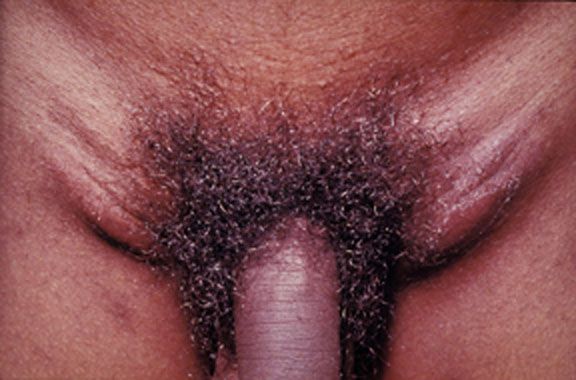
  • Infección por C. trachomatis de transmisión sexual de los LOS Neisseria ganglios linfáticos y los LOS Neisseria vasos linfáticos
  • Se presenta con ulceración genital y ganglios linfáticos inflamados y dolorosos en EN Erythema nodosum is an immune-mediated panniculitis (inflammation of the subcutaneous fat) caused by a type IV (delayed-type) hypersensitivity reaction. It commonly manifests in young women as tender, erythematous nodules on the shins. Erythema Nodosum la ingle (a menudo unilateral).
  • Puede provocar inflamación rectal, fiebre o inflamación de los LOS Neisseria ganglios linfáticos en EN Erythema nodosum is an immune-mediated panniculitis (inflammation of the subcutaneous fat) caused by a type IV (delayed-type) hypersensitivity reaction. It commonly manifests in young women as tender, erythematous nodules on the shins. Erythema Nodosum otras partes del cuerpo.

Enfermedades respiratorias causadas por C. pneumoniae y C. psittaci

  • Las infecciones por C. pneumoniae son frecuentemente asintomáticas, pero pueden presentarse como:
    • Faringitis
    • Sinusitis Sinusitis Sinusitis refers to inflammation of the mucosal lining of the paranasal sinuses. The condition usually occurs concurrently with inflammation of the nasal mucosa (rhinitis), a condition known as rhinosinusitis. Acute sinusitis is due to an upper respiratory infection caused by a viral, bacterial, or fungal agent. Sinusitis
    • Bronquitis
    • Neumonía
    • Todos los LOS Neisseria síntomas de las infecciones por C. psittaci pueden darse también en EN Erythema nodosum is an immune-mediated panniculitis (inflammation of the subcutaneous fat) caused by a type IV (delayed-type) hypersensitivity reaction. It commonly manifests in young women as tender, erythematous nodules on the shins. Erythema Nodosum las infecciones por C. pneumoniae.
  • Las infecciones agudas por C. psittaci son más sintomáticas:
    • Neumonía atípica e intersticial
    • Tos TOS Thoracic outlet syndrome (TOS) is a broad term used for a spectrum of syndromes related to the general region of the thoracic outlet, which involves the compression or irritation of elements of the brachial plexus, subclavian artery, or subclavian vein. Thoracic Outlet Syndrome seca, persistente y no productiva
    • Manifestaciones extrapulmonares:
      • Fiebre/escalofríos
      • Cefaleas
      • Fotofobia
      • Mialgia
      • Hepatoesplenomegalia: 70% de los LOS Neisseria pacientes
      • Miocarditis
      • Encefalitis
      • Exantema

Diagnóstico

Antecedentes clínicos:

  • Infecciones genitales:
    • Edad joven
    • Actividad sexual con múltiples parejas
    • Síntomas urogenitales
    • Dolor Dolor Inflammation abdominal/pélvico, fiebre
  • Tracoma:
    • Contacto con individuos afectados
    • Personas que residen en EN Erythema nodosum is an immune-mediated panniculitis (inflammation of the subcutaneous fat) caused by a type IV (delayed-type) hypersensitivity reaction. It commonly manifests in young women as tender, erythematous nodules on the shins. Erythema Nodosum zonas endémicas
  • Enfermedad respiratoria:
    • Exposición a las aves
    • Exposición a personas afectadas

Examen físico:

  • Infecciones genitales:
    • Sensibilidad en EN Erythema nodosum is an immune-mediated panniculitis (inflammation of the subcutaneous fat) caused by a type IV (delayed-type) hypersensitivity reaction. It commonly manifests in young women as tender, erythematous nodules on the shins. Erythema Nodosum el abdomen bajo
    • Sensibilidad al AL Amyloidosis movimiento cervical en EN Erythema nodosum is an immune-mediated panniculitis (inflammation of the subcutaneous fat) caused by a type IV (delayed-type) hypersensitivity reaction. It commonly manifests in young women as tender, erythematous nodules on the shins. Erythema Nodosum el examen pélvico
    • Flujo vaginal o peneano
    • Linfadenopatía inguinal, lesiones genitales (linfogranuloma venéreo)
  • Tracoma: examen ocular
  • Enfermedad respiratoria:
    • Faringitis/ sinusitis Sinusitis Sinusitis refers to inflammation of the mucosal lining of the paranasal sinuses. The condition usually occurs concurrently with inflammation of the nasal mucosa (rhinitis), a condition known as rhinosinusitis. Acute sinusitis is due to an upper respiratory infection caused by a viral, bacterial, or fungal agent. Sinusitis
    • Sibilancias, crepitaciones, disminución de los LOS Neisseria ruidos respiratorios

Estudios de laboratorio:

  • Prueba de amplificación de ácidos nucleicos (estándar de oro):
    • Puede utilizarse para diferentes especímenes:
      • Hisopos cervicales o vaginales (mujeres), hisopos uretrales (hombres)
      • Muestras de orina de capturas limpias
      • Hisopos nasofaríngeos, esputo o lavado broncoalveolar
    • Amplificación de secuencias de ADN o ARN bacteriano mediante:
      • PCR PCR Polymerase chain reaction (PCR) is a technique that amplifies DNA fragments exponentially for analysis. The process is highly specific, allowing for the targeting of specific genomic sequences, even with minuscule sample amounts. The PCR cycles multiple times through 3 phases: denaturation of the template DNA, annealing of a specific primer to the individual DNA strands, and synthesis/elongation of new DNA molecules. Polymerase Chain Reaction (PCR)
      • Amplificación mediada por transcripción (TMA, por sus siglas en EN Erythema nodosum is an immune-mediated panniculitis (inflammation of the subcutaneous fat) caused by a type IV (delayed-type) hypersensitivity reaction. It commonly manifests in young women as tender, erythematous nodules on the shins. Erythema Nodosum inglés)
      • Amplificación por desplazamiento de la cadena de ADN (SDA, por sus siglas en EN Erythema nodosum is an immune-mediated panniculitis (inflammation of the subcutaneous fat) caused by a type IV (delayed-type) hypersensitivity reaction. It commonly manifests in young women as tender, erythematous nodules on the shins. Erythema Nodosum inglés)
      • Reacción en EN Erythema nodosum is an immune-mediated panniculitis (inflammation of the subcutaneous fat) caused by a type IV (delayed-type) hypersensitivity reaction. It commonly manifests in young women as tender, erythematous nodules on the shins. Erythema Nodosum cadena de la ligasa
    • Muy específica para diferenciar las infecciones clamidiales de las gonocócicas
  • Pruebas de serología:
    • Más útiles en EN Erythema nodosum is an immune-mediated panniculitis (inflammation of the subcutaneous fat) caused by a type IV (delayed-type) hypersensitivity reaction. It commonly manifests in young women as tender, erythematous nodules on the shins. Erythema Nodosum infecciones crónicas
    • No se realizan con frecuencia.
  • Prueba de antígenos:
    • Inmunoensayo enzimático
    • Requiere hisopos invasivos (cervicales o uretrales).
  • Cultivo:
    • La clamidia requiere un cultivo de tejidos para crecer.
    • Difícil: Requiere experiencia, reservada a la investigación.
  • Sonda genética:
    • Requiere hisopos invasivos (cervicales o uretrales).
    • Menor sensibilidad que la prueba de amplificación de ácidos nucleicos
    • Menos costoso que la prueba de amplificación de ácidos nucleicos

Tratamiento y Complicaciones

Infecciones genitales

Enfoque general:

  • El tratamiento es con antibióticos.
  • Todos los LOS Neisseria individuos expuestos deben ser tratados para prevenir complicaciones, independientemente de los LOS Neisseria síntomas.
  • Deben realizarse pruebas para otras ITS.
  • Tratamiento de la infección gonocócica concomitante, si es apropiado
  • Prueba del VIH, si se desconoce el estado serológico
  • Las parejas sexuales deben ser tratadas.
  • Abstinencia durante 1 semana tras la finalización del tratamiento
  • Repetición de la prueba de infección recurrente 3 meses después del tratamiento
  • Reevaluación si los LOS Neisseria síntomas son persistentes o recurrentes

Antibióticos:

  • Infecciones genitales sin complicaciones ( cervicitis Cervicitis Inflammation of the uterine cervix. Gonorrhea/uretritis):
    • 1era línea: doxiciclina (7 días) o azitromicina (dosis única)
    • 2da línea: quinolonas durante 7 días
  • Proctitis Proctitis Inflammation of the mucous membrane of the rectum, the distal end of the large intestine. Chronic Granulomatous Disease: doxiciclina + dosis única de ceftriaxona
  • Epididimitis: ceftriaxona + doxiciclina durante 10 días
  • EIP: amplia cobertura con doxiciclina
  • Mujeres embarazadas:
    • Azitromicina: dosis única
    • Alternativas: eritromicina o amoxicilina
  • Lactantes:
    • Se prefiere la eritromicina oral para la conjuntivitis y la neumonía.
    • Alternativa: azitromicina
    • La profilaxis neonatal de rutina para la conjuntivitis gonocócica no es eficaz contra la clamidia.

Otras infecciones

Tracoma:

  • Terapia comunitaria en EN Erythema nodosum is an immune-mediated panniculitis (inflammation of the subcutaneous fat) caused by a type IV (delayed-type) hypersensitivity reaction. It commonly manifests in young women as tender, erythematous nodules on the shins. Erythema Nodosum lugar de tratamiento individual debido a las altas tasas de transmisión
  • Tratamiento de primera línea: dosis única de azitromicina oral
  • La tetraciclina tópica puede utilizarse si no se dispone de azitromicina oral.

Neumonía:

  • Terapia empírica:
    • Antes de que se establezca definitivamente el patógeno
    • Incluye macrólidos, quinolonas y doxiciclina
  • Terapia dirigida:
    • Doxiciclina (7–10 días): tratamiento de primera línea para las infecciones por C. psittaci
  • Azitromicina (5 días): tratamiento de primera línea para las infecciones por C. pneumoniae
Resumen de las posibles complicaciones de las infecciones por Chlamydia Chlamydia Chlamydiae are obligate intracellular gram-negative bacteria. They lack a peptidoglycan layer and are best visualized using Giemsa stain. The family of Chlamydiaceae comprises 3 pathogens that can infect humans: Chlamydia trachomatis, Chlamydia psittaci, and Chlamydia pneumoniae. Chlamydia
C. trachomatis C. psittaci C. pneumoniae
  • Artritis reactiva
  • Esterilidad
  • EIP
  • Embarazo ectópico
  • Epididimitis
  • Prostatitis Prostatitis Prostatitis is inflammation or an irritative condition of the prostate that presents as different syndromes: acute bacterial, chronic bacterial, chronic prostatitis/chronic pelvic pain, and asymptomatic. Bacterial prostatitis is easier to identify clinically and the management (antibiotics) is better established. Prostatitis
  • Miocarditis
  • Pericarditis Pericarditis Pericarditis is an inflammation of the pericardium, often with fluid accumulation. It can be caused by infection (often viral), myocardial infarction, drugs, malignancies, metabolic disorders, autoimmune disorders, or trauma. Acute, subacute, and chronic forms exist. Pericarditis
  • Endocarditis Endocarditis Endocarditis is an inflammatory disease involving the inner lining (endometrium) of the heart, most commonly affecting the cardiac valves. Both infectious and noninfectious etiologies lead to vegetations on the valve leaflets. Patients may present with nonspecific symptoms such as fever and fatigue. Endocarditis
  • Tromboflebitis
  • Afectación del SNC
Enfermedad inflamatoria pélvica (EIP), sistema nervioso central (SNC)

Diagnóstico Diferencial

  • Gonorrea: Una ITS causada por Neisseria gonorrhoeae Neisseria gonorrhoeae A species of gram-negative, aerobic bacteria primarily found in purulent venereal discharges. It is the causative agent of gonorrhea. Neisseria que se presenta con cervicitis Cervicitis Inflammation of the uterine cervix. Gonorrhea, uretritis y proctitis Proctitis Inflammation of the mucous membrane of the rectum, the distal end of the large intestine. Chronic Granulomatous Disease y que frecuentemente coexiste con una infección por clamidia. La gonorrea puede diagnosticarse mediante una prueba de amplificación de ácidos nucleicos o un cultivo. El tratamiento es con antibióticos.
  • Herpes: Las infecciones de herpes genital son ITS comunes causadas por el virus Virus Viruses are infectious, obligate intracellular parasites composed of a nucleic acid core surrounded by a protein capsid. Viruses can be either naked (non-enveloped) or enveloped. The classification of viruses is complex and based on many factors, including type and structure of the nucleoid and capsid, the presence of an envelope, the replication cycle, and the host range. Virology del herpes simple 1 y 2. La infección primaria suele comenzar con síntomas prodrómicos seguidos de grupos de vesículas dolorosas y llenas de líquido sobre una base eritematosa. La disuria y la linfadenopatía dolorosa son otras manifestaciones. Las infecciones por herpes permanecen latentes en EN Erythema nodosum is an immune-mediated panniculitis (inflammation of the subcutaneous fat) caused by a type IV (delayed-type) hypersensitivity reaction. It commonly manifests in young women as tender, erythematous nodules on the shins. Erythema Nodosum los LOS Neisseria ganglios neuronales, lo que permite que se produzcan infecciones recurrentes. El tratamiento es con terapia antiviral Antiviral Antivirals for Hepatitis B.
  • Sífilis: Es una infección bacteriana que suele transmitirse por contacto sexual. La sífilis comienza como una llaga indolora en EN Erythema nodosum is an immune-mediated panniculitis (inflammation of the subcutaneous fat) caused by a type IV (delayed-type) hypersensitivity reaction. It commonly manifests in young women as tender, erythematous nodules on the shins. Erythema Nodosum los LOS Neisseria genitales, el recto o la boca. El modo de transmisión es a través de la piel o del contacto de las mucosas con las llagas. El organismo causante puede permanecer latente en EN Erythema nodosum is an immune-mediated panniculitis (inflammation of the subcutaneous fat) caused by a type IV (delayed-type) hypersensitivity reaction. It commonly manifests in young women as tender, erythematous nodules on the shins. Erythema Nodosum el cuerpo antes de reactivarse en EN Erythema nodosum is an immune-mediated panniculitis (inflammation of the subcutaneous fat) caused by a type IV (delayed-type) hypersensitivity reaction. It commonly manifests in young women as tender, erythematous nodules on the shins. Erythema Nodosum determinados momentos. El tratamiento es con inyección de penicilina. Si no se trata, la sífilis puede dañar los LOS Neisseria órganos internos y provocar la muerte.
  • Verrugas genitales: Una manifestación de la infección por el virus Virus Viruses are infectious, obligate intracellular parasites composed of a nucleic acid core surrounded by a protein capsid. Viruses can be either naked (non-enveloped) or enveloped. The classification of viruses is complex and based on many factors, including type and structure of the nucleoid and capsid, the presence of an envelope, the replication cycle, and the host range. Virology del papiloma humano (VPH), que es común en EN Erythema nodosum is an immune-mediated panniculitis (inflammation of the subcutaneous fat) caused by a type IV (delayed-type) hypersensitivity reaction. It commonly manifests in young women as tender, erythematous nodules on the shins. Erythema Nodosum los LOS Neisseria adolescentes y se presenta con verrugas en EN Erythema nodosum is an immune-mediated panniculitis (inflammation of the subcutaneous fat) caused by a type IV (delayed-type) hypersensitivity reaction. It commonly manifests in young women as tender, erythematous nodules on the shins. Erythema Nodosum la zona genital. El diagnóstico puede hacerse clínicamente. Las verrugas pueden tratarse mediante extirpación quirúrgica o ablación local. El VPH se ha HA Hemolytic anemia (HA) is the term given to a large group of anemias that are caused by the premature destruction/hemolysis of circulating red blood cells (RBCs). Hemolysis can occur within (intravascular hemolysis) or outside the blood vessels (extravascular hemolysis). Hemolytic Anemia relacionado con el cáncer de cuello de útero; por lo tanto, la prevención es muy importante.
  • Neumonía adquirida en EN Erythema nodosum is an immune-mediated panniculitis (inflammation of the subcutaneous fat) caused by a type IV (delayed-type) hypersensitivity reaction. It commonly manifests in young women as tender, erythematous nodules on the shins. Erythema Nodosum la comunidad: Infección bacteriana o vírica del parénquima pulmonar. La neumonía adquirida en EN Erythema nodosum is an immune-mediated panniculitis (inflammation of the subcutaneous fat) caused by a type IV (delayed-type) hypersensitivity reaction. It commonly manifests in young women as tender, erythematous nodules on the shins. Erythema Nodosum la comunidad puede ser causada por varios organismos y se presenta con síntomas constitucionales y respiratorios similares a la neumonía por clamidia. El diagnóstico suele establecerse mediante cultivos de esputo. Los LOS Neisseria antibióticos son el pilar de la terapia.

Referencias

  1. Hammerschlag, M. R. (2019). Pneumonia caused by Chlamydia pneumoniae in adults. Obtenido el 1 de febrero de 2021, de https://www.uptodate.com/contents/pneumonia-caused-by-chlamydia-pneumoniae-in-adults
  2. Hsu, K. (2020). Clinical manifestations and diagnosis of Chlamydia trachomatis infections Obtenido el 20 de enero de 2021, de https://www.uptodate.com/contents/clinical-manifestations-and-diagnosis-of-chlamydia-trachomatis-infections
  3. Hsu, K. (2020). Treatment of Chlamydia trachomatis infection. Obtenido el 20 de enero de 2021, de https://www.uptodate.com/contents/treatment-of-chlamydia-trachomatis-infection
  4. Richards, M.J. (2020). Psitacosis. Obtenido el 1 de febrero de 2021, de https://www.uptodate.com/contents/psittacosis
  5. Stamm, W.E. Chlamydia trachomatis infections of the adult. In: Sexually Transmitted Diseases, 4th Edition, Holmes K.K., Sparling P.F., Mardh P.A., et al. (Eds), McGraw-Hill, New York 2008. P.575.
  6. Quinn, T.C., Gaydos C.A. (2015). Treatment for Chlamydia infection–doxycycline versus azithromycin. N Engl J Med; 373:2573.

¡Crea tu cuenta gratis o inicia una sesión para seguir leyendo!

Regístrate ahora y obtén acceso gratuito a Lecturio con páginas de concepto, videos médicos y cuestionarios para tu educación médica.

User Reviews

Que tengas una sesión de estudio alegre y navideña 🎁 Ahorra 50% en todos los planes >>

Details