Domina Conceptos Médicos

Estudia para la escuela de medicina y tus examenes con Lecturio.

Fibrosis Quística

La fibrosis Fibrosis Any pathological condition where fibrous connective tissue invades any organ, usually as a consequence of inflammation or other injury. Bronchiolitis Obliterans quística es un trastorno autosómico recesivo causado por mutaciones en EN Erythema nodosum is an immune-mediated panniculitis (inflammation of the subcutaneous fat) caused by a type IV (delayed-type) hypersensitivity reaction. It commonly manifests in young women as tender, erythematous nodules on the shins. Erythema Nodosum el gen regulador de conductancia transmembrana de la fibrosis Fibrosis Any pathological condition where fibrous connective tissue invades any organ, usually as a consequence of inflammation or other injury. Bronchiolitis Obliterans quística (CFTR, por sus siglas en EN Erythema nodosum is an immune-mediated panniculitis (inflammation of the subcutaneous fat) caused by a type IV (delayed-type) hypersensitivity reaction. It commonly manifests in young women as tender, erythematous nodules on the shins. Erythema Nodosum inglés). Las mutaciones conducen a una disfunción de los LOS Neisseria canales de cloruro, lo que da lugar a una mucosidad hiperviscosa y acumulación de secreciones. Las presentaciones más comunes incluyen; las infecciones respiratorias crónicas, retraso en EN Erythema nodosum is an immune-mediated panniculitis (inflammation of the subcutaneous fat) caused by a type IV (delayed-type) hypersensitivity reaction. It commonly manifests in young women as tender, erythematous nodules on the shins. Erythema Nodosum el desarrollo e insuficiencia pancreática. El estándar de oro para el diagnóstico es la prueba de cloruro en EN Erythema nodosum is an immune-mediated panniculitis (inflammation of the subcutaneous fat) caused by a type IV (delayed-type) hypersensitivity reaction. It commonly manifests in young women as tender, erythematous nodules on the shins. Erythema Nodosum el sudor, que puede complementarse con pruebas genéticas. La fibrosis Fibrosis Any pathological condition where fibrous connective tissue invades any organ, usually as a consequence of inflammation or other injury. Bronchiolitis Obliterans quística acaba provocando una inflamación crónica y un fallo orgánico multisistémico. El tratamiento incluye la terapia con moduladores de CFTR y estrategias específicas de sistemas para el tratamiento de soporte. El pronóstico varía según el tratamiento y las complicaciones. Con una atención médica óptima, los LOS Neisseria pacientes pueden vivir hasta mediados de los LOS Neisseria 40 años.

Last updated: Dec 15, 2025

Editorial responsibility: Stanley Oiseth, Lindsay Jones, Evelin Maza

Epidemiología

  • Sinónimos: mucoviscidosis Mucoviscidosis Cystic fibrosis is an autosomal recessive disorder caused by mutations in the gene cftr. The mutations lead to dysfunction of chloride channels, which results in hyperviscous mucus and the accumulation of secretions. Common presentations include chronic respiratory infections, failure to thrive, and pancreatic insufficiency. Cystic Fibrosis, fibrosa cística
  • La incidencia difiere significativamente entre etnias:
    • Caucásicos: 1 de cada 3000–4000 nacidos vivos
    • Latinoamericanos: 1 de cada 4000–10 000 nacidos vivos
    • Afroamericanos: 1 de cada 15 000–20 000 nacidos vivos
    • Asiáticos americanos: 1 de cada 30 000 nacidos vivos
  • Enfermedad autosómica recesiva más frecuente en EN Erythema nodosum is an immune-mediated panniculitis (inflammation of the subcutaneous fat) caused by a type IV (delayed-type) hypersensitivity reaction. It commonly manifests in young women as tender, erythematous nodules on the shins. Erythema Nodosum la población blanca
  • Incidencia en EN Erythema nodosum is an immune-mediated panniculitis (inflammation of the subcutaneous fat) caused by a type IV (delayed-type) hypersensitivity reaction. It commonly manifests in young women as tender, erythematous nodules on the shins. Erythema Nodosum Estados Unidos: 1 de cada 3400 nacidos vivos
  • El tamizaje de la fibrosis Fibrosis Any pathological condition where fibrous connective tissue invades any organ, usually as a consequence of inflammation or other injury. Bronchiolitis Obliterans quística (FQ) forma parte del cribado neonatal en EN Erythema nodosum is an immune-mediated panniculitis (inflammation of the subcutaneous fat) caused by a type IV (delayed-type) hypersensitivity reaction. It commonly manifests in young women as tender, erythematous nodules on the shins. Erythema Nodosum muchos países con una alta prevalencia de la enfermedad.
  • Más del 75% de las personas con FQ son diagnosticadas antes de los LOS Neisseria 2 años de edad.

Etiología y Fisiopatología

Etiología

  • Herencia autosómica recesiva
  • Se han identificado más de 1 500 mutaciones causantes.
  • Las mutaciones se observan en EN Erythema nodosum is an immune-mediated panniculitis (inflammation of the subcutaneous fat) caused by a type IV (delayed-type) hypersensitivity reaction. It commonly manifests in young women as tender, erythematous nodules on the shins. Erythema Nodosum el cromosoma 7, que codifica la proteína reguladora de la conductancia transmembrana de la fibrosis Fibrosis Any pathological condition where fibrous connective tissue invades any organ, usually as a consequence of inflammation or other injury. Bronchiolitis Obliterans quística (CFTR).
  • Más de 2000 mutaciones en EN Erythema nodosum is an immune-mediated panniculitis (inflammation of the subcutaneous fat) caused by a type IV (delayed-type) hypersensitivity reaction. It commonly manifests in young women as tender, erythematous nodules on the shins. Erythema Nodosum el gen CFTR pueden causar la enfermedad.
  • La mutación más común en EN Erythema nodosum is an immune-mediated panniculitis (inflammation of the subcutaneous fat) caused by a type IV (delayed-type) hypersensitivity reaction. It commonly manifests in young women as tender, erythematous nodules on the shins. Erythema Nodosum Europa Central y Norteamérica es la mutación delta F508 en EN Erythema nodosum is an immune-mediated panniculitis (inflammation of the subcutaneous fat) caused by a type IV (delayed-type) hypersensitivity reaction. It commonly manifests in young women as tender, erythematous nodules on the shins. Erythema Nodosum el cromosoma 7. Esta deleción provoca la pérdida de fenilalanina en EN Erythema nodosum is an immune-mediated panniculitis (inflammation of the subcutaneous fat) caused by a type IV (delayed-type) hypersensitivity reaction. It commonly manifests in young women as tender, erythematous nodules on the shins. Erythema Nodosum la posición 508.
Tipo de mutación en la fibrosis quística

Tipos de mutaciones en la fibrosis quística

Imagen por Lecturio.
  • El tipo de mutación es crucial para determinar la gravedad de la enfermedad.
    Hay 5 clases distintas:
    1. Clase I: Sin expresión génica de CFTR; el ARN mensajero (ARNm) se termina, por lo que no se produce proteína CFTR.
    2. Clase II: El canal CFTR puede expresarse, pero existe un defecto en EN Erythema nodosum is an immune-mediated panniculitis (inflammation of the subcutaneous fat) caused by a type IV (delayed-type) hypersensitivity reaction. It commonly manifests in young women as tender, erythematous nodules on the shins. Erythema Nodosum el procesamiento postraduccional. La proteína inestable es degradada por los LOS Neisseria proteasomas y así no puede incorporarse a la membrana (aplica a la mutación delta F508).
    3. Clase III: El canal se expresa y se incorpora, pero no puede abrirse debido a una mutación de la compuerta (por lo que no hay flujo de cloruro).
    4. Clase IV: La proteína se produce y localiza en EN Erythema nodosum is an immune-mediated panniculitis (inflammation of the subcutaneous fat) caused by a type IV (delayed-type) hypersensitivity reaction. It commonly manifests in young women as tender, erythematous nodules on the shins. Erythema Nodosum la membrana pero el canal no se abre correctamente. (conductancia de cloruro defectuosa reduciendo el flujo de iones y la duración de la apertura).
    5. Clase V: cambio en EN Erythema nodosum is an immune-mediated panniculitis (inflammation of the subcutaneous fat) caused by a type IV (delayed-type) hypersensitivity reaction. It commonly manifests in young women as tender, erythematous nodules on the shins. Erythema Nodosum la estabilidad del ARNm que produce una proteína CFTR menos funcional. En EN Erythema nodosum is an immune-mediated panniculitis (inflammation of the subcutaneous fat) caused by a type IV (delayed-type) hypersensitivity reaction. It commonly manifests in young women as tender, erythematous nodules on the shins. Erythema Nodosum algunos casos, la inestabilidad está en EN Erythema nodosum is an immune-mediated panniculitis (inflammation of the subcutaneous fat) caused by a type IV (delayed-type) hypersensitivity reaction. It commonly manifests in young women as tender, erythematous nodules on the shins. Erythema Nodosum la proteína CFTR (y se clasifica como clase VI).
  • Las mutaciones de clase I, II y III dan lugar a una enfermedad más clásica y grave.
  • El CFTR codifica un importante componente del canal de cloruro activado por el adenosín trifosfato (ATP por sus siglas en EN Erythema nodosum is an immune-mediated panniculitis (inflammation of the subcutaneous fat) caused by a type IV (delayed-type) hypersensitivity reaction. It commonly manifests in young women as tender, erythematous nodules on the shins. Erythema Nodosum inglés) en EN Erythema nodosum is an immune-mediated panniculitis (inflammation of the subcutaneous fat) caused by a type IV (delayed-type) hypersensitivity reaction. It commonly manifests in young women as tender, erythematous nodules on the shins. Erythema Nodosum las membranas celulares.
    • Suele encontrarse en EN Erythema nodosum is an immune-mediated panniculitis (inflammation of the subcutaneous fat) caused by a type IV (delayed-type) hypersensitivity reaction. It commonly manifests in young women as tender, erythematous nodules on the shins. Erythema Nodosum las células epiteliales de todo el cuerpo (e.g., epitelios gastrointestinales y respiratorios, glándulas sudoríparas, páncreas exocrino, glándulas exocrinas de los LOS Neisseria órganos reproductores)

Fisiopatología

  • CFTR mutado → canal de cloruro ausente o disfuncional → transporte disfuncional de cloruro → transporte secundario anormal de sodio y agua
  • En EN Erythema nodosum is an immune-mediated panniculitis (inflammation of the subcutaneous fat) caused by a type IV (delayed-type) hypersensitivity reaction. It commonly manifests in young women as tender, erythematous nodules on the shins. Erythema Nodosum las glándulas sudoríparas: incapacidad para reabsorber el cloruro del lumen → reabsorción reducida de sodio y agua → sudor con niveles elevados de cloruro de sodio + pérdida excesiva de sal.
  • En EN Erythema nodosum is an immune-mediated panniculitis (inflammation of the subcutaneous fat) caused by a type IV (delayed-type) hypersensitivity reaction. It commonly manifests in young women as tender, erythematous nodules on the shins. Erythema Nodosum el resto de glándulas exocrinas: incapacidad de secretar cloruro al AL Amyloidosis lumen → acumulación de cloruro intracelular → aumento de la reabsorción de sodio y agua → formación de moco hiperviscoso → acumulación de secreciones → obstrucción de pequeños conductos → inflamación crónica → daños en EN Erythema nodosum is an immune-mediated panniculitis (inflammation of the subcutaneous fat) caused by a type IV (delayed-type) hypersensitivity reaction. It commonly manifests in young women as tender, erythematous nodules on the shins. Erythema Nodosum múltiples órganos

Impacto en EN Erythema nodosum is an immune-mediated panniculitis (inflammation of the subcutaneous fat) caused by a type IV (delayed-type) hypersensitivity reaction. It commonly manifests in young women as tender, erythematous nodules on the shins. Erythema Nodosum los LOS Neisseria sistemas de órganos

  • Pulmones:
    • Depuración mucociliar ineficaz; obstrucción de los LOS Neisseria alvéolos/bronquiolos con un mayor riesgo de infección
    • Destrucción del pulmón y reformación en EN Erythema nodosum is an immune-mediated panniculitis (inflammation of the subcutaneous fat) caused by a type IV (delayed-type) hypersensitivity reaction. It commonly manifests in young women as tender, erythematous nodules on the shins. Erythema Nodosum un patrón de parénquima en EN Erythema nodosum is an immune-mediated panniculitis (inflammation of the subcutaneous fat) caused by a type IV (delayed-type) hypersensitivity reaction. It commonly manifests in young women as tender, erythematous nodules on the shins. Erythema Nodosum forma de panal debido a inflamación crónica
  • Páncreas:
    • Bloqueo de las salidas de secreción de las glándulas exocrinas
    • Mutación fibrótica y quística
    • Pérdida de la función exocrina
  • Vesícula biliar:
    • Obstrucción del drenaje biliar
    • Desarrollo de cirrosis biliar
  • Intestinos:
    • Estreñimiento

Presentación Clínica

Sistema respiratorio

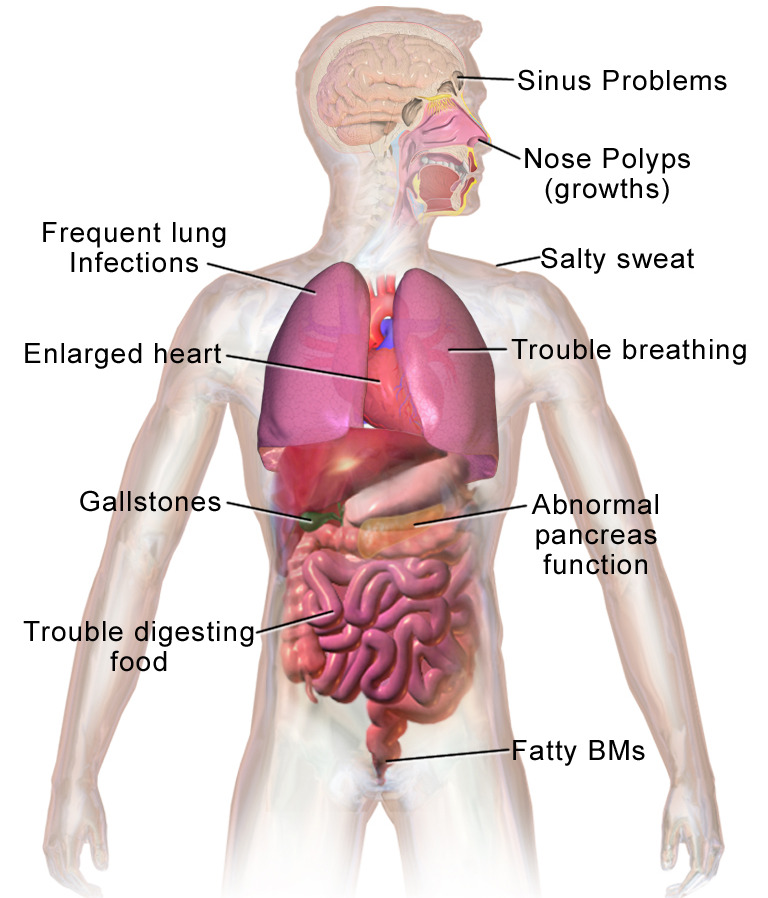
  • Infecciones sinusales crónicas/recurrentes, pólipos nasales
  • Infecciones pulmonares recurrentes, especialmente por Pseudomonas aeruginosa Pseudomonas aeruginosa A species of gram-negative, aerobic, rod-shaped bacteria commonly isolated from clinical specimens (wound, burn, and urinary tract infections). It is also found widely distributed in soil and water. P. Aeruginosa is a major agent of nosocomial infection. Pseudomonas
    • El aumento de la insuficiencia pulmonar provoca disnea de esfuerzo, anoxia y bronquiectasias
    • Dedos y uñas en EN Erythema nodosum is an immune-mediated panniculitis (inflammation of the subcutaneous fat) caused by a type IV (delayed-type) hypersensitivity reaction. It commonly manifests in young women as tender, erythematous nodules on the shins. Erythema Nodosum palillo de tambor
    • Entre el 10%–50% de los LOS Neisseria pacientes desarrollan poliposis nasal y pansinusitis crónica
    • Sibilancias espiratorias y tórax en EN Erythema nodosum is an immune-mediated panniculitis (inflammation of the subcutaneous fat) caused by a type IV (delayed-type) hypersensitivity reaction. It commonly manifests in young women as tender, erythematous nodules on the shins. Erythema Nodosum barril

Sistema gastrointestinal

Intestino delgado Las secreciones espesas dificultan la absorción, aumentando el riesgo de obstrucción.
  • No expulsa el meconio en EN Erythema nodosum is an immune-mediated panniculitis (inflammation of the subcutaneous fat) caused by a type IV (delayed-type) hypersensitivity reaction. It commonly manifests in young women as tender, erythematous nodules on the shins. Erythema Nodosum las primeras 48 horas de vida en EN Erythema nodosum is an immune-mediated panniculitis (inflammation of the subcutaneous fat) caused by a type IV (delayed-type) hypersensitivity reaction. It commonly manifests in young women as tender, erythematous nodules on the shins. Erythema Nodosum el recién nacido
  • Estreñimiento, dolor Dolor Inflammation abdominal
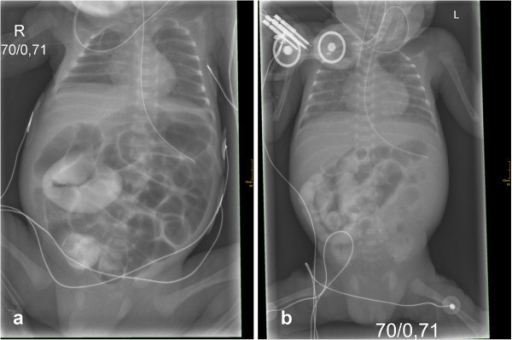
  • Obstrucción intestinal, imposibilidad de expulsar gases, distensión abdominal, náuseas, vómitos
Intestino grueso Los LOS Neisseria macronutrientes mal digeridos dan lugar a heces espesas, lo que predispone al AL Amyloidosis paciente a la impactación, obstrucción e intususcepción.
Páncreas
  • Las secreciones espesas bloquean el conducto pancreático y dificultan la absorción de grasas, lo que provoca una deficiencia de vitaminas liposolubles A, D, E y K.
  • La disminución del bicarbonato daña el revestimiento digestivo y perjudica la absorción.
  • Las enzimas pancreáticas destruyen lentamente el páncreas, lo que conduce a la fibrosis Fibrosis Any pathological condition where fibrous connective tissue invades any organ, usually as a consequence of inflammation or other injury. Bronchiolitis Obliterans y al AL Amyloidosis deterioro de la función endocrina ( diabetes Diabetes Diabetes mellitus (DM) is a metabolic disease characterized by hyperglycemia and dysfunction of the regulation of glucose metabolism by insulin. Type 1 DM is diagnosed mostly in children and young adults as the result of autoimmune destruction of β cells in the pancreas and the resulting lack of insulin. Type 2 DM has a significant association with obesity and is characterized by insulin resistance. Diabetes Mellitus).
Dolor Dolor Inflammation abdominal; calambres abdominales; hinchazón; heces frecuentes voluminosas y aceitosas; pérdida de peso; flatulencia
Hepatobiliar
  • La bilis se deshidrata, dando lugar a cálculos biliares.
  • La colestasis crónica conduce a la inflamación y la fibrosis Fibrosis Any pathological condition where fibrous connective tissue invades any organ, usually as a consequence of inflammation or other injury. Bronchiolitis Obliterans, que da lugar a la cirrosis y la hipertensión portal.
Dolor Dolor Inflammation en EN Erythema nodosum is an immune-mediated panniculitis (inflammation of the subcutaneous fat) caused by a type IV (delayed-type) hypersensitivity reaction. It commonly manifests in young women as tender, erythematous nodules on the shins. Erythema Nodosum el cuadrante superior derecho después de comidas copiosas y grasas; náuseas; vómitos; ictericia

Sistema reproductivo

  • Hombres
    • Infertilidad y retraso en EN Erythema nodosum is an immune-mediated panniculitis (inflammation of the subcutaneous fat) caused by a type IV (delayed-type) hypersensitivity reaction. It commonly manifests in young women as tender, erythematous nodules on the shins. Erythema Nodosum el desarrollo sexual secundario debido a:
      • Azoospermia Azoospermia A condition of having no sperm present in the ejaculate (semen). Infertility obstructiva por aplasia Aplasia Cranial Nerve Palsies/ atresia Atresia Hypoplastic Left Heart Syndrome (HLHS) bilateral del conducto deferente
      • Testículo no descendido; 15 veces más probable que en EN Erythema nodosum is an immune-mediated panniculitis (inflammation of the subcutaneous fat) caused by a type IV (delayed-type) hypersensitivity reaction. It commonly manifests in young women as tender, erythematous nodules on the shins. Erythema Nodosum la población general
  • Mujeres
    • Reducción de la fertilidad debido a:
      • Moco cervical viscoso
      • Amenorrea

Sistema urinario

  • Nefrolitiasis
  • Incontinencia de esfuerzo ( tos TOS Thoracic outlet syndrome (TOS) is a broad term used for a spectrum of syndromes related to the general region of the thoracic outlet, which involves the compression or irritation of elements of the brachial plexus, subclavian artery, or subclavian vein. Thoracic Outlet Syndrome frecuente)

Mnemotecnia

Para recordar las características clínicas más comunes de la fibrosis quística, recuerde el acrónimo “CF PANCREAS” ( en EN Erythema nodosum is an immune-mediated panniculitis (inflammation of the subcutaneous fat) caused by a type IV (delayed-type) hypersensitivity reaction. It commonly manifests in young women as tender, erythematous nodules on the shins. Erythema Nodosum inglés):
  • C – Chronic cough ( tos TOS Thoracic outlet syndrome (TOS) is a broad term used for a spectrum of syndromes related to the general region of the thoracic outlet, which involves the compression or irritation of elements of the brachial plexus, subclavian artery, or subclavian vein. Thoracic Outlet Syndrome crónica)
  • F Failure to thrive Failure to Thrive Failure to thrive (FTT), or faltering growth, describes suboptimal weight gain and growth in children. The majority of cases are due to inadequate caloric intake; however, genetic, infectious, and oncological etiologies are also common. Failure to Thrive (retraso en EN Erythema nodosum is an immune-mediated panniculitis (inflammation of the subcutaneous fat) caused by a type IV (delayed-type) hypersensitivity reaction. It commonly manifests in young women as tender, erythematous nodules on the shins. Erythema Nodosum el desarrollo)
  • P – Pancreatic insufficiency (exocrine) (insuficiencia pancreática exocrina)
  • A Alkalosis Alkalosis A pathological condition that removes acid or adds base to the body fluids. Respiratory Alkalosis and hypotonic Hypotonic Solutions that have a lesser osmotic pressure than a reference solution such as blood, plasma, or interstitial fluid. Renal Sodium and Water Regulation dehydration Dehydration The condition that results from excessive loss of water from a living organism. Volume Depletion and Dehydration (alcalosis y deshidratación hipotónica )
  • N – Nasal polyps, neonatal dehydration Dehydration The condition that results from excessive loss of water from a living organism. Volume Depletion and Dehydration (pólipos nasales, deshidratación neonatal)
  • C Clubbing Clubbing Cardiovascular Examination of fingers (Hippocratic fingers and nails) (dedos y uñas en EN Erythema nodosum is an immune-mediated panniculitis (inflammation of the subcutaneous fat) caused by a type IV (delayed-type) hypersensitivity reaction. It commonly manifests in young women as tender, erythematous nodules on the shins. Erythema Nodosum palillo de tambor)
  • R Rectal prolapse Rectal prolapse Rectal prolapse, also known as rectal procidentia, is the protrusion of rectal tissue through the anus. The tissue may include just the mucosa or the full thickness of the rectal wall. Common risk factors include chronic straining, constipation, bowel motility disorders, and weakening of the pelvic floor muscles. Rectal Prolapse (prolapso rectal)
  • E – Electrolyte elevation (sweat) (elevación de electrolitos (sudor))
  • A Atresia Atresia Hypoplastic Left Heart Syndrome (HLHS), absence of vas deferens Vas Deferens The excretory duct of the testes that carries spermatozoa. It rises from the scrotum and joins the seminal vesicles to form the ejaculatory duct. Testicles: Anatomy ( atresia Atresia Hypoplastic Left Heart Syndrome (HLHS), ausencia de conductos deferentes)
  • S – Sputum with Staphylococcus aureus Staphylococcus aureus Potentially pathogenic bacteria found in nasal membranes, skin, hair follicles, and perineum of warm-blooded animals. They may cause a wide range of infections and intoxications. Brain Abscess or Pseudomonas Pseudomonas Pseudomonas is a non-lactose-fermenting, gram-negative bacillus that produces pyocyanin, which gives it a characteristic blue-green color. Pseudomonas is found ubiquitously in the environment, as well as in moist reservoirs, such as hospital sinks and respiratory equipment. Pseudomonas (esputo con Staphylococcus aureus Staphylococcus aureus Potentially pathogenic bacteria found in nasal membranes, skin, hair follicles, and perineum of warm-blooded animals. They may cause a wide range of infections and intoxications. Brain Abscess o Pseudomonas Pseudomonas Pseudomonas is a non-lactose-fermenting, gram-negative bacillus that produces pyocyanin, which gives it a characteristic blue-green color. Pseudomonas is found ubiquitously in the environment, as well as in moist reservoirs, such as hospital sinks and respiratory equipment. Pseudomonas)

Complicaciones

Exacerbación de la enfermedad pulmonar
  • No hay un criterio único establecido; se define como un cambio agudo en EN Erythema nodosum is an immune-mediated panniculitis (inflammation of the subcutaneous fat) caused by a type IV (delayed-type) hypersensitivity reaction. It commonly manifests in young women as tender, erythematous nodules on the shins. Erythema Nodosum el estado pulmonar
    • Tos TOS Thoracic outlet syndrome (TOS) is a broad term used for a spectrum of syndromes related to the general region of the thoracic outlet, which involves the compression or irritation of elements of the brachial plexus, subclavian artery, or subclavian vein. Thoracic Outlet Syndrome nueva o aumento de la producción de esputo, disminución de la tolerancia al AL Amyloidosis ejercicio, aumento de la frecuencia respiratoria
  • Puede incluir pérdida de apetito, pérdida de peso, fiebre y fatiga
  • Puede provocar un neumotórax espontáneo
  • Puede provocar hemoptisis (hemorragia de las arterias pulmonares, con resultado potencialmente letal si la pérdida de sangre es superior a 0,5 L en EN Erythema nodosum is an immune-mediated panniculitis (inflammation of the subcutaneous fat) caused by a type IV (delayed-type) hypersensitivity reaction. It commonly manifests in young women as tender, erythematous nodules on the shins. Erythema Nodosum 24 horas)
Colonización microbiana crónica
  • Evidencia de 1 microorganismo patógeno en EN Erythema nodosum is an immune-mediated panniculitis (inflammation of the subcutaneous fat) caused by a type IV (delayed-type) hypersensitivity reaction. It commonly manifests in young women as tender, erythematous nodules on the shins. Erythema Nodosum al AL Amyloidosis menos 3 cultivos de esputo durante al AL Amyloidosis menos 6 meses
  • Niños pequeños:
    • Infección por Staphylococcus aureus Staphylococcus aureus Potentially pathogenic bacteria found in nasal membranes, skin, hair follicles, and perineum of warm-blooded animals. They may cause a wide range of infections and intoxications. Brain Abscess
    • Haemophilus influenzae Haemophilus Influenzae A species of Haemophilus found on the mucous membranes of humans and a variety of animals. The species is further divided into biotypes I through viii. Haemophilus
  • Niños y adolescentes:
    • Pseudomonas aeruginosa Pseudomonas aeruginosa A species of gram-negative, aerobic, rod-shaped bacteria commonly isolated from clinical specimens (wound, burn, and urinary tract infections). It is also found widely distributed in soil and water. P. Aeruginosa is a major agent of nosocomial infection. Pseudomonas (formación de biopelículas)
    • Stenotrophomonas maltophilia
  • Infecciones víricas
Aspergilosis broncopulmonar alérgica Colonización de las vías respiratorias por Aspergillus Aspergillus A genus of mitosporic fungi containing about 100 species and eleven different teleomorphs in the family trichocomaceae. Echinocandins, seguida de una vigorosa respuesta inmunitaria mediada por IgE IgE An immunoglobulin associated with mast cells. Overexpression has been associated with allergic hypersensitivity. Immunoglobulins: Types and Functions e IgG IgG The major immunoglobulin isotype class in normal human serum. There are several isotype subclasses of igg, for example, igg1, igg2a, and igg2b. Hypersensitivity Pneumonitis, presentación variada que puede incluir empeoramiento de la fiebre, malestar, taponamiento de la mucosa que puede no mejorar con antibióticos
Cirrosis biliar Obstrucción de la vía biliar en EN Erythema nodosum is an immune-mediated panniculitis (inflammation of the subcutaneous fat) caused by a type IV (delayed-type) hypersensitivity reaction. It commonly manifests in young women as tender, erythematous nodules on the shins. Erythema Nodosum adultos
Insuficiencia pancreática endocrina Desarrollo de diabetes Diabetes Diabetes mellitus (DM) is a metabolic disease characterized by hyperglycemia and dysfunction of the regulation of glucose metabolism by insulin. Type 1 DM is diagnosed mostly in children and young adults as the result of autoimmune destruction of β cells in the pancreas and the resulting lack of insulin. Type 2 DM has a significant association with obesity and is characterized by insulin resistance. Diabetes Mellitus mellitus, incluida la destrucción de los LOS Neisseria islotes de Langerhans en EN Erythema nodosum is an immune-mediated panniculitis (inflammation of the subcutaneous fat) caused by a type IV (delayed-type) hypersensitivity reaction. It commonly manifests in young women as tender, erythematous nodules on the shins. Erythema Nodosum la adultez

Diagnóstico

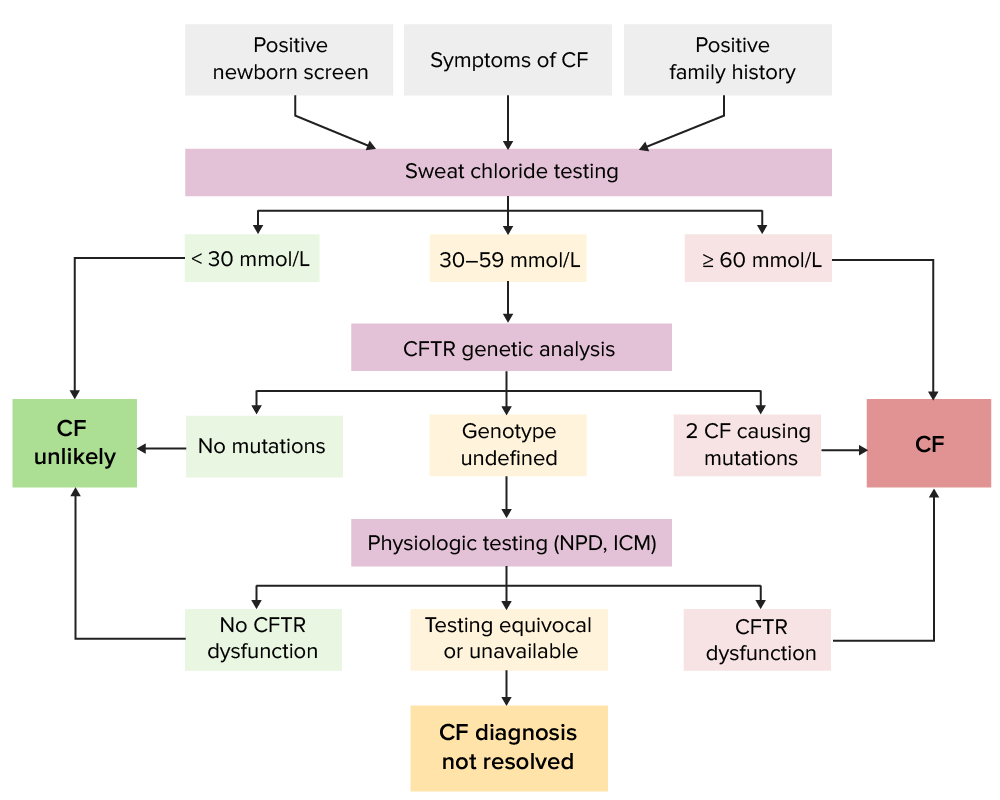
Algorithm for cystic fibrosis diagnosis
Algoritmo diagnóstico para FQ como se realiza en muchos países. IRT: tripsinógeno inmunorreactivo
Imagen por Lecturio.

Tamizaje en EN Erythema nodosum is an immune-mediated panniculitis (inflammation of the subcutaneous fat) caused by a type IV (delayed-type) hypersensitivity reaction. It commonly manifests in young women as tender, erythematous nodules on the shins. Erythema Nodosum recién nacidos

  • La prueba de la FQ forma parte del tamizaje neonatal en EN Erythema nodosum is an immune-mediated panniculitis (inflammation of the subcutaneous fat) caused by a type IV (delayed-type) hypersensitivity reaction. It commonly manifests in young women as tender, erythematous nodules on the shins. Erythema Nodosum la mayoría de los LOS Neisseria países con alta prevalencia (América del Norte, Australia, muchos países europeos).
  • Implica múltiples pasos de pruebas en EN Erythema nodosum is an immune-mediated panniculitis (inflammation of the subcutaneous fat) caused by a type IV (delayed-type) hypersensitivity reaction. It commonly manifests in young women as tender, erythematous nodules on the shins. Erythema Nodosum sangre seca
  • Medición del tripsinógeno inmunorreactivo, si es positivo → análisis de la mutación del CFTR
  • Si los LOS Neisseria resultados indican FQ, el siguiente paso es una prueba de cloruro en EN Erythema nodosum is an immune-mediated panniculitis (inflammation of the subcutaneous fat) caused by a type IV (delayed-type) hypersensitivity reaction. It commonly manifests in young women as tender, erythematous nodules on the shins. Erythema Nodosum el sudor cuando el bebé tenga al AL Amyloidosis menos 2 semanas de edad y pese más de 2 kg.

Prueba de cloruro en EN Erythema nodosum is an immune-mediated panniculitis (inflammation of the subcutaneous fat) caused by a type IV (delayed-type) hypersensitivity reaction. It commonly manifests in young women as tender, erythematous nodules on the shins. Erythema Nodosum el sudor: estándar de oro para el diagnóstico

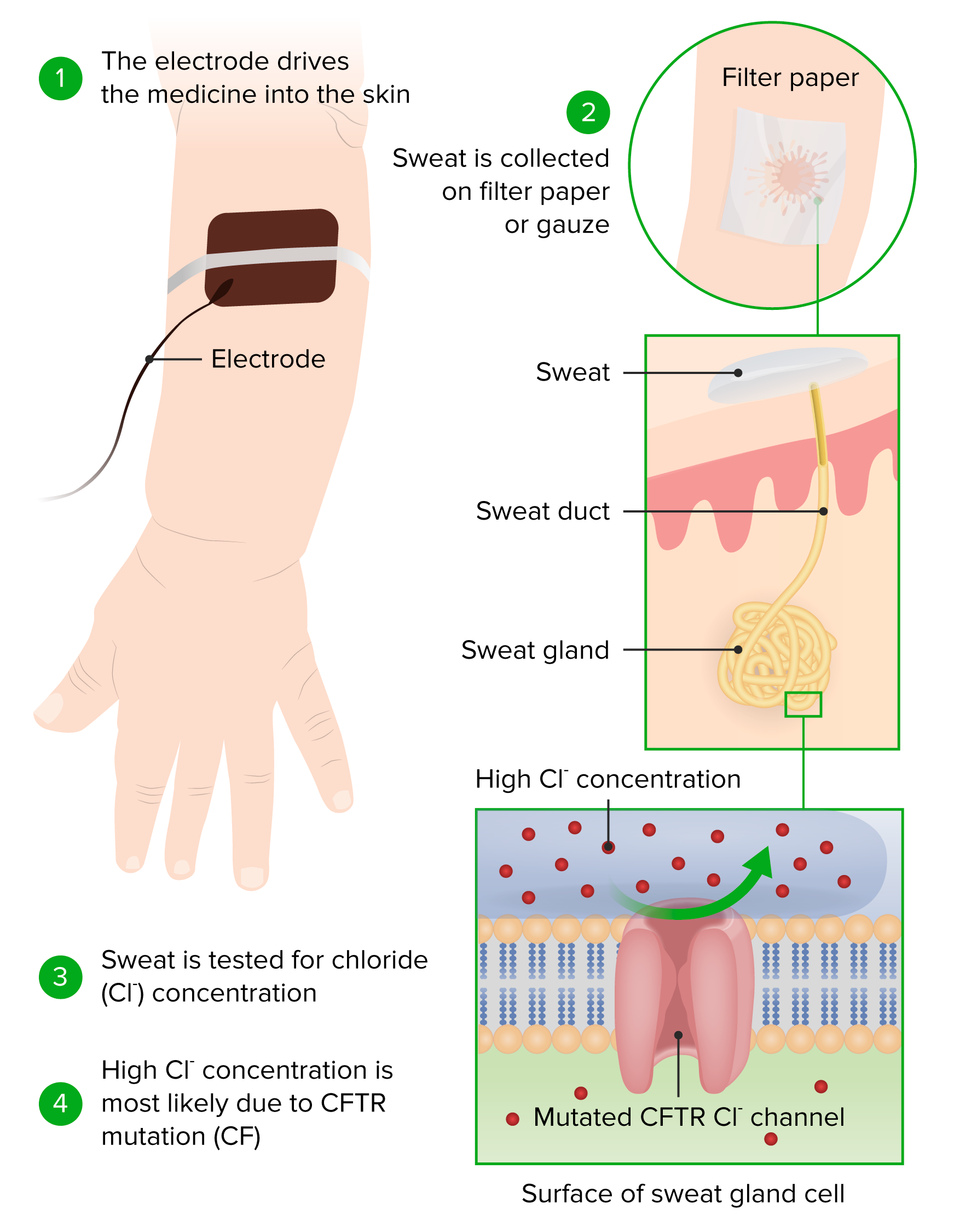
  • Iontoforesis con pilocarpina para determinar la concentración de cloruro en EN Erythema nodosum is an immune-mediated panniculitis (inflammation of the subcutaneous fat) caused by a type IV (delayed-type) hypersensitivity reaction. It commonly manifests in young women as tender, erythematous nodules on the shins. Erythema Nodosum el sudor
  • ≥ 60 mmol/L en EN Erythema nodosum is an immune-mediated panniculitis (inflammation of the subcutaneous fat) caused by a type IV (delayed-type) hypersensitivity reaction. It commonly manifests in young women as tender, erythematous nodules on the shins. Erythema Nodosum 2 pruebas: diagnóstico de FQ
Tamizaje en recién nacidos

Principios de la prueba de cloruro en el sudor y su realización

Imagen por Lecturio.

Estudios posteriores

Si el diagnóstico sigue sin estar claro, se pueden realizar más pruebas.

Diferencia de potencial nasal:

  • Prueba especializada solo en EN Erythema nodosum is an immune-mediated panniculitis (inflammation of the subcutaneous fat) caused by a type IV (delayed-type) hypersensitivity reaction. It commonly manifests in young women as tender, erythematous nodules on the shins. Erythema Nodosum los LOS Neisseria centros de FQ; evalúa además la disfunción del CFTR
  • Los LOS Neisseria electrodos se colocan en EN Erythema nodosum is an immune-mediated panniculitis (inflammation of the subcutaneous fat) caused by a type IV (delayed-type) hypersensitivity reaction. It commonly manifests in young women as tender, erythematous nodules on the shins. Erythema Nodosum la cavidad nasal, que luego se baña en EN Erythema nodosum is an immune-mediated panniculitis (inflammation of the subcutaneous fat) caused by a type IV (delayed-type) hypersensitivity reaction. It commonly manifests in young women as tender, erythematous nodules on the shins. Erythema Nodosum una serie de soluciones con diferentes sales diseñadas para cambiar el flujo de iones a través de la membrana de forma predecible.
  • Los LOS Neisseria pacientes con FQ tienen una diferencia basal más negativa y reaccionan de manera diferente a las otras sales debido al AL Amyloidosis transporte defectuoso de cloruro.

Mediciones de corriente intestinal:

  • Puede realizarse en EN Erythema nodosum is an immune-mediated panniculitis (inflammation of the subcutaneous fat) caused by a type IV (delayed-type) hypersensitivity reaction. It commonly manifests in young women as tender, erythematous nodules on the shins. Erythema Nodosum pacientes de todas las edades, incluidos los LOS Neisseria recién nacidos.
  • Se obtiene una biopsia por aspiración rectal.

Elastasa fecal:

La insuficiencia pancreática puede detectarse al AL Amyloidosis examinar las heces en EN Erythema nodosum is an immune-mediated panniculitis (inflammation of the subcutaneous fat) caused by a type IV (delayed-type) hypersensitivity reaction. It commonly manifests in young women as tender, erythematous nodules on the shins. Erythema Nodosum busca de elastasa-1 pancreática, que está ausente en EN Erythema nodosum is an immune-mediated panniculitis (inflammation of the subcutaneous fat) caused by a type IV (delayed-type) hypersensitivity reaction. It commonly manifests in young women as tender, erythematous nodules on the shins. Erythema Nodosum el 80% de las personas con FQ.

Imagenología:

  • TC de senos paranasales: panopacificación, pólipos nasales
  • TC de tórax: bronquiectasias típicamente en EN Erythema nodosum is an immune-mediated panniculitis (inflammation of the subcutaneous fat) caused by a type IV (delayed-type) hypersensitivity reaction. It commonly manifests in young women as tender, erythematous nodules on the shins. Erythema Nodosum los LOS Neisseria lóbulos superiores, pueden progresar hasta ser visibles en EN Erythema nodosum is an immune-mediated panniculitis (inflammation of the subcutaneous fat) caused by a type IV (delayed-type) hypersensitivity reaction. It commonly manifests in young women as tender, erythematous nodules on the shins. Erythema Nodosum las radiografías

Cultivo de las vías respiratorias:

  • Detección persistente de las siguientes bacterias en EN Erythema nodosum is an immune-mediated panniculitis (inflammation of the subcutaneous fat) caused by a type IV (delayed-type) hypersensitivity reaction. It commonly manifests in young women as tender, erythematous nodules on the shins. Erythema Nodosum la secreción respiratoria y en EN Erythema nodosum is an immune-mediated panniculitis (inflammation of the subcutaneous fat) caused by a type IV (delayed-type) hypersensitivity reaction. It commonly manifests in young women as tender, erythematous nodules on the shins. Erythema Nodosum el esputo
  • El 80% cultiva S. aureus S. aureus Potentially pathogenic bacteria found in nasal membranes, skin, hair follicles, and perineum of warm-blooded animals. They may cause a wide range of infections and intoxications. Staphylococcus o Pseudomonas aeruginosa Pseudomonas aeruginosa A species of gram-negative, aerobic, rod-shaped bacteria commonly isolated from clinical specimens (wound, burn, and urinary tract infections). It is also found widely distributed in soil and water. P. Aeruginosa is a major agent of nosocomial infection. Pseudomonas
  • Haemophilus influenzae Haemophilus Influenzae A species of Haemophilus found on the mucous membranes of humans and a variety of animals. The species is further divided into biotypes I through viii. Haemophilus, Burkholderia Burkholderia Burkholderia species are gram-negative bacilli with 2 clinically relevant pathogens: B. pseudomallei (causing melioidosis) and B. cepacia complex (causing opportunistic infections). Melioidosis is commonly seen in Asia and Australia. Infection is transmitted by contact with contaminated soil or water (via skin wounds). Burkholderia cepacia, Stenotrophomonas maltophilia
    • Todas (excepto S. aureus S. aureus Potentially pathogenic bacteria found in nasal membranes, skin, hair follicles, and perineum of warm-blooded animals. They may cause a wide range of infections and intoxications. Staphylococcus) serían inusuales en EN Erythema nodosum is an immune-mediated panniculitis (inflammation of the subcutaneous fat) caused by a type IV (delayed-type) hypersensitivity reaction. It commonly manifests in young women as tender, erythematous nodules on the shins. Erythema Nodosum personas sanas sin FQ

Tratamiento

El tratamiento de la FQ debe ser multidisciplinar e incluir médicos especialistas, fisioterapeutas, dietistas y/o apoyo psicológico.

Sistema de órganos Abordaje de la terapia
Infecciones pulmonares, insuficiencia pulmonar respiratoria
  • Promover la salud pulmonar: Modulador de la CFTR, deportes de resistencia
  • Mejorar la limpieza de las vías respiratorias: desoxirribonucleasa inhalada, solución salina hipertónica inhalada, fisioterapia torácica
  • Prevención de la infección: todas las vacunas rutinarias de la infancia, vacuna anual contra la gripe, protocolo de alto riesgo para la vacuna neumocócica, palivizumab Palivizumab A humanized monoclonal antibody and antiviral agent that is used to prevent respiratory syncytial virus infections in high risk pediatric patients. Respiratory Syncytial Virus para prevenir la infección por el virus Virus Viruses are infectious, obligate intracellular parasites composed of a nucleic acid core surrounded by a protein capsid. Viruses can be either naked (non-enveloped) or enveloped. The classification of viruses is complex and based on many factors, including type and structure of the nucleoid and capsid, the presence of an envelope, the replication cycle, and the host range. Virology respiratorio sincitial, precauciones de contacto en EN Erythema nodosum is an immune-mediated panniculitis (inflammation of the subcutaneous fat) caused by a type IV (delayed-type) hypersensitivity reaction. It commonly manifests in young women as tender, erythematous nodules on the shins. Erythema Nodosum todos los LOS Neisseria entornos sanitarios
  • Broncodilatadores: agonista beta-2 adrenérgico antes de la fisioterapia torácica, medicamentos inhalados o si es sintomático
  • Medidas antiinflamatorias: azitromicina oral 3x/semana, ibuprofeno a dosis altas si es menor de 18 años con buena función pulmonar
  • Prevención de exacerbaciones agudas: tratamiento de la infección crónica por P. aeruginosa P. aeruginosa A species of gram-negative, aerobic, rod-shaped bacteria commonly isolated from clinical specimens (wound, burn, and urinary tract infections). It is also found widely distributed in soil and water. P. Aeruginosa is a major agent of nosocomial infection. Pseudomonas con tobramicina inhalada
  • Tratamiento de la exacerbación aguda: antibióticos sistémicos guiados por los LOS Neisseria datos de los LOS Neisseria cultivos, intensificación de la limpieza de las vías respiratorias, esteroides solo si hay asma ASMA Autoimmune Hepatitis concurrente
  • Referencia a un centro de trasplante: antes se consideraba el “último recurso”, pero ahora se recomienda en EN Erythema nodosum is an immune-mediated panniculitis (inflammation of the subcutaneous fat) caused by a type IV (delayed-type) hypersensitivity reaction. It commonly manifests in young women as tender, erythematous nodules on the shins. Erythema Nodosum una fase más temprana de la enfermedad si:
    • Disminución rápida del VEF1
    • Hipoxia (paO2 < 88)
    • Hipercapnia (pCO2 > 50 on ABG)
    • Hipertensión pulmonar significativa O
    • Exacerbación que necesita ventilación con presión positiva
Deshidratación hipotónica/alcalosis hipoclorémica
  • Hidratación adecuada, ingesta abundante de sal en EN Erythema nodosum is an immune-mediated panniculitis (inflammation of the subcutaneous fat) caused by a type IV (delayed-type) hypersensitivity reaction. It commonly manifests in young women as tender, erythematous nodules on the shins. Erythema Nodosum la línea de base
  • Aumentar la ingesta de sal si se espera que el paciente o los LOS Neisseria factores ambientales favorezcan la pérdida de líquidos (e.g., mucho calor Calor Inflammation, sudoración, vómitos, diarrea, fiebre)
Insuficiencia pancreática exocrina Una dosis de enzimas pancreáticas (concentración definida de lipasa y proteasa) con cada comida
Retraso en EN Erythema nodosum is an immune-mediated panniculitis (inflammation of the subcutaneous fat) caused by a type IV (delayed-type) hypersensitivity reaction. It commonly manifests in young women as tender, erythematous nodules on the shins. Erythema Nodosum el desarrollo
  • Dieta alta en EN Erythema nodosum is an immune-mediated panniculitis (inflammation of the subcutaneous fat) caused by a type IV (delayed-type) hypersensitivity reaction. It commonly manifests in young women as tender, erythematous nodules on the shins. Erythema Nodosum calorías, rica en EN Erythema nodosum is an immune-mediated panniculitis (inflammation of the subcutaneous fat) caused by a type IV (delayed-type) hypersensitivity reaction. It commonly manifests in young women as tender, erythematous nodules on the shins. Erythema Nodosum grasas
  • Nutrición enteral por sonda
Déficit de vitaminas y minerales Sustitución profiláctica de vitaminas liposolubles en EN Erythema nodosum is an immune-mediated panniculitis (inflammation of the subcutaneous fat) caused by a type IV (delayed-type) hypersensitivity reaction. It commonly manifests in young women as tender, erythematous nodules on the shins. Erythema Nodosum dosis supranormales, sustitución de minerales y oligoelementos
Diabetes Diabetes Diabetes mellitus (DM) is a metabolic disease characterized by hyperglycemia and dysfunction of the regulation of glucose metabolism by insulin. Type 1 DM is diagnosed mostly in children and young adults as the result of autoimmune destruction of β cells in the pancreas and the resulting lack of insulin. Type 2 DM has a significant association with obesity and is characterized by insulin resistance. Diabetes Mellitus relacionada con la FQ
  • A diferencia de la diabetes Diabetes Diabetes mellitus (DM) is a metabolic disease characterized by hyperglycemia and dysfunction of the regulation of glucose metabolism by insulin. Type 1 DM is diagnosed mostly in children and young adults as the result of autoimmune destruction of β cells in the pancreas and the resulting lack of insulin. Type 2 DM has a significant association with obesity and is characterized by insulin resistance. Diabetes Mellitus tipo 1 y tipo 2, las recomendaciones dietéticas son diferentes
  • Tratar con insulina.

Pronóstico

  • Con un tratamiento óptimo, los LOS Neisseria pacientes con FQ tienen una esperanza de vida media de 45 años.
  • El 50% de los LOS Neisseria pacientes mueren antes de los LOS Neisseria 18 años por insuficiencia respiratoria.
  • El pronóstico depende de varios factores:
    • Edad
    • Sexo femenino
    • Variante genética
    • Colonización por patógenos multidrogorresistentes
    • Función pulmonar
    • Complicaciones
    • Acceso a la atención médica

Diagnóstico Diferencial

Las siguientes afecciones están relacionadas con la fibrosis Fibrosis Any pathological condition where fibrous connective tissue invades any organ, usually as a consequence of inflammation or other injury. Bronchiolitis Obliterans quística:

  • Bronquiectasia: enfermedad crónica en EN Erythema nodosum is an immune-mediated panniculitis (inflammation of the subcutaneous fat) caused by a type IV (delayed-type) hypersensitivity reaction. It commonly manifests in young women as tender, erythematous nodules on the shins. Erythema Nodosum la que las paredes de los LOS Neisseria bronquios se engrosan como consecuencia de una inflamación e infección. Esta enfermedad se caracteriza por el agrandamiento permanente de secciones de las vías respiratorias dentro de los LOS Neisseria pulmones. Los LOS Neisseria pacientes suelen tener episodios de dificultad respiratoria, presentando una tos TOS Thoracic outlet syndrome (TOS) is a broad term used for a spectrum of syndromes related to the general region of the thoracic outlet, which involves the compression or irritation of elements of the brachial plexus, subclavian artery, or subclavian vein. Thoracic Outlet Syndrome crónica con producción de mucosidad.
  • Neumonía: inflamación aguda o crónica del tejido pulmonar causada por una infección por bacterias, virus Virus Viruses are infectious, obligate intracellular parasites composed of a nucleic acid core surrounded by a protein capsid. Viruses can be either naked (non-enveloped) or enveloped. The classification of viruses is complex and based on many factors, including type and structure of the nucleoid and capsid, the presence of an envelope, the replication cycle, and the host range. Virology u hongos. La neumonía también puede deberse a desencadenantes tóxicos por inhalación de sustancias tóxicas, procesos inmunológicos o en EN Erythema nodosum is an immune-mediated panniculitis (inflammation of the subcutaneous fat) caused by a type IV (delayed-type) hypersensitivity reaction. It commonly manifests in young women as tender, erythematous nodules on the shins. Erythema Nodosum el curso de la radioterapia.
  • Malabsorción: trastorno que implica la incapacidad de absorber los LOS Neisseria nutrientes de los LOS Neisseria alimentos, como los LOS Neisseria carbohidratos, grasas, minerales, proteínas o vitaminas. La intolerancia a la lactosa y la enfermedad celíaca están relacionadas con la mala absorción.
  • Retraso en EN Erythema nodosum is an immune-mediated panniculitis (inflammation of the subcutaneous fat) caused by a type IV (delayed-type) hypersensitivity reaction. It commonly manifests in young women as tender, erythematous nodules on the shins. Erythema Nodosum el desarrollo: niños que ganan peso o altura más lentamente en EN Erythema nodosum is an immune-mediated panniculitis (inflammation of the subcutaneous fat) caused by a type IV (delayed-type) hypersensitivity reaction. It commonly manifests in young women as tender, erythematous nodules on the shins. Erythema Nodosum comparación con otros niños de edad o sexo similar. Por lo general, presentan un subdesarrollo de las habilidades motoras adquiridas en EN Erythema nodosum is an immune-mediated panniculitis (inflammation of the subcutaneous fat) caused by a type IV (delayed-type) hypersensitivity reaction. It commonly manifests in young women as tender, erythematous nodules on the shins. Erythema Nodosum la primera infancia, como darse la vuelta, ponerse de pie y caminar.
  • Deshidratación: condición causada por la pérdida excesiva de líquidos corporales. El agua se pierde fuera de las células individuales del cuerpo, lo que conduce a una disminución neta del volumen total de agua en EN Erythema nodosum is an immune-mediated panniculitis (inflammation of the subcutaneous fat) caused by a type IV (delayed-type) hypersensitivity reaction. It commonly manifests in young women as tender, erythematous nodules on the shins. Erythema Nodosum el cuerpo.
  • Prolapso rectal: condición en EN Erythema nodosum is an immune-mediated panniculitis (inflammation of the subcutaneous fat) caused by a type IV (delayed-type) hypersensitivity reaction. It commonly manifests in young women as tender, erythematous nodules on the shins. Erythema Nodosum la que el recto pierde su fijación normal en EN Erythema nodosum is an immune-mediated panniculitis (inflammation of the subcutaneous fat) caused by a type IV (delayed-type) hypersensitivity reaction. It commonly manifests in young women as tender, erythematous nodules on the shins. Erythema Nodosum el interior del cuerpo, volviéndose así del revés a través del ano. El tratamiento definitivo requiere cirugía.
  • Aspergilosis broncopulmonar alérgica: una respuesta de hipersensibilidad al AL Amyloidosis hongo Aspergillus Aspergillus A genus of mitosporic fungi containing about 100 species and eleven different teleomorphs in the family trichocomaceae. Echinocandins. Los LOS Neisseria pacientes más afectados son los LOS Neisseria que padecen asma ASMA Autoimmune Hepatitis o fibrosis Fibrosis Any pathological condition where fibrous connective tissue invades any organ, usually as a consequence of inflammation or other injury. Bronchiolitis Obliterans quística.
  • Cirrosis biliar: enfermedad crónica en EN Erythema nodosum is an immune-mediated panniculitis (inflammation of the subcutaneous fat) caused by a type IV (delayed-type) hypersensitivity reaction. It commonly manifests in young women as tender, erythematous nodules on the shins. Erythema Nodosum la que los LOS Neisseria conductos biliares se degradan lentamente. Con la acumulación de bilis en EN Erythema nodosum is an immune-mediated panniculitis (inflammation of the subcutaneous fat) caused by a type IV (delayed-type) hypersensitivity reaction. It commonly manifests in young women as tender, erythematous nodules on the shins. Erythema Nodosum el hígado, los LOS Neisseria pacientes suelen sufrir cirrosis.
  • Asma ASMA Autoimmune Hepatitis: enfermedad inflamatoria crónica caracterizada por la obstrucción reversible del flujo de aire en EN Erythema nodosum is an immune-mediated panniculitis (inflammation of the subcutaneous fat) caused by a type IV (delayed-type) hypersensitivity reaction. It commonly manifests in young women as tender, erythematous nodules on the shins. Erythema Nodosum las vías respiratorias inferiores. Los LOS Neisseria pacientes presentan sibilancias intermitentes o persistentes, tos TOS Thoracic outlet syndrome (TOS) is a broad term used for a spectrum of syndromes related to the general region of the thoracic outlet, which involves the compression or irritation of elements of the brachial plexus, subclavian artery, or subclavian vein. Thoracic Outlet Syndrome y disnea. El diagnóstico suele confirmarse con pruebas de función pulmonar que muestran un patrón obstructivo reversible. El tratamiento varía en EN Erythema nodosum is an immune-mediated panniculitis (inflammation of the subcutaneous fat) caused by a type IV (delayed-type) hypersensitivity reaction. It commonly manifests in young women as tender, erythematous nodules on the shins. Erythema Nodosum función de la gravedad e incluye broncodilatadores y corticoides inhalados para controlar la inflamación.
  • Discinesia ciliar primaria: un raro trastorno genético autosómico recesivo que provoca una disfunción del epitelio ciliar. Los LOS Neisseria pacientes se presentan en EN Erythema nodosum is an immune-mediated panniculitis (inflammation of the subcutaneous fat) caused by a type IV (delayed-type) hypersensitivity reaction. It commonly manifests in young women as tender, erythematous nodules on the shins. Erythema Nodosum la infancia con rinosinusitis recurrentes, otitis, infecciones respiratorias y eventualmente bronquiectasias. La discinesia ciliar primaria se asocia a menudo con el situs inversus e infertilidad.

¡Crea tu cuenta gratis o inicia una sesión para seguir leyendo!

Regístrate ahora y obtén acceso gratuito a Lecturio con páginas de concepto, videos médicos y cuestionarios para tu educación médica.

User Reviews

Que tengas una sesión de estudio alegre y navideña 🎁 Ahorra 50% en todos los planes >>

Details