Domina Conceptos Médicos

Estudia para la escuela de medicina y tus examenes con Lecturio.

Coriorretinitis

La coriorretinitis es la inflamación del segmento posterior del ojo, que incluye la coroides y la retina. La enfermedad suele ser causada por infecciones, siendo la más común la toxoplasmosis. Algunas de estas infecciones pueden afectar al feto en el útero y presentarse como anomalías congénitas. Las enfermedades sistémicas, como la sarcoidosis, también se asocian a esta afección. Las características clínicas típicas son la visión borrosa indolora, las miodesopsias o "cuerpos flotantes" y los LOS Neisseria escotomas. Con los LOS Neisseria trastornos sistémicos y congénitos, se observan manifestaciones extraoculares. El diagnóstico se realiza mediante la fundoscopia, el examen con lámpara de hendidura, el uso de pruebas de laboratorio y la imagenología, siendo orientado por los LOS Neisseria factores de riesgo, los LOS Neisseria antecedentes clínicos y el monitoreo del tratamiento. El tratamiento se dirige a eliminar la infección con antibióticos o antivirales y a reducir la inflamación con glucocorticoides o inmunosupresores.

Last updated: Dec 15, 2025
Editorial responsibility: Stanley Oiseth, Lindsay Jones, Evelin Maza

Descripción General

Definición

  • También llamada retinocoroiditis
  • Inflamación de la coroides, parte de la úvea posterior, y de la retina Retina The ten-layered nervous tissue membrane of the eye. It is continuous with the optic nerve and receives images of external objects and transmits visual impulses to the brain. Its outer surface is in contact with the choroid and the inner surface with the vitreous body. The outermost layer is pigmented, whereas the inner nine layers are transparent. Eye: Anatomy
  • Un tipo de uveítis posterior

Anatomía

  • Coroides:
    • Estructura vascular que proporciona soporte y nutrición a la retina Retina The ten-layered nervous tissue membrane of the eye. It is continuous with the optic nerve and receives images of external objects and transmits visual impulses to the brain. Its outer surface is in contact with the choroid and the inner surface with the vitreous body. The outermost layer is pigmented, whereas the inner nine layers are transparent. Eye: Anatomy
    • Continúa anteriormente con el cuerpo ciliar
  • Retina Retina The ten-layered nervous tissue membrane of the eye. It is continuous with the optic nerve and receives images of external objects and transmits visual impulses to the brain. Its outer surface is in contact with the choroid and the inner surface with the vitreous body. The outermost layer is pigmented, whereas the inner nine layers are transparent. Eye: Anatomy:
    • Capa interior
    • Contiene fotorreceptores que convierten los LOS Neisseria estímulos luminosos en EN Erythema nodosum is an immune-mediated panniculitis (inflammation of the subcutaneous fat) caused by a type IV (delayed-type) hypersensitivity reaction. It commonly manifests in young women as tender, erythematous nodules on the shins. Erythema Nodosum impulsos nerviosos
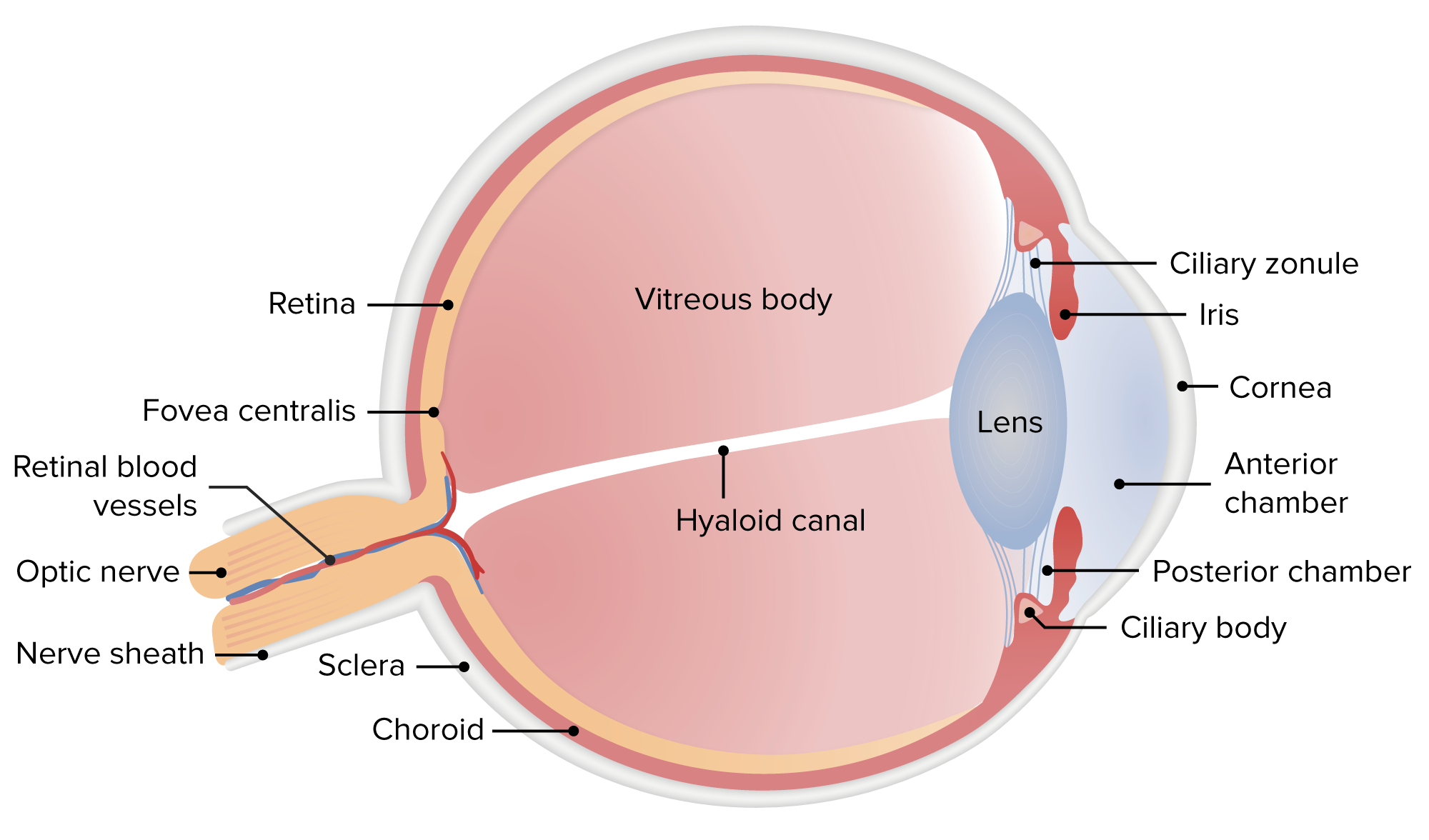
Anatomía del ojo

Anatomía del ojo humano

Imagen por Lecturio.

Epidemiología y Etiología

Epidemiología

  • Entre los LOS Neisseria tipos de uveítis, la uveítis posterior es la forma menos común.
  • Coriorretinitis: usualmente de etiología infecciosa
  • Toxoplasmosis Toxoplasmosis Toxoplasmosis is an infectious disease caused by Toxoplasma gondii, an obligate intracellular protozoan parasite. Felines are the definitive host, but transmission to humans can occur through contact with cat feces or the consumption of contaminated foods. The clinical presentation and complications depend on the host’s immune status. Toxoplasma/Toxoplasmosis: la causa más común de coriorretinitis en EN Erythema nodosum is an immune-mediated panniculitis (inflammation of the subcutaneous fat) caused by a type IV (delayed-type) hypersensitivity reaction. It commonly manifests in young women as tender, erythematous nodules on the shins. Erythema Nodosum todo el mundo

Etiología

  • Causas infecciosas:
    • Toxoplasmosis Toxoplasmosis Toxoplasmosis is an infectious disease caused by Toxoplasma gondii, an obligate intracellular protozoan parasite. Felines are the definitive host, but transmission to humans can occur through contact with cat feces or the consumption of contaminated foods. The clinical presentation and complications depend on the host’s immune status. Toxoplasma/Toxoplasmosis ( Toxoplasma Toxoplasma Toxoplasmosis is an infectious disease caused by Toxoplasma gondii, an obligate intracellular protozoan parasite. Felines are the definitive host, but transmission to humans can occur through contact with cat feces or the consumption of contaminated foods. The clinical presentation and complications depend on the host’s immune status. Toxoplasma/Toxoplasmosis gondii)
    • Sífilis ( Treponema pallidum Treponema pallidum The causative agent of venereal and non-venereal syphilis as well as yaws. Treponema)
    • Tuberculosis Tuberculosis Tuberculosis (TB) is an infectious disease caused by Mycobacterium tuberculosis complex bacteria. The bacteria usually attack the lungs but can also damage other parts of the body. Approximately 30% of people around the world are infected with this pathogen, with the majority harboring a latent infection. Tuberculosis spreads through the air when a person with active pulmonary infection coughs or sneezes. Tuberculosis (TBC) ( Mycobacterium tuberculosis Mycobacterium tuberculosis Tuberculosis (TB) is an infectious disease caused by Mycobacterium tuberculosis complex bacteria. The bacteria usually attack the lungs but can also damage other parts of the body. Approximately 30% of people around the world are infected with this pathogen, with the majority harboring a latent infection. Tuberculosis spreads through the air when a person with active pulmonary infection coughs or sneezes. Tuberculosis)
    • Virus Virus Viruses are infectious, obligate intracellular parasites composed of a nucleic acid core surrounded by a protein capsid. Viruses can be either naked (non-enveloped) or enveloped. The classification of viruses is complex and based on many factors, including type and structure of the nucleoid and capsid, the presence of an envelope, the replication cycle, and the host range. Virology del herpes simple
    • Virus Virus Viruses are infectious, obligate intracellular parasites composed of a nucleic acid core surrounded by a protein capsid. Viruses can be either naked (non-enveloped) or enveloped. The classification of viruses is complex and based on many factors, including type and structure of the nucleoid and capsid, the presence of an envelope, the replication cycle, and the host range. Virology de la coriomeningitis linfocítica
    • Virus Virus Viruses are infectious, obligate intracellular parasites composed of a nucleic acid core surrounded by a protein capsid. Viruses can be either naked (non-enveloped) or enveloped. The classification of viruses is complex and based on many factors, including type and structure of the nucleoid and capsid, the presence of an envelope, the replication cycle, and the host range. Virology de la rubéola
    • Virus Virus Viruses are infectious, obligate intracellular parasites composed of a nucleic acid core surrounded by a protein capsid. Viruses can be either naked (non-enveloped) or enveloped. The classification of viruses is complex and based on many factors, including type and structure of the nucleoid and capsid, the presence of an envelope, the replication cycle, and the host range. Virology de la varicela
    • Citomegalovirus (CMV)
    • Histoplasmosis Histoplasmosis Histoplasmosis is an infection caused by Histoplasma capsulatum, a dimorphic fungus. Transmission is through inhalation, and exposure to soils containing bird or bat droppings increases the risk of infection. Most infections are asymptomatic; however, immunocompromised individuals generally develop acute pulmonary infection, chronic infection, or even disseminated disease. Histoplasma/Histoplasmosis ( Histoplasma capsulatum Histoplasma capsulatum Histoplasma/Histoplasmosis)
    • Candidiasis Candidiasis Candida is a genus of dimorphic, opportunistic fungi. Candida albicans is part of the normal human flora and is the most common cause of candidiasis. The clinical presentation varies and can include localized mucocutaneous infections (e.g., oropharyngeal, esophageal, intertriginous, and vulvovaginal candidiasis) and invasive disease (e.g., candidemia, intraabdominal abscess, pericarditis, and meningitis). Candida/Candidiasis ( Candida albicans Candida albicans A unicellular budding fungus which is the principal pathogenic species causing candidiasis (moniliasis). Candida/Candidiasis)
    • Coccidioidomicosis ( Coccidioides Coccidioides Coccidioidomycosis, commonly known as San Joaquin Valley fever, is a fungal disease caused by Coccidioides immitis or Coccidioides posadasii. When Coccidioides spores are inhaled, they transform into spherules that result in infection. Coccidioidomycosis is also a common cause of community-acquired pneumonia and can cause severe disease in the immunocompromised. Coccidioides/Coccidioidomycosis)
    • Toxocariasis Toxocariasis Toxocariasis is caused by the nematodes Toxocara canis and T. cati. These species frequently infect dogs and cats and are most commonly transmitted to humans via accidental ingestion of eggs through the fecal-oral route. Toxocara are not able to complete their life cycle in humans, but they do migrate to organs (including the liver, lungs, heart, brain, and eyes), where they cause inflammation and tissue damage. Toxocariasis ( Toxocara canis Toxocara canis A species of parasitic nematode found in the intestine of dogs. Lesions in the brain, liver, eye, kidney, and lung are caused by migrating larvae. In humans, these larvae do not follow normal patterns and may produce visceral larva migrans (larva migrans, visceral). Toxocariasis, Toxocara cati Toxocara Cati Toxocariasis)
  • Causas no infecciosas:
    • Enfermedades autoinmunes:
      • Sarcoidosis Sarcoidosis Sarcoidosis is a multisystem inflammatory disease that causes noncaseating granulomas. The exact etiology is unknown. Sarcoidosis usually affects the lungs and thoracic lymph nodes, but it can also affect almost every system in the body, including the skin, heart, and eyes, most commonly. Sarcoidosis
      • Enfermedad de Behcet
      • Lupus eritematoso sistémico
      • Poliarteritis nodosa
      • Granulomatosis con poliangeítis
    • Sin asociación sistémica:
      • Coroiditis multifocal Multifocal Retinoblastoma y panuveítis
      • Coroiditis serpiginosa
      • Síndrome de múltiples puntos blancos evanescentes

Related videos

Presentación Clínica

  • Generalmente indolora, pero hay dolor Dolor Inflammation en EN Erythema nodosum is an immune-mediated panniculitis (inflammation of the subcutaneous fat) caused by a type IV (delayed-type) hypersensitivity reaction. It commonly manifests in young women as tender, erythematous nodules on the shins. Erythema Nodosum caso de una panuveítis
  • Miodesopsias o “cuerpos flotantes”
  • Destellos de luz (fotopsias)
  • Deterioro o pérdida de la visión
  • Escotomas (puntos ciegos)
  • En EN Erythema nodosum is an immune-mediated panniculitis (inflammation of the subcutaneous fat) caused by a type IV (delayed-type) hypersensitivity reaction. It commonly manifests in young women as tender, erythematous nodules on the shins. Erythema Nodosum los LOS Neisseria neonatos: suele ser asintomático al AL Amyloidosis nacer y las manifestaciones se observan de manera tardía
  • Los LOS Neisseria síntomas extraoculares dependen de la enfermedad asociada.

Coriorretinitis Infecciosa

Toxoplasmosis Toxoplasmosis Toxoplasmosis is an infectious disease caused by Toxoplasma gondii, an obligate intracellular protozoan parasite. Felines are the definitive host, but transmission to humans can occur through contact with cat feces or the consumption of contaminated foods. The clinical presentation and complications depend on the host’s immune status. Toxoplasma/Toxoplasmosis congénita

  • Solamente entre el 10%30% de los LOS Neisseria pacientes tienen manifestaciones al AL Amyloidosis nacer y en EN Erythema nodosum is an immune-mediated panniculitis (inflammation of the subcutaneous fat) caused by a type IV (delayed-type) hypersensitivity reaction. It commonly manifests in young women as tender, erythematous nodules on the shins. Erythema Nodosum la infancia temprana.
  • Los LOS Neisseria fetos infectados en EN Erythema nodosum is an immune-mediated panniculitis (inflammation of the subcutaneous fat) caused by a type IV (delayed-type) hypersensitivity reaction. It commonly manifests in young women as tender, erythematous nodules on the shins. Erythema Nodosum las primeras etapas del embarazo son más propensos a mostrar signos de infección.
  • Hallazgos intrauterinos: calcificaciones/densidades intracraneales e hidrocefalia (hallazgos más comunes)
  • La tríada clásica:
    1. Calcificaciones intracraneales
    2. Hidrocefalia
    3. Coriorretinitis: una manifestación tardía común de la toxoplasmosis Toxoplasmosis Toxoplasmosis is an infectious disease caused by Toxoplasma gondii, an obligate intracellular protozoan parasite. Felines are the definitive host, but transmission to humans can occur through contact with cat feces or the consumption of contaminated foods. The clinical presentation and complications depend on the host’s immune status. Toxoplasma/Toxoplasmosis congénita
  • Síntomas: visión borrosa usualmente indolora, escotomas, fotofobia

Toxoplasmosis Toxoplasmosis Toxoplasmosis is an infectious disease caused by Toxoplasma gondii, an obligate intracellular protozoan parasite. Felines are the definitive host, but transmission to humans can occur through contact with cat feces or the consumption of contaminated foods. The clinical presentation and complications depend on the host’s immune status. Toxoplasma/Toxoplasmosis adquirida

Infección activa

  • Pacientes de alto riesgo:
    • Puede ocurrir en EN Erythema nodosum is an immune-mediated panniculitis (inflammation of the subcutaneous fat) caused by a type IV (delayed-type) hypersensitivity reaction. It commonly manifests in young women as tender, erythematous nodules on the shins. Erythema Nodosum todos los LOS Neisseria grupos de edad
    • Pacientes de América del Sur y Centroamérica (predominantemente el genotipo I, que causa una enfermedad grave)
  • Síntomas: pérdida visual unilateral o miodesopsias

Infección reactivada

  • Pacientes de alto riesgo:
    • Aquellos que adquirieron la infección en EN Erythema nodosum is an immune-mediated panniculitis (inflammation of the subcutaneous fat) caused by a type IV (delayed-type) hypersensitivity reaction. It commonly manifests in young women as tender, erythematous nodules on the shins. Erythema Nodosum el útero o luego del nacimiento.
    • Inicio en EN Erythema nodosum is an immune-mediated panniculitis (inflammation of the subcutaneous fat) caused by a type IV (delayed-type) hypersensitivity reaction. It commonly manifests in young women as tender, erythematous nodules on the shins. Erythema Nodosum > 40 años de edad: mayor riesgo de recurrencia
  • Síntomas: pérdida visual bilateral o miodesopsias con una lesión coriorretiniana inflamatoria

Retinitis congénita por CMV

  • 90% asintomático al AL Amyloidosis nacer
  • Pacientes de alto riesgo:
    • Recién nacidos de madres con infección por CMV conocida o sospechada
    • Recién nacidos inmunocomprometidos (trastorno de inmunodeficiencia combinada grave)
  • Hallazgos intrauterinos: restricción del crecimiento, calcificaciones periventriculares, ventriculomegalia, microcefalia
  • Coriorretinitis: hallazgo ocular más común
  • Síntomas: discapacidad visual, estrabismo
  • Síntomas extraoculares: petequias, ictericia, hepatoesplenomegalia, pérdida de audición, microcefalia y calcificaciones ventriculares

Retinitis adquirida por CMV

  • Pacientes de alto riesgo:
    • Pacientes gravemente inmunocomprometidos: SIDA con recuento de CD4 < 50 células/microL
  • Síntomas:
    • Típicamente unilateral
    • Visión borrosa o pérdida de la visión central
    • Escotoma
    • Miodesopsias, fotopsia: predictores sintomáticos de retinitis por CMV en EN Erythema nodosum is an immune-mediated panniculitis (inflammation of the subcutaneous fat) caused by a type IV (delayed-type) hypersensitivity reaction. It commonly manifests in young women as tender, erythematous nodules on the shins. Erythema Nodosum pacientes con SIDA
  • Asociada a retinitis necrosante, vasculitis Vasculitis Inflammation of any one of the blood vessels, including the arteries; veins; and rest of the vasculature system in the body. Systemic Lupus Erythematosus retiniana y neuropatía óptica

Tuberculosis Tuberculosis Tuberculosis (TB) is an infectious disease caused by Mycobacterium tuberculosis complex bacteria. The bacteria usually attack the lungs but can also damage other parts of the body. Approximately 30% of people around the world are infected with this pathogen, with the majority harboring a latent infection. Tuberculosis spreads through the air when a person with active pulmonary infection coughs or sneezes. Tuberculosis

  • Pacientes de alto riesgo:
    • Aquellos que viven en EN Erythema nodosum is an immune-mediated panniculitis (inflammation of the subcutaneous fat) caused by a type IV (delayed-type) hypersensitivity reaction. It commonly manifests in young women as tender, erythematous nodules on the shins. Erythema Nodosum países endémicos
    • Pacientes inmunocomprometidos
  • Resulta de la propagación hematógena
  • Se presenta frecuentemente como una uveítis posterior con coroiditis diseminada
  • Síntomas:
    • Disminución de la agudeza visual cuando la mácula está afectada
    • Unilateral o bilateral

Toxocariasis Toxocariasis Toxocariasis is caused by the nematodes Toxocara canis and T. cati. These species frequently infect dogs and cats and are most commonly transmitted to humans via accidental ingestion of eggs through the fecal-oral route. Toxocara are not able to complete their life cycle in humans, but they do migrate to organs (including the liver, lungs, heart, brain, and eyes), where they cause inflammation and tissue damage. Toxocariasis

  • Pacientes de alto riesgo: pacientes jóvenes con mascotas
  • Síntomas: Visión reducida unilateral, fotofobia, miodesopsias.
  • Signos: leucocoria, enrojecimiento ocular

Sífilis

  • Pacientes de alto riesgo: antecedentes de enfermedades de transmisión sexual
  • Se manifiesta comúnmente como iritis Iritis Inflammation of the iris characterized by circumcorneal injection, aqueous flare, keratotic precipitates, and constricted and sluggish pupil along with discoloration of the iris. Leprosy o iridociclitis, pero también causa coriorretinitis
  • En EN Erythema nodosum is an immune-mediated panniculitis (inflammation of the subcutaneous fat) caused by a type IV (delayed-type) hypersensitivity reaction. It commonly manifests in young women as tender, erythematous nodules on the shins. Erythema Nodosum el VIH, se desarrollan lesiones placoides: coriorretinitis placoide
  • Síntomas: visión borrosa, miodesopsias, sensibilidad a la luz

Síndrome de histoplasmosis Histoplasmosis Histoplasmosis is an infection caused by Histoplasma capsulatum, a dimorphic fungus. Transmission is through inhalation, and exposure to soils containing bird or bat droppings increases the risk of infection. Most infections are asymptomatic; however, immunocompromised individuals generally develop acute pulmonary infection, chronic infection, or even disseminated disease. Histoplasma/Histoplasmosis ocular presunta

  • Pacientes de alto riesgo: en EN Erythema nodosum is an immune-mediated panniculitis (inflammation of the subcutaneous fat) caused by a type IV (delayed-type) hypersensitivity reaction. It commonly manifests in young women as tender, erythematous nodules on the shins. Erythema Nodosum regiones endémicas para Histoplasma Histoplasma Histoplasmosis is an infection caused by Histoplasma capsulatum, a dimorphic fungus. The fungus exists as a mold at low temperatures and as yeast at high temperatures. H. capsulatum is the most common endemic fungal infection in the US and is most prevalent in the midwestern and central states along the Ohio and Mississippi River valleys. Histoplasma/Histoplasmosis
  • Suele ser asintomático hasta que se produce la neovascularización coroidea
  • Síntomas: pérdida de visión central, metamorfopsia (líneas rectas distorsionadas), escotomas

Coriorretinitis No Infecciosa

Sarcoidosis Sarcoidosis Sarcoidosis is a multisystem inflammatory disease that causes noncaseating granulomas. The exact etiology is unknown. Sarcoidosis usually affects the lungs and thoracic lymph nodes, but it can also affect almost every system in the body, including the skin, heart, and eyes, most commonly. Sarcoidosis

  • Pacientes de alto riesgo: Mujeres afroamericanas
  • Síntomas pulmonares y extrapulmonares
  • Afecta a la úvea posterior en EN Erythema nodosum is an immune-mediated panniculitis (inflammation of the subcutaneous fat) caused by a type IV (delayed-type) hypersensitivity reaction. It commonly manifests in young women as tender, erythematous nodules on the shins. Erythema Nodosum un-tercio de los LOS Neisseria casos
  • Síntomas: visión borrosa, miodesopsias, fotofobia; dolor Dolor Inflammation si hay uveítis anterior

Enfermedad de Behcet

  • Se caracteriza por úlceras orales y genitales recurrentes, poliartritis
  • Síntomas:
    • Usualmente bilateral, episódica
    • Puede presentarse como panuveitis Panuveitis Inflammation in which both the anterior and posterior segments of the uvea are involved and a specific focus is not apparent. It is often severe and extensive and a serious threat to vision. Causes include systemic diseases such as tuberculosis, sarcoidosis, and syphilis, as well as malignancies. The intermediate segment of the eye is not involved. Diseases of the Uvea (enrojecimiento, lagrimeo, dolor Dolor Inflammation, fotofobia, visión borrosa)
    • Pérdida grave de la visión por vasculitis Vasculitis Inflammation of any one of the blood vessels, including the arteries; veins; and rest of the vasculature system in the body. Systemic Lupus Erythematosus retiniana y neuritis óptica

Retinocoroidopatía en EN Erythema nodosum is an immune-mediated panniculitis (inflammation of the subcutaneous fat) caused by a type IV (delayed-type) hypersensitivity reaction. It commonly manifests in young women as tender, erythematous nodules on the shins. Erythema Nodosum perdigonada

  • Pacientes de alto riesgo: asociados a HLA-A29
  • Síntomas: visión borrosa, miodesopsias y destellos.

Síndrome de múltiples puntos blancos evanescentes

  • Es poco frecuente, pero afecta a mujeres jóvenes y sanas
  • Síntomas:
    • Pérdida de visión aguda, unilateral e indolora
    • Autolimitado y se resuelve a las 9 semanas

Diagnóstico

Diagnóstico prenatal

  • El tamizaje incluye sífilis
  • El ultrasonido puede detectar cambios fetales sugestivos de CMV y toxoplasmosis Toxoplasmosis Toxoplasmosis is an infectious disease caused by Toxoplasma gondii, an obligate intracellular protozoan parasite. Felines are the definitive host, but transmission to humans can occur through contact with cat feces or the consumption of contaminated foods. The clinical presentation and complications depend on the host’s immune status. Toxoplasma/Toxoplasmosis

Pruebas de laboratorio e imagenológicas

Guiadas por:

  • Alto nivel de sospecha en EN Erythema nodosum is an immune-mediated panniculitis (inflammation of the subcutaneous fat) caused by a type IV (delayed-type) hypersensitivity reaction. It commonly manifests in young women as tender, erythematous nodules on the shins. Erythema Nodosum pacientes con infecciones perinatales conocidas o sospechosas
  • Manifestaciones al AL Amyloidosis nacer y síntomas posteriores
  • Antecedentes médicos
  • Factores predisponentes de alto riesgo (e.g., comportamiento sexual, tenencia de mascotas, residencia o viajes a zonas endémicas)

Examen de fondo de ojo dilatado y biomicroscopía con lámpara de hendidura

  • Coroiditis: parches amarillos, bordes regulares
  • Retinitis: parche blanquecino con bordes mal definidos
  • Inflamación vítrea (leucocitos en EN Erythema nodosum is an immune-mediated panniculitis (inflammation of the subcutaneous fat) caused by a type IV (delayed-type) hypersensitivity reaction. It commonly manifests in young women as tender, erythematous nodules on the shins. Erythema Nodosum el humor Humor Defense Mechanisms vítreo)
  • Opacidades vítreas

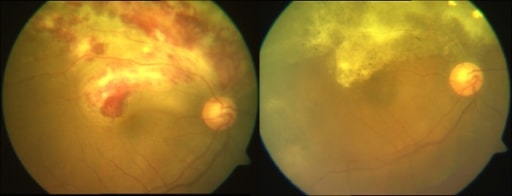
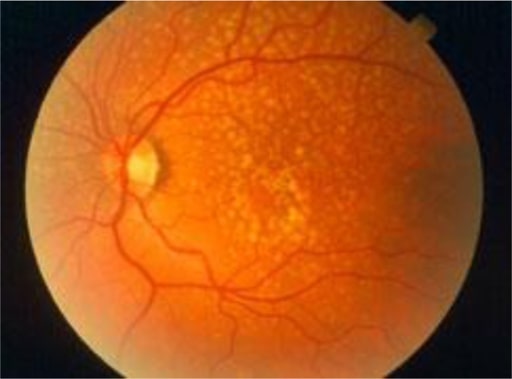
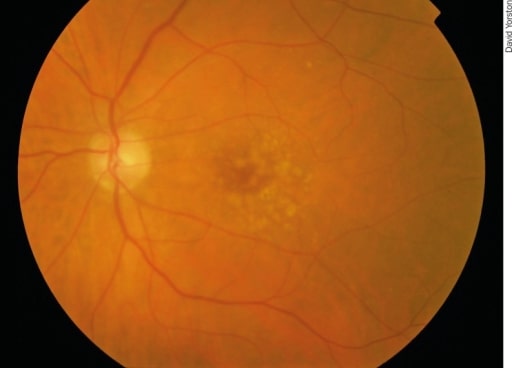
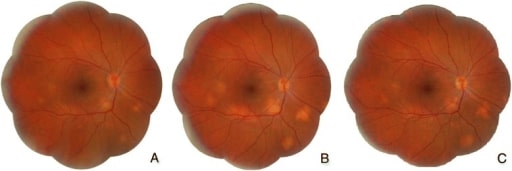
Hallazgos oftalmológicos en EN Erythema nodosum is an immune-mediated panniculitis (inflammation of the subcutaneous fat) caused by a type IV (delayed-type) hypersensitivity reaction. It commonly manifests in young women as tender, erythematous nodules on the shins. Erythema Nodosum la coriorretinitis infecciosa

Infecciones Hallazgos oftalmológicos
Toxoplasmosis Toxoplasmosis Toxoplasmosis is an infectious disease caused by Toxoplasma gondii, an obligate intracellular protozoan parasite. Felines are the definitive host, but transmission to humans can occur through contact with cat feces or the consumption of contaminated foods. The clinical presentation and complications depend on the host’s immune status. Toxoplasma/Toxoplasmosis
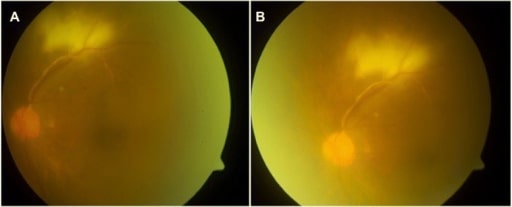
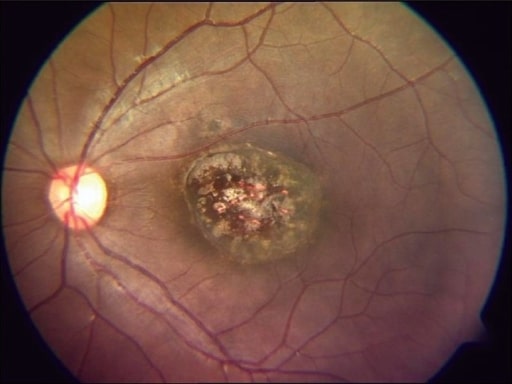
  • Etapa inactiva: cicatrices coriorretinianas atróficas
  • Etapa activa:
    • Retinitis necrosante focal
    • Retinitis focal blanca con inflamación vítrea (“faro en la niebla”)
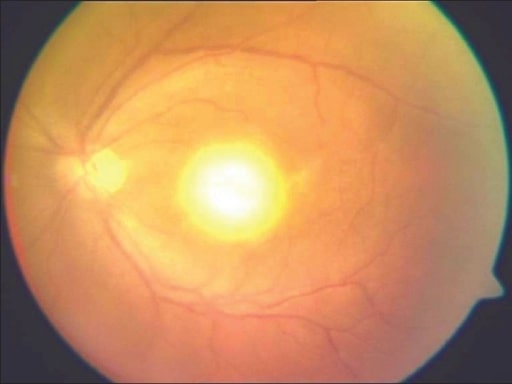
Toxoplasmosis Toxoplasmosis Toxoplasmosis is an infectious disease caused by Toxoplasma gondii, an obligate intracellular protozoan parasite. Felines are the definitive host, but transmission to humans can occur through contact with cat feces or the consumption of contaminated foods. The clinical presentation and complications depend on the host’s immune status. Toxoplasma/Toxoplasmosis congénita Lesión macular perforada o excavada
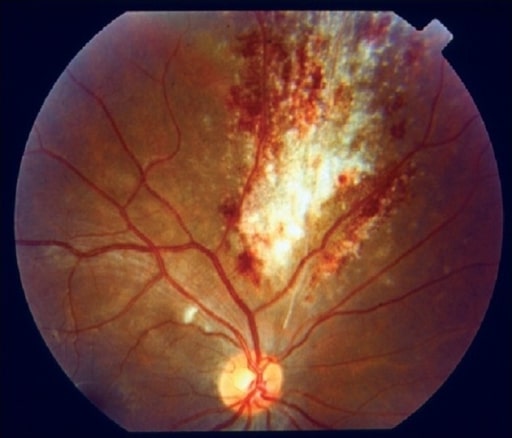
Retinitis por CMV
  • Lesiones retinianas blanco-amarillentas y granulares, hemorragias con aspecto de “tarta de pizza”
  • Congénita: atrofia óptica, cicatrices en EN Erythema nodosum is an immune-mediated panniculitis (inflammation of the subcutaneous fat) caused by a type IV (delayed-type) hypersensitivity reaction. It commonly manifests in young women as tender, erythematous nodules on the shins. Erythema Nodosum la retina Retina The ten-layered nervous tissue membrane of the eye. It is continuous with the optic nerve and receives images of external objects and transmits visual impulses to the brain. Its outer surface is in contact with the choroid and the inner surface with the vitreous body. The outermost layer is pigmented, whereas the inner nine layers are transparent. Eye: Anatomy, coriorretinitis
Tuberculosis Tuberculosis Tuberculosis (TB) is an infectious disease caused by Mycobacterium tuberculosis complex bacteria. The bacteria usually attack the lungs but can also damage other parts of the body. Approximately 30% of people around the world are infected with this pathogen, with the majority harboring a latent infection. Tuberculosis spreads through the air when a person with active pulmonary infection coughs or sneezes. Tuberculosis
  • Coroiditis diseminada
  • Lesiones únicas o múltiples, discretas y amarillas (tubérculos coroideos) observadas en EN Erythema nodosum is an immune-mediated panniculitis (inflammation of the subcutaneous fat) caused by a type IV (delayed-type) hypersensitivity reaction. It commonly manifests in young women as tender, erythematous nodules on the shins. Erythema Nodosum el polo posterior
Toxocariasis Toxocariasis Toxocariasis is caused by the nematodes Toxocara canis and T. cati. These species frequently infect dogs and cats and are most commonly transmitted to humans via accidental ingestion of eggs through the fecal-oral route. Toxocara are not able to complete their life cycle in humans, but they do migrate to organs (including the liver, lungs, heart, brain, and eyes), where they cause inflammation and tissue damage. Toxocariasis Granuloma blanquecino en EN Erythema nodosum is an immune-mediated panniculitis (inflammation of the subcutaneous fat) caused by a type IV (delayed-type) hypersensitivity reaction. It commonly manifests in young women as tender, erythematous nodules on the shins. Erythema Nodosum la periferia o en EN Erythema nodosum is an immune-mediated panniculitis (inflammation of the subcutaneous fat) caused by a type IV (delayed-type) hypersensitivity reaction. It commonly manifests in young women as tender, erythematous nodules on the shins. Erythema Nodosum el polo posterior (de localización larvaria)
Sífilis Gran imitador: se presenta como coriorretinitis, papiledema, neuritis óptica, lesiones placoides
Síndrome de histoplasmosis Histoplasmosis Histoplasmosis is an infection caused by Histoplasma capsulatum, a dimorphic fungus. Transmission is through inhalation, and exposure to soils containing bird or bat droppings increases the risk of infection. Most infections are asymptomatic; however, immunocompromised individuals generally develop acute pulmonary infection, chronic infection, or even disseminated disease. Histoplasma/Histoplasmosis ocular Lesiones coriorretinianas discretas, ovaladas-redondas (manchas de histoplasmosis “perforadas”)

Hallazgos oftalmológicos en EN Erythema nodosum is an immune-mediated panniculitis (inflammation of the subcutaneous fat) caused by a type IV (delayed-type) hypersensitivity reaction. It commonly manifests in young women as tender, erythematous nodules on the shins. Erythema Nodosum la coriorretinitis no infecciosa

Enfermedad/condición Hallazgos oftalmológicos
Sarcoidosis Sarcoidosis Sarcoidosis is a multisystem inflammatory disease that causes noncaseating granulomas. The exact etiology is unknown. Sarcoidosis usually affects the lungs and thoracic lymph nodes, but it can also affect almost every system in the body, including the skin, heart, and eyes, most commonly. Sarcoidosis
  • Granulomas coriorretinianos, exudados perirretinianos (“goteo en cera de vela”)
  • Lesiones placoides
Enfermedad de Behcet
  • Nube vítrea
  • Retinitis necrosante
  • Vasculitis Vasculitis Inflammation of any one of the blood vessels, including the arteries; veins; and rest of the vasculature system in the body. Systemic Lupus Erythematosus retiniana
Retinocoroidopatía en EN Erythema nodosum is an immune-mediated panniculitis (inflammation of the subcutaneous fat) caused by a type IV (delayed-type) hypersensitivity reaction. It commonly manifests in young women as tender, erythematous nodules on the shins. Erythema Nodosum perdigonada Lesiones en forma de “perdigones”: lesiones coroideas de color crema que irradian desde el disco óptico
Síndrome de puntos blancos
  • Lesiones blancas en EN Erythema nodosum is an immune-mediated panniculitis (inflammation of the subcutaneous fat) caused by a type IV (delayed-type) hypersensitivity reaction. It commonly manifests in young women as tender, erythematous nodules on the shins. Erythema Nodosum la retina Retina The ten-layered nervous tissue membrane of the eye. It is continuous with the optic nerve and receives images of external objects and transmits visual impulses to the brain. Its outer surface is in contact with the choroid and the inner surface with the vitreous body. The outermost layer is pigmented, whereas the inner nine layers are transparent. Eye: Anatomy externa
  • Granularidad foveal

Tratamiento

Objetivos

  • Preservar la función visual.
  • Suprimir la respuesta inflamatoria del huésped.
  • Eliminar la infección (por causas infecciosas).

Coriorretinitis infecciosa

  • Toxoplasmosis Toxoplasmosis Toxoplasmosis is an infectious disease caused by Toxoplasma gondii, an obligate intracellular protozoan parasite. Felines are the definitive host, but transmission to humans can occur through contact with cat feces or the consumption of contaminated foods. The clinical presentation and complications depend on the host’s immune status. Toxoplasma/Toxoplasmosis:
    • Enfermedad inactiva: no hay tratamiento si es asintomática
    • Enfermedad activa: trimetoprim-sulfametoxazol o pirimetamina + sulfadiazina + leucovorina
    • Embarazada de < 14 semanas con enfermedad activa: espiramicina
    • Embarazada de > 14 semanas con enfermedad activa: pirimetamina-sulfadiazina
    • Niños con diagnóstico confirmado: pirimetamina + sulfadiazina + leucovorina
  • Retinitis por CMV: la gravedad determina la medicación y la vía de administración
    • Ganciclovir Ganciclovir An acyclovir analog that is a potent inhibitor of the herpesvirus family including cytomegalovirus. Ganciclovir is used to treat complications from aids-associated cytomegalovirus infections. Antivirals for Herpes Virus
    • Valganciclovir
    • Foscarnet Foscarnet An antiviral agent used in the treatment of cytomegalovirus retinitis. Foscarnet also shows activity against human herpesviruses and HIV. Antivirals for Herpes Virus
    • Cidofovir Cidofovir An acyclic nucleoside phosphonate that acts as a competitive inhibitor of viral DNA polymerases. It is used in the treatment of retinitis caused by cytomegalovirus infections and may also be useful for treating herpesvirus infections. Antivirals for Herpes Virus
  • Tuberculosis Tuberculosis Tuberculosis (TB) is an infectious disease caused by Mycobacterium tuberculosis complex bacteria. The bacteria usually attack the lungs but can also damage other parts of the body. Approximately 30% of people around the world are infected with this pathogen, with the majority harboring a latent infection. Tuberculosis spreads through the air when a person with active pulmonary infection coughs or sneezes. Tuberculosis: terapia antituberculosa
    • Isoniazida
    • Rifampicina
    • Pirazinamida
    • Etambutol
  • Toxocariasis Toxocariasis Toxocariasis is caused by the nematodes Toxocara canis and T. cati. These species frequently infect dogs and cats and are most commonly transmitted to humans via accidental ingestion of eggs through the fecal-oral route. Toxocara are not able to complete their life cycle in humans, but they do migrate to organs (including the liver, lungs, heart, brain, and eyes), where they cause inflammation and tissue damage. Toxocariasis: prednisona y albendazol (para la inflamación que amenaza la visión)
  • Sífilis: Penicilina G IV 24 millones de unidades/día durante 1014 días (similar a la neurosífilis)
  • Histoplasmosis Histoplasmosis Histoplasmosis is an infection caused by Histoplasma capsulatum, a dimorphic fungus. Transmission is through inhalation, and exposure to soils containing bird or bat droppings increases the risk of infection. Most infections are asymptomatic; however, immunocompromised individuals generally develop acute pulmonary infection, chronic infection, or even disseminated disease. Histoplasma/Histoplasmosis:
    • Observación y seguimiento de la neovascularización coroidea
    • Factor de crecimiento endotelial vascular para la neovascularización coroidea

Coriorretinitis no infecciosa

La coriorretinitis no infecciosa se trata con corticoides e inmunosupresores.

Coriorretinitis no resolutiva

En EN Erythema nodosum is an immune-mediated panniculitis (inflammation of the subcutaneous fat) caused by a type IV (delayed-type) hypersensitivity reaction. It commonly manifests in young women as tender, erythematous nodules on the shins. Erythema Nodosum caso de coriorretinitis no resolutiva, descartar las neoplasias (síndromes de enmascaramiento).

Diagnóstico Diferencial

El diagnóstico diferencial de la coriorretinitis incluye las siguientes condiciones:

  • Linfoma vitreorretiniano: el trastorno linfoproliferativo intraocular más común. Este trastorno es uno de los LOS Neisseria síndromes de enmascaramiento que representa un dilema diagnóstico. Los LOS Neisseria pacientes presentan un deterioro visual gradual con miodesopsias. El estándar de oro para el diagnóstico es el examen citopatológico del líquido ocular o la biopsia coriorretiniana.
  • Melanoma Melanoma Melanoma is a malignant tumor arising from melanocytes, the melanin-producing cells of the epidermis. These tumors are most common in fair-skinned individuals with a history of excessive sun exposure and sunburns. Melanoma coroideo: una neoplasia que se presenta con uveítis (síndrome de enmascaramiento). Los LOS Neisseria pacientes pueden ser asintomáticos o presentar miodesopsias, defectos del campo visual y destellos. El diagnóstico se realiza mediante un examen fundoscópico que muestra un tumor Tumor Inflammation pigmentado en EN Erythema nodosum is an immune-mediated panniculitis (inflammation of the subcutaneous fat) caused by a type IV (delayed-type) hypersensitivity reaction. It commonly manifests in young women as tender, erythematous nodules on the shins. Erythema Nodosum forma de cúpula. Se efectúa una biopsia con aguja fina para realizar pruebas moleculares de pronóstico.
  • Retinoblastoma Retinoblastoma Retinoblastoma is a rare tumor but the most common primary intraocular malignancy of childhood. It is believed that the condition arises from a neuronal progenitor cell. Retinoblastoma can be heritable or non-heritable. Retinoblastoma: es la neoplasia intraocular más frecuente en EN Erythema nodosum is an immune-mediated panniculitis (inflammation of the subcutaneous fat) caused by a type IV (delayed-type) hypersensitivity reaction. It commonly manifests in young women as tender, erythematous nodules on the shins. Erythema Nodosum la infancia y suele diagnosticarse antes de los LOS Neisseria 5 años. El retinoblastoma Retinoblastoma Retinoblastoma is a rare tumor but the most common primary intraocular malignancy of childhood. It is believed that the condition arises from a neuronal progenitor cell. Retinoblastoma can be heritable or non-heritable. Retinoblastoma se presenta frecuentemente como un reflejo blanco anormal de la retina Retina The ten-layered nervous tissue membrane of the eye. It is continuous with the optic nerve and receives images of external objects and transmits visual impulses to the brain. Its outer surface is in contact with the choroid and the inner surface with the vitreous body. The outermost layer is pigmented, whereas the inner nine layers are transparent. Eye: Anatomy, llamado leucocoria. Otras características son el ojo rojo, el estrabismo y el nistagmo. El examen oftalmoscópico revela una masa retiniana. Para el diagnóstico pueden utilizarse otros estudios de imagen, como el ultrasonido ocular.

Referencias

  1. Duplechain, A., Conrady, C., Patel, B. (2023). Uveitis. Retrieved August 9, 2025, from www.ncbi.nlm.nih.gov/books/NBK540993
  2. Garweg, J., Petersen, E., Durand, M., Mitty, J. (2025) Toxoplasmosis: Ocular disease. UpToDate. Retrieved August 9, 2025, from https://www.uptodate.com/contents/toxoplasmosis-ocular-disease
  3. Geetha, R., Tripathy, K. (2023). Chorioretinitis. Retrieved August 9, 2025, from https://www.ncbi.nlm.nih.gov/books/NBK551705/
  4. Harbour, J., Shih, H., Atkins, M, Berman, R. (2025). Initial management of uveal and conjunctival melanomas. UpToDate. Retrieved August 9, 2025, from https://www.uptodate.com/contents/initial-management-of-uveal-and-conjunctival-melanomas
  5. Jacobson, M., Bartlett, J., Mitty, J. (2024) Pathogenesis, clinical manifestations and diagnosis of AIDS-related cytomegalovirus. UpToDate. Retrieved August 9, 2025, from https://www.uptodate.com/contents/pathogenesis-clinical-manifestations-and-diagnosis-of-aids-related-cytomegalovirus-retinitis
  6. Petersen, E., Mandelbrot, L., Simpson, L., Weller, P., Barss, V., Mitty, J. (2024). Toxoplasmosis and pregnancy. UpToDate. Retrieved August 9, 2025, from https://www.uptodate.com/contents/toxoplasmosis-and-pregnancy
  7. Rathinam, S., Bernardo, J., Gardiner, M., Baron, E. (2025). Tuberculosis and the eye. UpToDate. Retrieved August 9, 2025, from https://www.uptodate.com/contents/tuberculosis-and-the-eye?search=tuberculosis
  8. Roque, M., Steele, R., Schleiss, M, Windle, M. (2024). Chorioretinitis. Medscape. Retrieved August 9, 2025, from  https://emedicine.medscape.com/article/962761-overview
  9. Sudharshan, S., Ganesh, S., Biswas, J. (2010). Current approach in the diagnosis and management of posterior uveitis. https://www.ncbi.nlm.nih.gov/pmc/articles/PMC2841371/
  10. Akhavanrezayat, A., Samiy, N., & Farr, A. (2019). Presumed Ocular Histoplasmosis Syndrome. EyeNet Magazine. Retrieved August 9, 2025, from https://www.aao.org/eyenet/article/presumed-ocular-histoplasmosis-syndrome

¡Crea tu cuenta gratis o inicia una sesión para seguir leyendo!

Regístrate ahora y obtén acceso gratuito a Lecturio con páginas de concepto, videos médicos y cuestionarios para tu educación médica.

User Reviews

Que tengas una sesión de estudio alegre y navideña 🎁 Ahorra 50% en todos los planes >>

Details