Domina Conceptos Médicos

Estudia para la escuela de medicina y tus examenes con Lecturio.

Artritis Séptica

La artritis séptica es una infección de la articulación debida a la inoculación directa, la extensión contigua o la propagación hematógena de organismos infecciosos en EN Erythema nodosum is an immune-mediated panniculitis (inflammation of the subcutaneous fat) caused by a type IV (delayed-type) hypersensitivity reaction. It commonly manifests in young women as tender, erythematous nodules on the shins. Erythema Nodosum el espacio articular. Este proceso provoca una artritis aguda, inflamatoria y monoarticular. Se han implicado diversos microorganismos, el más común es Staphylococcus aureus Staphylococcus aureus Potentially pathogenic bacteria found in nasal membranes, skin, hair follicles, and perineum of warm-blooded animals. They may cause a wide range of infections and intoxications. Brain Abscess. Las articulaciones previamente afectadas (e.g., por artritis reumatoide) son las que presentan un mayor riesgo de infección. Los LOS Neisseria pacientes presentan una articulación inflamada, caliente y sensible, que suele afectar a la rodilla. Los LOS Neisseria cultivos positivos de la artrocentesis son diagnósticos, con una terapia antibiótica específica para el microorganismo evidenciado. En EN Erythema nodosum is an immune-mediated panniculitis (inflammation of the subcutaneous fat) caused by a type IV (delayed-type) hypersensitivity reaction. It commonly manifests in young women as tender, erythematous nodules on the shins. Erythema Nodosum algunos casos se requiere la aspiración articular seriada o el drenaje quirúrgico. Si el espacio articular está infectado con una prótesis en EN Erythema nodosum is an immune-mediated panniculitis (inflammation of the subcutaneous fat) caused by a type IV (delayed-type) hypersensitivity reaction. It commonly manifests in young women as tender, erythematous nodules on the shins. Erythema Nodosum posición, también puede ser necesario desbridar y retirar la prótesis.

Last updated: Dec 15, 2025

Editorial responsibility: Stanley Oiseth, Lindsay Jones, Evelin Maza

Epidemiología y Etiología

Epidemiología

  • Incidencia: 2–6 casos por cada 100 000 personas en EN Erythema nodosum is an immune-mediated panniculitis (inflammation of the subcutaneous fat) caused by a type IV (delayed-type) hypersensitivity reaction. It commonly manifests in young women as tender, erythematous nodules on the shins. Erythema Nodosum Estados Unidos
  • Más común en EN Erythema nodosum is an immune-mediated panniculitis (inflammation of the subcutaneous fat) caused by a type IV (delayed-type) hypersensitivity reaction. It commonly manifests in young women as tender, erythematous nodules on the shins. Erythema Nodosum niños que en EN Erythema nodosum is an immune-mediated panniculitis (inflammation of the subcutaneous fat) caused by a type IV (delayed-type) hypersensitivity reaction. It commonly manifests in young women as tender, erythematous nodules on the shins. Erythema Nodosum adultos: Aparece entre los LOS Neisseria 2 y 3 años de edad.
  • Relación hombre:mujer de 2:1

Etiología

La mayoría de las infecciones en EN Erythema nodosum is an immune-mediated panniculitis (inflammation of the subcutaneous fat) caused by a type IV (delayed-type) hypersensitivity reaction. It commonly manifests in young women as tender, erythematous nodules on the shins. Erythema Nodosum la artritis séptica son monomicrobianas. Los LOS Neisseria microorganismos más comunes son:

  • Estafilococos:
    • Staphylococcus aureus Staphylococcus aureus Potentially pathogenic bacteria found in nasal membranes, skin, hair follicles, and perineum of warm-blooded animals. They may cause a wide range of infections and intoxications. Brain Abscess (más común)
    • S. epidermidis S. epidermidis A species of staphylococcus that is a spherical, non-motile, gram-positive, chemoorganotrophic, facultative anaerobe. Mainly found on the skin and mucous membrane of warm-blooded animals, it can be primary pathogen or secondary invader. Staphylococcus
  • Estreptococos:
    • Streptococcus Streptococcus Streptococcus is one of the two medically important genera of gram-positive cocci, the other being Staphylococcus. Streptococci are identified as different species on blood agar on the basis of their hemolytic pattern and sensitivity to optochin and bacitracin. There are many pathogenic species of streptococci, including S. pyogenes, S. agalactiae, S. pneumoniae, and the viridans streptococci. Streptococcus pyogenes
    • S. pneumoniae
    • S. agalactiae
  • Bacterias gram-negativas:
    • Pseudomonas aeruginosa Pseudomonas aeruginosa A species of gram-negative, aerobic, rod-shaped bacteria commonly isolated from clinical specimens (wound, burn, and urinary tract infections). It is also found widely distributed in soil and water. P. Aeruginosa is a major agent of nosocomial infection. Pseudomonas
    • Escherichia coli Escherichia coli The gram-negative bacterium Escherichia coli is a key component of the human gut microbiota. Most strains of E. coli are avirulent, but occasionally they escape the GI tract, infecting the urinary tract and other sites. Less common strains of E. coli are able to cause disease within the GI tract, most commonly presenting as abdominal pain and diarrhea. Escherichia coli
    • Kingella kingae
    • Neisseria gonorrhoeae Neisseria gonorrhoeae A species of gram-negative, aerobic bacteria primarily found in purulent venereal discharges. It is the causative agent of gonorrhea. Neisseria
    • Haemophilus influenzae Haemophilus Influenzae A species of Haemophilus found on the mucous membranes of humans and a variety of animals. The species is further divided into biotypes I through viii. Haemophilus
    • Especies de Salmonella Salmonella Salmonellae are gram-negative bacilli of the family Enterobacteriaceae. Salmonellae are flagellated, non-lactose-fermenting, and hydrogen sulfide-producing microbes. Salmonella enterica, the most common disease-causing species in humans, is further classified based on serotype as typhoidal (S. typhi and paratyphi) and nontyphoidal (S. enteritidis and typhimurium). Salmonella

Factores de riesgo

  • Lactantes y niños:
    • Prematuridad
    • Hemofilia (debido a hemartrosis)
    • Inmunosupresión:
      • Quimioterapia
      • VIH
      • Anemia Anemia Anemia is a condition in which individuals have low Hb levels, which can arise from various causes. Anemia is accompanied by a reduced number of RBCs and may manifest with fatigue, shortness of breath, pallor, and weakness. Subtypes are classified by the size of RBCs, chronicity, and etiology. Anemia: Overview and Types falciforme
      • Diabetes Diabetes Diabetes mellitus (DM) is a metabolic disease characterized by hyperglycemia and dysfunction of the regulation of glucose metabolism by insulin. Type 1 DM is diagnosed mostly in children and young adults as the result of autoimmune destruction of β cells in the pancreas and the resulting lack of insulin. Type 2 DM has a significant association with obesity and is characterized by insulin resistance. Diabetes Mellitus
  • Adultos:
    • Edad > 80 años
    • Enfermedad crónica/inmunosupresión:
      • Diabetes Diabetes Diabetes mellitus (DM) is a metabolic disease characterized by hyperglycemia and dysfunction of the regulation of glucose metabolism by insulin. Type 1 DM is diagnosed mostly in children and young adults as the result of autoimmune destruction of β cells in the pancreas and the resulting lack of insulin. Type 2 DM has a significant association with obesity and is characterized by insulin resistance. Diabetes Mellitus
      • VIH
    • Enfermedad en EN Erythema nodosum is an immune-mediated panniculitis (inflammation of the subcutaneous fat) caused by a type IV (delayed-type) hypersensitivity reaction. It commonly manifests in young women as tender, erythematous nodules on the shins. Erythema Nodosum las articulaciones:
      • Artritis reumatoide
      • Osteoartritis
      • Gota
    • Procedimientos en EN Erythema nodosum is an immune-mediated panniculitis (inflammation of the subcutaneous fat) caused by a type IV (delayed-type) hypersensitivity reaction. It commonly manifests in young women as tender, erythematous nodules on the shins. Erythema Nodosum articulaciones:
      • Cirugía
      • Inyecciones intraarticulares
      • Prótesis articulares
    • Infecciones o úlceras en EN Erythema nodosum is an immune-mediated panniculitis (inflammation of the subcutaneous fat) caused by a type IV (delayed-type) hypersensitivity reaction. It commonly manifests in young women as tender, erythematous nodules on the shins. Erythema Nodosum la piel
    • Consumo de drogas por vía intravenosa
Tabla: Microorganismos más comunes en EN Erythema nodosum is an immune-mediated panniculitis (inflammation of the subcutaneous fat) caused by a type IV (delayed-type) hypersensitivity reaction. It commonly manifests in young women as tender, erythematous nodules on the shins. Erythema Nodosum la artritis séptica, según factores de riesgo subyacentes importantes
Factores de riesgo Agentes infecciosos
Ningún factor de riesgo específico S. aureus S. aureus Potentially pathogenic bacteria found in nasal membranes, skin, hair follicles, and perineum of warm-blooded animals. They may cause a wide range of infections and intoxications. Staphylococcus
Colocación de prótesis articulares
  • S. aureus S. aureus Potentially pathogenic bacteria found in nasal membranes, skin, hair follicles, and perineum of warm-blooded animals. They may cause a wide range of infections and intoxications. Staphylococcus (especialmente el tipo meticilino resistente)
  • S. epidermidis S. epidermidis A species of staphylococcus that is a spherical, non-motile, gram-positive, chemoorganotrophic, facultative anaerobe. Mainly found on the skin and mucous membrane of warm-blooded animals, it can be primary pathogen or secondary invader. Staphylococcus (crea biopelículas en EN Erythema nodosum is an immune-mediated panniculitis (inflammation of the subcutaneous fat) caused by a type IV (delayed-type) hypersensitivity reaction. It commonly manifests in young women as tender, erythematous nodules on the shins. Erythema Nodosum las prótesis)
Enfermedad crónica, trastorno autoinmune, infección de la piel, traumatismo, adultos mayores S. pyogenes (estreptococo beta-hemolítico del grupo A)
Joven, sexualmente activo N. gonorrhoeae N. gonorrhoeae A species of gram-negative, aerobic bacteria primarily found in purulent venereal discharges. It is the causative agent of gonorrhea. Neisseria
Trauma S. epidermidis S. epidermidis A species of staphylococcus that is a spherical, non-motile, gram-positive, chemoorganotrophic, facultative anaerobe. Mainly found on the skin and mucous membrane of warm-blooded animals, it can be primary pathogen or secondary invader. Staphylococcus
Anemia Anemia Anemia is a condition in which individuals have low Hb levels, which can arise from various causes. Anemia is accompanied by a reduced number of RBCs and may manifest with fatigue, shortness of breath, pallor, and weakness. Subtypes are classified by the size of RBCs, chronicity, and etiology. Anemia: Overview and Types falciforme
  • Salmonella Salmonella Salmonellae are gram-negative bacilli of the family Enterobacteriaceae. Salmonellae are flagellated, non-lactose-fermenting, and hydrogen sulfide-producing microbes. Salmonella enterica, the most common disease-causing species in humans, is further classified based on serotype as typhoidal (S. typhi and paratyphi) and nontyphoidal (S. enteritidis and typhimurium). Salmonella
  • S. aureus S. aureus Potentially pathogenic bacteria found in nasal membranes, skin, hair follicles, and perineum of warm-blooded animals. They may cause a wide range of infections and intoxications. Staphylococcus

Fisiopatología

  • La invasión de la articulación se produce a través de:
    • Diseminación hematógena (la más común)
    • Inoculación directa de microorganismos en EN Erythema nodosum is an immune-mediated panniculitis (inflammation of the subcutaneous fat) caused by a type IV (delayed-type) hypersensitivity reaction. It commonly manifests in young women as tender, erythematous nodules on the shins. Erythema Nodosum la articulación
    • Diseminación desde una infección adyacente
  • Las articulaciones previamente afectadas son especialmente susceptibles a la infección por:
    • Neovascularización
    • Defensas celulares disfuncionales
    • Ausencia de membrana basal en EN Erythema nodosum is an immune-mediated panniculitis (inflammation of the subcutaneous fat) caused by a type IV (delayed-type) hypersensitivity reaction. It commonly manifests in young women as tender, erythematous nodules on the shins. Erythema Nodosum la membrana sinovial
  • Progresión de la enfermedad:
    • Invasión bacteriana → inflamación → liberación de citoquinas y proteasas
    • Esta respuesta más las toxinas bacterianas → destrucción de:
      • Cartílago articular
      • Sinovia
      • Hueso subcondral
    • Se produce la proliferación del tejido sinovial ( pannus Pannus A genus of cyanobacteria in the family synechococcaceae that is free-floating and occurs in various water environments attaching to algae and submersed plants. Septic Arthritis).
    • Si se produce una gran efusión → deterioro de la irrigación → necrosis Necrosis The death of cells in an organ or tissue due to disease, injury or failure of the blood supply. Ischemic Cell Damage aséptica

Presentación Clínica y Diagnóstico

Presentación clínica

  • Suele ser de inicio agudo.
  • Signos y síntomas articulares:
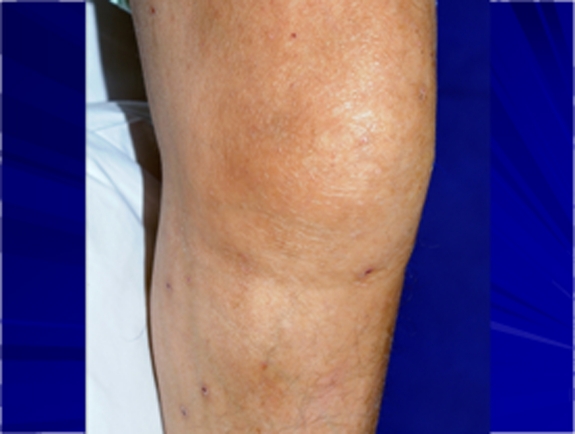
    • Inflamación y efusión
    • Calor Calor Inflammation
    • Dolor Dolor Inflammation moderado a severo
    • Eritema
    • Restricción del rango de movimiento
    • Generalmente monoarticular, pero el 20% de los LOS Neisseria casos pueden ser oligo o poliarticulares.
  • Síntomas constitucionales:
    • Fiebre
    • Fatiga
    • Taquicardia
  • Articulaciones comúnmente afectadas:
    • Rodilla (> 50% de los LOS Neisseria casos)
    • Muñeca
    • Tobillo
    • Cadera
    • Codo
    • Articulaciones axiales ( en EN Erythema nodosum is an immune-mediated panniculitis (inflammation of the subcutaneous fat) caused by a type IV (delayed-type) hypersensitivity reaction. It commonly manifests in young women as tender, erythematous nodules on the shins. Erythema Nodosum personas que utilizan drogas intravenosas):
      • Sacroilíaca
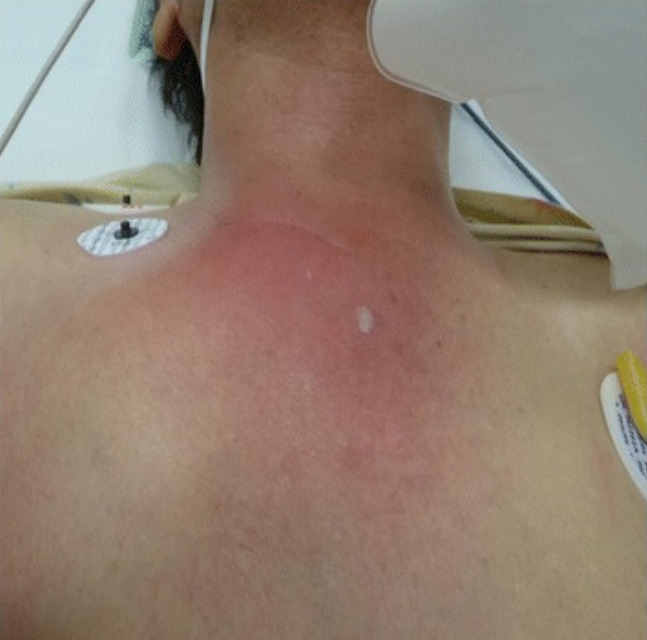
      • Articulación esternoclavicular

Artrocentesis

El diagnóstico de la artritis séptica se realiza con el análisis del líquido sinovial.

  • Debe realizarse antes de administrar antibióticos.
  • Una tinción de Gram positiva y/o un cultivo confirman el diagnóstico.
  • Un aspirado purulento da un diagnóstico presuntivo:
    • Recuento de leucocitos > 50 000 células/μL
    • Predominio de neutrófilos
  • Si se sospecha de N. gonorrhoeae N. gonorrhoeae A species of gram-negative, aerobic bacteria primarily found in purulent venereal discharges. It is the causative agent of gonorrhea. Neisseria, se pueden realizar pruebas de amplificación de ácidos nucleicos.
  • Incluir análisis de cristales para descartar gota.

Evaluación de laboratorio

Estudios de laboratorio que apoyan el diagnóstico:

  • ↑ Velocidad de eritrosedimentación (VES)
  • ↑ Proteína C reactiva ( PCR PCR Polymerase chain reaction (PCR) is a technique that amplifies DNA fragments exponentially for analysis. The process is highly specific, allowing for the targeting of specific genomic sequences, even with minuscule sample amounts. The PCR cycles multiple times through 3 phases: denaturation of the template DNA, annealing of a specific primer to the individual DNA strands, and synthesis/elongation of new DNA molecules. Polymerase Chain Reaction (PCR))
  • ↑ Recuento de leucocitos
  • Hemocultivos
  • Hisopados cervicales, uretrales, rectales u orofaríngeos para la prueba de amplificación de ácidos nucleicos, si se sospecha de N. gonorrhoeae N. gonorrhoeae A species of gram-negative, aerobic bacteria primarily found in purulent venereal discharges. It is the causative agent of gonorrhea. Neisseria

Imagenología

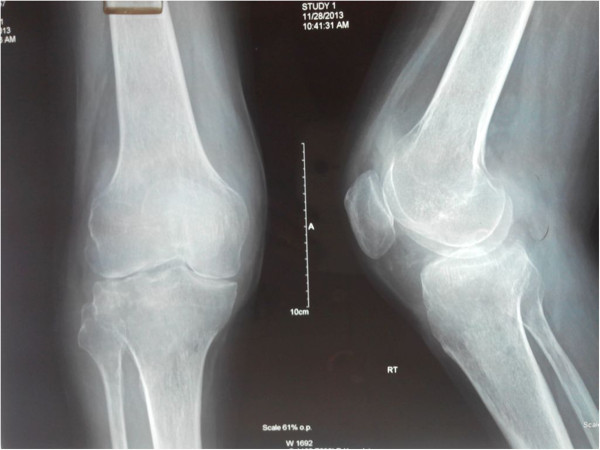
  • Radiografías simples:
    • Aumento o disminución del espacio articular
    • Cambios óseos subcondrales, osteopenia Osteopenia Osteoporosis
    • Inflamación de los LOS Neisseria tejidos blandos periarticulares
    • Los LOS Neisseria estudios normales no descartan la artritis séptica.
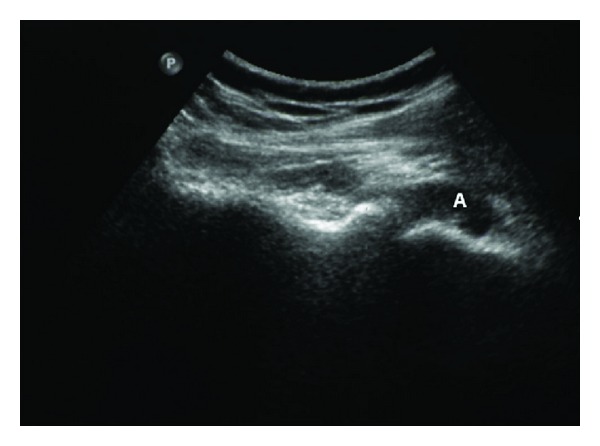
  • Ultrasonido:
    • Identificación de una efusión articular
    • Puede ayudar con la aspiración de la efusión.
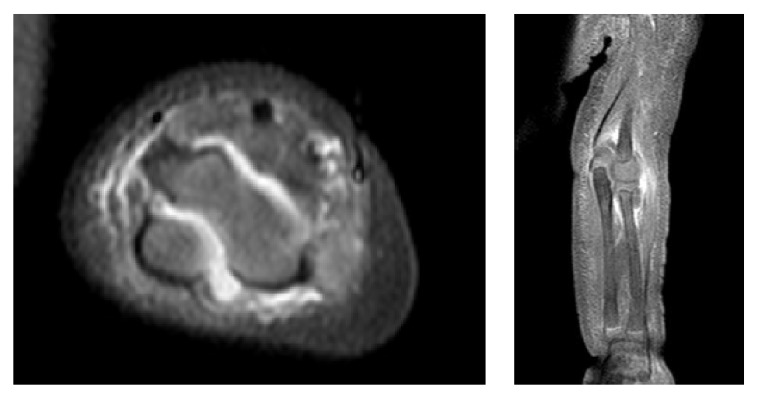
  • RM
    • Sirve para la identificación temprana de la efusión articular.
    • Evalúa el alcance de las lesiones óseas y de los LOS Neisseria tejidos blandos.
    • Evalúa si hay osteomielitis asociada.
    • Especialmente útil para evaluar las infecciones de las articulaciones sacroilíacas y esternoclaviculares

Tratamiento

Terapia con antibióticos

La selección de antibióticos está basada en EN Erythema nodosum is an immune-mediated panniculitis (inflammation of the subcutaneous fat) caused by a type IV (delayed-type) hypersensitivity reaction. It commonly manifests in young women as tender, erythematous nodules on the shins. Erythema Nodosum la tinción de Gram inicial y se modifica en EN Erythema nodosum is an immune-mediated panniculitis (inflammation of the subcutaneous fat) caused by a type IV (delayed-type) hypersensitivity reaction. It commonly manifests in young women as tender, erythematous nodules on the shins. Erythema Nodosum función de los LOS Neisseria datos del cultivo.

  • Régimen empírico si la tinción de Gram es negativa:
    • Vancomicina
    • Cefalosporina de 3ra o 4ta generación
  • Cocos gram-positivos:
    • Vancomicina empírica
    • Si crece un Staphylococcus aureus Staphylococcus aureus Potentially pathogenic bacteria found in nasal membranes, skin, hair follicles, and perineum of warm-blooded animals. They may cause a wide range of infections and intoxications. Brain Abscess meticilino sensible (MSSA, por sus siglas en EN Erythema nodosum is an immune-mediated panniculitis (inflammation of the subcutaneous fat) caused by a type IV (delayed-type) hypersensitivity reaction. It commonly manifests in young women as tender, erythematous nodules on the shins. Erythema Nodosum inglés) en EN Erythema nodosum is an immune-mediated panniculitis (inflammation of the subcutaneous fat) caused by a type IV (delayed-type) hypersensitivity reaction. It commonly manifests in young women as tender, erythematous nodules on the shins. Erythema Nodosum los LOS Neisseria cultivos:
      • Cefazolina
      • Nafcillina
      • Dicloxacilina
      • Flucloxacilina
      • Clindamicina o vancomicina si es alérgico a la penicilina
    • Si crece un Staphylococcus aureus Staphylococcus aureus Potentially pathogenic bacteria found in nasal membranes, skin, hair follicles, and perineum of warm-blooded animals. They may cause a wide range of infections and intoxications. Brain Abscess meticilino resistente ( MRSA MRSA A strain of Staphylococcus aureus that is non-susceptible to the action of methicillin. The mechanism of resistance usually involves modification of normal or the presence of acquired penicillin binding proteins. Staphylococcus, por sus siglas en EN Erythema nodosum is an immune-mediated panniculitis (inflammation of the subcutaneous fat) caused by a type IV (delayed-type) hypersensitivity reaction. It commonly manifests in young women as tender, erythematous nodules on the shins. Erythema Nodosum inglés) en EN Erythema nodosum is an immune-mediated panniculitis (inflammation of the subcutaneous fat) caused by a type IV (delayed-type) hypersensitivity reaction. It commonly manifests in young women as tender, erythematous nodules on the shins. Erythema Nodosum los LOS Neisseria cultivos:
      • Vancomicina
      • Daptomicina
      • Linezolid Linezolid An oxazolidinone and acetamide derived anti-bacterial agent and protein synthesis inhibitor that is used in the treatment of gram-positive bacterial infections of the skin and respiratory tract. Oxazolidinones
      • Clindamicina
  • Bacilos gram-negativos:
    • Tratamiento empírico:
      • Cefalosporinas de 3ra o 4ta generación
      • Aztreonam Aztreonam The carbapenems and aztreonam are both members of the bactericidal beta-lactam family of antibiotics (similar to penicillins). They work by preventing bacteria from producing their cell wall, ultimately leading to bacterial cell death. Carbapenems and Aztreonam
    • Para P. aeruginosa P. aeruginosa A species of gram-negative, aerobic, rod-shaped bacteria commonly isolated from clinical specimens (wound, burn, and urinary tract infections). It is also found widely distributed in soil and water. P. Aeruginosa is a major agent of nosocomial infection. Pseudomonas, añadir 1 de los LOS Neisseria siguientes:
      • Fluoroquinolona
      • Gentamicina
  • Cocos gram-negativos:
    • Ceftriaxona (tratamiento de elección en EN Erythema nodosum is an immune-mediated panniculitis (inflammation of the subcutaneous fat) caused by a type IV (delayed-type) hypersensitivity reaction. It commonly manifests in young women as tender, erythematous nodules on the shins. Erythema Nodosum la infección por N. gonorrhoeae N. gonorrhoeae A species of gram-negative, aerobic bacteria primarily found in purulent venereal discharges. It is the causative agent of gonorrhea. Neisseria)
    • Aminoglucósidos

La duración del tratamiento depende de factores adicionales:

  • Con hemocultivos negativos:
    • 2 semanas de antibióticos parenterales
    • 1–2 semanas adicionales de antibióticos orales
  • Con hemocultivos positivos: 4 semanas de antibióticos parenterales
  • Infección por P. aeruginosa P. aeruginosa A species of gram-negative, aerobic, rod-shaped bacteria commonly isolated from clinical specimens (wound, burn, and urinary tract infections). It is also found widely distributed in soil and water. P. Aeruginosa is a major agent of nosocomial infection. Pseudomonas: 4–6 semanas

Intervenciones quirúrgicas

Drenaje de la articulación:

  • Generalmente se realiza en EN Erythema nodosum is an immune-mediated panniculitis (inflammation of the subcutaneous fat) caused by a type IV (delayed-type) hypersensitivity reaction. It commonly manifests in young women as tender, erythematous nodules on the shins. Erythema Nodosum todos los LOS Neisseria pacientes.
  • A menudo requiere un drenaje seriado.
  • Opciones:
    • Aspiración con aguja
    • Drenaje por artroscopia
    • La artrotomía (cirugía abierta) está indicada cuando:
      • El drenaje percutáneo seriado no logra controlar la efusión articular.
      • La aspiración articular es difícil de realizar.
      • Los LOS Neisseria tejidos blandos adyacentes están infectados.

Desbridamiento quirúrgico en EN Erythema nodosum is an immune-mediated panniculitis (inflammation of the subcutaneous fat) caused by a type IV (delayed-type) hypersensitivity reaction. It commonly manifests in young women as tender, erythematous nodules on the shins. Erythema Nodosum pacientes con prótesis:

  • Desbridamiento con conservación de la prótesis:
    • La infección se produce en EN Erythema nodosum is an immune-mediated panniculitis (inflammation of the subcutaneous fat) caused by a type IV (delayed-type) hypersensitivity reaction. It commonly manifests in young women as tender, erythematous nodules on the shins. Erythema Nodosum los LOS Neisseria 30 días siguientes a la implantación.
    • Presentación en EN Erythema nodosum is an immune-mediated panniculitis (inflammation of the subcutaneous fat) caused by a type IV (delayed-type) hypersensitivity reaction. It commonly manifests in young women as tender, erythematous nodules on the shins. Erythema Nodosum las 3 semanas siguientes al AL Amyloidosis inicio de los LOS Neisseria síntomas
    • No hay evidencia de tracto sinusal drenante.
  • Desbridamiento con retirada de prótesis:
    • Se retira la prótesis y se utiliza un espaciador articular.
    • Curso de 6 semanas de antibióticos
    • Sustitución eventual por una nueva prótesis articular

Diagnóstico Diferencial

  • Artritis reactiva: Espondiloartropatía autoinmune seronegativa que a menudo se precipita por una infección gastrointestinal o genitourinaria. Los LOS Neisseria pacientes presentan una oligoartritis asimétrica, entesopatía, dactilitis y/o sacroileítis. El diagnóstico es clínico y una tinción de Gram sinovial y un cultivo negativos ayudarán a descartar una artritis séptica. El tratamiento incluye antiiflamatoris no estorideos (AINE), medicamentos antirreumáticos modificadores de la enfermedad y tratamiento de la infección activa.
  • Artritis de gota: Artritis debida a la precipitación de cristales de urato monosódico en EN Erythema nodosum is an immune-mediated panniculitis (inflammation of the subcutaneous fat) caused by a type IV (delayed-type) hypersensitivity reaction. It commonly manifests in young women as tender, erythematous nodules on the shins. Erythema Nodosum las articulaciones. La enfermedad se caracteriza por una artritis aguda, dolorosa y recurrente, monoarticular. La articulación más comúnmente implicada es la 1ra metatarsofalángica. El diagnóstico se realiza con la identificación de cristales con forma de aguja con birrefringencia negativa en EN Erythema nodosum is an immune-mediated panniculitis (inflammation of the subcutaneous fat) caused by a type IV (delayed-type) hypersensitivity reaction. It commonly manifests in young women as tender, erythematous nodules on the shins. Erythema Nodosum el líquido sinovial, lo que diferencia la gota de la artritis séptica. Las terapias incluyen los LOS Neisseria AINE, la colchicina, los LOS Neisseria esteroides y la reducción del ácido úrico con alopurinol.
  • Pseudogota: Depósito de pirofosfato cálcico intraarticular. La etiología no está clara. Los LOS Neisseria pacientes presentan episodios agudos de inflamación articular, calor Calor Inflammation y dolor Dolor Inflammation. La pseudogota suele afectar a las articulaciones más grandes, como la rodilla. El diagnóstico se realiza con la identificación de cristales con birrefringencia positiva y romboides en EN Erythema nodosum is an immune-mediated panniculitis (inflammation of the subcutaneous fat) caused by a type IV (delayed-type) hypersensitivity reaction. It commonly manifests in young women as tender, erythematous nodules on the shins. Erythema Nodosum el líquido sinovial, lo que diferencia la pseudogota de la artritis séptica. El tratamiento incluye AINE, corticosteroides y colchicina.
  • Osteoartritis: Artritis debida a la destrucción del cartílago y a los LOS Neisseria cambios en EN Erythema nodosum is an immune-mediated panniculitis (inflammation of the subcutaneous fat) caused by a type IV (delayed-type) hypersensitivity reaction. It commonly manifests in young women as tender, erythematous nodules on the shins. Erythema Nodosum el hueso subcondral. Los LOS Neisseria pacientes desarrollan un dolor Dolor Inflammation articular gradual, una rigidez que dura < 30 minutos y una disminución de la amplitud de movimiento. El examen físico puede revelar crépitos con el movimiento de la articulación y formación de osteofitos. El diagnóstico es clínico. El líquido sinovial no tendrá datos de inflamación, lo que diferencia la osteoartritis de la artritis séptica. El tratamiento incluye analgésicos, inyecciones intraarticulares de glucocorticoides y cirugía para la enfermedad avanzada.
  • Osteomielitis: Una infección del hueso causada comúnmente por S. aureus S. aureus Potentially pathogenic bacteria found in nasal membranes, skin, hair follicles, and perineum of warm-blooded animals. They may cause a wide range of infections and intoxications. Staphylococcus. Los LOS Neisseria pacientes presentan dolor Dolor Inflammation, enrojecimiento e inflamación del lugar afectado, y pueden tener síntomas asociados como fiebre y escalofríos. Los LOS Neisseria valores de laboratorio demostrarán una elevación de los LOS Neisseria leucocitos, la PCR PCR Polymerase chain reaction (PCR) is a technique that amplifies DNA fragments exponentially for analysis. The process is highly specific, allowing for the targeting of specific genomic sequences, even with minuscule sample amounts. The PCR cycles multiple times through 3 phases: denaturation of the template DNA, annealing of a specific primer to the individual DNA strands, and synthesis/elongation of new DNA molecules. Polymerase Chain Reaction (PCR) y el VES, en EN Erythema nodosum is an immune-mediated panniculitis (inflammation of the subcutaneous fat) caused by a type IV (delayed-type) hypersensitivity reaction. It commonly manifests in young women as tender, erythematous nodules on the shins. Erythema Nodosum la mayoría de los LOS Neisseria casos. La modalidad de imagen más sensible y específica para diagnosticar la osteomielitis es la RM. El tratamiento requiere antibióticos a largo plazo y un posible desbridamiento quirúrgico.
  • Enfermedad de Lyme: Infección transmitida por garrapatas y causada por la espiroqueta gram-negativa Borrelia burgdorferi Borrelia burgdorferi A specific species of bacteria, part of the borrelia burgdorferi group, whose common name is lyme disease spirochete. Borrelia. Los LOS Neisseria pacientes con enfermedad tardía pueden desarrollar una poliartritis migratoria, especialmente en EN Erythema nodosum is an immune-mediated panniculitis (inflammation of the subcutaneous fat) caused by a type IV (delayed-type) hypersensitivity reaction. It commonly manifests in young women as tender, erythematous nodules on the shins. Erythema Nodosum las articulaciones grandes. También puede presentarse una erupción de eritema migratorio, así como manifestaciones neurológicas, cardiacas y oculares. El análisis del líquido sinovial y las pruebas serológicas pueden confirmar una enfermedad de Lyme y diferenciarla de la artritis séptica. Para el tratamiento se utiliza la terapia con antibióticos.

Referencias

  1. Goldenberg, D. L., & Sexton, D. J. (2025). Septic arthritis of native joints in adults. UpToDate. Retrieved August 14, 2025, from https://www.uptodate.com/contents/septic-arthritis-of-native-joints-in-adults
  2. Helfgott, S.M. (2024). Monoarthritis in adults: Etiology and evaluation. In Ramirez Curtis, M. (Ed.), UpToDate. Retrieved August 14, 2025, from https://www.uptodate.com/contents/monoarthritis-in-adults-etiology-and-evaluation
  3. Momodu, I. (2023). Septic arthritis. In Savaliya, V. (Ed.), StatPearls. Retrieved August 14, 2025, from https://www.statpearls.com/articlelibrary/viewarticle/17857/
  4. Brusch, J. L. (2022). Septic arthritis treatment & management. In Bronze, M. S. (Ed.), Medscape. Retrieved August 14, 2025, from https://emedicine.medscape.com/article/236299-overview#a6
  5. Schmitt, S. (2024). Acute infectious arthritis. MSD Manual Professional Version. Retrieved August 14, 2025, from https://www.msdmanuals.com/professional/musculoskeletal-and-connective-tissue-disorders/infections-of-joints-and-bones/acute-infectious-arthritis

¡Crea tu cuenta gratis o inicia una sesión para seguir leyendo!

Regístrate ahora y obtén acceso gratuito a Lecturio con páginas de concepto, videos médicos y cuestionarios para tu educación médica.

User Reviews

Que tengas una sesión de estudio alegre y navideña 🎁 Ahorra 50% en todos los planes >>

Details