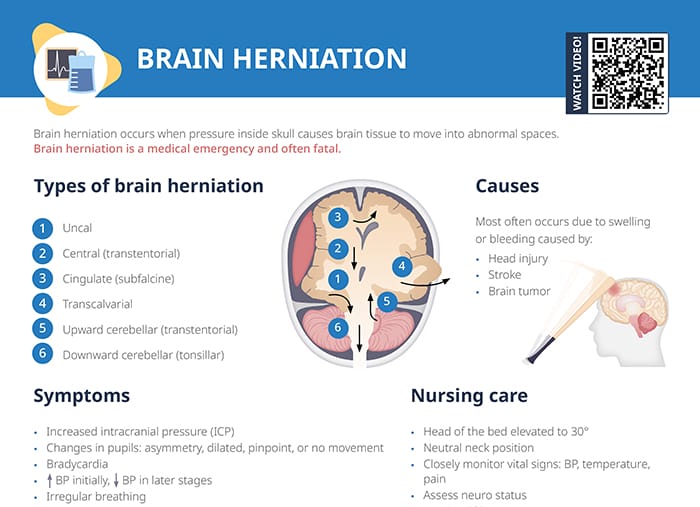
Brain herniation is an often fatal medical emergency where brain tissue is moved by increased intracranial pressure, potentially compressing vital structures like the respiratory or cardiac centers. Recognizing early signs and symptoms is essential for prompt intervention to prevent irreversible damage.
Herniation can cause brain death due to irreversible brain stem dysfunction or damage to the brain’s respiratory and cardiovascular centers, causing respiratory or cardiac arrest.
Affected persons may exhibit the symptoms of the Cushing’s triad indicating increased intracranial pressure: hypertension, bradycardia, and irregular breathing.
Brain herniation treatment and nursing care tasks
Management
The goal when treating brain herniation is to reduce swelling and pressure.
Measures:
Endotracheal intubation
Hyperventilation with ICP and CO2 monitoring
Fluid management
Drain for CSF based on elevation and parameters of order
Surgery to remove clot, tumor
Craniectomy
Diuretics
BP control
Therapeutic hypothermia
Induced coma
Nursing care tasks
Elevate head of the bed to 30°, keep a neutral neck position
Monitoring:
Vital signs: BP, temperature, pain
Intracranial pressure
I&O assessment
Neuro status assessment
Follow orders for sedation and pain medication
DVT and ulcer prophylaxis
Family education
Inform the family that the client’s prognosis is affected by multiple factors, including
Client age
Location, type and duration of herniation
Concurrent trauma
Provide emotional support and resources for families during the acute and rehabilitation phases.