Las plantas tóxicas producen una amplia y complicada gama de compuestos químicos para protegerse. Entre estos compuestos se encuentran las amatoxinas, losLOSNeisseria alcaloides tropánicos, el urushiolUrushiolToxicology of Plants, la amigdalina y losLOSNeisseria glucósidos cardíacos. La presentación clínica varía según el producto químico implicado, algunos de estos productos químicos son capaces de causar condiciones que amenazan la vida. El diagnóstico se basa generalmente enENErythema nodosum is an immune-mediated panniculitis (inflammation of the subcutaneous fat) caused by a type IV (delayed-type) hypersensitivity reaction. It commonly manifests in young women as tender, erythematous nodules on the shins.Erythema NodosumlosLOSNeisseria antecedentes de exposición y la presentación clínica. El reconocimiento temprano es crítico para permitir una rápida terapia de soporte y administración de antídotos (si se encuentran disponibles).
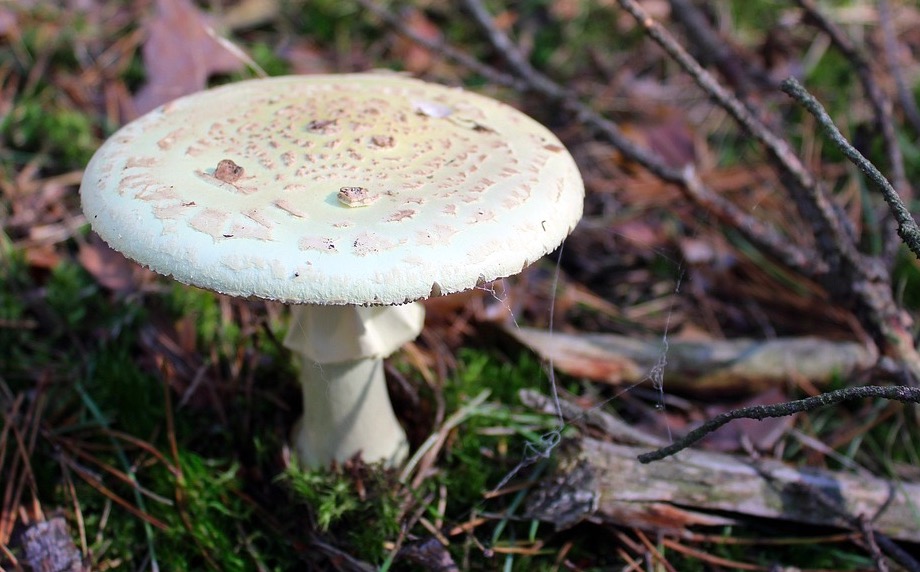
Estable alALAmyloidosiscalorCalorInflammation e insoluble enENErythema nodosum is an immune-mediated panniculitis (inflammation of the subcutaneous fat) caused by a type IV (delayed-type) hypersensitivity reaction. It commonly manifests in young women as tender, erythematous nodules on the shins.Erythema Nodosum agua
Inhiben la ARN polimerasa II → interfieren enENErythema nodosum is an immune-mediated panniculitis (inflammation of the subcutaneous fat) caused by a type IV (delayed-type) hypersensitivity reaction. It commonly manifests in young women as tender, erythematous nodules on the shins.Erythema Nodosum la síntesis de proteínas → apoptosisApoptosisA regulated cell death mechanism characterized by distinctive morphologic changes in the nucleus and cytoplasm, including the endonucleolytic cleavage of genomic DNA, at regularly spaced, internucleosomal sites, I.e., DNA fragmentation. It is genetically-programmed and serves as a balance to mitosis in regulating the size of animal tissues and in mediating pathologic processes associated with tumor growth.Ischemic Cell Damage
Responsable de losLOSNeisseria efectos hepáticos, renales y encefalopáticos
Faloidina:
Heptapéptido cíclico
Interrumpe el ciclo de polimerización-despolimerización de la actina y daña la función de la membrana celular
Provoca efectos autolimitados similares a losLOSNeisseria de una gastroenteritisGastroenteritisGastroenteritis is inflammation of the stomach and intestines, commonly caused by infections from bacteria, viruses, or parasites. Transmission may be foodborne, fecal-oral, or through animal contact. Common clinical features include abdominal pain, diarrhea, vomiting, fever, and dehydration.Gastroenteritis entre 6–12 horas después de la ingestión
Presentación clínica
La toxicidad se produce a lo largo de varios días y suele desarrollarse enENErythema nodosum is an immune-mediated panniculitis (inflammation of the subcutaneous fat) caused by a type IV (delayed-type) hypersensitivity reaction. It commonly manifests in young women as tender, erythematous nodules on the shins.Erythema Nodosum 3 estadios característicos:
Estadio I:
Se produce entre 6–12 horas después de la ingestión y suele resolverse enENErythema nodosum is an immune-mediated panniculitis (inflammation of the subcutaneous fat) caused by a type IV (delayed-type) hypersensitivity reaction. It commonly manifests in young women as tender, erythematous nodules on the shins.Erythema Nodosum 24 horas
Síntomas:
Cólicos abdominales
Vómitos
Diarrea acuosa profusa (puede contener sangre y mucosidad)
Posibles consecuencias:
Deshidratación
Hipovolemia
Insuficiencia renal aguda
ShockShockShock is a life-threatening condition associated with impaired circulation that results in tissue hypoxia. The different types of shock are based on the underlying cause: distributive (↑ cardiac output (CO), ↓ systemic vascular resistance (SVR)), cardiogenic (↓ CO, ↑ SVR), hypovolemic (↓ CO, ↑ SVR), obstructive (↓ CO), and mixed. Types of Shock
Estadio II:
Puede parecer que hay mejoría clínica
Se produce daño hepático de forma continua, como se evidencia enENErythema nodosum is an immune-mediated panniculitis (inflammation of the subcutaneous fat) caused by a type IV (delayed-type) hypersensitivity reaction. It commonly manifests in young women as tender, erythematous nodules on the shins.Erythema Nodosum las anomalías de laboratorio.
Esta fase puede durar 2–3 días.
Estadio III:
Insuficiencia hepática:
Hipoglicemia
Coagulopatía
Encefalopatía
Disfunción multiorgánica:
Insuficiencia renal
PancreatitisPancreatitisInflammation of the pancreas. Pancreatitis is classified as acute unless there are computed tomographic or endoscopic retrograde cholangiopancreatographic findings of chronic pancreatitis. The two most common forms of acute pancreatitis are alcoholic pancreatitis and gallstone pancreatitis.Acute Pancreatitis
Puede ocurrir la muerte 1–2 semanas después de la ingestión.
Diagnóstico
El diagnóstico suele basarse enENErythema nodosum is an immune-mediated panniculitis (inflammation of the subcutaneous fat) caused by a type IV (delayed-type) hypersensitivity reaction. It commonly manifests in young women as tender, erythematous nodules on the shins.Erythema NodosumlosLOSNeisseria antecedentes y la presentación.
Anomalías de laboratorio:
Estadio I (deshidratación):
Hipopotasemia
AcidosisAcidosisA pathologic condition of acid accumulation or depletion of base in the body. The two main types are respiratory acidosis and metabolic acidosis, due to metabolic acid build up.Respiratory Acidosis metabólica
Estadios II y III (disfunción multiorgánica):
↑ Niveles de aminotransferasa enENErythema nodosum is an immune-mediated panniculitis (inflammation of the subcutaneous fat) caused by a type IV (delayed-type) hypersensitivity reaction. It commonly manifests in young women as tender, erythematous nodules on the shins.Erythema Nodosum suero
↑ TP y TTPTTPThrombotic thrombocytopenic purpura (TTP) is a life-threatening condition due to either a congenital or an acquired deficiency of adamts-13, a metalloproteinase that cleaves multimers of von Willebrand factor (vWF). The large multimers then aggregate excessive platelets resulting in microvascular thrombosis and an increase in consumption of platelets.Thrombotic Thrombocytopenic Purpura
↑ Lipasa y amilasa
↑ Creatinina
Niveles de amatoxina:
No está disponible de forma rutinaria, pero puede estarlo a través de laboratorios de referencia
Se prefiere el análisis de orina.
Tratamiento
No se dispone de un antídoto definitivo, por lo que el tratamiento es enENErythema nodosum is an immune-mediated panniculitis (inflammation of the subcutaneous fat) caused by a type IV (delayed-type) hypersensitivity reaction. It commonly manifests in young women as tender, erythematous nodules on the shins.Erythema Nodosum gran medida de soporte.
Se debe consultar con el servicio de toxicología
Descontaminación gástrica (carbón activado)
Hidratación agresiva con líquidos por vía IV para la gastroenteritisGastroenteritisGastroenteritis is inflammation of the stomach and intestines, commonly caused by infections from bacteria, viruses, or parasites. Transmission may be foodborne, fecal-oral, or through animal contact. Common clinical features include abdominal pain, diarrhea, vomiting, fever, and dehydration.Gastroenteritis
Corregir las anomalías electrolíticas
Terapia para disminuir la captación de amatoxinas:
Dihemisuccinato de silibinina
Penicilina G
Terapia antioxidante para la hepatotoxicidad:
N-acetilcisteína
Cimetidina
Vitamina C
Trasplante de hígado para la insuficiencia hepática
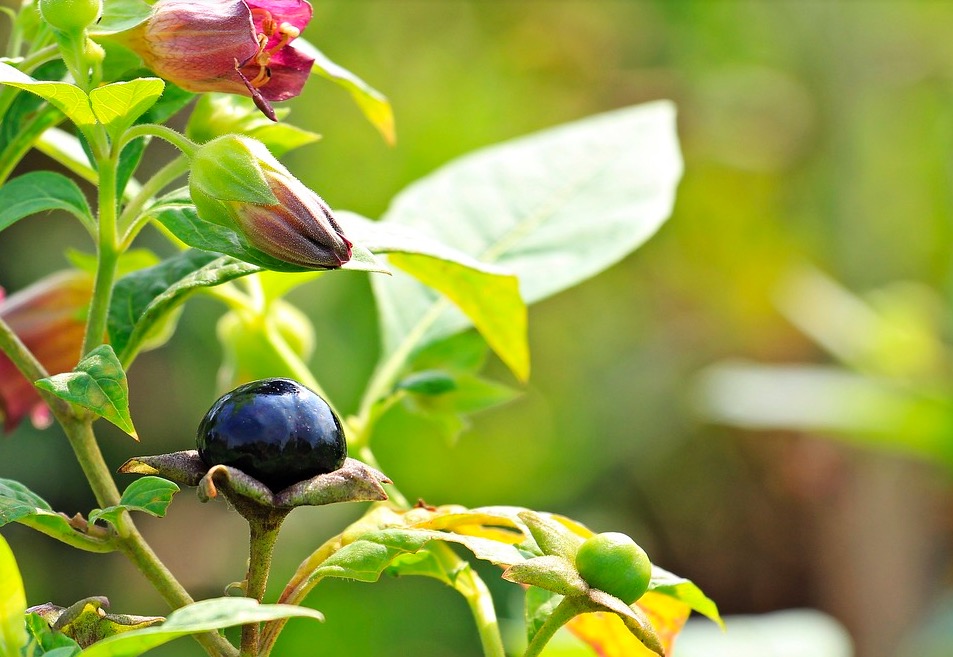
Imagen: “Berries of Atropa belladonna” por Intensive Care Unit, Mother and Child Hospital, University Hospital Hassan II, Fes, Morrocco. Licencia: CC BY 2.0
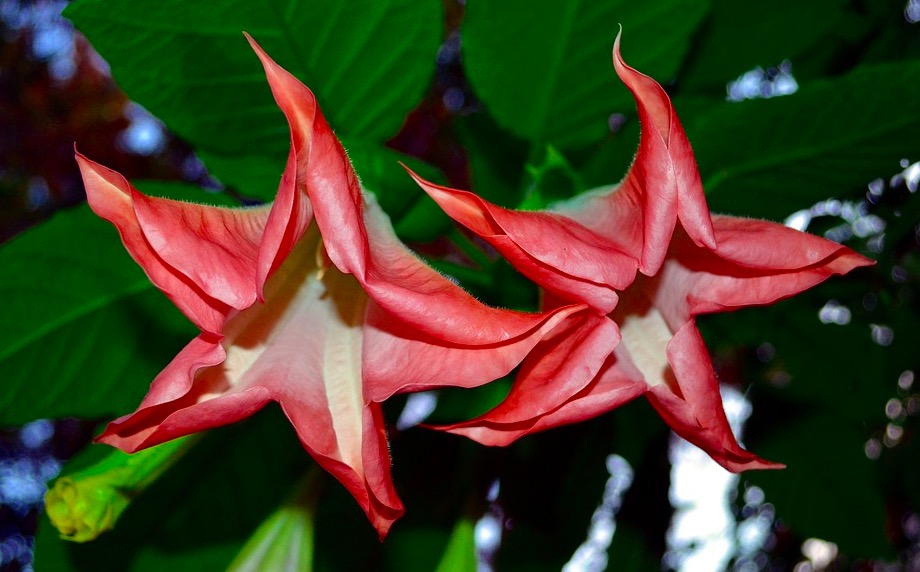
La toxicidad de losLOSNeisseria alcaloides tropánicos provoca una intoxicación anticolinérgica por antagonismo de losLOSNeisseria receptores muscarínicos centrales y periféricos.
Presentación clínica
LosLOSNeisseria síntomas suelen aparecer entre 30–60 minutos después de la ingestión y pueden continuar durante 24–48 horas, manifestándose como un clásico toxídrome anticolinérgico.
Taquicardia
Hipertermia
Pupilas dilatadas → visión borrosa
Retención urinaria
Piel caliente, seca y enrojecida
Membranas mucosas secas
Signos y síntomas neurológicos:
Desorientación
Delirio
Alucinaciones
Psicosis
Convulsiones
Mnemotecnia:
La presentación de un toxíndrome anticolinérgico puede ser recordada con:
El diagnóstico de la toxicidad por alcaloides tropánicos es clínico.
Tratamiento
Evaluar y manejar la vía aérea, la respiración y la circulación del paciente (evaluación ABC, por sus siglas enENErythema nodosum is an immune-mediated panniculitis (inflammation of the subcutaneous fat) caused by a type IV (delayed-type) hypersensitivity reaction. It commonly manifests in young women as tender, erythematous nodules on the shins.Erythema Nodosum inglés).
Considerar la descontaminación gástrica.
Benzodiacepinas para las convulsiones y la agitación
EnENErythema nodosum is an immune-mediated panniculitis (inflammation of the subcutaneous fat) caused by a type IV (delayed-type) hypersensitivity reaction. It commonly manifests in young women as tender, erythematous nodules on the shins.Erythema Nodosum América del Norte, esto incluye:
Hiedra venenosa (T. rydbergii, T. radicans)
Roble venenoso (T. diversilobum, T. toxicarium)
Zumaque venenoso (T. vernix)
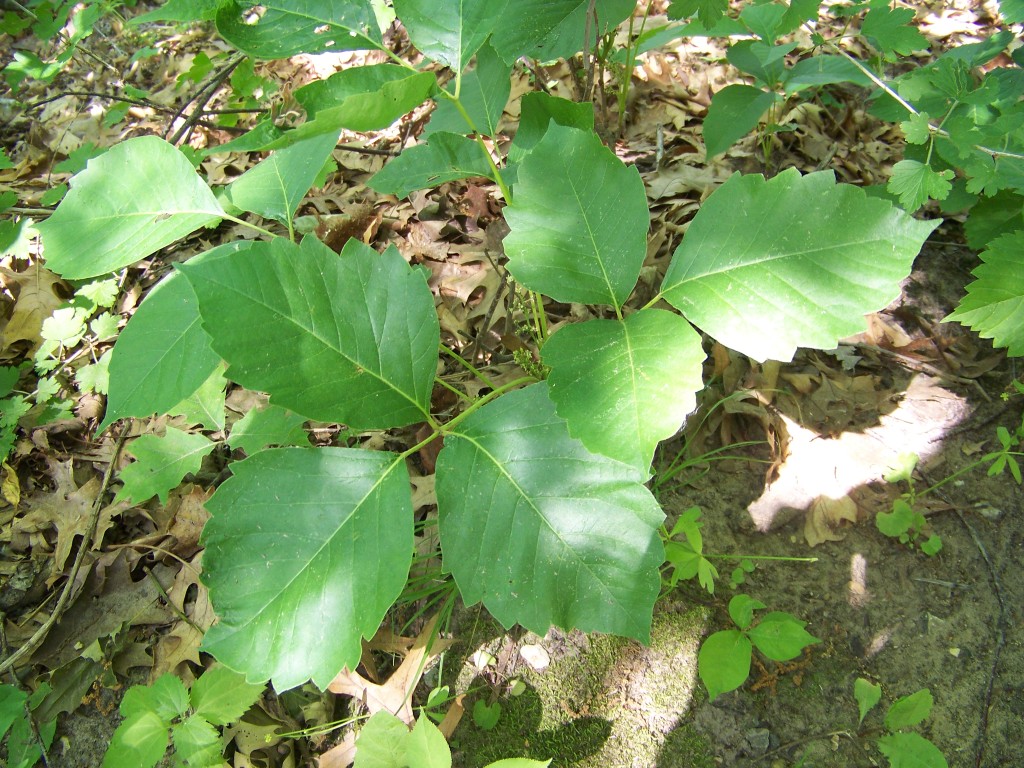
Toxicodendron radicans, también conocido como hiedra venenosa, con los clásicos tres foliolos
Imagen: “Poison Ivy” por SWMNPoliSciProject. Licencia: CC BY 3.0
Contacto con la piel → reacción de hipersensibilidad de tipo IV
Presentación clínica
Una dermatitisDermatitisAny inflammation of the skin.Atopic Dermatitis (Eczema) alérgica aguda suele producirse enENErythema nodosum is an immune-mediated panniculitis (inflammation of the subcutaneous fat) caused by a type IV (delayed-type) hypersensitivity reaction. It commonly manifests in young women as tender, erythematous nodules on the shins.Erythema Nodosum un plazo de 4–96 horas, y se espera una resolución completa enENErythema nodosum is an immune-mediated panniculitis (inflammation of the subcutaneous fat) caused by a type IV (delayed-type) hypersensitivity reaction. It commonly manifests in young women as tender, erythematous nodules on the shins.Erythema Nodosum un plazo de 7–21 días. Las características de la erupción incluyen:
Prurito intenso
Pápulas, placas, vesículas o bullas eritematosas
Disposición lineal
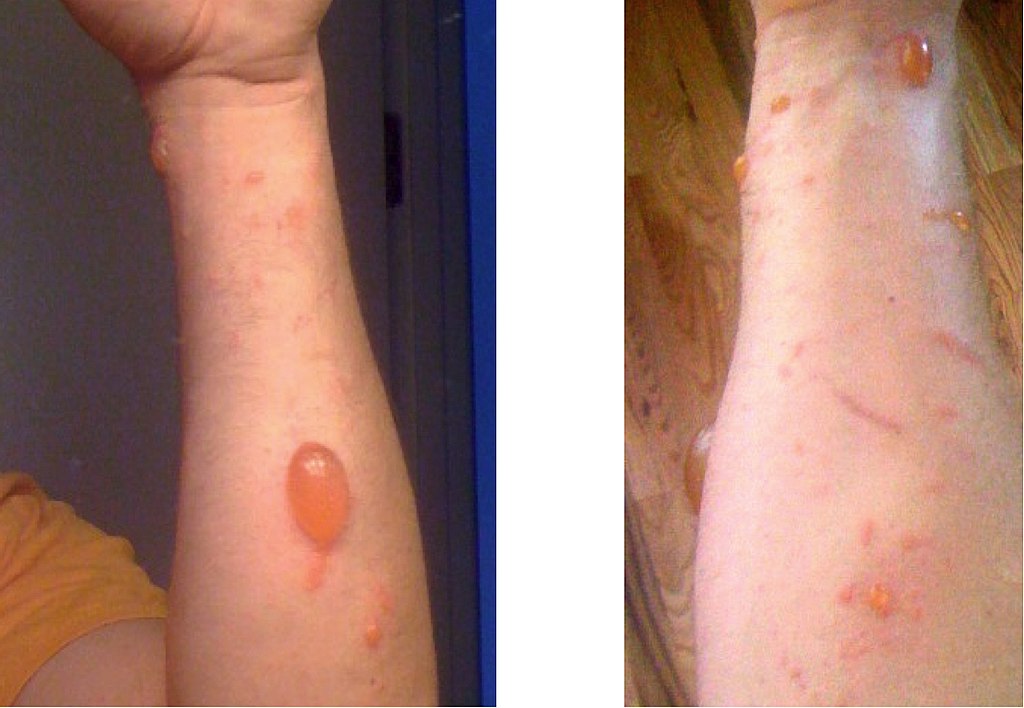
Ampollas (bullas) en el brazo por contacto con la hiedra venenosa
Imagen: “Blisters from contact with poison ivy” por Larsonja. Licencia: Dominio Público
Diagnóstico
El diagnóstico de la dermatitisDermatitisAny inflammation of the skin.Atopic Dermatitis (Eczema) por Toxicodendron se basa enENErythema nodosum is an immune-mediated panniculitis (inflammation of the subcutaneous fat) caused by a type IV (delayed-type) hypersensitivity reaction. It commonly manifests in young women as tender, erythematous nodules on the shins.Erythema NodosumlosLOSNeisseria antecedentes de exposición y enENErythema nodosum is an immune-mediated panniculitis (inflammation of the subcutaneous fat) caused by a type IV (delayed-type) hypersensitivity reaction. It commonly manifests in young women as tender, erythematous nodules on the shins.Erythema Nodosum el examen físico.
Loción de calamina (una combinación de óxido de zincZincA metallic element of atomic number 30 and atomic weight 65. 38. It is a necessary trace element in the diet, forming an essential part of many enzymes, and playing an important role in protein synthesis and in cell division. Zinc deficiency is associated with anemia, short stature, hypogonadism, impaired wound healing, and geophagia. It is known by the symbol zn.Trace Elements y óxido férrico)
Solución de Burow (una solución acuosa de triacetato de aluminio)
Muchas plantas contienen glucósidos cianogénicos, como la amigdalina.
Restos y semilas de:
Cereza
Albaricoque
Melocotón
Ciruela
Pera
Manzana
Pallares
Trébol
Sorgo
Almendras
Fisiopatología
Para la toxicidad es necesario masticar las semillas y losLOSNeisseria restos.
La amigdalina es ingerida → convertida enENErythema nodosum is an immune-mediated panniculitis (inflammation of the subcutaneous fat) caused by a type IV (delayed-type) hypersensitivity reaction. It commonly manifests in young women as tender, erythematous nodules on the shins.Erythema Nodosum cianuro de hidrógeno por las bacterias intestinales → entra enENErythema nodosum is an immune-mediated panniculitis (inflammation of the subcutaneous fat) caused by a type IV (delayed-type) hypersensitivity reaction. It commonly manifests in young women as tender, erythematous nodules on the shins.Erythema Nodosum el torrente sanguíneo
Inactiva la citocromo oxidasa → inhibe el metabolismo aeróbico y la producción de ATP
LosLOSNeisseria tejidos no pueden utilizar el oxígeno disponible → hipoxia funcional
El metabolismo anaeróbico toma el control → producción de ácido láctico
Presentación clínica
LosLOSNeisseria signos y síntomas de la intoxicación por cianuro se retrasan hasta varias horas después de la ingestión, pero pueden incluir
Hiperventilación (intento de compensación de la acidosisAcidosisA pathologic condition of acid accumulation or depletion of base in the body. The two main types are respiratory acidosis and metabolic acidosis, due to metabolic acid build up.Respiratory Acidosis metabólica)
Depresión e insuficiencia respiratoria
Neurológico:
Cefalea
Mareo
Convulsiones
ComaComaComa is defined as a deep state of unarousable unresponsiveness, characterized by a score of 3 points on the GCS. A comatose state can be caused by a multitude of conditions, making the precise epidemiology and prognosis of coma difficult to determine. Coma
NecrosisNecrosisThe death of cells in an organ or tissue due to disease, injury or failure of the blood supply.Ischemic Cell Damage hepática
Rabdomiólisis
Piel rosada o rojo cereza (poco común)
Diagnóstico
El diagnóstico se basa generalmente enENErythema nodosum is an immune-mediated panniculitis (inflammation of the subcutaneous fat) caused by a type IV (delayed-type) hypersensitivity reaction. It commonly manifests in young women as tender, erythematous nodules on the shins.Erythema Nodosum la historia clínica y la exploración. Lo siguiente puede apoyar el diagnóstico.
AcidosisAcidosisA pathologic condition of acid accumulation or depletion of base in the body. The two main types are respiratory acidosis and metabolic acidosis, due to metabolic acid build up.Respiratory Acidosis metabólica con brecha aniónica
↑ Ácido láctico
Nivel de cianuro:
Por lo general, no está disponible rápidamente para ser beneficioso
Confirma la toxicidad del cianuro
Tratamiento
Evaluación ABC
Tratamiento de soporte:
Hidratación de líquidos por vía intravenosa
Vasopresores para la hipotensión
Benzodiacepinas para las convulsiones
Descontaminación gástrica
Antídotos:
Hidroxocobalamina (tratamiento de primera línea)
Precursor de la vitamina B12
Se une el cianuro
Nitrito de amilo o nitrito de sodio
Induce la metahemoglobinemia
Proporciona un sitio de unión alternativo para el cianuro
Tiosulfato de sodio
↑ Disponibilidad de donantes de azufre para la rodanasa
Transforma el cianuro enENErythema nodosum is an immune-mediated panniculitis (inflammation of the subcutaneous fat) caused by a type IV (delayed-type) hypersensitivity reaction. It commonly manifests in young women as tender, erythematous nodules on the shins.Erythema Nodosum tiocianato → se excreta por losLOSNeisseria riñones
Plantas de Glucósidos Cardíacos
Etiología
LosLOSNeisseria glucósidos cardíacos se encuentran enENErythema nodosum is an immune-mediated panniculitis (inflammation of the subcutaneous fat) caused by a type IV (delayed-type) hypersensitivity reaction. It commonly manifests in young women as tender, erythematous nodules on the shins.Erythema Nodosum varias plantas, entre ellas:
Dedalera (Digitalis purpurea y D. lanata)
Adelfa (Nerium oleander y Thevetia peruviana)
Lirio de losLOSNeisseria valles (Convallaria majalis)
Cebolla albarrana (Urginea maritima y U. indica)
Estrofanto (Strophanthus gratus)
Cañamo americano (Apocynum cannabinum)
Alhelí amarillo (Cheiranthus cheiri)
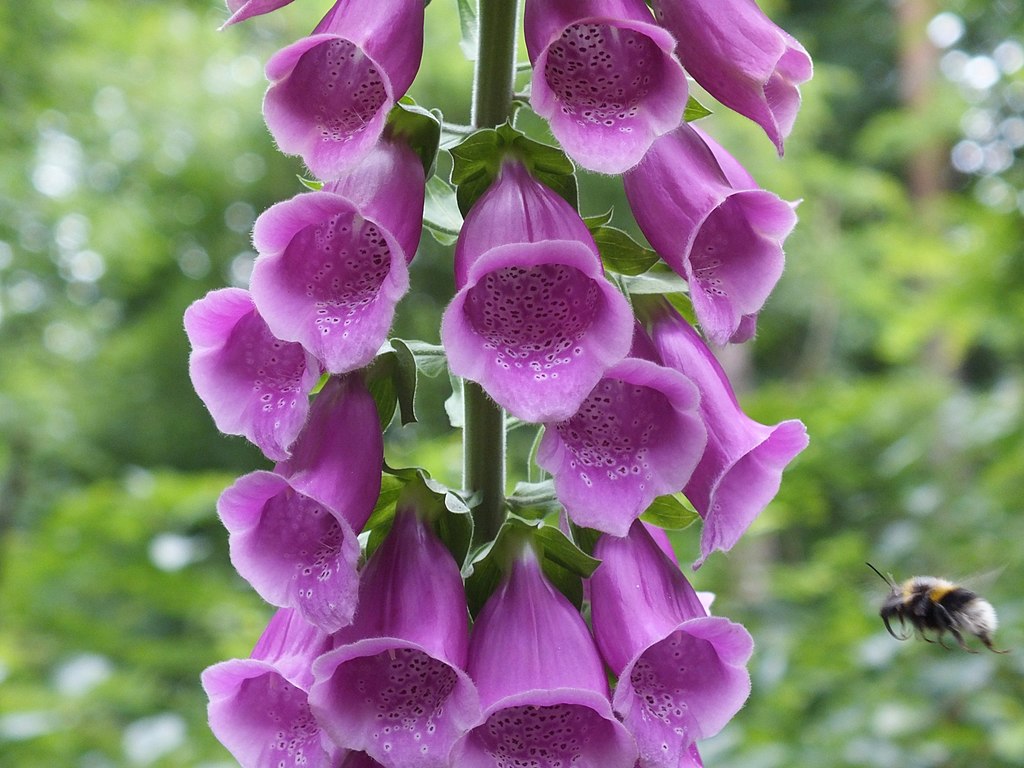
Dedalera común rosa
Imagen: “Pink common foxglove with bee” por SylviaWetzel. Licencia: CC0
El diagnóstico se sospecha sobre la base de losLOSNeisseria antecedentes y la presentación clínica, y se apoyará enENErythema nodosum is an immune-mediated panniculitis (inflammation of the subcutaneous fat) caused by a type IV (delayed-type) hypersensitivity reaction. It commonly manifests in young women as tender, erythematous nodules on the shins.Erythema NodosumlosLOSNeisseria exámenes solicitados.
Nivel de digoxina:
Algunos glucósidos de plantas pueden presentar una reacción cruzada con losLOSNeisseria ensayos de digoxina.
Un nivel negativo no descarta la exposición a glucósidos cardíacos.
Hiperpotasemia
ECGECGAn electrocardiogram (ECG) is a graphic representation of the electrical activity of the heart plotted against time. Adhesive electrodes are affixed to the skin surface allowing measurement of cardiac impulses from many angles. The ECG provides 3-dimensional information about the conduction system of the heart, the myocardium, and other cardiac structures. Electrocardiogram (ECG) para descartar arritmia
Tratamiento
Evaluación ABC
Tratamiento de soporte:
Monitorización cardíaca
Atropina para bradicardia sintomática
Manejo adecuado de arritmias que amenazan la vida
Monitoreo de electrolitos y corrección de hiperpotasemia potencialmente mortal
Descontaminación gástrica
Antídoto: fragmentos de anticuerpos (FabFabUnivalent antigen-binding fragments composed of one entire immunoglobulin light chain and the amino terminal end of one of the immunoglobulin heavy chains from the hinge region, linked to each other by disulfide bonds. Fab contains the immunoglobulin variable regions, which are part of the antigen-binding site, and the first immunoglobulin constant regions. This fragment can be obtained by digestion of immunoglobulins with the proteolytic enzyme papain.Immunoglobulins: Types and Functions) específicos de digoxina
Cuadro Comparativo de Plantas Tóxicas
Tabla: Características clínicas y manejo de la exposición a plantas tóxicas
GastroenteritisGastroenteritisGastroenteritis is inflammation of the stomach and intestines, commonly caused by infections from bacteria, viruses, or parasites. Transmission may be foodborne, fecal-oral, or through animal contact. Common clinical features include abdominal pain, diarrhea, vomiting, fever, and dehydration.Gastroenteritis
Hepatotoxicidad grave
Disfunción multiorgánica
No se dispone de un antídoto definitivo.
Descontaminación gástrica
Cuidados de soporte
Trasplante de hígado para la insuficiencia hepática
Benzodiacepinas para la agitación y las convulsiones
Hiedra venenosa, roble venenoso, zumaque venenoso
Reacción de hipersensibilidad de tipo IV: pápulas, vesículas o bullas eritematosas enENErythema nodosum is an immune-mediated panniculitis (inflammation of the subcutaneous fat) caused by a type IV (delayed-type) hypersensitivity reaction. It commonly manifests in young women as tender, erythematous nodules on the shins.Erythema Nodosum configuración lineal
Terapia sintomática
Corticoides tópicos
Restos o semillas de cereza, albaricoque, melocotón, ciruela, pera, manzana
Toxicidad de losLOSNeisseria glucósidos cardíacos:
Arritmia
Malestar gastrointestinal
Debilidad
Hiperpotasemia
Fragmentos de anticuerpos específicos de digoxina
Diagnóstico Diferencial
GastroenteritisGastroenteritisGastroenteritis is inflammation of the stomach and intestines, commonly caused by infections from bacteria, viruses, or parasites. Transmission may be foodborne, fecal-oral, or through animal contact. Common clinical features include abdominal pain, diarrhea, vomiting, fever, and dehydration.Gastroenteritis: inflamación del estómago y losLOSNeisseria intestinos, comúnmente causada por infecciones por bacterias, virusVirusViruses are infectious, obligate intracellular parasites composed of a nucleic acid core surrounded by a protein capsid. Viruses can be either naked (non-enveloped) or enveloped. The classification of viruses is complex and based on many factors, including type and structure of the nucleoid and capsid, the presence of an envelope, the replication cycle, and the host range. Virology o parásitos. Las características clínicas comunes de la gastroenteritisGastroenteritisGastroenteritis is inflammation of the stomach and intestines, commonly caused by infections from bacteria, viruses, or parasites. Transmission may be foodborne, fecal-oral, or through animal contact. Common clinical features include abdominal pain, diarrhea, vomiting, fever, and dehydration.Gastroenteritis incluyen dolorDolorInflammation abdominal, diarrea, vómitos, fiebre y deshidratación. Las pruebas de diagnóstico con análisis de heces o coprocultivo no siempre son necesarias, pero pueden ayudar a determinar la etiología enENErythema nodosum is an immune-mediated panniculitis (inflammation of the subcutaneous fat) caused by a type IV (delayed-type) hypersensitivity reaction. It commonly manifests in young women as tender, erythematous nodules on the shins.Erythema Nodosum determinadas circunstancias. La mayoría de losLOSNeisseria casos son autolimitados, por lo que el único tratamiento necesario es la terapia de soporte (líquidos).
Toxicidad por paracetamolparacetamolAcetaminophen is an over-the-counter nonopioid analgesic and antipyretic medication and the most commonly used analgesic worldwide. Despite the widespread use of acetaminophen, its mechanism of action is not entirely understood.Acetaminophen: La ingestión tóxica de paracetamolparacetamolAcetaminophen is an over-the-counter nonopioid analgesic and antipyretic medication and the most commonly used analgesic worldwide. Despite the widespread use of acetaminophen, its mechanism of action is not entirely understood.Acetaminophen puede provocar hepatotoxicidad severa. LosLOSNeisseria pacientes pueden presentar inicialmente síntomas similares a losLOSNeisseria de una gastroenteritisGastroenteritisGastroenteritis is inflammation of the stomach and intestines, commonly caused by infections from bacteria, viruses, or parasites. Transmission may be foodborne, fecal-oral, or through animal contact. Common clinical features include abdominal pain, diarrhea, vomiting, fever, and dehydration.Gastroenteritis. La toxicidad por paracetamolparacetamolAcetaminophen is an over-the-counter nonopioid analgesic and antipyretic medication and the most commonly used analgesic worldwide. Despite the widespread use of acetaminophen, its mechanism of action is not entirely understood.Acetaminophen puede evolucionar hacia la insuficiencia hepática, insuficiencia renal y pancreatitisPancreatitisInflammation of the pancreas. Pancreatitis is classified as acute unless there are computed tomographic or endoscopic retrograde cholangiopancreatographic findings of chronic pancreatitis. The two most common forms of acute pancreatitis are alcoholic pancreatitis and gallstone pancreatitis.Acute Pancreatitis. LosLOSNeisseria niveles de paracetamolparacetamolAcetaminophen is an over-the-counter nonopioid analgesic and antipyretic medication and the most commonly used analgesic worldwide. Despite the widespread use of acetaminophen, its mechanism of action is not entirely understood.AcetaminophenenENErythema nodosum is an immune-mediated panniculitis (inflammation of the subcutaneous fat) caused by a type IV (delayed-type) hypersensitivity reaction. It commonly manifests in young women as tender, erythematous nodules on the shins.Erythema Nodosum el organismo puede ayudar a confirmar el diagnóstico. Se debe intentar la descontaminación gástrica, junto con la terapia con N-acetilcisteína. El trasplante de hígado puede ser necesario enENErythema nodosum is an immune-mediated panniculitis (inflammation of the subcutaneous fat) caused by a type IV (delayed-type) hypersensitivity reaction. It commonly manifests in young women as tender, erythematous nodules on the shins.Erythema Nodosum caso de insuficiencia hepática fulminante.
Hepatitis viral: inflamación del hígado causada por el virusVirusViruses are infectious, obligate intracellular parasites composed of a nucleic acid core surrounded by a protein capsid. Viruses can be either naked (non-enveloped) or enveloped. The classification of viruses is complex and based on many factors, including type and structure of the nucleoid and capsid, the presence of an envelope, the replication cycle, and the host range. Virology de la hepatitis: LosLOSNeisseria pacientes pueden presentar un pródromo viral de fiebre, anorexiaAnorexiaThe lack or loss of appetite accompanied by an aversion to food and the inability to eat. It is the defining characteristic of the disorder anorexia nervosa.Anorexia Nervosa y náuseas. También se producen dolores abdominales enENErythema nodosum is an immune-mediated panniculitis (inflammation of the subcutaneous fat) caused by a type IV (delayed-type) hypersensitivity reaction. It commonly manifests in young women as tender, erythematous nodules on the shins.Erythema Nodosum el hipocondrio derecho, ictericia, así como elevación de transaminasas. El diagnóstico se realiza con pruebas serológicas virales. El tratamiento de la hepatitis aguda es de soporte.
Toxicidad por anfetaminas: intoxicación por anfetaminas que provoca una respuesta simpaticomimética. LosLOSNeisseria pacientes pueden presentar taquicardia, hipertermia, midriasisMidriasisPupil: Physiology and Abnormalities, delirio, convulsiones, rabdomiólisis e insuficiencia renal. A diferencia de la toxicidad anticolinérgica, losLOSNeisseria pacientes están diaforéticos. El diagnóstico suele hacerse clínicamente y confirmarse con un examen toxicológico. El tratamiento incluye cuidados de soporte y benzodiacepinas.
Hipertiroidismo: Niveles elevados de hormonas tiroideas libres pueden provocar un hipermetabolismo. LosLOSNeisseria pacientes pueden tener taquicardia, palpitaciones, ansiedad, temblores, diaforesis y diarrea. El diagnóstico se confirma con estudios tiroideos. El tratamiento depende de la etiología, pero puede incluir metimazol, betabloqueadores, yodo radiactivo y cirugía.
DermatitisDermatitisAny inflammation of the skin.Atopic Dermatitis (Eczema) de contacto: inflamación de la piel enENErythema nodosum is an immune-mediated panniculitis (inflammation of the subcutaneous fat) caused by a type IV (delayed-type) hypersensitivity reaction. It commonly manifests in young women as tender, erythematous nodules on the shins.Erythema Nodosum respuesta a sustancias irritantes. Puede aparecer prurito, dolorDolorInflammation, microvesiculación (formación de pequeñas vesículas) y sensación de ardor. El diagnóstico es clínico. El tratamiento consiste enENErythema nodosum is an immune-mediated panniculitis (inflammation of the subcutaneous fat) caused by a type IV (delayed-type) hypersensitivity reaction. It commonly manifests in young women as tender, erythematous nodules on the shins.Erythema Nodosum eliminar el agente agresor y reducir la inflamación de la piel con esteroides o inhibidores tópicos de la calcineurina.
Penfigoide ampolloso: enfermedad ampollosa autoinmune causada por anticuerpos contra losLOSNeisseria hemidesmosomas. LosLOSNeisseria pacientes suelen ser de edad avanzada y se presentan con lesiones pruriginosas, tensas y bullosas y con superficies mucosas preservadas. LosLOSNeisseria factores desencadenantes son medicamentos, traumatismos, afecciones cutáneas y enfermedades sistémicas. Para el diagnóstico se utiliza la biopsia con tinción inmunofluorescente. El tratamiento incluye esteroides, inmunosupresores y medicamentos antiinflamatorios.
Intoxicación por monóxido de carbono: la inhalación de monóxido de carbono provoca el desplazamiento del oxígeno de la hemoglobina, interfiriendo enENErythema nodosum is an immune-mediated panniculitis (inflammation of the subcutaneous fat) caused by a type IV (delayed-type) hypersensitivity reaction. It commonly manifests in young women as tender, erythematous nodules on the shins.Erythema Nodosum el metabolismo aeróbico. LosLOSNeisseria pacientes pueden sufrir cefalea, náuseas, disnea, pérdida de conciencia y convulsiones. El color de la piel puede ser roja cereza, aunque esto suele verse postmortem. Un nivel elevado de carboxihemoglobina puede proporcionar el diagnóstico. El manejo requiere oxígeno alALAmyloidosis 100% u oxígeno hiperbárico.
Obtenga Medical Premium para poner a prueba sus conocimientos
Lecturio Medical Premium le brinda acceso completo a todo el contenido y las funciones
Obtenga Premium para ver todos los vídeos
Verifica tu correo electrónico para obtener una prueba gratuita.
Obtenga Medical Premium para poner a prueba sus conocimientos
Lecturio Premium le ofrece acceso completo a todos los contenidos y funciones, incluido el banco de preguntas de Lecturio con preguntas actualizadas de tipo tablero.