Domina Conceptos Médicos

Estudia para la escuela de medicina y tus examenes con Lecturio.

Miocardiopatía Dilatada

La miocardiopatía dilatada (MCD) es el tipo más común de miocardiopatía no isquémica y una causa común de insuficiencia cardíaca ( IC IC Inhaled Anesthetics). La causa puede ser idiopática, familiar o secundaria a una variedad de condiciones subyacentes. La enfermedad se caracteriza por el agrandamiento de uno o ambos ventrículos y una función sistólica reducida. Los LOS Neisseria pacientes suelen presentar síntomas de IC IC Inhaled Anesthetics, como disnea, fatiga, debilidad y edema Edema Edema is a condition in which excess serous fluid accumulates in the body cavity or interstitial space of connective tissues. Edema is a symptom observed in several medical conditions. It can be categorized into 2 types, namely, peripheral (in the extremities) and internal (in an organ or body cavity). Edema periférico. Por lo general, se realizan análisis de sangre, ECG ECG An electrocardiogram (ECG) is a graphic representation of the electrical activity of the heart plotted against time. Adhesive electrodes are affixed to the skin surface allowing measurement of cardiac impulses from many angles. The ECG provides 3-dimensional information about the conduction system of the heart, the myocardium, and other cardiac structures. Electrocardiogram (ECG), radiografías, ecocardiografía, y otros estudios y procedimientos cardíacos para obtener el diagnóstico. El tratamiento incluye medicamentos utilizados para reducir la sobrecarga de volumen (e.g., diuréticos) y controlar la IC IC Inhaled Anesthetics (e.g., betabloqueadores). También pueden ser necesarios dispositivos como marcapasos y cardioversores-desfibriladores. En EN Erythema nodosum is an immune-mediated panniculitis (inflammation of the subcutaneous fat) caused by a type IV (delayed-type) hypersensitivity reaction. It commonly manifests in young women as tender, erythematous nodules on the shins. Erythema Nodosum casos severos, se requiere un trasplante cardíaco. Las complicaciones incluyen eventos tromboembólicos y muerte súbita cardíaca.

Last updated: Dec 15, 2025

Editorial responsibility: Stanley Oiseth, Lindsay Jones, Evelin Maza

Descripción General

Definición

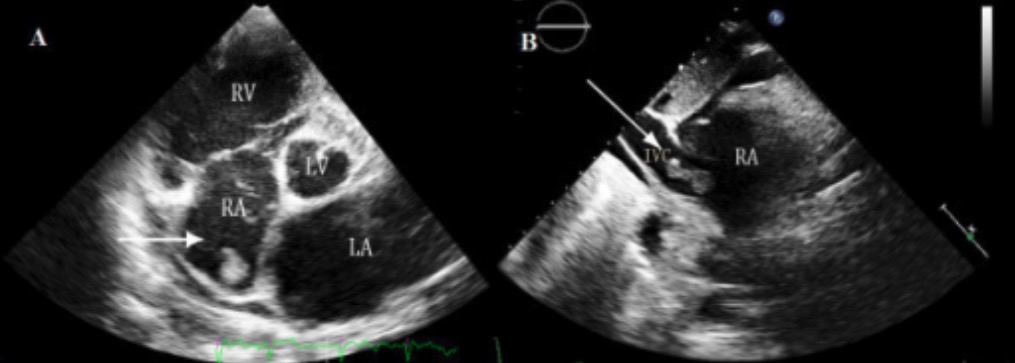
La miocardiopatía dilatada es una enfermedad del músculo cardíaco:

  • Asociada a una disfunción eléctrica y mecánica que provoca un deterioro de la función sistólica.
  • Que cursa con la dilatación de 1 o ambos ventrículos
  • No se explica por hipertensión, valvulopatía o coronariopatía.

Epidemiología

  • Tipo más común de miocardiopatía no isquémica
  • Incidencia anual: 6 por cada 100 000
  • 10 000 muertes y 46 000 hospitalizaciones al AL Amyloidosis año en EN Erythema nodosum is an immune-mediated panniculitis (inflammation of the subcutaneous fat) caused by a type IV (delayed-type) hypersensitivity reaction. It commonly manifests in young women as tender, erythematous nodules on the shins. Erythema Nodosum los LOS Neisseria Estados Unidos
  • Afecta a hombres > mujeres
  • Ocurre en EN Erythema nodosum is an immune-mediated panniculitis (inflammation of the subcutaneous fat) caused by a type IV (delayed-type) hypersensitivity reaction. It commonly manifests in young women as tender, erythematous nodules on the shins. Erythema Nodosum todas las edades, más común entre los LOS Neisseria 20–60 años
  • Indicación más común para el trasplante cardíaco

Etiología

  • Idiopática en EN Erythema nodosum is an immune-mediated panniculitis (inflammation of the subcutaneous fat) caused by a type IV (delayed-type) hypersensitivity reaction. It commonly manifests in young women as tender, erythematous nodules on the shins. Erythema Nodosum aproximadamente el 50% de los LOS Neisseria casos
  • MCD familiar:
    • Causada por una multitud de mutaciones genéticas
    • Luego de un tamizaje familiar adicional, se descubre que entre el 20%–35% de los LOS Neisseria casos inicialmente diagnosticados como idiopáticos, poseen un componente familiar.
    • El patrón de herencia típico es autosómico dominante; sin embargo, se han producido todos los LOS Neisseria patrones de herencia.
  • Arritmias ( en EN Erythema nodosum is an immune-mediated panniculitis (inflammation of the subcutaneous fat) caused by a type IV (delayed-type) hypersensitivity reaction. It commonly manifests in young women as tender, erythematous nodules on the shins. Erythema Nodosum particular, taquiarritmias persistentes, como la fibrilación auricular con respuesta ventricular rápida)
  • Infecciones:
    • Infecciones virales que causan miocarditis (p. ej., virus Virus Viruses are infectious, obligate intracellular parasites composed of a nucleic acid core surrounded by a protein capsid. Viruses can be either naked (non-enveloped) or enveloped. The classification of viruses is complex and based on many factors, including type and structure of the nucleoid and capsid, the presence of an envelope, the replication cycle, and the host range. Virology coxsackie, influenza Influenza Influenza viruses are members of the Orthomyxoviridae family and the causative organisms of influenza, a highly contagious febrile respiratory disease. There are 3 primary influenza viruses (A, B, and C) and various subtypes, which are classified based on their virulent surface antigens, hemagglutinin (HA) and neuraminidase (NA). Influenza typically presents with a fever, myalgia, headache, and symptoms of an upper respiratory infection. Influenza Viruses/Influenza, parvovirus B19 Parvovirus B19 Primate erythroparvovirus 1 (generally referred to as parvovirus B19, B19 virus, or sometimes erythrovirus B19) ranks among the smallest DNA viruses. Parvovirus B19 is of the family Parvoviridae and genus Erythrovirus. In immunocompetent humans, parvovirus B19 classically results in erythema infectiosum (5th disease) or “slapped cheek syndrome.” Parvovirus B19, adenovirus Adenovirus Adenovirus (member of the family Adenoviridae) is a nonenveloped, double-stranded DNA virus. Adenovirus is transmitted in a variety of ways, and it can have various presentations based on the site of entry. Presentation can include febrile pharyngitis, conjunctivitis, acute respiratory disease, atypical pneumonia, and gastroenteritis. Adenovirus, SARS-CoV-2 o VIH)
    • Enfermedad de Chagas (infección protozoaria por Trypanosoma cruzi Trypanosoma cruzi Chagas disease is an infection caused by the American trypanosome Trypanosoma cruzi. This parasitic protozoan is transmitted in the feces of reduviid bugs in South and Central America. Acute infection may present with inflammation at the inoculation site (chagoma), fever, and lymphadenopathy. Untreated, chronic infection can progress to severe complications. Trypanosoma cruzi/Chagas disease)
  • Trastornos endocrinos (e.g., hipertiroidismo o diabetes Diabetes Diabetes mellitus (DM) is a metabolic disease characterized by hyperglycemia and dysfunction of the regulation of glucose metabolism by insulin. Type 1 DM is diagnosed mostly in children and young adults as the result of autoimmune destruction of β cells in the pancreas and the resulting lack of insulin. Type 2 DM has a significant association with obesity and is characterized by insulin resistance. Diabetes Mellitus)
  • Condiciones autoinmunes o inflamatorias (e.g., lupus o sarcoidosis Sarcoidosis Sarcoidosis is a multisystem inflammatory disease that causes noncaseating granulomas. The exact etiology is unknown. Sarcoidosis usually affects the lungs and thoracic lymph nodes, but it can also affect almost every system in the body, including the skin, heart, and eyes, most commonly. Sarcoidosis)
  • Afecciones genéticas neuromusculares (e.g., distrofia muscular de Duchenne o ataxia Ataxia Impairment of the ability to perform smoothly coordinated voluntary movements. This condition may affect the limbs, trunk, eyes, pharynx, larynx, and other structures. Ataxia may result from impaired sensory or motor function. Sensory ataxia may result from posterior column injury or peripheral nerve diseases. Motor ataxia may be associated with cerebellar diseases; cerebral cortex diseases; thalamic diseases; basal ganglia diseases; injury to the red nucleus; and other conditions. Ataxia-telangiectasia de Friedreich)
  • Enfermedades de depósito (e.g., hemocromatosis o amiloidosis)
  • Medicamentos que ocasionan cardiotoxicidad:
    • Medicamentos quimioterapéuticos (clásicamente una antraciclina, e.g., doxorrubicina, o un anticuerpo monoclonal, e.g., trastuzumab Trastuzumab A humanized monoclonal antibody against the ErbB-2 receptor (HER2). As an antineoplastic agent, it is used to treat breast cancer where HER2 is overexpressed. Targeted and Other Nontraditional Antineoplastic Therapy)
    • Antirretrovirales (más clásicamente azidotimidina; también conocida como zidovudina)
    • Hidroxicloroquina
  • Tratamiento de radiación (particularmente en EN Erythema nodosum is an immune-mediated panniculitis (inflammation of the subcutaneous fat) caused by a type IV (delayed-type) hypersensitivity reaction. It commonly manifests in young women as tender, erythematous nodules on the shins. Erythema Nodosum la región torácica)
  • Miocardiopatía periparto:
    • Secundaria a cambios hemodinámicos asociados al AL Amyloidosis embarazo
    • Ocurre en EN Erythema nodosum is an immune-mediated panniculitis (inflammation of the subcutaneous fat) caused by a type IV (delayed-type) hypersensitivity reaction. It commonly manifests in young women as tender, erythematous nodules on the shins. Erythema Nodosum el último mes de embarazo o los LOS Neisseria primeros meses después del parto.
  • Toxinas:
    • Abuso de alcohol
    • Consumo de cocaína y otras drogas ilícitas
    • Exposición a metales pesados (e.g., cobalto, arsénico, mercurio o plomo)
  • Deficiencias nutricionales (e.g., tiamina, selenio o carnitina)

Fisiopatología

  • Dilatación ventricular causada por:
    • Insuficiencia del ventrículo izquierdo (VI)
    • Lesión primaria del músculo cardíaco
  • La dilatación ventricular conduce a:
    • Adelgazamiento de la pared del músculo cardíaco
    • Debilitamiento y agrandamiento del corazón.
    • Insuficiencia sistólica:
      • El músculo cardíaco no se contrae de manera eficiente cuando se deforma.
      • Disminuye el gasto cardíaco.
    • Insuficiencia diastólica: insuficiencia valvular por distorsión de la arquitectura cardíaca

Presentación Clínica

Los LOS Neisseria síntomas pueden desarrollarse y progresar lentamente con el tiempo, o desarrollarse abruptamente. Los LOS Neisseria síntomas son similares a los LOS Neisseria observados con la IC IC Inhaled Anesthetics.
Síntomas

  • Disnea/dificultad para respirar (especialmente con el esfuerzo)
  • Ortopnea (dificultad para respirar al AL Amyloidosis acostarse)
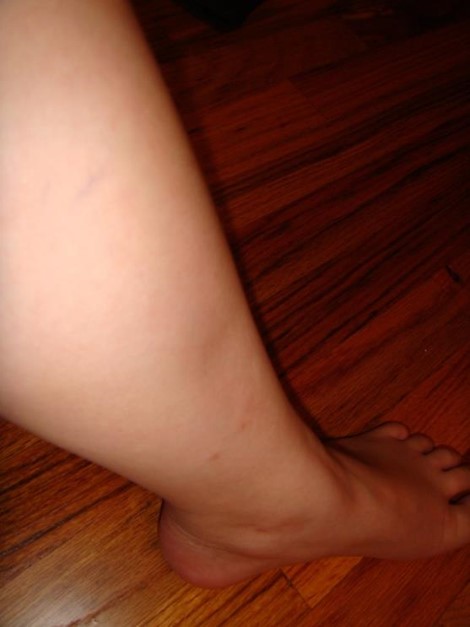
  • Edema Edema Edema is a condition in which excess serous fluid accumulates in the body cavity or interstitial space of connective tissues. Edema is a symptom observed in several medical conditions. It can be categorized into 2 types, namely, peripheral (in the extremities) and internal (in an organ or body cavity). Edema de extremidades inferiores y abdomen.
  • Aumento de peso
  • Mareo
  • Episodios de síncopes
  • Dolor Dolor Inflammation torácico
  • Palpitaciones
  • Fatiga
  • Debilidad

Hallazgos al AL Amyloidosis examen físico

  • Cardíaco:
    • Soplo cardíaco sistólico (por insuficiencia mitral o aórtica)
    • Galope de S3 S3 Heart Sounds
  • Abdominal: ascitis
  • Pulmonar:
    • Estertores o crepitantes sobre los LOS Neisseria campos pulmonares (secundarios a edema Edema Edema is a condition in which excess serous fluid accumulates in the body cavity or interstitial space of connective tissues. Edema is a symptom observed in several medical conditions. It can be categorized into 2 types, namely, peripheral (in the extremities) and internal (in an organ or body cavity). Edema pulmonar)
    • Dificultad respiratoria
    • Baja saturación de oxígeno
  • Vascular: ingurgitación yugular
  • Extremidades:
    • Edema Edema Edema is a condition in which excess serous fluid accumulates in the body cavity or interstitial space of connective tissues. Edema is a symptom observed in several medical conditions. It can be categorized into 2 types, namely, peripheral (in the extremities) and internal (in an organ or body cavity). Edema con fóvea en EN Erythema nodosum is an immune-mediated panniculitis (inflammation of the subcutaneous fat) caused by a type IV (delayed-type) hypersensitivity reaction. It commonly manifests in young women as tender, erythematous nodules on the shins. Erythema Nodosum extremidades inferiores
    • Signos de estasis venosa con decoloración en EN Erythema nodosum is an immune-mediated panniculitis (inflammation of the subcutaneous fat) caused by a type IV (delayed-type) hypersensitivity reaction. It commonly manifests in young women as tender, erythematous nodules on the shins. Erythema Nodosum las extremidades inferiores

Diagnóstico

El diagnóstico se realiza principalmente a través de los LOS Neisseria antecedentes y el examen físico, exámenes de laboratorio, el ECG ECG An electrocardiogram (ECG) is a graphic representation of the electrical activity of the heart plotted against time. Adhesive electrodes are affixed to the skin surface allowing measurement of cardiac impulses from many angles. The ECG provides 3-dimensional information about the conduction system of the heart, the myocardium, and other cardiac structures. Electrocardiogram (ECG) e imagenología (confirmatorias o para excluir otras etiologías).
Estudios de laboratorio

  • BNP BNP A peptide that is secreted by the brain and the heart atria, stored mainly in cardiac ventricular myocardium. It can cause natriuresis; diuresis; vasodilation; and inhibits secretion of renin and aldosterone. It improves heart function. It contains 32 amino acids. Renal Sodium and Water Regulation (por sus siglas en EN Erythema nodosum is an immune-mediated panniculitis (inflammation of the subcutaneous fat) caused by a type IV (delayed-type) hypersensitivity reaction. It commonly manifests in young women as tender, erythematous nodules on the shins. Erythema Nodosum inglés): marcador de insuficiencia cardiaca (↑)
  • Troponina: marcador de IAM (↑)
  • CK-MB: ya no se utiliza rutinariamente en EN Erythema nodosum is an immune-mediated panniculitis (inflammation of the subcutaneous fat) caused by a type IV (delayed-type) hypersensitivity reaction. It commonly manifests in young women as tender, erythematous nodules on the shins. Erythema Nodosum el diagnóstico de infarto agudo de miocardio
  • ECG ECG An electrocardiogram (ECG) is a graphic representation of the electrical activity of the heart plotted against time. Adhesive electrodes are affixed to the skin surface allowing measurement of cardiac impulses from many angles. The ECG provides 3-dimensional information about the conduction system of the heart, the myocardium, and other cardiac structures. Electrocardiogram (ECG): puede mostrar taquicardia sinusal, agrandamiento de la aurícula izquierda, arritmias ventriculares o fibrilación auricular

Imagenología

  • Radiografía de tórax: puede mostrar el corazón agrandado y la presencia de derrames (acumulación de líquido)
  • Ecocardiografía:
    • Evaluar:
      • Tamaño cardiaco
      • Estructura
      • Función
      • Diferencia de otras formas de miocardiopatía
    • Se evidencia:
      • Diámetro ventricular agrandado (dilatación)
      • Espesor de pared normal o reducido
      • Disminución del movimiento sistólico endocárdico hacia adentro
      • Fracción de eyección del ventrículo izquierdo reducida (FEVI)
    • Evidencia de dilatación de 1 o ambos ventrículos y disfunción sistólica reducida necesaria para el diagnóstico de miocardiopatía dilatada
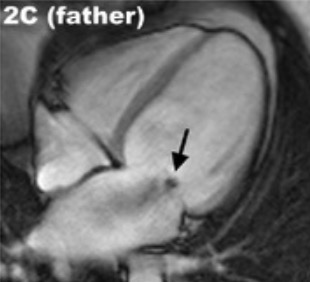
  • Resonancia magnética cardiaca: ayuda a determinar la extensión del daño miocárdico y la fibrosis Fibrosis Any pathological condition where fibrous connective tissue invades any organ, usually as a consequence of inflammation or other injury. Bronchiolitis Obliterans
  • Angiografía coronaria:
    • Ayuda a descartar EAC
    • Puede mostrar el VI dilatado, hipocinético, arterias coronarias normales y algún grado de regurgitación mitral
  • Biopsia endomiocárdica con examen histológico:
    • Se realiza en EN Erythema nodosum is an immune-mediated panniculitis (inflammation of the subcutaneous fat) caused by a type IV (delayed-type) hypersensitivity reaction. It commonly manifests in young women as tender, erythematous nodules on the shins. Erythema Nodosum casos seleccionados:
      • Causa incierta
      • IC IC Inhaled Anesthetics de inicio reciente con compromiso hemodinámico asociado, arritmias ventriculares, bloqueo auriculoventricular (AV) Mobitz tipo II, bloqueo AV de tercer grado o IC IC Inhaled Anesthetics refractaria a los LOS Neisseria tratamientos típicos
  • Obtener antecedentes familiares completos y pruebas genéticas si se sospecha de MCD familiar.

Tratamiento

Tratamiento

  • Medicamentos:
    • Inhibidores de la enzima convertidora de angiotensina/antagonistas del receptor Receptor Receptors are proteins located either on the surface of or within a cell that can bind to signaling molecules known as ligands (e.g., hormones) and cause some type of response within the cell. Receptors de angiotensina/inhibidores del receptor Receptor Receptors are proteins located either on the surface of or within a cell that can bind to signaling molecules known as ligands (e.g., hormones) and cause some type of response within the cell. Receptors de angiotensina-neprilisina (INRA): mejoran la función sistólica
    • Inhibidores de SGLT2 (p. ej., dapagliflozina, empagliflozina)
  • Anticoagulación oral (antagonistas de la vitamina K, e.g., warfarina) si:
    • FEVI < 35 %
    • Fibrilación auricular
    • Antecedentes de tromboembolia
    • Presencia de trombo en EN Erythema nodosum is an immune-mediated panniculitis (inflammation of the subcutaneous fat) caused by a type IV (delayed-type) hypersensitivity reaction. It commonly manifests in young women as tender, erythematous nodules on the shins. Erythema Nodosum el VI
  • Terapias con dispositivos (e.g., marcapasos o desfibrilador automático implantado) si:
    • FEVI < 35%
    • Arritmias u otros trastornos de la conducción
    • FEVI> 35% con antecedentes familiares de muerte cardíaca súbita o mutaciones genéticas (e.g., LMNA, por sus siglas en EN Erythema nodosum is an immune-mediated panniculitis (inflammation of the subcutaneous fat) caused by a type IV (delayed-type) hypersensitivity reaction. It commonly manifests in young women as tender, erythematous nodules on the shins. Erythema Nodosum inglés) asociadas con un alto riesgo de muerte súbita cardíaca
    • Considerar la terapia de resincronización cardíaca (TRC) en EN Erythema nodosum is an immune-mediated panniculitis (inflammation of the subcutaneous fat) caused by a type IV (delayed-type) hypersensitivity reaction. It commonly manifests in young women as tender, erythematous nodules on the shins. Erythema Nodosum pacientes seleccionados con QRS ancho
  • Trasplante cardíaco justificado en EN Erythema nodosum is an immune-mediated panniculitis (inflammation of the subcutaneous fat) caused by a type IV (delayed-type) hypersensitivity reaction. It commonly manifests in young women as tender, erythematous nodules on the shins. Erythema Nodosum casos graves

Complicaciones

  • Arritmias
  • Eventos tromboembólicos (e.g., embolia pulmonar o accidente cerebrovascular)
  • Muerte súbita cardíaca

Pronóstico

El pronóstico es generalmente malo para las personas con esta afección.

Diagnóstico Diferencial

  • Miocardiopatía restrictiva: una condición secundaria a la cicatrización y/o infiltración del músculo cardíaco (la causa más común es la amiloidosis) caracterizada por un endurecimiento de los LOS Neisseria ventrículos que ocasiona disfunción diastólica y una eventual IC IC Inhaled Anesthetics. La presentación incluye signos y síntomas de IC IC Inhaled Anesthetics. Se utilizan estudios similares a los LOS Neisseria de MCD para ayudar a determinar el diagnóstico. El tratamiento también es similar e incluye medicamentos y dispositivos implantables, como marcapasos y desfibriladores automáticos. Se puede necesitar un trasplante cardíaco cuando los LOS Neisseria síntomas se vuelven severos y ya no responden a los LOS Neisseria tratamientos. El pronóstico y la supervivencia son peores que con la MCD.
  • Miocardiopatía hipertrófica (MCH): las mutaciones genéticas afectan los LOS Neisseria componentes contráctiles del corazón (sarcómeros) y dan como resultado un engrosamiento asimétrico de la pared del VI, disfunción diastólica y obstrucción del tracto de salida del VI. Los LOS Neisseria pacientes pueden estar asintomáticos o sufrir muerte súbita cardíaca como 1er signo de enfermedad. Los LOS Neisseria individuos sintomáticos presentan disnea de esfuerzo, dolor Dolor Inflammation torácico, presíncope o síncope. El diagnóstico se realiza mediante ECG ECG An electrocardiogram (ECG) is a graphic representation of the electrical activity of the heart plotted against time. Adhesive electrodes are affixed to the skin surface allowing measurement of cardiac impulses from many angles. The ECG provides 3-dimensional information about the conduction system of the heart, the myocardium, and other cardiac structures. Electrocardiogram (ECG), ecocardiograma, prueba de esfuerzo y resonancia magnética cardíaca. El tratamiento incluye betabloqueadores como terapia de 1ra línea con tratamiento adicional dependiendo de la presencia de arritmias y obstrucción del tracto de salida del VI.
  • Miocardiopatía de Takotsubo: un tipo de miocardiopatía no isquémica que ocurre debido a un estrés psicológico o físico extremo; también conocida como miocardiopatía inducida por estrés o “síndrome del corazón roto”. La miocardiopatía de Takotsubo se caracteriza por una disfunción sistólica regional transitoria del VI. Los LOS Neisseria pacientes presentan síntomas de síndrome coronario agudo, que incluyen presión en EN Erythema nodosum is an immune-mediated panniculitis (inflammation of the subcutaneous fat) caused by a type IV (delayed-type) hypersensitivity reaction. It commonly manifests in young women as tender, erythematous nodules on the shins. Erythema Nodosum el pecho y dificultad para respirar, y un ECG ECG An electrocardiogram (ECG) is a graphic representation of the electrical activity of the heart plotted against time. Adhesive electrodes are affixed to the skin surface allowing measurement of cardiac impulses from many angles. The ECG provides 3-dimensional information about the conduction system of the heart, the myocardium, and other cardiac structures. Electrocardiogram (ECG) puede evidenciar la elevación del segmento ST. La angiografía coronaria puede ayudar a diferenciar esta condición de un IAM. Un ecocardiograma puede confirmar el diagnóstico al AL Amyloidosis demostrar anomalías características del movimiento de la pared apical. El tratamiento incluye la eliminación de los LOS Neisseria factores estresantes incitadores y los LOS Neisseria betabloqueadores.

Referencias

  1. Huizar, J. F., Ellenbogen, K. A., Tan, A. Y., & Kaszala, K. (2019). Arrhythmia-induced cardiomyopathy: JACC state-of-the-art review. JACC: Journal of the American College of Cardiology, 73(18), 2351–2364. https://doi.org/10.1016/j.jacc.2019.02.045 
  2. Badrinath, A., Bhatta, S., & Kloc, A. (2022). Persistent viral infections and their role in heart disease. Frontiers in Microbiology, 13, 1030440. https://doi.org/10.3389/fmicb.2022.1030440 
  3. Sahadeo, P. A.,et al. (2021). The best of both worlds: Eliminating creatine kinase-muscle/brain (CK-MB) testing in the emergency department leads to lower costs without missed clinical diagnoses. Cureus, 13(5), e15150. 10.7759/cureus.15150
  4. Bozkurt, B., et al. (2023). Neprilysin inhibitors in heart failure: The science, mechanism of action, clinical studies, and unanswered questions. JACC: Basic to Translational Science, 8(1), 88–105. https://doi.org/10.1016/j.jacbts.2022.05.010
  5. Hong, J., Huang, L., Jin, N., Zhao, X., & Hu, J. (2024). Effect of dapagliflozin on left ventricular structure and function in patients with non-ischemic dilated cardiomyopathy: An observational study. Medicine (Baltimore), 103(13), e37579.  10.1097/MD.0000000000037579
  6. Katsouras, C. S.,et al (2025). Current insights and challenges in the management of left ventricular thrombus. Trends in Cardiovascular Medicine. https://doi.org/10.1016/j.tcm.2025.09.006 
  7. Agrawal, A. (2025, September 11). Cardiac resynchronization therapy. Medscape eMedicine. Retrieved October 20, 2025, from https://emedicine.medscape.com/article/1839506-overview
  8. U.S. National Library of Medicine. (2024). Pulmonary embolus. MedlinePlus. Retrieved October 20, 2025, from https://medlineplus.gov/ency/article/000168.htm
  9. Schaufelberger M. (2019). Cardiomyopathy and pregnancy. Heart. 105:1543-1551. Retrieved October 20, 2025, from https://heart.bmj.com/content/105/20/1543.info
  10. Weigner, M. & Morgan, J. P. (2024). Causes of dilated cardiomyopathy. UpToDate. Retrieved October 20, 2025, from https://www.uptodate.com/contents/causes-of-dilated-cardiomyopathy 
  11. Cooper, L.T. (2025). Definition and classification of the cardiomyopathies. UpToDate. Retrieved October 20, 2025, from https://www.uptodate.com/contents/definition-and-classification-of-the-cardiomyopathies 
  12. Hershberger, R.E. (2023). Familial dilated cardiomyopathy: Prevalence, diagnosis, and treatment. UpToDate. Retrieved October 20, 2025, from https://www.uptodate.com/contents/familial-dilated-cardiomyopathy-prevalence-diagnosis-and-treatment

¡Crea tu cuenta gratis o inicia una sesión para seguir leyendo!

Regístrate ahora y obtén acceso gratuito a Lecturio con páginas de concepto, videos médicos y cuestionarios para tu educación médica.

User Reviews

Que tengas una sesión de estudio alegre y navideña 🎁 Ahorra 50% en todos los planes >>

Details