Domina Conceptos Médicos

Estudia para la escuela de medicina y tus examenes con Lecturio.

Leishmania/Leishmaniasis

Las especies de Leishmania Leishmania Leishmania species are obligate intracellular parasites that are transmitted by an infected sandfly. The disease is endemic to Asia, the Middle East, Africa, the Mediterranean, and South and Central America. Clinical presentation varies, dependent on the pathogenicity of the species and the host's immune response. Leishmania/Leishmaniasis son parásitos intracelulares obligatorios que se transmiten a través de un flebótomo infectado. La enfermedad es endémica en EN Erythema nodosum is an immune-mediated panniculitis (inflammation of the subcutaneous fat) caused by a type IV (delayed-type) hypersensitivity reaction. It commonly manifests in young women as tender, erythematous nodules on the shins. Erythema Nodosum Asia ASIA Spinal Cord Injuries, Oriente Medio, África, el Mediterráneo y América Central y del Sur. La presentación clínica varía dependiendo de la patogenicidad de la especie y de la respuesta inmunitaria del huésped. La forma más leve es la leishmaniasis Leishmaniasis Leishmania species are obligate intracellular parasites that are transmitted by an infected sandfly. The mildest form is cutaneous leishmaniasis (CL), characterized by painless skin ulcers. The mucocutaneous type involves more tissue destruction, causing deformities. Visceral leishmaniasis (VL), the most severe form, presents with hepatosplenomegaly, anemia, thrombocytopenia, and fever. Leishmania/Leishmaniasis cutánea, caracterizada por úlceras cutáneas indoloras. El tipo mucocutáneo implica una mayor destrucción de los LOS Neisseria tejidos, provocando deformidades. La leishmaniasis Leishmaniasis Leishmania species are obligate intracellular parasites that are transmitted by an infected sandfly. The mildest form is cutaneous leishmaniasis (CL), characterized by painless skin ulcers. The mucocutaneous type involves more tissue destruction, causing deformities. Visceral leishmaniasis (VL), the most severe form, presents with hepatosplenomegaly, anemia, thrombocytopenia, and fever. Leishmania/Leishmaniasis visceral, la forma más grave, se presenta con hepatoesplenomegalia, anemia Anemia Anemia is a condition in which individuals have low Hb levels, which can arise from various causes. Anemia is accompanied by a reduced number of RBCs and may manifest with fatigue, shortness of breath, pallor, and weakness. Subtypes are classified by the size of RBCs, chronicity, and etiology. Anemia: Overview and Types, trombocitopenia y fiebre. El tratamiento se basa en EN Erythema nodosum is an immune-mediated panniculitis (inflammation of the subcutaneous fat) caused by a type IV (delayed-type) hypersensitivity reaction. It commonly manifests in young women as tender, erythematous nodules on the shins. Erythema Nodosum la gravedad clínica y el estado inmunitario del paciente. Algunas lesiones cutáneas se resuelven espontáneamente o requieren una terapia local. La anfotericina B liposomal es el tratamiento sistémico de primera línea preferido para la leishmaniasis Leishmaniasis Leishmania species are obligate intracellular parasites that are transmitted by an infected sandfly. The mildest form is cutaneous leishmaniasis (CL), characterized by painless skin ulcers. The mucocutaneous type involves more tissue destruction, causing deformities. Visceral leishmaniasis (VL), the most severe form, presents with hepatosplenomegaly, anemia, thrombocytopenia, and fever. Leishmania/Leishmaniasis visceral en EN Erythema nodosum is an immune-mediated panniculitis (inflammation of the subcutaneous fat) caused by a type IV (delayed-type) hypersensitivity reaction. It commonly manifests in young women as tender, erythematous nodules on the shins. Erythema Nodosum muchas regiones; otras opciones dependen de la geografía y la especie.

Last updated: Dec 15, 2025

Editorial responsibility: Stanley Oiseth, Lindsay Jones, Evelin Maza

Características Generales

Leishmania Leishmania Leishmania species are obligate intracellular parasites that are transmitted by an infected sandfly. The disease is endemic to Asia, the Middle East, Africa, the Mediterranean, and South and Central America. Clinical presentation varies, dependent on the pathogenicity of the species and the host’s immune response. Leishmania/Leishmaniasis spp.

  • Estructura:
    • Unicelular, con cuerpo delgado y flagelo polar (dependiendo de la forma)
    • Especies morfológicamente similares, con características moleculares diferentes
  • 2 formas:
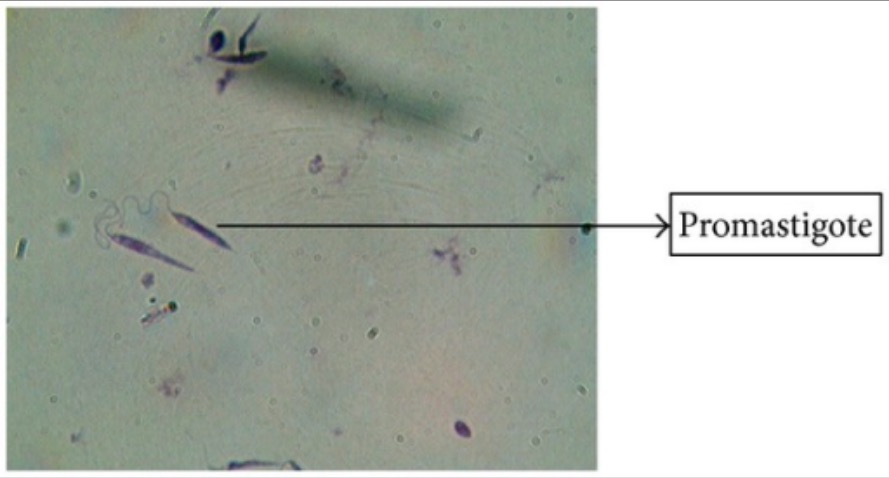
    • Promastigote Promastigote Extracellular flagellate organism in the phlebotomine sandfly Leishmania/Leishmaniasis: organismo flagelado extracelular dentro del flebótomo
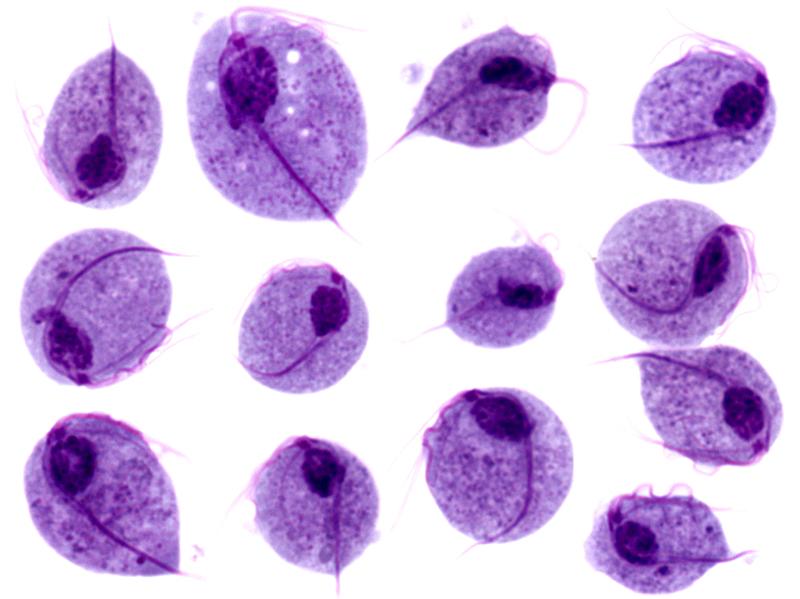
    • Amastigote Amastigote Obligate intracellular non-flagellate ovoid organism in human or animal host Leishmania/Leishmaniasis: organismo ovoide intracelular obligatorio no flagelado en EN Erythema nodosum is an immune-mediated panniculitis (inflammation of the subcutaneous fat) caused by a type IV (delayed-type) hypersensitivity reaction. It commonly manifests in young women as tender, erythematous nodules on the shins. Erythema Nodosum el huésped humano o animal
  • Enfermedades asociadas:
    • Leishmaniasis Leishmaniasis Leishmania species are obligate intracellular parasites that are transmitted by an infected sandfly. The mildest form is cutaneous leishmaniasis (CL), characterized by painless skin ulcers. The mucocutaneous type involves more tissue destruction, causing deformities. Visceral leishmaniasis (VL), the most severe form, presents with hepatosplenomegaly, anemia, thrombocytopenia, and fever. Leishmania/Leishmaniasis cutánea, también llamada:
      • Llaga oriental
      • Úlcera del Chiclero
      • Hervor de Bagdad
    • Leishmaniasis Leishmaniasis Leishmania species are obligate intracellular parasites that are transmitted by an infected sandfly. The mildest form is cutaneous leishmaniasis (CL), characterized by painless skin ulcers. The mucocutaneous type involves more tissue destruction, causing deformities. Visceral leishmaniasis (VL), the most severe form, presents with hepatosplenomegaly, anemia, thrombocytopenia, and fever. Leishmania/Leishmaniasis mucocutánea o mucosa (también llamada espundia)
    • Leishmaniasis visceral (también llamada kala-azar o “fiebre negra”)

Especies clínicamente relevantes

  • Leishmania donovani Leishmania donovani A parasitic hemoflagellate of the subgenus Leishmania Leishmania that infects man and animals and causes visceral leishmaniasis. The sandfly genera phlebotomus and lutzomyia are the vectors. Leishmania/Leishmaniasis (L. donovani), L. infantum L. infantum A parasitic hemoflagellate of the subgenus Leishmania Leishmania that infects man and animals and causes visceral leishmaniasis. Human infections are confined almost entirely to children. This parasite is commonly seen in dogs, other canidae, and porcupines with humans considered only an accidental host. Transmission is by phlebotomus sandflies. Leishmania/Leishmaniasis ( leishmaniasis Leishmaniasis Leishmania species are obligate intracellular parasites that are transmitted by an infected sandfly. The mildest form is cutaneous leishmaniasis (CL), characterized by painless skin ulcers. The mucocutaneous type involves more tissue destruction, causing deformities. Visceral leishmaniasis (VL), the most severe form, presents with hepatosplenomegaly, anemia, thrombocytopenia, and fever. Leishmania/Leishmaniasis visceral)
  • L. tropica L. tropica A parasitic hemoflagellate of the subgenus Leishmania Leishmania that infects man and rodents. This taxonomic complex includes species which cause a disease called oriental sore which is a form of cutaneous leishmaniasis of the old world. Leishmania/Leishmaniasis, L. major L. major A parasitic hemoflagellate of the subgenus Leishmania Leishmania that infects man and animals and causes cutaneous leishmaniasis of the old world. Transmission is by phlebotomus sandflies. Leishmania/Leishmaniasis ( leishmaniasis Leishmaniasis Leishmania species are obligate intracellular parasites that are transmitted by an infected sandfly. The mildest form is cutaneous leishmaniasis (CL), characterized by painless skin ulcers. The mucocutaneous type involves more tissue destruction, causing deformities. Visceral leishmaniasis (VL), the most severe form, presents with hepatosplenomegaly, anemia, thrombocytopenia, and fever. Leishmania/Leishmaniasis cutánea del Viejo Mundo)
  • L. aethiopica ( leishmaniasis Leishmaniasis Leishmania species are obligate intracellular parasites that are transmitted by an infected sandfly. The mildest form is cutaneous leishmaniasis (CL), characterized by painless skin ulcers. The mucocutaneous type involves more tissue destruction, causing deformities. Visceral leishmaniasis (VL), the most severe form, presents with hepatosplenomegaly, anemia, thrombocytopenia, and fever. Leishmania/Leishmaniasis cutánea del Viejo Mundo)
  • L. mexicana L. mexicana A parasitic hemoflagellate of the subgenus Leishmania Leishmania that infects man and animals including rodents. The Leishmania mexicana complex causes both cutaneous and diffuse cutaneous leishmaniasis and includes the subspecies amazonensis, garnhami, mexicana, pifanoi, and venezuelensis. L. M. Mexicana causes chiclero ulcer, a form of cutaneous leishmaniasis in the new world. The sandfly, lutzomyia, appears to be the vector. Leishmania/Leishmaniasis ( leishmaniasis Leishmaniasis Leishmania species are obligate intracellular parasites that are transmitted by an infected sandfly. The mildest form is cutaneous leishmaniasis (CL), characterized by painless skin ulcers. The mucocutaneous type involves more tissue destruction, causing deformities. Visceral leishmaniasis (VL), the most severe form, presents with hepatosplenomegaly, anemia, thrombocytopenia, and fever. Leishmania/Leishmaniasis cutánea del Nuevo Mundo)
  • L. braziliensis L. braziliensis A parasitic hemoflagellate of the subgenus Leishmania viannia that infects man and animals. It causes cutaneous, diffuse cutaneous, and mucocutaneous leishmaniasis depending on the subspecies of this organism. The sandfly, lutzomyia, is the vector. The Leishmania braziliensis complex includes the subspecies braziliensis and peruviana. Uta, a form of cutaneous leishmaniasis in the new world, is caused by the subspecies peruviana. Leishmania/Leishmaniasis, L. panamensis L. panamensis Leishmania/Leishmaniasis y L. peruviana L. peruviana Leishmania/Leishmaniasis ( leishmaniasis Leishmaniasis Leishmania species are obligate intracellular parasites that are transmitted by an infected sandfly. The mildest form is cutaneous leishmaniasis (CL), characterized by painless skin ulcers. The mucocutaneous type involves more tissue destruction, causing deformities. Visceral leishmaniasis (VL), the most severe form, presents with hepatosplenomegaly, anemia, thrombocytopenia, and fever. Leishmania/Leishmaniasis mucocutánea)

Epidemiología

  • Casos nuevos anuales estimados (OMS): 600.000-1.000.000 de leishmaniasis Leishmaniasis Leishmania species are obligate intracellular parasites that are transmitted by an infected sandfly. The mildest form is cutaneous leishmaniasis (CL), characterized by painless skin ulcers. The mucocutaneous type involves more tissue destruction, causing deformities. Visceral leishmaniasis (VL), the most severe form, presents with hepatosplenomegaly, anemia, thrombocytopenia, and fever. Leishmania/Leishmaniasis cutánea y 50.000-90.000 de leishmaniasis Leishmaniasis Leishmania species are obligate intracellular parasites that are transmitted by an infected sandfly. The mildest form is cutaneous leishmaniasis (CL), characterized by painless skin ulcers. The mucocutaneous type involves more tissue destruction, causing deformities. Visceral leishmaniasis (VL), the most severe form, presents with hepatosplenomegaly, anemia, thrombocytopenia, and fever. Leishmania/Leishmaniasis visceral
  • Zonas geográficas afectadas:
    • Leishmaniasis Leishmaniasis Leishmania species are obligate intracellular parasites that are transmitted by an infected sandfly. The mildest form is cutaneous leishmaniasis (CL), characterized by painless skin ulcers. The mucocutaneous type involves more tissue destruction, causing deformities. Visceral leishmaniasis (VL), the most severe form, presents with hepatosplenomegaly, anemia, thrombocytopenia, and fever. Leishmania/Leishmaniasis del Viejo Mundo:
      • Especies que se encuentran en EN Erythema nodosum is an immune-mediated panniculitis (inflammation of the subcutaneous fat) caused by a type IV (delayed-type) hypersensitivity reaction. It commonly manifests in young women as tender, erythematous nodules on the shins. Erythema Nodosum África, Asia ASIA Spinal Cord Injuries y Europa
      • Asociadas a una enfermedad cutánea o visceral
    • Leishmaniasis Leishmaniasis Leishmania species are obligate intracellular parasites that are transmitted by an infected sandfly. The mildest form is cutaneous leishmaniasis (CL), characterized by painless skin ulcers. The mucocutaneous type involves more tissue destruction, causing deformities. Visceral leishmaniasis (VL), the most severe form, presents with hepatosplenomegaly, anemia, thrombocytopenia, and fever. Leishmania/Leishmaniasis del Nuevo Mundo:
      • Especies que se encuentran en EN Erythema nodosum is an immune-mediated panniculitis (inflammation of the subcutaneous fat) caused by a type IV (delayed-type) hypersensitivity reaction. It commonly manifests in young women as tender, erythematous nodules on the shins. Erythema Nodosum el continente americano (sobre todo en EN Erythema nodosum is an immune-mediated panniculitis (inflammation of the subcutaneous fat) caused by a type IV (delayed-type) hypersensitivity reaction. It commonly manifests in young women as tender, erythematous nodules on the shins. Erythema Nodosum América Central y del Sur)
      • Asociadas a enfermedades cutáneas, mucocutáneas y viscerales

Patogénesis

Reservorios y transmisión

  • Reservorios: mamíferos (e.g., perros, roedores y zorros)
  • Transmisión:
    • Picadura por un flebótomo infectado (vector):
      • Antroponótica (de humanos infectados a humanos sanos)
      • Zoonótica (del reservorio animal infectado a los LOS Neisseria humanos sanos)
    • La transmisión de persona a persona también puede producirse a través de agujas infectadas compartidas.

Fisiopatología

En EN Erythema nodosum is an immune-mediated panniculitis (inflammation of the subcutaneous fat) caused by a type IV (delayed-type) hypersensitivity reaction. It commonly manifests in young women as tender, erythematous nodules on the shins. Erythema Nodosum el flebótomo:

  • Los LOS Neisseria flebótomos nocturnos adquieren amastigotes de un huésped zoonótico.
  • En EN Erythema nodosum is an immune-mediated panniculitis (inflammation of the subcutaneous fat) caused by a type IV (delayed-type) hypersensitivity reaction. It commonly manifests in young women as tender, erythematous nodules on the shins. Erythema Nodosum el intestino, los LOS Neisseria amastigotes se convierten en EN Erythema nodosum is an immune-mediated panniculitis (inflammation of the subcutaneous fat) caused by a type IV (delayed-type) hypersensitivity reaction. It commonly manifests in young women as tender, erythematous nodules on the shins. Erythema Nodosum promastigotes flagelados y se replican.
  • Los LOS Neisseria promastigotes eventualmente migran a la probóscide.
  • Cuando el flebótomo pica Pica Pica is an eating disorder characterized by a desire or recurrent compulsion to eat substances that are nonnutritive and not food. These compulsions and ingested substances are inappropriate for age or culture. Pica a un humano, los LOS Neisseria promastigotes se inyectan en EN Erythema nodosum is an immune-mediated panniculitis (inflammation of the subcutaneous fat) caused by a type IV (delayed-type) hypersensitivity reaction. It commonly manifests in young women as tender, erythematous nodules on the shins. Erythema Nodosum la piel.

En EN Erythema nodosum is an immune-mediated panniculitis (inflammation of the subcutaneous fat) caused by a type IV (delayed-type) hypersensitivity reaction. It commonly manifests in young women as tender, erythematous nodules on the shins. Erythema Nodosum los LOS Neisseria humanos:
  • Promastigotes:
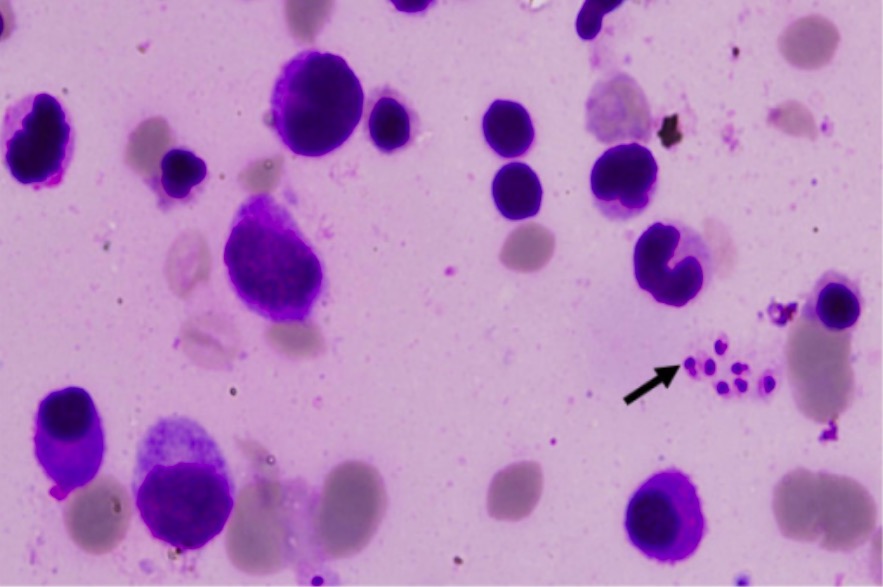
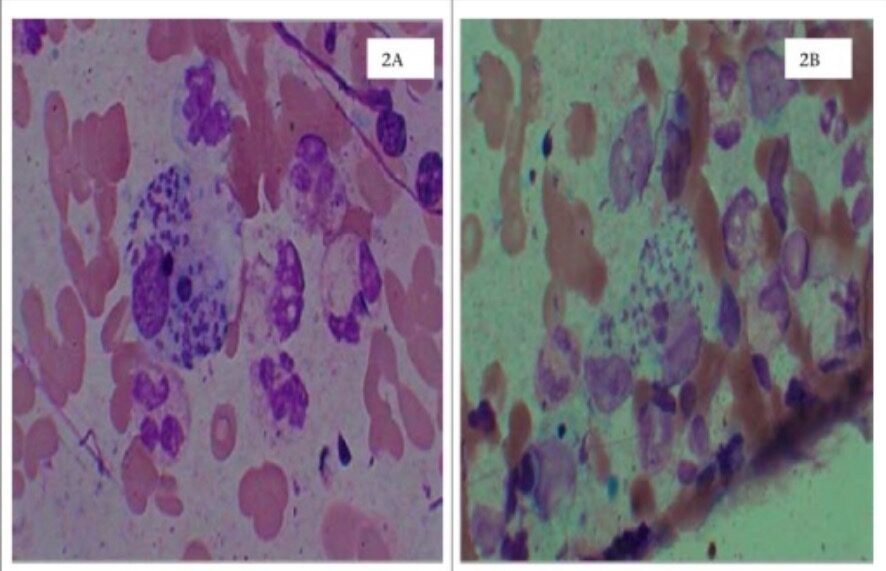
  • Los LOS Neisseria amastigotes se multiplican dentro del fagolisosoma, que se ve VE Ventilation: Mechanics of Breathing en EN Erythema nodosum is an immune-mediated panniculitis (inflammation of the subcutaneous fat) caused by a type IV (delayed-type) hypersensitivity reaction. It commonly manifests in young women as tender, erythematous nodules on the shins. Erythema Nodosum los LOS Neisseria frotis como una forma distintiva: cuerpos de Leishman-Donovan.
  • Evasión y supervivencia facilitada por:
    • Lipofosfoglicano de superficie (↓ fijación del complemento, ↑ inactivación del complemento)
    • Fosfatasa ácida de membrana: ↓ explosión oxidativa de los LOS Neisseria macrófagos y enzimas lisosomales
    • Supresión de los LOS Neisseria linfocitos T colaboradores CD4+
  • La multiplicación de los LOS Neisseria amastigotes conduce a la ruptura celular:
    • Diseminación de los LOS Neisseria organismos a otras células
    • Permitiendo que el organismo sea posiblemente ingerido mientras se alimenta el flebótomo

Proceso patológico

  • Depende de la patogenicidad de la especie y de la respuesta inmunitaria del huésped
  • Leishmaniasis Leishmaniasis Leishmania species are obligate intracellular parasites that are transmitted by an infected sandfly. The mildest form is cutaneous leishmaniasis (CL), characterized by painless skin ulcers. The mucocutaneous type involves more tissue destruction, causing deformities. Visceral leishmaniasis (VL), the most severe form, presents with hepatosplenomegaly, anemia, thrombocytopenia, and fever. Leishmania/Leishmaniasis cutánea localizada:
    • Las especies provocan una respuesta inmunitaria celular adecuada (linfocitos T CD4+) que conduce a la liberación de óxido nítrico tóxico por parte de los LOS Neisseria macrófagos, reduciendo los LOS Neisseria parásitos.
    • La enfermedad conduce a una eventual curación espontánea con la desaparición de las lesiones.
  • Leishmaniasis Leishmaniasis Leishmania species are obligate intracellular parasites that are transmitted by an infected sandfly. The mildest form is cutaneous leishmaniasis (CL), characterized by painless skin ulcers. The mucocutaneous type involves more tissue destruction, causing deformities. Visceral leishmaniasis (VL), the most severe form, presents with hepatosplenomegaly, anemia, thrombocytopenia, and fever. Leishmania/Leishmaniasis mucocutánea o mucosa:
    • Secuencia cutánea similar a la de la leishmaniasis Leishmaniasis Leishmania species are obligate intracellular parasites that are transmitted by an infected sandfly. The mildest form is cutaneous leishmaniasis (CL), characterized by painless skin ulcers. The mucocutaneous type involves more tissue destruction, causing deformities. Visceral leishmaniasis (VL), the most severe form, presents with hepatosplenomegaly, anemia, thrombocytopenia, and fever. Leishmania/Leishmaniasis cutánea, pero seguida de lesiones secundarias después de semanas o meses
    • Se observa destrucción tisular, especialmente en EN Erythema nodosum is an immune-mediated panniculitis (inflammation of the subcutaneous fat) caused by a type IV (delayed-type) hypersensitivity reaction. It commonly manifests in young women as tender, erythematous nodules on the shins. Erythema Nodosum las estructuras nasofaríngeas
  • Leishmaniasis Leishmaniasis Leishmania species are obligate intracellular parasites that are transmitted by an infected sandfly. The mildest form is cutaneous leishmaniasis (CL), characterized by painless skin ulcers. The mucocutaneous type involves more tissue destruction, causing deformities. Visceral leishmaniasis (VL), the most severe form, presents with hepatosplenomegaly, anemia, thrombocytopenia, and fever. Leishmania/Leishmaniasis visceral:
    • Otras cepas no consiguen provocar una respuesta inmunitaria celular, lo que da lugar a una infección diseminada.
    • Diseminación desde el torrente sanguíneo hacia las células reticuloendoteliales: hígado, bazo, médula ósea y ganglios linfáticos
Ciclo de vida de la leishmaniosis

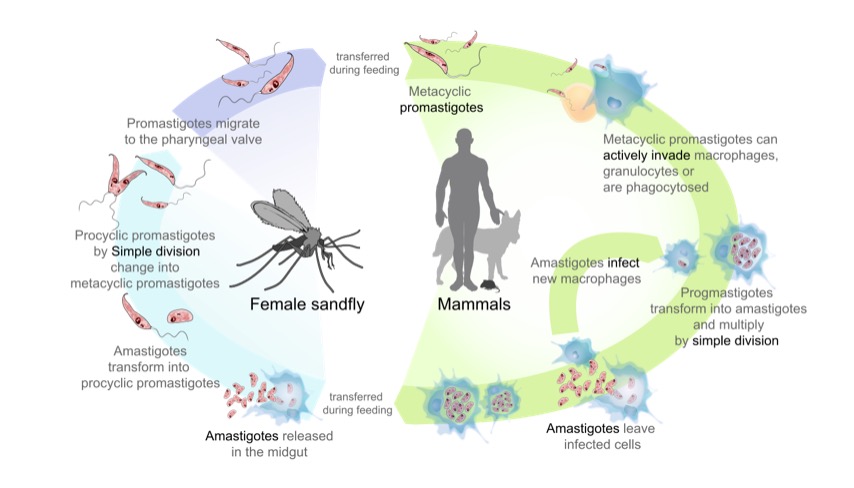
Ciclo de vida de los parásitos del género Leishmania, causantes de la enfermedad de la leishmaniasis:

En el lado izquierdo (empezando por abajo): el flebótomo adquiere amastigotes de un mamífero infectado. Los amastigotes se transforman en promastigotes extracelulares que se multiplican en el intestino medio. Finalmente, los promastigotes migran a la probóscide del flebótomo, listos para ser transferidos a un huésped cuando el flebótomo pique.
En el lado derecho (empezando por arriba): los promastigotes se transfieren a los mamíferos y son fagocitados por los macrófagos. En la célula, los promastigotes se transforman en amastigotes y se multiplican. La célula afectada se rompe y los amastigotes se propagan para infectar otras células.
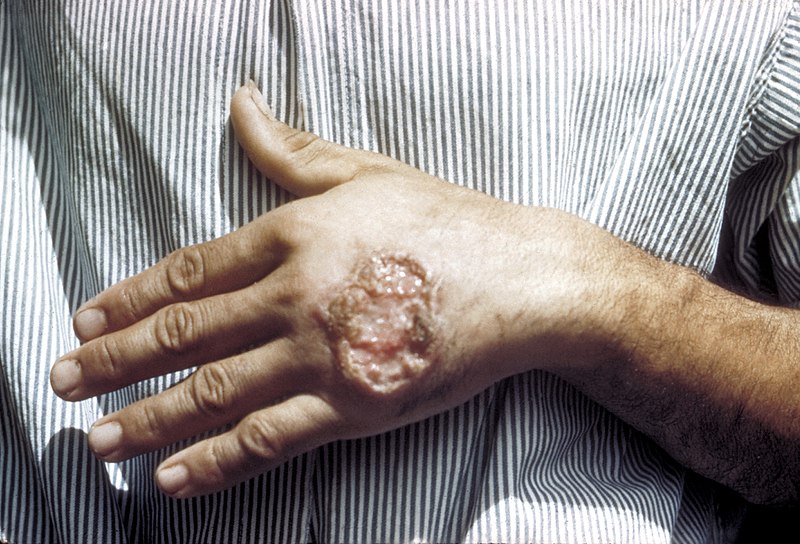
Imagen: “Leishmaniasis life cycle diagram” por Mariana Ruiz Villarreal. Licencia: Dominio Público

Presentación Clínica

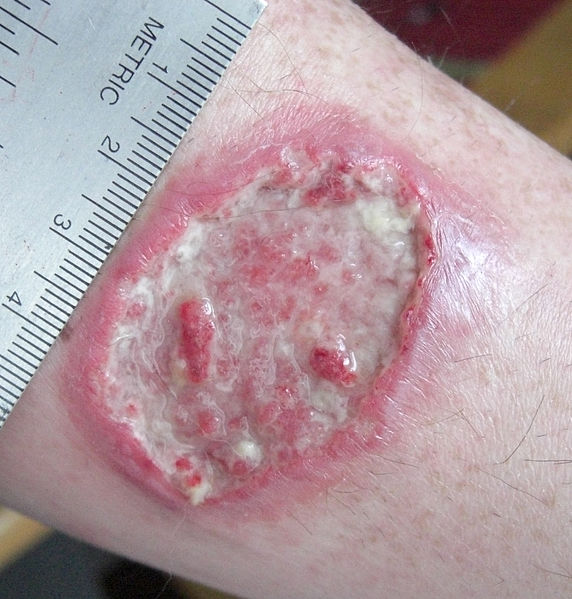
Leishmaniasis Leishmaniasis Leishmania species are obligate intracellular parasites that are transmitted by an infected sandfly. The mildest form is cutaneous leishmaniasis (CL), characterized by painless skin ulcers. The mucocutaneous type involves more tissue destruction, causing deformities. Visceral leishmaniasis (VL), the most severe form, presents with hepatosplenomegaly, anemia, thrombocytopenia, and fever. Leishmania/Leishmaniasis cutánea

  • Cepas causantes:
    • L. tropica L. tropica A parasitic hemoflagellate of the subgenus Leishmania Leishmania that infects man and rodents. This taxonomic complex includes species which cause a disease called oriental sore which is a form of cutaneous leishmaniasis of the old world. Leishmania/Leishmaniasis
    • L. mexicana L. mexicana A parasitic hemoflagellate of the subgenus Leishmania Leishmania that infects man and animals including rodents. The Leishmania mexicana complex causes both cutaneous and diffuse cutaneous leishmaniasis and includes the subspecies amazonensis, garnhami, mexicana, pifanoi, and venezuelensis. L. M. Mexicana causes chiclero ulcer, a form of cutaneous leishmaniasis in the new world. The sandfly, lutzomyia, appears to be the vector. Leishmania/Leishmaniasis
    • L. major L. major A parasitic hemoflagellate of the subgenus Leishmania Leishmania that infects man and animals and causes cutaneous leishmaniasis of the old world. Transmission is by phlebotomus sandflies. Leishmania/Leishmaniasis
  • Periodo de incubación: de semanas a meses
  • Espectro de la enfermedad cutánea:
    • Leishmaniasis Leishmaniasis Leishmania species are obligate intracellular parasites that are transmitted by an infected sandfly. The mildest form is cutaneous leishmaniasis (CL), characterized by painless skin ulcers. The mucocutaneous type involves more tissue destruction, causing deformities. Visceral leishmaniasis (VL), the most severe form, presents with hepatosplenomegaly, anemia, thrombocytopenia, and fever. Leishmania/Leishmaniasis cutánea localizada:
      • El tipo más común
      • Una o varias pápulas rosadas e indoloras en EN Erythema nodosum is an immune-mediated panniculitis (inflammation of the subcutaneous fat) caused by a type IV (delayed-type) hypersensitivity reaction. It commonly manifests in young women as tender, erythematous nodules on the shins. Erythema Nodosum el lugar de la picadura
      • Afecta a las zonas expuestas
      • Las lesiones se agrandan y se ulceran centralmente, se cubren con una escara hiperqueratósica o con material fibrinoso blanco.
      • Puede tener lesiones satelitales
      • A menudo se curan dejando una cicatriz despigmentada después de varios meses
    • Leishmaniasis Leishmaniasis Leishmania species are obligate intracellular parasites that are transmitted by an infected sandfly. The mildest form is cutaneous leishmaniasis (CL), characterized by painless skin ulcers. The mucocutaneous type involves more tissue destruction, causing deformities. Visceral leishmaniasis (VL), the most severe form, presents with hepatosplenomegaly, anemia, thrombocytopenia, and fever. Leishmania/Leishmaniasis recidivante:
      • Asociado a L. tropica L. tropica A parasitic hemoflagellate of the subgenus Leishmania Leishmania that infects man and rodents. This taxonomic complex includes species which cause a disease called oriental sore which is a form of cutaneous leishmaniasis of the old world. Leishmania/Leishmaniasis
      • Las pápulas se desarrollan alrededor de la cicatriz de una lesión primaria previamente curada.
      • Pueden aparecer tras un traumatismo en EN Erythema nodosum is an immune-mediated panniculitis (inflammation of the subcutaneous fat) caused by a type IV (delayed-type) hypersensitivity reaction. It commonly manifests in young women as tender, erythematous nodules on the shins. Erythema Nodosum la misma lesión curada muchos años después
    • Leishmaniasis Leishmaniasis Leishmania species are obligate intracellular parasites that are transmitted by an infected sandfly. The mildest form is cutaneous leishmaniasis (CL), characterized by painless skin ulcers. The mucocutaneous type involves more tissue destruction, causing deformities. Visceral leishmaniasis (VL), the most severe form, presents with hepatosplenomegaly, anemia, thrombocytopenia, and fever. Leishmania/Leishmaniasis cutánea difusa:
      • Se desarrolla una lesión localizada, pero no hay ulceración
      • Los LOS Neisseria amastigotes se extienden a otras zonas de la piel, dando lugar a nódulos o placas.
      • Afectan la cara y las superficies extensoras de las extremidades, incluso a todo el cuerpo
      • Los LOS Neisseria pacientes en EN Erythema nodosum is an immune-mediated panniculitis (inflammation of the subcutaneous fat) caused by a type IV (delayed-type) hypersensitivity reaction. It commonly manifests in young women as tender, erythematous nodules on the shins. Erythema Nodosum riesgo tienen un defecto en EN Erythema nodosum is an immune-mediated panniculitis (inflammation of the subcutaneous fat) caused by a type IV (delayed-type) hypersensitivity reaction. It commonly manifests in young women as tender, erythematous nodules on the shins. Erythema Nodosum la respuesta inmune celular (la biopsia muestra una mínima reacción linfocítica).

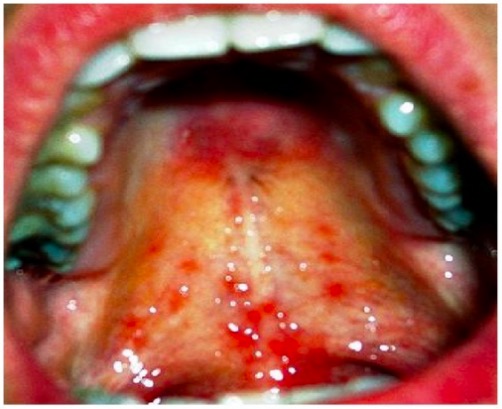
Leishmaniasis Leishmaniasis Leishmania species are obligate intracellular parasites that are transmitted by an infected sandfly. The mildest form is cutaneous leishmaniasis (CL), characterized by painless skin ulcers. The mucocutaneous type involves more tissue destruction, causing deformities. Visceral leishmaniasis (VL), the most severe form, presents with hepatosplenomegaly, anemia, thrombocytopenia, and fever. Leishmania/Leishmaniasis mucocutánea

  • Cepas causantes:
    • L. braziliensis L. braziliensis A parasitic hemoflagellate of the subgenus Leishmania viannia that infects man and animals. It causes cutaneous, diffuse cutaneous, and mucocutaneous leishmaniasis depending on the subspecies of this organism. The sandfly, lutzomyia, is the vector. The Leishmania braziliensis complex includes the subspecies braziliensis and peruviana. Uta, a form of cutaneous leishmaniasis in the new world, is caused by the subspecies peruviana. Leishmania/Leishmaniasis
    • L. panamensis L. panamensis Leishmania/Leishmaniasis
    • L. peruviana L. peruviana Leishmania/Leishmaniasis
  • Periodo de incubación: semanas
  • Signos y síntomas:
    • Las lesiones pueden ser únicas o múltiples.
    • Lesiones dolorosas destructivas de la mucosa que afectan a los LOS Neisseria tejidos de la mucosa nasofaríngea y palatina (ocasionalmente, al AL Amyloidosis periné).
    • Pueden destruir completamente el tabique nasal
    • Se presentan con secreciones mucosas, deformidades y dolor Dolor Inflammation

Leishmaniasis Leishmaniasis Leishmania species are obligate intracellular parasites that are transmitted by an infected sandfly. The mildest form is cutaneous leishmaniasis (CL), characterized by painless skin ulcers. The mucocutaneous type involves more tissue destruction, causing deformities. Visceral leishmaniasis (VL), the most severe form, presents with hepatosplenomegaly, anemia, thrombocytopenia, and fever. Leishmania/Leishmaniasis visceral

  • Cepas causantes:
    • L. donovani
    • L. infantum L. infantum A parasitic hemoflagellate of the subgenus Leishmania Leishmania that infects man and animals and causes visceral leishmaniasis. Human infections are confined almost entirely to children. This parasite is commonly seen in dogs, other canidae, and porcupines with humans considered only an accidental host. Transmission is by phlebotomus sandflies. Leishmania/Leishmaniasis
  • Periodo de incubación: 2–6 meses (pero puede llegar hasta los LOS Neisseria 24 meses)
  • Signos y síntomas:
    • La diseminación se produce desde la lesión inicial hacia las células reticuloendoteliales, incluyendo el bazo, el hígado, los LOS Neisseria ganglios linfáticos y la médula ósea.
    • Síntomas sistémicos:
      • Fiebre y escalofríos
      • Anorexia Anorexia The lack or loss of appetite accompanied by an aversion to food and the inability to eat. It is the defining characteristic of the disorder anorexia nervosa. Anorexia Nervosa
      • Pérdida de peso
    • Hiperpigmentación de la piel
    • Linfadenopatía
    • Malestar abdominal (secundario a la hepatoesplenomegalia)
    • Palidez (secundaria a la anemia Anemia Anemia is a condition in which individuals have low Hb levels, which can arise from various causes. Anemia is accompanied by a reduced number of RBCs and may manifest with fatigue, shortness of breath, pallor, and weakness. Subtypes are classified by the size of RBCs, chronicity, and etiology. Anemia: Overview and Types producida por el secuestro esplénico o la supresión de la médula ósea)
    • Erupción petequial y hemorragia (por trombocitopenia y/o pancitopenia por la disfunción de la médula ósea)
    • En EN Erythema nodosum is an immune-mediated panniculitis (inflammation of the subcutaneous fat) caused by a type IV (delayed-type) hypersensitivity reaction. It commonly manifests in young women as tender, erythematous nodules on the shins. Erythema Nodosum la enfermedad avanzada: ascitis y edema Edema Edema is a condition in which excess serous fluid accumulates in the body cavity or interstitial space of connective tissues. Edema is a symptom observed in several medical conditions. It can be categorized into 2 types, namely, peripheral (in the extremities) and internal (in an organ or body cavity). Edema (por hipoalbuminemia)
    • Leishmaniasis Leishmaniasis Leishmania species are obligate intracellular parasites that are transmitted by an infected sandfly. The mildest form is cutaneous leishmaniasis (CL), characterized by painless skin ulcers. The mucocutaneous type involves more tissue destruction, causing deformities. Visceral leishmaniasis (VL), the most severe form, presents with hepatosplenomegaly, anemia, thrombocytopenia, and fever. Leishmania/Leishmaniasis dérmica post-Kala-Azar:
      • En EN Erythema nodosum is an immune-mediated panniculitis (inflammation of the subcutaneous fat) caused by a type IV (delayed-type) hypersensitivity reaction. It commonly manifests in young women as tender, erythematous nodules on the shins. Erythema Nodosum la India, Sudán y otros países del este de África, algunos desarrollan lesiones cutáneas durante la leishmaniasis Leishmaniasis Leishmania species are obligate intracellular parasites that are transmitted by an infected sandfly. The mildest form is cutaneous leishmaniasis (CL), characterized by painless skin ulcers. The mucocutaneous type involves more tissue destruction, causing deformities. Visceral leishmaniasis (VL), the most severe form, presents with hepatosplenomegaly, anemia, thrombocytopenia, and fever. Leishmania/Leishmaniasis visceral o después del tratamiento de la misma.
      • Se presenta con máculas hipopigmentadas, pápulas o nódulos; con posible infiltración de la piel y la mucosa oral

Diagnóstico

Herramientas generales para el diagnóstico

  • Se basa principalmente en EN Erythema nodosum is an immune-mediated panniculitis (inflammation of the subcutaneous fat) caused by a type IV (delayed-type) hypersensitivity reaction. It commonly manifests in young women as tender, erythematous nodules on the shins. Erythema Nodosum los LOS Neisseria antecedentes (incluidos los LOS Neisseria viajes) y los LOS Neisseria hallazgos clínicos
  • Muestras:
    • Leishmaniasis Leishmaniasis Leishmania species are obligate intracellular parasites that are transmitted by an infected sandfly. The mildest form is cutaneous leishmaniasis (CL), characterized by painless skin ulcers. The mucocutaneous type involves more tissue destruction, causing deformities. Visceral leishmaniasis (VL), the most severe form, presents with hepatosplenomegaly, anemia, thrombocytopenia, and fever. Leishmania/Leishmaniasis cutánea: aspirado, raspado o biopsia de la lesión cutánea
    • Leishmaniasis Leishmaniasis Leishmania species are obligate intracellular parasites that are transmitted by an infected sandfly. The mildest form is cutaneous leishmaniasis (CL), characterized by painless skin ulcers. The mucocutaneous type involves more tissue destruction, causing deformities. Visceral leishmaniasis (VL), the most severe form, presents with hepatosplenomegaly, anemia, thrombocytopenia, and fever. Leishmania/Leishmaniasis mucocutánea: biopsia de la mucosa, raspado dental
    • Leishmaniasis Leishmaniasis Leishmania species are obligate intracellular parasites that are transmitted by an infected sandfly. The mildest form is cutaneous leishmaniasis (CL), characterized by painless skin ulcers. The mucocutaneous type involves more tissue destruction, causing deformities. Visceral leishmaniasis (VL), the most severe form, presents with hepatosplenomegaly, anemia, thrombocytopenia, and fever. Leishmania/Leishmaniasis visceral: aspirados de médula ósea, hígado, ganglios linfáticos o bazo
  • Pruebas:
    • Examen histopatológico de la muestra:
      • Uso de tinciones de Giemsa, Leishman o Wright
      • Visualización de amastigotes o cuerpos de Leishman-Donovan (organismos redondos con núcleo, citoplasma y cinetoplasto en EN Erythema nodosum is an immune-mediated panniculitis (inflammation of the subcutaneous fat) caused by a type IV (delayed-type) hypersensitivity reaction. It commonly manifests in young women as tender, erythematous nodules on the shins. Erythema Nodosum forma de varilla)
    • Cultivo de los LOS Neisseria tejidos aspirados (resultados en EN Erythema nodosum is an immune-mediated panniculitis (inflammation of the subcutaneous fat) caused by a type IV (delayed-type) hypersensitivity reaction. It commonly manifests in young women as tender, erythematous nodules on the shins. Erythema Nodosum 1–3 semanas)
    • Pruebas moleculares (requiere de laboratorios especializados): reacción en EN Erythema nodosum is an immune-mediated panniculitis (inflammation of the subcutaneous fat) caused by a type IV (delayed-type) hypersensitivity reaction. It commonly manifests in young women as tender, erythematous nodules on the shins. Erythema Nodosum cadena de la polimerasa ( PCR PCR Polymerase chain reaction (PCR) is a technique that amplifies DNA fragments exponentially for analysis. The process is highly specific, allowing for the targeting of specific genomic sequences, even with minuscule sample amounts. The PCR cycles multiple times through 3 phases: denaturation of the template DNA, annealing of a specific primer to the individual DNA strands, and synthesis/elongation of new DNA molecules. Polymerase Chain Reaction (PCR), por sus siglas en EN Erythema nodosum is an immune-mediated panniculitis (inflammation of the subcutaneous fat) caused by a type IV (delayed-type) hypersensitivity reaction. It commonly manifests in young women as tender, erythematous nodules on the shins. Erythema Nodosum inglés)
    • Prueba cutánea (prueba cutánea de Montenegro):
      • Inyección de promastigotes muertos; induración ≥ 5 mm es positiva
      • Uso en EN Erythema nodosum is an immune-mediated panniculitis (inflammation of the subcutaneous fat) caused by a type IV (delayed-type) hypersensitivity reaction. It commonly manifests in young women as tender, erythematous nodules on the shins. Erythema Nodosum la leishmaniasis Leishmaniasis Leishmania species are obligate intracellular parasites that are transmitted by an infected sandfly. The mildest form is cutaneous leishmaniasis (CL), characterized by painless skin ulcers. The mucocutaneous type involves more tissue destruction, causing deformities. Visceral leishmaniasis (VL), the most severe form, presents with hepatosplenomegaly, anemia, thrombocytopenia, and fever. Leishmania/Leishmaniasis cutánea (excepto en EN Erythema nodosum is an immune-mediated panniculitis (inflammation of the subcutaneous fat) caused by a type IV (delayed-type) hypersensitivity reaction. It commonly manifests in young women as tender, erythematous nodules on the shins. Erythema Nodosum la presentación difusa)
      • Prueba positiva: infección presente o pasada (resuelta)
      • Negativo en EN Erythema nodosum is an immune-mediated panniculitis (inflammation of the subcutaneous fat) caused by a type IV (delayed-type) hypersensitivity reaction. It commonly manifests in young women as tender, erythematous nodules on the shins. Erythema Nodosum pacientes inmunosuprimidos, leishmaniasis Leishmaniasis Leishmania species are obligate intracellular parasites that are transmitted by an infected sandfly. The mildest form is cutaneous leishmaniasis (CL), characterized by painless skin ulcers. The mucocutaneous type involves more tissue destruction, causing deformities. Visceral leishmaniasis (VL), the most severe form, presents with hepatosplenomegaly, anemia, thrombocytopenia, and fever. Leishmania/Leishmaniasis visceral activa (se vuelve positivo después del tratamiento)
      • No disponible en EN Erythema nodosum is an immune-mediated panniculitis (inflammation of the subcutaneous fat) caused by a type IV (delayed-type) hypersensitivity reaction. It commonly manifests in young women as tender, erythematous nodules on the shins. Erythema Nodosum Estados Unidos

Pruebas adicionales para la leishmaniasis Leishmaniasis Leishmania species are obligate intracellular parasites that are transmitted by an infected sandfly. The mildest form is cutaneous leishmaniasis (CL), characterized by painless skin ulcers. The mucocutaneous type involves more tissue destruction, causing deformities. Visceral leishmaniasis (VL), the most severe form, presents with hepatosplenomegaly, anemia, thrombocytopenia, and fever. Leishmania/Leishmaniasis visceral

  • Serología o detección de anticuerpos:
    • Ensayo inmunoabsorbente ligado a enzimas ( ELISA ELISA An immunoassay utilizing an antibody labeled with an enzyme marker such as horseradish peroxidase. While either the enzyme or the antibody is bound to an immunosorbent substrate, they both retain their biologic activity; the change in enzyme activity as a result of the enzyme-antibody-antigen reaction is proportional to the concentration of the antigen and can be measured spectrophotometrically or with the naked eye. Many variations of the method have been developed. St. Louis Encephalitis Virus, por sus siglas en EN Erythema nodosum is an immune-mediated panniculitis (inflammation of the subcutaneous fat) caused by a type IV (delayed-type) hypersensitivity reaction. It commonly manifests in young women as tender, erythematous nodules on the shins. Erythema Nodosum inglés)
    • Prueba de inmunofluorescencia indirecta
  • Pruebas inmunocromatográficas rápidas:
    • Detectan anticuerpos contra el antígeno recombinante rK39 (39 aminoácidos en EN Erythema nodosum is an immune-mediated panniculitis (inflammation of the subcutaneous fat) caused by a type IV (delayed-type) hypersensitivity reaction. It commonly manifests in young women as tender, erythematous nodules on the shins. Erythema Nodosum la región de la quinesina de L. infantum L. infantum A parasitic hemoflagellate of the subgenus Leishmania Leishmania that infects man and animals and causes visceral leishmaniasis. Human infections are confined almost entirely to children. This parasite is commonly seen in dogs, other canidae, and porcupines with humans considered only an accidental host. Transmission is by phlebotomus sandflies. Leishmania/Leishmaniasis)
    • Utilizado en EN Erythema nodosum is an immune-mediated panniculitis (inflammation of the subcutaneous fat) caused by a type IV (delayed-type) hypersensitivity reaction. It commonly manifests in young women as tender, erythematous nodules on the shins. Erythema Nodosum la práctica (resultados en EN Erythema nodosum is an immune-mediated panniculitis (inflammation of the subcutaneous fat) caused by a type IV (delayed-type) hypersensitivity reaction. It commonly manifests in young women as tender, erythematous nodules on the shins. Erythema Nodosum 15 minutos)
    • Sangre o suero por punción dactilar
    • Positivo durante años, por lo que no se utiliza para detectar recaídas o curación
  • Hemograma: ↓ leucocitos, hemoglobina, plaquetas
  • Pruebas de función hepática anormales

Tratamiento

Leishmaniasis Leishmaniasis Leishmania species are obligate intracellular parasites that are transmitted by an infected sandfly. The mildest form is cutaneous leishmaniasis (CL), characterized by painless skin ulcers. The mucocutaneous type involves more tissue destruction, causing deformities. Visceral leishmaniasis (VL), the most severe form, presents with hepatosplenomegaly, anemia, thrombocytopenia, and fever. Leishmania/Leishmaniasis cutánea

  • La mayoría de las lesiones no complicadas (pequeñas (< 1 cm), lesiones únicas en EN Erythema nodosum is an immune-mediated panniculitis (inflammation of the subcutaneous fat) caused by a type IV (delayed-type) hypersensitivity reaction. It commonly manifests in young women as tender, erythematous nodules on the shins. Erythema Nodosum pacientes inmunocompetentes) se resuelven espontáneamente.
  • El tratamiento acelera la curación y disminuye las cicatrices y la sobreinfección.
  • Tratamiento local recomendado en EN Erythema nodosum is an immune-mediated panniculitis (inflammation of the subcutaneous fat) caused by a type IV (delayed-type) hypersensitivity reaction. It commonly manifests in young women as tender, erythematous nodules on the shins. Erythema Nodosum:
    • Lesiones persistentes o con diseminación
    • Lesiones en EN Erythema nodosum is an immune-mediated panniculitis (inflammation of the subcutaneous fat) caused by a type IV (delayed-type) hypersensitivity reaction. It commonly manifests in young women as tender, erythematous nodules on the shins. Erythema Nodosum la cara o en EN Erythema nodosum is an immune-mediated panniculitis (inflammation of the subcutaneous fat) caused by a type IV (delayed-type) hypersensitivity reaction. It commonly manifests in young women as tender, erythematous nodules on the shins. Erythema Nodosum las manos
  • Opciones de tratamiento local:
    • Crioterapia
    • Terapia local de calor Calor Inflammation
    • Medicamentos intralesionales antimoniales pentavalentes
    • Paromomicina tópica
  • Tratamiento sistémico recomendado en EN Erythema nodosum is an immune-mediated panniculitis (inflammation of the subcutaneous fat) caused by a type IV (delayed-type) hypersensitivity reaction. It commonly manifests in young women as tender, erythematous nodules on the shins. Erythema Nodosum:
    • Leishmaniasis Leishmaniasis Leishmania species are obligate intracellular parasites that are transmitted by an infected sandfly. The mildest form is cutaneous leishmaniasis (CL), characterized by painless skin ulcers. The mucocutaneous type involves more tissue destruction, causing deformities. Visceral leishmaniasis (VL), the most severe form, presents with hepatosplenomegaly, anemia, thrombocytopenia, and fever. Leishmania/Leishmaniasis cutánea difusa, leishmaniasis Leishmaniasis Leishmania species are obligate intracellular parasites that are transmitted by an infected sandfly. The mildest form is cutaneous leishmaniasis (CL), characterized by painless skin ulcers. The mucocutaneous type involves more tissue destruction, causing deformities. Visceral leishmaniasis (VL), the most severe form, presents with hepatosplenomegaly, anemia, thrombocytopenia, and fever. Leishmania/Leishmaniasis recidivante
    • Lesión grande (≥ 5 cm)
    • Lesiones cutáneas múltiples (> 4)
    • Nódulos subcutáneos
    • Pacientes inmunosuprimidos con leishmaniasis Leishmaniasis Leishmania species are obligate intracellular parasites that are transmitted by an infected sandfly. The mildest form is cutaneous leishmaniasis (CL), characterized by painless skin ulcers. The mucocutaneous type involves more tissue destruction, causing deformities. Visceral leishmaniasis (VL), the most severe form, presents with hepatosplenomegaly, anemia, thrombocytopenia, and fever. Leishmania/Leishmaniasis cutánea
    • Terapia local fallida
  • Opciones de tratamiento sistémico:
    • Miltefosina
    • Azoles Azoles Azoles are a widely used class of antifungal medications inhibiting the production of ergosterol, a critical component in the fungal cell membrane. The 2 primary subclasses of azoles are the imidazoles, older agents typically only used for topical applications, and the triazoles, newer agents with a wide spectrum of uses. Azoles
    • Desoxicolato de anfotericina
    • Anfotericina B liposomal
    • Medicamentos antimoniales pentavalentes (estibogluconato de sodio, antimoniato de meglumina)
    • Pentamidina

Leishmaniasis Leishmaniasis Leishmania species are obligate intracellular parasites that are transmitted by an infected sandfly. The mildest form is cutaneous leishmaniasis (CL), characterized by painless skin ulcers. The mucocutaneous type involves more tissue destruction, causing deformities. Visceral leishmaniasis (VL), the most severe form, presents with hepatosplenomegaly, anemia, thrombocytopenia, and fever. Leishmania/Leishmaniasis mucocutánea

  • Medicamentos antimoniales pentavalentes (con pentoxifilina)
  • Anfotericina B liposomal
  • Miltefosina

Leishmaniasis Leishmaniasis Leishmania species are obligate intracellular parasites that are transmitted by an infected sandfly. The mildest form is cutaneous leishmaniasis (CL), characterized by painless skin ulcers. The mucocutaneous type involves more tissue destruction, causing deformities. Visceral leishmaniasis (VL), the most severe form, presents with hepatosplenomegaly, anemia, thrombocytopenia, and fever. Leishmania/Leishmaniasis visceral

  • Anfotericina B liposomal (preferida en EN Erythema nodosum is an immune-mediated panniculitis (inflammation of the subcutaneous fat) caused by a type IV (delayed-type) hypersensitivity reaction. It commonly manifests in young women as tender, erythematous nodules on the shins. Erythema Nodosum América y Europa)
  • Medicamentos antimoniales pentavalentes
  • Miltefosina
  • Tratar el VIH, si está presente, cuando lo tolere el paciente.
  • Pronóstico: tasa de mortalidad 75%–90% sin tratamiento

Prevención

  • Reducir la cantidad de flebótomos rociando las zonas de vivienda y de descanso con insecticida.
  • Minimizar la exposición a los LOS Neisseria flebótomos:
    • Reducir el tiempo que pasa al AL Amyloidosis aire libre desde el amanecer hasta el atardecer.
    • Utilizar mosquiteras tratadas con insecticida.
    • Aplicar repelente de insectos en EN Erythema nodosum is an immune-mediated panniculitis (inflammation of the subcutaneous fat) caused by a type IV (delayed-type) hypersensitivity reaction. It commonly manifests in young women as tender, erythematous nodules on the shins. Erythema Nodosum la piel expuesta.

Comparación de los Protozoos Flagelados

Tabla: Comparación de los LOS Neisseria protozoos flagelados clínicamente relevantes
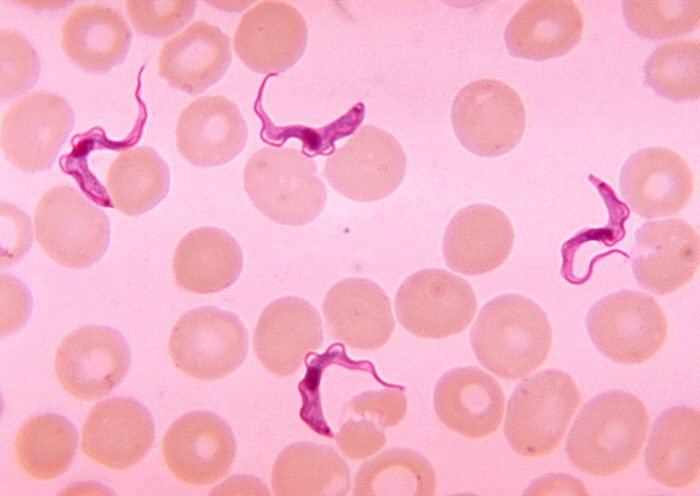
Giardia Giardia A genus of flagellate intestinal eukaryotes parasitic in various vertebrates, including humans. Characteristics include the presence of four pairs of flagella arising from a complicated system of axonemes and cysts that are ellipsoidal to ovoidal in shape. Nitroimidazoles Leishmania Leishmania Leishmania species are obligate intracellular parasites that are transmitted by an infected sandfly. The disease is endemic to Asia, the Middle East, Africa, the Mediterranean, and South and Central America. Clinical presentation varies, dependent on the pathogenicity of the species and the host’s immune response. Leishmania/Leishmaniasis Trypanosoma Trichomonas Trichomonas A genus of parasitic flagellate eukaryotes distinguished by the presence of four anterior flagella, an undulating membrane, and a trailing flagellum. Nitroimidazoles
Características
  • 4 pares de flagelos
  • Forma ovoide
  • Disco adhesivo
  • Anaerobio
  • Variación antigénica
  • Flagelo único y polar
  • Cuerpo delgado y alargado
  • Flagelo único y polar
  • Membrana ondulada
  • Delgado, con forma irregular
  • Variación antigénica
  • 5 flagelos
  • Membrana ondulada
  • Forma ovoide
  • Anaerobio facultativo
Formas
  • Quiste
  • Trofozoíto
  • Trofozoíto
  • No hay forma de quiste
Transmisión
  • Agua contaminada
  • Fecal-oral
  • Vector (flebótomo)
  • De humano a humano
  • Zoonótica (roedores, perros, zorros)
  • Vector (mosca tsé-tsé, chinche)
  • Transfusión sanguínea
Transmisión sexual
Entidad clínica Giardiasis Giardiasis An infection of the small intestine caused by the flagellated protozoan giardia. It is spread via contaminated food and water and by direct person-to-person contact. Giardia/Giardiasis Leishmaniasis Leishmaniasis Leishmania species are obligate intracellular parasites that are transmitted by an infected sandfly. The mildest form is cutaneous leishmaniasis (CL), characterized by painless skin ulcers. The mucocutaneous type involves more tissue destruction, causing deformities. Visceral leishmaniasis (VL), the most severe form, presents with hepatosplenomegaly, anemia, thrombocytopenia, and fever. Leishmania/Leishmaniasis
  • Enfermedad del sueño africana
  • Enfermedad de Chagas
Tricomoniasis
Diagnóstico
  • ELISA ELISA An immunoassay utilizing an antibody labeled with an enzyme marker such as horseradish peroxidase. While either the enzyme or the antibody is bound to an immunosorbent substrate, they both retain their biologic activity; the change in enzyme activity as a result of the enzyme-antibody-antigen reaction is proportional to the concentration of the antigen and can be measured spectrophotometrically or with the naked eye. Many variations of the method have been developed. St. Louis Encephalitis Virus
  • DFA
  • NAAT
  • Análisis microscópico de las heces
  • Frotis de sangre
  • Biopsia
  • PCR PCR Polymerase chain reaction (PCR) is a technique that amplifies DNA fragments exponentially for analysis. The process is highly specific, allowing for the targeting of specific genomic sequences, even with minuscule sample amounts. The PCR cycles multiple times through 3 phases: denaturation of the template DNA, annealing of a specific primer to the individual DNA strands, and synthesis/elongation of new DNA molecules. Polymerase Chain Reaction (PCR)
  • Prueba cutánea de la leishmanina
  • Niveles de anticuerpos
  • Frotis de sangre
  • Niveles de anticuerpos
  • Xenodiagnóstico
  • Microscopía de las secreciones vaginales
  • NAAT
  • Cultivo de orina o de hisopado uretral
Tratamiento
  • Metronidazol
  • Tinidazol
  • Nitazoxanida
Depende del síndrome clínico:
  • Anfotericina B
  • Antimoniales pentavalentes
  • Miltefosina
Depende de la enfermedad clínica:
  • Metronidazol
  • Tinidazol
Prevención
  • Lavado de manos
  • Tratamiento del agua
  • Insecticidas
  • Repelente de insectos
  • Ropa protectora
  • Insecticidas
  • Repelente de insectos
  • Mosquiteros
  • Ropa protectora
  • Tratamiento para las parejas sexuales
  • Preservativos

ELISA: ensayo inmunoabsorbente ligado a enzimas (por sus siglas en inglés)

DFA: ensayo de inmunofluorescencia directa (por sus siglas en inglés)

NAAT: ensayo de amplificación de ácidos nucleicos (por sus siglas en inglés)

PCR: reacción en cadena de la polimerasa (por sus siglas en inglés)
Diagnóstico Diferencial

  • Histoplasmosis Histoplasmosis Histoplasmosis is an infection caused by Histoplasma capsulatum, a dimorphic fungus. Transmission is through inhalation, and exposure to soils containing bird or bat droppings increases the risk of infection. Most infections are asymptomatic; however, immunocompromised individuals generally develop acute pulmonary infection, chronic infection, or even disseminated disease. Histoplasma/Histoplasmosis: infección fúngica que puede presentarse con lesiones cutáneas (nódulos, úlceras, placas). La histoplasmosis Histoplasmosis Histoplasmosis is an infection caused by Histoplasma capsulatum, a dimorphic fungus. Transmission is through inhalation, and exposure to soils containing bird or bat droppings increases the risk of infection. Most infections are asymptomatic; however, immunocompromised individuals generally develop acute pulmonary infection, chronic infection, or even disseminated disease. Histoplasma/Histoplasmosis también se propaga por vía hematógena a los LOS Neisseria ganglios linfáticos, hígado, bazo y la médula ósea en EN Erythema nodosum is an immune-mediated panniculitis (inflammation of the subcutaneous fat) caused by a type IV (delayed-type) hypersensitivity reaction. It commonly manifests in young women as tender, erythematous nodules on the shins. Erythema Nodosum pacientes inmunocomprometidos. Sin embargo, la enfermedad pulmonar es la manifestación más común. Las pruebas de antígenos en EN Erythema nodosum is an immune-mediated panniculitis (inflammation of the subcutaneous fat) caused by a type IV (delayed-type) hypersensitivity reaction. It commonly manifests in young women as tender, erythematous nodules on the shins. Erythema Nodosum orina y suero y el cultivo con el antecedente de viajes pueden ayudar a diferenciar el agente causal.
  • Coccidioidomicosis: infección fúngica que se manifiesta principalmente con síntomas pulmonares. También pueden aparecer nódulos eritematosos dolorosos. El hemograma puede mostrar leucocitosis y eosinofilia. Los LOS Neisseria antecedentes y las pruebas serológicas orientan el diagnóstico.
  • Lepra: una enfermedad causada por Mycobacterium leprae Mycobacterium leprae A species of gram-positive, aerobic bacteria that causes leprosy in man. Its organisms are generally arranged in clumps, rounded masses, or in groups of bacilli side by side. Mycobacterium, a menudo se presenta con manifestaciones cutáneas similares que causan cicatrices y deformidades. La lepra afecta a la piel y a los LOS Neisseria nervios periféricos. Por lo tanto, la lepra suele causar una desfiguración grave con neuropatía, lo que diferencia a la lepra de la leishmaniasis Leishmaniasis Leishmania species are obligate intracellular parasites that are transmitted by an infected sandfly. The mildest form is cutaneous leishmaniasis (CL), characterized by painless skin ulcers. The mucocutaneous type involves more tissue destruction, causing deformities. Visceral leishmaniasis (VL), the most severe form, presents with hepatosplenomegaly, anemia, thrombocytopenia, and fever. Leishmania/Leishmaniasis.
  • Carcinoma de células escamosas: las ulceraciones centrales pueden confundirse con un gran carcinoma de células escamosas. La biopsia y el antecedente de viajes son útiles para distinguir las lesiones cutáneas.
  • Esporotricosis: infección causada por Sporothrix schenckii. La infección linfocutánea es la forma más común y se presenta como una nocardiosis cutánea (inoculación de tierra a través de la piel con lesiones eritematosas y nodulares a lo largo de los LOS Neisseria canales linfáticos). El cultivo del material aspirado ayuda a distinguir los LOS Neisseria organismos.
  • Paludismo: enfermedad infecciosa transmitida por mosquitos y causada por microorganismos unicelulares del grupo Plasmodium Plasmodium A genus of protozoa that comprise the malaria parasites of mammals. Four species infect humans (although occasional infections with primate malarias may occur). These are plasmodium falciparum; plasmodium malariae; plasmodium ovale, and plasmodium vivax. Species causing infection in vertebrates other than man include: plasmodium berghei; plasmodium chabaudi; p. Vinckei, and plasmodium yoelii in rodents; p. Brasilianum, plasmodium cynomolgi; and plasmodium knowlesi in monkeys; and plasmodium gallinaceum in chickens. Antimalarial Drugs. El paludismo se presenta con fiebre y escalofríos en EN Erythema nodosum is an immune-mediated panniculitis (inflammation of the subcutaneous fat) caused by a type IV (delayed-type) hypersensitivity reaction. It commonly manifests in young women as tender, erythematous nodules on the shins. Erythema Nodosum intervalos, con anemia Anemia Anemia is a condition in which individuals have low Hb levels, which can arise from various causes. Anemia is accompanied by a reduced number of RBCs and may manifest with fatigue, shortness of breath, pallor, and weakness. Subtypes are classified by the size of RBCs, chronicity, and etiology. Anemia: Overview and Types y esplenomegalia, entre otros hallazgos, que son similares a la leishmaniasis Leishmaniasis Leishmania species are obligate intracellular parasites that are transmitted by an infected sandfly. The mildest form is cutaneous leishmaniasis (CL), characterized by painless skin ulcers. The mucocutaneous type involves more tissue destruction, causing deformities. Visceral leishmaniasis (VL), the most severe form, presents with hepatosplenomegaly, anemia, thrombocytopenia, and fever. Leishmania/Leishmaniasis visceral. Los LOS Neisseria antecedentes y el frotis de sangre periférica (que identifica el parásito infeccioso) ayudan al AL Amyloidosis diagnóstico.

Referencias

  1. Aronson, N. (2025). Cutaneous leishmaniasis: Clinical manifestation and diagnosis. UpToDate, Retrieved October 25, 2025, from https://www.uptodate.com/contents/cutaneous-leishmaniasis-clinical-manifestations-and-diagnosis
  2. Aronson, N. (2024). Cutaneous leishmaniasis: Treatment. UpToDate. Retrieved October 25, 2025, from https://www.uptodate.com/contents/cutaneous-leishmaniasis-treatment
  3. Bern, C. (2024). Visceral leishmaniasis: Epidemiology and control. UpToDate. Retrieved October 25, 2025, from https://www.uptodate.com/contents/visceral-leishmaniasis-epidemiology-and-control
  4. Bern, C. (2025). Visceral leishmaniasis: Treatment. UpToDate, Retrieved October 25, 2025, from https://www.uptodate.com/contents/visceral-leishmaniasis-treatment
  5. Rocha, R., Pereira, A., & Maia, C. (2022). Non-endemic leishmaniases reported globally in humans between 2000 and 2021—A comprehensive review. Pathogens, 11(8), 921. https://doi.org/10.3390/pathogens11080921
  6. World Health Organization. (2023). Leishmaniasis. World Health Organization. Retrieved October 25, 2025, from https://www.who.int/news-room/fact-sheets/detail/leishmaniasis
  7. Ryan, K.J.(Ed.), (2017). Sarcomastigophora the flagellates. Sherris Medical Microbiology, 7e. McGraw-Hill.
  8. Riedel, S., Jawetz, E., Melnick, J. L., & Adelberg, E. A. (2019). Jawetz, Melnick & Adelberg’s Medical microbiology (pp. 733-734). New York: McGraw-Hill Education.
  9. Sundar, S. (2018). Leishmaniasis. Jameson J, & Fauci A.S., & Kasper D.L., & Hauser S.L., & Longo D.L., & Loscalzo J (Eds.),  Harrison’s Principles of Internal Medicine, 20e. McGraw-Hill. 
  10. Stark, C., & Vidyashankar, C. (2024). Leishmaniasis. Medscape. Retrieved October 25, 2025, from https://emedicine.medscape.com/article/220298-overview

¡Crea tu cuenta gratis o inicia una sesión para seguir leyendo!

Regístrate ahora y obtén acceso gratuito a Lecturio con páginas de concepto, videos médicos y cuestionarios para tu educación médica.

User Reviews

Que tengas una sesión de estudio alegre y navideña 🎁 Ahorra 50% en todos los planes >>

Details