Domina Conceptos Médicos

Estudia para la escuela de medicina y tus examenes con Lecturio.

Giardia/Giardiasis

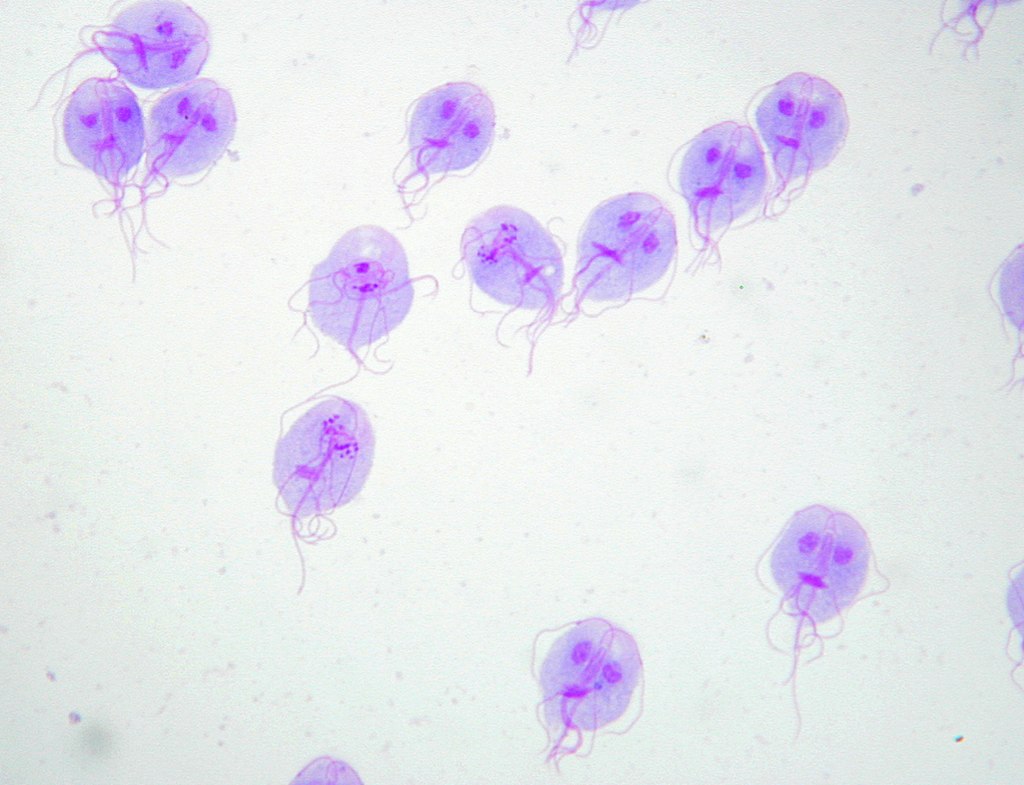
La giardiasis Giardiasis An infection of the small intestine caused by the flagellated protozoan giardia. It is spread via contaminated food and water and by direct person-to-person contact. Giardia/Giardiasis es causada por Giardia Giardia A genus of flagellate intestinal eukaryotes parasitic in various vertebrates, including humans. Characteristics include the presence of four pairs of flagella arising from a complicated system of axonemes and cysts that are ellipsoidal to ovoidal in shape. Nitroimidazoles duodenalis (también conocida como G. lamblia G. lamblia A species of parasitic eukaryotes that attaches itself to the intestinal mucosa and feeds on mucous secretions. The organism is roughly pear-shaped and motility is somewhat erratic, with a slow oscillation about the long axis. Giardia/Giardiasis o G. intestinalis G. intestinalis A species of parasitic eukaryotes that attaches itself to the intestinal mucosa and feeds on mucous secretions. The organism is roughly pear-shaped and motility is somewhat erratic, with a slow oscillation about the long axis. Giardia/Giardiasis), un protozoo flagelado que puede infectar el tracto intestinal. La transmisión ocurre más comúnmente a través de la ingestión de quistes en EN Erythema nodosum is an immune-mediated panniculitis (inflammation of the subcutaneous fat) caused by a type IV (delayed-type) hypersensitivity reaction. It commonly manifests in young women as tender, erythematous nodules on the shins. Erythema Nodosum agua o alimentos contaminados, o por propagación fecal-oral de persona a persona. La exquistación ocurre en EN Erythema nodosum is an immune-mediated panniculitis (inflammation of the subcutaneous fat) caused by a type IV (delayed-type) hypersensitivity reaction. It commonly manifests in young women as tender, erythematous nodules on the shins. Erythema Nodosum el tracto gastrointestinal y los LOS Neisseria trofozoítos se adhieren a la mucosa intestinal a través de un disco adhesivo ventral, lo que provoca malabsorción. El síntoma distintivo de la giardiasis Giardiasis An infection of the small intestine caused by the flagellated protozoan giardia. It is spread via contaminated food and water and by direct person-to-person contact. Giardia/Giardiasis es la esteatorrea maloliente. Los LOS Neisseria pacientes que desarrollan infecciones crónicas pueden experimentar pérdida de peso, retraso del crecimiento y deficiencias vitamínicas como resultado de la malabsorción. El diagnóstico se realiza mediante la detección de organismos de Giardia Giardia A genus of flagellate intestinal eukaryotes parasitic in various vertebrates, including humans. Characteristics include the presence of four pairs of flagella arising from a complicated system of axonemes and cysts that are ellipsoidal to ovoidal in shape. Nitroimidazoles, antígenos o ácido desoxirribonucleico (ADN) en EN Erythema nodosum is an immune-mediated panniculitis (inflammation of the subcutaneous fat) caused by a type IV (delayed-type) hypersensitivity reaction. It commonly manifests in young women as tender, erythematous nodules on the shins. Erythema Nodosum las heces. El manejo incluye tratamiento de soporte y terapia antimicrobiana con tinidazol, metronidazol, nitazoxanida o albendazol. Las medidas de prevención incluyen el lavado adecuado de manos y el tratamiento del agua.

Last updated: Dec 15, 2025

Editorial responsibility: Stanley Oiseth, Lindsay Jones, Evelin Maza

Características Generales de Giardia

La giardiasis Giardiasis An infection of the small intestine caused by the flagellated protozoan giardia. It is spread via contaminated food and water and by direct person-to-person contact. Giardia/Giardiasis es causada por el protozoo flagelado Giardia Giardia A genus of flagellate intestinal eukaryotes parasitic in various vertebrates, including humans. Characteristics include the presence of four pairs of flagella arising from a complicated system of axonemes and cysts that are ellipsoidal to ovoidal in shape. Nitroimidazoles duodenalis (sinónimos: G. lamblia G. lamblia A species of parasitic eukaryotes that attaches itself to the intestinal mucosa and feeds on mucous secretions. The organism is roughly pear-shaped and motility is somewhat erratic, with a slow oscillation about the long axis. Giardia/Giardiasis, G. intestinalis G. intestinalis A species of parasitic eukaryotes that attaches itself to the intestinal mucosa and feeds on mucous secretions. The organism is roughly pear-shaped and motility is somewhat erratic, with a slow oscillation about the long axis. Giardia/Giardiasis).
Características

  • Unicelular
  • Eucariota
  • Trofozoíto: en EN Erythema nodosum is an immune-mediated panniculitis (inflammation of the subcutaneous fat) caused by a type IV (delayed-type) hypersensitivity reaction. It commonly manifests in young women as tender, erythematous nodules on the shins. Erythema Nodosum forma de pera; quiste: ovalado
  • Anaeróbico
  • Se reproduce por fisión binaria
  • Contiene un mitosoma en EN Erythema nodosum is an immune-mediated panniculitis (inflammation of the subcutaneous fat) caused by a type IV (delayed-type) hypersensitivity reaction. It commonly manifests in young women as tender, erythematous nodules on the shins. Erythema Nodosum lugar de mitocondrias

Formas

  • Trofozoítos:
    • Estadio activo, de alimentación y replicación
    • Contienen 2 núcleos
    • 4 pares de flagelos
    • No pueden sobrevivir fuera de un huésped
  • Quistes:
    • Estadio de latencia
    • Contienen 4 núcleos
    • No tienen flagelos
    • Resistentes a los LOS Neisseria factores de estrés ambiental ( calor Calor Inflammation, frío, desecación)
    • Pueden sobrevivir fuera de un huésped y varios meses en EN Erythema nodosum is an immune-mediated panniculitis (inflammation of the subcutaneous fat) caused by a type IV (delayed-type) hypersensitivity reaction. It commonly manifests in young women as tender, erythematous nodules on the shins. Erythema Nodosum agua fría
    • Responsables de la transmisión
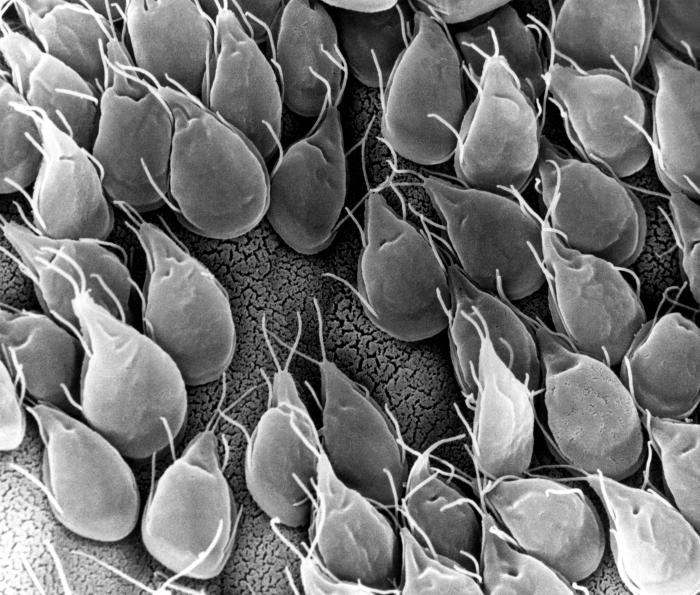
Imagen de MEB de trofozoítos de Giardia lamblia

Imagen de microscopio electrónico de barrido de trofozoítos de G. lamblia

Imagen: “SEM” por CDC/Dr. Stan Erlandsen. Licencia: Dominio Público
Epidemiología y Transmisión

Epidemiología

  • La giardiasis Giardiasis An infection of the small intestine caused by the flagellated protozoan giardia. It is spread via contaminated food and water and by direct person-to-person contact. Giardia/Giardiasis ocurre a nivel mundial
    • 3era causa más común de diarrea en EN Erythema nodosum is an immune-mediated panniculitis (inflammation of the subcutaneous fat) caused by a type IV (delayed-type) hypersensitivity reaction. It commonly manifests in young women as tender, erythematous nodules on the shins. Erythema Nodosum niños < 5 años de edad
    • > 300 millones de casos anuales
  • Prevalencia:
    • 2%–5% a nivel mundial
    • 20%–40% en EN Erythema nodosum is an immune-mediated panniculitis (inflammation of the subcutaneous fat) caused by a type IV (delayed-type) hypersensitivity reaction. It commonly manifests in young women as tender, erythematous nodules on the shins. Erythema Nodosum los LOS Neisseria países en EN Erythema nodosum is an immune-mediated panniculitis (inflammation of the subcutaneous fat) caused by a type IV (delayed-type) hypersensitivity reaction. It commonly manifests in young women as tender, erythematous nodules on the shins. Erythema Nodosum desarrollo
  • En EN Erythema nodosum is an immune-mediated panniculitis (inflammation of the subcutaneous fat) caused by a type IV (delayed-type) hypersensitivity reaction. It commonly manifests in young women as tender, erythematous nodules on the shins. Erythema Nodosum Estados Unidos:
    • Aproximadamente el 5% de los LOS Neisseria adultos son portadores asintomáticos.
    • Regiones comunes en EN Erythema nodosum is an immune-mediated panniculitis (inflammation of the subcutaneous fat) caused by a type IV (delayed-type) hypersensitivity reaction. It commonly manifests in young women as tender, erythematous nodules on the shins. Erythema Nodosum Estados Unidos:
      • Regiones montañosas occidentales
      • Estados del norte
    • Más común en EN Erythema nodosum is an immune-mediated panniculitis (inflammation of the subcutaneous fat) caused by a type IV (delayed-type) hypersensitivity reaction. It commonly manifests in young women as tender, erythematous nodules on the shins. Erythema Nodosum julio–octubre

Transmisión

  • Transmisión fecal-oral
  • Transmisión por agua:
    • Suministro de agua con mala filtración
    • Arroyos, lagos y ríos de montaña
  • Los LOS Neisseria brotes se han asociado con:
    • Estaciones de esquí
    • Guarderías
    • Campos de refugiados
    • Campamentos
  • Grupos de alto riesgo:
    • Niños pequeños
    • Inmunocomprometidos (estados con deficiencia de inmunoglobulinas)
    • Pacientes con fibrosis Fibrosis Any pathological condition where fibrous connective tissue invades any organ, usually as a consequence of inflammation or other injury. Bronchiolitis Obliterans quística
    • Grupo sanguíneo A
    • Hipoclorhidria
    • Viajeros

Patogénesis

Factores de virulencia

  • Variación antigénica:
    • Capaz de expresar proteínas de superficie variante-específicas
    • Permite escaparse de la inmunidad adaptativa del huésped
  • Disco adhesivo:
    • Compuesto por microtúbulos
    • Permite la adhesión a la pared intestinal

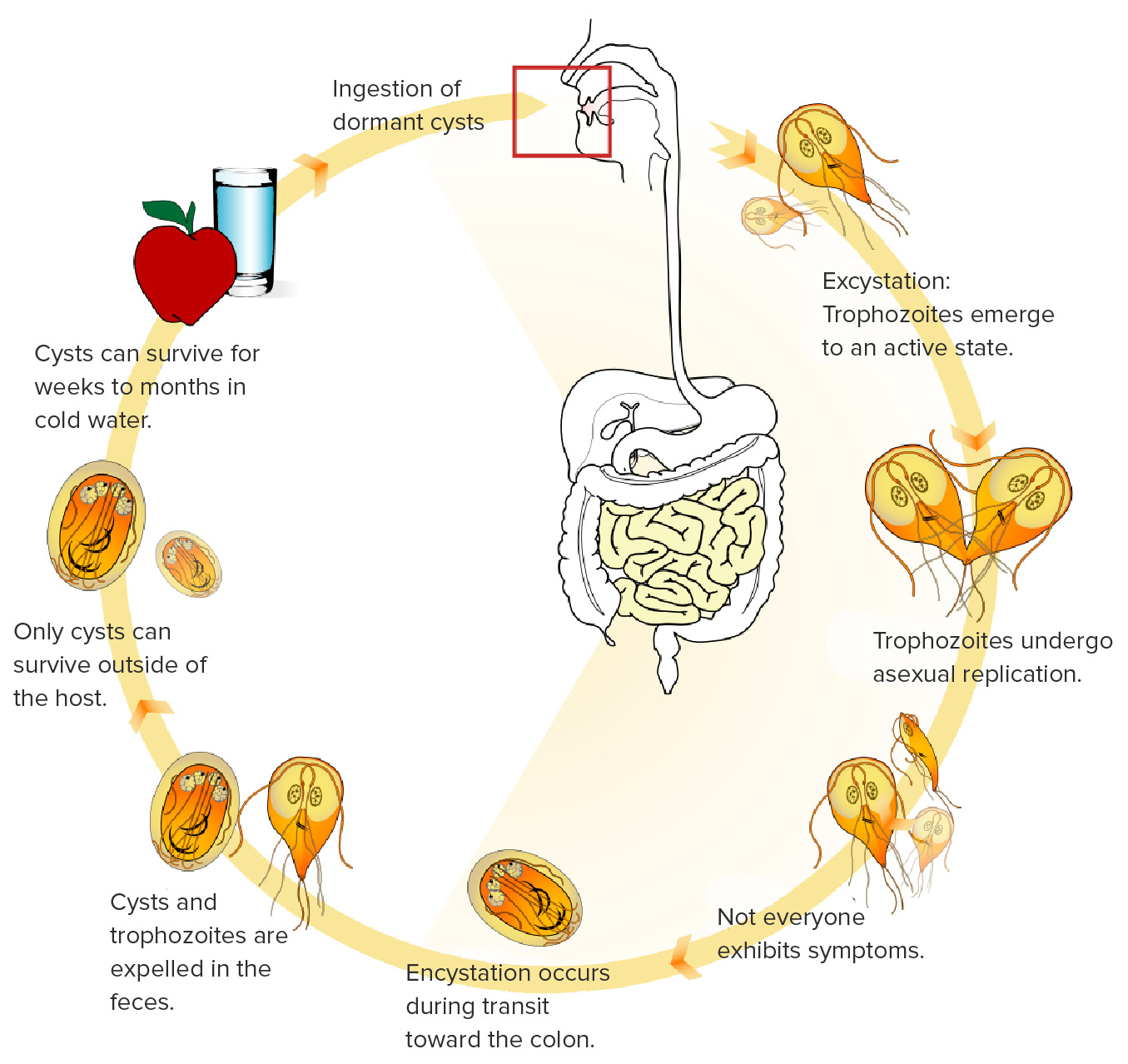
Ciclo de vida y fisiopatología

  • Los LOS Neisseria quistes son ingeridos → el ácido estomacal, la bilis y la tripsina desencadenan la conversión a trofozoíto (desenquistamiento)
  • Los LOS Neisseria trofozoítos se adhieren a la pared intestinal con el disco adhesivo.
    • Resulta en EN Erythema nodosum is an immune-mediated panniculitis (inflammation of the subcutaneous fat) caused by a type IV (delayed-type) hypersensitivity reaction. It commonly manifests in young women as tender, erythematous nodules on the shins. Erythema Nodosum:
      • Inflamación
      • Atrofia de las vellosidades
      • ↓ Enzimas del borde en EN Erythema nodosum is an immune-mediated panniculitis (inflammation of the subcutaneous fat) caused by a type IV (delayed-type) hypersensitivity reaction. It commonly manifests in young women as tender, erythematous nodules on the shins. Erythema Nodosum cepillo (e.g., disacaridasa, lactasa)
    • Conduce a la malabsorción
    • Los LOS Neisseria trofozoítos no invaden la pared intestinal.
  • Se produce la fisión binaria → algunos organismos se vuelven quistes (enquistamiento) → se excretan en EN Erythema nodosum is an immune-mediated panniculitis (inflammation of the subcutaneous fat) caused by a type IV (delayed-type) hypersensitivity reaction. It commonly manifests in young women as tender, erythematous nodules on the shins. Erythema Nodosum las heces
Ciclo de Giardia lamblia

Esta imagen muestra el ciclo de vida de G. lamblia. Los quistes pueden sobrevivir durante largos periodos de tiempo en agua fría y luego ser consumidos inadvertidamente. Una vez consumidos, los quistes se transforman en forma de trofozoíto, se replican e infectan los intestinos. Los trofozoítos se adhieren a las vellosidades intestinales, dando lugar a los síntomas.

Imagen: “Giardia life cycle” por LadyofHats. Licencia: Dominio Público, editada por Lecturio.

Presentación Clínica

Aunque algunos pacientes pueden ser asintomáticos, la característica clínica distintiva de la giardiasis Giardiasis An infection of the small intestine caused by the flagellated protozoan giardia. It is spread via contaminated food and water and by direct person-to-person contact. Giardia/Giardiasis es la diarrea malabsortiva.
Giardiasis Giardiasis An infection of the small intestine caused by the flagellated protozoan giardia. It is spread via contaminated food and water and by direct person-to-person contact. Giardia/Giardiasis aguda

  • Periodo de incubación: 7–14 días
  • Duración: 2–4 semanas
  • Síntomas más comunes:
    • Diarrea (a menudo esteatorrea):
      • Fétida
      • Acuosa o grasosa
      • No sanguinolenta
    • Malestar
    • Flatulencias
    • Náuseas
    • Anorexia Anorexia The lack or loss of appetite accompanied by an aversion to food and the inability to eat. It is the defining characteristic of the disorder anorexia nervosa. Anorexia Nervosa
    • Cólicos y distensión abdominal
    • Pérdida de peso
    • Fiebre leve (poco común)

Giardiasis Giardiasis An infection of the small intestine caused by the flagellated protozoan giardia. It is spread via contaminated food and water and by direct person-to-person contact. Giardia/Giardiasis crónica

  • Puede desarrollarse después de la fase aguda en EN Erythema nodosum is an immune-mediated panniculitis (inflammation of the subcutaneous fat) caused by a type IV (delayed-type) hypersensitivity reaction. It commonly manifests in young women as tender, erythematous nodules on the shins. Erythema Nodosum algunos pacientes
  • Los LOS Neisseria síntomas pueden aumentar y disminuir a lo largo de los LOS Neisseria meses.
  • Signos y síntomas más comunes:
    • Heces blandas:
      • A menudo esteatorrea
      • No es diarrea
    • Malestar y fatiga
    • Cólicos abdominales
    • Flatulencias y eructos
    • Malabsorción:
      • Hipoalbuminemia
      • Deficiencias de vitaminas (A, B12, folato)
      • Pérdida de peso y retraso en EN Erythema nodosum is an immune-mediated panniculitis (inflammation of the subcutaneous fat) caused by a type IV (delayed-type) hypersensitivity reaction. It commonly manifests in young women as tender, erythematous nodules on the shins. Erythema Nodosum el desarrollo

Complicaciones

  • Retraso en EN Erythema nodosum is an immune-mediated panniculitis (inflammation of the subcutaneous fat) caused by a type IV (delayed-type) hypersensitivity reaction. It commonly manifests in young women as tender, erythematous nodules on the shins. Erythema Nodosum el crecimiento de los LOS Neisseria niños
  • Hipersensibilidad:
    • Urticaria Urticaria Urticaria is raised, well-circumscribed areas (wheals) of edema (swelling) and erythema (redness) involving the dermis and epidermis with associated pruritus (itch). Urticaria is not a single disease but rather is a reaction pattern representing cutaneous mast cell degranulation. Urticaria (Hives)
    • Úlceras aftosas
  • Artritis reactiva
  • Intolerancia a la lactosa adquirida
  • La invasión biliar puede provocar:
    • Colecistitis
    • Colangitis
    • Hepatitis granulomatosa

Diagnóstico y Tratamiento

Diagnóstico

  • Ensayo inmunoenzimático ( ELISA ELISA An immunoassay utilizing an antibody labeled with an enzyme marker such as horseradish peroxidase. While either the enzyme or the antibody is bound to an immunosorbent substrate, they both retain their biologic activity; the change in enzyme activity as a result of the enzyme-antibody-antigen reaction is proportional to the concentration of the antigen and can be measured spectrophotometrically or with the naked eye. Many variations of the method have been developed. St. Louis Encephalitis Virus, por sus siglas en EN Erythema nodosum is an immune-mediated panniculitis (inflammation of the subcutaneous fat) caused by a type IV (delayed-type) hypersensitivity reaction. It commonly manifests in young women as tender, erythematous nodules on the shins. Erythema Nodosum inglés): detecta el antígeno en EN Erythema nodosum is an immune-mediated panniculitis (inflammation of the subcutaneous fat) caused by a type IV (delayed-type) hypersensitivity reaction. It commonly manifests in young women as tender, erythematous nodules on the shins. Erythema Nodosum las heces
  • Ensayo de inmunofluorescencia directa (DFA, por sus siglas en EN Erythema nodosum is an immune-mediated panniculitis (inflammation of the subcutaneous fat) caused by a type IV (delayed-type) hypersensitivity reaction. It commonly manifests in young women as tender, erythematous nodules on the shins. Erythema Nodosum inglés): Utiliza anticuerpos monoclonales marcados con fluoresceína para detectar un antígeno específico.
  • Prueba de amplificación de ácidos nucleicos (NAAT, por sus siglas en EN Erythema nodosum is an immune-mediated panniculitis (inflammation of the subcutaneous fat) caused by a type IV (delayed-type) hypersensitivity reaction. It commonly manifests in young women as tender, erythematous nodules on the shins. Erythema Nodosum inglés): detecta y copia (amplifica) secuencias específicas de ácido desoxirribonucleico (ADN) de Giardia Giardia A genus of flagellate intestinal eukaryotes parasitic in various vertebrates, including humans. Characteristics include the presence of four pairs of flagella arising from a complicated system of axonemes and cysts that are ellipsoidal to ovoidal in shape. Nitroimidazoles
  • Análisis microscópico de las heces:
    • Evaluación microscópica de las heces en EN Erythema nodosum is an immune-mediated panniculitis (inflammation of the subcutaneous fat) caused by a type IV (delayed-type) hypersensitivity reaction. It commonly manifests in young women as tender, erythematous nodules on the shins. Erythema Nodosum busca de trofozoítos o quistes
    • Puede requerir varios análisis de heces
    • Puede detectar otros posibles parásitos
    • Menos sensible que ELISA ELISA An immunoassay utilizing an antibody labeled with an enzyme marker such as horseradish peroxidase. While either the enzyme or the antibody is bound to an immunosorbent substrate, they both retain their biologic activity; the change in enzyme activity as a result of the enzyme-antibody-antigen reaction is proportional to the concentration of the antigen and can be measured spectrophotometrically or with the naked eye. Many variations of the method have been developed. St. Louis Encephalitis Virus, DFA o NAAT
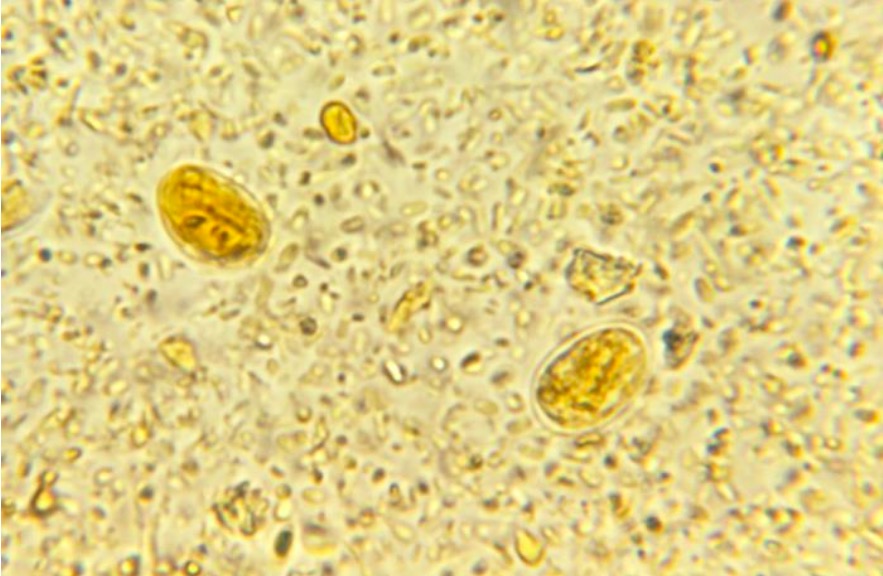
Muestra fecal con quistes de Giardia lamblia

Análisis microscópico de las heces que revela la presencia de 2 quistes de G. lamblia

Imagen: “21085” por CDC. Licencia: Dominio Público

Tratamiento

  • Tratamiento de soporte:
    • Rehidratación
    • Reposición de electrolitos
  • Terapia antimicrobiana:
    • Opciones:
      • Tinidazol (a menudo de primera línea)
      • Metronidazol
      • Nitazoxanida
      • Durante el embarazo, considere paromomicina
    • Considerar el tratamiento en EN Erythema nodosum is an immune-mediated panniculitis (inflammation of the subcutaneous fat) caused by a type IV (delayed-type) hypersensitivity reaction. It commonly manifests in young women as tender, erythematous nodules on the shins. Erythema Nodosum individuos (incluso asintomáticos) que están:
      • En EN Erythema nodosum is an immune-mediated panniculitis (inflammation of the subcutaneous fat) caused by a type IV (delayed-type) hypersensitivity reaction. It commonly manifests in young women as tender, erythematous nodules on the shins. Erythema Nodosum riesgo de transmisión a otras personas (manipuladores de alimentos, guarderías)
      • En EN Erythema nodosum is an immune-mediated panniculitis (inflammation of the subcutaneous fat) caused by a type IV (delayed-type) hypersensitivity reaction. It commonly manifests in young women as tender, erythematous nodules on the shins. Erythema Nodosum contacto con individuos inmunocomprometidos
      • En EN Erythema nodosum is an immune-mediated panniculitis (inflammation of the subcutaneous fat) caused by a type IV (delayed-type) hypersensitivity reaction. It commonly manifests in young women as tender, erythematous nodules on the shins. Erythema Nodosum contacto con mujeres embarazadas
  • Síntomas recurrentes o persistentes:
    • Repetir el análisis de heces.
    • Evaluar las fuentes de reinfección.
    • Evaluar la inmunodeficiencia.
    • Repetir la terapia antimicrobiana.

Prevención

  • Lavado de manos:
    • Preferiblemente con agua y jabón
    • La desinfección con sustancias a base de alcohol no es eficaz contra los LOS Neisseria quistes.
  • Eliminación adecuada de los LOS Neisseria pañales
  • Hervir el agua potencialmente contaminada
  • Tratamiento de aguas públicas
  • Las personas infectadas deben evitar bañarse en EN Erythema nodosum is an immune-mediated panniculitis (inflammation of the subcutaneous fat) caused by a type IV (delayed-type) hypersensitivity reaction. It commonly manifests in young women as tender, erythematous nodules on the shins. Erythema Nodosum aguas recreativas (piscinas, lagos, ríos).

Comparación de los Protozoos Flagelados

Tabla: Comparación de los LOS Neisseria protozoos flagelados clínicamente relevantes
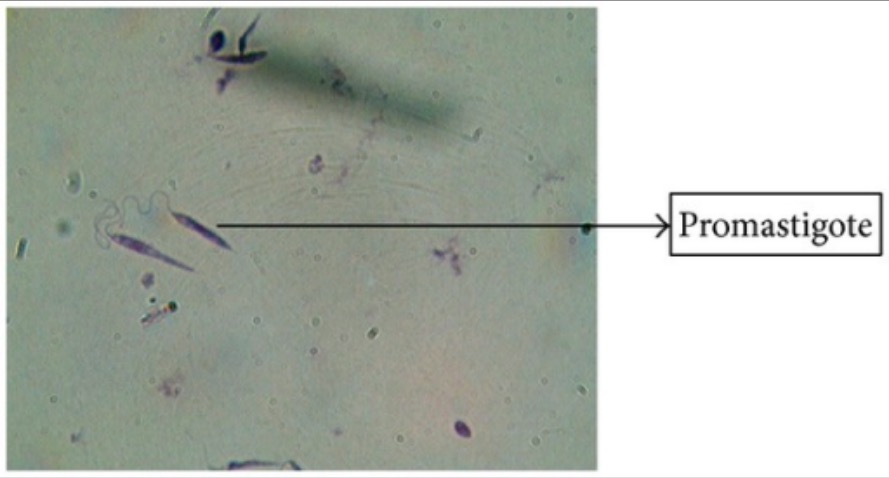
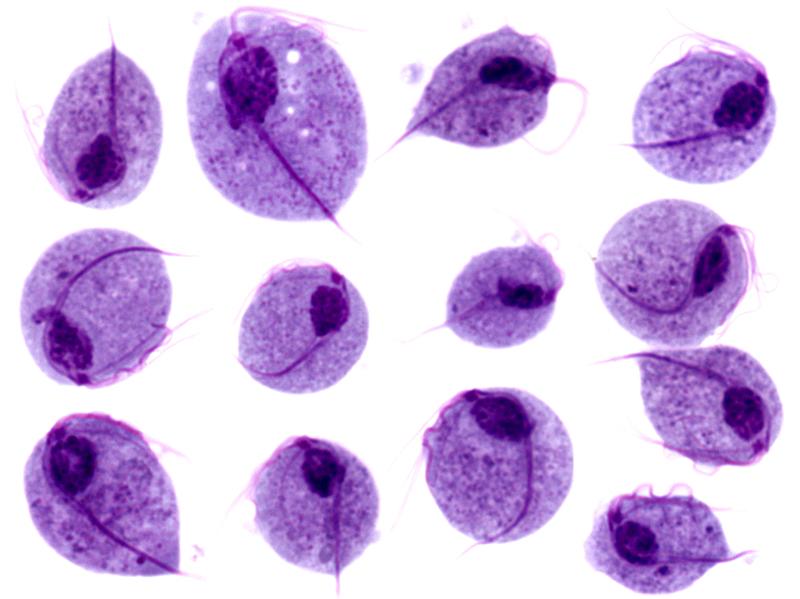
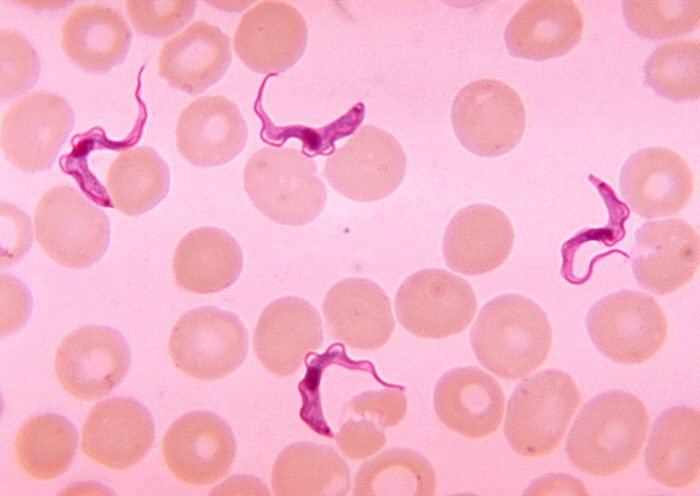
Giardia Giardia A genus of flagellate intestinal eukaryotes parasitic in various vertebrates, including humans. Characteristics include the presence of four pairs of flagella arising from a complicated system of axonemes and cysts that are ellipsoidal to ovoidal in shape. Nitroimidazoles Leishmania Leishmania Leishmania species are obligate intracellular parasites that are transmitted by an infected sandfly. The disease is endemic to Asia, the Middle East, Africa, the Mediterranean, and South and Central America. Clinical presentation varies, dependent on the pathogenicity of the species and the host’s immune response. Leishmania/Leishmaniasis Trypanosoma Trichomonas Trichomonas A genus of parasitic flagellate eukaryotes distinguished by the presence of four anterior flagella, an undulating membrane, and a trailing flagellum. Nitroimidazoles
Características
  • 4 pares de flagelos
  • Forma ovoide
  • Disco adhesivo
  • Anaerobio
  • Variación antigénica
  • Flagelo único y polar
  • Cuerpo delgado y alargado
  • Flagelo único y polar
  • Membrana ondulada
  • Delgado, con forma irregular
  • Variación antigénica
  • 5 flagelos
  • Membrana ondulada
  • Forma ovoide
  • Anaerobio facultativo
Formas
  • Quiste
  • Trofozoíto
  • Trofozoíto
  • No hay forma de quiste
Transmisión
  • Agua contaminada
  • Fecal-oral
  • Vector (flebótomo)
  • De humano a humano
  • Zoonótica (roedores, perros, zorros)
  • Vector (mosca tsé-tsé, chinche)
  • Transfusión sanguínea
Transmisión sexual
Entidad clínica Giardiasis Giardiasis An infection of the small intestine caused by the flagellated protozoan giardia. It is spread via contaminated food and water and by direct person-to-person contact. Giardia/Giardiasis Leishmaniasis Leishmaniasis Leishmania species are obligate intracellular parasites that are transmitted by an infected sandfly. The mildest form is cutaneous leishmaniasis (CL), characterized by painless skin ulcers. The mucocutaneous type involves more tissue destruction, causing deformities. Visceral leishmaniasis (VL), the most severe form, presents with hepatosplenomegaly, anemia, thrombocytopenia, and fever. Leishmania/Leishmaniasis
  • Enfermedad del sueño africana
  • Enfermedad de Chagas
Tricomoniasis
Diagnóstico
  • ELISA ELISA An immunoassay utilizing an antibody labeled with an enzyme marker such as horseradish peroxidase. While either the enzyme or the antibody is bound to an immunosorbent substrate, they both retain their biologic activity; the change in enzyme activity as a result of the enzyme-antibody-antigen reaction is proportional to the concentration of the antigen and can be measured spectrophotometrically or with the naked eye. Many variations of the method have been developed. St. Louis Encephalitis Virus
  • DFA
  • NAAT
  • Análisis microscópico de las heces
  • Frotis de sangre
  • Biopsia
  • PCR PCR Polymerase chain reaction (PCR) is a technique that amplifies DNA fragments exponentially for analysis. The process is highly specific, allowing for the targeting of specific genomic sequences, even with minuscule sample amounts. The PCR cycles multiple times through 3 phases: denaturation of the template DNA, annealing of a specific primer to the individual DNA strands, and synthesis/elongation of new DNA molecules. Polymerase Chain Reaction (PCR)
  • Prueba cutánea de la leishmanina
  • Niveles de anticuerpos
  • Frotis de sangre
  • Niveles de anticuerpos
  • Xenodiagnóstico
  • Microscopía de las secreciones vaginales
  • NAAT
  • Cultivo de orina o de hisopado uretral
Tratamiento
  • Metronidazol
  • Tinidazol
  • Nitazoxanida
Depende del síndrome clínico:
  • Anfotericina B
  • Antimoniales pentavalentes
  • Miltefosina
Depende de la enfermedad clínica:
  • Metronidazol
  • Tinidazol
Prevención
  • Lavado de manos
  • Tratamiento del agua
  • Insecticidas
  • Repelente de insectos
  • Ropa protectora
  • Insecticidas
  • Repelente de insectos
  • Mosquiteros
  • Ropa protectora
  • Tratamiento para las parejas sexuales
  • Preservativos

ELISA: ensayo inmunoabsorbente ligado a enzimas (por sus siglas en inglés)

DFA: ensayo de inmunofluorescencia directa (por sus siglas en inglés)

NAAT: ensayo de amplificación de ácidos nucleicos (por sus siglas en inglés)

PCR: reacción en cadena de la polimerasa (por sus siglas en inglés)
Diagnóstico Diferencial

  • Disentería amebiana: también conocida como amebiasis Amebiasis Amebiasis, or amoebic dysentery, is an infection caused by the parasite Entamoeba histolytica. Transmission is through the fecal-oral route or by consumption of contaminated food and water. Most patients infected with E. histolytica are asymptomatic, but about 10% may develop dysentery. Entamoeba spp./Amebiasis, es una infección causada por Entamoeba histolytica Entamoeba Histolytica A species of parasitic protozoa causing entamoebiasis and amebic dysentery (dysentery, amebic). Characteristics include a single nucleus containing a small central karyosome and peripheral chromatin that is finely and regularly beaded. Amebicides (E. histolytica). Los LOS Neisseria síntomas pueden variar desde una diarrea leve hasta una disentería grave y las complicaciones incluyen el absceso hepático. La identificación de E. histolytica en EN Erythema nodosum is an immune-mediated panniculitis (inflammation of the subcutaneous fat) caused by a type IV (delayed-type) hypersensitivity reaction. It commonly manifests in young women as tender, erythematous nodules on the shins. Erythema Nodosum las heces o mediante pruebas serológicas darán el diagnóstico. El tratamiento incluye metronidazol o paromomicina.
  • Diarrea del viajero: gastroenteritis Gastroenteritis Gastroenteritis is inflammation of the stomach and intestines, commonly caused by infections from bacteria, viruses, or parasites. Transmission may be foodborne, fecal-oral, or through animal contact. Common clinical features include abdominal pain, diarrhea, vomiting, fever, and dehydration. Gastroenteritis que suele ser causada por bacterias o virus Virus Viruses are infectious, obligate intracellular parasites composed of a nucleic acid core surrounded by a protein capsid. Viruses can be either naked (non-enveloped) or enveloped. The classification of viruses is complex and based on many factors, including type and structure of the nucleoid and capsid, the presence of an envelope, the replication cycle, and the host range. Virology presentes en EN Erythema nodosum is an immune-mediated panniculitis (inflammation of the subcutaneous fat) caused by a type IV (delayed-type) hypersensitivity reaction. It commonly manifests in young women as tender, erythematous nodules on the shins. Erythema Nodosum el agua local, como la E. coli enterotoxigénica o el norovirus Norovirus Norovirus is a nonenveloped, single-stranded, positive-sense RNA virus belonging to the Caliciviridae family. Norovirus infections are transmitted via the fecal-oral route or by aerosols from vomiting. The virus is one of the most common causes of nonbacterial gastroenteritis epidemic worldwide. Symptoms include watery and nonbloody diarrhea, nausea, vomiting, and low-grade fever. Norovirus. Los LOS Neisseria síntomas se producen tras el consumo de agua o alimentos contaminados, e incluyen diarrea acuosa, malestar y cólicos abdominales. El diagnóstico es clínico y la enfermedad es autolimitada.
  • Criptosporidiosis: infección por Cryptosporidium Cryptosporidium A genus of coccidian parasites of the family cryptosporidiidae, found in the intestinal epithelium of many vertebrates including humans. Hyper-IgM Syndrome. Los LOS Neisseria pacientes tendrán diarrea acuosa, cólicos abdominales, náuseas y fiebre que dura 2–3 semanas, pero puede ser más persistente y grave en EN Erythema nodosum is an immune-mediated panniculitis (inflammation of the subcutaneous fat) caused by a type IV (delayed-type) hypersensitivity reaction. It commonly manifests in young women as tender, erythematous nodules on the shins. Erythema Nodosum pacientes inmunocomprometidos. El diagnóstico se realiza con la identificación del organismo en EN Erythema nodosum is an immune-mediated panniculitis (inflammation of the subcutaneous fat) caused by a type IV (delayed-type) hypersensitivity reaction. It commonly manifests in young women as tender, erythematous nodules on the shins. Erythema Nodosum una muestra de heces. La criptosporidiosis suele ser autolimitada, pero puede requerir nitazoxanida en EN Erythema nodosum is an immune-mediated panniculitis (inflammation of the subcutaneous fat) caused by a type IV (delayed-type) hypersensitivity reaction. It commonly manifests in young women as tender, erythematous nodules on the shins. Erythema Nodosum casos persistentes o graves.
  • Crecimiento bacteriano excesivo en EN Erythema nodosum is an immune-mediated panniculitis (inflammation of the subcutaneous fat) caused by a type IV (delayed-type) hypersensitivity reaction. It commonly manifests in young women as tender, erythematous nodules on the shins. Erythema Nodosum el intestino delgado: se define como el crecimiento excesivo de bacterias en EN Erythema nodosum is an immune-mediated panniculitis (inflammation of the subcutaneous fat) caused by a type IV (delayed-type) hypersensitivity reaction. It commonly manifests in young women as tender, erythematous nodules on the shins. Erythema Nodosum el intestino delgado y puede ocurrir por a una alteración anatómica o de la motilidad intestinal. Los LOS Neisseria síntomas pueden variar desde los LOS Neisseria ligeramente sintomáticos hasta la diarrea crónica, la pérdida de peso y la malabsorción. Los LOS Neisseria cultivos bacterianos y las pruebas de aliento pueden establecer el diagnóstico. El tratamiento incluye antibióticos y la corrección de las deficiencias nutricionales.
  • Enfermedad celíaca: enfermedad mediada inmunológicamente que provoca inflamación de la mucosa y atrofia de las vellosidades del intestino delgado debido al AL Amyloidosis gluten Gluten Prolamins in the endosperm of seeds from the triticeae tribe which includes species of wheat; barley; and rye. Celiac Disease. Los LOS Neisseria síntomas incluyen distensión abdominal y diarrea fétida. Los LOS Neisseria pacientes también pueden tener deficiencias nutricionales y pérdida de peso debido a la malabsorción. El diagnóstico se establece con marcadores serológicos y biopsia del intestino delgado. El tratamiento requiere una dieta estricta sin gluten Gluten Prolamins in the endosperm of seeds from the triticeae tribe which includes species of wheat; barley; and rye. Celiac Disease.
  • Enfermedad inflamatoria intestinal: incluye la enfermedad de Crohn y la colitis Colitis Inflammation of the colon section of the large intestine, usually with symptoms such as diarrhea (often with blood and mucus), abdominal pain, and fever. Pseudomembranous Colitis ulcerosa. La enfermedad inflamatoria intestinal se caracteriza por inflamación crónica del tracto gastrointestinal debida a una respuesta inmunitaria celular hacia la mucosa gastrointestinal. Los LOS Neisseria síntomas incluyen diarrea, dolor Dolor Inflammation abdominal, pérdida de peso y manifestaciones extraintestinales. El diagnóstico incluye imagenología, endoscopia y biopsia. El tratamiento incluye esteroides, aminosalicilatos, inmunomoduladores y agentes biológicos.
  • Intolerancia a la lactosa: intolerancia a los LOS Neisseria alimentos que contienen lactosa debido a la deficiencia de lactasa. Los LOS Neisseria síntomas incluyen cólicos abdominales, distensión, náuseas y diarrea. El diagnóstico se basa en EN Erythema nodosum is an immune-mediated panniculitis (inflammation of the subcutaneous fat) caused by a type IV (delayed-type) hypersensitivity reaction. It commonly manifests in young women as tender, erythematous nodules on the shins. Erythema Nodosum la asociación con alimentos que contienen lactosa y en EN Erythema nodosum is an immune-mediated panniculitis (inflammation of the subcutaneous fat) caused by a type IV (delayed-type) hypersensitivity reaction. It commonly manifests in young women as tender, erythematous nodules on the shins. Erythema Nodosum la prueba de aliento con hidrógeno. El tratamiento incluye la restricción de la lactosa en EN Erythema nodosum is an immune-mediated panniculitis (inflammation of the subcutaneous fat) caused by a type IV (delayed-type) hypersensitivity reaction. It commonly manifests in young women as tender, erythematous nodules on the shins. Erythema Nodosum la dieta y el reemplazo de enzimas.

Referencias

  1. Riedel, S., Jawetz, E., Melnick, J. L., & Adelberg, E. A. (2019). Jawetz, Melnick & Adelberg’s Medical microbiology (pp. 723-727). New York: McGraw-Hill Education.
  2. Leder, K. (2024). Giardiasis: Epidemiology, clinical manifestations, and diagnosis. UpToDate. Retrieved October 25, 2025, from https://www.uptodate.com/contents/giardiasis-epidemiology-clinical-manifestations-and-diagnosis
  3. Bartelt, L. (2024). Giardiasis: Treatment and prevention. UpToDate. Retrieved October 25, 2025, from https://www.uptodate.com/contents/giardiasis-treatment-and-prevention
  4. Pearson, R.D. (2024). Giardiasis. [online] MSD Manual Professional Version. Retrieved October 25, 2025, from https://www.msdmanuals.com/professional/infectious-diseases/intestinal-protozoa-and-microsporidia/giardiasis
  5. Nazer, H. (2024). Giardiasis. In Cagir, B. (Ed.), Medscape. Retrieved October 25, 2025, from https://emedicine.medscape.com/article/176718-overview
  6. Gladwin, M., & Trattler, B. (2008). Clinical microbiology made ridiculously simple (4th edition). Miami: MedMaster.

¡Crea tu cuenta gratis o inicia una sesión para seguir leyendo!

Regístrate ahora y obtén acceso gratuito a Lecturio con páginas de concepto, videos médicos y cuestionarios para tu educación médica.

User Reviews

Que tengas una sesión de estudio alegre y navideña 🎁 Ahorra 50% en todos los planes >>

Details