
Domina Conceptos Médicos

Estudia para la escuela de medicina y tus examenes con Lecturio.

Estomatitis

La estomatitis es un término general que se refiere a la inflamación de las membranas mucosas de la boca, que puede incluir a las llagas. La estomatitis puede estar causada por infecciones, trastornos autoinmunes, reacciones alérgicas o exposición a sustancias irritantes. La presentación típica puede ser solitaria o con un grupo de lesiones orales dolorosas. La etiología de la lesión se diagnostica basándose en EN Erythema nodosum is an immune-mediated panniculitis (inflammation of the subcutaneous fat) caused by a type IV (delayed-type) hypersensitivity reaction. It commonly manifests in young women as tender, erythematous nodules on the shins. Erythema Nodosum la apariencia y los LOS Neisseria síntomas asociados. El tratamiento consiste en EN Erythema nodosum is an immune-mediated panniculitis (inflammation of the subcutaneous fat) caused by a type IV (delayed-type) hypersensitivity reaction. It commonly manifests in young women as tender, erythematous nodules on the shins. Erythema Nodosum el alivio sintomático, pero las causas infecciosas pueden requerir antivirales/antibióticos y las etiologías autoinmunes pueden requerir terapia con esteroides.

Last updated: Dec 15, 2025

Editorial responsibility: Stanley Oiseth, Lindsay Jones, Evelin Maza

Descripción General

Definición

La estomatitis, a veces llamada mucositis Mucositis Stomatitis is a general term referring to inflammation of the mucous membranes of the mouth, which may include sores. Stomatitis can be caused by infections, autoimmune disorders, allergic reactions, or exposure to irritants. The typical presentation may be either solitary or a group of painful oral lesions. Stomatitis, es un término amplio que hace HACE Altitude Sickness referencia a las lesiones inflamatorias de la mucosa oral de diversas etiologías.

Etiología

  • Infecciosa:
    • Viral:
      • Virus Virus Viruses are infectious, obligate intracellular parasites composed of a nucleic acid core surrounded by a protein capsid. Viruses can be either naked (non-enveloped) or enveloped. The classification of viruses is complex and based on many factors, including type and structure of the nucleoid and capsid, the presence of an envelope, the replication cycle, and the host range. Virology del herpes simple ( HSV HSV Herpes simplex virus (HSV) is a double-stranded DNA virus belonging to the family Herpesviridae. Herpes simplex virus commonly causes recurrent infections involving the skin and mucosal surfaces, including the mouth, lips, eyes, and genitals. Herpes Simplex Virus 1 and 2, por sus siglas en EN Erythema nodosum is an immune-mediated panniculitis (inflammation of the subcutaneous fat) caused by a type IV (delayed-type) hypersensitivity reaction. It commonly manifests in young women as tender, erythematous nodules on the shins. Erythema Nodosum inglés)
      • Herpes zóster
      • Coxsackievirus Coxsackievirus Coxsackievirus is a member of a family of viruses called Picornaviridae and the genus Enterovirus. Coxsackieviruses are single-stranded, positive-sense RNA viruses, and are divided into coxsackie group A and B viruses. Both groups of viruses cause upper respiratory infections, rashes, aseptic meningitis, or encephalitis. Coxsackievirus
    • Micótica: Candida Candida Candida is a genus of dimorphic, opportunistic fungi. Candida albicans is part of the normal human flora and is the most common cause of candidiasis. The clinical presentation varies and can include localized mucocutaneous infections (e.g., oropharyngeal, esophageal, intertriginous, and vulvovaginal candidiasis) and invasive disease (e.g., candidemia, intraabdominal abscess, pericarditis, and meningitis). Candida/Candidiasis
    • Bacteriana:
      • Mycoplasma Mycoplasma Mycoplasma is a species of pleomorphic bacteria that lack a cell wall, which makes them difficult to target with conventional antibiotics and causes them to not gram stain well. Mycoplasma bacteria commonly target the respiratory and urogenital epithelium. Mycoplasma pneumoniae (M. pneumoniae), the causative agent of atypical or “walking” pneumonia. Mycoplasma
      • Sífilis
      • Gonorrea
  • Relacionada con la quimioterapia:
    • Agentes quimioterapéuticos citotóxicos:
      • Metotrexato
      • Citarabina
      • Doxorrubicina
      • Etopósido
      • Fluorouracilo
    • Radiación
  • Autoinmune:
    • Síndrome del intestino irritable (SII)
    • Enfermedad celíaca
    • Lupus
    • Síndrome de Stevens-Johnson ( SJS SJS Stevens-Johnson syndrome (SJS) is a cutaneous, immune-mediated hypersensitivity reaction that is commonly triggered by medications, including antiepileptics and antibiotics. The condition runs on a spectrum with toxic epidermal necrolysis (TEN) based on the amount of body surface area (BSA) involved. Stevens-Johnson Syndrome, por sus siglas en EN Erythema nodosum is an immune-mediated panniculitis (inflammation of the subcutaneous fat) caused by a type IV (delayed-type) hypersensitivity reaction. It commonly manifests in young women as tender, erythematous nodules on the shins. Erythema Nodosum inglés)
  • Vascular:
    • Enfermedad de Behcet
    • Enfermedad de Kawasaki
  • Irritación mecánica:
    • Dentaduras postizas o aparatos dentales mal ajustados
    • Rellenos irregulares
  • Exposición a sustancias irritantes:
    • Productos de higiene bucal
    • Tabaco
    • Comida picante, caliente o ácida
  • Nutricional:
    • Deficiencia de hierro
    • Deficiencia de zinc Zinc A metallic element of atomic number 30 and atomic weight 65. 38. It is a necessary trace element in the diet, forming an essential part of many enzymes, and playing an important role in protein synthesis and in cell division. Zinc deficiency is associated with anemia, short stature, hypogonadism, impaired wound healing, and geophagia. It is known by the symbol zn. Trace Elements
  • Idiopáticas: úlceras aftosas

Diagnóstico

Dada la variedad de las etiologías, una historia clínica y un examen físico cuidadosos son esenciales para afinar el diagnóstico. Las pruebas de laboratorio pueden confirmar los LOS Neisseria hallazgos y la sospecha clínica.
Historia clínica

  • Momento de aparición de las lesiones: La recurrencia sugiere una enfermedad sistémica.
  • Duración de los LOS Neisseria síntomas
  • Presencia de otros miembros de la familia con síntomas similares: Un brote en EN Erythema nodosum is an immune-mediated panniculitis (inflammation of the subcutaneous fat) caused by a type IV (delayed-type) hypersensitivity reaction. It commonly manifests in young women as tender, erythematous nodules on the shins. Erythema Nodosum el hogar sugiere una infección viral.
  • Estado de inmunización
  • Factores asociados:
    • Dolor Dolor Inflammation (el lupus presenta úlceras orales indoloras)
    • Aparición de la erupción en EN Erythema nodosum is an immune-mediated panniculitis (inflammation of the subcutaneous fat) caused by a type IV (delayed-type) hypersensitivity reaction. It commonly manifests in young women as tender, erythematous nodules on the shins. Erythema Nodosum otras localizaciones
    • Nueva medicación
    • Fiebre
    • Pérdida de peso
    • Diarrea
    • Intolerancia alimentaria específica
    • Otros síntomas sistémicos

Examen físico

  • Descripción de las lesiones:
    • Apariencia:
      • Solitaria y discreta vs. múltiples y generalizadas
      • Ampollas (sugiere HSV HSV Herpes simplex virus (HSV) is a double-stranded DNA virus belonging to the family Herpesviridae. Herpes simplex virus commonly causes recurrent infections involving the skin and mucosal surfaces, including the mouth, lips, eyes, and genitals. Herpes Simplex Virus 1 and 2 o zóster)
      • Blanquecina (sugiere Candida Candida Candida is a genus of dimorphic, opportunistic fungi. Candida albicans is part of the normal human flora and is the most common cause of candidiasis. The clinical presentation varies and can include localized mucocutaneous infections (e.g., oropharyngeal, esophageal, intertriginous, and vulvovaginal candidiasis) and invasive disease (e.g., candidemia, intraabdominal abscess, pericarditis, and meningitis). Candida/Candidiasis)
    • Ubicación:
      • Cara interna de las mejillas
      • Encías
      • Lengua
      • Labios
      • Paladar
  • Examen de otras superficies:
    • Mucosa:
      • Genitales (enfermedad de Behcet, HSV HSV Herpes simplex virus (HSV) is a double-stranded DNA virus belonging to the family Herpesviridae. Herpes simplex virus commonly causes recurrent infections involving the skin and mucosal surfaces, including the mouth, lips, eyes, and genitals. Herpes Simplex Virus 1 and 2)
      • Gastrointestinal (SII)
    • Cutánea:
      • Palmas y plantas de los LOS Neisseria pies ( coxsackievirus Coxsackievirus Coxsackievirus is a member of a family of viruses called Picornaviridae and the genus Enterovirus. Coxsackieviruses are single-stranded, positive-sense RNA viruses, and are divided into coxsackie group A and B viruses. Both groups of viruses cause upper respiratory infections, rashes, aseptic meningitis, or encephalitis. Coxsackievirus, enfermedad de Kawasaki)
      • Cara (erupción malar observada en EN Erythema nodosum is an immune-mediated panniculitis (inflammation of the subcutaneous fat) caused by a type IV (delayed-type) hypersensitivity reaction. It commonly manifests in young women as tender, erythematous nodules on the shins. Erythema Nodosum el lupus)

Pruebas de laboratorio

  • Cultivo bacteriano/viral
  • Análisis de sangre: hemograma, niveles de hierro o vitaminas
  • Biopsia de la lesión si es recurrente para descartar malignidad
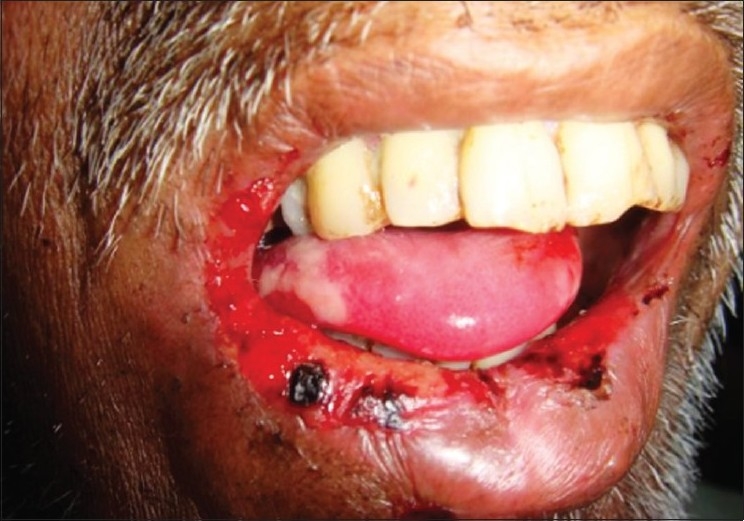
Mucositis oral

Mucositis oral en un paciente sometido a radioterapia

Imagen: “Radiation induced oral mucositis” por Ps SK, Balan A, Sankar A, Bose T. Licencia: CC BY 2.0

Tratamiento

El tratamiento se centra en EN Erythema nodosum is an immune-mediated panniculitis (inflammation of the subcutaneous fat) caused by a type IV (delayed-type) hypersensitivity reaction. It commonly manifests in young women as tender, erythematous nodules on the shins. Erythema Nodosum medidas de soporte, la reducción del dolor Dolor Inflammation y la prevención de la infección secundaria de la mucosa oral expuesta mientras se trata la causa subyacente.

  • Tratamiento de soporte: Garantizar una nutrición e hidratación adecuadas (puede ser necesaria terapia intravenosa (IV)).
  • Reducción del dolor Dolor Inflammation:
    • Anestésicos orales (enjuague de lidocaína)
    • Hay que sopesar cuidadosamente los LOS Neisseria riesgos y los LOS Neisseria beneficios del consumo de opiáceos.
  • Prevención de infecciones:
    • Recubrimientos protectores de la mucosa oral
    • Enjuagues antimicrobianos (por ejemplo, clorhexidina)
  • Tratamiento de la etiología subyacente:
    • Antivirales (aciclovir) para las lesiones herpéticas
    • Enjuague bucal con nistatina para las infecciones por Candida Candida Candida is a genus of dimorphic, opportunistic fungi. Candida albicans is part of the normal human flora and is the most common cause of candidiasis. The clinical presentation varies and can include localized mucocutaneous infections (e.g., oropharyngeal, esophageal, intertriginous, and vulvovaginal candidiasis) and invasive disease (e.g., candidemia, intraabdominal abscess, pericarditis, and meningitis). Candida/Candidiasis
    • Tratamiento de la enfermedad autoinmune subyacente
    • Corregir los LOS Neisseria desequilibrios nutricionales.
  • Si las úlceras persisten durante > 6 semanas, se deben investigar (e.g., biopsia) para descartar malignidad.

Relevancia Clínica

  • Deficiencia nutricional: deficiencia de hierro, zinc Zinc A metallic element of atomic number 30 and atomic weight 65. 38. It is a necessary trace element in the diet, forming an essential part of many enzymes, and playing an important role in protein synthesis and in cell division. Zinc deficiency is associated with anemia, short stature, hypogonadism, impaired wound healing, and geophagia. It is known by the symbol zn. Trace Elements, vitamina B2, B3, B6, B9 o B12 debido a déficits dietéticos u otras patologías que provocan malabsorción y causan lesiones orales dolorosas. El tratamiento consiste en EN Erythema nodosum is an immune-mediated panniculitis (inflammation of the subcutaneous fat) caused by a type IV (delayed-type) hypersensitivity reaction. It commonly manifests in young women as tender, erythematous nodules on the shins. Erythema Nodosum dar suplementos del nutriente deficiente.
  • Estomatitis aftosa (la más frecuente): úlceras dolorosas, redondas u ovaladas, con aspecto de cráter y con una base amarilla-grisácea con márgenes eritematosos. Las úlceras mucosas se encuentran en EN Erythema nodosum is an immune-mediated panniculitis (inflammation of the subcutaneous fat) caused by a type IV (delayed-type) hypersensitivity reaction. It commonly manifests in young women as tender, erythematous nodules on the shins. Erythema Nodosum superficies mucosas no queratinizadas (las lesiones en EN Erythema nodosum is an immune-mediated panniculitis (inflammation of the subcutaneous fat) caused by a type IV (delayed-type) hypersensitivity reaction. It commonly manifests in young women as tender, erythematous nodules on the shins. Erythema Nodosum el área perioral excluyen el diagnóstico de úlcera aftosa). La recurrencia de las úlceras es común y no implica síntomas sistémicos. La estomatitis aftosa se produce tras un traumatismo mínimo (e.g., morderse la lengua) y el tratamiento es de soporte.
  • Estomatitis angular: la saliva Saliva The clear, viscous fluid secreted by the salivary glands and mucous glands of the mouth. It contains mucins, water, organic salts, and ptyalin. Salivary Glands: Anatomy se acumula en EN Erythema nodosum is an immune-mediated panniculitis (inflammation of the subcutaneous fat) caused by a type IV (delayed-type) hypersensitivity reaction. It commonly manifests in young women as tender, erythematous nodules on the shins. Erythema Nodosum los LOS Neisseria ángulos de la boca provocando una acumulación de microorganismos, como Candida Candida Candida is a genus of dimorphic, opportunistic fungi. Candida albicans is part of the normal human flora and is the most common cause of candidiasis. The clinical presentation varies and can include localized mucocutaneous infections (e.g., oropharyngeal, esophageal, intertriginous, and vulvovaginal candidiasis) and invasive disease (e.g., candidemia, intraabdominal abscess, pericarditis, and meningitis). Candida/Candidiasis, Streptococcus Streptococcus Streptococcus is one of the two medically important genera of gram-positive cocci, the other being Staphylococcus. Streptococci are identified as different species on blood agar on the basis of their hemolytic pattern and sensitivity to optochin and bacitracin. There are many pathogenic species of streptococci, including S. pyogenes, S. agalactiae, S. pneumoniae, and the viridans streptococci. Streptococcus o Staphylococcus Staphylococcus Staphylococcus is a medically important genera of Gram-positive, aerobic cocci. These bacteria form clusters resembling grapes on culture plates. Staphylococci are ubiquitous for humans, and many strains compose the normal skin flora. Staphylococcus, creando lesiones dolorosas y ulcerosas. Los LOS Neisseria factores de riesgo incluyen el uso de chupete, prótesis dentales o una mascarilla facial. El tratamiento incluye agentes tópicos antifúngicos o antibacterianos y la prevención de grietas en EN Erythema nodosum is an immune-mediated panniculitis (inflammation of the subcutaneous fat) caused by a type IV (delayed-type) hypersensitivity reaction. It commonly manifests in young women as tender, erythematous nodules on the shins. Erythema Nodosum los LOS Neisseria labios.
  • Candidiasis Candidiasis Candida is a genus of dimorphic, opportunistic fungi. Candida albicans is part of the normal human flora and is the most common cause of candidiasis. The clinical presentation varies and can include localized mucocutaneous infections (e.g., oropharyngeal, esophageal, intertriginous, and vulvovaginal candidiasis) and invasive disease (e.g., candidemia, intraabdominal abscess, pericarditis, and meningitis). Candida/Candidiasis oral (o muguet): se presenta como placas blancas en EN Erythema nodosum is an immune-mediated panniculitis (inflammation of the subcutaneous fat) caused by a type IV (delayed-type) hypersensitivity reaction. It commonly manifests in young women as tender, erythematous nodules on the shins. Erythema Nodosum la mucosa oral que pueden rasparse con un depresor lingual. Las condiciones predisponentes incluyen prótesis dentales mal ajustadas, inmunosupresión y el uso de inhaladores de corticosteroides. La candidiasis Candidiasis Candida is a genus of dimorphic, opportunistic fungi. Candida albicans is part of the normal human flora and is the most common cause of candidiasis. The clinical presentation varies and can include localized mucocutaneous infections (e.g., oropharyngeal, esophageal, intertriginous, and vulvovaginal candidiasis) and invasive disease (e.g., candidemia, intraabdominal abscess, pericarditis, and meningitis). Candida/Candidiasis oral es frecuente en EN Erythema nodosum is an immune-mediated panniculitis (inflammation of the subcutaneous fat) caused by a type IV (delayed-type) hypersensitivity reaction. It commonly manifests in young women as tender, erythematous nodules on the shins. Erythema Nodosum pacientes pediátricos, sobre todo en EN Erythema nodosum is an immune-mediated panniculitis (inflammation of the subcutaneous fat) caused by a type IV (delayed-type) hypersensitivity reaction. It commonly manifests in young women as tender, erythematous nodules on the shins. Erythema Nodosum niños pequeños, y el 90% de los LOS Neisseria casos se deben a Candida Candida Candida is a genus of dimorphic, opportunistic fungi. Candida albicans is part of the normal human flora and is the most common cause of candidiasis. The clinical presentation varies and can include localized mucocutaneous infections (e.g., oropharyngeal, esophageal, intertriginous, and vulvovaginal candidiasis) and invasive disease (e.g., candidemia, intraabdominal abscess, pericarditis, and meningitis). Candida/Candidiasis. El tratamiento consiste en EN Erythema nodosum is an immune-mediated panniculitis (inflammation of the subcutaneous fat) caused by a type IV (delayed-type) hypersensitivity reaction. It commonly manifests in young women as tender, erythematous nodules on the shins. Erythema Nodosum emplear enjuague bucal antifúngico.
  • Estomatitis alérgica o de contacto: es una reacción de hipersensibilidad de tipo IV que se presenta en EN Erythema nodosum is an immune-mediated panniculitis (inflammation of the subcutaneous fat) caused by a type IV (delayed-type) hypersensitivity reaction. It commonly manifests in young women as tender, erythematous nodules on the shins. Erythema Nodosum forma de úlceras en EN Erythema nodosum is an immune-mediated panniculitis (inflammation of the subcutaneous fat) caused by a type IV (delayed-type) hypersensitivity reaction. It commonly manifests in young women as tender, erythematous nodules on the shins. Erythema Nodosum la boca o la lengua debido al AL Amyloidosis contacto con un alérgeno. Las causas más comunes son los LOS Neisseria saborizantes, los LOS Neisseria metales u otros componentes de los LOS Neisseria productos de higiene bucal, los LOS Neisseria alimentos, las restauraciones dentales y los LOS Neisseria medicamentos. El tratamiento consiste en EN Erythema nodosum is an immune-mediated panniculitis (inflammation of the subcutaneous fat) caused by a type IV (delayed-type) hypersensitivity reaction. It commonly manifests in young women as tender, erythematous nodules on the shins. Erythema Nodosum retirar el alérgeno y medidas de soporte.
  • Enfermedades autoinmunes: El síndrome de Stevens-Johnson ( SJS SJS Stevens-Johnson syndrome (SJS) is a cutaneous, immune-mediated hypersensitivity reaction that is commonly triggered by medications, including antiepileptics and antibiotics. The condition runs on a spectrum with toxic epidermal necrolysis (TEN) based on the amount of body surface area (BSA) involved. Stevens-Johnson Syndrome) es un trastorno grave de la piel y la mucosa oral, generalmente ocurre como reacción ante un medicamento. Por otro lado, la enfermedad de Behcet es un trastorno raro causado por la inflamación de los LOS Neisseria vasos sanguíneos, provocando llagas en EN Erythema nodosum is an immune-mediated panniculitis (inflammation of the subcutaneous fat) caused by a type IV (delayed-type) hypersensitivity reaction. It commonly manifests in young women as tender, erythematous nodules on the shins. Erythema Nodosum la mucosa oral y urogenital. Múltiples enfermedades autoinmunes pueden afectar la mucosa oral, pero suelen estar asociados a otros síntomas sistémicos de la enfermedad de base.
  • Gingivoestomatitis herpética: se presenta con lesiones vesiculares periorales dolorosas (grupos de pequeñas vesículas) causadas por el virus Virus Viruses are infectious, obligate intracellular parasites composed of a nucleic acid core surrounded by a protein capsid. Viruses can be either naked (non-enveloped) or enveloped. The classification of viruses is complex and based on many factors, including type and structure of the nucleoid and capsid, the presence of an envelope, the replication cycle, and the host range. Virology del herpes simple tipo 1 (HSV1). La gingivoestomatitis herpética es más frecuente en EN Erythema nodosum is an immune-mediated panniculitis (inflammation of the subcutaneous fat) caused by a type IV (delayed-type) hypersensitivity reaction. It commonly manifests in young women as tender, erythematous nodules on the shins. Erythema Nodosum los LOS Neisseria niños y suele producirse tras la primera exposición al AL Amyloidosis virus Virus Viruses are infectious, obligate intracellular parasites composed of a nucleic acid core surrounded by a protein capsid. Viruses can be either naked (non-enveloped) or enveloped. The classification of viruses is complex and based on many factors, including type and structure of the nucleoid and capsid, the presence of an envelope, the replication cycle, and the host range. Virology del herpes, que también es responsable del herpes labial y ampollas febriles. El tratamiento es de sostén, pero pueden utilizarse antivirales.
  • Herpangina Herpangina Acute types of coxsackievirus infections or echovirus infections that usually affect children during the summer and are characterized by vesiculoulcerative lesions on the mucous membranes of the throat; dysphagia; vomiting, and fever. Coxsackievirus: enfermedad infantil común causada a menudo por un coxsackievirus Coxsackievirus Coxsackievirus is a member of a family of viruses called Picornaviridae and the genus Enterovirus. Coxsackieviruses are single-stranded, positive-sense RNA viruses, and are divided into coxsackie group A and B viruses. Both groups of viruses cause upper respiratory infections, rashes, aseptic meningitis, or encephalitis. Coxsackievirus del grupo A. Las lesiones orales suelen tener una base blanca con un borde rojo y pueden ser muy dolorosas; las lesiones suelen afectar a la faringe posterior. La herpangina Herpangina Acute types of coxsackievirus infections or echovirus infections that usually affect children during the summer and are characterized by vesiculoulcerative lesions on the mucous membranes of the throat; dysphagia; vomiting, and fever. Coxsackievirus se presenta con un pródromo de fiebre, anorexia Anorexia The lack or loss of appetite accompanied by an aversion to food and the inability to eat. It is the defining characteristic of the disorder anorexia nervosa. Anorexia Nervosa, irritabilidad, malestar, insomnio y cefalea. El tratamiento es de soporte.

Referencias

  1. Peterson DE, Schubert MM. Oral toxicity. In: The Chemotherapy Source Book, 3rd ed, Perry MC (Ed), Williams and Wilkins, Baltimore 2001.
  2. O’Duffy JD. Behcet’s syndrome. In: Primer on the Rheumatic Diseases, 10th, Arthritis Foundation, Atlanta 1993. Vol 29, p.206.
  3. Edgar NR, Saleh D, Miller RA. Recurrent Aphthous Stomatitis: A Review. J Clin Aesthet Dermatol. 2017 Mar;10(3):26-36. Epub 2017 Mar 1. PMID: 28360966; PMCID: PMC5367879. Retrieved July 21, 2025, from https://pubmed.ncbi.nlm.nih.gov/28360966/.
  4. Canavan TN, Mathes EF, Frieden I, Shinkai K. Mycoplasma pneumoniae-induced rash and mucositis as a syndrome distinct from Stevens-Johnson syndrome and erythema multiforme: a systematic review. J Am Acad Dermatol. 2015 Feb;72(2):239-45. doi: 10.1016/j.jaad.2014.06.026. PMID: 25592340. Retrieved from https://pubmed.ncbi.nlm.nih.gov/25592340/.
  5. Cifuentes M, Davari P, Rogers RS 3rd. Contact stomatitis. Clin Dermatol. 2017 Sep-Oct;35(5):435-440. doi: 10.1016/j.clindermatol.2017.06.007. Epub 2017 Jun 24. PMID: 28916024. Retrieved July 21, 2025, from https://pubmed.ncbi.nlm.nih.gov/28916024/.

¡Crea tu cuenta gratis o inicia una sesión para seguir leyendo!

Regístrate ahora y obtén acceso gratuito a Lecturio con páginas de concepto, videos médicos y cuestionarios para tu educación médica.

User Reviews

Que tengas una sesión de estudio alegre y navideña 🎁 Ahorra 50% en todos los planes >>

Details