Domina Conceptos Médicos

Estudia para la escuela de medicina y tus examenes con Lecturio.

Entamoeba Spp./Amebiasis

La amebiasis Amebiasis Amebiasis, or amoebic dysentery, is an infection caused by the parasite Entamoeba histolytica. Transmission is through the fecal-oral route or by consumption of contaminated food and water. Most patients infected with E. histolytica are asymptomatic, but about 10% may develop dysentery. Entamoeba spp./Amebiasis o disentería amebiana, es una infección causada por el parásito Entamoeba histolytica Entamoeba Histolytica A species of parasitic protozoa causing entamoebiasis and amebic dysentery (dysentery, amebic). Characteristics include a single nucleus containing a small central karyosome and peripheral chromatin that is finely and regularly beaded. Amebicides. La transmisión se produce por la vía fecal-oral o por el consumo de agua y alimentos contaminados. La mayoría de los LOS Neisseria pacientes infectados por E. histolytica son asintomáticos, pero alrededor del 10% pueden desarrollar disentería. Las infecciones invasivas se caracterizan por dolor Dolor Inflammation abdominal, fiebre y diarrea sanguinolenta, las cuales pueden provocar complicaciones graves, como abscesos hepáticos, fístulas intestinales o colitis Colitis Inflammation of the colon section of the large intestine, usually with symptoms such as diarrhea (often with blood and mucus), abdominal pain, and fever. Pseudomembranous Colitis fulminante. El diagnóstico suele realizarse mediante el estudio de las heces o por la detección de marcadores inmunológicos. El tratamiento consiste en EN Erythema nodosum is an immune-mediated panniculitis (inflammation of the subcutaneous fat) caused by a type IV (delayed-type) hypersensitivity reaction. It commonly manifests in young women as tender, erythematous nodules on the shins. Erythema Nodosum administrar un agente amebicida absorbible como el metronidazol y un agente amebicida intraluminal como la paromomicina.

Last updated: Dec 15, 2025

Editorial responsibility: Stanley Oiseth, Lindsay Jones, Evelin Maza

Descripción General

Epidemiología

  • Cada año ocurren más de 50 millones de casos de amebiasis Amebiasis Amebiasis, or amoebic dysentery, is an infection caused by the parasite Entamoeba histolytica. Transmission is through the fecal-oral route or by consumption of contaminated food and water. Most patients infected with E. histolytica are asymptomatic, but about 10% may develop dysentery. Entamoeba spp./Amebiasis a nivel mundial.
  • Anualmente, se producen más de 100 000 muertes a nivel mundial debido a la amebiasis Amebiasis Amebiasis, or amoebic dysentery, is an infection caused by the parasite Entamoeba histolytica. Transmission is through the fecal-oral route or by consumption of contaminated food and water. Most patients infected with E. histolytica are asymptomatic, but about 10% may develop dysentery. Entamoeba spp./Amebiasis o a una complicación relacionada con la misma.
  • Entre las regiones endémicas se encuentran la India, México y zonas de América Central y del Sur, probablemente debido a las malas condiciones sanitarias y socioeconómicas.

Etiología

Agente causal: parásitos protozoarios anaerobios del género Entamoeba Entamoeba A genus of ameboid protozoa characterized by the presence of beaded chromatin on the inner surface of the nuclear membrane. Its organisms are parasitic in invertebrates and vertebrates, including humans. Nitroimidazoles

La transmisión se produce mediante la ingestión de quistes:

  • Vía fecal-oral
  • Agua o alimentos contaminados

Factores de riesgo y poblaciones de alto riesgo:
  • Geográficos:
    • Habitantes de una región endémica
    • Viajeros que pasan más de 1 mes en EN Erythema nodosum is an immune-mediated panniculitis (inflammation of the subcutaneous fat) caused by a type IV (delayed-type) hypersensitivity reaction. It commonly manifests in young women as tender, erythematous nodules on the shins. Erythema Nodosum una región endémica
    • Pacientes institucionalizados
  • Relacionados al AL Amyloidosis estado de salud:
    • Hombres que tienen sexo con otros hombres
    • Edad avanzada
    • Embarazo
    • Uso de corticosteroides
    • Malignidad
    • Desnutrición
    • Alcoholismo

Fisiopatología

Ciclo de vida de las especies de Entamoeba Entamoeba A genus of ameboid protozoa characterized by the presence of beaded chromatin on the inner surface of the nuclear membrane. Its organisms are parasitic in invertebrates and vertebrates, including humans. Nitroimidazoles (spp.)

El ciclo de vida de la Entamoeba Entamoeba A genus of ameboid protozoa characterized by the presence of beaded chromatin on the inner surface of the nuclear membrane. Its organisms are parasitic in invertebrates and vertebrates, including humans. Nitroimidazoles spp. depende de la infección de un huésped, porque la transición a través de las distintas etapas de vida se producen dentro del tracto intestinal del huésped.

Fase de quiste:

  1. Se encuentra en EN Erythema nodosum is an immune-mediated panniculitis (inflammation of the subcutaneous fat) caused by a type IV (delayed-type) hypersensitivity reaction. It commonly manifests in young women as tender, erythematous nodules on the shins. Erythema Nodosum las heces sólidas y diarreicas de un huésped infectado
  2. Ingerido por vía fecal-oral o por agua y alimentos contaminados: La ingestión de un solo quiste es suficiente para causar la infección.
  3. Los LOS Neisseria quistes ingeridos se convierten en EN Erythema nodosum is an immune-mediated panniculitis (inflammation of the subcutaneous fat) caused by a type IV (delayed-type) hypersensitivity reaction. It commonly manifests in young women as tender, erythematous nodules on the shins. Erythema Nodosum trofozoítos en EN Erythema nodosum is an immune-mediated panniculitis (inflammation of the subcutaneous fat) caused by a type IV (delayed-type) hypersensitivity reaction. It commonly manifests in young women as tender, erythematous nodules on the shins. Erythema Nodosum el intestino delgado.

Fase de trofozoíto:

  1. Los LOS Neisseria trofozoítos migran al AL Amyloidosis intestino grueso.
  2. En EN Erythema nodosum is an immune-mediated panniculitis (inflammation of the subcutaneous fat) caused by a type IV (delayed-type) hypersensitivity reaction. It commonly manifests in young women as tender, erythematous nodules on the shins. Erythema Nodosum el 10% de los LOS Neisseria casos, los LOS Neisseria trofozoítos invaden la mucosa intestinal causando diarrea sanguinolenta, destrucción local del tejido y otras complicaciones.
  3. Los LOS Neisseria trofozoítos sufren una fisión binaria y producen quistes; ambas formas se excretan en EN Erythema nodosum is an immune-mediated panniculitis (inflammation of the subcutaneous fat) caused by a type IV (delayed-type) hypersensitivity reaction. It commonly manifests in young women as tender, erythematous nodules on the shins. Erythema Nodosum las heces diarreicas.
  4. Los LOS Neisseria trofozoítos mueren rápidamente fuera del tracto gastrointestinal, pero los LOS Neisseria quistes pueden sobrevivir durante semanas.

Patogénesis de la infección invasiva

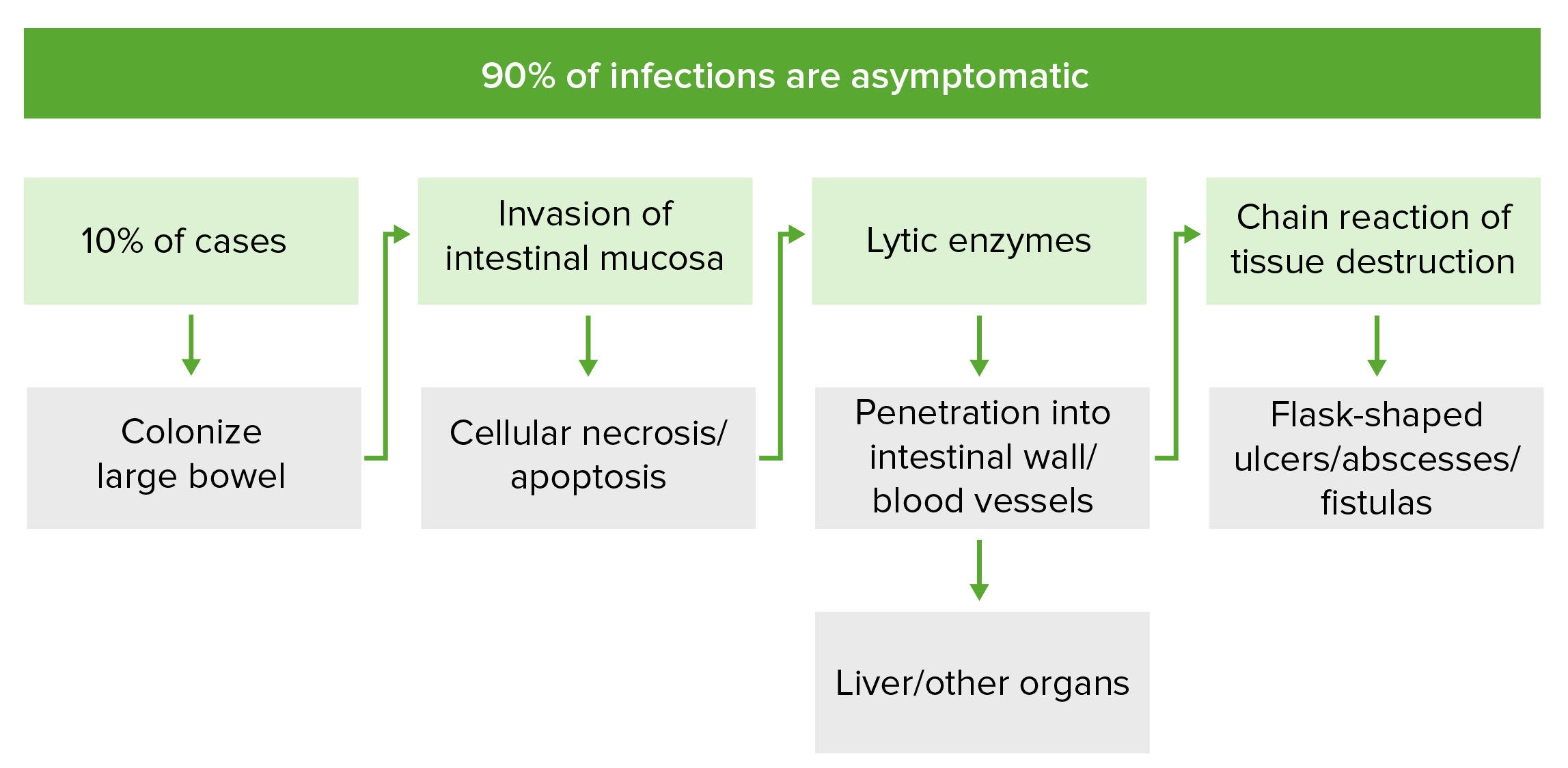
  1. Los LOS Neisseria trofozoítos colonizan el intestino grueso, secretan proteasas para invadir las células de la mucosa, causando necrosis Necrosis The death of cells in an organ or tissue due to disease, injury or failure of the blood supply. Ischemic Cell Damage y apoptosis Apoptosis A regulated cell death mechanism characterized by distinctive morphologic changes in the nucleus and cytoplasm, including the endonucleolytic cleavage of genomic DNA, at regularly spaced, internucleosomal sites, I.e., DNA fragmentation. It is genetically-programmed and serves as a balance to mitosis in regulating the size of animal tissues and in mediating pathologic processes associated with tumor growth. Ischemic Cell Damage.
  2. Los LOS Neisseria trofozoítos posteriormente liberan enzimas líticas que permiten su penetración en EN Erythema nodosum is an immune-mediated panniculitis (inflammation of the subcutaneous fat) caused by a type IV (delayed-type) hypersensitivity reaction. It commonly manifests in young women as tender, erythematous nodules on the shins. Erythema Nodosum la vasculatura intestinal.
  3. Se produce una destrucción tisular en EN Erythema nodosum is an immune-mediated panniculitis (inflammation of the subcutaneous fat) caused by a type IV (delayed-type) hypersensitivity reaction. It commonly manifests in young women as tender, erythematous nodules on the shins. Erythema Nodosum cadena, incluyendo la ruptura de las uniones intercelulares estrechas que dan lugar a fístulas y úlceras en EN Erythema nodosum is an immune-mediated panniculitis (inflammation of the subcutaneous fat) caused by a type IV (delayed-type) hypersensitivity reaction. It commonly manifests in young women as tender, erythematous nodules on the shins. Erythema Nodosum formas de botella.
  4. Los LOS Neisseria trofozoítos que han entrado a la circulación portal pueden migrar para infectar otros órganos.
Patogénesis de la entamoeba histolytica

Patogénesis de la infección invasiva por Entamoeba histolytica:
En el 10% de los casos, E. histolytica coloniza la mucosa del intestino grueso e invade mediante la secreción de proteinasas y enzimas líticas. Esto provoca la necrosis celular y la lisis de las membranas, respectivamente. Esta cadena de acontecimientos inducen la apoptosis de las células de la mucosa y alteran las estrechas uniones entre las células, lo que permiten la formación de úlceras en forma de botella, abscesos y fístulas. La invasión puede alcanzar el sistema venoso portal, a través del cual E. histolytica puede extenderse a otros órganos.

Imagen por Lecturio. Licencia: CC BY-NC-SA 4.0

Presentación Clínica

El periodo de incubación suele ser de 2–4 semanas una vez ingerido, pero los LOS Neisseria síntomas pueden desarrollarse hasta 1 año después de la infección.

El 90% de las infecciones por Entamoeba Entamoeba A genus of ameboid protozoa characterized by the presence of beaded chromatin on the inner surface of the nuclear membrane. Its organisms are parasitic in invertebrates and vertebrates, including humans. Nitroimidazoles son asintomáticas:
  • E. histolytica tiene la mayor probabilidad de causar síntomas (aproximadamente en EN Erythema nodosum is an immune-mediated panniculitis (inflammation of the subcutaneous fat) caused by a type IV (delayed-type) hypersensitivity reaction. It commonly manifests in young women as tender, erythematous nodules on the shins. Erythema Nodosum el 10% de los LOS Neisseria casos).
  • Las infecciones por E. dispar E. dispar Entamoeba spp./Amebiasis son casi siempre asintomáticas/no invasivas.

Amebiasis Amebiasis Amebiasis, or amoebic dysentery, is an infection caused by the parasite Entamoeba histolytica. Transmission is through the fecal-oral route or by consumption of contaminated food and water. Most patients infected with E. histolytica are asymptomatic, but about 10% may develop dysentery. Entamoeba spp./Amebiasis clínica

  • Inicio: 2–4 semanas
  • Los LOS Neisseria síntomas pueden incluir:
    • Heces blandas, que van desde diarreas leves a severas (94%–100% de los LOS Neisseria casos)
    • Dolor Dolor Inflammation abdominal, a menudo en EN Erythema nodosum is an immune-mediated panniculitis (inflammation of the subcutaneous fat) caused by a type IV (delayed-type) hypersensitivity reaction. It commonly manifests in young women as tender, erythematous nodules on the shins. Erythema Nodosum los LOS Neisseria cuadrantes inferiores (12%-80%)
    • Heces sanguinolentas (94%–100%)
    • Pérdida de peso (50%)
    • Fiebre (hasta el 38%)

Complicaciones

  • Infecciones bacterianas intestinales concomitantes como resultado de la ruptura de la mucosa
  • Disentería amebiana:
    • Diarrea severa sanguinolenta y moco visibles
    • Trofozoítos presentes en EN Erythema nodosum is an immune-mediated panniculitis (inflammation of the subcutaneous fat) caused by a type IV (delayed-type) hypersensitivity reaction. It commonly manifests in young women as tender, erythematous nodules on the shins. Erythema Nodosum las heces
  • Colitis Colitis Inflammation of the colon section of the large intestine, usually with symptoms such as diarrhea (often with blood and mucus), abdominal pain, and fever. Pseudomembranous Colitis fulminante:
    • Necrosis Necrosis The death of cells in an organ or tissue due to disease, injury or failure of the blood supply. Ischemic Cell Damage intestinal
    • Perforación intestinal que provoca peritonitis Peritonitis Inflammation of the peritoneum lining the abdominal cavity as the result of infectious, autoimmune, or chemical processes. Primary peritonitis is due to infection of the peritoneal cavity via hematogenous or lymphatic spread and without intra-abdominal source. Secondary peritonitis arises from the abdominal cavity itself through rupture or abscess of intra-abdominal organs. Penetrating Abdominal Injury (0,5%)
    • Megacolon Megacolon Megacolon is a severe, abnormal dilatation of the colon, and is classified as acute or chronic. There are many etiologies of megacolon, including neuropathic and dysmotility conditions, severe infections, ischemia, and inflammatory bowel disease. Megacolon tóxico
  • Diarrea persistente, pérdida de peso y dolor Dolor Inflammation abdominal, de manera que se convierten en EN Erythema nodosum is an immune-mediated panniculitis (inflammation of the subcutaneous fat) caused by a type IV (delayed-type) hypersensitivity reaction. It commonly manifests in young women as tender, erythematous nodules on the shins. Erythema Nodosum condiciones crónicas
  • Abscesos:
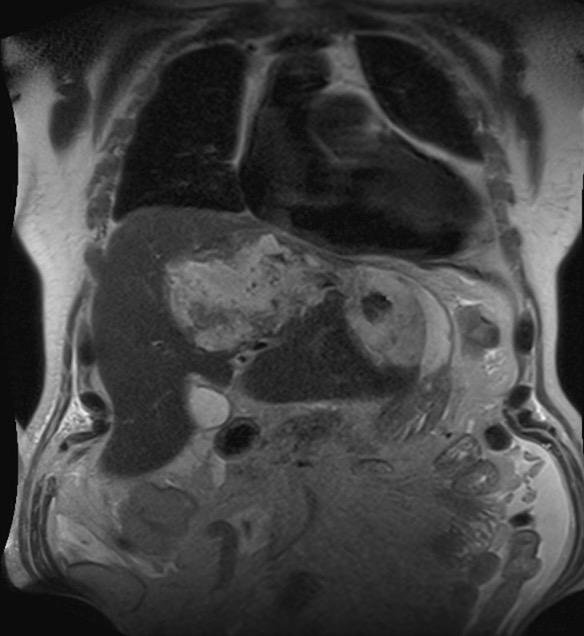
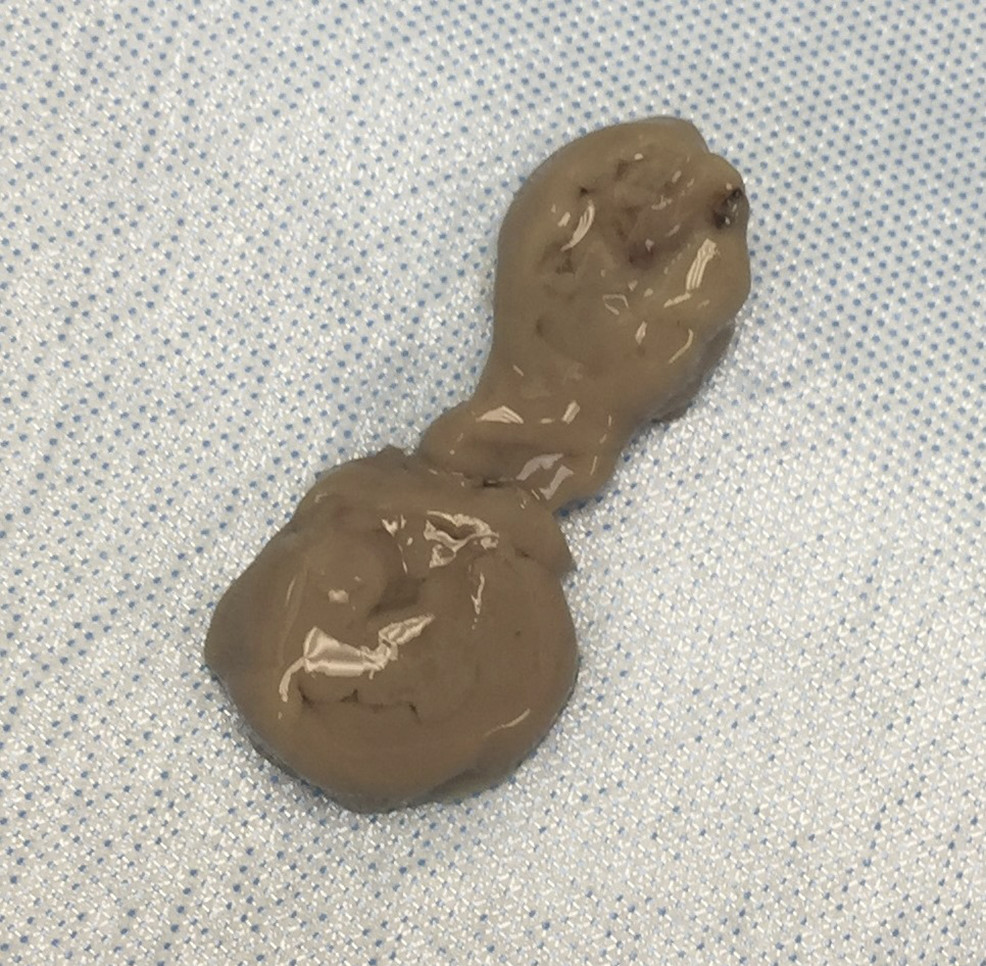
    • Hígado: Exudado de “pasta de anchoas” (> 4%)
    • En EN Erythema nodosum is an immune-mediated panniculitis (inflammation of the subcutaneous fat) caused by a type IV (delayed-type) hypersensitivity reaction. It commonly manifests in young women as tender, erythematous nodules on the shins. Erythema Nodosum raras ocasiones, pueden producirse abscesos en EN Erythema nodosum is an immune-mediated panniculitis (inflammation of the subcutaneous fat) caused by a type IV (delayed-type) hypersensitivity reaction. It commonly manifests in young women as tender, erythematous nodules on the shins. Erythema Nodosum los LOS Neisseria pulmones, en EN Erythema nodosum is an immune-mediated panniculitis (inflammation of the subcutaneous fat) caused by a type IV (delayed-type) hypersensitivity reaction. It commonly manifests in young women as tender, erythematous nodules on the shins. Erythema Nodosum el bazo o en EN Erythema nodosum is an immune-mediated panniculitis (inflammation of the subcutaneous fat) caused by a type IV (delayed-type) hypersensitivity reaction. It commonly manifests in young women as tender, erythematous nodules on the shins. Erythema Nodosum el cerebro.
  • Fístulas con órganos vecinos debido a la destrucción invasiva de las paredes intestinales

Diagnóstico

El diagnóstico de la amebiasis Amebiasis Amebiasis, or amoebic dysentery, is an infection caused by the parasite Entamoeba histolytica. Transmission is through the fecal-oral route or by consumption of contaminated food and water. Most patients infected with E. histolytica are asymptomatic, but about 10% may develop dysentery. Entamoeba spp./Amebiasis se basa en EN Erythema nodosum is an immune-mediated panniculitis (inflammation of the subcutaneous fat) caused by a type IV (delayed-type) hypersensitivity reaction. It commonly manifests in young women as tender, erythematous nodules on the shins. Erythema Nodosum la sospecha clínica y en EN Erythema nodosum is an immune-mediated panniculitis (inflammation of the subcutaneous fat) caused by a type IV (delayed-type) hypersensitivity reaction. It commonly manifests in young women as tender, erythematous nodules on the shins. Erythema Nodosum las pruebas confirmatorias. Se pueden utilizar distintas modalidades de pruebas.

  • Pruebas de antígenos en EN Erythema nodosum is an immune-mediated panniculitis (inflammation of the subcutaneous fat) caused by a type IV (delayed-type) hypersensitivity reaction. It commonly manifests in young women as tender, erythematous nodules on the shins. Erythema Nodosum heces:
    • Rápidas, sensibilidad del 90% y específico
    • Puede diferenciar las distintas especies causantes
    • Pueden incluir:
      • Ensayo inmunoabsorbente ligado a enzimas ( ELISA ELISA An immunoassay utilizing an antibody labeled with an enzyme marker such as horseradish peroxidase. While either the enzyme or the antibody is bound to an immunosorbent substrate, they both retain their biologic activity; the change in enzyme activity as a result of the enzyme-antibody-antigen reaction is proportional to the concentration of the antigen and can be measured spectrophotometrically or with the naked eye. Many variations of the method have been developed. St. Louis Encephalitis Virus, por sus siglas en EN Erythema nodosum is an immune-mediated panniculitis (inflammation of the subcutaneous fat) caused by a type IV (delayed-type) hypersensitivity reaction. It commonly manifests in young women as tender, erythematous nodules on the shins. Erythema Nodosum inglés)
      • Radioinmunoanálisis
      • Inmunofluorescencia
  • PCR PCR Polymerase chain reaction (PCR) is a technique that amplifies DNA fragments exponentially for analysis. The process is highly specific, allowing for the targeting of specific genomic sequences, even with minuscule sample amounts. The PCR cycles multiple times through 3 phases: denaturation of the template DNA, annealing of a specific primer to the individual DNA strands, and synthesis/elongation of new DNA molecules. Polymerase Chain Reaction (PCR) de heces:
    • Alta sensibilidad y especificidad
    • Costoso
    • Detecta ADN o ARN en EN Erythema nodosum is an immune-mediated panniculitis (inflammation of the subcutaneous fat) caused by a type IV (delayed-type) hypersensitivity reaction. It commonly manifests in young women as tender, erythematous nodules on the shins. Erythema Nodosum las heces
    • Puede diferenciar las distintas especies causantes
  • Microscopía de heces:
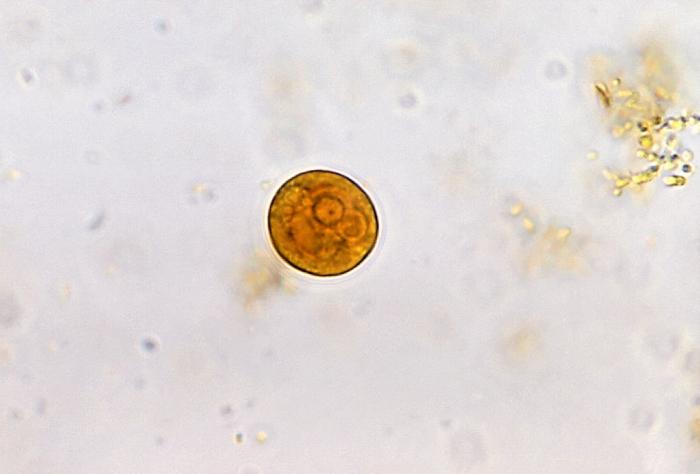
    • Muestra la presencia de quistes o trofozoítos
    • Los LOS Neisseria eritrocitos dentro del citoplasma sugieren una infección por E. histolytica.
    • Para garantizar la precisión, se requiere un mínimo de 3 muestras recolectadas en EN Erythema nodosum is an immune-mediated panniculitis (inflammation of the subcutaneous fat) caused by a type IV (delayed-type) hypersensitivity reaction. It commonly manifests in young women as tender, erythematous nodules on the shins. Erythema Nodosum días distintos.
  • Serología:
    • La presencia de anticuerpos antiamebianos sugieren una infección por E. histolytica.
    • E. dispar E. dispar Entamoeba spp./Amebiasis no suele causar la producción de anticuerpos.
    • Los LOS Neisseria anticuerpos se detectan entre 5 y 7 días después de la infección.
      • Los LOS Neisseria anticuerpos pueden persistir durante años después de una infección aguda.
      • La serología no puede distinguir entre infecciones agudas o previas.
  • Colonoscopia con examen histológico:
    • No se realiza de forma rutinaria debido al AL Amyloidosis riesgo de perforación de las ulceraciones amebianas
    • Las biopsias se realizan para obtener muestras para la microscopía o el análisis de antígenos.
    • Pueden ser visibles el engrosamiento de la mucosa y las úlceras en EN Erythema nodosum is an immune-mediated panniculitis (inflammation of the subcutaneous fat) caused by a type IV (delayed-type) hypersensitivity reaction. It commonly manifests in young women as tender, erythematous nodules on the shins. Erythema Nodosum forma de botella.

Tratamiento y Prevención

Tratamiento

Todas las infecciones por E. histolytica deben ser tratadas independientemente de la ausencia o gravedad de los LOS Neisseria síntomas; sin embargo, las infecciones por E. dispar E. dispar Entamoeba spp./Amebiasis no necesitan ser tratadas.

  • Abordaje médico (ambos son necesarios):
    1. Los LOS Neisseria amebicidas absorbibles, como el metronidazol, pueden utilizarse para tratar las infecciones dentro del tejido.
    2. Los LOS Neisseria amebicidas luminales, como la paromomicina, pueden eliminar los LOS Neisseria quistes y trofozoítos dentro de la luz intestinal.
  • Enfoque quirúrgico:
    • Drenaje de los LOS Neisseria abscesos resistentes al AL Amyloidosis tratamiento antibiótico
    • Reparación de la perforación intestinal
    • Colectomía por megacolon Megacolon Megacolon is a severe, abnormal dilatation of the colon, and is classified as acute or chronic. There are many etiologies of megacolon, including neuropathic and dysmotility conditions, severe infections, ischemia, and inflammatory bowel disease. Megacolon tóxico

Prevención

  • La prevención primaria se basa en EN Erythema nodosum is an immune-mediated panniculitis (inflammation of the subcutaneous fat) caused by a type IV (delayed-type) hypersensitivity reaction. It commonly manifests in young women as tender, erythematous nodules on the shins. Erythema Nodosum evitar los LOS Neisseria alimentos no cocinados y el agua no tratada en EN Erythema nodosum is an immune-mediated panniculitis (inflammation of the subcutaneous fat) caused by a type IV (delayed-type) hypersensitivity reaction. It commonly manifests in young women as tender, erythematous nodules on the shins. Erythema Nodosum las zonas endémicas.
  • El agua puede ser tratada con yodo antes de su consumo. Los LOS Neisseria quistes amebianos no son susceptibles al AL Amyloidosis tratamiento con cloro.
  • Una infección previa puede conferir una inmunidad parcial a través de anticuerpos IgA IgA Represents 15-20% of the human serum immunoglobulins, mostly as the 4-chain polymer in humans or dimer in other mammals. Secretory iga is the main immunoglobulin in secretions. Immunoglobulins: Types and Functions, pero se han documentado infecciones recurrentes y una colonización intestinal persistente.

Diagnóstico Diferencial

Todas las acciones que causan diarrea inespecífica o sanguinolenta son diagnósticos diferenciales para la amebiasis Amebiasis Amebiasis, or amoebic dysentery, is an infection caused by the parasite Entamoeba histolytica. Transmission is through the fecal-oral route or by consumption of contaminated food and water. Most patients infected with E. histolytica are asymptomatic, but about 10% may develop dysentery. Entamoeba spp./Amebiasis.

  • Diarrea inespecífica: la diarrea es un problema gastrointestinal común en todos los grupos de edad y se define por la aparición de > 3 episodios de heces blandas en EN Erythema nodosum is an immune-mediated panniculitis (inflammation of the subcutaneous fat) caused by a type IV (delayed-type) hypersensitivity reaction. It commonly manifests in young women as tender, erythematous nodules on the shins. Erythema Nodosum un día. Las causas infecciosas incluyen etiologías bacterianas, virales (las más comunes) o parasitarias. La diarrea inespecífica también puede ser fisiológica (e.g., en EN Erythema nodosum is an immune-mediated panniculitis (inflammation of the subcutaneous fat) caused by a type IV (delayed-type) hypersensitivity reaction. It commonly manifests in young women as tender, erythematous nodules on the shins. Erythema Nodosum respuesta al AL Amyloidosis estrés) o estar causada por factores dietéticos. La mayoría de los LOS Neisseria episodios de diarrea sin características graves, como fiebre o heces sanguinolentas, pueden tratarse con cuidados de soporte.
  • Infecciones bacterianas:
    • Shigelosis: infección causada por Shigella Shigella Shigella is a genus of gram-negative, non-lactose-fermenting facultative intracellular bacilli. Infection spreads most commonly via person-to-person contact or through contaminated food and water. Humans are the only known reservoir. Shigella que se transmite por contacto interpersonal o por agua y alimentos contaminados. La shigelosis provoca una inflamación e invasión de la mucosa intestinal, causando fiebre, dolor Dolor Inflammation abdominal y diarrea sanguinolenta. El diagnóstico se realiza mediante tinción de Gram, cultivo o PCR PCR Polymerase chain reaction (PCR) is a technique that amplifies DNA fragments exponentially for analysis. The process is highly specific, allowing for the targeting of specific genomic sequences, even with minuscule sample amounts. The PCR cycles multiple times through 3 phases: denaturation of the template DNA, annealing of a specific primer to the individual DNA strands, and synthesis/elongation of new DNA molecules. Polymerase Chain Reaction (PCR). El tratamiento de la shigelosis incluye la rehidratación, la sustitución de electrolitos y la terapia antibiótica con ciprofloxacino, ceftriaxona o cefixima.
    • Fiebre tifoidea o fiebre entérica: infección causada por Salmonella Salmonella Salmonellae are gram-negative bacilli of the family Enterobacteriaceae. Salmonellae are flagellated, non-lactose-fermenting, and hydrogen sulfide-producing microbes. Salmonella enterica, the most common disease-causing species in humans, is further classified based on serotype as typhoidal (S. typhi and paratyphi) and nontyphoidal (S. enteritidis and typhimurium). Salmonella que se transmite por vía fecal-oral y consumo de agua y alimentos contaminados. La fiebre tifoidea provoca la invasión de la mucosa intestinal y posiblemente del torrente sanguíneo, causando dolor Dolor Inflammation abdominal, diarrea y sepsis Sepsis Systemic inflammatory response syndrome with a proven or suspected infectious etiology. When sepsis is associated with organ dysfunction distant from the site of infection, it is called severe sepsis. When sepsis is accompanied by hypotension despite adequate fluid infusion, it is called septic shock. Sepsis and Septic Shock. El diagnóstico se efectúa generalmente mediante el coprocultivo. El tratamiento incluye rehidratación, sustitución de electrolitos y terapia antibiótica con fluoroquinolonas.
    • Gastroenteritis Gastroenteritis Gastroenteritis is inflammation of the stomach and intestines, commonly caused by infections from bacteria, viruses, or parasites. Transmission may be foodborne, fecal-oral, or through animal contact. Common clinical features include abdominal pain, diarrhea, vomiting, fever, and dehydration. Gastroenteritis/ enterocolitis Enterocolitis Inflammation of the mucosa of both the small intestine and the large intestine. Etiology includes ischemia, infections, allergic, and immune responses. Yersinia spp./Yersiniosis: afecciones que incluyen dolor Dolor Inflammation abdominal, náuseas, vómitos y diarrea acuosa o sanguinolenta, que no suelen provocar sepsis Sepsis Systemic inflammatory response syndrome with a proven or suspected infectious etiology. When sepsis is associated with organ dysfunction distant from the site of infection, it is called severe sepsis. When sepsis is accompanied by hypotension despite adequate fluid infusion, it is called septic shock. Sepsis and Septic Shock en EN Erythema nodosum is an immune-mediated panniculitis (inflammation of the subcutaneous fat) caused by a type IV (delayed-type) hypersensitivity reaction. It commonly manifests in young women as tender, erythematous nodules on the shins. Erythema Nodosum pacientes sanos. Algunas etiologías bacterianas importantes son Campylobacter Campylobacter Campylobacter (“curved bacteria”) is a genus of thermophilic, S-shaped, gram-negative bacilli. There are many species of Campylobacter, with C. jejuni and C. coli most commonly implicated in human disease. Campylobacter spp., Yersinia Yersinia Yersinia is a genus of bacteria characterized as gram-negative bacilli that are facultative anaerobic with bipolar staining. There are 2 enteropathogenic species that cause yersiniosis, Y. enterocolitica and Y. pseudotuberculosis. Infections are manifested as pseudoappendicitis or mesenteric lymphadenitis, and enterocolitis. Yersinia spp./Yersiniosis spp. y Escherichia spp. Estos bacilos gramnegativos se transmiten a través del consumo de alimentos poco cocinados, contaminados y agua contaminada. La diarrea suele ser autolimitada, pero el tratamiento puede incluir rehidratación, reposición de electrolitos y ciprofloxacino si está indicado.
    • Colitis Colitis Inflammation of the colon section of the large intestine, usually with symptoms such as diarrhea (often with blood and mucus), abdominal pain, and fever. Pseudomembranous Colitis pseudomembranosa: infección causada por C. difficile. Aunque el organismo causante se encuentra habitualmente en EN Erythema nodosum is an immune-mediated panniculitis (inflammation of the subcutaneous fat) caused by a type IV (delayed-type) hypersensitivity reaction. It commonly manifests in young women as tender, erythematous nodules on the shins. Erythema Nodosum la microbiota intestinal normal, la patogénesis se produce cuando hay una sobreabundancia. Los LOS Neisseria síntomas comunes incluyen diarrea maloliente y sin sangre, dolor Dolor Inflammation abdominal y náuseas con vómitos. El diagnóstico se realiza mediante PCR PCR Polymerase chain reaction (PCR) is a technique that amplifies DNA fragments exponentially for analysis. The process is highly specific, allowing for the targeting of specific genomic sequences, even with minuscule sample amounts. The PCR cycles multiple times through 3 phases: denaturation of the template DNA, annealing of a specific primer to the individual DNA strands, and synthesis/elongation of new DNA molecules. Polymerase Chain Reaction (PCR) en EN Erythema nodosum is an immune-mediated panniculitis (inflammation of the subcutaneous fat) caused by a type IV (delayed-type) hypersensitivity reaction. It commonly manifests in young women as tender, erythematous nodules on the shins. Erythema Nodosum heces o ensayos enzimáticos. El tratamiento suele consistir en EN Erythema nodosum is an immune-mediated panniculitis (inflammation of the subcutaneous fat) caused by a type IV (delayed-type) hypersensitivity reaction. It commonly manifests in young women as tender, erythematous nodules on the shins. Erythema Nodosum la interrupción del antibiótico infractor y el inicio de fidaxomicina o vancomicina por vía oral.
  • Infecciones parasitarias:
    • Giardiasis Giardiasis An infection of the small intestine caused by the flagellated protozoan giardia. It is spread via contaminated food and water and by direct person-to-person contact. Giardia/Giardiasis: infección causada por Giardia Giardia A genus of flagellate intestinal eukaryotes parasitic in various vertebrates, including humans. Characteristics include the presence of four pairs of flagella arising from a complicated system of axonemes and cysts that are ellipsoidal to ovoidal in shape. Nitroimidazoles, que son protozoos flagelados que causan infecciones tras el consumo de quistes por vía fecal-oral o de agua contaminada. El síntoma distintivo es la esteatorrea maloliente resultante de la malabsorción. El diagnóstico se ejecuta a partir de la microscopía de heces o de la prueba de antígenos. El tratamiento es con cuidados de soporte y antibióticos como el metronidazol.
    • Estrongiloidiasis: infección causada por Strongyloides stercoralis Strongyloides stercoralis A species of parasitic nematode widely distributed in tropical and subtropical countries. The females and their larvae inhabit the mucosa of the intestinal tract, where they cause ulceration and diarrhea. Strongyloidiasis, que se transmite por vía fecal-oral, por penetración a través de la piel o por penetración a través de los LOS Neisseria alvéolos pulmonares. La estrongiloidiasis provoca una constelación de síntomas inespecíficos en EN Erythema nodosum is an immune-mediated panniculitis (inflammation of the subcutaneous fat) caused by a type IV (delayed-type) hypersensitivity reaction. It commonly manifests in young women as tender, erythematous nodules on the shins. Erythema Nodosum función del órgano/sistema más afectado. El diagnóstico puede hacerse con una biopsia de piel, estudios de heces o estudios serológicos. El tratamiento incluye los LOS Neisseria antihelmínticos ivermectina y albendazol.
  • Isquemia colónica: hipoperfusión en EN Erythema nodosum is an immune-mediated panniculitis (inflammation of the subcutaneous fat) caused by a type IV (delayed-type) hypersensitivity reaction. It commonly manifests in young women as tender, erythematous nodules on the shins. Erythema Nodosum zonas del colon Colon The large intestines constitute the last portion of the digestive system. The large intestine consists of the cecum, appendix, colon (with ascending, transverse, descending, and sigmoid segments), rectum, and anal canal. The primary function of the colon is to remove water and compact the stool prior to expulsion from the body via the rectum and anal canal. Colon, Cecum, and Appendix: Anatomy sin fuentes colaterales de sangre arterial, conocidas como zonas en EN Erythema nodosum is an immune-mediated panniculitis (inflammation of the subcutaneous fat) caused by a type IV (delayed-type) hypersensitivity reaction. It commonly manifests in young women as tender, erythematous nodules on the shins. Erythema Nodosum “cuenca”, debido a trombosis, embolia o hipotensión. La fase aguda se caracteriza por una tríada clásica de dolor Dolor Inflammation abdominal intenso, vómitos y diarrea que puede ser sanguinolenta y por antecedentes de enfermedad cardiovascular. El diagnóstico se realiza generalmente con estudios de laboratorio y TC con angiografía. El tratamiento incluye la reposición de líquidos, antibióticos, anticoagulación sistémica y comúnmente, cirugía.
  • Enfermedades inflamatorias intestinales:
    • Enfermedad de Crohn: enfermedad crónica inflamatoria autoinmune que provoca una inflamación transmural y puede afectar a cualquier segmento del tracto gastrointestinal. El íleon terminal y el colon Colon The large intestines constitute the last portion of the digestive system. The large intestine consists of the cecum, appendix, colon (with ascending, transverse, descending, and sigmoid segments), rectum, and anal canal. The primary function of the colon is to remove water and compact the stool prior to expulsion from the body via the rectum and anal canal. Colon, Cecum, and Appendix: Anatomy proximal suelen estar principalmente afectados. Se presenta con dolor Dolor Inflammation abdominal tipo cólico, diarrea no sanguinolenta y síntomas extraintestinales. El diagnóstico definitivo se realiza mediante colonoscopia con biopsias y el tratamiento puede incluir antibióticos, corticosteroides y/o inmunomoduladores.
    • Colitis Colitis Inflammation of the colon section of the large intestine, usually with symptoms such as diarrhea (often with blood and mucus), abdominal pain, and fever. Pseudomembranous Colitis ulcerosa: enfermedad crónica inflamatoria autoinmune que provoca una ulceración de la mucosa en EN Erythema nodosum is an immune-mediated panniculitis (inflammation of the subcutaneous fat) caused by a type IV (delayed-type) hypersensitivity reaction. It commonly manifests in young women as tender, erythematous nodules on the shins. Erythema Nodosum la cual siempre se ve VE Ventilation: Mechanics of Breathing involucrado el recto. A diferencia de las úlceras observadas en EN Erythema nodosum is an immune-mediated panniculitis (inflammation of the subcutaneous fat) caused by a type IV (delayed-type) hypersensitivity reaction. It commonly manifests in young women as tender, erythematous nodules on the shins. Erythema Nodosum la enfermedad de Crohn, las ulceraciones en EN Erythema nodosum is an immune-mediated panniculitis (inflammation of the subcutaneous fat) caused by a type IV (delayed-type) hypersensitivity reaction. It commonly manifests in young women as tender, erythematous nodules on the shins. Erythema Nodosum la colitis Colitis Inflammation of the colon section of the large intestine, usually with symptoms such as diarrhea (often with blood and mucus), abdominal pain, and fever. Pseudomembranous Colitis ulcerosa son continuas. Los LOS Neisseria pacientes se presentan con dolor Dolor Inflammation abdominal tipo cólico, diarrea sanguinolenta y tenesmo. El diagnóstico definitivo se realiza mediante colonoscopia con biopsias y el tratamiento puede incluir corticosteroides, inmunomoduladores y cirugía de resección.
  • Apendicitis: inflamación aguda del apéndice, a menudo debida a una obstrucción por materia fecal. La apendicitis se presenta con dolor Dolor Inflammation periumbilical que migra al AL Amyloidosis cuadrante inferior derecho, con fiebre, anorexia Anorexia The lack or loss of appetite accompanied by an aversion to food and the inability to eat. It is the defining characteristic of the disorder anorexia nervosa. Anorexia Nervosa, náuseas y vómitos. El diagnóstico se suele hacer clínicamente y se auxilia de un ultrasonido o TC. El tratamiento consiste en EN Erythema nodosum is an immune-mediated panniculitis (inflammation of the subcutaneous fat) caused by a type IV (delayed-type) hypersensitivity reaction. It commonly manifests in young women as tender, erythematous nodules on the shins. Erythema Nodosum una apendicectomía quirúrgica, pero en EN Erythema nodosum is an immune-mediated panniculitis (inflammation of the subcutaneous fat) caused by a type IV (delayed-type) hypersensitivity reaction. It commonly manifests in young women as tender, erythematous nodules on the shins. Erythema Nodosum algunos casos puede utilizarse solamente la terapia con antibióticos.
  • Diverticulitis Diverticulitis Inflammation of a diverticulum or diverticula. Diverticular Disease: inflamación de los LOS Neisseria divertículos (pequeñas regiones de salida del colon Colon The large intestines constitute the last portion of the digestive system. The large intestine consists of the cecum, appendix, colon (with ascending, transverse, descending, and sigmoid segments), rectum, and anal canal. The primary function of the colon is to remove water and compact the stool prior to expulsion from the body via the rectum and anal canal. Colon, Cecum, and Appendix: Anatomy) a menudo causada por una obstrucción con materia fecal. La diverticulitis Diverticulitis Inflammation of a diverticulum or diverticula. Diverticular Disease se presenta con dolor Dolor Inflammation abdominal a menudo en EN Erythema nodosum is an immune-mediated panniculitis (inflammation of the subcutaneous fat) caused by a type IV (delayed-type) hypersensitivity reaction. It commonly manifests in young women as tender, erythematous nodules on the shins. Erythema Nodosum el cuadrante inferior izquierdo, náuseas y diarrea que puede ser sanguinolenta. El diagnóstico definitivo suele basarse en EN Erythema nodosum is an immune-mediated panniculitis (inflammation of the subcutaneous fat) caused by a type IV (delayed-type) hypersensitivity reaction. It commonly manifests in young women as tender, erythematous nodules on the shins. Erythema Nodosum los LOS Neisseria hallazgos de una TC. El tratamiento consiste en EN Erythema nodosum is an immune-mediated panniculitis (inflammation of the subcutaneous fat) caused by a type IV (delayed-type) hypersensitivity reaction. It commonly manifests in young women as tender, erythematous nodules on the shins. Erythema Nodosum reposo intestinal, líquidos intravenosos y terapia antibiótica.

Referencias

  1. Sakanari, J.A., McKerrow, J.H. (2016). Medical Parasitology: Entamoeba histolytica (Intestinal and Tissue Ameba). In Brooks J.E., et al. (Eds.), Jawetz, Melnick, & Adelberg’s Medical Microbiology. (27th ed.). [VitalSource Bookshelf 9.4.3]. 
  2. Parija, S. C., Mandal, J., & Ponnanbath, D. K. (2014). Laboratory methods of identification of Entamoeba histolytica and its differentiation from look-alike Entamoeba spp. Tropical Parasitology, 4(2), 90–95. https://doi.org/10.4103/2229-5070.138535
  3. Leder, K., Weller, P.F. (2025). Intestinal Entamoeba histolytica amebiasis. UpToDate. Retrieved November 25, 2025, from https://www.uptodate.com/contents/intestinal-entamoeba-histolytica-amebiasis
  4. Bercu, T.E., Petri, W.A., Behm, J.W. (2007). Amebic colitis: New insights into pathogenesis and treatment. Current Gastroenterology Reports, 9(5), 429–433. https://doi.org/10.1007/s11894-007-0054-8
  5. Salit, I.E., Khairnar, K., Gough, K., Pillai, D.R. (2009). A possible cluster of sexually transmitted Entamoeba histolytica: Genetic analysis of a highly virulent strain. Clinical infectious diseases: an official publication of the Infectious Diseases Society of America, 49(3), 346–353. https://pubmed.ncbi.nlm.nih.gov/19580413/
  6. Kantor, M., Abrantes, A., Estevez, A., Schiller, A., Torrent, J., Gascon, J., Hernandez, R., Ochner, C. (2018). Entamoeba Histolytica: Updates in clinical manifestation, pathogenesis, and vaccine development. Canadian Journal of Gastroenterology & Hepatology, 4601420. https://www.researchgate.net/publication/329370117_Entamoeba_Histolytica_Updates_in_Clinical_Manifestation_Pathogenesis_and_Vaccine_Development
  7. Chandnani, S., Udgirkar, S., Jain, S.S., Sonthalia, N., Contractor, Q., Rathi, P.M., Chapekar, A. (2019). Massive lower gastrointestinal bleeding due to fulminant necrotizing amebic colitis: A diagnostic and therapeutic challenge. The Journal of the Association of Physicians of India, 67(4), 79–81.
  8. Nespola, B., Betz, V., Brunet, J., Gagnard, J.C., Krummel, Y., Hansmann, Y., Hannedouche, T., Christmann, D., Pfaff, A.W., Filisetti, D., Pesson, B., Abou-Bacar, A., Candolfi, E. (2015). First case of amebic liver abscess 22 years after the first occurrence. Parasite (Paris, France), 22, 20. https://www.ncbi.nlm.nih.gov/pmc/articles/PMC4472968/
  9. Taherian, M., Samankan, S., Cagir, B. (2020). Amebic Colitis. In StatPearls. StatPearls Publishing.

¡Crea tu cuenta gratis o inicia una sesión para seguir leyendo!

Regístrate ahora y obtén acceso gratuito a Lecturio con páginas de concepto, videos médicos y cuestionarios para tu educación médica.

User Reviews

Details