Domina Conceptos Médicos

Estudia para la escuela de medicina y tus examenes con Lecturio.

Abrasiones, Erosiones y Úlceras Corneales

Las abrasiones, erosiones y úlceras corneales se clasifican como defectos epiteliales de la córnea. Estos defectos se diferencian en EN Erythema nodosum is an immune-mediated panniculitis (inflammation of the subcutaneous fat) caused by a type IV (delayed-type) hypersensitivity reaction. It commonly manifests in young women as tender, erythematous nodules on the shins. Erythema Nodosum función de su profundidad: las abrasiones se producen en EN Erythema nodosum is an immune-mediated panniculitis (inflammation of the subcutaneous fat) caused by a type IV (delayed-type) hypersensitivity reaction. It commonly manifests in young women as tender, erythematous nodules on the shins. Erythema Nodosum el epitelio de la superficie corneal, las erosiones afectan al AL Amyloidosis epitelio corneal y a la membrana basal epitelial, y las úlceras se extienden al AL Amyloidosis estroma subyacente. Los LOS Neisseria defectos de la córnea suelen estar causados por lesiones en EN Erythema nodosum is an immune-mediated panniculitis (inflammation of the subcutaneous fat) caused by a type IV (delayed-type) hypersensitivity reaction. It commonly manifests in young women as tender, erythematous nodules on the shins. Erythema Nodosum el ojo provocadas por cuerpos extraños, por causas espontáneas, como la distrofia epitelial corneal, o por infecciones. Estas lesiones se diagnostican con una buena toma de antecedentes y una exploración física adecuada. El examen con lámpara de hendidura se utiliza para la confirmación. El tratamiento incluye el uso de lubricantes tópicos, analgésicos y antibióticos. En EN Erythema nodosum is an immune-mediated panniculitis (inflammation of the subcutaneous fat) caused by a type IV (delayed-type) hypersensitivity reaction. It commonly manifests in young women as tender, erythematous nodules on the shins. Erythema Nodosum el tratamiento de las erosiones se utilizan procedimientos quirúrgicos menores. Las complicaciones incluyen infecciones, pérdida de visión, perforación y astigmatismo irregular.

Last updated: Dec 15, 2025

Editorial responsibility: Stanley Oiseth, Lindsay Jones, Evelin Maza

Descripción General

Anatomía

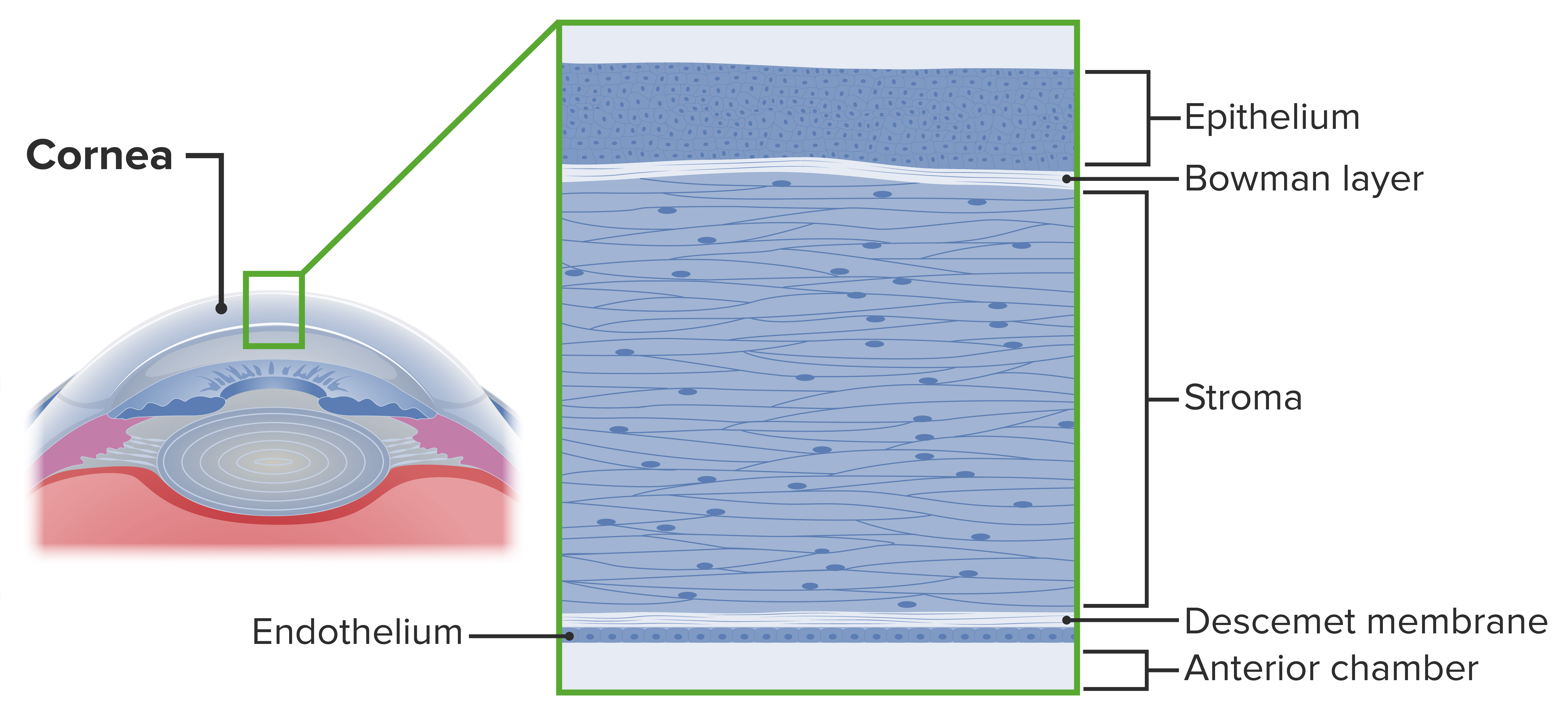
La córnea es la parte transparente y avascular Avascular Corneal Abrasions, Erosion, and Ulcers del ojo que cubre el iris, la cámara anterior y la pupila. Las capas de la córnea incluyen:
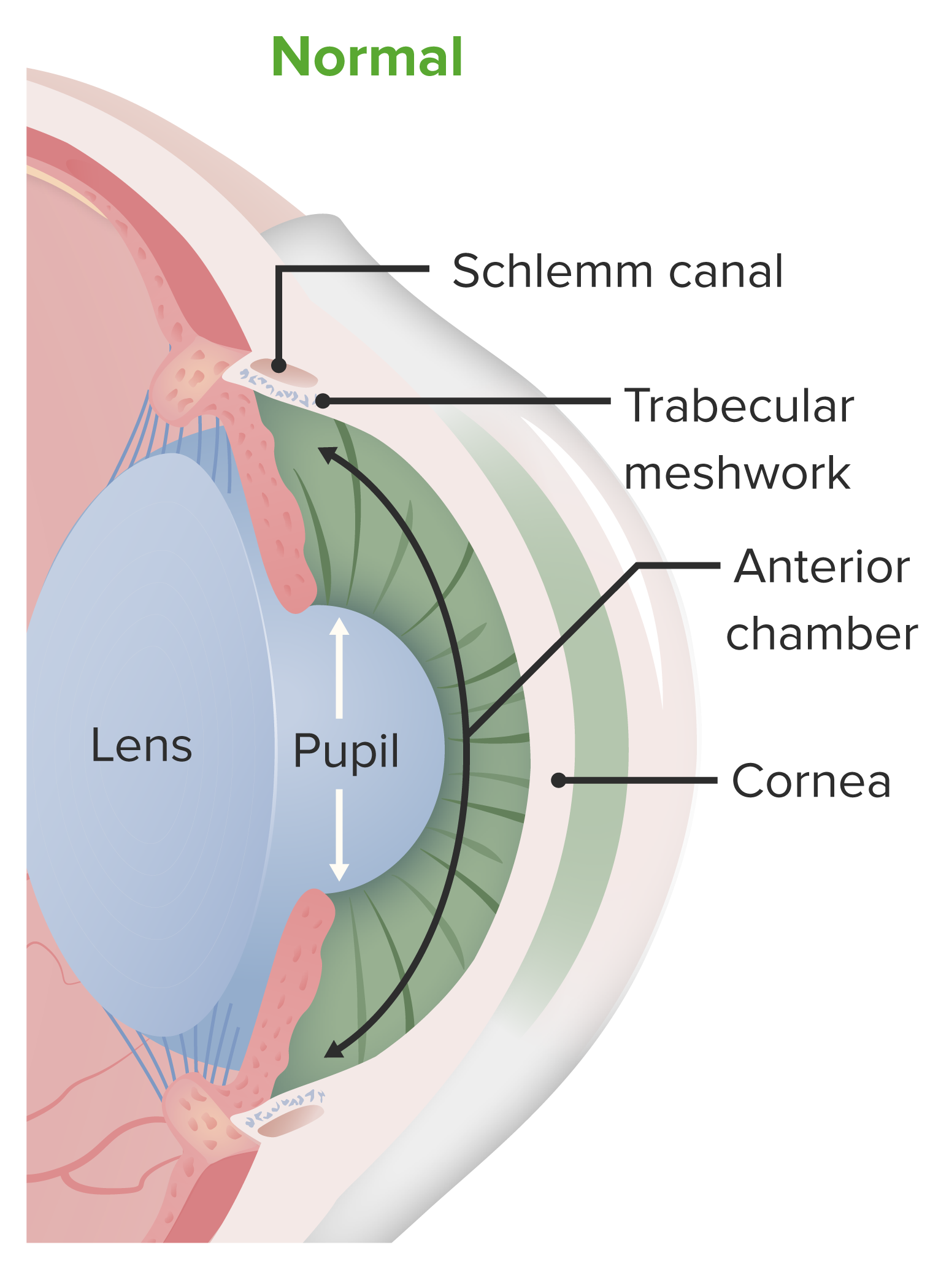
  • Epitelio
  • Membrana de Bowman
  • Estroma
  • Membrana de Descemet
  • Endotelio

Definición

Los LOS Neisseria defectos epiteliales de la córnea son afecciones que alteran la integridad estructural de la córnea. Las abrasiones, erosiones y úlceras corneales son defectos del epitelio corneal y se clasifican según la profundidad de la afectación de las capas corneales:

  • Las abrasiones corneales se definen como un defecto en EN Erythema nodosum is an immune-mediated panniculitis (inflammation of the subcutaneous fat) caused by a type IV (delayed-type) hypersensitivity reaction. It commonly manifests in young women as tender, erythematous nodules on the shins. Erythema Nodosum el epitelio de la superficie corneal.
  • Las erosiones corneales afectan al AL Amyloidosis epitelio corneal y a la membrana basal epitelial y provocan el desprendimiento del epitelio de las capas inferiores.
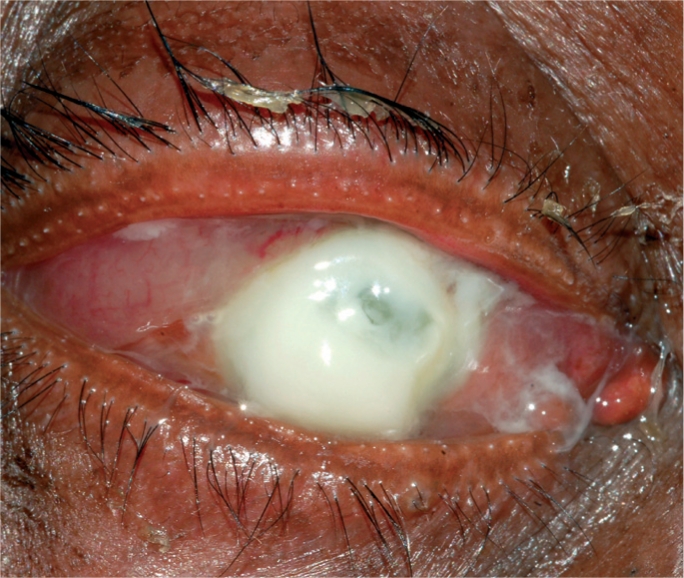
  • Las úlceras corneales son un defecto del epitelio superficial que resulta en EN Erythema nodosum is an immune-mediated panniculitis (inflammation of the subcutaneous fat) caused by a type IV (delayed-type) hypersensitivity reaction. It commonly manifests in young women as tender, erythematous nodules on the shins. Erythema Nodosum una inflamación en EN Erythema nodosum is an immune-mediated panniculitis (inflammation of the subcutaneous fat) caused by a type IV (delayed-type) hypersensitivity reaction. It commonly manifests in young women as tender, erythematous nodules on the shins. Erythema Nodosum el estroma subyacente.

Epidemiología

  • Los LOS Neisseria defectos epiteliales de la córnea representan 8%–13% de todos los LOS Neisseria casos de urgencia relacionados con los LOS Neisseria ojos.
  • Las úlceras corneales son mucho más frecuentes en EN Erythema nodosum is an immune-mediated panniculitis (inflammation of the subcutaneous fat) caused by a type IV (delayed-type) hypersensitivity reaction. It commonly manifests in young women as tender, erythematous nodules on the shins. Erythema Nodosum las personas que usan lentes de contacto o que los LOS Neisseria llevan durante largos periodos de tiempo.

Etiología

  • Abrasiones corneales:
    • Traumáticas:
      • Por las uñas
      • Papel
      • Ramas de árboles
      • Brochas de maquillaje
      • Cuerpos extraños en EN Erythema nodosum is an immune-mediated panniculitis (inflammation of the subcutaneous fat) caused by a type IV (delayed-type) hypersensitivity reaction. It commonly manifests in young women as tender, erythematous nodules on the shins. Erythema Nodosum el ojo (e.g., polvo, arena, madera, metal, vidrio)
      • Lentes de contacto
    • Espontáneas:
      • Pueden ocurrir sin una lesión inmediata
      • Pueden ser causadas por un defecto subyacente en EN Erythema nodosum is an immune-mediated panniculitis (inflammation of the subcutaneous fat) caused by a type IV (delayed-type) hypersensitivity reaction. It commonly manifests in young women as tender, erythematous nodules on the shins. Erythema Nodosum el epitelio corneal (e.g., distrofia de la membrana basal epitelial).
  • Erosiones corneales:
    • Traumatismo (puede ocurrir en EN Erythema nodosum is an immune-mediated panniculitis (inflammation of the subcutaneous fat) caused by a type IV (delayed-type) hypersensitivity reaction. It commonly manifests in young women as tender, erythematous nodules on the shins. Erythema Nodosum el lugar de una abrasión anterior)
    • Puede ocurrir en EN Erythema nodosum is an immune-mediated panniculitis (inflammation of the subcutaneous fat) caused by a type IV (delayed-type) hypersensitivity reaction. It commonly manifests in young women as tender, erythematous nodules on the shins. Erythema Nodosum individuos con ojos secos
    • En EN Erythema nodosum is an immune-mediated panniculitis (inflammation of the subcutaneous fat) caused by a type IV (delayed-type) hypersensitivity reaction. It commonly manifests in young women as tender, erythematous nodules on the shins. Erythema Nodosum los LOS Neisseria casos en EN Erythema nodosum is an immune-mediated panniculitis (inflammation of the subcutaneous fat) caused by a type IV (delayed-type) hypersensitivity reaction. It commonly manifests in young women as tender, erythematous nodules on the shins. Erythema Nodosum los LOS Neisseria que no hay antecedentes evidentes de traumatismo, debe sospecharse la existencia de distrofias epiteliales, estromales y endoteliales de la córnea.
  • Úlceras de la córnea:
    • Bacteriana (la más común):
      • Staphylococcus aureus Staphylococcus aureus Potentially pathogenic bacteria found in nasal membranes, skin, hair follicles, and perineum of warm-blooded animals. They may cause a wide range of infections and intoxications. Brain Abscess
      • Pseudomonas aeruginosa Pseudomonas aeruginosa A species of gram-negative, aerobic, rod-shaped bacteria commonly isolated from clinical specimens (wound, burn, and urinary tract infections). It is also found widely distributed in soil and water. P. Aeruginosa is a major agent of nosocomial infection. Pseudomonas
      • Streptococcus Streptococcus Streptococcus is one of the two medically important genera of gram-positive cocci, the other being Staphylococcus. Streptococci are identified as different species on blood agar on the basis of their hemolytic pattern and sensitivity to optochin and bacitracin. There are many pathogenic species of streptococci, including S. pyogenes, S. agalactiae, S. pneumoniae, and the viridans streptococci. Streptococcus pneumoniae
      • Escherichia coli Escherichia coli The gram-negative bacterium Escherichia coli is a key component of the human gut microbiota. Most strains of E. coli are avirulent, but occasionally they escape the GI tract, infecting the urinary tract and other sites. Less common strains of E. coli are able to cause disease within the GI tract, most commonly presenting as abdominal pain and diarrhea. Escherichia coli
    • Virales:
      • Herpes simple
      • Varicela zoster
      • Citomegalovirus
    • Fúngicas:
      • Aspergillus Aspergillus A genus of mitosporic fungi containing about 100 species and eleven different teleomorphs in the family trichocomaceae. Echinocandins
      • Fusarium
      • Candida albicans Candida albicans A unicellular budding fungus which is the principal pathogenic species causing candidiasis (moniliasis). Candida/Candidiasis y otras especies de Candida Candida Candida is a genus of dimorphic, opportunistic fungi. Candida albicans is part of the normal human flora and is the most common cause of candidiasis. The clinical presentation varies and can include localized mucocutaneous infections (e.g., oropharyngeal, esophageal, intertriginous, and vulvovaginal candidiasis) and invasive disease (e.g., candidemia, intraabdominal abscess, pericarditis, and meningitis). Candida/Candidiasis
    • Protozoos (Acanthamoeba)
      • Se encuentra en EN Erythema nodosum is an immune-mediated panniculitis (inflammation of the subcutaneous fat) caused by a type IV (delayed-type) hypersensitivity reaction. It commonly manifests in young women as tender, erythematous nodules on the shins. Erythema Nodosum el agua dulce y en EN Erythema nodosum is an immune-mediated panniculitis (inflammation of the subcutaneous fat) caused by a type IV (delayed-type) hypersensitivity reaction. It commonly manifests in young women as tender, erythematous nodules on the shins. Erythema Nodosum el suelo
      • Afecta particularmente a los LOS Neisseria usuarios de lentes de contacto.
    • Autoinmune:
      • Artritis reumatoide
      • Lupus eritematoso sistémico
      • Trastornos del tejido conectivo
      • Vasculitis Vasculitis Inflammation of any one of the blood vessels, including the arteries; veins; and rest of the vasculature system in the body. Systemic Lupus Erythematosus
    • Idiopática:
      • Denominadas úlceras de Mooren
      • Ulceraciones no infecciosas

Factores de riesgo

Factores de riesgo para úlceras corneales incluyen:
  • Lentes de contacto (particularmente con el uso prolongado)
  • Lesiones corneales
  • Ojo seco
  • Anormalidades de los LOS Neisseria párpados
  • Cierre incompleto del párpado
  • Gotas oculares con corticoides
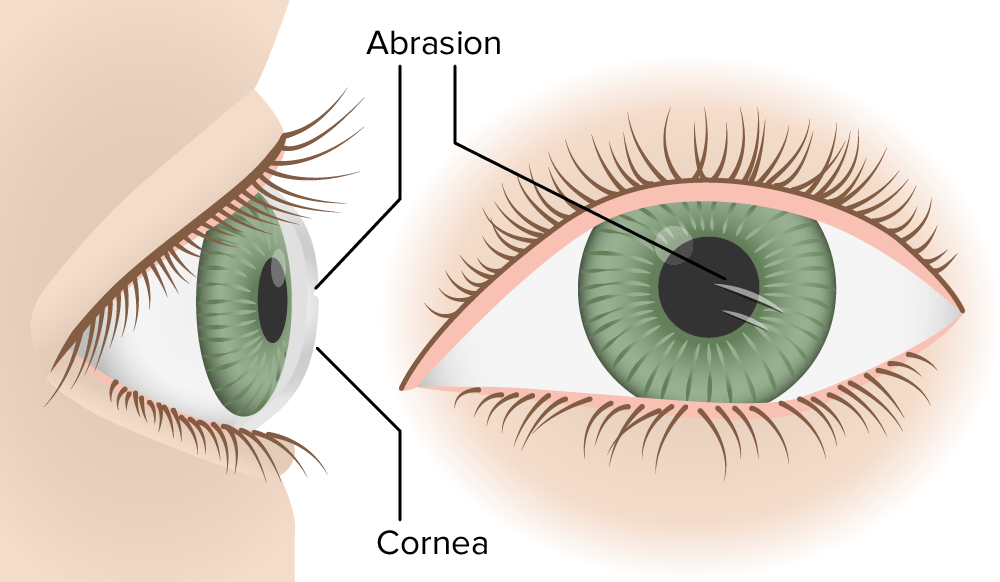
Corneal abrasion

Abrasión corneal

Imagen por Lecturio.

Fisiopatología

Abrasiones y erosiones corneales:

  • A menudo provocadas por una injuria o lesión del epitelio corneal
  • Las abrasiones están limitadas al AL Amyloidosis epitelio superficial.
  • Erosiones:
    • La injuria provoca la ruptura del epitelio y de la membrana de Bowman
    • El epitelio se desprende
  • Las lesiones en EN Erythema nodosum is an immune-mediated panniculitis (inflammation of the subcutaneous fat) caused by a type IV (delayed-type) hypersensitivity reaction. It commonly manifests in young women as tender, erythematous nodules on the shins. Erythema Nodosum el centro de la córnea pueden afectar a la agudeza visual.

Úlceras corneales:

  • Pueden iniciarse por:
    • Defecto en EN Erythema nodosum is an immune-mediated panniculitis (inflammation of the subcutaneous fat) caused by a type IV (delayed-type) hypersensitivity reaction. It commonly manifests in young women as tender, erythematous nodules on the shins. Erythema Nodosum el epitelio
    • Invasión por un patógeno
    • Condiciones autoinflamatorias
  • Las úlceras corneales pueden resultar en EN Erythema nodosum is an immune-mediated panniculitis (inflammation of the subcutaneous fat) caused by a type IV (delayed-type) hypersensitivity reaction. It commonly manifests in young women as tender, erythematous nodules on the shins. Erythema Nodosum:
    • Infiltración de la córnea por células inflamatorias
    • La ulceración es resultado de la necrosis Necrosis The death of cells in an organ or tissue due to disease, injury or failure of the blood supply. Ischemic Cell Damage y descamación de:
      • Epitelio
      • Membrana de Bowman
      • Estroma
    • La reepitelización (durante la resolución) puede formar una cicatriz.

Presentación Clínica

Los LOS Neisseria individuos suelen tener antecedentes de traumatismos en EN Erythema nodosum is an immune-mediated panniculitis (inflammation of the subcutaneous fat) caused by a type IV (delayed-type) hypersensitivity reaction. It commonly manifests in young women as tender, erythematous nodules on the shins. Erythema Nodosum el globo ocular, ya sea por cuerpo extraño o por el dedo.

Abrasiones y erosiones corneales:

  • Dolor Dolor Inflammation severo
  • Fotofobia
  • Reticencia a abrir el ojo
  • Sensación de cuerpo extraño
  • Eritema
  • Lagrimeo

Úlceras corneales:

Adicional a los LOS Neisseria signos y síntomas:
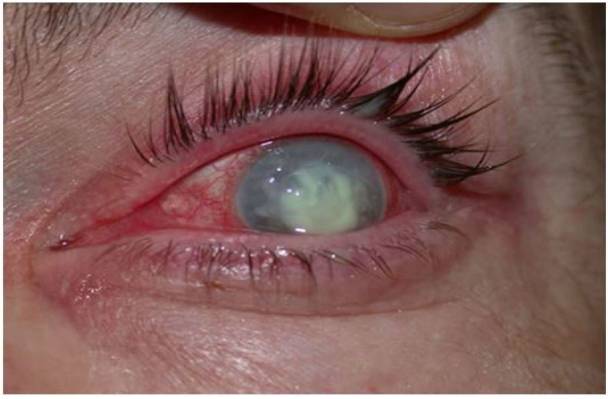
  • Eritema del párpado y de la conjuntiva
  • Secreción del ojo
  • Opacificación corneal
  • ↓ Visión

Diagnóstico

Examen físico

Anamnesis y examen oftalmológico:

Toma de antecedentes clínicos y un examen oftalmológico:

  • Los LOS Neisseria antecedentes clínicos apuntan a la etiología de la afección y puede proporcionar una orientación para el tratamiento posterior.
  • Debe realizarse un examen físico cuidadoso del ojo para determinar el alcance de la lesión y descartar cualquier perforación o pérdida inmediata de la agudeza visual.
  • Hay que evaluar los LOS Neisseria movimientos extraoculares para descartar el dolor Dolor Inflammation con el movimiento del ojo o la visión doble.
  • Evertir el párpado para comprobar si hay un cuerpo extraño retenido.
  • Se puede enviar un raspado de una úlcera corneal para su cultivo.

Examen con lámpara de hendidura:

  • El examen con lámpara de hendidura
    • Cuerpos extraños en EN Erythema nodosum is an immune-mediated panniculitis (inflammation of the subcutaneous fat) caused by a type IV (delayed-type) hypersensitivity reaction. It commonly manifests in young women as tender, erythematous nodules on the shins. Erythema Nodosum la córnea
    • Epitelio corneal
    • Infiltrados
    • Edema Edema Edema is a condition in which excess serous fluid accumulates in the body cavity or interstitial space of connective tissues. Edema is a symptom observed in several medical conditions. It can be categorized into 2 types, namely, peripheral (in the extremities) and internal (in an organ or body cavity). Edema
    • Perforación
    • Signos de distrofia corneal
    • Grado y presencia de inflamación en EN Erythema nodosum is an immune-mediated panniculitis (inflammation of the subcutaneous fat) caused by a type IV (delayed-type) hypersensitivity reaction. It commonly manifests in young women as tender, erythematous nodules on the shins. Erythema Nodosum la cámara anterior, incluyendo:
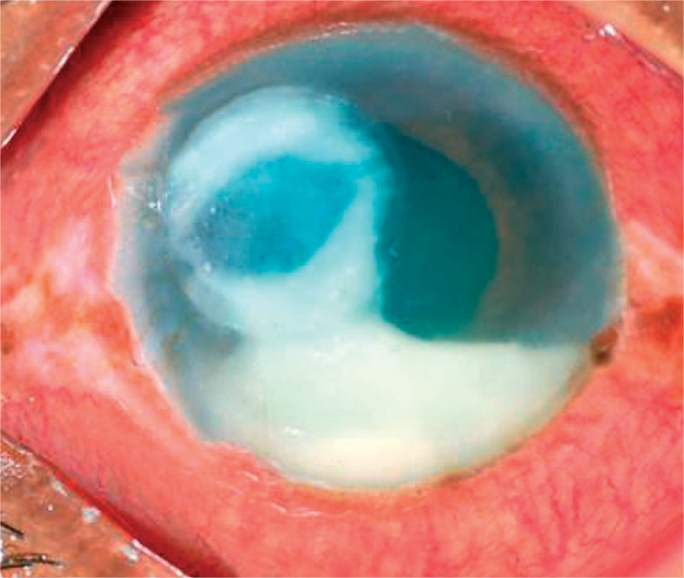
      • Hipopión, o pus en EN Erythema nodosum is an immune-mediated panniculitis (inflammation of the subcutaneous fat) caused by a type IV (delayed-type) hypersensitivity reaction. It commonly manifests in young women as tender, erythematous nodules on the shins. Erythema Nodosum la cámara anterior, puede estar presente en EN Erythema nodosum is an immune-mediated panniculitis (inflammation of the subcutaneous fat) caused by a type IV (delayed-type) hypersensitivity reaction. It commonly manifests in young women as tender, erythematous nodules on the shins. Erythema Nodosum los LOS Neisseria casos de úlcera corneal infecciosa.
      • Hifema, o sangre en EN Erythema nodosum is an immune-mediated panniculitis (inflammation of the subcutaneous fat) caused by a type IV (delayed-type) hypersensitivity reaction. It commonly manifests in young women as tender, erythematous nodules on the shins. Erythema Nodosum la cámara anterior, puede estar presente en EN Erythema nodosum is an immune-mediated panniculitis (inflammation of the subcutaneous fat) caused by a type IV (delayed-type) hypersensitivity reaction. It commonly manifests in young women as tender, erythematous nodules on the shins. Erythema Nodosum los LOS Neisseria casos de lesiones penetrantes.
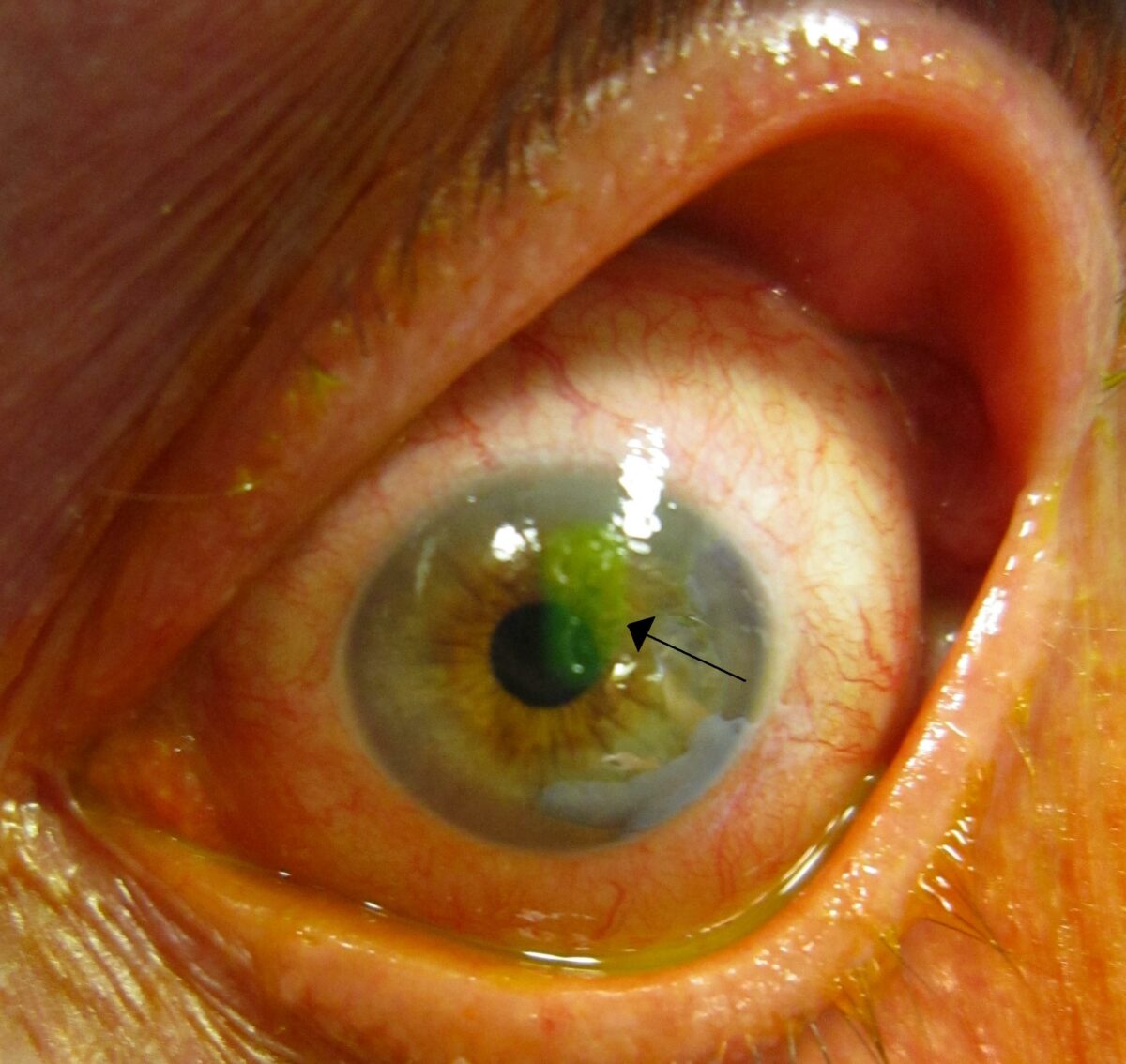
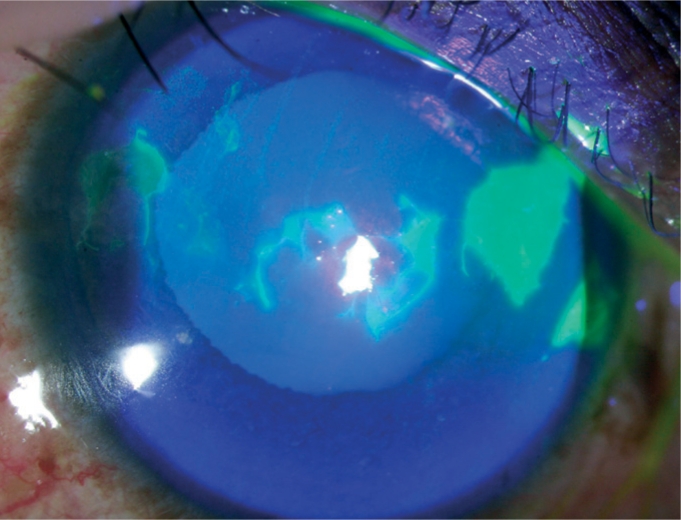
  • Debe realizarse un examen con tinte de fluoresceína para confirmar defectos del epitelio corneal:
    • El colorante hace HACE Altitude Sickness que la membrana basal, que está expuesta en EN Erythema nodosum is an immune-mediated panniculitis (inflammation of the subcutaneous fat) caused by a type IV (delayed-type) hypersensitivity reaction. It commonly manifests in young women as tender, erythematous nodules on the shins. Erythema Nodosum la zona de la lesión, se tiña de forma brillante.
    • Los LOS Neisseria defectos se iluminan en EN Erythema nodosum is an immune-mediated panniculitis (inflammation of the subcutaneous fat) caused by a type IV (delayed-type) hypersensitivity reaction. It commonly manifests in young women as tender, erythematous nodules on the shins. Erythema Nodosum verde con la exposición a la luz azul cobalto.

Tratamiento y Complicaciones

Tratamiento de las abrasiones corneales

  • Extracción del cuerpo extraño, si lo hay
  • Se podría utilizar terapia antibiótica tópica
  • Analgesia Analgesia Methods of pain relief that may be used with or in place of analgesics. Anesthesiology: History and Basic Concepts:
    • AINE tópicos u orales
    • Opioides orales
    • Gotas cicloplégicas para inhibir la contracción de la pupila; pueden incluir:
      • Ciclopentolato
      • Homatropina
  • Los LOS Neisseria esteroides tópicos no deben utilizarse en EN Erythema nodosum is an immune-mediated panniculitis (inflammation of the subcutaneous fat) caused by a type IV (delayed-type) hypersensitivity reaction. It commonly manifests in young women as tender, erythematous nodules on the shins. Erythema Nodosum ningún caso.

Tratamiento de las erosiones corneales

  • Tratadas de la misma forma que las abrasiones traumáticas
  • Los LOS Neisseria lubricantes son la 1ra línea de tratamiento
  • Analgésicos
  • Antibióticos tópicos
  • Los LOS Neisseria individuos que no responden a la lubricación o que tienen grandes erosiones pueden ser tratadas con un lente de contacto blando con venda de uso prolongado.
    • En EN Erythema nodosum is an immune-mediated panniculitis (inflammation of the subcutaneous fat) caused by a type IV (delayed-type) hypersensitivity reaction. It commonly manifests in young women as tender, erythematous nodules on the shins. Erythema Nodosum los LOS Neisseria casos en EN Erythema nodosum is an immune-mediated panniculitis (inflammation of the subcutaneous fat) caused by a type IV (delayed-type) hypersensitivity reaction. It commonly manifests in young women as tender, erythematous nodules on the shins. Erythema Nodosum los LOS Neisseria que no se produce ninguna mejora, se pueden realizar procedimientos quirúrgicos menores:
      • Micropuntura estromal anterior:
        • En EN Erythema nodosum is an immune-mediated panniculitis (inflammation of the subcutaneous fat) caused by a type IV (delayed-type) hypersensitivity reaction. It commonly manifests in young women as tender, erythematous nodules on the shins. Erythema Nodosum los LOS Neisseria casos de erosión fuera del eje visual
        • No es un método de tratamiento preferido, ya que provoca cicatrices, deslumbramiento y visión borrosa y tiene un alto índice de fracaso.
    • El desbridamiento epitelial se realiza para las lesiones en EN Erythema nodosum is an immune-mediated panniculitis (inflammation of the subcutaneous fat) caused by a type IV (delayed-type) hypersensitivity reaction. It commonly manifests in young women as tender, erythematous nodules on the shins. Erythema Nodosum el eje visual.
    • La queratectomía fototerapéutica se realiza en EN Erythema nodosum is an immune-mediated panniculitis (inflammation of the subcutaneous fat) caused by a type IV (delayed-type) hypersensitivity reaction. It commonly manifests in young women as tender, erythematous nodules on the shins. Erythema Nodosum personas en EN Erythema nodosum is an immune-mediated panniculitis (inflammation of the subcutaneous fat) caused by a type IV (delayed-type) hypersensitivity reaction. It commonly manifests in young women as tender, erythematous nodules on the shins. Erythema Nodosum las que han fracasado todos los LOS Neisseria demás métodos de tratamiento:
      • Desbridamiento mecánico del epitelio corneal suprayacente.
      • Se utiliza un láser para ablacionar parte de la capa de Bowman

Tratamiento de las úlceras corneales

  • Emergencia médica que puede llevar a una pérdida permanente de la visión
  • Tratamiento inespecífico:
    • Analgésicos
    • Medicamentos ciclopléjicos
  • Úlceras corneales bacterianas:
    • Antibióticos tópicos (e.g., moxifloxacino, gatifloxacino, tobramicina, cefazolina)
    • Los LOS Neisseria antibióticos sistémicos podrían ser necesarios en EN Erythema nodosum is an immune-mediated panniculitis (inflammation of the subcutaneous fat) caused by a type IV (delayed-type) hypersensitivity reaction. It commonly manifests in young women as tender, erythematous nodules on the shins. Erythema Nodosum casos de infecciones graves
  • Úlceras corneales virales: antivirales tópicos o sistémicos
  • Úlceras corneales fúngicas:
    • Los LOS Neisseria antifúngicos tópicos (e.g., natamicina, anfotericina) deben utilizarse durante 6–8 semanas.
    • Los LOS Neisseria medicamentos antifúngicos sistémicos pueden requerirse en EN Erythema nodosum is an immune-mediated panniculitis (inflammation of the subcutaneous fat) caused by a type IV (delayed-type) hypersensitivity reaction. It commonly manifests in young women as tender, erythematous nodules on the shins. Erythema Nodosum casos graves.
  • Úlceras corneales por Acanthamoeba:
    • El tratamiento óptimo aún es incierto
    • 12–16 semanas de terapia antiamebiana (e.g., propamidina, hexamidina, clorhexidina, biguanida de polihexametileno)
    • La riboflavina tópica + la luz ultravioleta (UV) o los LOS Neisseria antifúngicos tópicos pueden utilizarse en EN Erythema nodosum is an immune-mediated panniculitis (inflammation of the subcutaneous fat) caused by a type IV (delayed-type) hypersensitivity reaction. It commonly manifests in young women as tender, erythematous nodules on the shins. Erythema Nodosum aquellos casos con una respuesta pobre al AL Amyloidosis tratamiento estándar.
    • En EN Erythema nodosum is an immune-mediated panniculitis (inflammation of the subcutaneous fat) caused by a type IV (delayed-type) hypersensitivity reaction. It commonly manifests in young women as tender, erythematous nodules on the shins. Erythema Nodosum los LOS Neisseria casos refractarios puede considerarse el desbridamiento mecánico y el trasplante de córnea.

Complicaciones

  • Cicatrización de la córnea
  • Úlceras corneales infecciosas
  • Perforación
  • Opacidades corneales
  • Astigmatismo irregular
  • Pérdida de visión

Diagnóstico Diferencial

  • Hifema: afección en EN Erythema nodosum is an immune-mediated panniculitis (inflammation of the subcutaneous fat) caused by a type IV (delayed-type) hypersensitivity reaction. It commonly manifests in young women as tender, erythematous nodules on the shins. Erythema Nodosum la que la sangre se acumula en EN Erythema nodosum is an immune-mediated panniculitis (inflammation of the subcutaneous fat) caused by a type IV (delayed-type) hypersensitivity reaction. It commonly manifests in young women as tender, erythematous nodules on the shins. Erythema Nodosum la cámara anterior. El hifema suele estar causado por un traumatismo. La pérdida parcial o total de la agudeza visual es el 1er signo de hifema. El tratamiento incluye analgésicos, ciclopléjicos, esteroides tópicos y parches.
  • Hipopión: afección en EN Erythema nodosum is an immune-mediated panniculitis (inflammation of the subcutaneous fat) caused by a type IV (delayed-type) hypersensitivity reaction. It commonly manifests in young women as tender, erythematous nodules on the shins. Erythema Nodosum la que se acumulan células inflamatorias y exudados en EN Erythema nodosum is an immune-mediated panniculitis (inflammation of the subcutaneous fat) caused by a type IV (delayed-type) hypersensitivity reaction. It commonly manifests in young women as tender, erythematous nodules on the shins. Erythema Nodosum la cámara anterior. El hipopión es el resultado de una infección subyacente y se observa a menudo en EN Erythema nodosum is an immune-mediated panniculitis (inflammation of the subcutaneous fat) caused by a type IV (delayed-type) hypersensitivity reaction. It commonly manifests in young women as tender, erythematous nodules on the shins. Erythema Nodosum las úlceras corneales bacterianas y fúngicas. Los LOS Neisseria principales síntomas son el dolor Dolor Inflammation y la pérdida parcial o total de la agudeza visual. La afección se trata con agentes antibacterianos o antifúngicos tópicos y sistémicos administrados junto con analgésicos.
  • Iritis Iritis Inflammation of the iris characterized by circumcorneal injection, aqueous flare, keratotic precipitates, and constricted and sluggish pupil along with discoloration of the iris. Leprosy: inflamación de la cámara anterior o posterior y del iris. Los LOS Neisseria principales síntomas de la iritis Iritis Inflammation of the iris characterized by circumcorneal injection, aqueous flare, keratotic precipitates, and constricted and sluggish pupil along with discoloration of the iris. Leprosy son dolor Dolor Inflammation, fotofobia y dolor Dolor Inflammation asociado a los LOS Neisseria movimientos oculares. El tratamiento incluye ciclopléjicos tópicos y esteroides tópicos.
  • Quemaduras químicas: emergencia ocular. Las quemaduras químicas son el resultado de la exposición del ojo a diversas sustancias químicas. Las lesiones alcalinas son las más comunes. Las quemaduras químicas producen grandes daños en EN Erythema nodosum is an immune-mediated panniculitis (inflammation of the subcutaneous fat) caused by a type IV (delayed-type) hypersensitivity reaction. It commonly manifests in young women as tender, erythematous nodules on the shins. Erythema Nodosum el epitelio de la superficie ocular, en EN Erythema nodosum is an immune-mediated panniculitis (inflammation of the subcutaneous fat) caused by a type IV (delayed-type) hypersensitivity reaction. It commonly manifests in young women as tender, erythematous nodules on the shins. Erythema Nodosum la córnea y en EN Erythema nodosum is an immune-mediated panniculitis (inflammation of the subcutaneous fat) caused by a type IV (delayed-type) hypersensitivity reaction. It commonly manifests in young women as tender, erythematous nodules on the shins. Erythema Nodosum el segmento anterior, lo que da lugar a una discapacidad visual permanente unilateral o bilateral. Estas lesiones deben ser tratadas como una afección de emergencia, y la rehabilitación juega un papel importante en EN Erythema nodosum is an immune-mediated panniculitis (inflammation of the subcutaneous fat) caused by a type IV (delayed-type) hypersensitivity reaction. It commonly manifests in young women as tender, erythematous nodules on the shins. Erythema Nodosum la restauración de la visión.
  • Cuerpo extraño: puede estar parcial o totalmente alojado en EN Erythema nodosum is an immune-mediated panniculitis (inflammation of the subcutaneous fat) caused by a type IV (delayed-type) hypersensitivity reaction. It commonly manifests in young women as tender, erythematous nodules on the shins. Erythema Nodosum la córnea y puede confundirse con una úlcera corneal. Un cuerpo extraño puede provocar por sí mismo una úlcera corneal. Un cuerpo extraño provoca daños en EN Erythema nodosum is an immune-mediated panniculitis (inflammation of the subcutaneous fat) caused by a type IV (delayed-type) hypersensitivity reaction. It commonly manifests in young women as tender, erythematous nodules on the shins. Erythema Nodosum el epitelio y, por lo tanto, facilita la entrada de diversos patógenos. El tratamiento incluye la extracción del cuerpo extraño y el uso de antibióticos tópicos, ciclopléjicos tópicos y analgésicos sistémicos.
  • Queratitis epitelial por virus Virus Viruses are infectious, obligate intracellular parasites composed of a nucleic acid core surrounded by a protein capsid. Viruses can be either naked (non-enveloped) or enveloped. The classification of viruses is complex and based on many factors, including type and structure of the nucleoid and capsid, the presence of an envelope, the replication cycle, and the host range. Virology del herpes simple: suele darse en EN Erythema nodosum is an immune-mediated panniculitis (inflammation of the subcutaneous fat) caused by a type IV (delayed-type) hypersensitivity reaction. It commonly manifests in young women as tender, erythematous nodules on the shins. Erythema Nodosum individuos con inmunidad comprometida y está causada por el virus Virus Viruses are infectious, obligate intracellular parasites composed of a nucleic acid core surrounded by a protein capsid. Viruses can be either naked (non-enveloped) or enveloped. The classification of viruses is complex and based on many factors, including type and structure of the nucleoid and capsid, the presence of an envelope, the replication cycle, and the host range. Virology del herpes simple. La presencia de múltiples dendritas epiteliales pequeñas y ramificadas en EN Erythema nodosum is an immune-mediated panniculitis (inflammation of the subcutaneous fat) caused by a type IV (delayed-type) hypersensitivity reaction. It commonly manifests in young women as tender, erythematous nodules on the shins. Erythema Nodosum la superficie de la córnea es el signo distintivo de esta enfermedad. Los LOS Neisseria síntomas son dolor Dolor Inflammation, eritema, disminución de la agudeza visual y lagrimeo excesivo. El tratamiento es la terapia antiviral Antiviral Antivirals for Hepatitis B o la queratoplastia lamelar.

Referencias

  1. Jacobs, D. (2024). Corneal abrasions and corneal foreign bodies: clinical manifestations and diagnosis. UpToDate. Retrieved July 16, 2025, from https://www.uptodate.com/contents/corneal-abrasions-and-corneal-foreign-bodies-clinical-manifestations-and-diagnosis
  2. Miller, D. D., Hasan, S. A., Simmons, N. L., Stewart, M. W. (2019). Recurrent corneal erosion: a comprehensive review. Clinical Ophthalmology 13:325–335.
  3. Deschenes, J. (2023). Corneal Ulcer. Emedicine. Retrieved July 16, 2025, from https://emedicine.medscape.com/article/1195680-overview?ecd=ppc_google_rlsa-traf_mscp_emed_md-ldlm-cohort_us#a5
  4. Verma, A. (2024). Corneal abrasion. Emedicine. Retrieved July 16, 2025, from https://emedicine.medscape.com/article/1195402-overview?ecd=ppc_google_rlsa-traf_mscp_emed_md-ldlm-cohort_us
  5. Verma, A. (2025). Recurrent corneal erosion. Emedicine. Retrieved July 16, 2025, from https://emedicine.medscape.com/article/1195183-overview?ecd=ppc_google_rlsa-traf_mscp_emed_md-ldlm-cohort_us
  6. Seas, C., and Bravo, F. (2024). Free-living amebas and prototheca. UpToDate. Retrieved July 16, 2025, from https://www.uptodate.com/contents/free-living-amebas-and-prototheca
  7. Weiner, G. (2012). Confronting corneal ulcers. American Academy of Ophthalmology. Retrieved July 16, 2025, from https://www.aao.org/eyenet/article/confronting-corneal-ulcers
  8. Roat, M. I. (2024). Corneal ulcer. MSD Manual Professional Version. Retrieved July 16, 2025, from https://www.merckmanuals.com/professional/eye-disorders/corneal-disorders/corneal-ulcer
  9. Lim, C. H., & Turner, A., et al. (2016). Patching for corneal abrasion. Cochrane Database of Systematic Reviews, 2016(7), CD004764. https://doi.org/10.1002/14651858.CD004764.pub3

¡Crea tu cuenta gratis o inicia una sesión para seguir leyendo!

Regístrate ahora y obtén acceso gratuito a Lecturio con páginas de concepto, videos médicos y cuestionarios para tu educación médica.

User Reviews

Que tengas una sesión de estudio alegre y navideña 🎁 Ahorra 50% en todos los planes >>

Details