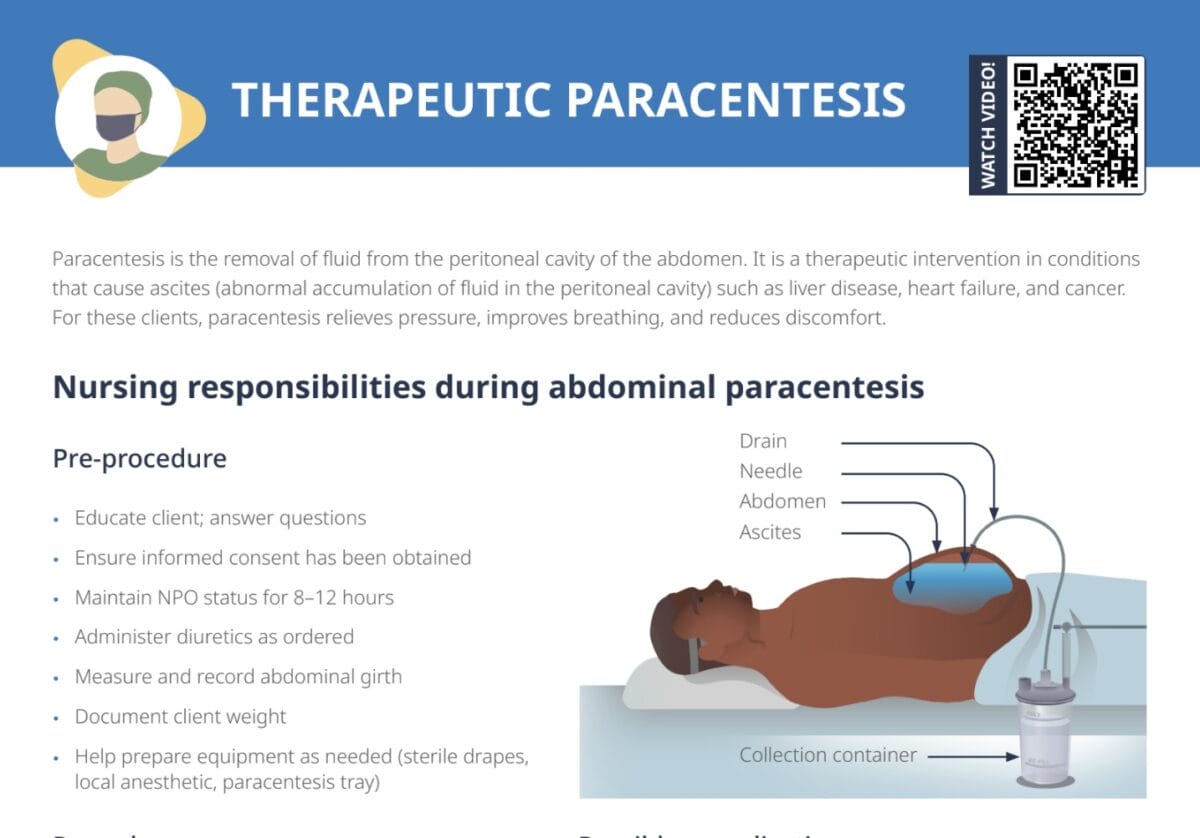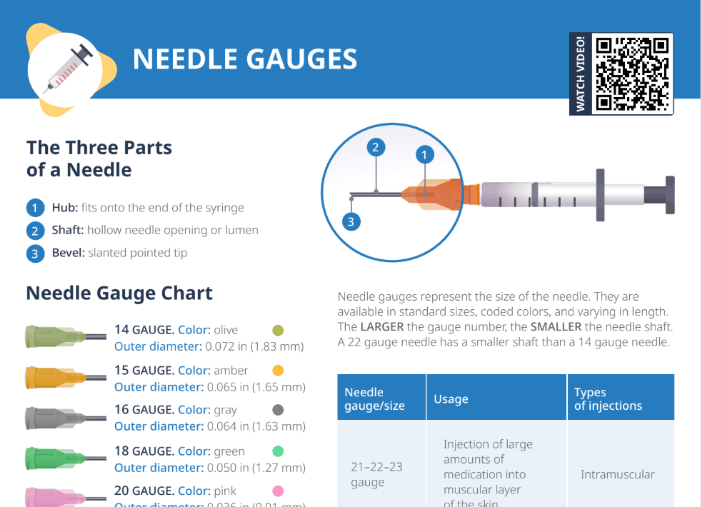


Paracentesis is an invasive procedure in which a large-bore needle is inserted into the abdomen to drain fluid from the peritoneum through a drainage catheter into a container.
If done for diagnostic purposes, a small amount of fluid is removed for testing. Removing large volumes of fluid via paracentesis is an important treatment measure when ascites does not resolve with medication and dietary changes.
Note: The suffix -esis always indicates that the term means something related to shifting fluids.
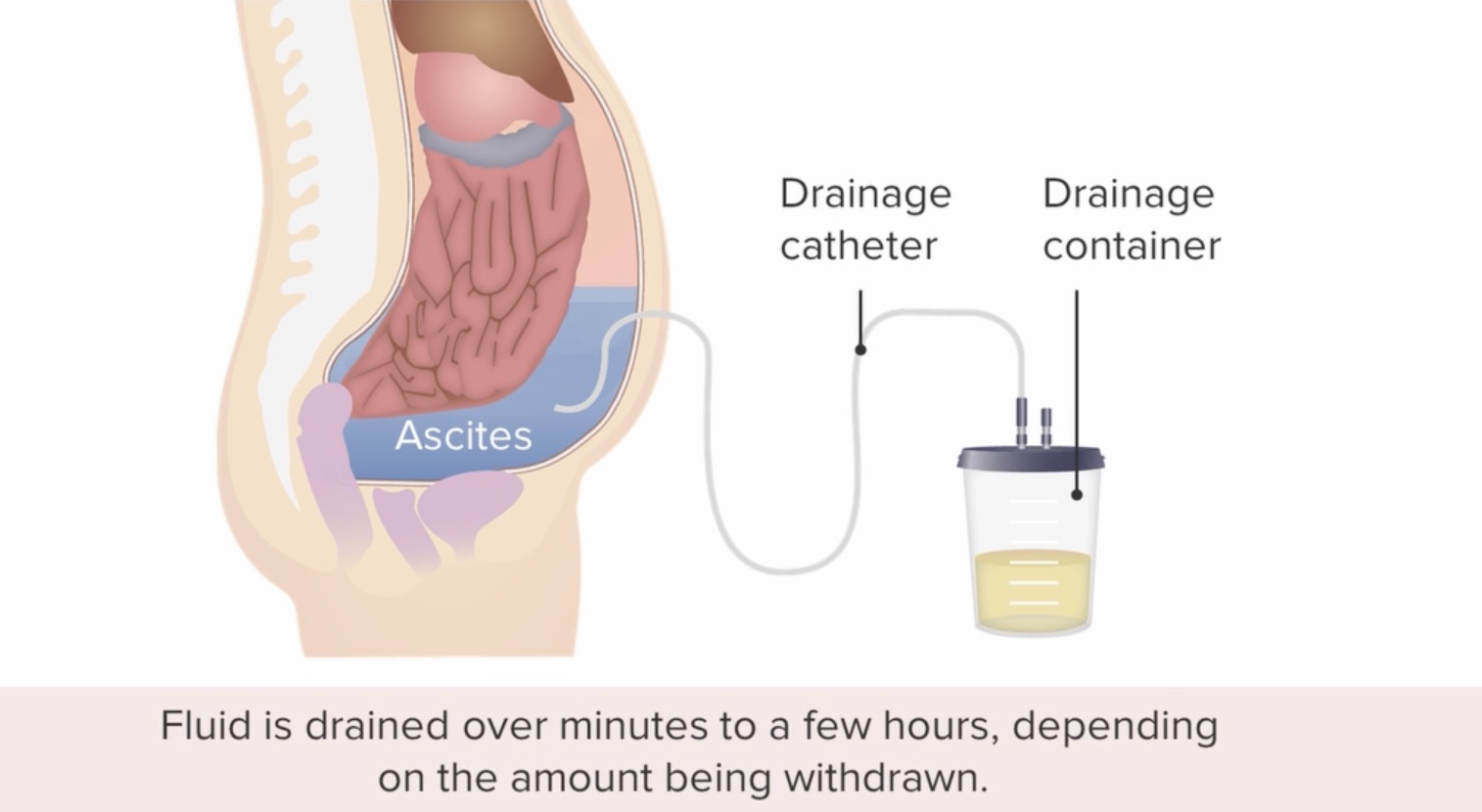
Ascites, the accumulation of fluid in the peritoneum, is a key complication of liver cirrhosis and a typical indication for therapeutic paracentesis. The first line of treatment for ascites is based on a low-sodium diet and diuretic treatment. If the drug therapy and dietary restriction are no longer effective, paracentesis is the next step.
Nursing tasks involve preparing the client for the procedure, and monitoring the client’s safety during and after the procedure.
Note: Drain fluid slowly to minimize the client’s risk of circulatory collapse.
The procedure can take minutes up to a few hours depending on the amount of fluid removed, and how stable the patient is.
After the procedure: