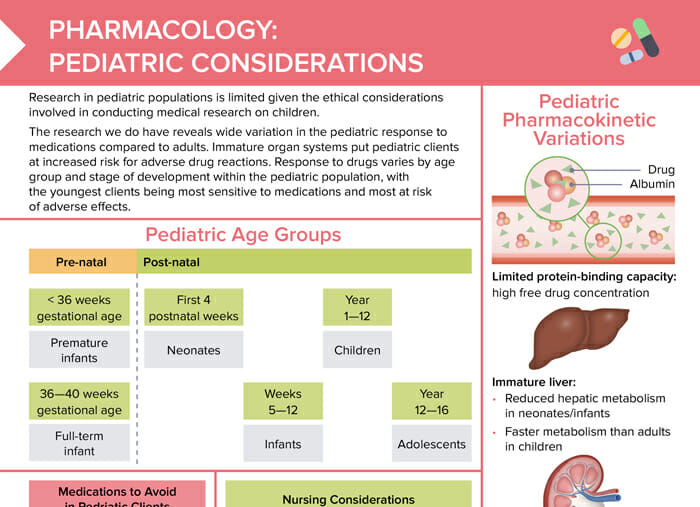


Drug toxicity refers to the harmful effects of a drug when administered at a normal or high dose. It can result in adverse reactions that can be life-threatening, causing damage to organs like the liver or kidneys, or leading to other significant health issues.
Adverse effects also can occur even at therapeutic doses and are generally less severe, although they can still be harmful. While mild adverse effects are usually anticipated and listed by the manufacturer, drug toxicity often results from medication errors, interactions, or individual sensitivities and is generally more severe and urgent. Nurses should monitor for both but treat drug toxicity as a medical emergency requiring immediate intervention.
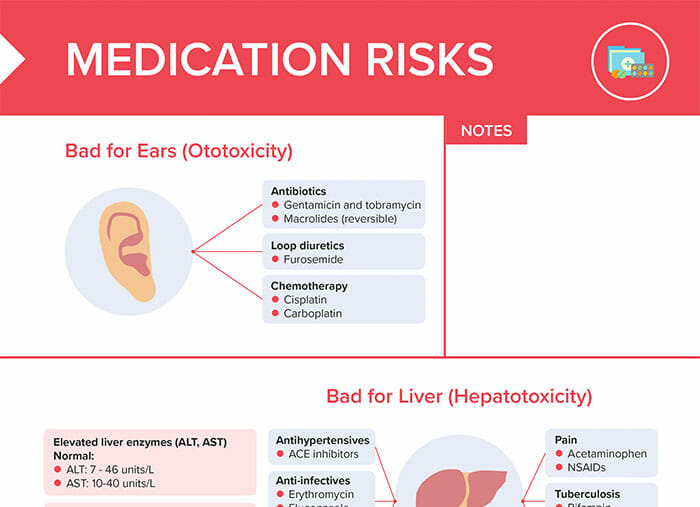
Ototoxicity refers to the harmful effects of certain medications or substances on the inner ear, specifically affecting structures responsible for hearing and balance.
Antibiotics:
Loop diuretics:
Chemotherapy:
Ototoxicity can lead to symptoms like vertigo, tinnitus, and hearing loss.
Nephrotoxicity refers to the toxic effect of medication, chemicals, or toxins on the kidneys. It can lead to reduced kidney function and, in severe cases, renal failure.
Antibiotics:
ACE inhibitors
NSAIDs
Radiocontrast media (especially with metformin)
Lithium salts:
Chemotherapy:
To detect nephrotoxicity, watch for:
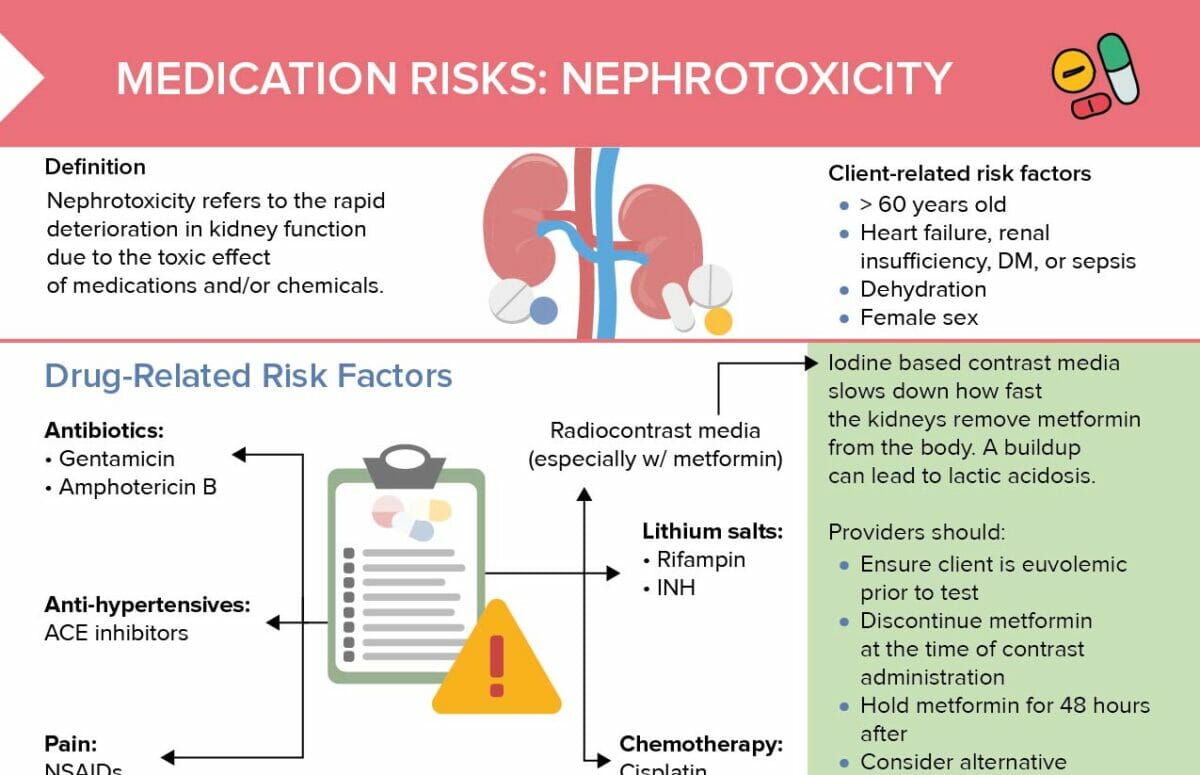
Overview of nephrotoxic medications: definition, medications with increased risk, lab values to monitor, and prevention
Hepatotoxicity refers to the damaging effects of substances, including medications, on the liver.
Antihypertensives:
Anti-infectives:
Alcohol
Pain medications:
Tuberculosis drugs:
Phenothiazines
Hepatotoxicity can present with:
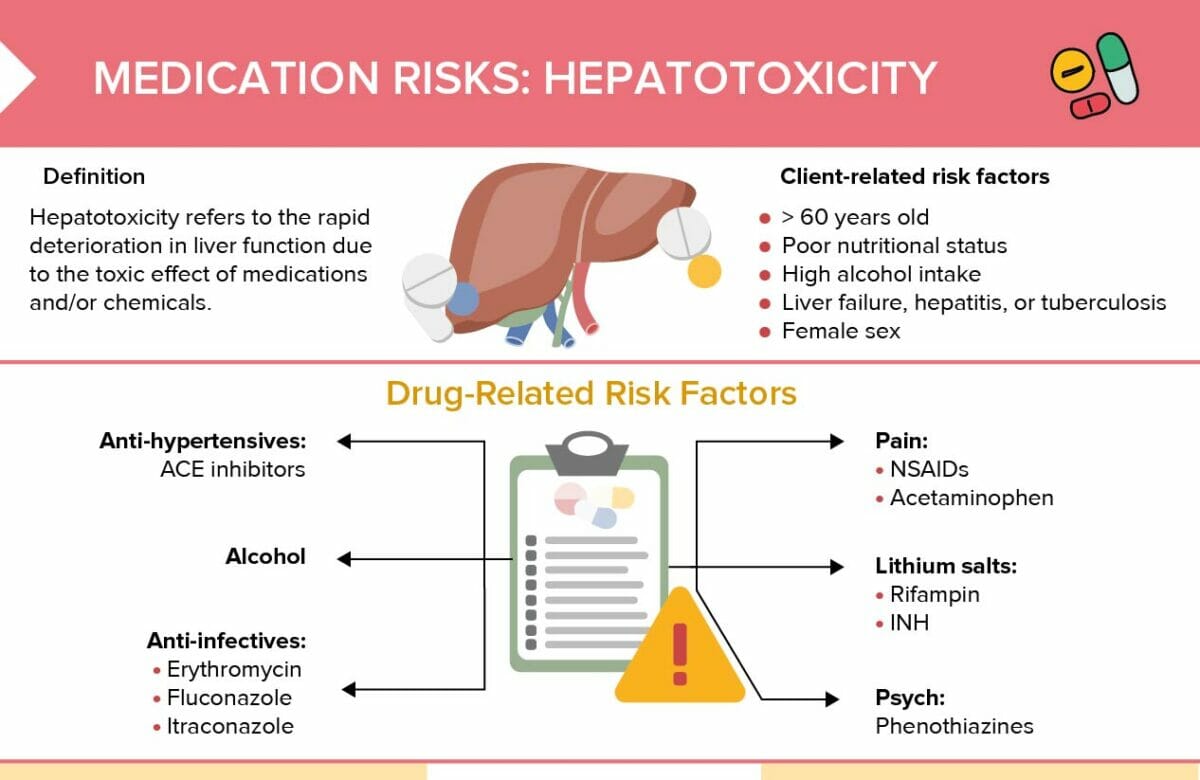
Overview of hepatotoxic medications: definition, medications with increased risk, lab values to monitor, and symptoms
The correct answer is option 2: “Drug toxicity refers to the harmful effects of a drug when taken at normal or high doses, leading to adverse reactions or organ damage.”
This statement encapsulates the essence of what drug toxicity is—a harmful impact that can cause severe health issues or damage to organs. It specifies that these effects can happen at both normal and high doses, differentiating it from known adverse effects, which can occur even at therapeutic doses.