Domina Conceptos Médicos

Estudia para la escuela de medicina y tus examenes con Lecturio.

Trypanosoma Cruzi/Enfermedad De Chagas

La enfermedad de Chagas es una infección causada por el tripanosoma americano Trypanosoma cruzi Trypanosoma cruzi Chagas disease is an infection caused by the American trypanosome Trypanosoma cruzi. This parasitic protozoan is transmitted in the feces of reduviid bugs in South and Central America. Acute infection may present with inflammation at the inoculation site (chagoma), fever, and lymphadenopathy. Untreated, chronic infection can progress to severe complications. Trypanosoma cruzi/Chagas disease. Este protozoo parásito se transmite en EN Erythema nodosum is an immune-mediated panniculitis (inflammation of the subcutaneous fat) caused by a type IV (delayed-type) hypersensitivity reaction. It commonly manifests in young women as tender, erythematous nodules on the shins. Erythema Nodosum las heces de las chinches triatominas (familia Reduviidae, subfamilia Triatominae) en EN Erythema nodosum is an immune-mediated panniculitis (inflammation of the subcutaneous fat) caused by a type IV (delayed-type) hypersensitivity reaction. It commonly manifests in young women as tender, erythematous nodules on the shins. Erythema Nodosum América del Sur y Central. La infección aguda puede presentarse con inflamación en EN Erythema nodosum is an immune-mediated panniculitis (inflammation of the subcutaneous fat) caused by a type IV (delayed-type) hypersensitivity reaction. It commonly manifests in young women as tender, erythematous nodules on the shins. Erythema Nodosum el sitio de inoculación ( chagoma Chagoma Trypanosoma cruzi/Chagas disease), fiebre y linfadenopatía. Si no se trata, la infección crónica puede evolucionar a complicaciones graves, como megacolon Megacolon Megacolon is a severe, abnormal dilatation of the colon, and is classified as acute or chronic. There are many etiologies of megacolon, including neuropathic and dysmotility conditions, severe infections, ischemia, and inflammatory bowel disease. Megacolon, megaesófago y cardiomiopatía. El diagnóstico puede confirmarse con la identificación de los LOS Neisseria organismos en EN Erythema nodosum is an immune-mediated panniculitis (inflammation of the subcutaneous fat) caused by a type IV (delayed-type) hypersensitivity reaction. It commonly manifests in young women as tender, erythematous nodules on the shins. Erythema Nodosum el frotis de sangre, la serología o PCR PCR Polymerase chain reaction (PCR) is a technique that amplifies DNA fragments exponentially for analysis. The process is highly specific, allowing for the targeting of specific genomic sequences, even with minuscule sample amounts. The PCR cycles multiple times through 3 phases: denaturation of the template DNA, annealing of a specific primer to the individual DNA strands, and synthesis/elongation of new DNA molecules. Polymerase Chain Reaction (PCR). El tratamiento con benzinidazol o nifurtimox Nifurtimox A nitrofuran thiazine that has been used against trypanosomiasis. Trypanosoma cruzi/Chagas disease solo es eficaz en EN Erythema nodosum is an immune-mediated panniculitis (inflammation of the subcutaneous fat) caused by a type IV (delayed-type) hypersensitivity reaction. It commonly manifests in young women as tender, erythematous nodules on the shins. Erythema Nodosum la fase aguda.

Last updated: Dec 15, 2025
Editorial responsibility: Stanley Oiseth, Lindsay Jones, Evelin Maza

Características Generales y Epidemiología

Características básicas de Trypanosoma cruzi Trypanosoma cruzi Chagas disease is an infection caused by the American trypanosome Trypanosoma cruzi. This parasitic protozoan is transmitted in the feces of reduviid bugs in South and Central America. Acute infection may present with inflammation at the inoculation site (chagoma), fever, and lymphadenopathy. Untreated, chronic infection can progress to severe complications. Trypanosoma cruzi/Chagas disease

Enfermedad asociada

La tripanosomiasis americana es llamada enfermedad de Chagas.
Epidemiología

  • Distribución geográfica:
    • América del Sur
    • América Central
  • Prevalencia: Aproximadamente entre 6 y 7 millones de personas están infectadas en EN Erythema nodosum is an immune-mediated panniculitis (inflammation of the subcutaneous fat) caused by a type IV (delayed-type) hypersensitivity reaction. It commonly manifests in young women as tender, erythematous nodules on the shins. Erythema Nodosum todo el mundo.
    • Anteriormente, existía mayor prevalencia en EN Erythema nodosum is an immune-mediated panniculitis (inflammation of the subcutaneous fat) caused by a type IV (delayed-type) hypersensitivity reaction. It commonly manifests in young women as tender, erythematous nodules on the shins. Erythema Nodosum comunidades rurales
    • La infección se está extendiendo a causa de la migración.
  • La morbilidad es mayor en EN Erythema nodosum is an immune-mediated panniculitis (inflammation of the subcutaneous fat) caused by a type IV (delayed-type) hypersensitivity reaction. It commonly manifests in young women as tender, erythematous nodules on the shins. Erythema Nodosum los LOS Neisseria niños.

Patogénesis

Reservorio

  • Humanos
  • Mamíferos domésticos y salvajes

Transmisión

  • Principalmente transmitida por vectores: chinches triatominos (chinches redúvidos o “chinche del beso”)
  • Menos común:
    • Transfusiones sanguíneas
    • Trasplante de órganos
    • Ingesta de alimentos o bebidas contaminadas.
    • Vertical
    • Exposición en EN Erythema nodosum is an immune-mediated panniculitis (inflammation of the subcutaneous fat) caused by a type IV (delayed-type) hypersensitivity reaction. It commonly manifests in young women as tender, erythematous nodules on the shins. Erythema Nodosum el laboratorio
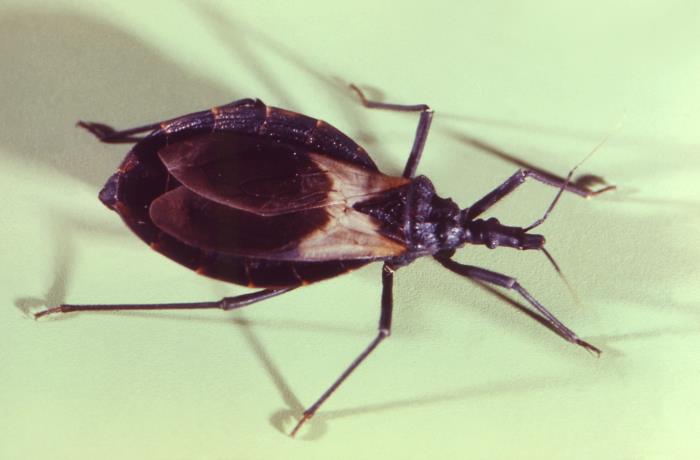
Una especie de Triatoma, Trypanosoma cruzi Enfermedad de Chagas

Una especie de Triatoma o chinche besucona:
El chinche del beso sirve como vector para transmitir el patógeno protozoario Trypanosoma cruzi, causante de la enfermedad de Chagas.
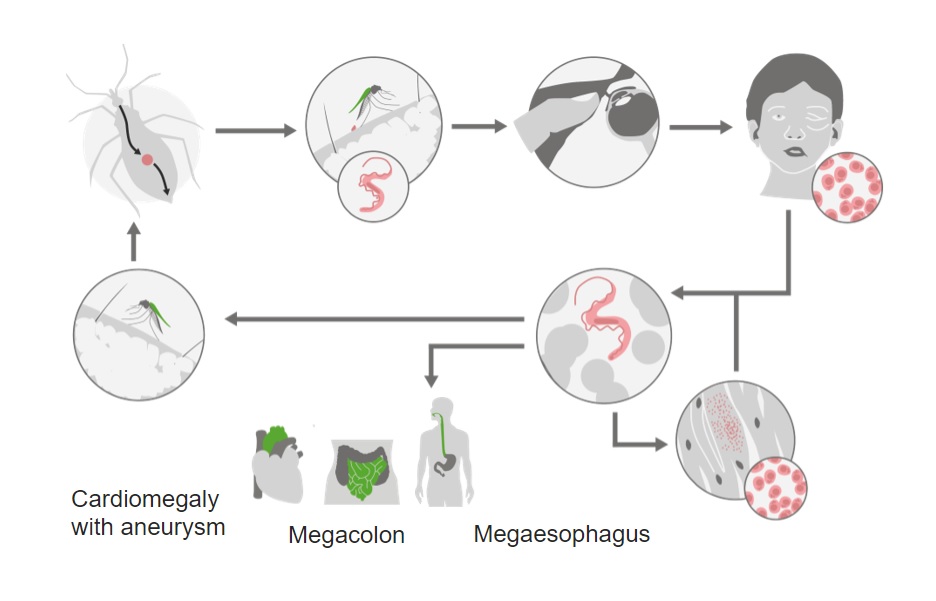
Imagen: “A species of Triatoma, or kissing bug” por CDC. Licencia: Dominio Público

Factores de Riesgo del Huésped

  • Vivir en EN Erythema nodosum is an immune-mediated panniculitis (inflammation of the subcutaneous fat) caused by a type IV (delayed-type) hypersensitivity reaction. It commonly manifests in young women as tender, erythematous nodules on the shins. Erythema Nodosum una región endémica
  • Vivienda en EN Erythema nodosum is an immune-mediated panniculitis (inflammation of the subcutaneous fat) caused by a type IV (delayed-type) hypersensitivity reaction. It commonly manifests in young women as tender, erythematous nodules on the shins. Erythema Nodosum condiciones precarias
  • Exposición prolongada a los LOS Neisseria vectores

Ciclo de vida y fisiopatología

  • El chinche redúvido se alimenta de un huésped humano o mamífero infectado → el chinche se infecta con tripomastigotes
  • Se transforman en EN Erythema nodosum is an immune-mediated panniculitis (inflammation of the subcutaneous fat) caused by a type IV (delayed-type) hypersensitivity reaction. It commonly manifests in young women as tender, erythematous nodules on the shins. Erythema Nodosum epimastigotes en EN Erythema nodosum is an immune-mediated panniculitis (inflammation of the subcutaneous fat) caused by a type IV (delayed-type) hypersensitivity reaction. It commonly manifests in young women as tender, erythematous nodules on the shins. Erythema Nodosum el intestino medio → se replican
  • Se diferencian en EN Erythema nodosum is an immune-mediated panniculitis (inflammation of the subcutaneous fat) caused by a type IV (delayed-type) hypersensitivity reaction. It commonly manifests in young women as tender, erythematous nodules on the shins. Erythema Nodosum tripomastigotes en EN Erythema nodosum is an immune-mediated panniculitis (inflammation of the subcutaneous fat) caused by a type IV (delayed-type) hypersensitivity reaction. It commonly manifests in young women as tender, erythematous nodules on the shins. Erythema Nodosum el intestino posterior
  • Mientras se alimenta de un huésped humano, el insecto defeca
  • La entrada del tripomastigote en EN Erythema nodosum is an immune-mediated panniculitis (inflammation of the subcutaneous fat) caused by a type IV (delayed-type) hypersensitivity reaction. It commonly manifests in young women as tender, erythematous nodules on the shins. Erythema Nodosum el huésped se produce a través del contacto de heces infectadas con:
    • Heridas por las picaduras del insecto
    • Conjuntiva
    • Membranas mucosas
  • Invasión de células en EN Erythema nodosum is an immune-mediated panniculitis (inflammation of the subcutaneous fat) caused by a type IV (delayed-type) hypersensitivity reaction. It commonly manifests in young women as tender, erythematous nodules on the shins. Erythema Nodosum el sitio de inoculación → se convierten en EN Erythema nodosum is an immune-mediated panniculitis (inflammation of the subcutaneous fat) caused by a type IV (delayed-type) hypersensitivity reaction. It commonly manifests in young women as tender, erythematous nodules on the shins. Erythema Nodosum amastigotes intracelulares → replicación asexual (fisión binaria)
  • Diferenciación en EN Erythema nodosum is an immune-mediated panniculitis (inflammation of the subcutaneous fat) caused by a type IV (delayed-type) hypersensitivity reaction. It commonly manifests in young women as tender, erythematous nodules on the shins. Erythema Nodosum tripomastigotes → diseminación por el torrente sanguíneo a otros órganos
  • Reacción inmunitaria → daño tisular
  • La diseminación crónica de T. cruzi se asocia con:
    • Fibrosis Fibrosis Any pathological condition where fibrous connective tissue invades any organ, usually as a consequence of inflammation or other injury. Bronchiolitis Obliterans del tejido cardíaco → cardiomiopatía
    • Fibrosis Fibrosis Any pathological condition where fibrous connective tissue invades any organ, usually as a consequence of inflammation or other injury. Bronchiolitis Obliterans que afecta las vías de conducción cardíacas → arritmias
    • Invasión de los LOS Neisseria plexos nerviosos (a menudo del tracto gastrointestinal) → megaesófago y megacolon Megacolon Megacolon is a severe, abnormal dilatation of the colon, and is classified as acute or chronic. There are many etiologies of megacolon, including neuropathic and dysmotility conditions, severe infections, ischemia, and inflammatory bowel disease. Megacolon
Ciclo de vida Tripanosoma americano Trypanosoma cruzi Enfermedad de Chagas

Ciclo de vida del tripanosoma americano, Trypanosoma cruzi:
Mientras se alimenta de sangre, el insecto redúvido defecará. El rascado de la zona permite la entrada de parásitos a través de la picadura o a través de la conjuntiva.
Una vez dentro del cuerpo, se produce la replicación y diseminación. Hay una preferencia particular por el miocardio y el plexo mientérico.
Con la infección crónica, el daño tisular puede conducir a cardiomiopatía, megacolon y megaesófago.

Imagen por Lecturio. Licencia: CC BY-NC-SA 4.0

Presentación Clínica

Infección aguda

El periodo de incubación es de aproximadamente 1-2 semanas y la infección dura entre 8 y 12 semanas.
  • Muchos pacientes son asintomáticos.
  • Puede haber inflamación y prurito en EN Erythema nodosum is an immune-mediated panniculitis (inflammation of the subcutaneous fat) caused by a type IV (delayed-type) hypersensitivity reaction. It commonly manifests in young women as tender, erythematous nodules on the shins. Erythema Nodosum el sitio de inoculación
    • Chagoma Chagoma Trypanosoma cruzi/Chagas disease:
      • Nódulo inflamatorio subcutáneo
      • Típicamente en EN Erythema nodosum is an immune-mediated panniculitis (inflammation of the subcutaneous fat) caused by a type IV (delayed-type) hypersensitivity reaction. It commonly manifests in young women as tender, erythematous nodules on the shins. Erythema Nodosum la cara o en EN Erythema nodosum is an immune-mediated panniculitis (inflammation of the subcutaneous fat) caused by a type IV (delayed-type) hypersensitivity reaction. It commonly manifests in young women as tender, erythematous nodules on the shins. Erythema Nodosum las extremidades
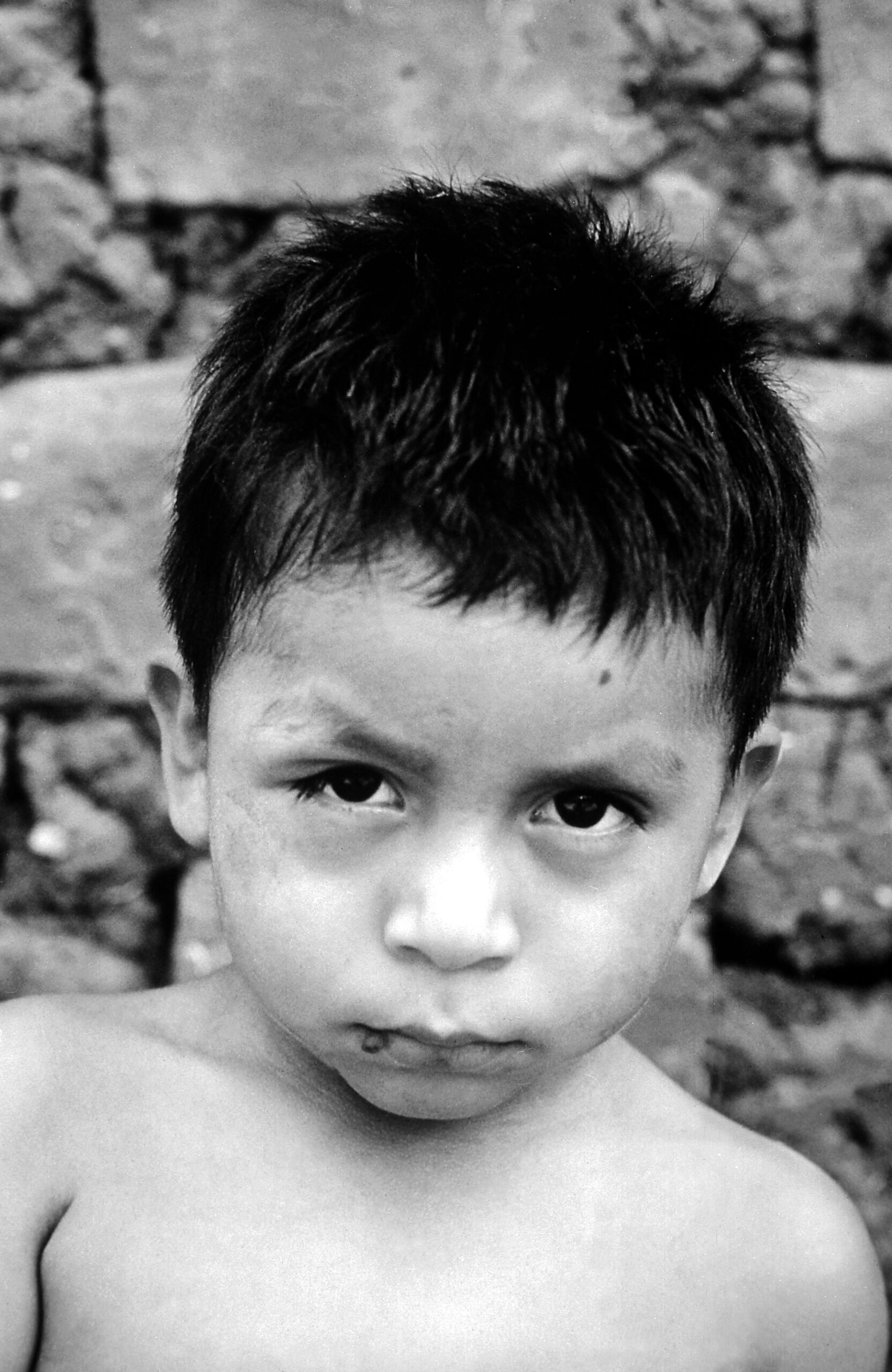
    • Signo de Romaña:
  • Signos y síntomas inespecíficos:
    • Fiebre
    • Malestar general
    • Anorexia Anorexia The lack or loss of appetite accompanied by an aversion to food and the inability to eat. It is the defining characteristic of the disorder anorexia nervosa. Anorexia Nervosa
    • Linfadenopatía
  • Enfermedad grave (↑ riesgo de mortalidad):
    • Miocarditis
    • Derrame pericárdico
    • Meningoencefalitis
Infección por Tripanosomas de la enfermedad de Chagas con inflamación del ojo derecho

Fotografía de un paciente con infección aguda de la enfermedad de Chagas con edema del ojo derecho (signo de Romaña).

Imagen:“An acute Chagas disease infection with swelling of the right eye (Romaña’s sign)” por CDC. Licencia: Dominio Público

Infección crónica

Una minoría de los LOS Neisseria pacientes desarrolla una infección crónica, que se presenta entre 10 y 20 años después del periodo de inoculación inicial.

  • Cardiopatía chagásica crónica (principal causa de mortalidad)
    • Dilatación de todas las cavidades → insuficiencia cardíaca biventricular
    • Aneurisma apical → tromboembolismo
    • Trastornos de la conducción
      • Bloqueo fascicular anterior izquierdo
      • Bloqueo de rama derecha
      • Bloqueo auriculoventricular
      • Arritmias ventriculares
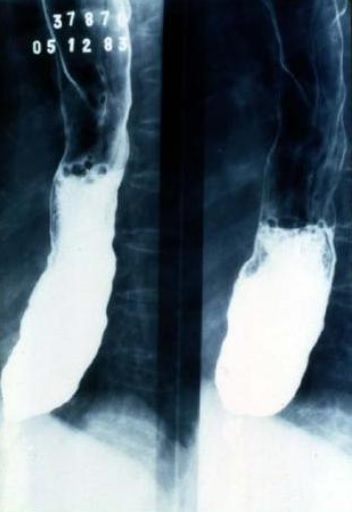
  • Megaesófago
    • Disfagia
    • Regurgitación
    • Aspiración recurrente → neumonía por aspiración
    • Malnutrición
  • Megacolon Megacolon Megacolon is a severe, abnormal dilatation of the colon, and is classified as acute or chronic. There are many etiologies of megacolon, including neuropathic and dysmotility conditions, severe infections, ischemia, and inflammatory bowel disease. Megacolon
    • Obstipación
    • Distensión
    • Vólvulo → isquemia intestinal
    • Malnutrición

Enfermedad congénita

La enfermedad congénita se produce en EN Erythema nodosum is an immune-mediated panniculitis (inflammation of the subcutaneous fat) caused by a type IV (delayed-type) hypersensitivity reaction. It commonly manifests in young women as tender, erythematous nodules on the shins. Erythema Nodosum la minoría de los LOS Neisseria bebés nacidos de madres infectadas.

  • Bajo peso al AL Amyloidosis nacer
  • Fiebre
  • Hepatoesplenomegalia
  • Anemia Anemia Anemia is a condition in which individuals have low Hb levels, which can arise from various causes. Anemia is accompanied by a reduced number of RBCs and may manifest with fatigue, shortness of breath, pallor, and weakness. Subtypes are classified by the size of RBCs, chronicity, and etiology. Anemia: Overview and Types

Diagnóstico y Tratamiento

Diagnóstico

Pruebas confirmatorias:

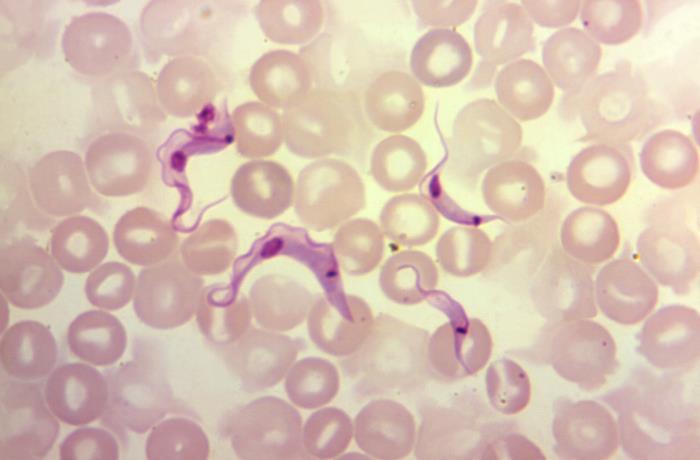
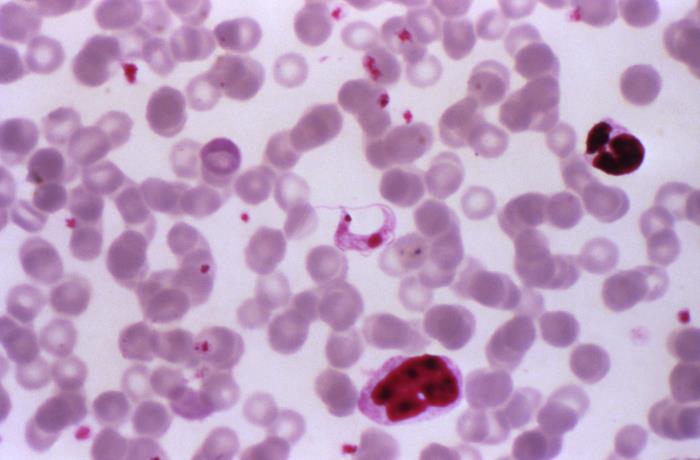
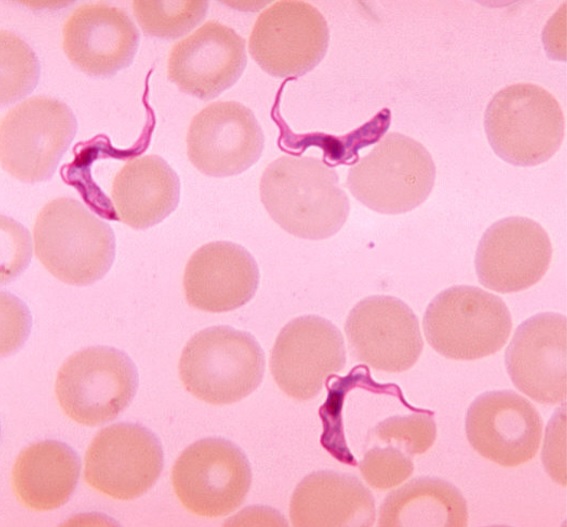
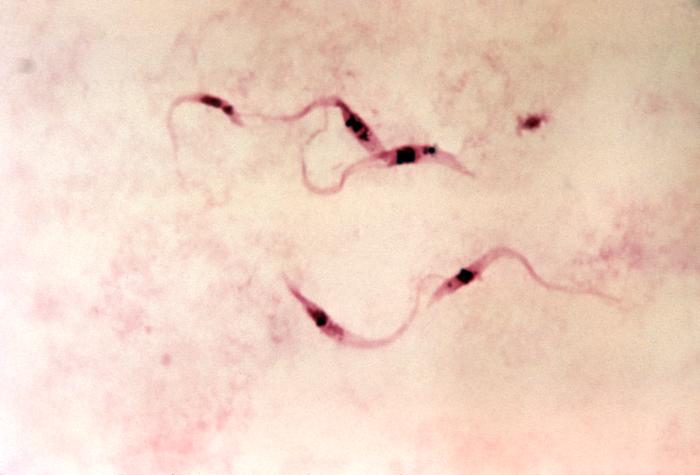
  • Visualización de tripomastigotes en EN Erythema nodosum is an immune-mediated panniculitis (inflammation of the subcutaneous fat) caused by a type IV (delayed-type) hypersensitivity reaction. It commonly manifests in young women as tender, erythematous nodules on the shins. Erythema Nodosum el frotis de sangre utilizando la tinción de Giemsa
  • Serología por anticuerpos
    • ELISA ELISA An immunoassay utilizing an antibody labeled with an enzyme marker such as horseradish peroxidase. While either the enzyme or the antibody is bound to an immunosorbent substrate, they both retain their biologic activity; the change in enzyme activity as a result of the enzyme-antibody-antigen reaction is proportional to the concentration of the antigen and can be measured spectrophotometrically or with the naked eye. Many variations of the method have been developed. St. Louis Encephalitis Virus
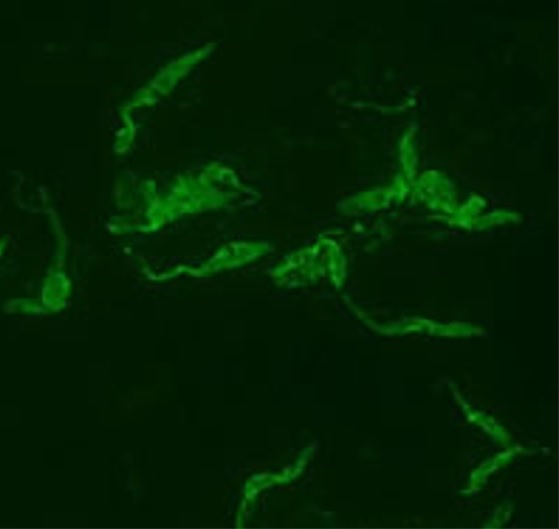
    • Inmunofluorescencia indirecta
  • PCR PCR Polymerase chain reaction (PCR) is a technique that amplifies DNA fragments exponentially for analysis. The process is highly specific, allowing for the targeting of specific genomic sequences, even with minuscule sample amounts. The PCR cycles multiple times through 3 phases: denaturation of the template DNA, annealing of a specific primer to the individual DNA strands, and synthesis/elongation of new DNA molecules. Polymerase Chain Reaction (PCR) para identificar el ADN parasitario
  • Xenodiagnóstico
    • Los LOS Neisseria insectos redúvidos no infectados se alimentan de la sangre del paciente.
    • Posteriormente se examina el insecto para detectar la presencia de T. cruzi.

Evaluación de apoyo:

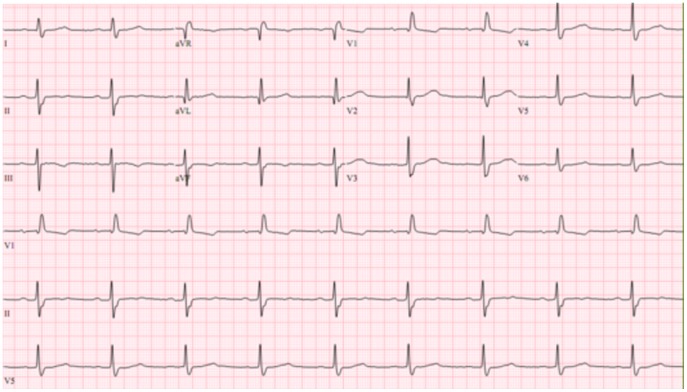
  • ECG ECG An electrocardiogram (ECG) is a graphic representation of the electrical activity of the heart plotted against time. Adhesive electrodes are affixed to the skin surface allowing measurement of cardiac impulses from many angles. The ECG provides 3-dimensional information about the conduction system of the heart, the myocardium, and other cardiac structures. Electrocardiogram (ECG) que muestra trastornos de la conducción
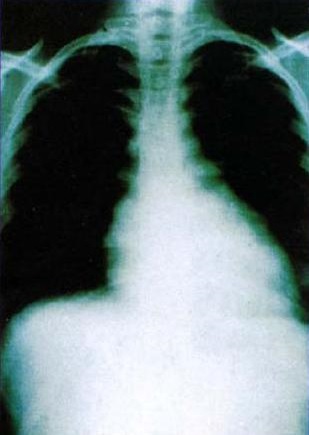
  • Radiografía de tórax con cardiomegalia
  • Ecocardiografía para evaluar la dilatación de las cavidades y la disfunción ventricular
  • La dilatación del esófago y del colon Colon The large intestines constitute the last portion of the digestive system. The large intestine consists of the cecum, appendix, colon (with ascending, transverse, descending, and sigmoid segments), rectum, and anal canal. The primary function of the colon is to remove water and compact the stool prior to expulsion from the body via the rectum and anal canal. Colon, Cecum, and Appendix: Anatomy se puede evaluar con:
    • Esofagografía con bario o colon Colon The large intestines constitute the last portion of the digestive system. The large intestine consists of the cecum, appendix, colon (with ascending, transverse, descending, and sigmoid segments), rectum, and anal canal. The primary function of the colon is to remove water and compact the stool prior to expulsion from the body via the rectum and anal canal. Colon, Cecum, and Appendix: Anatomy por enema
    • Manometría esofágica o anorrectal
    • Endoscopia o colonoscopia

Tratamiento

Infección aguda:

Enfermedad crónica:

  • Los LOS Neisseria tratamientos eficaces son limitados.
  • Los LOS Neisseria fármacos antitripanosómicos son menos eficaces en EN Erythema nodosum is an immune-mediated panniculitis (inflammation of the subcutaneous fat) caused by a type IV (delayed-type) hypersensitivity reaction. It commonly manifests in young women as tender, erythematous nodules on the shins. Erythema Nodosum las infecciones crónicas.
  • La atención se centra en EN Erythema nodosum is an immune-mediated panniculitis (inflammation of the subcutaneous fat) caused by a type IV (delayed-type) hypersensitivity reaction. It commonly manifests in young women as tender, erythematous nodules on the shins. Erythema Nodosum el tratamiento de las complicaciones irreversibles:
    • Miocardiopatía:
      • Tratamiento general de la insuficiencia cardíaca
      • Se puede considerar el trasplante cardíaco
      • Marcapasos para el bloqueo aurículo-ventricular de alto grado
    • El tratamiento del megaesófago tiene como objetivo ↓ el tono del esfínter esofágico inferior:
      • Nifedipino o isosorbida
      • Dilatación neumática
      • Cirugía
    • Megacolon Megacolon Megacolon is a severe, abnormal dilatation of the colon, and is classified as acute or chronic. There are many etiologies of megacolon, including neuropathic and dysmotility conditions, severe infections, ischemia, and inflammatory bowel disease. Megacolon:
      • Dieta rica en EN Erythema nodosum is an immune-mediated panniculitis (inflammation of the subcutaneous fat) caused by a type IV (delayed-type) hypersensitivity reaction. It commonly manifests in young women as tender, erythematous nodules on the shins. Erythema Nodosum fibra
      • Hidratación
      • Laxantes
      • Enemas
      • Supositorios
      • Desimpactación manual, según sea necesario
      • Cirugía

Prevención

  • Control de vectores con insecticidas
  • Redes para insectos
  • Vigilar a los LOS Neisseria donantes de sangre y órganos en EN Erythema nodosum is an immune-mediated panniculitis (inflammation of the subcutaneous fat) caused by a type IV (delayed-type) hypersensitivity reaction. It commonly manifests in young women as tender, erythematous nodules on the shins. Erythema Nodosum las regiones endémicas
  • Vigilar y tratar a las mujeres antes del embarazo

Comparación de los Protozoarios Flagelados

Tabla: Comparación de los LOS Neisseria protozoarios flagelados clínicamente relevantes
Giardia Giardia A genus of flagellate intestinal eukaryotes parasitic in various vertebrates, including humans. Characteristics include the presence of four pairs of flagella arising from a complicated system of axonemes and cysts that are ellipsoidal to ovoidal in shape. Nitroimidazoles Leishmania Leishmania Leishmania species are obligate intracellular parasites that are transmitted by an infected sandfly. The disease is endemic to Asia, the Middle East, Africa, the Mediterranean, and South and Central America. Clinical presentation varies, dependent on the pathogenicity of the species and the host’s immune response. Leishmania/Leishmaniasis Trypanosoma Trichomonas Trichomonas A genus of parasitic flagellate eukaryotes distinguished by the presence of four anterior flagella, an undulating membrane, and a trailing flagellum. Nitroimidazoles
Características
  • 4 pares de flagelos
  • Forma ovoide
  • Disco adhesivo
  • Anaerobio
  • Variación antigénica
  • Flagelo único y polar
  • Cuerpo delgado y alargado
  • Flagelo único y polar
  • Membrana ondulada
  • Delgada, de forma irregular
  • Variación antigénica
  • 5 flagelos
  • Membrana ondulada
  • Forma ovoide
  • Anaerobio facultativo
Variantes
  • Quiste
  • Trofozoíto
  • Trofozoíto
  • No hay forma de quiste
Transmisión
  • Agua contaminada
  • Fecal-oral
  • Vector (mosca de arena)
  • De humano a humano
  • Zoonótica (roedores, perros, zorros)
  • Vector (mosca tsé-tsé, chinche del beso)
  • Transfusiones sanguíneas
Transmisión sexual
Cuadro Clínico Giardiasis Giardiasis An infection of the small intestine caused by the flagellated protozoan giardia. It is spread via contaminated food and water and by direct person-to-person contact. Giardia/Giardiasis Leishmaniasis Leishmaniasis Leishmania species are obligate intracellular parasites that are transmitted by an infected sandfly. The mildest form is cutaneous leishmaniasis (CL), characterized by painless skin ulcers. The mucocutaneous type involves more tissue destruction, causing deformities. Visceral leishmaniasis (VL), the most severe form, presents with hepatosplenomegaly, anemia, thrombocytopenia, and fever. Leishmania/Leishmaniasis
  • Enfermedad del sueño africana
  • Enfermedad de Chagas
Tricomoniasis
Diagnóstico
  • ELISA ELISA An immunoassay utilizing an antibody labeled with an enzyme marker such as horseradish peroxidase. While either the enzyme or the antibody is bound to an immunosorbent substrate, they both retain their biologic activity; the change in enzyme activity as a result of the enzyme-antibody-antigen reaction is proportional to the concentration of the antigen and can be measured spectrophotometrically or with the naked eye. Many variations of the method have been developed. St. Louis Encephalitis Virus
  • Inmunofluorescencia directa
  • Prueba de amplificación de ácidos nucleicos (NAAT, por sus siglas en EN Erythema nodosum is an immune-mediated panniculitis (inflammation of the subcutaneous fat) caused by a type IV (delayed-type) hypersensitivity reaction. It commonly manifests in young women as tender, erythematous nodules on the shins. Erythema Nodosum inglés)
  • Examen coproparasitoscópico
  • Frotis de sangre
  • Biopsia
  • PCR PCR Polymerase chain reaction (PCR) is a technique that amplifies DNA fragments exponentially for analysis. The process is highly specific, allowing for the targeting of specific genomic sequences, even with minuscule sample amounts. The PCR cycles multiple times through 3 phases: denaturation of the template DNA, annealing of a specific primer to the individual DNA strands, and synthesis/elongation of new DNA molecules. Polymerase Chain Reaction (PCR)
  • Leishmanina
  • Títulos de anticuerpos
  • Frotis de sangre
  • Títulos de anticuerpos
  • Xenodiagnóstico
  • Microscopía de las secreciones vaginales
  • NAAT
  • Cultivo de orina o hisopado uretral
Tratamiento
  • Metronidazol
  • Tinidazol
  • Nitazoxanida
Depende del síndrome clínico:
  • Anfotericina B
  • Antimoniales pentavalentes
  • Miltefosina
Depende de la enfermedad clínica:
  • Metronidazol
  • Tinidazol
Prevención
  • Lavado de manos
  • Tratamiento del agua
  • Insecticidas
  • Repelente de insectos
  • Ropa protectora
  • Insecticidas
  • Repelente de insectos
  • Mosquiteros
  • Ropa protectora
  • Tratamiento de las parejas sexuales
  • Preservativos

Diagnóstico Diferencial

  • Tripanosomiasis africana: infección causada por el Trypanosoma brucei y transmitida por la mosca tsé-tsé. Los signos y síntomas incluyen un chancro tripanosómico, fiebre, linfadenopatía, hinchazón facial y erupción eritematosa. La afectación del SNC se asocia al síndrome “enfermedad del sueño”. El diagnóstico se confirma mediante la identificación de organismos en EN Erythema nodosum is an immune-mediated panniculitis (inflammation of the subcutaneous fat) caused by a type IV (delayed-type) hypersensitivity reaction. It commonly manifests in young women as tender, erythematous nodules on the shins. Erythema Nodosum una muestra de fluido (por ejemplo, sangre, LCR). El tratamiento depende del estadio de la enfermedad y puede incluir pentamidina, suramina, eflornitina o melarsoprol.
  • Acalasia: trastorno primario de la motilidad esofágica que se desarrolla a partir de la degeneración del plexo mientérico. La acalasia se traduce en EN Erythema nodosum is an immune-mediated panniculitis (inflammation of the subcutaneous fat) caused by a type IV (delayed-type) hypersensitivity reaction. It commonly manifests in young women as tender, erythematous nodules on the shins. Erythema Nodosum un deterioro de la relajación del esfínter esofágico inferior y en EN Erythema nodosum is an immune-mediated panniculitis (inflammation of the subcutaneous fat) caused by a type IV (delayed-type) hypersensitivity reaction. It commonly manifests in young women as tender, erythematous nodules on the shins. Erythema Nodosum la ausencia de un peristaltismo esofágico normal. Los LOS Neisseria pacientes suelen presentar disfagia a sólidos y líquidos junto con regurgitación. El diagnóstico se establece mediante manometría de alta resolución. Las opciones de tratamiento incluyen dilatación neumática con balón, miotomía quirúrgica e inyección de toxina botulínica.
  • Obstrucción del intestino grueso: interrupción del flujo normal del contenido intestinal a través del colon Colon The large intestines constitute the last portion of the digestive system. The large intestine consists of the cecum, appendix, colon (with ascending, transverse, descending, and sigmoid segments), rectum, and anal canal. The primary function of the colon is to remove water and compact the stool prior to expulsion from the body via the rectum and anal canal. Colon, Cecum, and Appendix: Anatomy y recto. Esta obstrucción puede ser mecánica (debido a una oclusión física real del lumen) o funcional (debido a una pérdida del peristaltismo normal, también conocida como pseudoobstrucción). Los LOS Neisseria síntomas típicos son el dolor Dolor Inflammation en EN Erythema nodosum is an immune-mediated panniculitis (inflammation of the subcutaneous fat) caused by a type IV (delayed-type) hypersensitivity reaction. It commonly manifests in young women as tender, erythematous nodules on the shins. Erythema Nodosum abdomen bajo de carácter intermitente, distensión abdominal y el obstipación. El diagnóstico se establece mediante estudios de imagen. La obstrucción mecánica del intestino grueso requiere cirugía en EN Erythema nodosum is an immune-mediated panniculitis (inflammation of the subcutaneous fat) caused by a type IV (delayed-type) hypersensitivity reaction. It commonly manifests in young women as tender, erythematous nodules on the shins. Erythema Nodosum la mayoría de los LOS Neisseria casos.
  • Megacolon Megacolon Megacolon is a severe, abnormal dilatation of the colon, and is classified as acute or chronic. There are many etiologies of megacolon, including neuropathic and dysmotility conditions, severe infections, ischemia, and inflammatory bowel disease. Megacolon tóxico: complicación de una colitis Colitis Inflammation of the colon section of the large intestine, usually with symptoms such as diarrhea (often with blood and mucus), abdominal pain, and fever. Pseudomembranous Colitis grave, frecuentemente asociada a Clostridium difficile Clostridium difficile A common inhabitant of the colon flora in human infants and sometimes in adults. The type species clostridioides difficile is formerly known as Clostridium difficile. It is a causative agent for clostridioides infections and is associated with pseudomembranous enterocolitis in patients receiving antibiotic therapy. Clostridia, enfermedad intestinal inflamatoria o colitis Colitis Inflammation of the colon section of the large intestine, usually with symptoms such as diarrhea (often with blood and mucus), abdominal pain, and fever. Pseudomembranous Colitis isquémica. Los LOS Neisseria pacientes con megacolon Megacolon Megacolon is a severe, abnormal dilatation of the colon, and is classified as acute or chronic. There are many etiologies of megacolon, including neuropathic and dysmotility conditions, severe infections, ischemia, and inflammatory bowel disease. Megacolon tóxico presentan distensión abdominal grave y dolor Dolor Inflammation con toxicidad sistémica asociada (fiebre, taquicardia y alteración del estado mental). El diagnóstico se establece mediante la anamnesis, examen físico e imagenología. El tratamiento depende de la causa, pero pueden incluir cuidados de soporte y cirugía.
  • Leishmaniasis Leishmaniasis Leishmania species are obligate intracellular parasites that are transmitted by an infected sandfly. The mildest form is cutaneous leishmaniasis (CL), characterized by painless skin ulcers. The mucocutaneous type involves more tissue destruction, causing deformities. Visceral leishmaniasis (VL), the most severe form, presents with hepatosplenomegaly, anemia, thrombocytopenia, and fever. Leishmania/Leishmaniasis: infección causada por especies de Leishmania Leishmania Leishmania species are obligate intracellular parasites that are transmitted by an infected sandfly. The disease is endemic to Asia, the Middle East, Africa, the Mediterranean, and South and Central America. Clinical presentation varies, dependent on the pathogenicity of the species and the host’s immune response. Leishmania/Leishmaniasis, que son parásitos intracelulares obligatorios transmitidos por la mosca de arena. La presentación clínica menos grave es la leishmaniasis Leishmaniasis Leishmania species are obligate intracellular parasites that are transmitted by an infected sandfly. The mildest form is cutaneous leishmaniasis (CL), characterized by painless skin ulcers. The mucocutaneous type involves more tissue destruction, causing deformities. Visceral leishmaniasis (VL), the most severe form, presents with hepatosplenomegaly, anemia, thrombocytopenia, and fever. Leishmania/Leishmaniasis cutánea, que se caracteriza por úlceras cutáneas indoloras. El tipo mucocutáneo implica una mayor destrucción y deformidad de tejidos. La leishmaniasis Leishmaniasis Leishmania species are obligate intracellular parasites that are transmitted by an infected sandfly. The mildest form is cutaneous leishmaniasis (CL), characterized by painless skin ulcers. The mucocutaneous type involves more tissue destruction, causing deformities. Visceral leishmaniasis (VL), the most severe form, presents with hepatosplenomegaly, anemia, thrombocytopenia, and fever. Leishmania/Leishmaniasis visceral se presenta con hepatoesplenomegalia, anemia Anemia Anemia is a condition in which individuals have low Hb levels, which can arise from various causes. Anemia is accompanied by a reduced number of RBCs and may manifest with fatigue, shortness of breath, pallor, and weakness. Subtypes are classified by the size of RBCs, chronicity, and etiology. Anemia: Overview and Types, trombocitopenia y fiebre. El tratamiento se basa en EN Erythema nodosum is an immune-mediated panniculitis (inflammation of the subcutaneous fat) caused by a type IV (delayed-type) hypersensitivity reaction. It commonly manifests in young women as tender, erythematous nodules on the shins. Erythema Nodosum la gravedad clínica. El tratamiento sistémico (anfotericina B) es necesario para la LV.
  • Paludismo: enfermedad infecciosa transmitida por mosquitos y causada por especies de Plasmodium Plasmodium A genus of protozoa that comprise the malaria parasites of mammals. Four species infect humans (although occasional infections with primate malarias may occur). These are plasmodium falciparum; plasmodium malariae; plasmodium ovale, and plasmodium vivax. Species causing infection in vertebrates other than man include: plasmodium berghei; plasmodium chabaudi; p. Vinckei, and plasmodium yoelii in rodents; p. Brasilianum, plasmodium cynomolgi; and plasmodium knowlesi in monkeys; and plasmodium gallinaceum in chickens. Antimalarial Drugs. La malaria Malaria Malaria is an infectious parasitic disease affecting humans and other animals. Most commonly transmitted via the bite of a female Anopheles mosquito infected with microorganisms of the Plasmodium genus. Patients present with fever, chills, myalgia, headache, and diaphoresis. Plasmodium/Malaria suele presentarse con fiebre, rigores, diaforesis, ictericia, dolor Dolor Inflammation abdominal, anemia Anemia Anemia is a condition in which individuals have low Hb levels, which can arise from various causes. Anemia is accompanied by a reduced number of RBCs and may manifest with fatigue, shortness of breath, pallor, and weakness. Subtypes are classified by the size of RBCs, chronicity, and etiology. Anemia: Overview and Types hemolítica, hepatoesplenomegalia y deterioro renal. Un frotis de sangre muestra un anillo pleomórfico único. También se pueden realizar pruebas rápidas para detectar antígenos de Plasmodium Plasmodium A genus of protozoa that comprise the malaria parasites of mammals. Four species infect humans (although occasional infections with primate malarias may occur). These are plasmodium falciparum; plasmodium malariae; plasmodium ovale, and plasmodium vivax. Species causing infection in vertebrates other than man include: plasmodium berghei; plasmodium chabaudi; p. Vinckei, and plasmodium yoelii in rodents; p. Brasilianum, plasmodium cynomolgi; and plasmodium knowlesi in monkeys; and plasmodium gallinaceum in chickens. Antimalarial Drugs. El tratamiento requiere un curso prolongado de múltiples medicamentos antipalúdicos.

Referencias:

  1. Riedel, S., Jawetz, E., Melnick, J. L., Adelberg, E. A. (2019). Jawetz, Melnick & Adelberg’s Medical Microbiology. New York: McGraw-Hill Education, pp. 730–733.
  2. Bern, C., & Clark, E. (2024). Chagas disease: Epidemiology, screening, and prevention. UpToDate. Retrieved October 25, 2025, from https://www.uptodate.com/contents/chagas-disease-epidemiology-screening-and-prevention
  3. Bern, C. (2025). Chagas disease: acute and congenital Trypanosoma cruzi infection. In Baron, E.L. (Ed.), UpToDate. Retrieved October 25, 2025, from https://www.uptodate.com/contents/chagas-disease-acute-and-congenital-trypanosoma-cruzi-infection
  4. Bern, C., and Marin-Neto, J.A. (2024). Chagas disease: Chronic Trypanosoma cruzi infection. In Baron, E.L., and Yeon, S.B. (Eds.), UpToDate. Retrieved October 25, 2025, from https://www.uptodate.com/contents/chagas-disease-chronic-trypanosoma-cruzi-infection
  5. Nguyen, T., Waseem, M. (2025). Chagas disease. StatPearls. Retrieved October 25, 2025, from https://www.ncbi.nlm.nih.gov/books/NBK459272/
  6. Le, T., Sochat, M., Chavda, Y., Kalani, M., Kallianos, K., Zureick, A. (2017). First AID for the USMLE Step 1. New York: McGraw-Hill Education, pp. 154, 297, and 360.
  7. Pearson, R.D. (2025). Chagas disease. MSD Manual Professional Version. Retrieved October 25, 2025, from https://www.msdmanuals.com/professional/infectious-diseases/extraintestinal-protozoa/chagas-disease
  8. Centers for Disease Control and Prevention (n.d.). Parasites—American trypanosomiasis (also known as Chagas disease). Retrieved October 25, 2025, from https://www.cdc.gov/parasites/chagas/

¡Crea tu cuenta gratis o inicia una sesión para seguir leyendo!

Regístrate ahora y obtén acceso gratuito a Lecturio con páginas de concepto, videos médicos y cuestionarios para tu educación médica.

User Reviews

Details