Domina Conceptos Médicos

Estudia para la escuela de medicina y tus examenes con Lecturio.

Síndrome de Sturge-Weber

El síndrome de Sturge-Weber es un trastorno neurocutáneo congénito que se presenta con una marca de nacimiento facial llamada mancha en EN Erythema nodosum is an immune-mediated panniculitis (inflammation of the subcutaneous fat) caused by a type IV (delayed-type) hypersensitivity reaction. It commonly manifests in young women as tender, erythematous nodules on the shins. Erythema Nodosum vino de oporto, anomalías neurológicas como convulsiones y anomalías oculares como glaucoma Glaucoma Glaucoma is an optic neuropathy characterized by typical visual field defects and optic nerve atrophy seen as optic disc cupping on examination. The acute form of glaucoma is a medical emergency. Glaucoma is often, but not always, caused by increased intraocular pressure (IOP). Glaucoma. No todos estos síntomas tienen que estar presentes en EN Erythema nodosum is an immune-mediated panniculitis (inflammation of the subcutaneous fat) caused by a type IV (delayed-type) hypersensitivity reaction. It commonly manifests in young women as tender, erythematous nodules on the shins. Erythema Nodosum un individuo afectado y algunos pueden desarrollarse más adelante en EN Erythema nodosum is an immune-mediated panniculitis (inflammation of the subcutaneous fat) caused by a type IV (delayed-type) hypersensitivity reaction. It commonly manifests in young women as tender, erythematous nodules on the shins. Erythema Nodosum la vida. Si bien la afección es congénita, no se hereda, ya que la mutación causante en EN Erythema nodosum is an immune-mediated panniculitis (inflammation of the subcutaneous fat) caused by a type IV (delayed-type) hypersensitivity reaction. It commonly manifests in young women as tender, erythematous nodules on the shins. Erythema Nodosum el gen GNAQ es somática y esporádica. El diagnóstico se sospecha con base a los LOS Neisseria síntomas y la neuroimagenología, y se confirma mediante pruebas genéticas. El tratamiento está dirigido al AL Amyloidosis control de los LOS Neisseria síntomas y la prevención de las convulsiones y la hemiparesia.

Last updated: Dec 15, 2025

Editorial responsibility: Stanley Oiseth, Lindsay Jones, Evelin Maza

Descripción General

Epidemiología

La incidencia es aproximadamente 1 de cada 20,000 a 50,000 recién nacidos vivos.

Etiología

  • Congénito pero no heredado
  • Mutación esporádica sin causa conocida
  • En EN Erythema nodosum is an immune-mediated panniculitis (inflammation of the subcutaneous fat) caused by a type IV (delayed-type) hypersensitivity reaction. It commonly manifests in young women as tender, erythematous nodules on the shins. Erythema Nodosum el 80-90% de los LOS Neisseria casos, causada por una variante de mosaico somático en EN Erythema nodosum is an immune-mediated panniculitis (inflammation of the subcutaneous fat) caused by a type IV (delayed-type) hypersensitivity reaction. It commonly manifests in young women as tender, erythematous nodules on the shins. Erythema Nodosum el gen GNAQ → no se transmite a la descendencia

Fisiopatología

  • Gen GNAQ: codifica G-alfa-q, una proteína de unión a nucleótidos de guanina → regula las vías de señalización intracelular
  • La mutación da como resultado un crecimiento irregular de las células endoteliales vasculares.
  • Se presenta como una malformación capilar-venosa, especialmente en EN Erythema nodosum is an immune-mediated panniculitis (inflammation of the subcutaneous fat) caused by a type IV (delayed-type) hypersensitivity reaction. It commonly manifests in young women as tender, erythematous nodules on the shins. Erythema Nodosum las regiones dérmicas y leptomeníngea

Presentación Clínica

Los LOS Neisseria síntomas generalmente se deben al AL Amyloidosis efecto de la malformación capilar-venosa dentro del cerebro, la piel y el ojo. No todos los LOS Neisseria síntomas tienen que estar presentes en EN Erythema nodosum is an immune-mediated panniculitis (inflammation of the subcutaneous fat) caused by a type IV (delayed-type) hypersensitivity reaction. It commonly manifests in young women as tender, erythematous nodules on the shins. Erythema Nodosum un individuo para que se le diagnostique síndrome de Sturge-Weber y algunos síntomas pueden desarrollarse más adelante en EN Erythema nodosum is an immune-mediated panniculitis (inflammation of the subcutaneous fat) caused by a type IV (delayed-type) hypersensitivity reaction. It commonly manifests in young women as tender, erythematous nodules on the shins. Erythema Nodosum la vida.

Dermatológicos

Mancha en EN Erythema nodosum is an immune-mediated panniculitis (inflammation of the subcutaneous fat) caused by a type IV (delayed-type) hypersensitivity reaction. It commonly manifests in young women as tender, erythematous nodules on the shins. Erythema Nodosum vino de oporto:
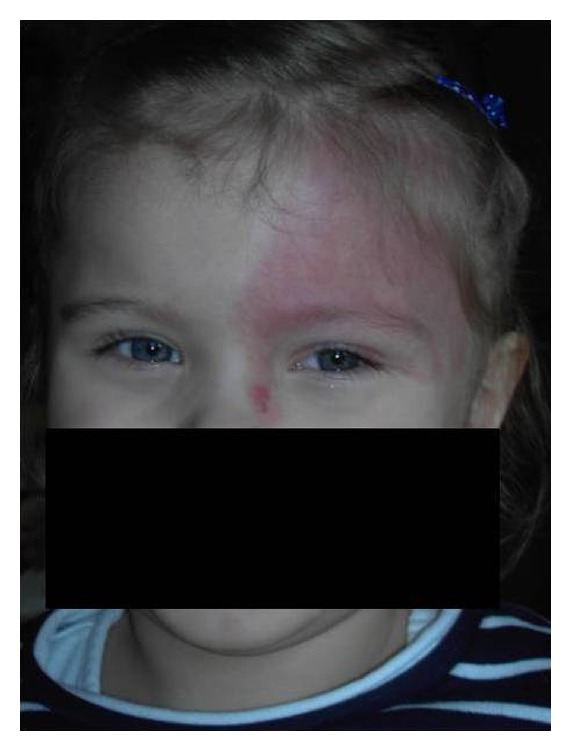
  • También conocido como nevo flamígero
  • Presente desde el nacimiento
  • Distribución:
    • Facial: ramas oftálmica y maxilar del nervio trigémino
    • Puede extenderse a:
      • Tronco
      • Brazo
  • Rosa claro a rojo intenso

Neurológicos

  • Malformación vascular leptomeníngea, también llamada angioma leptomeníngeo
  • Tumor Tumor Inflammation benigno de la aracnoides y piamadre ( leptomeninges Leptomeninges Meninges: Anatomy)
  • Ipsilateral a la mancha en EN Erythema nodosum is an immune-mediated panniculitis (inflammation of the subcutaneous fat) caused by a type IV (delayed-type) hypersensitivity reaction. It commonly manifests in young women as tender, erythematous nodules on the shins. Erythema Nodosum vino de oporto
  • Principalmente en EN Erythema nodosum is an immune-mediated panniculitis (inflammation of the subcutaneous fat) caused by a type IV (delayed-type) hypersensitivity reaction. It commonly manifests in young women as tender, erythematous nodules on the shins. Erythema Nodosum los LOS Neisseria lóbulos parietal Parietal One of a pair of irregularly shaped quadrilateral bones situated between the frontal bone and occipital bone, which together form the sides of the cranium. Skull: Anatomy y occipital Occipital Part of the back and base of the cranium that encloses the foramen magnum. Skull: Anatomy
  • Conduce a la atrofia y calcificaciones en EN Erythema nodosum is an immune-mediated panniculitis (inflammation of the subcutaneous fat) caused by a type IV (delayed-type) hypersensitivity reaction. It commonly manifests in young women as tender, erythematous nodules on the shins. Erythema Nodosum la corteza cerebral debajo del tumor Tumor Inflammation, causando:
    • Convulsiones:
      • Inicio temprano (hacia los LOS Neisseria 6 meses)
      • Generalmente, son la queja principal de la presentación clínica
      • Convulsiones focales
    • Hemiparesia/hemianopsia:
      • Síntomas parecidos a un accidente cerebrovascular
      • Transitorio
    • Discapacidad intelectual, dificultades de aprendizaje.
    • Trastornos del estado de ánimo

Oftalmológicos

  • Glaucoma Glaucoma Glaucoma is an optic neuropathy characterized by typical visual field defects and optic nerve atrophy seen as optic disc cupping on examination. The acute form of glaucoma is a medical emergency. Glaucoma is often, but not always, caused by increased intraocular pressure (IOP). Glaucoma (inicio temprano), potencialmente causado por:
    • Ángulo anormal de la cámara anterior
    • ↑ De la presión venosa epiescleral → drenaje acuoso obstruido
  • Hemianopsia homónima (por malformaciones vasculares que afectan las vías ópticas o los LOS Neisseria lóbulos occipitales)
  • Estrabismo
  • Lagrimeo aumentado
  • Anomalías vasculares, que pueden afectar:
    • Coroides
    • Epiesclera
    • Conjuntiva
    • Retina Retina The ten-layered nervous tissue membrane of the eye. It is continuous with the optic nerve and receives images of external objects and transmits visual impulses to the brain. Its outer surface is in contact with the choroid and the inner surface with the vitreous body. The outermost layer is pigmented, whereas the inner nine layers are transparent. Eye: Anatomy
    • Cuerpo ciliar

Endocrinológicas

  • Reducción de la hormona del crecimiento (GH, por sus siglas en EN Erythema nodosum is an immune-mediated panniculitis (inflammation of the subcutaneous fat) caused by a type IV (delayed-type) hypersensitivity reaction. It commonly manifests in young women as tender, erythematous nodules on the shins. Erythema Nodosum inglés) → talla baja
  • Hipotiroidismo central

Mnemotecnia

Una manera fácil de recordar es usando la mnemotecnia “STURGE” ( en EN Erythema nodosum is an immune-mediated panniculitis (inflammation of the subcutaneous fat) caused by a type IV (delayed-type) hypersensitivity reaction. It commonly manifests in young women as tender, erythematous nodules on the shins. Erythema Nodosum inglés):
  • S – Stain (port wine) (mancha- vino oporto)
  • T – Tram track-like calcification (calcificaciones con patrón en EN Erythema nodosum is an immune-mediated panniculitis (inflammation of the subcutaneous fat) caused by a type IV (delayed-type) hypersensitivity reaction. It commonly manifests in young women as tender, erythematous nodules on the shins. Erythema Nodosum “vías de tren”)
  • U – Unilateral weakness (debilidad unilateral)
  • R – Recurrent seizure (convulsiones recurrentes)
  • G Glaucoma Glaucoma Glaucoma is an optic neuropathy characterized by typical visual field defects and optic nerve atrophy seen as optic disc cupping on examination. The acute form of glaucoma is a medical emergency. Glaucoma is often, but not always, caused by increased intraocular pressure (IOP). Glaucoma
  • E – Eye signs (signos oculares)

Diagnóstico y Tratamiento

Diagnóstico

  • Neuroimagenología:
    • Resonancia magnética (RM) con contraste: realza los LOS Neisseria angiomas leptomeníngeos
    • Tomografía computarizada (TC): calcificación tipo vía de tren debida a malformaciones vasculares leptomeníngeas
    • Se realiza de inmediato si el paciente presenta síntomas neurológicos
    • Realizada después de 1 año de edad en EN Erythema nodosum is an immune-mediated panniculitis (inflammation of the subcutaneous fat) caused by a type IV (delayed-type) hypersensitivity reaction. It commonly manifests in young women as tender, erythematous nodules on the shins. Erythema Nodosum pacientes con mancha en EN Erythema nodosum is an immune-mediated panniculitis (inflammation of the subcutaneous fat) caused by a type IV (delayed-type) hypersensitivity reaction. It commonly manifests in young women as tender, erythematous nodules on the shins. Erythema Nodosum vino de oporto
  • Examen de la vista, medición de la presión intraocular (PIO) para evaluar glaucoma Glaucoma Glaucoma is an optic neuropathy characterized by typical visual field defects and optic nerve atrophy seen as optic disc cupping on examination. The acute form of glaucoma is a medical emergency. Glaucoma is often, but not always, caused by increased intraocular pressure (IOP). Glaucoma
  • Electroencefalograma ( EEG EEG Seizures) → para evaluar la actividad convulsiva
  • Confirmación: pruebas genéticas para mutaciones en EN Erythema nodosum is an immune-mediated panniculitis (inflammation of the subcutaneous fat) caused by a type IV (delayed-type) hypersensitivity reaction. It commonly manifests in young women as tender, erythematous nodules on the shins. Erythema Nodosum GNAQ
Epilepsia asociada con SWS

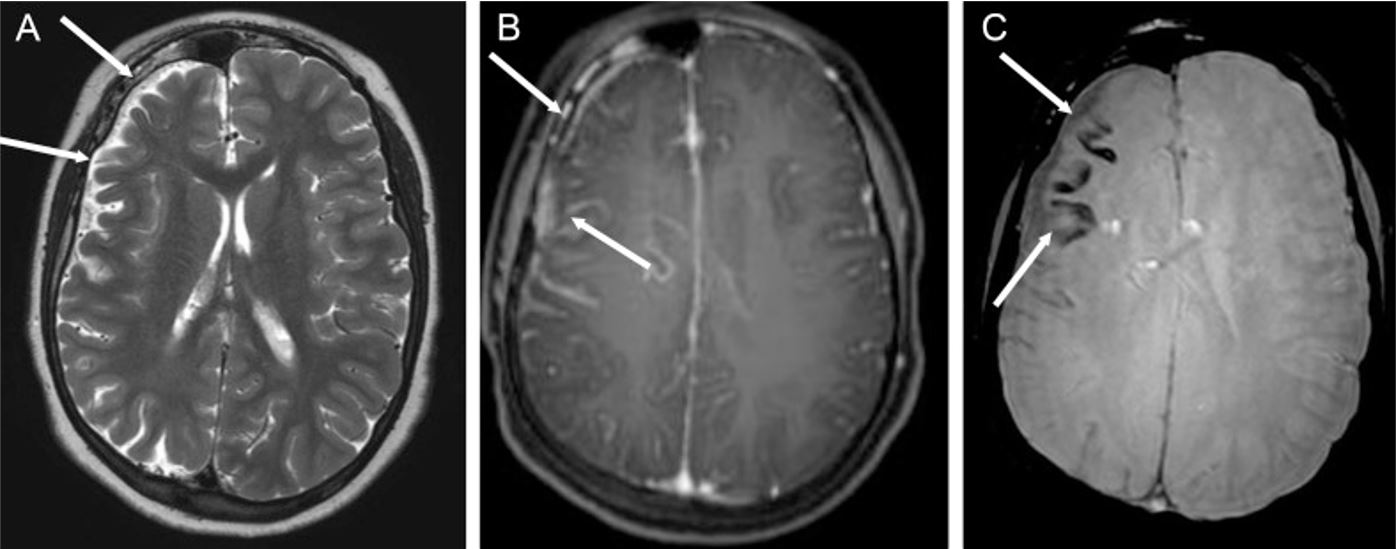
Epilepsia asociada al síndrome de Sturge-Weber (SWS): Síndrome de Sturge-Weber en un niño de 14 años con múltiples focos epilépticos en el hemisferio cerebral derecho y epilepsia parcial crónica
A: imagen axial ponderada en T2 que muestra hemiatrofia cerebral derecha (flechas blancas)
B: secuencia axial ponderada en T1 después de la inyección de gadolinio, que demuestra realce leptomeníngeo de la región frontoparietal (flechas blancas)
C: las flechas blancas apuntan a la calcificación cortical en el lóbulo frontal, que aparece como vacíos de señal de las imágenes ponderadas sometidas.

Imagen: “Sturge-Weber syndrome in a 14-year-old boy with multiple epileptic foci in the right cerebral hemisphere” por Abud LG, Thivard L, Abud TG, Nakiri GS, Dos Santos AC, Dormont D. Licencia: CC BY 4.0

Tratamiento

  • Se centra en EN Erythema nodosum is an immune-mediated panniculitis (inflammation of the subcutaneous fat) caused by a type IV (delayed-type) hypersensitivity reaction. It commonly manifests in young women as tender, erythematous nodules on the shins. Erythema Nodosum el tratamiento de síntomas, como lesiones cutáneas, convulsiones y glaucoma Glaucoma Glaucoma is an optic neuropathy characterized by typical visual field defects and optic nerve atrophy seen as optic disc cupping on examination. The acute form of glaucoma is a medical emergency. Glaucoma is often, but not always, caused by increased intraocular pressure (IOP). Glaucoma:
    • Mancha en EN Erythema nodosum is an immune-mediated panniculitis (inflammation of the subcutaneous fat) caused by a type IV (delayed-type) hypersensitivity reaction. It commonly manifests in young women as tender, erythematous nodules on the shins. Erythema Nodosum vino de oporto: terapia con láser de colorante pulsado
    • Convulsiones:
      • Anticonvulsivos (carbamazepina)
      • Hemisferectomía en EN Erythema nodosum is an immune-mediated panniculitis (inflammation of the subcutaneous fat) caused by a type IV (delayed-type) hypersensitivity reaction. It commonly manifests in young women as tender, erythematous nodules on the shins. Erythema Nodosum casos refractarios
    • Glaucoma Glaucoma Glaucoma is an optic neuropathy characterized by typical visual field defects and optic nerve atrophy seen as optic disc cupping on examination. The acute form of glaucoma is a medical emergency. Glaucoma is often, but not always, caused by increased intraocular pressure (IOP). Glaucoma: tratamiento tópico o quirúrgico
  • Prevención:
    • Aspirina en EN Erythema nodosum is an immune-mediated panniculitis (inflammation of the subcutaneous fat) caused by a type IV (delayed-type) hypersensitivity reaction. It commonly manifests in young women as tender, erythematous nodules on the shins. Erythema Nodosum dosis bajas (probablemente reduce el riesgo de eventos isquémicos cerebrales y convulsiones)
    • Examen oftalmológico periódico para monitorizar la PIO

Pronóstico

  • Determinado por la extensión de la lesión y la edad de inicio de las convulsiones
  • Es probable que la función neurológica se deteriore con la edad, lo que afecta la función diaria.

Diagnóstico Diferencial

  • Síndrome de Klippel-Trenaunay: una rara enfermedad congénita y esporádica que resulta en EN Erythema nodosum is an immune-mediated panniculitis (inflammation of the subcutaneous fat) caused by a type IV (delayed-type) hypersensitivity reaction. It commonly manifests in young women as tender, erythematous nodules on the shins. Erythema Nodosum una malformación vascular similar al AL Amyloidosis síndrome de Sturge-Weber. A diferencia del síndrome de Sturge-Weber, los LOS Neisseria síntomas neurológicos y oftalmológicos son raros y las manchas en EN Erythema nodosum is an immune-mediated panniculitis (inflammation of the subcutaneous fat) caused by a type IV (delayed-type) hypersensitivity reaction. It commonly manifests in young women as tender, erythematous nodules on the shins. Erythema Nodosum vino de oporto se observan más comúnmente en EN Erythema nodosum is an immune-mediated panniculitis (inflammation of the subcutaneous fat) caused by a type IV (delayed-type) hypersensitivity reaction. It commonly manifests in young women as tender, erythematous nodules on the shins. Erythema Nodosum las extremidades. La afectación ósea y muscular produce hipertrofia de las extremidades. El tratamiento consiste en EN Erythema nodosum is an immune-mediated panniculitis (inflammation of the subcutaneous fat) caused by a type IV (delayed-type) hypersensitivity reaction. It commonly manifests in young women as tender, erythematous nodules on the shins. Erythema Nodosum citorreducción quirúrgica o escleroterapia de los LOS Neisseria vasos malformados.
  • Enfermedad de von Hippel-Lindau: una afección neurocutánea genética autosómica dominante que resulta de una eliminación o mutación en EN Erythema nodosum is an immune-mediated panniculitis (inflammation of the subcutaneous fat) caused by a type IV (delayed-type) hypersensitivity reaction. It commonly manifests in young women as tender, erythematous nodules on the shins. Erythema Nodosum el gen VHL. Las personas diagnosticadas con la enfermedad de von Hippel-Lindau tienen tumores y quistes en EN Erythema nodosum is an immune-mediated panniculitis (inflammation of the subcutaneous fat) caused by a type IV (delayed-type) hypersensitivity reaction. It commonly manifests in young women as tender, erythematous nodules on the shins. Erythema Nodosum varias partes del cuerpo y pueden presentar hemangioblastomas Hemangioblastomas A benign tumor of the nervous system that may occur sporadically or in association with von Hippel-Lindau disease. It accounts for approximately 2% of intracranial tumors, arising most frequently in the cerebellar hemispheres and vermis. Histologically, the tumors are composed of multiple capillary and sinusoidal channels lined with endothelial cells and clusters of lipid-laden pseudoxanthoma cells. Usually solitary, these tumors can be multiple and may also occur in the brain stem, spinal cord, retina, and supratentorial compartment. Cerebellar hemangioblastomas usually present in the third decade with intracranial hypertension, and ataxia. Von Hippel-Lindau Disease, carcinoma de células renales, feocromocitoma, tumores del saco endolinfático del oído medio, tumores pancreáticos y/o cistoadenomas papilares del epidídimo o el ligamento ancho. El diagnóstico se realiza mediante pruebas genéticas, evaluación de laboratorio, examen de fondo de ojo y TC/RM para detectar tumores. El tratamiento de la enfermedad incluye la extirpación quirúrgica de los LOS Neisseria tumores.
  • Neurofibromatosis tipo 1: un trastorno neurocutáneo hereditario autosómico dominante caracterizado por una anomalía en EN Erythema nodosum is an immune-mediated panniculitis (inflammation of the subcutaneous fat) caused by a type IV (delayed-type) hypersensitivity reaction. It commonly manifests in young women as tender, erythematous nodules on the shins. Erythema Nodosum el gen supresor de tumores, que da lugar a tumores nerviosos. Los LOS Neisseria individuos afectados presentan manchas café con leche, neurofibromas, pecas en EN Erythema nodosum is an immune-mediated panniculitis (inflammation of the subcutaneous fat) caused by a type IV (delayed-type) hypersensitivity reaction. It commonly manifests in young women as tender, erythematous nodules on the shins. Erythema Nodosum los LOS Neisseria pliegues cutáneos, gliomas de las vías ópticas y nódulos de Lisch. El diagnóstico se basa en EN Erythema nodosum is an immune-mediated panniculitis (inflammation of the subcutaneous fat) caused by a type IV (delayed-type) hypersensitivity reaction. It commonly manifests in young women as tender, erythematous nodules on the shins. Erythema Nodosum los LOS Neisseria criterios clínicos del National Institute of Health (NIH) y estudios de imagenología. El selumetinib y la cirugía son las modalidades de tratamiento.
  • Esclerosis tuberosa: trastorno autosómico dominante que se presenta principalmente con síntomas neurocutáneos. La mutación en EN Erythema nodosum is an immune-mediated panniculitis (inflammation of the subcutaneous fat) caused by a type IV (delayed-type) hypersensitivity reaction. It commonly manifests in young women as tender, erythematous nodules on the shins. Erythema Nodosum el gen TSC TSC Tuberous sclerosis or tuberous sclerosis complex (TSC) is an autosomal dominant disorder with mainly neurocutaneous symptoms. Mutation in the tsc genes causes excessive tumor-like growths in the brain, eyes, heart, kidney, and lungs. Cutaneous manifestations include hypopigmentation (i.e., ash leaf spots, confetti lesions) or excessive growth (i.e., angiofibroma, shagreen patch). Tuberous Sclerosis provoca un crecimiento excesivo similar a un tumor Tumor Inflammation en EN Erythema nodosum is an immune-mediated panniculitis (inflammation of the subcutaneous fat) caused by a type IV (delayed-type) hypersensitivity reaction. It commonly manifests in young women as tender, erythematous nodules on the shins. Erythema Nodosum el cerebro, ojos, corazón, riñones y pulmones. Las manifestaciones cutáneas incluyen hipopigmentación (i.e., manchas de hojas de fresno) o crecimiento excesivo (i.e., angiofibroma Angiofibroma A benign neoplasm of fibrous tissue in which there are numerous small and large, frequently dilated, vascular channels. Tuberous Sclerosis). El diagnóstico se realiza clínicamente y se confirma mediante pruebas genéticas. El tratamiento implica un enfoque multidisciplinario que abarca el seguimiento y tratamiento de diversas manifestaciones del trastorno.

Referencias

  1. NORD (National Organization for Rare Disorders). (2021). Sturge Weber syndrome. Retrieved November 23, 2024, from https://rarediseases.org/rare-diseases/sturge-weber-syndrome/ 
  2. Shirley, MD, Tang, H, Gallione, CJ, et al. (2013). Sturge-Weber syndrome and port-wine stains caused by somatic mutation in GNAQ. N Engl J Med. 368(21), 1971–9. Retrieved November 23, 2024, from https://doi.org/10.1056/NEJMoa1213507
  3. Comi, AM. (2011). Presentation, diagnosis, pathophysiology, and treatment of the neurological features of Sturge-Weber syndrome. Neurologist. 17(4), 179–184. Retrieved November 23, 2024, from https://doi.org/10.1097/NRL.0b013e318220c5b6
  4. Sujansky, E, & Conradi, S. (1995). Sturge-Weber syndrome: Age of onset of seizures and glaucoma and the prognosis for affected children. J Child Neurol. 10(1), 49–58. Retrieved November 23, 2024, from https://doi.org/10.1177/088307389501000113
  5. Patterson, MC. (2024). Sturge-Weber syndrome. UpToDate. Retrieved November 23, 2024, from https://www.uptodate.com/contents/sturge-weber-syndrome
  6. Wei-Wen, S. (2018). Acute primary angle-closure in Sturge-Weber syndrome. American Journal of Ophthalmology Case Reports. 10:101-104. Retrieved November 23, 2024, from https://www.sciencedirect.com/science/article/pii/S2451993617303882
  7. Ramirez, E. L., & Jülich, K. (2024). Sturge-Weber syndrome: An overview of history, genetics, clinical manifestations, and management. Seminars in Pediatric Neurology, 101151. Retrieved November 23, 2024, from https://doi.org/10.1016/j.spen.2024.101151

¡Crea tu cuenta gratis o inicia una sesión para seguir leyendo!

Regístrate ahora y obtén acceso gratuito a Lecturio con páginas de concepto, videos médicos y cuestionarios para tu educación médica.

User Reviews

Que tengas una sesión de estudio alegre y navideña 🎁 Ahorra 50% en todos los planes >>

Details