Domina Conceptos Médicos

Estudia para la escuela de medicina y tus examenes con Lecturio.

Hipocalcemia

Hipocalcemia, un calcio sérico < 8,5 mg/dL, puede resultar de diversas condiciones. Las causas pueden incluir hipoparatiroidismo, medicamentos, trastornos que conducen a una deficiencia de vitamina D y más. Los LOS Neisseria niveles de calcio están regulados y afectados por diferentes elementos como la ingesta dietética, la hormona paratiroidea (PTH, por sus siglas en EN Erythema nodosum is an immune-mediated panniculitis (inflammation of the subcutaneous fat) caused by a type IV (delayed-type) hypersensitivity reaction. It commonly manifests in young women as tender, erythematous nodules on the shins. Erythema Nodosum inglés), la vitamina D, el pH pH The quantitative measurement of the acidity or basicity of a solution. Acid-Base Balance y la albúmina. La presentación puede variar desde una condición asintomática (deficiencia leve) hasta una condición potencialmente mortal (deficiencia aguda, significativa). Los LOS Neisseria pacientes pueden presentar síntomas que van desde irritabilidad neuromuscular (tetania, signo de Chvostek, signo de Trousseau) hasta disfunción cardiovascular (arritmia). Es necesario confirmar la hipocalcemia con la corrección del valor según el nivel de albúmina o calcio ionizado (la forma metabólicamente activa), seguido del nivel de PTH y la determinación de la causa subyacente. La corrección del calcio depende del grado de gravedad de la hipocalcemia. En EN Erythema nodosum is an immune-mediated panniculitis (inflammation of the subcutaneous fat) caused by a type IV (delayed-type) hypersensitivity reaction. It commonly manifests in young women as tender, erythematous nodules on the shins. Erythema Nodosum casos graves, se requiere la administración de calcio por vía intravenosa. Se recomienda el tratamiento de la causa subyacente.

Last updated: Dec 15, 2025

Editorial responsibility: Stanley Oiseth, Lindsay Jones, Evelin Maza

Homeostasis del Calcio

Calcio

El calcio es el mineral más abundante en EN Erythema nodosum is an immune-mediated panniculitis (inflammation of the subcutaneous fat) caused by a type IV (delayed-type) hypersensitivity reaction. It commonly manifests in young women as tender, erythematous nodules on the shins. Erythema Nodosum el cuerpo humano; El 99% se encuentra en EN Erythema nodosum is an immune-mediated panniculitis (inflammation of the subcutaneous fat) caused by a type IV (delayed-type) hypersensitivity reaction. It commonly manifests in young women as tender, erythematous nodules on the shins. Erythema Nodosum los LOS Neisseria huesos. El calcio en EN Erythema nodosum is an immune-mediated panniculitis (inflammation of the subcutaneous fat) caused by a type IV (delayed-type) hypersensitivity reaction. It commonly manifests in young women as tender, erythematous nodules on the shins. Erythema Nodosum la sangre existe en EN Erythema nodosum is an immune-mediated panniculitis (inflammation of the subcutaneous fat) caused by a type IV (delayed-type) hypersensitivity reaction. It commonly manifests in young women as tender, erythematous nodules on the shins. Erythema Nodosum 3 formas:

  • El 15% está unido a pequeños aniones (citrato, fosfato).
  • El 45% es calcio unido a proteínas (principalmente con albúmina).
  • El 40% es calcio ionizado o libre (metabólicamente activo o capaz de ser transportado a las células).

Niveles:

  • Calcio sérico total normal: 8,5–10,5 mg/dL (2,12–2,62 mmol/L)
  • Calcio ionizado normal: 4,65–5,25 mg/dL (1,16–1,31 mmol/L)

Importancia del calcio:

  • Mineralización ósea
  • Cofactor de enzimas
  • Función cardíaca y nerviosa
  • Contracción muscular
  • Regulación de los LOS Neisseria mecanismos de coagulación.
  • Mensajero intracelular eficaz para una variedad de sustancias (e.g., insulina)

Regulación del calcio

Los LOS Neisseria huesos, el intestino y los LOS Neisseria riñones participan en EN Erythema nodosum is an immune-mediated panniculitis (inflammation of the subcutaneous fat) caused by a type IV (delayed-type) hypersensitivity reaction. It commonly manifests in young women as tender, erythematous nodules on the shins. Erythema Nodosum su homeostasis Homeostasis The processes whereby the internal environment of an organism tends to remain balanced and stable. Cell Injury and Death.

Elementos clave de la regulación del calcio:
  • Hormona paratiroidea (PTH, por sus siglas en EN Erythema nodosum is an immune-mediated panniculitis (inflammation of the subcutaneous fat) caused by a type IV (delayed-type) hypersensitivity reaction. It commonly manifests in young women as tender, erythematous nodules on the shins. Erythema Nodosum inglés) (de las glándulas paratiroideas):
    • ↑ Producción de vitamina D en EN Erythema nodosum is an immune-mediated panniculitis (inflammation of the subcutaneous fat) caused by a type IV (delayed-type) hypersensitivity reaction. It commonly manifests in young women as tender, erythematous nodules on the shins. Erythema Nodosum los LOS Neisseria riñones, ↑ reabsorción de calcio en EN Erythema nodosum is an immune-mediated panniculitis (inflammation of the subcutaneous fat) caused by a type IV (delayed-type) hypersensitivity reaction. It commonly manifests in young women as tender, erythematous nodules on the shins. Erythema Nodosum el túbulo distal
    • ↑ Absorción de calcio en EN Erythema nodosum is an immune-mediated panniculitis (inflammation of the subcutaneous fat) caused by a type IV (delayed-type) hypersensitivity reaction. It commonly manifests in young women as tender, erythematous nodules on the shins. Erythema Nodosum los LOS Neisseria intestinos
    • ↑ Reabsorción ósea (liberación de calcio y fosfato de los LOS Neisseria huesos)
  • Vitamina D:
    • Con la exposición a la luz solar, el 7-dihidrocolesterol se convierte en EN Erythema nodosum is an immune-mediated panniculitis (inflammation of the subcutaneous fat) caused by a type IV (delayed-type) hypersensitivity reaction. It commonly manifests in young women as tender, erythematous nodules on the shins. Erythema Nodosum colecalciferol (vitamina D3) en EN Erythema nodosum is an immune-mediated panniculitis (inflammation of the subcutaneous fat) caused by a type IV (delayed-type) hypersensitivity reaction. It commonly manifests in young women as tender, erythematous nodules on the shins. Erythema Nodosum la piel.
    • La vitamina D3 se convierte en EN Erythema nodosum is an immune-mediated panniculitis (inflammation of the subcutaneous fat) caused by a type IV (delayed-type) hypersensitivity reaction. It commonly manifests in young women as tender, erythematous nodules on the shins. Erythema Nodosum 25-hidroxivitamina D ( calcidiol calcidiol The major circulating metabolite of vitamin d3. It is produced in the liver and is the best indicator of the body’s vitamin D stores. It is effective in the treatment of rickets and osteomalacia, both in azotemic and non-azotemic patients. Calcifediol also has mineralizing properties. Calcium Hemostasis and Bone Metabolism) en EN Erythema nodosum is an immune-mediated panniculitis (inflammation of the subcutaneous fat) caused by a type IV (delayed-type) hypersensitivity reaction. It commonly manifests in young women as tender, erythematous nodules on the shins. Erythema Nodosum el hígado.
    • El calcidiol calcidiol The major circulating metabolite of vitamin d3. It is produced in the liver and is the best indicator of the body’s vitamin D stores. It is effective in the treatment of rickets and osteomalacia, both in azotemic and non-azotemic patients. Calcifediol also has mineralizing properties. Calcium Hemostasis and Bone Metabolism va VA Ventilation: Mechanics of Breathing al AL Amyloidosis riñón y se convierte en EN Erythema nodosum is an immune-mediated panniculitis (inflammation of the subcutaneous fat) caused by a type IV (delayed-type) hypersensitivity reaction. It commonly manifests in young women as tender, erythematous nodules on the shins. Erythema Nodosum 1,25-dihidroxivitamina D ( calcitriol Calcitriol The physiologically active form of vitamin d. It is formed primarily in the kidney by enzymatic hydroxylation of 25-hydroxycholecalciferol (calcifediol). Its production is stimulated by low blood calcium levels and parathyroid hormone. Calcitriol increases intestinal absorption of calcium and phosphorus, and in concert with parathyroid hormone increases bone resorption. Parathyroid Glands: Anatomy), que es la forma activa.
    • Efectos:
      • Activación de osteoclastos para liberar calcio y fósforo.
      • Absorción intestinal de calcio y fosfato
  • pH pH The quantitative measurement of the acidity or basicity of a solution. Acid-Base Balance:
    • pH pH The quantitative measurement of the acidity or basicity of a solution. Acid-Base Balance (alcalosis) ↑ la unión del calcio a la albúmina = ↓ calcio ionizado
    • pH pH The quantitative measurement of the acidity or basicity of a solution. Acid-Base Balance ( acidosis Acidosis A pathologic condition of acid accumulation or depletion of base in the body. The two main types are respiratory acidosis and metabolic acidosis, due to metabolic acid build up. Respiratory Acidosis) ↓ la unión del calcio a la albúmina = ↑ calcio ionizado
  • Albúmina:
    • ↓ Proteína sérica/albúmina (e.g., síndrome nefrótico) = ↓ calcio sérico (pseudohipocalcemia)
    • ↑ Proteína sérica/albúmina (e.g., mieloma múltiple) = ↑ calcio sérico (pseudohipercalcemia)
    • En EN Erythema nodosum is an immune-mediated panniculitis (inflammation of the subcutaneous fat) caused by a type IV (delayed-type) hypersensitivity reaction. It commonly manifests in young women as tender, erythematous nodules on the shins. Erythema Nodosum los LOS Neisseria casos anteriores, el calcio ionizado es normal.
    • Por cada ↓ en EN Erythema nodosum is an immune-mediated panniculitis (inflammation of the subcutaneous fat) caused by a type IV (delayed-type) hypersensitivity reaction. It commonly manifests in young women as tender, erythematous nodules on the shins. Erythema Nodosum albúmina en EN Erythema nodosum is an immune-mediated panniculitis (inflammation of the subcutaneous fat) caused by a type IV (delayed-type) hypersensitivity reaction. It commonly manifests in young women as tender, erythematous nodules on the shins. Erythema Nodosum 1 g/dL → ↓ en EN Erythema nodosum is an immune-mediated panniculitis (inflammation of the subcutaneous fat) caused by a type IV (delayed-type) hypersensitivity reaction. It commonly manifests in young women as tender, erythematous nodules on the shins. Erythema Nodosum calcio en EN Erythema nodosum is an immune-mediated panniculitis (inflammation of the subcutaneous fat) caused by a type IV (delayed-type) hypersensitivity reaction. It commonly manifests in young women as tender, erythematous nodules on the shins. Erythema Nodosum 0,8 mg/dL
    • Ca²+ (mg/dL) corregido = Ca²+ total medido (mg/dL) + (0,8 x (4,0 – concentración de albúmina en EN Erythema nodosum is an immune-mediated panniculitis (inflammation of the subcutaneous fat) caused by a type IV (delayed-type) hypersensitivity reaction. It commonly manifests in young women as tender, erythematous nodules on the shins. Erythema Nodosum g/dL))
  • Otros factores:
    • Calcitonina de la glándula tiroides (se opone a la PTH → ↓ calcio)
    • Hiperfosfatemia (↑ unión de fosfato, ↓ calcio ionizado)
    • Hipomagnesemia (↓ liberación de PTH → ↓ calcio)
Metabolismo del calcio

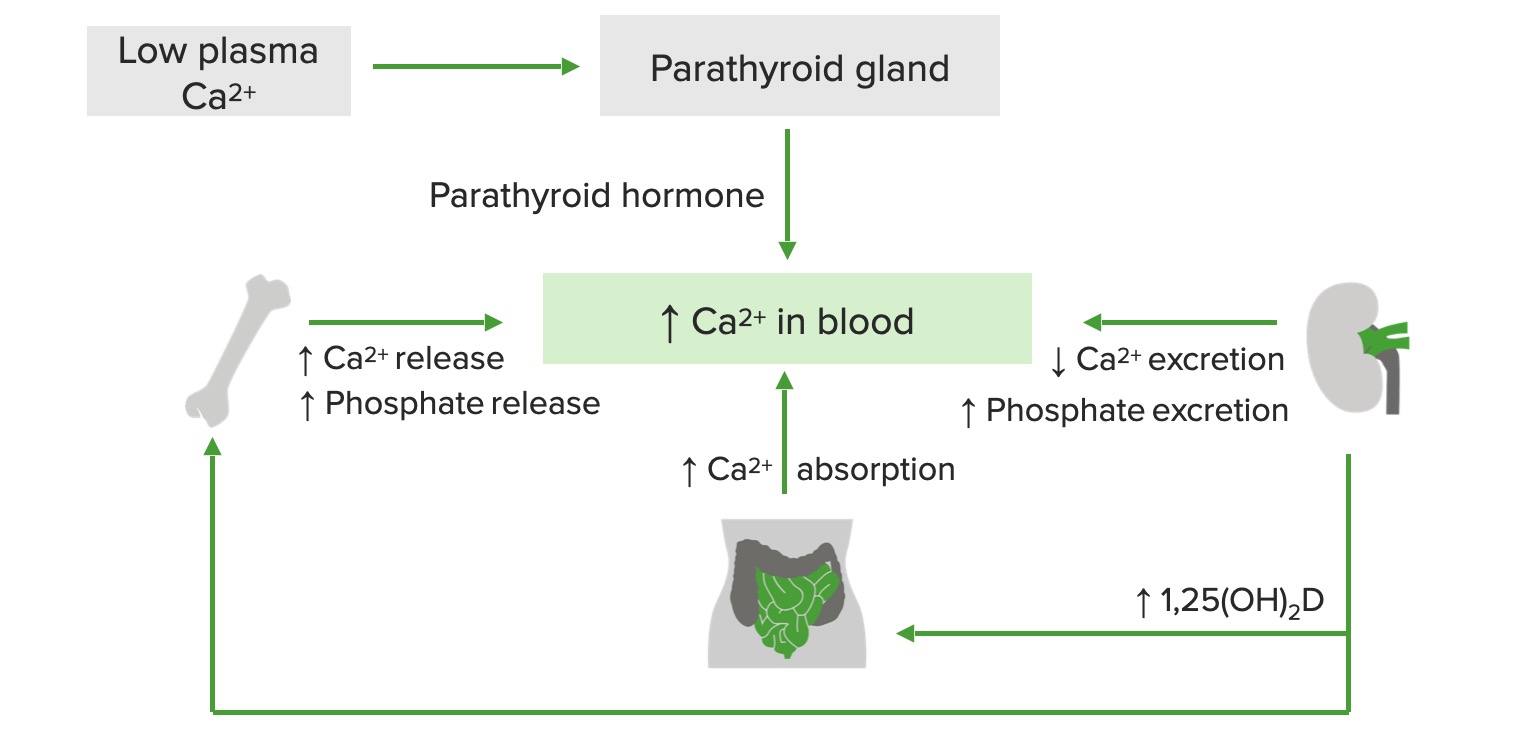
Diagrama esquemático de la regulación del calcio:
El calcio plasmático bajo estimula la liberación de hormona paratiroidea (PTH, por sus siglas en inglés), que aumenta la liberación de calcio y fosfato de los huesos, la absorción de calcio en el tracto gastrointestinal y la producción de vitamina D en los riñones. A su vez, la vitamina D activa aumenta la liberación de calcio de los huesos y la absorción de calcio en el intestino delgado.
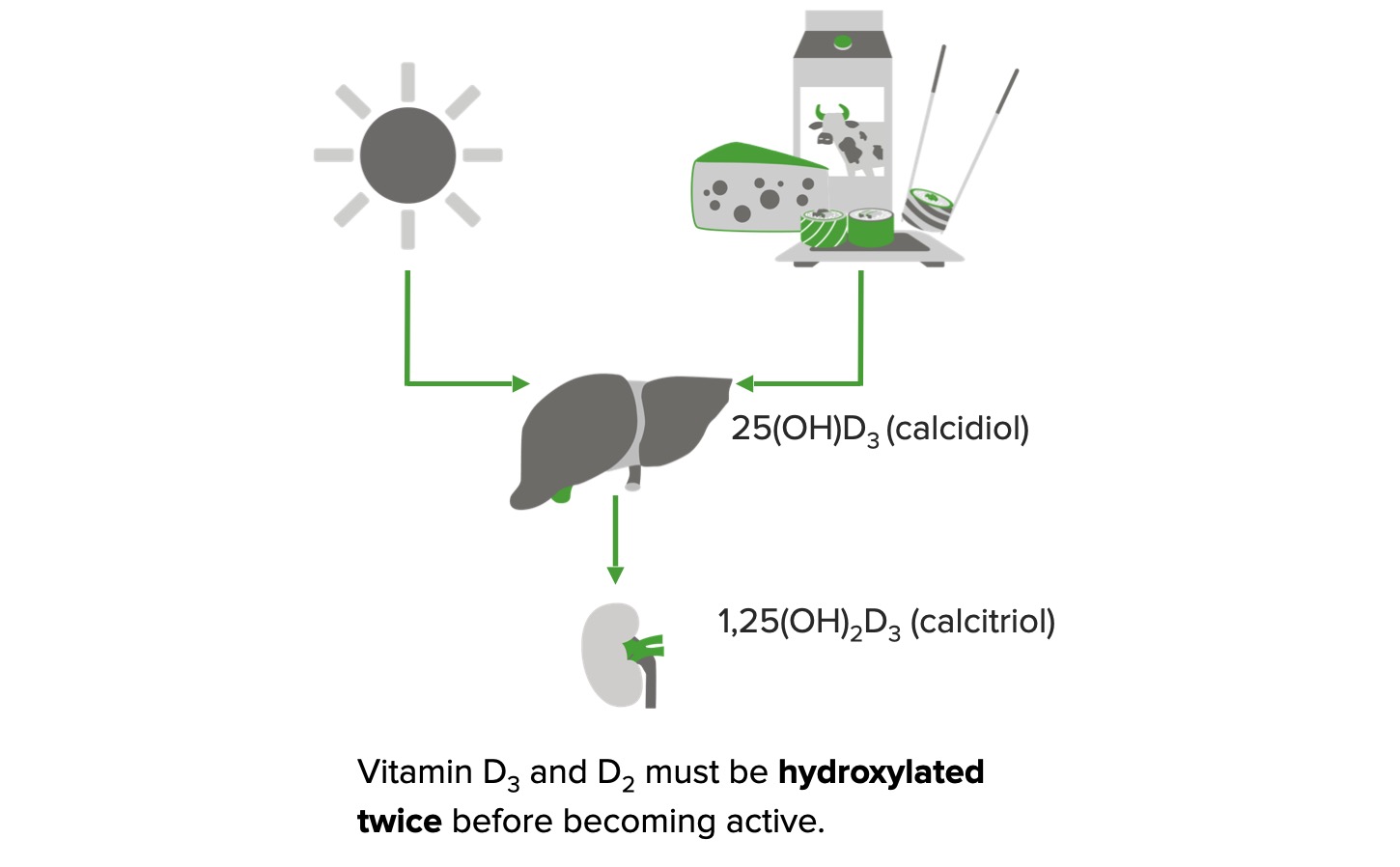
Imagen por Lecturio.

Etiología

Asociada con ↑ PTH:

  • Deficiencia de vitamina D:
    • Malabsorción
    • Exposición reducida a la luz solar
    • Insuficiencia renal
    • Insuficiencia hepática
  • Hiperfosfatemia:
    • Síndrome de lisis tumoral
    • Rabdomiólisis
  • Resistencia a la PTH:
    • Vía de señalización de PTH postreceptora alterada
    • Efecto: El órgano diana no responde a la PTH.
  • Pancreatitis Pancreatitis Inflammation of the pancreas. Pancreatitis is classified as acute unless there are computed tomographic or endoscopic retrograde cholangiopancreatographic findings of chronic pancreatitis. The two most common forms of acute pancreatitis are alcoholic pancreatitis and gallstone pancreatitis. Acute Pancreatitis aguda: El calcio se une a los LOS Neisseria ácidos grasos libres (liberados por las enzimas pancreáticas).
  • Metástasis osteoblástica (i.e., cáncer de mama): El calcio se deposita en EN Erythema nodosum is an immune-mediated panniculitis (inflammation of the subcutaneous fat) caused by a type IV (delayed-type) hypersensitivity reaction. It commonly manifests in young women as tender, erythematous nodules on the shins. Erythema Nodosum el hueso alrededor del tumor Tumor Inflammation.

Hipoparatiroidismo (↓ PTH) :

  • Complicación de tiroides/paratiroidectomía o cirugía/trauma/radiación del cuello
  • Causas congénitas (e.g., síndrome de DiGeorge, hipoparatiroidismo familiar)
  • Hipoparatiroidismo autoinmune (anticuerpos contra los LOS Neisseria receptores sensibles al AL Amyloidosis calcio)
  • Infiltración de la glándula paratiroidea

Inducido por medicamentos:

  • Diuréticos de asa ASA Anterior Cord Syndrome
  • Glucocorticoides
  • Calcitonina
  • Quimioterapia
  • Bifosfonatos
  • Intoxicación por fluoruro

Otros:

  • Múltiples transfusiones de sangre (altas concentraciones de ácido cítrico, que se unen al AL Amyloidosis calcio sérico)
  • Ingesta oral inadecuada de calcio
  • Hipomagnesemia
  • Alcalosis
  • Síndrome del hueso hambriento

Presentación Clínica

Las manifestaciones dependen del nivel y la aparición de la hipocalcemia:

  • La enfermedad leve es asintomática, pero el calcio sérico total de < 7,0–7,5 mg/dL produce síntomas.
  • El ritmo de desarrollo y la cronicidad determinan las manifestaciones clínicas; la hipocalcemia que se desarrolla rápidamente produce más síntomas que la hipocalcemia de aparición gradual.

Síntomas:

  • Aumento de la excitabilidad neuromuscular:
    • Tetania:
      • Sensorial: parestesias periorales y acrales
      • Motor Motor Neurons which send impulses peripherally to activate muscles or secretory cells. Nervous System: Histology: espasmos carpopedales, calambres musculares, espasmo de los LOS Neisseria músculos respiratorios y la glotis
      • Autonómico: cólico biliar, diaforesis, broncoespasmo
    • Hallazgos físicos clásicos de la tetania:
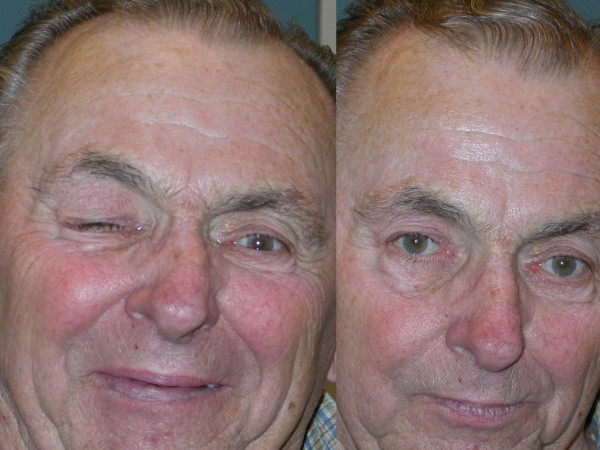
      • Signo de Chvostek: golpear el nervio facial en EN Erythema nodosum is an immune-mediated panniculitis (inflammation of the subcutaneous fat) caused by a type IV (delayed-type) hypersensitivity reaction. It commonly manifests in young women as tender, erythematous nodules on the shins. Erythema Nodosum el área de la mejilla produce espasmos ipsilaterales del labio y la musculatura facial.
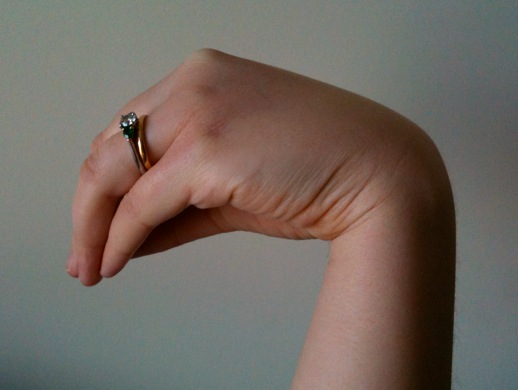
      • Signo de Trousseau: los LOS Neisseria espasmos del carpo (“mano en EN Erythema nodosum is an immune-mediated panniculitis (inflammation of the subcutaneous fat) caused by a type IV (delayed-type) hypersensitivity reaction. It commonly manifests in young women as tender, erythematous nodules on the shins. Erythema Nodosum garra”) son inducidos por el inflado del manguito de presión arterial por encima de la presión sistólica durante 3 minutos.
  • Convulsiones:
    • Tónico-clónico generalizado
    • Focal
    • Ausencia generalizada
  • Papiledema ± aumento de la presión intracraneal (hipocalcemia grave)
  • Síntomas neuropsiquiátricos (reversibles):
    • Depresión
    • Desórdenes psicóticos
    • Ansiedad
  • Cardiovascular:
    • Disfunción miocárdica → hipotensión, insuficiencia cardíaca congestiva
    • Cambios en EN Erythema nodosum is an immune-mediated panniculitis (inflammation of the subcutaneous fat) caused by a type IV (delayed-type) hypersensitivity reaction. It commonly manifests in young women as tender, erythematous nodules on the shins. Erythema Nodosum el ECG ECG An electrocardiogram (ECG) is a graphic representation of the electrical activity of the heart plotted against time. Adhesive electrodes are affixed to the skin surface allowing measurement of cardiac impulses from many angles. The ECG provides 3-dimensional information about the conduction system of the heart, the myocardium, and other cardiac structures. Electrocardiogram (ECG): intervalo QT largo con riesgo de torsades de pointes Torsades de pointes A malignant form of polymorphic ventricular tachycardia that is characterized by heart rate between 200 and 250 beats per minute, and QRS complexes with changing amplitude and twisting of the points. The term also describes the syndrome of tachycardia with prolonged ventricular repolarization, long qt intervals exceeding 500 milliseconds or bradycardia. Torsades de pointes may be self-limited or may progress to ventricular fibrillation. Ventricular Tachycardia
  • Cambios crónicos:
    • Hipoparatiroidismo: cataratas, anomalías dentales, demencia.
    • Deficiencia de vitamina D: osteomalacia Osteomalacia Disorder caused by an interruption of the mineralization of organic bone matrix leading to bone softening, bone pain, and weakness. It is the adult form of rickets resulting from disruption of vitamin d; phosphorus; or calcium homeostasis. Osteomalacia and Rickets, osteopenia Osteopenia Osteoporosis, hipotonía, retraso del crecimiento en EN Erythema nodosum is an immune-mediated panniculitis (inflammation of the subcutaneous fat) caused by a type IV (delayed-type) hypersensitivity reaction. It commonly manifests in young women as tender, erythematous nodules on the shins. Erythema Nodosum los LOS Neisseria niños

Diagnóstico

  • Revisar los LOS Neisseria antecedentes y hallazgos al AL Amyloidosis examen físico.
  • Pruebas de laboratorio:
    • Concentración de calcio sérico
    • Confirme la hipocalcemia verdadera:
      • Repita la prueba.
      • Obtenga albúmina sérica y calcule él Ca CA Condylomata acuminata are a clinical manifestation of genital HPV infection. Condylomata acuminata are described as raised, pearly, flesh-colored, papular, cauliflower-like lesions seen in the anogenital region that may cause itching, pain, or bleeding. Condylomata Acuminata (Genital Warts) 2+ corregido (mg/dL).
      • Nivel de calcio ionizado
    • Niveles séricos de PTH:
      • ↓ PTH indica hipoparatiroidismo.
      • ↑ PTH indica enfermedad renal, deficiencia de vitamina D o pseudohipoparatiroidismo.
    • Niveles de fosfato sérico:
      • Disminución o normalidad en EN Erythema nodosum is an immune-mediated panniculitis (inflammation of the subcutaneous fat) caused by a type IV (delayed-type) hypersensitivity reaction. It commonly manifests in young women as tender, erythematous nodules on the shins. Erythema Nodosum la deficiencia de vitamina D
      • Elevado en EN Erythema nodosum is an immune-mediated panniculitis (inflammation of the subcutaneous fat) caused by a type IV (delayed-type) hypersensitivity reaction. It commonly manifests in young women as tender, erythematous nodules on the shins. Erythema Nodosum hipoparatiroidismo, pseudohipoparatiroidismo o enfermedad renal crónica
    • Niveles séricos de magnesio: La hipocalcemia por ↓ magnesio se resuelve con la corrección de niveles bajos de magnesio.
    • Niveles séricos de vitamina D:
      • Mida calcidiol calcidiol The major circulating metabolite of vitamin d3. It is produced in the liver and is the best indicator of the body’s vitamin D stores. It is effective in the treatment of rickets and osteomalacia, both in azotemic and non-azotemic patients. Calcifediol also has mineralizing properties. Calcium Hemostasis and Bone Metabolism o 25(OH)D.
      • La hipocalcemia aumenta la PTH, que aumenta la producción renal de 1,25-dihidroxivitamina D (parece normal o alta).
    • Panel metabólico completo para excluir cualquier enfermedad renal o hepática.
  • Otros:
    • Fosfatasa alcalina: ↑ en EN Erythema nodosum is an immune-mediated panniculitis (inflammation of the subcutaneous fat) caused by a type IV (delayed-type) hypersensitivity reaction. It commonly manifests in young women as tender, erythematous nodules on the shins. Erythema Nodosum la osteomalacia Osteomalacia Disorder caused by an interruption of the mineralization of organic bone matrix leading to bone softening, bone pain, and weakness. It is the adult form of rickets resulting from disruption of vitamin d; phosphorus; or calcium homeostasis. Osteomalacia and Rickets por deficiencia grave de vitamina D
    • Amilasa: si se sospecha pancreatitis Pancreatitis Inflammation of the pancreas. Pancreatitis is classified as acute unless there are computed tomographic or endoscopic retrograde cholangiopancreatographic findings of chronic pancreatitis. The two most common forms of acute pancreatitis are alcoholic pancreatitis and gallstone pancreatitis. Acute Pancreatitis
    • Calcio urinario: bajo contenido de vitamina D o hipoparatiroidismo
    • ECG ECG An electrocardiogram (ECG) is a graphic representation of the electrical activity of the heart plotted against time. Adhesive electrodes are affixed to the skin surface allowing measurement of cardiac impulses from many angles. The ECG provides 3-dimensional information about the conduction system of the heart, the myocardium, and other cardiac structures. Electrocardiogram (ECG): intervalo QT prolongado, posibles arritmias ventriculares
Tabla: Hallazgos de laboratorio en EN Erythema nodosum is an immune-mediated panniculitis (inflammation of the subcutaneous fat) caused by a type IV (delayed-type) hypersensitivity reaction. It commonly manifests in young women as tender, erythematous nodules on the shins. Erythema Nodosum hipocalcemia
Diagnóstico Hipoparatiroidismo deficiencia de vitamina D Deficiencia de magnesio Enfermedad renal crónica
PTH Bajo Elevado Normal/bajo Elevado
Fos Elevado Bajo Normal Elevado
25(OH)D Normal Bajo* Normal Normal/bajo
1,25(OH)2D Normal/bajo Normal/alto* Normal Bajo
Mg Normal Normal Bajo Normal/alto
Pistas clínicas
  • Cirugía de cuello
  • Enfermedad autoinmune
  • Sensibilidad ósea
  • Osteomalacia Osteomalacia Disorder caused by an interruption of the mineralization of organic bone matrix leading to bone softening, bone pain, and weakness. It is the adult form of rickets resulting from disruption of vitamin d; phosphorus; or calcium homeostasis. Osteomalacia and Rickets
  • Consumo de alcohol
  • Diuréticos
  • Asociado con hipopotasemia
Creatinina anormal
PTH: hormona paratiroidea
Fos: fosfato
25 (OH) D: 25-hidroxivitamina D/calcidiol
1,25(OH)2D: 1,25-dihidroxivitamina D/calcitriol
Mg: magnesio
*La 25(OH)D es una mejor medida para la deficiencia de vitamina D porque la 1,25(OH)2D aumenta con niveles bajos de calcio, lo que desencadena ↑ PTH → ↑ producción renal de calcitriol

Tratamiento

El tratamiento depende de la causa subyacente y la gravedad.

Hipocalcemia leve

Enfoque para:

  • Pacientes asintomáticos
  • Pacientes con síntomas leves (i.e., parestesia oral)
  • Pacientes con hipocalcemia crónica

Tratamiento:

  • Reemplazo oral con 1 500–2 000 mg de calcio elemental/día
  • Ya sea citrato de calcio o carbonato de calcio

Hipocalcemia severa/hipocalcemia aguda

Enfoque para:

  • Pacientes con tetania, espasmo carpopedal o convulsiones
  • Pacientes con QT prolongado
  • Pacientes con disminución aguda a ≤ 7,5 mg/dL (e.g., tras cirugía tiroidea)

Tratamiento:

  • Gluconato de calcio intravenoso, O
  • Cloruro de calcio intravenoso

Consideraciones adicionales

  • Hipomagnesemia:
    • Corrija la deficiencia de magnesio.
    • Sulfato de magnesio intravenoso
  • Enfermedad renal crónica (tratamiento individualizado):
    • El calcio oral se administra como quelante de fosfato.
    • En EN Erythema nodosum is an immune-mediated panniculitis (inflammation of the subcutaneous fat) caused by a type IV (delayed-type) hypersensitivity reaction. It commonly manifests in young women as tender, erythematous nodules on the shins. Erythema Nodosum algunos pacientes puede ser necesario el reemplazo de vitamina D.
  • Deficiencia de vitamina D: suplementación con vitamina D
  • Enfermedad crónica del hígado: El calcidiol calcidiol The major circulating metabolite of vitamin d3. It is produced in the liver and is the best indicator of the body’s vitamin D stores. It is effective in the treatment of rickets and osteomalacia, both in azotemic and non-azotemic patients. Calcifediol also has mineralizing properties. Calcium Hemostasis and Bone Metabolism se administra porque no requiere 25-hidroxilación en EN Erythema nodosum is an immune-mediated panniculitis (inflammation of the subcutaneous fat) caused by a type IV (delayed-type) hypersensitivity reaction. It commonly manifests in young women as tender, erythematous nodules on the shins. Erythema Nodosum el hígado.

Relevancia Clínica

Las siguientes son condiciones relacionadas con la hipocalcemia:

  • Deficiencia de vitamina D: la vitamina D es una sustancia soluble en EN Erythema nodosum is an immune-mediated panniculitis (inflammation of the subcutaneous fat) caused by a type IV (delayed-type) hypersensitivity reaction. It commonly manifests in young women as tender, erythematous nodules on the shins. Erythema Nodosum grasas esencial para el funcionamiento adecuado del cuerpo humano, especialmente para la salud del sistema óseo. La desmineralización de los LOS Neisseria huesos produce osteomalacia Osteomalacia Disorder caused by an interruption of the mineralization of organic bone matrix leading to bone softening, bone pain, and weakness. It is the adult form of rickets resulting from disruption of vitamin d; phosphorus; or calcium homeostasis. Osteomalacia and Rickets en EN Erythema nodosum is an immune-mediated panniculitis (inflammation of the subcutaneous fat) caused by a type IV (delayed-type) hypersensitivity reaction. It commonly manifests in young women as tender, erythematous nodules on the shins. Erythema Nodosum adultos y raquitismo con osteomalacia Osteomalacia Disorder caused by an interruption of the mineralization of organic bone matrix leading to bone softening, bone pain, and weakness. It is the adult form of rickets resulting from disruption of vitamin d; phosphorus; or calcium homeostasis. Osteomalacia and Rickets en EN Erythema nodosum is an immune-mediated panniculitis (inflammation of the subcutaneous fat) caused by a type IV (delayed-type) hypersensitivity reaction. It commonly manifests in young women as tender, erythematous nodules on the shins. Erythema Nodosum niños. Otras manifestaciones incluyen dolor Dolor Inflammation a la palpación ósea, debilidad muscular y fractura(s). La deficiencia se determina obteniendo una concentración de 25-hidroxivitamina D ( calcidiol calcidiol The major circulating metabolite of vitamin d3. It is produced in the liver and is the best indicator of the body’s vitamin D stores. It is effective in the treatment of rickets and osteomalacia, both in azotemic and non-azotemic patients. Calcifediol also has mineralizing properties. Calcium Hemostasis and Bone Metabolism). El tratamiento incluye la reposición de vitamina D.
  • Osteomalacia Osteomalacia Disorder caused by an interruption of the mineralization of organic bone matrix leading to bone softening, bone pain, and weakness. It is the adult form of rickets resulting from disruption of vitamin d; phosphorus; or calcium homeostasis. Osteomalacia and Rickets y raquitismo: ablandamiento de los LOS Neisseria huesos debido a la desmineralización ósea, principalmente relacionado con la deficiencia de vitamina D. El raquitismo se presenta en EN Erythema nodosum is an immune-mediated panniculitis (inflammation of the subcutaneous fat) caused by a type IV (delayed-type) hypersensitivity reaction. It commonly manifests in young women as tender, erythematous nodules on the shins. Erythema Nodosum niños, que tienen placas de crecimiento epifisarias abiertas y en EN Erythema nodosum is an immune-mediated panniculitis (inflammation of the subcutaneous fat) caused by a type IV (delayed-type) hypersensitivity reaction. It commonly manifests in young women as tender, erythematous nodules on the shins. Erythema Nodosum crecimiento. La osteomalacia Osteomalacia Disorder caused by an interruption of the mineralization of organic bone matrix leading to bone softening, bone pain, and weakness. It is the adult form of rickets resulting from disruption of vitamin d; phosphorus; or calcium homeostasis. Osteomalacia and Rickets se presenta más comúnmente en EN Erythema nodosum is an immune-mediated panniculitis (inflammation of the subcutaneous fat) caused by a type IV (delayed-type) hypersensitivity reaction. It commonly manifests in young women as tender, erythematous nodules on the shins. Erythema Nodosum adultos, cuyas placas de crecimiento generalmente ya se han cerrado. El raquitismo se manifiesta con deformidades esqueléticas y anomalías del crecimiento. Los LOS Neisseria pacientes con osteomalacia Osteomalacia Disorder caused by an interruption of the mineralization of organic bone matrix leading to bone softening, bone pain, and weakness. It is the adult form of rickets resulting from disruption of vitamin d; phosphorus; or calcium homeostasis. Osteomalacia and Rickets presentan dolor Dolor Inflammation óseo y fracturas patológicas. El diagnóstico se basa en EN Erythema nodosum is an immune-mediated panniculitis (inflammation of the subcutaneous fat) caused by a type IV (delayed-type) hypersensitivity reaction. It commonly manifests in young women as tender, erythematous nodules on the shins. Erythema Nodosum una combinación de hallazgos clínicos, pruebas de laboratorio e imagenología. El tratamiento incluye suplementos de vitamina D, calcio y fósforo.
  • Pancreatitis Pancreatitis Inflammation of the pancreas. Pancreatitis is classified as acute unless there are computed tomographic or endoscopic retrograde cholangiopancreatographic findings of chronic pancreatitis. The two most common forms of acute pancreatitis are alcoholic pancreatitis and gallstone pancreatitis. Acute Pancreatitis aguda: una enfermedad inflamatoria del páncreas debida a la autodigestión. Las etiologías comunes incluyen cálculos biliares y consumo excesivo de alcohol. Los LOS Neisseria pacientes se presentan con dolor Dolor Inflammation epigástrico que se irradia a la espalda. El diagnóstico requiere de dos de tres criterios, que incluyen dolor Dolor Inflammation abdominal característico, amilasa sérica y lipasa tres veces el límite superior de lo normal o hallazgos radiológicos característicos. Puede producirse hipocalcemia en EN Erythema nodosum is an immune-mediated panniculitis (inflammation of the subcutaneous fat) caused by a type IV (delayed-type) hypersensitivity reaction. It commonly manifests in young women as tender, erythematous nodules on the shins. Erythema Nodosum casos graves de pancreatitis Pancreatitis Inflammation of the pancreas. Pancreatitis is classified as acute unless there are computed tomographic or endoscopic retrograde cholangiopancreatographic findings of chronic pancreatitis. The two most common forms of acute pancreatitis are alcoholic pancreatitis and gallstone pancreatitis. Acute Pancreatitis. El tratamiento incluye hidratación intravenosa agresiva, analgesia Analgesia Methods of pain relief that may be used with or in place of analgesics. Anesthesiology: History and Basic Concepts, apoyo nutricional y tratamiento de la causa subyacente.
  • Enfermedad renal crónica (ERC): insuficiencia renal que dura al AL Amyloidosis menos 3 meses, lo que implica que la ERC es irreversible. La hipertensión y la diabetes Diabetes Diabetes mellitus (DM) is a metabolic disease characterized by hyperglycemia and dysfunction of the regulation of glucose metabolism by insulin. Type 1 DM is diagnosed mostly in children and young adults as the result of autoimmune destruction of β cells in the pancreas and the resulting lack of insulin. Type 2 DM has a significant association with obesity and is characterized by insulin resistance. Diabetes Mellitus son las causas más comunes; sin embargo, una multitud de otras enfermedades también pueden ser la etiología. Una de las complicaciones de la ERC (especialmente en EN Erythema nodosum is an immune-mediated panniculitis (inflammation of the subcutaneous fat) caused by a type IV (delayed-type) hypersensitivity reaction. It commonly manifests in young women as tender, erythematous nodules on the shins. Erythema Nodosum los LOS Neisseria últimos estadios) es el hiperparatiroidismo secundario (trastorno mineral y óseo). El fosfato elevado sobrepasa el sistema regulador y la unión del calcio con el fosfato reduce el calcio ionizado, lo que da lugar a hipocalcemia sintomática.
  • Cirrosis: etapa tardía de necrosis Necrosis The death of cells in an organ or tissue due to disease, injury or failure of the blood supply. Ischemic Cell Damage hepática y cicatrización. El daño celular crónico causa una gran distorsión de la arquitectura hepática normal, lo que puede conducir a un deterioro del flujo sanguíneo normal a través del hígado. Las causas comunes son el consumo crónico y excesivo de alcohol, la hepatitis viral y la esteatohepatitis no alcohólica (NASH, por sus siglas en EN Erythema nodosum is an immune-mediated panniculitis (inflammation of the subcutaneous fat) caused by a type IV (delayed-type) hypersensitivity reaction. It commonly manifests in young women as tender, erythematous nodules on the shins. Erythema Nodosum inglés). La enfermedad hepática crónica conduce a una producción deficiente de vitamina D. Se puede administrar calcidiol calcidiol The major circulating metabolite of vitamin d3. It is produced in the liver and is the best indicator of the body’s vitamin D stores. It is effective in the treatment of rickets and osteomalacia, both in azotemic and non-azotemic patients. Calcifediol also has mineralizing properties. Calcium Hemostasis and Bone Metabolism, que no requiere 25-hidroxilación hepática, a pacientes con hipocalcemia.
  • Hipoparatiroidismo: niveles reducidos de PTH debido al AL Amyloidosis mal funcionamiento de las glándulas paratiroides. La causa del hipoparatiroidismo suele ser iatrogénica, después de una cirugía de cuello. La deficiencia de hormona paratiroidea da como resultado niveles bajos de calcio sérico, lo que aumenta la excitabilidad neuromuscular. El inicio agudo (generalmente postquirúrgico) se trata con la administración intravenosa de emergencia de gluconato de calcio. El hipoparatiroidismo crónico requiere una suplementación y seguimiento a largo plazo de calcio y vitamina D.
  • Síndrome de DiGeorge: una afección causada por una microdeleción en EN Erythema nodosum is an immune-mediated panniculitis (inflammation of the subcutaneous fat) caused by a type IV (delayed-type) hypersensitivity reaction. It commonly manifests in young women as tender, erythematous nodules on the shins. Erythema Nodosum la ubicación q11.2 del cromosoma 22. El síndrome de DiGeorge también se conoce como síndrome 22q11.2. Un desarrollo defectuoso de las terceras y cuartas bolsas faríngeas que conducen a hipoplasia tímica y paratiroidea, lo que causa inmunodeficiencia de células T e hipocalcemia, respectivamente. El diagnóstico se realiza con hallazgos clínicos, pruebas de laboratorio (calcio bajo), ecocardiograma y análisis genético. El tratamiento puede incluir suplementos de calcio, cirugía (para defectos cardíacos y anomalías del paladar) y trasplante de timo o células hematopoyéticas.
  • Rabdomiólisis: condición caracterizada por necrosis Necrosis The death of cells in an organ or tissue due to disease, injury or failure of the blood supply. Ischemic Cell Damage muscular y liberación de mioglobina, que tiene efectos nefrotóxicos. La rabdomiólisis puede deberse a un traumatismo o una compresión muscular directa; o la rabdomiólisis puede ser no traumática (e.g., actividad de esfuerzo intenso). La elevación de la creatina quinasa con presentación de mialgias y orina oscura son muy sugestivas del diagnóstico. La hiperfosfatemia se debe a músculos necróticos, lo que conduce a hipocalcemia. La formación de sales de fosfato de calcio contribuye a la insuficiencia renal. El tratamiento consiste en EN Erythema nodosum is an immune-mediated panniculitis (inflammation of the subcutaneous fat) caused by a type IV (delayed-type) hypersensitivity reaction. It commonly manifests in young women as tender, erythematous nodules on the shins. Erythema Nodosum reanimación con líquidos por vía intravenosa.

Referencias

  1. Dawson-Hughes, B. (2025). Vitamin D deficiency in adults. UpToDate. Retrieved July 21, 2025, from https://www.uptodate.com/contents/vitamin-d-deficiency-in-adults-definition-clinical-manifestations-and-treatment
  2. Goltzman, D. (2024). Clinical manifestations of hypocalcemia. UpToDate. Retrieved July 21, 2025, from https://www.uptodate.com/contents/clinical-manifestations-of-hypocalcemia
  3. Goltzman, D. (2025). Diagnostic approach to hypocalcemia. UpToDate. Retrieved July 21, 2025, from https://www.uptodate.com/contents/diagnostic-approach-to-hypocalcemia
  4. Goltzman, D. (2025). Etiology of hypocalcemia in adults. UpToDate. Retrieved July 21, 2025, from https://www.uptodate.com/contents/etiology-of-hypocalcemia-in-adults
  5. Gotlzman, D. (2024). Treatment of hypocalcemia. UpToDate. Retrieved July 21, 2025, from https://www.uptodate.com/contents/treatment-of-hypocalcemia
  6. Goyal A, Singh S. (2023). Hypocalcemia. StatPearls [Internet]. StatPearls Publishing. Retrieved July 21, 2025, from https://www.ncbi.nlm.nih.gov/books/NBK430912/

¡Crea tu cuenta gratis o inicia una sesión para seguir leyendo!

Regístrate ahora y obtén acceso gratuito a Lecturio con páginas de concepto, videos médicos y cuestionarios para tu educación médica.

User Reviews

Que tengas una sesión de estudio alegre y navideña 🎁 Ahorra 50% en todos los planes >>

Details