Domina Conceptos Médicos

Estudia para la escuela de medicina y tus examenes con Lecturio.

Glomerulonefritis Proliferativa Difusa

La glomerulonefritis proliferativa difusa es una clasificación histopatológica de la glomerulonefritis caracterizada por un aumento de la proliferación celular que afecta > 50% de los LOS Neisseria glomérulos. Las células mesangiales, endoteliales y epiteliales aumentan notablemente. Las causas más comunes son la nefritis lúpica de clase IV y la nefropatía por IgA IgA Represents 15-20% of the human serum immunoglobulins, mostly as the 4-chain polymer in humans or dimer in other mammals. Secretory iga is the main immunoglobulin in secretions. Immunoglobulins: Types and Functions. Los LOS Neisseria individuos pueden presentar síntomas relacionados con la enfermedad renal, como fatiga, náuseas, vómitos, hematuria Hematuria Presence of blood in the urine. Renal Cell Carcinoma, proteinuria Proteinuria The presence of proteins in the urine, an indicator of kidney diseases. Nephrotic Syndrome in Children, hipertensión y edema Edema Edema is a condition in which excess serous fluid accumulates in the body cavity or interstitial space of connective tissues. Edema is a symptom observed in several medical conditions. It can be categorized into 2 types, namely, peripheral (in the extremities) and internal (in an organ or body cavity). Edema. Pueden presentarse otras manifestaciones relacionadas con la enfermedad subyacente. El diagnóstico se realiza mediante pruebas de laboratorio, imagenología renal y biopsia renal. Los LOS Neisseria hallazgos microscópicos muestran hipercelularidad de las células mesangiales y endoteliales, con engrosamiento del asa ASA Anterior Cord Syndrome capilar. Está indicada una terapia agresiva precoz y se basa en EN Erythema nodosum is an immune-mediated panniculitis (inflammation of the subcutaneous fat) caused by a type IV (delayed-type) hypersensitivity reaction. It commonly manifests in young women as tender, erythematous nodules on the shins. Erythema Nodosum la etiología específica.

Last updated: Dec 15, 2025

Editorial responsibility: Stanley Oiseth, Lindsay Jones, Evelin Maza

Descripción General

Definición

La glomerulonefritis proliferativa difusa, una clasificación histopatológica de la glomerulonefritis comúnmente asociada con enfermedades autoinmunes, se caracteriza por un aumento de la proliferación celular que afecta > 50% de los LOS Neisseria glomérulos.
  • Las células mesangiales, epiteliales, endoteliales e inflamatorias están aumentadas en EN Erythema nodosum is an immune-mediated panniculitis (inflammation of the subcutaneous fat) caused by a type IV (delayed-type) hypersensitivity reaction. It commonly manifests in young women as tender, erythematous nodules on the shins. Erythema Nodosum los LOS Neisseria glomérulos.
  • Puede progresar a glomerulonefritis rápidamente progresiva

Etiología

  • La nefritis lúpica de clase IV es la causa más común de glomerulonefritis proliferativa difusa.
  • Nefropatía por IgA IgA Represents 15-20% of the human serum immunoglobulins, mostly as the 4-chain polymer in humans or dimer in other mammals. Secretory iga is the main immunoglobulin in secretions. Immunoglobulins: Types and Functions
  • Enfermedad anti-membrana basal glomerular
  • Granulomatosis con poliangeitis
  • Poliangeitis microscópica
  • Púrpura de Henoch-Schönlein
  • Crioglobulinemia
  • Vasculitis Vasculitis Inflammation of any one of the blood vessels, including the arteries; veins; and rest of the vasculature system in the body. Systemic Lupus Erythematosus
  • Causas infecciosas:
    • Endocarditis Endocarditis Endocarditis is an inflammatory disease involving the inner lining (endometrium) of the heart, most commonly affecting the cardiac valves. Both infectious and noninfectious etiologies lead to vegetations on the valve leaflets. Patients may present with nonspecific symptoms such as fever and fatigue. Endocarditis infecciosa
    • Hepatitis C Hepatitis C Hepatitis C is an infection of the liver caused by the hepatitis C virus (HCV). The infection can be transmitted through infectious blood or body fluids and may be transmitted during childbirth or through IV drug use or sexual intercourse. Hepatitis C virus can cause both acute and chronic hepatitis, ranging from a mild to a serious, lifelong illness including liver cirrhosis and hepatocellular carcinoma (HCC). Hepatitis C Virus
    • Hepatitis B Hepatitis B Hepatitis B virus (HBV) is a partially double-stranded DNA virus, which belongs to the Orthohepadnavirus genus and the Hepadnaviridae family. Most individuals with acute HBV infection are asymptomatic or have mild, self-limiting symptoms. Chronic infection can be asymptomatic or create hepatic inflammation, leading to liver cirrhosis and hepatocellular carcinoma (HCC). Hepatitis B Virus

Epidemiología

  • Prevalencia de la nefritis lúpica: alrededor del 40% de las personas con lupus en EN Erythema nodosum is an immune-mediated panniculitis (inflammation of the subcutaneous fat) caused by a type IV (delayed-type) hypersensitivity reaction. It commonly manifests in young women as tender, erythematous nodules on the shins. Erythema Nodosum los LOS Neisseria Estados Unidos
  • Incidencia de enfermedad renal en EN Erythema nodosum is an immune-mediated panniculitis (inflammation of the subcutaneous fat) caused by a type IV (delayed-type) hypersensitivity reaction. It commonly manifests in young women as tender, erythematous nodules on the shins. Erythema Nodosum etapa terminal atribuida a nefritis lúpica: 4,5 casos por 1 millón de casos en EN Erythema nodosum is an immune-mediated panniculitis (inflammation of the subcutaneous fat) caused by a type IV (delayed-type) hypersensitivity reaction. It commonly manifests in young women as tender, erythematous nodules on the shins. Erythema Nodosum la población general
  • Las mujeres tienen más probabilidades de desarrollar glomerulonefritis proliferativa difusa.
  • Los LOS Neisseria hombres tienen más probabilidades de desarrollar casos agresivos de glomerulonefritis proliferativa difusa.
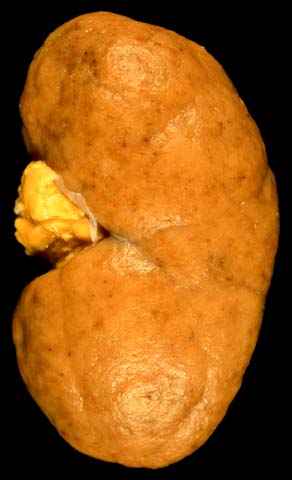
Nefritis_lupus_proliferativa_difusa

Apariencia “picada por pulgas” de la superficie cortical de un riñón en la glomerulonefritis proliferativa difusa.

Imagen: “Diffuse Proliferative Lupus Nephritis class IV” por Ed Uthman. Licencia: Dominio Público

Fisiopatología

Mecanismo de lesión

  • Depende de la causa subyacente de la glomerulonefritis proliferativa difusa
  • Generalmente, implica la deposición sobre complejos inmunes, que a su vez activa la vía del complemento:
    • Los LOS Neisseria complejos inmunes son agregados de antígenos y anticuerpos.
    • El depósito se produce en EN Erythema nodosum is an immune-mediated panniculitis (inflammation of the subcutaneous fat) caused by a type IV (delayed-type) hypersensitivity reaction. It commonly manifests in young women as tender, erythematous nodules on the shins. Erythema Nodosum el mesangio, la membrana basal glomerular o ubicaciones subendoteliales o subepiteliales.
    • Da como resultado el reclutamiento de infiltrados celulares inflamatorios, la proliferación de células mesangiales y endoteliales y la necrosis Necrosis The death of cells in an organ or tissue due to disease, injury or failure of the blood supply. Ischemic Cell Damage
    • Los LOS Neisseria casos graves pueden tener células cresénticas (células epiteliales, macrófagos activados y fibrina) y trombos de fibrina.
  • La liberación de citoquinas conduce a una lesión celular.

Efectos

  • Ataque inmunológico al AL Amyloidosis glomérulo → ↑ permeabilidad de la membrana basal glomerular a proteínas, eritrocitos y leucocitos
  • Los LOS Neisseria bucles capilares se borran y se desarrolla esclerosis → hipertensión e insuficiencia renal
  • Necrosis Necrosis The death of cells in an organ or tissue due to disease, injury or failure of the blood supply. Ischemic Cell Damage fibrinoide en EN Erythema nodosum is an immune-mediated panniculitis (inflammation of the subcutaneous fat) caused by a type IV (delayed-type) hypersensitivity reaction. It commonly manifests in young women as tender, erythematous nodules on the shins. Erythema Nodosum la vasculatura glomerular → vasculitis Vasculitis Inflammation of any one of the blood vessels, including the arteries; veins; and rest of the vasculature system in the body. Systemic Lupus Erythematosus → ↓ filtración y función renal

Presentación Clínica

Manifestaciones generales

Las presentaciones varían considerablemente, y la mayoría de los LOS Neisseria síntomas se deben a la disminución de la tasa de filtración glomerular causada por la glomerulonefritis proliferativa difusa.

  • Síntomas inespecíficos:
    • Náuseas
    • Fatiga
    • Vómitos
    • Oliguria Oliguria Decreased urine output that is below the normal range. Oliguria can be defined as urine output of less than or equal to 0. 5 or 1 ml/kg/hr depending on the age. Renal Potassium Regulation
  • Síntomas nefríticos:
    • Proteinuria Proteinuria The presence of proteins in the urine, an indicator of kidney diseases. Nephrotic Syndrome in Children
    • Hipertensión
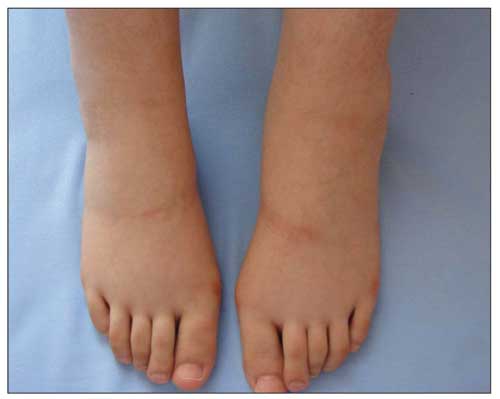
    • Edema Edema Edema is a condition in which excess serous fluid accumulates in the body cavity or interstitial space of connective tissues. Edema is a symptom observed in several medical conditions. It can be categorized into 2 types, namely, peripheral (in the extremities) and internal (in an organ or body cavity). Edema
    • Hematuria Hematuria Presence of blood in the urine. Renal Cell Carcinoma

Presentación en EN Erythema nodosum is an immune-mediated panniculitis (inflammation of the subcutaneous fat) caused by a type IV (delayed-type) hypersensitivity reaction. It commonly manifests in young women as tender, erythematous nodules on the shins. Erythema Nodosum relación con la enfermedad de base

Debido a que la glomerulonefritis proliferativa difusa es causada por otra afección, los LOS Neisseria síntomas de la causa subyacente a menudo están presentes, como en EN Erythema nodosum is an immune-mediated panniculitis (inflammation of the subcutaneous fat) caused by a type IV (delayed-type) hypersensitivity reaction. It commonly manifests in young women as tender, erythematous nodules on the shins. Erythema Nodosum:
  • Lupus eritematoso sistémico (LES):
    • Erupción
    • Dolores en EN Erythema nodosum is an immune-mediated panniculitis (inflammation of the subcutaneous fat) caused by a type IV (delayed-type) hypersensitivity reaction. It commonly manifests in young women as tender, erythematous nodules on the shins. Erythema Nodosum las articulaciones
    • Fotosensibilidad
    • Serositis Serositis Inflammation of a serous membrane. Systemic Lupus Erythematosus
    • Úlceras bucales
  • Nefropatía IgA IgA Represents 15-20% of the human serum immunoglobulins, mostly as the 4-chain polymer in humans or dimer in other mammals. Secretory iga is the main immunoglobulin in secretions. Immunoglobulins: Types and Functions:
  • Enfermedad anti-membrana basal glomerular:
    • Mayoría con enfermedad renal
    • Alrededor del 25%–60% con manifestaciones pulmonares:
      • Hemoptisis
      • Tos TOS Thoracic outlet syndrome (TOS) is a broad term used for a spectrum of syndromes related to the general region of the thoracic outlet, which involves the compression or irritation of elements of the brachial plexus, subclavian artery, or subclavian vein. Thoracic Outlet Syndrome
      • Disnea
  • Granulomatosis con poliangeitis:
    • Pulmonar (hemoptisis, tos TOS Thoracic outlet syndrome (TOS) is a broad term used for a spectrum of syndromes related to the general region of the thoracic outlet, which involves the compression or irritation of elements of the brachial plexus, subclavian artery, or subclavian vein. Thoracic Outlet Syndrome)
    • Cabeza y cuello (hemorragias nasales, hipoacusia, deformidades del cartílago nasal)

Diagnóstico

Biopsia renal

  • Estándar de oro para el diagnóstico
  • Microscopía óptica:
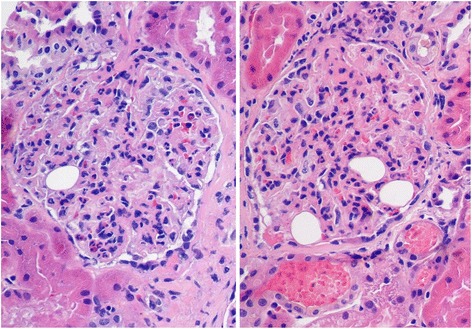
    • Hipercelularidad marcada de células endoteliales y mesangiales
    • Engrosamiento de los LOS Neisseria bucles capilares (bucles de alambre)
    • Infiltración de células inflamatorias
    • Formas graves: células cresénticas y necrosis Necrosis The death of cells in an organ or tissue due to disease, injury or failure of the blood supply. Ischemic Cell Damage
  • Microscopía de inmunofluorescencia:
    • Tinción glomerular ausente (o leve) para inmunoglobulina y/o complemento en EN Erythema nodosum is an immune-mediated panniculitis (inflammation of the subcutaneous fat) caused by a type IV (delayed-type) hypersensitivity reaction. It commonly manifests in young women as tender, erythematous nodules on the shins. Erythema Nodosum glomerulonefritis asociada a anticuerpos anticitoplasmáticos (enfermedad pauciinmune)
    • Depósito granular de inmunoglobulinas, complemento y fibrina a lo largo de la membrana basal glomerular en EN Erythema nodosum is an immune-mediated panniculitis (inflammation of the subcutaneous fat) caused by a type IV (delayed-type) hypersensitivity reaction. It commonly manifests in young women as tender, erythematous nodules on the shins. Erythema Nodosum la mayoría, excepto en EN Erythema nodosum is an immune-mediated panniculitis (inflammation of the subcutaneous fat) caused by a type IV (delayed-type) hypersensitivity reaction. It commonly manifests in young women as tender, erythematous nodules on the shins. Erythema Nodosum la enfermedad anti-membrana basal glomerular
    • Depósito lineal en EN Erythema nodosum is an immune-mediated panniculitis (inflammation of the subcutaneous fat) caused by a type IV (delayed-type) hypersensitivity reaction. It commonly manifests in young women as tender, erythematous nodules on the shins. Erythema Nodosum la enfermedad anti-membrana basal glomerular
  • Microscopio de electrones:
    • Depósitos electro-densos observados en EN Erythema nodosum is an immune-mediated panniculitis (inflammation of the subcutaneous fat) caused by a type IV (delayed-type) hypersensitivity reaction. It commonly manifests in young women as tender, erythematous nodules on the shins. Erythema Nodosum las áreas mesangial, subendotelial intramembranosa y subepitelial
    • En EN Erythema nodosum is an immune-mediated panniculitis (inflammation of the subcutaneous fat) caused by a type IV (delayed-type) hypersensitivity reaction. It commonly manifests in young women as tender, erythematous nodules on the shins. Erythema Nodosum LES: lesiones en EN Erythema nodosum is an immune-mediated panniculitis (inflammation of the subcutaneous fat) caused by a type IV (delayed-type) hypersensitivity reaction. It commonly manifests in young women as tender, erythematous nodules on the shins. Erythema Nodosum asa ASA Anterior Cord Syndrome de alambre en EN Erythema nodosum is an immune-mediated panniculitis (inflammation of the subcutaneous fat) caused by a type IV (delayed-type) hypersensitivity reaction. It commonly manifests in young women as tender, erythematous nodules on the shins. Erythema Nodosum las áreas mesangial y subendotelial
    • En EN Erythema nodosum is an immune-mediated panniculitis (inflammation of the subcutaneous fat) caused by a type IV (delayed-type) hypersensitivity reaction. It commonly manifests in young women as tender, erythematous nodules on the shins. Erythema Nodosum enfermedad anti-membrana basal glomerular: depósitos lineales e intramembranosos
    • En EN Erythema nodosum is an immune-mediated panniculitis (inflammation of the subcutaneous fat) caused by a type IV (delayed-type) hypersensitivity reaction. It commonly manifests in young women as tender, erythematous nodules on the shins. Erythema Nodosum glomerulonefritis postestreptocócica: depósitos subepiteliales (jorobas)
    • En EN Erythema nodosum is an immune-mediated panniculitis (inflammation of the subcutaneous fat) caused by a type IV (delayed-type) hypersensitivity reaction. It commonly manifests in young women as tender, erythematous nodules on the shins. Erythema Nodosum glomerulonefritis asociada a anticuerpos anticitoplasmáticos: pocos o ningún depósito
histología de la glomerulonefritis proliferativa difusa

Histología de la glomerulonefritis proliferativa difusa con infiltración leucocítica

Imagen: “Diffuse proliferative glomerulonephritis with leukocytic infiltration” por Cannata-Ortiz P. Licencia: CC BY 4.0

Otras pruebas diagnósticas

  • Los LOS Neisseria hallazgos del hemograma (según la enfermedad subyacente) pueden incluir:
    • Anemia Anemia Anemia is a condition in which individuals have low Hb levels, which can arise from various causes. Anemia is accompanied by a reduced number of RBCs and may manifest with fatigue, shortness of breath, pallor, and weakness. Subtypes are classified by the size of RBCs, chronicity, and etiology. Anemia: Overview and Types
    • Leucopenia
    • Linfopenia
    • Trombocitopenia
  • Pruebas de función renal:
    • ↑ Creatinina sérica por daño renal
    • ↑ Nitrógeno de urea Urea A compound formed in the liver from ammonia produced by the deamination of amino acids. It is the principal end product of protein catabolism and constitutes about one half of the total urinary solids. Urea Cycle (BUN, por sus siglas en EN Erythema nodosum is an immune-mediated panniculitis (inflammation of the subcutaneous fat) caused by a type IV (delayed-type) hypersensitivity reaction. It commonly manifests in young women as tender, erythematous nodules on the shins. Erythema Nodosum inglés) debido a daño renal
  • El análisis de orina puede mostrar cualquiera de los LOS Neisseria siguientes:
  • Pruebas serológicas para evaluar la etiología primaria de la glomerulonefritis proliferativa difusa:
    • Anticuerpos antinucleares (ANA, por sus siglas en EN Erythema nodosum is an immune-mediated panniculitis (inflammation of the subcutaneous fat) caused by a type IV (delayed-type) hypersensitivity reaction. It commonly manifests in young women as tender, erythematous nodules on the shins. Erythema Nodosum inglés) positivos: inespecíficos, pero positivos en EN Erythema nodosum is an immune-mediated panniculitis (inflammation of the subcutaneous fat) caused by a type IV (delayed-type) hypersensitivity reaction. It commonly manifests in young women as tender, erythematous nodules on the shins. Erythema Nodosum la mayoría de los LOS Neisseria casos de LES
    • Anticuerpos positivos anti-ADN bicatenario (anti-dsDNA) y anti-Smith (anti-Sm): LES
    • C3, C4 y CH50 CH50 Terminal Complement Pathway Deficiency bajos: lupus eritematoso sistémico, glomerulonefritis postinfecciosa, glomerulonefritis postestreptocócica, crioglobulinemia
    • Anticuerpos anticitoplasmáticos positivos: granulomatosis con poliangeitis
    • Anticuerpos anti-membrana basal glomerular (anti-GBM) positivos: enfermedad anti-membrana basal glomerular
    • Títulos altos de antiestreptolisina O: glomerulonefritis postestreptocócica
    • Niveles elevados de IgA IgA Represents 15-20% of the human serum immunoglobulins, mostly as the 4-chain polymer in humans or dimer in other mammals. Secretory iga is the main immunoglobulin in secretions. Immunoglobulins: Types and Functions en EN Erythema nodosum is an immune-mediated panniculitis (inflammation of the subcutaneous fat) caused by a type IV (delayed-type) hypersensitivity reaction. It commonly manifests in young women as tender, erythematous nodules on the shins. Erythema Nodosum suero: nefropatía por IgA IgA Represents 15-20% of the human serum immunoglobulins, mostly as the 4-chain polymer in humans or dimer in other mammals. Secretory iga is the main immunoglobulin in secretions. Immunoglobulins: Types and Functions
  • Ultrasonido renal:
    • Para confirmar que hay 2 riñones y obtener el tamaño renal.
    • Evaluar obstrucción o lesiones estructurales que puedan causar azotemia Azotemia A biochemical abnormality referring to an elevation of blood urea nitrogen and creatinine. Azotemia can be produced by kidney diseases or other extrarenal disorders. When azotemia becomes associated with a constellation of clinical signs, it is termed uremia. Acute Kidney Injury.

Tratamiento

Abordaje terapéutico

  • Depende de la gravedad de la enfermedad.
  • Generalmente, se debe tratar de manera agresiva y oportuna para minimizar el riesgo de enfermedad renal en EN Erythema nodosum is an immune-mediated panniculitis (inflammation of the subcutaneous fat) caused by a type IV (delayed-type) hypersensitivity reaction. It commonly manifests in young women as tender, erythematous nodules on the shins. Erythema Nodosum etapa terminal.
  • Enfermedad leve:
    • Características:
      • Niveles normales de creatinina sérica
      • Proteinuria Proteinuria The presence of proteins in the urine, an indicator of kidney diseases. Nephrotic Syndrome in Children de rango no nefrótico
      • Tasa de filtración glomerular estimada normal
    • Puede tratarse con un IECA, una estatina (↓ aterosclerosis) y seguimiento estrecho
  • Individuos con enfermedad significativa (e.g., hipertensión, ↓ tasa de filtración glomerular, ↑ creatinina): un ciclo de esteroides hasta por 6 meses
  • Se utiliza una terapia adicional (incluidos inmunosupresores) según la respuesta y la etiología de la glomerulonefritis proliferativa difusa.
  • En EN Erythema nodosum is an immune-mediated panniculitis (inflammation of the subcutaneous fat) caused by a type IV (delayed-type) hypersensitivity reaction. It commonly manifests in young women as tender, erythematous nodules on the shins. Erythema Nodosum enfermedad renal en EN Erythema nodosum is an immune-mediated panniculitis (inflammation of the subcutaneous fat) caused by a type IV (delayed-type) hypersensitivity reaction. It commonly manifests in young women as tender, erythematous nodules on the shins. Erythema Nodosum etapa terminal → terapia de reemplazo renal:
    • Diálisis
    • Trasplante de riñón

Enfermedad subyacente

Para reducir la progresión de la enfermedad renal, el manejo variará según la afección subyacente. Las opciones son las siguientes:

  • Nefritis lúpica:
    • Pulso de metilprednisolona + micofenolato de mofetilo o ciclofosfamida
    • Otros tratamientos:
      • Terapias biológicas (e.g., belimumab Belimumab Immunosuppressants)
      • Inhibidores de la calcineurina (e.g., tacrolimus Tacrolimus A macrolide isolated from the culture broth of a strain of streptomyces tsukubaensis that has strong immunosuppressive activity in vivo and prevents the activation of T-lymphocytes in response to antigenic or mitogenic stimulation in vitro. Immunosuppressants)
  • Nefropatía IgA IgA Represents 15-20% of the human serum immunoglobulins, mostly as the 4-chain polymer in humans or dimer in other mammals. Secretory iga is the main immunoglobulin in secretions. Immunoglobulins: Types and Functions:
    • Glucocorticoides
    • Para la enfermedad de progresión rápida: considerar glucocorticoides + ciclofosfamida y luego azatioprina
  • Enfermedad anti-membrana basal glomerular:
    • Tratamiento inicial con corticosteroides en EN Erythema nodosum is an immune-mediated panniculitis (inflammation of the subcutaneous fat) caused by a type IV (delayed-type) hypersensitivity reaction. It commonly manifests in young women as tender, erythematous nodules on the shins. Erythema Nodosum dosis altas
    • Ciclofosfamida
    • Plasmaféresis (eliminación de anticuerpos)
  • Granulomatosis con poliangeitis:
    • Corticoesteroides
    • Agregar otros inmunosupresores (e.g., ciclofosfamida, rituximab Rituximab A murine-derived monoclonal antibody and antineoplastic agent that binds specifically to the cd20 antigen and is used in the treatment of leukemia; lymphoma and rheumatoid arthritis. Immunosuppressants, azatioprina)

Diagnóstico Diferencial

  • Glomerulonefritis rápidamente progresiva: síndrome nefrítico acompañado de características de enfermedad glomerular, formación microscópica de cresénticas glomerulares y progresión a insuficiencia renal en EN Erythema nodosum is an immune-mediated panniculitis (inflammation of the subcutaneous fat) caused by a type IV (delayed-type) hypersensitivity reaction. It commonly manifests in young women as tender, erythematous nodules on the shins. Erythema Nodosum semanas o meses. La lesión glomerular en EN Erythema nodosum is an immune-mediated panniculitis (inflammation of the subcutaneous fat) caused by a type IV (delayed-type) hypersensitivity reaction. It commonly manifests in young women as tender, erythematous nodules on the shins. Erythema Nodosum la glomerulonefritis rápidamente progresiva puede deberse a enfermedad anti-membrana basal glomerular, lesión mediada por complejos inmunes, glomerulonefritis necrosante y semilunar pauciinmune o causas idiopáticas. El diagnóstico se basa en EN Erythema nodosum is an immune-mediated panniculitis (inflammation of the subcutaneous fat) caused by a type IV (delayed-type) hypersensitivity reaction. It commonly manifests in young women as tender, erythematous nodules on the shins. Erythema Nodosum los LOS Neisseria antecedentes, el análisis de orina, la serología y la biopsia renal. El tratamiento es con inmunosupresores, con terapia específica según el mecanismo subyacente de la enfermedad renal.
  • Glomerulonefritis postestreptocócica: se produce después de la infección por un estreptococo beta-hemolítico del grupo A. El diagnóstico de glomerulonefritis postestreptocócica se basa en EN Erythema nodosum is an immune-mediated panniculitis (inflammation of the subcutaneous fat) caused by a type IV (delayed-type) hypersensitivity reaction. It commonly manifests in young women as tender, erythematous nodules on the shins. Erythema Nodosum la historia, las pruebas de laboratorio (incluido el análisis de orina) y las pruebas serológicas. El tratamiento es de soporte y el pronóstico suele ser excelente, y la mayoría de las personas se recuperan sin complicaciones a largo plazo.
  • Glomerulonefritis membranoproliferativa: lesión renal histológica caracterizada por lesión glomerular con engrosamiento de la membrana basal glomerular y proliferación mesangial. El proceso patogénico de la glomerulonefritis membranoproliferativa puede ser mediado por inmunocomplejos o por complemento. Los LOS Neisseria individuos pueden presentar síndrome nefrítico, proteinuria Proteinuria The presence of proteins in the urine, an indicator of kidney diseases. Nephrotic Syndrome in Children y función renal variable Variable Variables represent information about something that can change. The design of the measurement scales, or of the methods for obtaining information, will determine the data gathered and the characteristics of that data. As a result, a variable can be qualitative or quantitative, and may be further classified into subgroups. Types of Variables. La biopsia renal muestra la lesión renal patológica y estudios adicionales (e.g., pruebas de laboratorio) indicarán la causa subyacente (infecciones, enfermedad autoinmune). El tratamiento se basa en EN Erythema nodosum is an immune-mediated panniculitis (inflammation of the subcutaneous fat) caused by a type IV (delayed-type) hypersensitivity reaction. It commonly manifests in young women as tender, erythematous nodules on the shins. Erythema Nodosum la enfermedad etiológica.

Referencias

  1. Bomback A.S., et al. (2021). Lupus nephritis: diagnosis and classification. UpToDate. Retrieved August 13, 2021, from https://www.uptodate.com/contents/lupus-nephritis-diagnosis-and-classification
  2. Falk R.J., et al. (2021). Lupus nephritis: Initial and subsequent therapy for focal or diffuse lupus nephritis. UpToDate. Retrieved August 13, 2021, from https://www.uptodate.com/contents/lupus-nephritis-initial-and-subsequent-therapy-for-focal-or-diffuse-lupus-nephritis
  3. Ikhlas M., Anjum, F. (2021). Diffuse proliferative glomerulonephritis. StatPearls. Retrieved August 13, 2021, from https://pubmed.ncbi.nlm.nih.gov/32644412/
  4. Ikhlas M, Anjum F. (2021). Diffuse proliferative glomerulonephritis. StatPearls. https://www.ncbi.nlm.nih.gov/books/NBK558986/

¡Crea tu cuenta gratis o inicia una sesión para seguir leyendo!

Regístrate ahora y obtén acceso gratuito a Lecturio con páginas de concepto, videos médicos y cuestionarios para tu educación médica.

User Reviews

Que tengas una sesión de estudio alegre y navideña 🎁 Ahorra 50% en todos los planes >>

Details