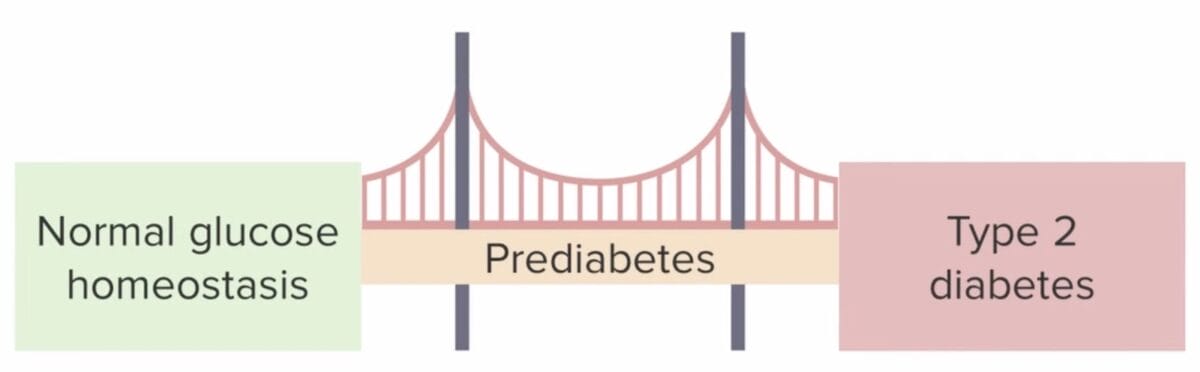
Prediabetes is the term used to describe the state of impaired glucose metabolism/insulin resistance that leads to elevated blood sugar levels, but not elevated enough to be classified as type 2 diabetes. While diagnosis often is delayed by clients not experiencing any other symptoms for a long time, this stage is an important time for interventions that can delay or prevent progression to diabetes, so knowing the lab values for diagnosing prediabetes is important.
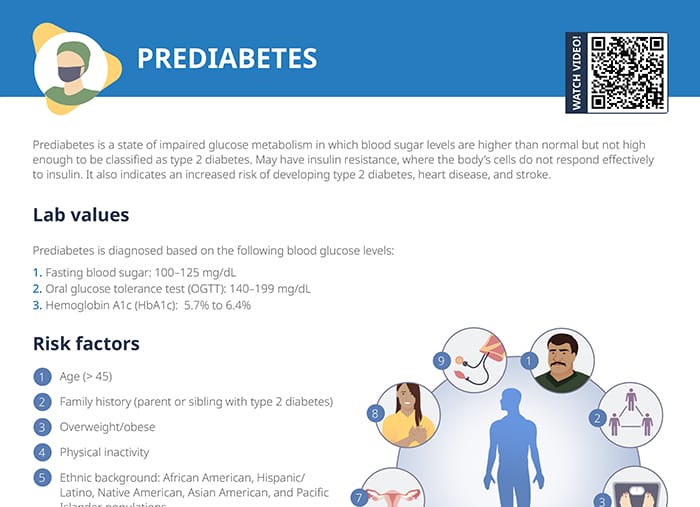
Prediabetes is a state of impaired glucose metabolism in which blood sugar levels are higher than normal but not high enough to be classified as type 2 diabetes. Many clients will already have insulin resistance when prediabetes is diagnosed.
Prediabetes indicates an increased risk of developing type 2 diabetes, heart disease, and stroke.
Lab values that diagnose prediabetes
Note: You should know these by heart to recognize the red flags!
Patients may experience elevated glucose without additional symptoms and may be unaware of their condition. Symptoms may not appear until 50%–80% of the beta cells of the pancreas are damaged and not producing insulin as they should. Statistically, a person can have had type 2 diabetes for 6.5 years before getting diagnosed.
Risk factors for type 2 diabetes
Family history and non-modifiable risk factors:
Close relative with diabetes (increases risk 10x)
Higher age
High birth weight (possible risk factor)
Certain ethnicities affected more commonly
Lower socioeconomic status
Impaired insulin sensitivity or production of insulin: blood glucose imbalance
Inappropriate production of glucose by the liver
Excess adipose tissue and physical inactivity
Clients who exhibit 3 out of the 5 criteria for metabolic syndrome have a higher risk of developing diabetes (abdominal obesity, elevated glucose, elevated blood pressure, elevated triglycerides, decreased level of HDLs)
Management of prediabetes: make a difference early on
Prediabetes is the time when a change in behavior can have a huge positive impact, so structured interventions are important and can delay or prevent the development of diabetes.
Measures:
Aim for a 5%–10% weight loss if overweight or obese.
Adopt a diet with healthy fats, lean proteins, and low-glycemic fruits and breads.
Limit/avoid intake of processed foods, high sugar beverages, and snacks.
Focus on portion control and mindful eating.
Engage in at least 150 minutes of moderate-intensity aerobic activity (e.g., brisk walking) per week.
Visit a healthcare provider regularly to monitor progress and adjust the treatment plan.
Screen for other risk factors such as high blood pressure and abnormal cholesterol levels.
Medications may be prescribed to help lower blood glucose levels.