Hyperglycemia and hypoglycemia are two common conditions that nurses encounter in clinical practice with client care. Hyperglycemia occurs when a client’s blood glucose level is too high, while hypoglycemia occurs when the blood glucose level is too low. Both conditions can have serious consequences if left untreated, making it essential for nurses to understand the causes, symptoms, and treatments.
Hypoglycemia is a condition when blood sugar/glucose levels are too low: blood sugar < 70 mg/dL (3.89 mmol/L).
What is reactive hypoglycemia?
Reactive hypoglycemia, also known as postprandial hypoglycemia, is a condition characterized by low blood sugar levels that occur within a few hours after eating a meal.
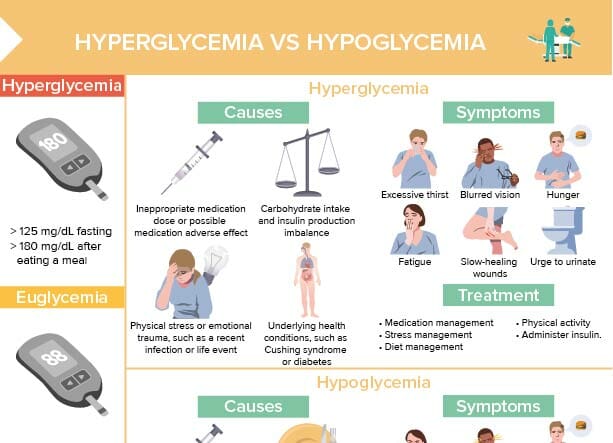
Hyperglycemia is a condition when blood sugar/glucose levels are too high:
> 125 mg/dL fasting (6.94 mmol/L)
> 180 mg/dL after eating a meal (9.99 mmol/L)
What causes hyperglycemia?
Hyperglycemia can be caused by:
Inappropriate medication dose or possible medication adverse effect
Carbohydrate intake and insulin production imbalance
Physical stress or emotional trauma, such as a recent infection of life event
Underlying health conditions, such as Cushing syndrome or diabetes
What are symptoms of hyperglycemia?
Typical symptoms of hyperglycemia are:
Excessive thirst
Blurred vision
Hunger
Fatigue
Slow-healing wounds
Urge to urinate
How to treat hyperglycemia
Measures taken against hyperglycemia include:
Medication management
Stress management
Diet management
Physical activity
Administering insulin
What is euglycemia?
Euglycemia is the state where blood sugar levels are in a normal range: fasting 70–100 mg/dL (3.89–5.55 mmol/L)
Hypoglycemia vs hyperglycemia: comparison table
Table: Summary of hyper- vs hypoglycemia
Hyperglycemia
Hypoglycemia
Causes
Inappropriate medication dose or adverse effect
Carbohydrate intake and insulin production imbalance
Physical stress or emotional trauma
Underlying health conditions
Taking insulin incorrectly
Inadequate food intake after insulin
Exercise in extreme amounts or at unusual times
Not monitoring blood sugar levels
Alcohol
Symptoms
Excessive thirst
Blurred vision
Hunger
Fatigue
Slow-healing wounds
Urge to urinate
Irritability
Blurred vision
Hunger
Headache
Irregular heartbeat
Treatment
Medication management
Stress management
Diet management
Physical activity
Insulin
Medication, stress, and diet management
Consume 15–20 g of fast-acting carbohydrates.
Glucagon injection
Assess for possible tumor or hormonal imbalances.
How often should blood sugar/glucose levels be checked?
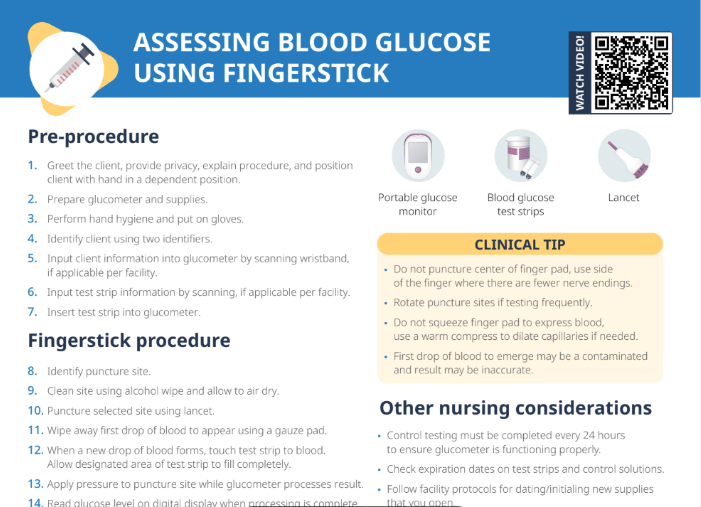
In a client who is prone to fluctuating blood glucose levels, it is important to monitor the reading. The frequency can vary depending on the client’s specific needs, the type and severity of diabetes, and the current treatment plan. Some clients may need to check their blood glucose levels multiple times a day, including before meals, before bedtime, and possibly before and after exercise.
What are long-term complications associated with chronic hyperglycemia and repeated hypoglycemia episodes?
Chronic hyperglycemia can damage blood vessels and nerves over time, leading to long-term complications such as heart disease, stroke, kidney disease, vision problems, neuropathies, poor wound healing and an increased risk of infections.
Repeated severe hypoglycemia can lead to cognitive impairment and neurologic damage, cardiovascular disease (arrhythmias), and in extreme cases, can be life-threatening.
What should I do when a client shows signs of severe hypoglycemia or hyperglycemia?
Severe hyperglycemia needs urgent medical attention. Insulin or other treatments may be needed, along with close monitoring. For clients with severe hypoglycemia, give a source of fast-acting sugar. If unconscious or unable to swallow, administer glucagon if available, and seek emergency medical assistance immediately.