

Nursing Knowledge
Chemotherapy is a type of cancer treatment. Initially, the term chemotherapy referred broadly to the use of chemicals for therapeutic purposes, but over time, its meaning narrowed to specifically denote the use of chemical substances to treat cancer.
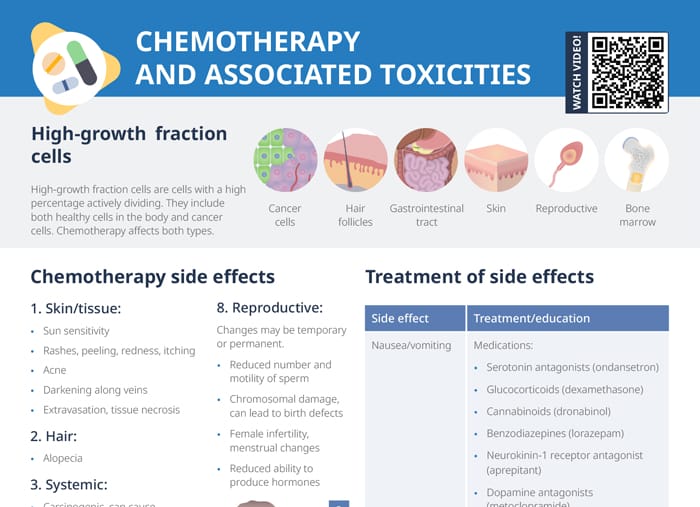
Chemotherapy works by killing or slowing the growth of high-growth fraction cells in the body. The specific drugs and schedule used vary depending on the type of cancer, its stage, goals of treatment, etc.
High-growth fraction cells are cells with a high percentage actively dividing. They include both healthy cells in the body and cancer cells. Chemotherapy affects both types, which leads to side effects due to the treatment attacking healthy cells in the body.
Chemotherapy can be administered in various ways, including orally (pills or liquid), intravenously (IV), injected into a specific area (intra-arterial or intraperitoneal), or topically (cream). The treatment is often given in cycles, with periods of treatment followed by rest periods to allow the body to recover. The duration of treatment varies depending on the type and stage of cancer, the goals of treatment, and how the body responds.
The effectiveness of chemotherapy varies highly depending on:
Chemotherapy can lead to
Chemotherapy leads to decreased neutrophils, thrombocytes, and erythrocytes (anemia, bleeding issues). Neutropenia, a significant decrease in white blood cells, leads to a heightened risk of infection, which can be life-threatening.
Changes to the reproductive system due to chemotherapy may be temporary or permanent. They include:
Table: Treatment of chemotherapy side effects
| Side effect | Treatment |
| Nausea and vomiting | Serotonin antagonists, glucocorticoids, cannabinoids, benzodiazepines, neurokinin-1 receptor antagonists, dopamine antagonists, atypical antipsychotics |
| Leukopenia | Precautions: Meat must be well-done, avoid fresh flowers/fruit/vegetables. |
| Decreased neutrophils | Medications to increase neutrophils |
| Thrombocytopenia | Precautions: Reduce bleeding risk (use electric shaver, soft toothbrush, avoid activities that could involve injury orbruising). |
| Decreased RBCs | Medication to stimulate RBC production:erythropoietin (only if client doesn’t haveleukemia) |
| Anemia | Conserve energy. |
| Hyperuricemia | Allopurinol |
As a nurse, you may be involved in administering chemotherapy, monitoring patients during treatment, managing side effects, and providing education and support to patients and their families.
Chemotherapy nurses (or oncology nurses) specialize in caring for patients receiving chemotherapy for cancer treatment. Their skills and tasks include:
Not all chemotherapy nurses have additional certification on top of their RN, but it can help hone your skills and signal your expertise to employers. Certifications can, for example, be obtained through the Oncology Nursing Certification Corporation (ONCC).
RELATED TOPIC:
Free Download
Master the topic with a unique study combination of a concise summary paired with video lectures.
Your free account gives you access to:
or