

Nursing Knowledge
IV fluid is a liquid directly infused into a patient’s bloodstream via a vein, often to maintain hydration, correct electrolyte imbalances, or deliver medications. There are different types of IV fluids, such as normal saline (0.9% sodium chloride) and lactated Ringer’s, chosen based on the patient’s specific needs.
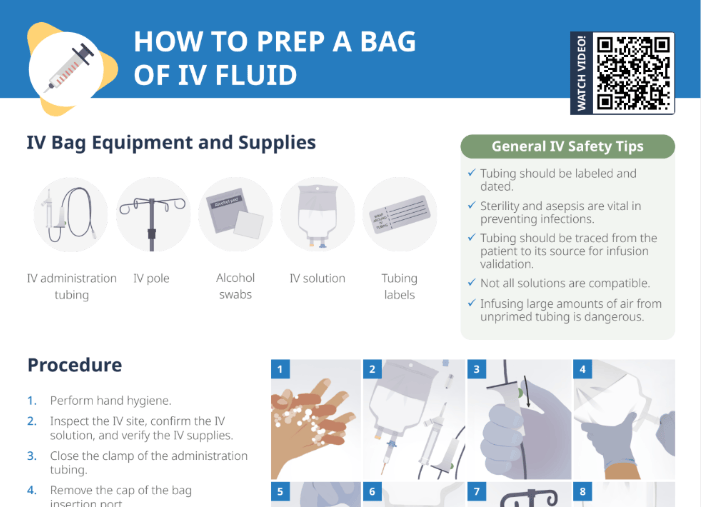
Supplies needed to start IV fluid administration are:
Generally, half of isotonic fluids may be excreted in about 1–2 hours after infusion; however, this can vary widely. The duration IV fluids stay in the body depends on various factors, including:
IV hydration can be effective for very varied durations: from several hours for a well-hydrated client to only transient effects in clients with ongoing fluid losses.
The amount of IV fluid required for dehydration varies based on the severity of dehydration, the patient’s weight, and underlying conditions.
For adults, typically 2-3L of isotonic solution (e.g., normal saline or lactated Ringer’s) over 24 hours might be given to mildly dehydrated clients. For moderate to severe dehydration, give an initial bolus of 500 mL to 1L of isotonic fluid over 1 hour, then reassess. Total fluid needs over 24 hours could range from 3–6L, or more. Adding maintenance fluids would be another 25–30 mL/kg/day.
For children, the approach is weight-based, and the amount of fluid is often calculated based on the estimated percentage of weight lost due to dehydration.
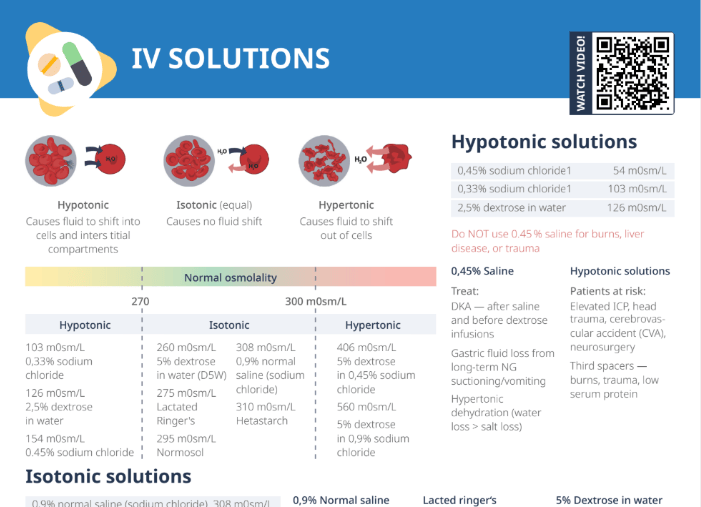
The most commonly used IV fluids for dehydration are isotonic solutions (normal saline, lactated Ringer’s, or 5% dextrose in water for maintenance hydration). The decision is made based on the client’s electrolyte levels and clinical status.
Priming refers to filling the IV tubing with the fluid from the bag to ensure there are no air bubbles present in the line before it’s connected to the patient. Risks of not properly priming the tubing include:
An IV bolus is the rapid infusion of a certain amount of IV fluid within a short period of time. This is often done in situations where the circulating volume needs to be quickly increased (such as hypovolemia or hypotension), or a medication needs to be delivered quickly.
The short answer: Yes, depending on your location.
In many states, RNs do not need a physician’s oversight to administer IVs, so could start an IV hydration business on their own; while in others, you would need a medical director who is a physician to oversee the service. Check your state’s Nurse Practice Act regulations for this information.
RELATED TOPIC:
Free Download
Master the topic with a unique study combination of a concise summary paired with video lectures.
Your free account gives you access to:
or