

What is asterixis?
Asterixis is a neurological sign characterized by the inability to maintain a sustained posture, resulting in brief, irregular, and involuntary lapses of muscle tone. This is a specific type of negative myoclonus. It is most commonly known as a flapping tremor or flapping hand tremor because of its characteristic appearance when elicited in the hands. The term was first coined as “liver flap” because it was initially described in individuals with hepatic encephalopathy.
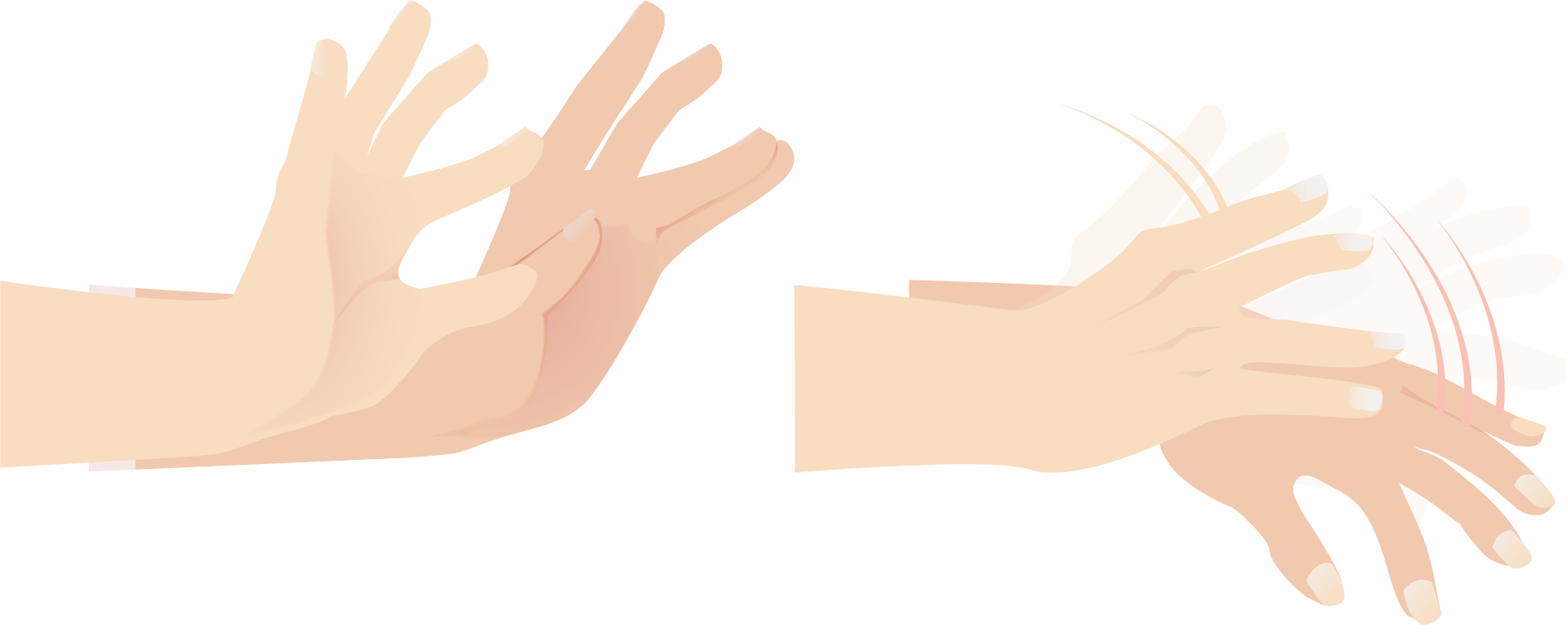
The flapping tremor asterixis is not a true tremor but rather a loss of postural tone in an agonist muscle, which is followed by a compensatory, jerky correction by the antagonist muscles. While it is most famously tested in the wrists, asterixis can affect any muscle group in the body, including the lower extremities, tongue, and eyelids.
What causes asterixis?
Asterixis is not a disease itself but a non-specific clinical sign of an underlying metabolic encephalopathy or, less commonly, a structural brain lesion. The pathophysiology is thought to involve a malfunction in the parts of the brain that regulate posture and motor control. The presence of asterixis should prompt a thorough investigation to identify the underlying cause.
The differential diagnosis for asterixis causes includes:
- Metabolic Encephalopathies: This is the most common category of causes.
- Hepatic Encephalopathy: This is the classic cause, resulting from severe liver disease (such as cirrhosis or acute liver failure) where the liver is unable to clear toxins like ammonia from the blood
- Uremic Encephalopathy: This occurs due to advanced kidney failure, leading to a buildup of waste products in the blood
- Hypercapnic Respiratory Failure: This is caused by severely elevated carbon dioxide levels in the blood, often seen in individuals with advanced chronic obstructive pulmonary disease (COPD)
- Drug-Induced Asterixis: Certain medications can cause a flapping tremor, particularly at toxic levels. These include anticonvulsants like phenytoin (sometimes called “phenytoin flap”), benzodiazepines, barbiturates, and valproate
- Structural Brain Lesions: Less commonly, a structural problem in the brain can cause asterixis, which is typically unilateral (affecting only one side of the body). These causes include stroke, brain tumors, or subdural hematomas
- Electrolyte Imbalances: Severe disturbances in electrolytes, such as hypokalemia (low potassium) and hypomagnesemia (low magnesium), can also lead to asterixis
What are the associated signs and symptoms?
Asterixis itself is a sign that is typically asymptomatic, meaning individuals do not usually notice or complain about the flapping tremor itself. It is most often discovered by a clinician during a physical examination. The other signs and symptoms an individual presents with are related to the underlying encephalopathy causing the asterixis.
Associated signs and symptoms may include:
- Altered Mental Status: This is the most common associated finding and can range from mild confusion, lethargy, and a shortened attention span to profound disorientation, stupor, and coma
- Signs of Liver Failure: If hepatic encephalopathy is the cause, individuals may also have jaundice (yellowing of the skin and eyes), ascites (abdominal swelling), and peripheral edema
- Signs of Kidney Failure: If uremia is the cause, individuals may experience fatigue, nausea, and decreased urine output
- Focal Neurological Deficits: If a structural brain lesion is the cause, individuals may have one-sided weakness, sensory loss, or other deficits corresponding to the location of the lesion
You’ve read the theory. Can you apply it?
Knowledge is only useful in practice. Sharpen your diagnostic skills by working through a related clinical case in our extensive Qbank.
How is asterixis diagnosed?
The diagnosis of asterixis is made clinically through a physical examination. Testing for asterixis is a straightforward bedside maneuver.
The classic method to elicit the flapping hand tremor is as follows:
- The individual is asked to extend their arms straight out in front of them
- They are then instructed to dorsiflex their wrists (bend their hands backward as if stopping traffic) and spread their fingers
- The clinician observes for a few moments. A positive test is the appearance of a brief, rapid, involuntary downward “flap” of the hands, followed by a jerky return to the extended position
This test can be made more sensitive by having the clinician gently push against the patient’s extended hands to increase the postural demand. To determine the underlying cause of the asterixis, a diagnostic workup is necessary. This typically includes:
- Laboratory Tests: A comprehensive metabolic panel is essential to assess liver and kidney function. An arterial blood gas test can check for hypercapnia, and an ammonia level is crucial if hepatic encephalopathy is suspected
- Imaging: A computed tomography (CT) or magnetic resonance imaging (MRI) scan of the head is performed if a stroke, tumor, or other structural lesion is suspected
How is asterixis treated?
There is no specific treatment for asterixis itself. The management is entirely focused on identifying and treating the underlying condition that is causing the encephalopathy. Asterixis is typically reversible and will resolve once the underlying metabolic or structural problem is corrected.
Treatment strategies include:
- For Hepatic Encephalopathy: Treatment involves medications like lactulose and rifaximin, which work to reduce the level of ammonia in the blood
- For Uremic Encephalopathy: The definitive treatment is dialysis to filter waste products from the blood
- For Drug-Induced Asterixis: The offending medication is discontinued or its dosage is adjusted
- For Structural Lesions: Treatment is directed at the specific lesion, which may involve surgery for a tumor or hematoma
What are the most important facts to know about asterixis?
- Definition: Asterixis, also known as a flapping tremor, is a neurological sign of negative myoclonus, characterized by an inability to maintain a sustained posture
- Cause and Pathophysiology: It is most commonly a sign of a metabolic encephalopathy, with hepatic encephalopathy from liver failure being the classic cause
- Signs and Symptoms: The flapping tremor itself is often unnoticed by the individual and is typically associated with an altered mental status, such as confusion or lethargy
- Diagnosis: Testing for asterixis is done during a physical exam by having the individual hold their arms out with wrists extended and observing for the characteristic “flap”
- Treatment: Management is focused on treating the underlying cause, such as liver or kidney failure, which typically leads to the resolution of the asterixis
References
- Apollo Hospitals. (2025). Asterixis: Causes, Symptoms, Treatment, Diagnosis, Risk Factors. Retrieved November 12, 2025 from https://www.apollohospitals.com/diseases-and-conditions/asterixis-causes-symptoms-treatment-diagnosis-risk-factors
- Mandiga, P., Kommu, S., Bollu, P.C. (2025). Hepatic Encephalopathy. In StatPearls. StatPearls Publishing.
- Healthline. (2023). Asterixis. Retrieved November 12, 2025 from https://www.healthline.com/health/asterixis
- Rissardo, J. P., Muhammad, S., Yatakarla, V., Vora, N. M., Paras, P., & Caprara, A. L. F. (2024). Flapping Tremor: Unraveling Asterixis-A Narrative Review. Medicina (Kaunas, Lithuania), 60(3), 362. Retrieved November 12, 2025 from https://doi.org/10.3390/medicina60030362
- Zackria, R., & John, S. (2024). Asterixis. In StatPearls. StatPearls Publishing. Retrieved November 12, 2025 from https://pubmed.ncbi.nlm.nih.gov/30571066/