Domina Conceptos Médicos

Estudia para la escuela de medicina y tus examenes con Lecturio.

Tripanosoma Brucei/Tripanosomiasis Africana

La tripanosomiasis africana, o enfermedad del sueño africana, es una infección parasitaria causada por el protozoo Trypanosoma brucei Trypanosoma brucei African trypanosomiasis, or African sleeping sickness, is a parasitic infection caused by the protozoa Trypanosoma brucei. There are 2 notable subtypes, T. brucei gambiense and T. brucei rhodesiense. Transmission is primarily vector borne through the tsetse fly. Trypanosoma brucei/African trypanosomiasis. Hay 2 subtipos notables, T. brucei gambiense T. brucei gambiense A hemoflagellate subspecies of parasitic protozoa that causes gambian or West african sleeping sickness in humans. The vector host is usually the tsetse fly (glossina). Trypanosoma brucei/African trypanosomiasis y T. brucei rhodesiense. La transmisión es principalmente por vectores a través de la mosca tsetsé. Las infecciones iniciales se presentan con inflamación localizada (chancro), linfadenopatía cervical, fiebre intermitente y otros hallazgos inespecíficos. Si no se trata, se produce afectación del SNC, que se caracteriza por trastornos del sueño, cambios de comportamiento, coma Coma Coma is defined as a deep state of unarousable unresponsiveness, characterized by a score of 3 points on the GCS. A comatose state can be caused by a multitude of conditions, making the precise epidemiology and prognosis of coma difficult to determine. Coma y muerte. El diagnóstico se confirma mediante la identificación de tripanosomas en EN Erythema nodosum is an immune-mediated panniculitis (inflammation of the subcutaneous fat) caused by a type IV (delayed-type) hypersensitivity reaction. It commonly manifests in young women as tender, erythematous nodules on the shins. Erythema Nodosum frotis de sangre o serología. El tratamiento depende del subtipo y el estadio de la enfermedad. El tratamiento y la prevención precoz son claves para evitar secuelas a largo plazo y la muerte.

Last updated: Dec 15, 2025
Editorial responsibility: Stanley Oiseth, Lindsay Jones, Evelin Maza

Características Generales y Epidemiología

Características generales de Trypanosoma brucei Trypanosoma brucei African trypanosomiasis, or African sleeping sickness, is a parasitic infection caused by the protozoa Trypanosoma brucei. There are 2 notable subtypes, T. brucei gambiense and T. brucei rhodesiense. Transmission is primarily vector borne through the tsetse fly. Trypanosoma brucei/African trypanosomiasis

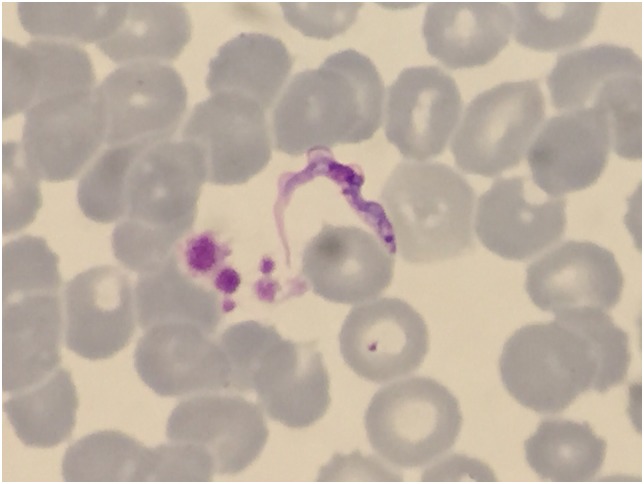
Tripanosomas en una gota fina de sangre teñida con Giemsa

Tripanosomas en una gota delgada de sangre teñida con Giemsa de un viajero que regresa de Tanzania

Imagen: “Trypanosomes in a Giemsa-stained thin blood film from a Spanish traveler returning from Tanzania” por Joan Gómez-Junyent et al. Licencia: CC BY 4.0

Enfermedades asociadas

T. brucei causa la tripanosomiasis africana, también conocida como enfermedad del sueño africana.
Epidemiología

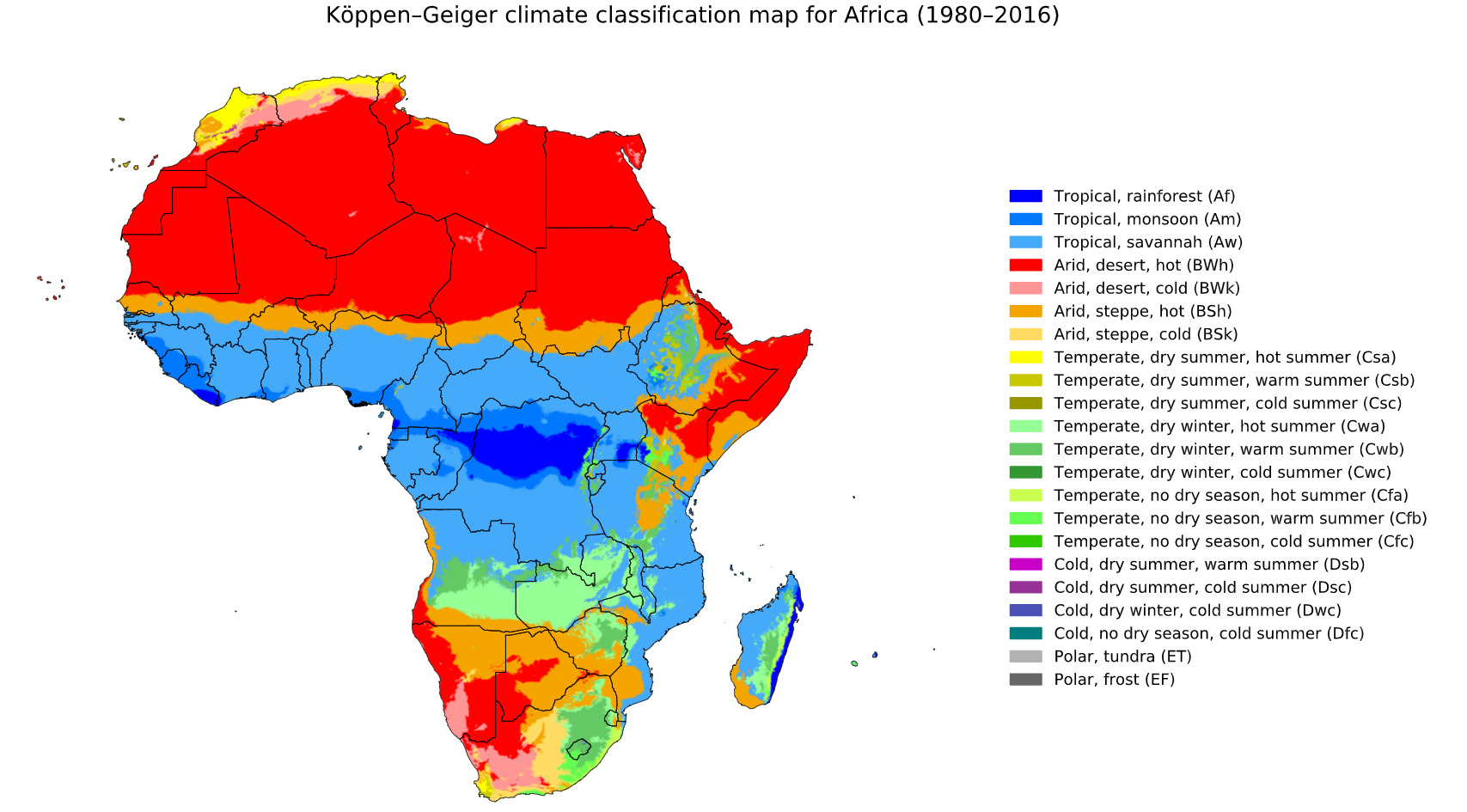
  • Distribución geográfica:
    • África occidental y central (subtipo gambiense)
    • África oriental y meridional (subtipo rhodesience)
  • Incidencia:
    • Los LOS Neisseria casos globales se encuentran actualmente en EN Erythema nodosum is an immune-mediated panniculitis (inflammation of the subcutaneous fat) caused by a type IV (delayed-type) hypersensitivity reaction. It commonly manifests in young women as tender, erythematous nodules on the shins. Erythema Nodosum niveles históricamente bajos, la gran mayoría debidos a T. b. gambiense
    • < 1 caso por año en EN Erythema nodosum is an immune-mediated panniculitis (inflammation of the subcutaneous fat) caused by a type IV (delayed-type) hypersensitivity reaction. It commonly manifests in young women as tender, erythematous nodules on the shins. Erythema Nodosum los LOS Neisseria EE.UU ( en EN Erythema nodosum is an immune-mediated panniculitis (inflammation of the subcutaneous fat) caused by a type IV (delayed-type) hypersensitivity reaction. It commonly manifests in young women as tender, erythematous nodules on the shins. Erythema Nodosum viajeros)
Distribución geográfica de la tripanosomiasis africana

Distribución geográfica de la tripanosomiasis africana: T. brucei solo se encuentra en las áreas azules.

Imagen: “T. brucei is only found in the blue areas” por Beck, HE et al. Licencia: CC BY 4.0
Patogénesis

Reservorio

  • T. b. rodesiense: animales de caza y bovinos
  • T. b. gambiense: principalmente humanos

Transmisión

  • Principalmente transmisión por vectores: mosca tsetsé
  • Menos común:
    • Transfusión de sangre
    • Trasplante de órgano
    • Inoculación en EN Erythema nodosum is an immune-mediated panniculitis (inflammation of the subcutaneous fat) caused by a type IV (delayed-type) hypersensitivity reaction. It commonly manifests in young women as tender, erythematous nodules on the shins. Erythema Nodosum laboratorio
    • Infecciones congénitas

Factores de riesgo del huésped

  • Residencia en EN Erythema nodosum is an immune-mediated panniculitis (inflammation of the subcutaneous fat) caused by a type IV (delayed-type) hypersensitivity reaction. It commonly manifests in young women as tender, erythematous nodules on the shins. Erythema Nodosum regiones endémicas
  • Exposición prolongada a vectores

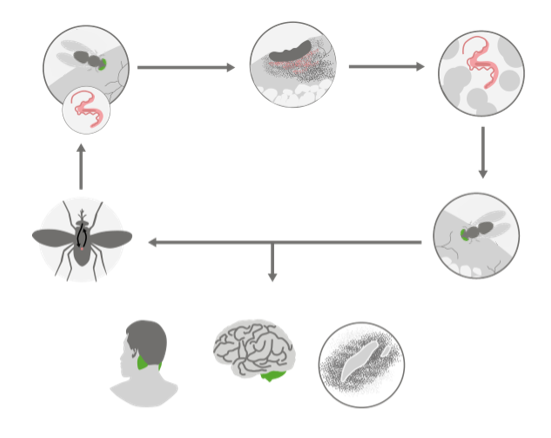
Ciclo de vida y fisiopatología

  • La mosca tsetsé se alimenta de un huésped humano o mamífero infectado → se infecta con tripomastigotes (forma infecciosa)
    • Los LOS Neisseria tripomastigotes migran al AL Amyloidosis intestino medio de la mosca tsetsé → se replican (fisión binaria)
    • Migran a la glándula salival → se diferencian en EN Erythema nodosum is an immune-mediated panniculitis (inflammation of the subcutaneous fat) caused by a type IV (delayed-type) hypersensitivity reaction. It commonly manifests in young women as tender, erythematous nodules on the shins. Erythema Nodosum epimastigotes (forma no infecciosa)
    • Después de aproximadamente 3 semanas, los LOS Neisseria epimastigotes se diferencian en EN Erythema nodosum is an immune-mediated panniculitis (inflammation of the subcutaneous fat) caused by a type IV (delayed-type) hypersensitivity reaction. It commonly manifests in young women as tender, erythematous nodules on the shins. Erythema Nodosum tripomastigotes metacíclicos
  • La mosca tsetsé infectada pica Pica Pica is an eating disorder characterized by a desire or recurrent compulsion to eat substances that are nonnutritive and not food. These compulsions and ingested substances are inappropriate for age or culture. Pica al AL Amyloidosis huésped → inyecta tripomastigotes metacíclicos en EN Erythema nodosum is an immune-mediated panniculitis (inflammation of the subcutaneous fat) caused by a type IV (delayed-type) hypersensitivity reaction. It commonly manifests in young women as tender, erythematous nodules on the shins. Erythema Nodosum el tejido del huésped → se desarrolla un chancro, secundario a inflamación localizada
  • Los LOS Neisseria tripomastigotes migran a los LOS Neisseria vasos linfáticos regionales → se diseminan a través del torrente sanguíneo
  • La motilidad de los LOS Neisseria tripomastigotes permite la invasión de los LOS Neisseria tejidos conjuntivos circundantes, incluidos el LCR y el SNC.
  • La progresión de la enfermedad depende de las subespecies:
    • Rhodesiense: período de incubación de semanas
    • Gambiense: periodo de incubación de meses a años
patogenia de la tripanosomiasis africana

Imagen que ilustra la patogenia de la tripanosomiasis africana

Imagen por Lecturio. Licencia: CC BY-NC-SA 4.0

Presentación Clínica

La tripanosomiasis africana tiene 2 estadios: el estadio hemolinfático y estadio neurológica
Estadio 1: fase hemolinfática

  • Síntomas localizados:
    • Chancro doloroso en EN Erythema nodosum is an immune-mediated panniculitis (inflammation of the subcutaneous fat) caused by a type IV (delayed-type) hypersensitivity reaction. It commonly manifests in young women as tender, erythematous nodules on the shins. Erythema Nodosum el sitio de inoculación.
      • Eritema
      • Induración
      • Apariencia variable Variable Variables represent information about something that can change. The design of the measurement scales, or of the methods for obtaining information, will determine the data gathered and the characteristics of that data. As a result, a variable can be qualitative or quantitative, and may be further classified into subgroups. Types of Variables
      • Resuelve espontáneamente
    • Signo de Winterbottom:
      • Linfadenopatía indolora de los LOS Neisseria ganglios linfáticos cervicales posteriores
      • Característico de las infecciones por T. b. gambiense
  • Síntomas sistémicos inespecíficos:
    • Fiebre intermitente
    • Cefalea
    • Malestar
    • Artralgias
  • Síntomas menos comunes:
    • Inflamación facial
    • Hepatoesplenomegalia
    • Linfadenopatía generalizada
    • Cardiomiopatía
    • Erupción pruriginosa y eritematosa
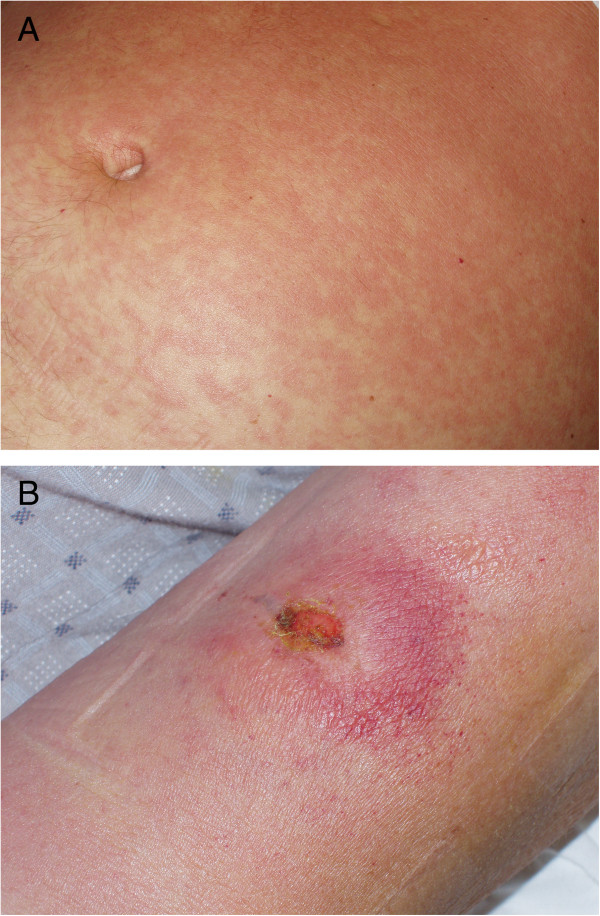
Manifestaciones cutáneas de la tripanosomiasis africana

Manifestaciones cutáneas de la tripanosomiasis africana:
A: una erupción fina y rosada en el abdomen
B: chancro tripanosómico en el brazo izquierdo del paciente que se produce en el lugar de la inoculación
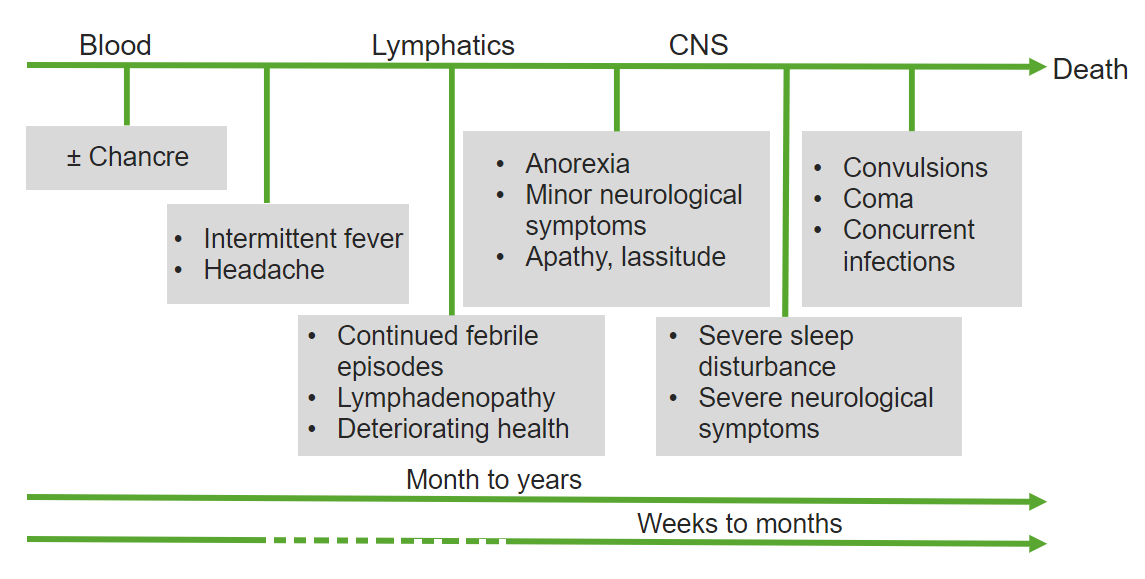
Imagen: “Typical clinical manifestations of acute African trypanosomiasis imported from Uganda” por Paul M et al. Licencia: CC BY 2.0

Estadio 2: fase neurológica (meningoencefalitis)

  • Cefalea:
    • Persistente
    • Refractaria a analgésicos
  • Linfadenopatía
  • Cambios de comportamiento:
    • Cambios de personalidad
    • Confusión (dificultad para concentrarse y completar tareas)
    • Trastornos sensoriales
    • Apatía
    • Psicosis
  • Síntomas neurológicos:
    • Ataxia Ataxia Impairment of the ability to perform smoothly coordinated voluntary movements. This condition may affect the limbs, trunk, eyes, pharynx, larynx, and other structures. Ataxia may result from impaired sensory or motor function. Sensory ataxia may result from posterior column injury or peripheral nerve diseases. Motor ataxia may be associated with cerebellar diseases; cerebral cortex diseases; thalamic diseases; basal ganglia diseases; injury to the red nucleus; and other conditions. Ataxia-telangiectasia
    • Trastornos sensoriales
    • Temblores
  • Trastornos del sueño:
    • Somnolencia diurna
    • Insomnio nocturno
    • Lo suficientemente grave como para causar anorexia Anorexia The lack or loss of appetite accompanied by an aversion to food and the inability to eat. It is the defining characteristic of the disorder anorexia nervosa. Anorexia Nervosa, emaciación y desnutrición
  • Progresión al AL Amyloidosis coma Coma Coma is defined as a deep state of unarousable unresponsiveness, characterized by a score of 3 points on the GCS. A comatose state can be caused by a multitude of conditions, making the precise epidemiology and prognosis of coma difficult to determine. Coma y muerte, si no se trata
evolución temporal de la enfermedad de la tripanosomiasis africana

Imagen que muestra el curso temporal de la tripanosomiasis africana desde la infección inicial hasta la enfermedad crónica meses o años después (dependiendo de la subespecie involucrada)

Imagen por Lecturio. Licencia: CC BY-NC-SA 4.0

Diagnóstico y Tratamiento

Diagnóstico

  • Pruebas confirmatorias:
    • Presencia de tripomastigotes
      • Frotis de sangre (grueso o delgado)
      • Aspirado de tejido de chancro
      • Biopsia de ganglio linfático
      • Análisis del LCR
    • Pruebas serológicas:
      • Prueba de aglutinación en EN Erythema nodosum is an immune-mediated panniculitis (inflammation of the subcutaneous fat) caused by a type IV (delayed-type) hypersensitivity reaction. It commonly manifests in young women as tender, erythematous nodules on the shins. Erythema Nodosum tarjeta para tripanosomiasis
      • Ensayo inmunoabsorbente ligado a enzimas ( ELISA ELISA An immunoassay utilizing an antibody labeled with an enzyme marker such as horseradish peroxidase. While either the enzyme or the antibody is bound to an immunosorbent substrate, they both retain their biologic activity; the change in enzyme activity as a result of the enzyme-antibody-antigen reaction is proportional to the concentration of the antigen and can be measured spectrophotometrically or with the naked eye. Many variations of the method have been developed. St. Louis Encephalitis Virus, por sus siglas en EN Erythema nodosum is an immune-mediated panniculitis (inflammation of the subcutaneous fat) caused by a type IV (delayed-type) hypersensitivity reaction. It commonly manifests in young women as tender, erythematous nodules on the shins. Erythema Nodosum inglés)
      • PCR PCR Polymerase chain reaction (PCR) is a technique that amplifies DNA fragments exponentially for analysis. The process is highly specific, allowing for the targeting of specific genomic sequences, even with minuscule sample amounts. The PCR cycles multiple times through 3 phases: denaturation of the template DNA, annealing of a specific primer to the individual DNA strands, and synthesis/elongation of new DNA molecules. Polymerase Chain Reaction (PCR)
  • Hallazgos de soporte:
    • Anemia Anemia Anemia is a condition in which individuals have low Hb levels, which can arise from various causes. Anemia is accompanied by a reduced number of RBCs and may manifest with fatigue, shortness of breath, pallor, and weakness. Subtypes are classified by the size of RBCs, chronicity, and etiology. Anemia: Overview and Types hemolítica
    • Leucocitosis
    • Trombocitopenia
    • ↑ Marcadores inflamatorios (velocidad de eritrosedimentación y PCR PCR Polymerase chain reaction (PCR) is a technique that amplifies DNA fragments exponentially for analysis. The process is highly specific, allowing for the targeting of specific genomic sequences, even with minuscule sample amounts. The PCR cycles multiple times through 3 phases: denaturation of the template DNA, annealing of a specific primer to the individual DNA strands, and synthesis/elongation of new DNA molecules. Polymerase Chain Reaction (PCR))

Tratamiento

  • Subespecie rhodesiense:
    • Estadio 1: suramina
    • Estadio 2: melarsoprol
  • Subespecie gambiense:

Prevención

  • No hay vacuna ni tratamiento profiláctico disponible.
  • Control de vectores con insecticidas y repelentes de insectos
  • Use mangas largas y pantalones, y use ropa de colores neutros.

Comparación de Protozoos Flagelados

Tabla: Comparación de protozoos flagelados clínicamente relevantes
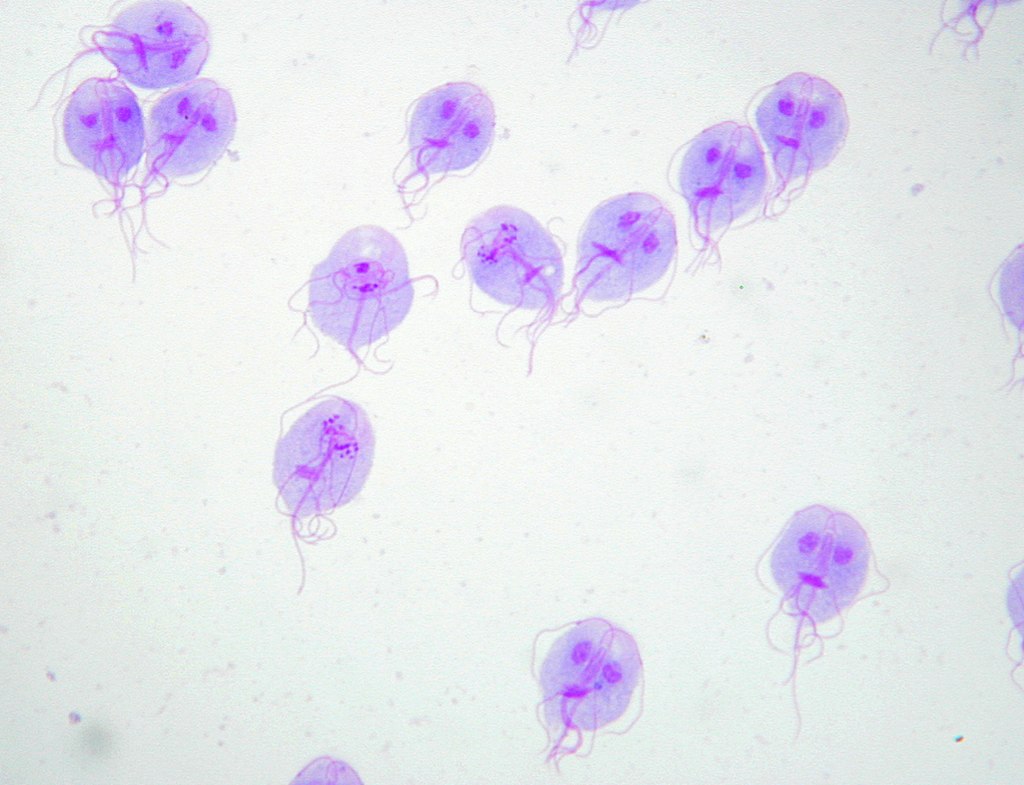
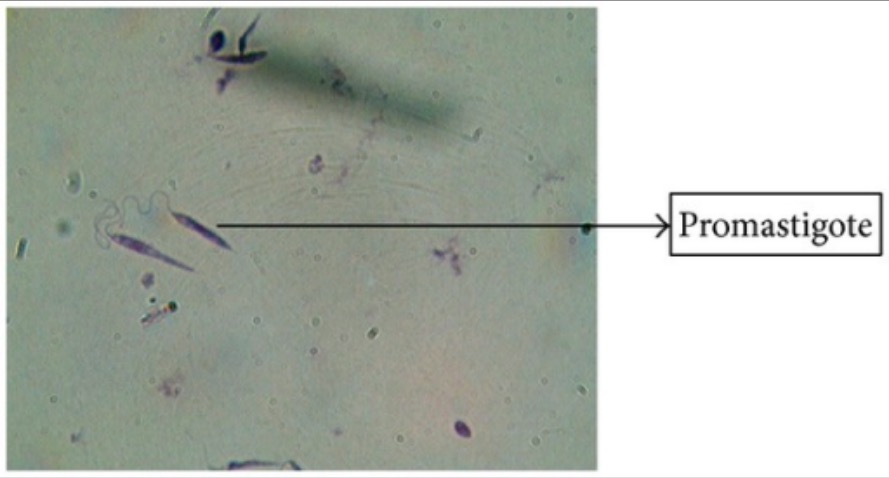
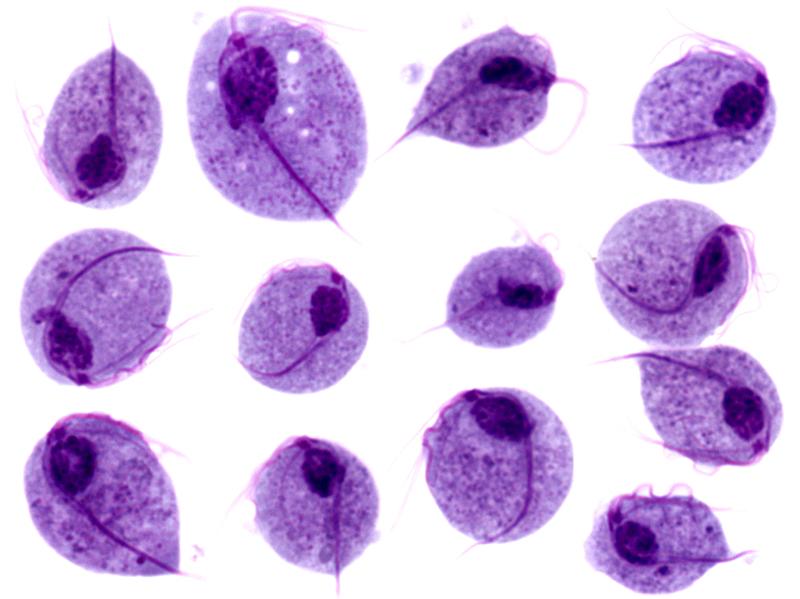
Protozoos Giardia Giardia A genus of flagellate intestinal eukaryotes parasitic in various vertebrates, including humans. Characteristics include the presence of four pairs of flagella arising from a complicated system of axonemes and cysts that are ellipsoidal to ovoidal in shape. Nitroimidazoles Leishmania Leishmania Leishmania species are obligate intracellular parasites that are transmitted by an infected sandfly. The disease is endemic to Asia, the Middle East, Africa, the Mediterranean, and South and Central America. Clinical presentation varies, dependent on the pathogenicity of the species and the host’s immune response. Leishmania/Leishmaniasis Trypanosoma Trichomonas Trichomonas A genus of parasitic flagellate eukaryotes distinguished by the presence of four anterior flagella, an undulating membrane, and a trailing flagellum. Nitroimidazoles
Características
  • 4 pares de flagelos
  • Forma ovoide
  • Disco adhesivo
  • Anaerobio
  • Variación antigénica
  • Flagelo polar único
  • Cuerpo delgado y alargado
  • Flagelo polar único
  • Membrana ondulante
  • Delgado, de forma irregular.
  • Variación antigénica
  • 5 flagelos
  • Membrana ondulante
  • Forma ovoide
  • Anaerobio facultativo
Formas
  • Quiste
  • Trofozoito
  • Trofozoito
  • Sin forma de quiste
Transmisión
  • Por agua
  • Vía fecal-oral
  • Vector (flebótomo)
  • Transmisión de persona a persona
  • Zoonótica (roedores, perros, zorros)
  • Vector (mosca tsetsé, chinche del beso)
  • Transfusión de sangre
  • Transmisión sexual
Clínico
  • Giardiasis Giardiasis An infection of the small intestine caused by the flagellated protozoan giardia. It is spread via contaminated food and water and by direct person-to-person contact. Giardia/Giardiasis
  • Leishmaniasis Leishmaniasis Leishmania species are obligate intracellular parasites that are transmitted by an infected sandfly. The mildest form is cutaneous leishmaniasis (CL), characterized by painless skin ulcers. The mucocutaneous type involves more tissue destruction, causing deformities. Visceral leishmaniasis (VL), the most severe form, presents with hepatosplenomegaly, anemia, thrombocytopenia, and fever. Leishmania/Leishmaniasis
  • Enfermedad del sueño africana
  • la Enfermedad de Chagas
  • Tricomoniasis
Diagnóstico
  • ELISA ELISA An immunoassay utilizing an antibody labeled with an enzyme marker such as horseradish peroxidase. While either the enzyme or the antibody is bound to an immunosorbent substrate, they both retain their biologic activity; the change in enzyme activity as a result of the enzyme-antibody-antigen reaction is proportional to the concentration of the antigen and can be measured spectrophotometrically or with the naked eye. Many variations of the method have been developed. St. Louis Encephalitis Virus
  • Ensayo de inmunofluorescencia directa
  • Prueba de amplificación de ácidos nucleicos
  • Microscopía de heces
  • Frotis de sangre
  • Biopsia
  • PCR PCR Polymerase chain reaction (PCR) is a technique that amplifies DNA fragments exponentially for analysis. The process is highly specific, allowing for the targeting of specific genomic sequences, even with minuscule sample amounts. The PCR cycles multiple times through 3 phases: denaturation of the template DNA, annealing of a specific primer to the individual DNA strands, and synthesis/elongation of new DNA molecules. Polymerase Chain Reaction (PCR)
  • Prueba cutánea de leishmanina
  • Títulos de anticuerpos
  • Frotis de sangre
  • Títulos de anticuerpos
  • Xenodiagnóstico
  • Microscopía de secreciones vaginales
  • Prueba de amplificación de ácidos nucleicos
  • Cultivo de hisopado uretral o de orina
Tratamiento
  • Metronidazol
  • Tinidazol
  • Nitazoxanida
Depende del síndrome clínico:
  • Anfotericina B
  • Antimoniales pentavalentes
  • Miltefosina
Depende de la enfermedad clínica:
  • Metronidazol
  • Tinidazol
Prevención
  • Lavado de manos
  • Tratamiento de aguas
  • Insecticidas
  • Repelente de insectos
  • Ropa protectora
  • Insecticidas
  • Repelente de insectos
  • Mosquitero
  • Ropa protectora
  • Tratamiento de las parejas sexuales
  • Uso de condones

Diagnóstico Diferencial

  • Enfermedad de Chagas: una infección causada por el tripanosoma americano, T. cruzi. Las infecciones agudas pueden presentarse con inflamación en EN Erythema nodosum is an immune-mediated panniculitis (inflammation of the subcutaneous fat) caused by a type IV (delayed-type) hypersensitivity reaction. It commonly manifests in young women as tender, erythematous nodules on the shins. Erythema Nodosum el sitio de inoculación ( chagoma Chagoma Trypanosoma cruzi/Chagas disease), fiebre y linfadenopatía. Las infecciones crónicas no tratadas pueden progresar a complicaciones graves, como megacolon Megacolon Megacolon is a severe, abnormal dilatation of the colon, and is classified as acute or chronic. There are many etiologies of megacolon, including neuropathic and dysmotility conditions, severe infections, ischemia, and inflammatory bowel disease. Megacolon, megaesófago y miocardiopatía. El diagnóstico se puede confirmar mediante frotis de sangre, serología o PCR PCR Polymerase chain reaction (PCR) is a technique that amplifies DNA fragments exponentially for analysis. The process is highly specific, allowing for the targeting of specific genomic sequences, even with minuscule sample amounts. The PCR cycles multiple times through 3 phases: denaturation of the template DNA, annealing of a specific primer to the individual DNA strands, and synthesis/elongation of new DNA molecules. Polymerase Chain Reaction (PCR). El tratamiento con benznidazol o nifurtimox Nifurtimox A nitrofuran thiazine that has been used against trypanosomiasis. Trypanosoma cruzi/Chagas disease es efectivo solo en EN Erythema nodosum is an immune-mediated panniculitis (inflammation of the subcutaneous fat) caused by a type IV (delayed-type) hypersensitivity reaction. It commonly manifests in young women as tender, erythematous nodules on the shins. Erythema Nodosum la fase aguda.
  • Meningitis Meningitis Meningitis is inflammation of the meninges, the protective membranes of the brain, and spinal cord. The causes of meningitis are varied, with the most common being bacterial or viral infection. The classic presentation of meningitis is a triad of fever, altered mental status, and nuchal rigidity. Meningitis bacteriana o fúngica: los LOS Neisseria síntomas de la meningitis Meningitis Meningitis is inflammation of the meninges, the protective membranes of the brain, and spinal cord. The causes of meningitis are varied, with the most common being bacterial or viral infection. The classic presentation of meningitis is a triad of fever, altered mental status, and nuchal rigidity. Meningitis bacteriana pueden parecerse a los LOS Neisseria de la 2da fase de la enfermedad del sueño, como fiebre, cefalea, confusión y mialgias. El diagnóstico se confirma mediante análisis del LCR y/o pruebas serológicas. Las causas bacterianas específicas de la meningitis Meningitis Meningitis is inflammation of the meninges, the protective membranes of the brain, and spinal cord. The causes of meningitis are varied, with the most common being bacterial or viral infection. The classic presentation of meningitis is a triad of fever, altered mental status, and nuchal rigidity. Meningitis varían según el grupo de edad y los LOS Neisseria factores de riesgo.
  • Malaria Malaria Malaria is an infectious parasitic disease affecting humans and other animals. Most commonly transmitted via the bite of a female Anopheles mosquito infected with microorganisms of the Plasmodium genus. Patients present with fever, chills, myalgia, headache, and diaphoresis. Plasmodium/Malaria: una enfermedad infecciosa transmitida por mosquitos causada por especies de Plasmodium Plasmodium A genus of protozoa that comprise the malaria parasites of mammals. Four species infect humans (although occasional infections with primate malarias may occur). These are plasmodium falciparum; plasmodium malariae; plasmodium ovale, and plasmodium vivax. Species causing infection in vertebrates other than man include: plasmodium berghei; plasmodium chabaudi; p. Vinckei, and plasmodium yoelii in rodents; p. Brasilianum, plasmodium cynomolgi; and plasmodium knowlesi in monkeys; and plasmodium gallinaceum in chickens. Antimalarial Drugs. La malaria Malaria Malaria is an infectious parasitic disease affecting humans and other animals. Most commonly transmitted via the bite of a female Anopheles mosquito infected with microorganisms of the Plasmodium genus. Patients present with fever, chills, myalgia, headache, and diaphoresis. Plasmodium/Malaria a menudo se presenta con fiebre, escalofríos, diaforesis, ictericia, dolor Dolor Inflammation abdominal, anemia Anemia Anemia is a condition in which individuals have low Hb levels, which can arise from various causes. Anemia is accompanied by a reduced number of RBCs and may manifest with fatigue, shortness of breath, pallor, and weakness. Subtypes are classified by the size of RBCs, chronicity, and etiology. Anemia: Overview and Types hemolítica, hepatoesplenomegalia e insuficiencia renal. Un frotis de sangre muestra un anillo pleomórfico único. También se pueden realizar pruebas rápidas para antígenos de Plasmodium Plasmodium A genus of protozoa that comprise the malaria parasites of mammals. Four species infect humans (although occasional infections with primate malarias may occur). These are plasmodium falciparum; plasmodium malariae; plasmodium ovale, and plasmodium vivax. Species causing infection in vertebrates other than man include: plasmodium berghei; plasmodium chabaudi; p. Vinckei, and plasmodium yoelii in rodents; p. Brasilianum, plasmodium cynomolgi; and plasmodium knowlesi in monkeys; and plasmodium gallinaceum in chickens. Antimalarial Drugs. El tratamiento requiere un ciclo prolongado de múltiples medicamentos antipalúdicos.
  • Enfermedad psiquiátrica: debido a las manifestaciones conductuales en EN Erythema nodosum is an immune-mediated panniculitis (inflammation of the subcutaneous fat) caused by a type IV (delayed-type) hypersensitivity reaction. It commonly manifests in young women as tender, erythematous nodules on the shins. Erythema Nodosum etapa tardía, la enfermedad del sueño puede diagnosticarse erróneamente como una enfermedad psiquiátrica, especialmente en EN Erythema nodosum is an immune-mediated panniculitis (inflammation of the subcutaneous fat) caused by a type IV (delayed-type) hypersensitivity reaction. It commonly manifests in young women as tender, erythematous nodules on the shins. Erythema Nodosum inmigrantes a áreas no endémicas. Es importante evaluar la posible exposición epidemiológica para evitar este diagnóstico erróneo.

Referencias

  1. Riedel, S., Jawetz, E., Melnick, J.L., Adelberg, E.A. (2019). Jawetz, Melnick & Adelberg’s Medical Microbiology, pp. 722-733 and 730-732. New York: McGraw-Hill Education.
  2. Krishna, S., Lindner, A., Lejon, V. (2025). Human African trypanosomiasis: Epidemiology, clinical manifestations, and diagnosis. UpToDate. Retrieved October 25, 2025, from https://www.uptodate.com/contents/human-african-trypanosomiasis-epidemiology-clinical-manifestations-and-diagnosis 
  3. Krishna, S., Lindner, A., Lejon, V. (2025). Human African trypanosomiasis: Treatment and prevention. UpToDate, Retrieved October 25, 2025, from https://www.uptodate.com/contents/human-african-trypanosomiasis-treatment-and-prevention
  4. Pearson, R.D. (2025). African trypanosomiasis (African sleeping sickness). MSD Manual Professional Version. Retrieved October 25, 2025, from https://www.msdmanuals.com/professional/infectious-diseases/extraintestinal-protozoa/african-trypanosomiasis
  5. Dunn, N., Wang, S., and Adigun, R. (2023). African trypanosomiasis. StatPearls. Retrieved October 25, 2025, from https://www.ncbi.nlm.nih.gov/books/NBK519580/
  6. Hnaide, H.A. (2023). African trypanosomiasis (sleeping sickness). In Chandrasekar, P.H. (Ed.), Medscape. Retrieved October 25, 2025, from https://emedicine.medscape.com/article/228613-overview
  7. Centers for Disease Control and Prevention. (2025). About sleeping sickness (African trypanosomiasis). Retrieved October 25, 2025, from https://www.cdc.gov/sleeping-sickness/about/index.html

¡Crea tu cuenta gratis o inicia una sesión para seguir leyendo!

Regístrate ahora y obtén acceso gratuito a Lecturio con páginas de concepto, videos médicos y cuestionarios para tu educación médica.

User Reviews

Que tengas una sesión de estudio alegre y navideña 🎁 Ahorra 50% en todos los planes >>

Details