
Domina Conceptos Médicos

Estudia para la escuela de medicina y tus examenes con Lecturio.

Infecciones del Tracto Urinario (ITU) en Niños

Las infecciones del tracto urinario (ITU) son frecuentes en EN Erythema nodosum is an immune-mediated panniculitis (inflammation of the subcutaneous fat) caused by a type IV (delayed-type) hypersensitivity reaction. It commonly manifests in young women as tender, erythematous nodules on the shins. Erythema Nodosum los LOS Neisseria niños. Las infecciones de vías urinarias pueden presentarse como cistitis, pielonefritis o bacteriuria Bacteriuria The presence of bacteria in the urine which is normally bacteria-free. These bacteria are from the urinary tract and are not contaminants of the surrounding tissues. Bacteriuria can be symptomatic or asymptomatic. Significant bacteriuria is an indicator of urinary tract infection. Urinary Tract Infections (UTIs) in Children asintomática, y su presentación clínica puede variar mucho en EN Erythema nodosum is an immune-mediated panniculitis (inflammation of the subcutaneous fat) caused by a type IV (delayed-type) hypersensitivity reaction. It commonly manifests in young women as tender, erythematous nodules on the shins. Erythema Nodosum función de la edad del paciente. La E. coli fecal es el patógeno más común. Las vías de infección pueden ser ascendentes (la más frecuente) o hematógenas. La sospecha de ITU se basa en EN Erythema nodosum is an immune-mediated panniculitis (inflammation of the subcutaneous fat) caused by a type IV (delayed-type) hypersensitivity reaction. It commonly manifests in young women as tender, erythematous nodules on the shins. Erythema Nodosum los LOS Neisseria síntomas urinarios inferiores (disuria, polaquiuria) o superiores (fiebre) y en EN Erythema nodosum is an immune-mediated panniculitis (inflammation of the subcutaneous fat) caused by a type IV (delayed-type) hypersensitivity reaction. It commonly manifests in young women as tender, erythematous nodules on the shins. Erythema Nodosum los LOS Neisseria resultados positivos de los LOS Neisseria análisis de orina. El cultivo de orina confirma el diagnóstico. La mayoría de los LOS Neisseria casos responden a los LOS Neisseria antibióticos orales. En EN Erythema nodosum is an immune-mediated panniculitis (inflammation of the subcutaneous fat) caused by a type IV (delayed-type) hypersensitivity reaction. It commonly manifests in young women as tender, erythematous nodules on the shins. Erythema Nodosum los LOS Neisseria casos refractarios o recurrentes se requiere una investigación adicional mediante imagenología y, a veces, el ingreso en EN Erythema nodosum is an immune-mediated panniculitis (inflammation of the subcutaneous fat) caused by a type IV (delayed-type) hypersensitivity reaction. It commonly manifests in young women as tender, erythematous nodules on the shins. Erythema Nodosum el hospital.

Last updated: Dec 15, 2025

Editorial responsibility: Stanley Oiseth, Lindsay Jones, Evelin Maza

Definición y Clasificación

Definición

Una infección del tracto urinario (ITU) es una infección (generalmente bacteriana, pero, raramente, también vírica y fúngica) de cualquier parte del sistema urinario, incluyendo la uretra, la vejiga, los LOS Neisseria uréteres o los LOS Neisseria riñones.

Clasificación

  • Pielonefritis (ITU vías urinarias superiores): infección que afecta a los LOS Neisseria uréteres y a los LOS Neisseria riñones
  • Cistitis (ITU vías urinarias bajas): infección de la vejiga urinaria sin afectación renal
  • Bacteriuria Bacteriuria The presence of bacteria in the urine which is normally bacteria-free. These bacteria are from the urinary tract and are not contaminants of the surrounding tissues. Bacteriuria can be symptomatic or asymptomatic. Significant bacteriuria is an indicator of urinary tract infection. Urinary Tract Infections (UTIs) in Children asintomática: cultivo de orina positivo sin síntomas

Epidemiología y Factores de Riesgo

Epidemiología

Prevalencia de las ITU:

  • Dependiente de la edad: los LOS Neisseria lactantes (niños < 1; niñas < 4) tienen una mayor prevalencia de infecciones de vías urinarias que los LOS Neisseria niños mayores.
  • Dependiente del sexo: la proporción hombre:mujer es de 1:2 en EN Erythema nodosum is an immune-mediated panniculitis (inflammation of the subcutaneous fat) caused by a type IV (delayed-type) hypersensitivity reaction. It commonly manifests in young women as tender, erythematous nodules on the shins. Erythema Nodosum el 1er año, y aumenta a 1:10 después de 1–2 años.
  • Dependiente de la anatomía: la prevalencia es 8 veces menor en EN Erythema nodosum is an immune-mediated panniculitis (inflammation of the subcutaneous fat) caused by a type IV (delayed-type) hypersensitivity reaction. It commonly manifests in young women as tender, erythematous nodules on the shins. Erythema Nodosum los LOS Neisseria niños circuncidados que en EN Erythema nodosum is an immune-mediated panniculitis (inflammation of the subcutaneous fat) caused by a type IV (delayed-type) hypersensitivity reaction. It commonly manifests in young women as tender, erythematous nodules on the shins. Erythema Nodosum los LOS Neisseria no circuncidados.
  • Dependiente de la etnia: los LOS Neisseria niños blancos tienen una mayor prevalencia que los LOS Neisseria niños negros.

Factores de riesgo

  • Adquiridos:
    • Terapia antibiótica reciente
    • Actividad sexual (considerar en EN Erythema nodosum is an immune-mediated panniculitis (inflammation of the subcutaneous fat) caused by a type IV (delayed-type) hypersensitivity reaction. It commonly manifests in young women as tender, erythematous nodules on the shins. Erythema Nodosum adolescentes)
    • Disfunción intestinal (estreñimiento pediátrico)
    • Catéteres permanentes
    • Inmunosupresión
  • Innatos:
    • Anomalías estructurales del tracto urinario que conducen a la obstrucción
    • Vaciado disfuncional (vejiga neurógena)
    • Genética ( los LOS Neisseria niños con familiares de 1er grado con antecedentes de ITU pediátricas tienen más probabilidades de padecerla)

Etiología y Fisiopatología

Etiología

  • Bacteriana:
    • Escherichia coli Escherichia coli The gram-negative bacterium Escherichia coli is a key component of the human gut microbiota. Most strains of E. coli are avirulent, but occasionally they escape the GI tract, infecting the urinary tract and other sites. Less common strains of E. coli are able to cause disease within the GI tract, most commonly presenting as abdominal pain and diarrhea. Escherichia coli (75%90%)
    • Klebsiella Klebsiella Klebsiella are encapsulated gram-negative, lactose-fermenting bacilli. They form pink colonies on MacConkey agar due to lactose fermentation. The main virulence factor is a polysaccharide capsule. Klebsiella pneumoniae is the most important pathogenic species. Klebsiella
    • Proteus Proteus Proteus spp. are gram-negative, facultatively anaerobic bacilli. Different types of infection result from Proteus, but the urinary tract is the most common site. The majority of cases are caused by Proteus mirabilis (P. mirabilis). The bacteria are part of the normal intestinal flora and are also found in the environment. Proteus
    • Enterococcus Enterococcus Enterococcus is a genus of oval-shaped gram-positive cocci that are arranged in pairs or short chains. Distinguishing factors include optochin resistance and the presence of pyrrolidonyl arylamidase (PYR) and Lancefield D antigen. Enterococcus is part of the normal flora of the human GI tract. Enterococcus faecalis
    • Staphylococcus saprophyticus Staphylococcus saprophyticus A species of gram-positive bacteria in the family staphylococcaceae. It commonly causes urinary tract infections in humans. Staphylococcus
    • Estreptococo del grupo B (neonatos)
    • Pseudomonas Pseudomonas Pseudomonas is a non-lactose-fermenting, gram-negative bacillus that produces pyocyanin, which gives it a characteristic blue-green color. Pseudomonas is found ubiquitously in the environment, as well as in moist reservoirs, such as hospital sinks and respiratory equipment. Pseudomonas
  • Fúngica (especialmente por instrumentación):
    • Candida Candida Candida is a genus of dimorphic, opportunistic fungi. Candida albicans is part of the normal human flora and is the most common cause of candidiasis. The clinical presentation varies and can include localized mucocutaneous infections (e.g., oropharyngeal, esophageal, intertriginous, and vulvovaginal candidiasis) and invasive disease (e.g., candidemia, intraabdominal abscess, pericarditis, and meningitis). Candida/Candidiasis spp
    • Asperigillus spp
    • Cryptococcus Cryptococcus Cryptococcosis is an opportunistic, fungal infection caused by the Cryptococcus species. The principal pathogens in humans are C. neoformans (primary) and C. gattii. Cryptococcus neoformans is typically found in pigeon droppings and acquired by inhaling dust from contaminated soil. The majority of affected patients are immunocompromised. Cryptococcus/Cryptococcosis neoformans
  • Viral: adenovirus Adenovirus Adenovirus (member of the family Adenoviridae) is a nonenveloped, double-stranded DNA virus. Adenovirus is transmitted in a variety of ways, and it can have various presentations based on the site of entry. Presentation can include febrile pharyngitis, conjunctivitis, acute respiratory disease, atypical pneumonia, and gastroenteritis. Adenovirus y otros virus Virus Viruses are infectious, obligate intracellular parasites composed of a nucleic acid core surrounded by a protein capsid. Viruses can be either naked (non-enveloped) or enveloped. The classification of viruses is complex and based on many factors, including type and structure of the nucleoid and capsid, the presence of an envelope, the replication cycle, and the host range. Virology (visto en EN Erythema nodosum is an immune-mediated panniculitis (inflammation of the subcutaneous fat) caused by a type IV (delayed-type) hypersensitivity reaction. It commonly manifests in young women as tender, erythematous nodules on the shins. Erythema Nodosum cistitis con hematuria Hematuria Presence of blood in the urine. Renal Cell Carcinoma macroscópica)

Fisiopatología

Anatomía normal del tracto urinario y/o dinámica urinaria:
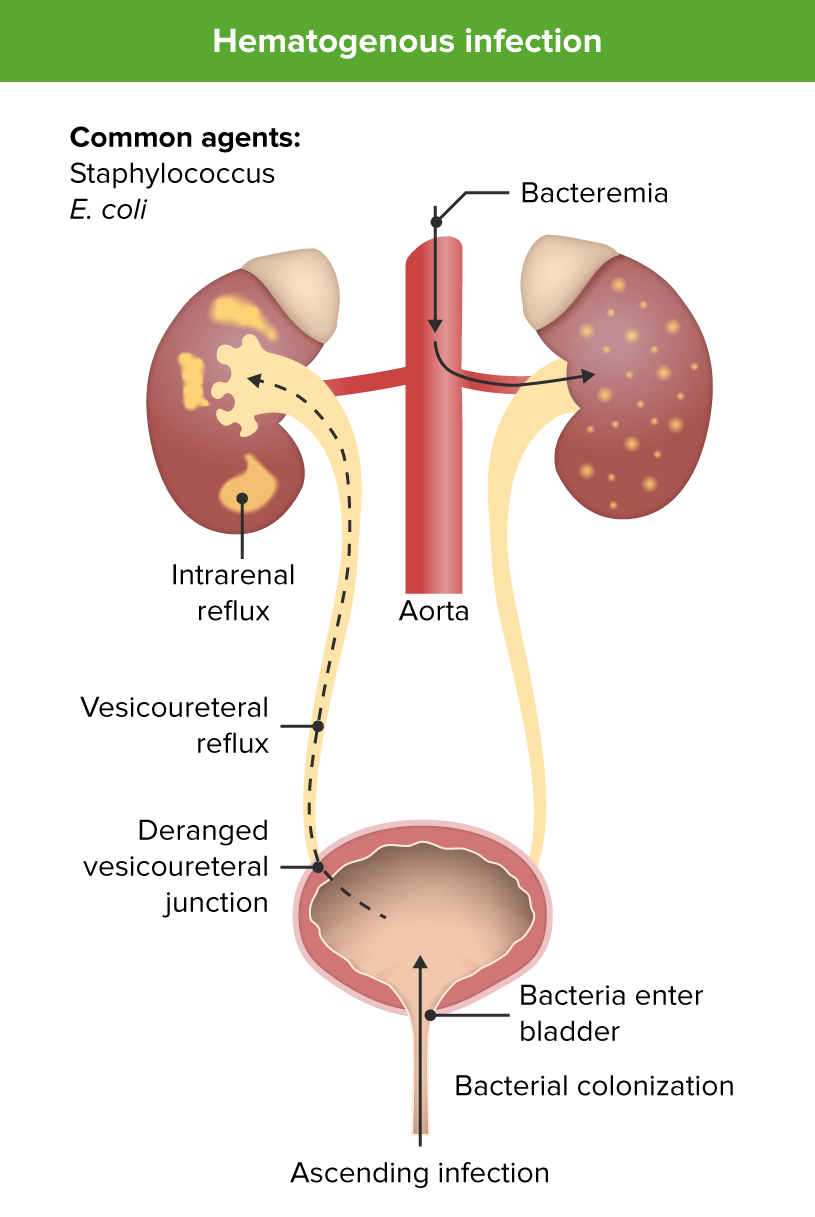
  • Infección ascendente
    • Los LOS Neisseria uropatógenos (más comúnmente la flora fecal) colonizan la zona periuretral → ascienden a la vejiga a través de la uretra
    • Si el patógeno llega al AL Amyloidosis riñón a través del uréter → pielonefritis o ITU de las vias superiores
    • La infección puede entrar ocasionalmente en EN Erythema nodosum is an immune-mediated panniculitis (inflammation of the subcutaneous fat) caused by a type IV (delayed-type) hypersensitivity reaction. It commonly manifests in young women as tender, erythematous nodules on the shins. Erythema Nodosum la sangre → sepsis Sepsis Systemic inflammatory response syndrome with a proven or suspected infectious etiology. When sepsis is associated with organ dysfunction distant from the site of infection, it is called severe sepsis. When sepsis is accompanied by hypotension despite adequate fluid infusion, it is called septic shock. Sepsis and Septic Shock
  • Infección hematógena
    • Sepsis Sepsis Systemic inflammatory response syndrome with a proven or suspected infectious etiology. When sepsis is associated with organ dysfunction distant from the site of infection, it is called severe sepsis. When sepsis is accompanied by hypotension despite adequate fluid infusion, it is called septic shock. Sepsis and Septic Shock→ ITU
    • Raramente vista, generalmente en EN Erythema nodosum is an immune-mediated panniculitis (inflammation of the subcutaneous fat) caused by a type IV (delayed-type) hypersensitivity reaction. It commonly manifests in young women as tender, erythematous nodules on the shins. Erythema Nodosum pacientes inmunocomprometidos

Anatomía anormal del tracto urinario y/o dinámica urinaria:

  • El estancamiento de la orina conduce a la proliferación de patógenos y a las ITU
    • Anomalías anatómicas que conducen a la obstrucción (obstrucción de la unión ureteropélvica, válvulas uretrales posteriores)
    • Anomalías neurológicas que provocan un retraso en EN Erythema nodosum is an immune-mediated panniculitis (inflammation of the subcutaneous fat) caused by a type IV (delayed-type) hypersensitivity reaction. It commonly manifests in young women as tender, erythematous nodules on the shins. Erythema Nodosum el vaciado
  • Reflujo vesicoureteral: flujo retrógrado de orina desde la vejiga a lo largo de los LOS Neisseria uréteres
    • Causa común e importante de ITU febril que da lugar a pielonefritis en EN Erythema nodosum is an immune-mediated panniculitis (inflammation of the subcutaneous fat) caused by a type IV (delayed-type) hypersensitivity reaction. It commonly manifests in young women as tender, erythematous nodules on the shins. Erythema Nodosum los LOS Neisseria niños
    • Tiene múltiples etiologías
    • Conduce a la cicatrización renal si no se trata
Infección de vías urinarias ascendente y hematógena

ITU ascendente y hematógena

Imagen por Lecturio.

Presentación Clínica

Lactantes y niños pequeños

  • Síntomas no específicos:
    • Fiebre (puede ser el único síntoma, especialmente fiebre > 39℃ (101,2°F))
    • Irritabilidad
    • Ingesta baja
    • Ictericia
    • Pérdida de peso
  • Cambios en EN Erythema nodosum is an immune-mediated panniculitis (inflammation of the subcutaneous fat) caused by a type IV (delayed-type) hypersensitivity reaction. It commonly manifests in young women as tender, erythematous nodules on the shins. Erythema Nodosum los LOS Neisseria hábitos urinarios:

Niños mayores ( en EN Erythema nodosum is an immune-mediated panniculitis (inflammation of the subcutaneous fat) caused by a type IV (delayed-type) hypersensitivity reaction. It commonly manifests in young women as tender, erythematous nodules on the shins. Erythema Nodosum edad escolar)

La presentación es similar a la de los LOS Neisseria adultos y los LOS Neisseria síntomas clínicos pueden utilizarse para distinguir la ITU de vias superiores de las inferiores.

  • Pielonefritis:
    • Fiebre
    • Dolor Dolor Inflammation (abdominal, de espalda o de costado)
    • Malestar
    • Náusea y vómito
    • Diarrea (ocasionalmente)
  • Cistitis:
    • Disuria
    • Urgencia
    • Frecuencia
    • Dolor Dolor Inflammation y sensibilidad suprapúbica
    • Incontinencia
    • Orina maloliente
    • Hematuria Hematuria Presence of blood in the urine. Renal Cell Carcinoma (causada por E. coli o adenovirus Adenovirus Adenovirus (member of the family Adenoviridae) is a nonenveloped, double-stranded DNA virus. Adenovirus is transmitted in a variety of ways, and it can have various presentations based on the site of entry. Presentation can include febrile pharyngitis, conjunctivitis, acute respiratory disease, atypical pneumonia, and gastroenteritis. Adenovirus)

Estudio y Diagnóstico

La sospecha clínica basada en EN Erythema nodosum is an immune-mediated panniculitis (inflammation of the subcutaneous fat) caused by a type IV (delayed-type) hypersensitivity reaction. It commonly manifests in young women as tender, erythematous nodules on the shins. Erythema Nodosum la sintomatología propia de la edad o en EN Erythema nodosum is an immune-mediated panniculitis (inflammation of the subcutaneous fat) caused by a type IV (delayed-type) hypersensitivity reaction. It commonly manifests in young women as tender, erythematous nodules on the shins. Erythema Nodosum los LOS Neisseria hallazgos del análisis de orina debe ser confirmada por el cultivo de orina.

Obtención de una muestra de orina

  • De quién obtener una muestra:
    • Niños de 02 meses: todos los LOS Neisseria lactantes febriles
    • Niños de 224 meses: la decisión depende de cada caso, según la temperatura y los LOS Neisseria factores de riesgo.
    • Niños mayores: solo si los LOS Neisseria síntomas sugieren una ITU
  • Cómo obtener una muestra:
    • La obtención de orina estéril es clave para obtener resultados válidos en EN Erythema nodosum is an immune-mediated panniculitis (inflammation of the subcutaneous fat) caused by a type IV (delayed-type) hypersensitivity reaction. It commonly manifests in young women as tender, erythematous nodules on the shins. Erythema Nodosum los LOS Neisseria análisis de orina, pero es un reto con los LOS Neisseria niños pequeños.
    • Niños entrenados para ir al AL Amyloidosis baño: intentar la captura limpia (tener cuidado de evitar la contaminación con la flora de la piel).
    • Niños de 224 meses sin entrenamiento para ir al AL Amyloidosis baño:
      • Colocar una bolsa sobre la zona genital (muestra de la bolsa).
      • Puede ser necesario un cateterismo o una aspiración suprapúbica.

Características del análisis de orina

  • Los LOS Neisseria resultados de los LOS Neisseria análisis de orina pueden sugerir la existencia de una ITU, pero no hacen el diagnóstico por sí solos.
  • Los LOS Neisseria resultados negativos en EN Erythema nodosum is an immune-mediated panniculitis (inflammation of the subcutaneous fat) caused by a type IV (delayed-type) hypersensitivity reaction. It commonly manifests in young women as tender, erythematous nodules on the shins. Erythema Nodosum presencia de síntomas no descartan una ITU.
  • Los LOS Neisseria nitritos y la esterasa leucocitaria suelen ser positivos con la ITU
  • Piuria (leucocitos en EN Erythema nodosum is an immune-mediated panniculitis (inflammation of the subcutaneous fat) caused by a type IV (delayed-type) hypersensitivity reaction. It commonly manifests in young women as tender, erythematous nodules on the shins. Erythema Nodosum la orina):
    • Puede estar ausente en EN Erythema nodosum is an immune-mediated panniculitis (inflammation of the subcutaneous fat) caused by a type IV (delayed-type) hypersensitivity reaction. It commonly manifests in young women as tender, erythematous nodules on the shins. Erythema Nodosum la ITU
    • La piuria estéril (leucocitos positivos y cultivo negativo) puede ser causada por:
      • Terapia antibiótica previa
      • Infecciones virales, tuberculosis Tuberculosis Tuberculosis (TB) is an infectious disease caused by Mycobacterium tuberculosis complex bacteria. The bacteria usually attack the lungs but can also damage other parts of the body. Approximately 30% of people around the world are infected with this pathogen, with the majority harboring a latent infection. Tuberculosis spreads through the air when a person with active pulmonary infection coughs or sneezes. Tuberculosis, absceso renal
      • Obstrucción de las vías urinarias
      • Inflamación fuera de las vías urinarias
      • Nefritis intersticial
  • Puede observarse hematuria Hematuria Presence of blood in the urine. Renal Cell Carcinoma (aumento de eritrocitos).

Urocultivos

  • Los LOS Neisseria análisis de orina que sugieren una ITU deben confirmarse con un cultivo de orina.
  • El aislamiento de un solo patógeno con uno de los LOS Neisseria siguientes criterios es diagnóstico de ITU:
    • Recuento de colonias > 10 000 en EN Erythema nodosum is an immune-mediated panniculitis (inflammation of the subcutaneous fat) caused by a type IV (delayed-type) hypersensitivity reaction. It commonly manifests in young women as tender, erythematous nodules on the shins. Erythema Nodosum un niño sintomático
    • Recuento de colonias > 50 000 en EN Erythema nodosum is an immune-mediated panniculitis (inflammation of the subcutaneous fat) caused by a type IV (delayed-type) hypersensitivity reaction. It commonly manifests in young women as tender, erythematous nodules on the shins. Erythema Nodosum una muestra obtenida por vía suprapúbica/catéter
    • Recuento de colonias > 100 000 en EN Erythema nodosum is an immune-mediated panniculitis (inflammation of the subcutaneous fat) caused by a type IV (delayed-type) hypersensitivity reaction. It commonly manifests in young women as tender, erythematous nodules on the shins. Erythema Nodosum una bolsa de orina
  • Aislamiento de Lactobacillus spp., estafilococos coagulasa-negativos y Corynebacterium Corynebacterium Corynebacteria are gram-positive, club-shaped bacilli. Corynebacteria are commonly isolated on tellurite or Loeffler’s media and have characteristic metachromatic granules. The major pathogenic species is Corynebacterium diphtheriae, which causes a severe respiratory infection called diphtheria. Corynebacterium spp. no son sugestivos de una ITU, ya que se trata de flora normal de la piel.

Hemocultivo

Cuándo realizarlo:

  • Niños muy pequeños (< 2 meses) con alto riesgo de sepsis Sepsis Systemic inflammatory response syndrome with a proven or suspected infectious etiology. When sepsis is associated with organ dysfunction distant from the site of infection, it is called severe sepsis. When sepsis is accompanied by hypotension despite adequate fluid infusion, it is called septic shock. Sepsis and Septic Shock
  • En EN Erythema nodosum is an immune-mediated panniculitis (inflammation of the subcutaneous fat) caused by a type IV (delayed-type) hypersensitivity reaction. It commonly manifests in young women as tender, erythematous nodules on the shins. Erythema Nodosum la sospecha de pielonefritis previo a la terapia antibiótica

Imagenología

Las infecciones del tracto urinario en EN Erythema nodosum is an immune-mediated panniculitis (inflammation of the subcutaneous fat) caused by a type IV (delayed-type) hypersensitivity reaction. It commonly manifests in young women as tender, erythematous nodules on the shins. Erythema Nodosum los LOS Neisseria niños pueden ser indicativas de anormalidades anatómicas renales subyacentes, por lo que algunas deben ser investigadas más a fondo mediante imagenología.
  • Debe realizarse un ultrasonido renal y vesical:
    • Después de la 1ra ITU febril en EN Erythema nodosum is an immune-mediated panniculitis (inflammation of the subcutaneous fat) caused by a type IV (delayed-type) hypersensitivity reaction. It commonly manifests in young women as tender, erythematous nodules on the shins. Erythema Nodosum todos los LOS Neisseria niños de 224 meses
    • En EN Erythema nodosum is an immune-mediated panniculitis (inflammation of the subcutaneous fat) caused by a type IV (delayed-type) hypersensitivity reaction. It commonly manifests in young women as tender, erythematous nodules on the shins. Erythema Nodosum todos los LOS Neisseria niños con casos recurrentes de ITU
    • Después de la fase aguda de la enfermedad; inmediatamente con la enfermedad grave
  • Cistouretrograma miccional: se inyecta en EN Erythema nodosum is an immune-mediated panniculitis (inflammation of the subcutaneous fat) caused by a type IV (delayed-type) hypersensitivity reaction. It commonly manifests in young women as tender, erythematous nodules on the shins. Erythema Nodosum la vejiga un colorante visible en EN Erythema nodosum is an immune-mediated panniculitis (inflammation of the subcutaneous fat) caused by a type IV (delayed-type) hypersensitivity reaction. It commonly manifests in young women as tender, erythematous nodules on the shins. Erythema Nodosum la radiografía y se visualiza el flujo de orina durante la micción.
    • El objetivo es confirmar la presencia de reflujo vesicoureteral.
    • Realizado si:
      • Hallazgos por ultrasonido que sugieren un reflujo vesicoureteral de alto grado (III o superior) (la mayoría de los LOS Neisseria reflujos vesicoureteral de grado I o II se resuelven espontáneamente)
      • Evidencia de obstrucción, como hidronefrosis o cicatrices
      • ITU febriles recurrentes
  • Gammagrafía tardía con ácido dimercaptosuccínico: ya no está recomendada por la American Academy of Pediatrics
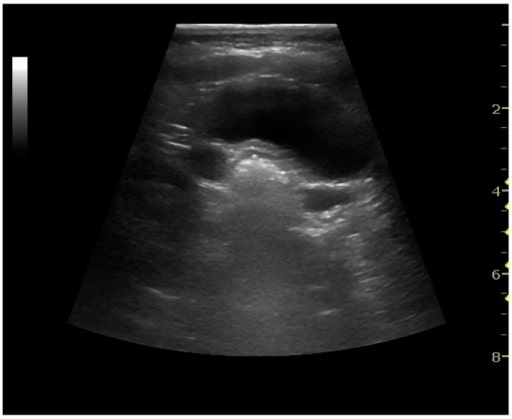
Reflujo vesicoureteral

Dilatación bilateral de los uréteres por reflujo vesicoureteral en un paciente pediátrico

Imagen: “Ultrasonography of the Kidney” por Department of Radiology, Copenhagen University Hospital, Blegdamsvej 9, Copenhagen 2100-DK, Denmark. Licencia: CC BY 4.0

Tratamiento y Seguimiento

Tratamiento

El objetivo principal del tratamiento es la prevención de las complicaciones renales, como la cicatrización renal, la hipertensión y la enfermedad renal crónica.
  • Terapia antibiótica empírica:
    • El inicio temprano (dentro de las primeras 72 horas) previene la cicatrización renal.
    • Solo debe iniciarse después de que se hayan recogido muestras de orina para el análisis
    • Solo debe iniciarse en EN Erythema nodosum is an immune-mediated panniculitis (inflammation of the subcutaneous fat) caused by a type IV (delayed-type) hypersensitivity reaction. It commonly manifests in young women as tender, erythematous nodules on the shins. Erythema Nodosum pacientes con alta probabilidad de ITU:
      • Fiebre > 39℃ (101,2)
      • Inmunodeficiencia o anomalía renal conocida
      • Aspecto séptico
  • Elección de antibióticos:
    • Siempre que sea posible, debe adaptarse a las especies bacterianas y a la sensibilidad
    • Dirigido a tratar el patógeno causante más probable (E. coli)
      • Alto riesgo de afectación renal → cefalosporina de 2da o 3ra generación
      • Bajo riesgo de afectación renal → cefalosporina de 1ra generación

Pielonefritis

  • Ingresar al AL Amyloidosis hospital si:
    • El paciente está séptico
    • El paciente está deshidratado
    • Náuseas y vómitos
    • < 1 mes con sospecha de ITU
    • < 2 meses con ITU febril
    • Infección complicada (cálculos, obstrucción, anomalías)
  • 714 días de antibióticos de amplio espectro:
    • Pacientes ambulatorios: cefalosporinas orales de 3ra generación (cefixima)
    • Pacientes hospitalizados: ceftriaxona IV, cefotaxima o ampicilina con un aminoglucósido (gentamicina)
  • Las fluoroquinolonas son antibióticos eficaces, pero es mejor evitarlas en EN Erythema nodosum is an immune-mediated panniculitis (inflammation of the subcutaneous fat) caused by a type IV (delayed-type) hypersensitivity reaction. It commonly manifests in young women as tender, erythematous nodules on the shins. Erythema Nodosum pacientes < 17 años de edad.
  • Cultivo de orina: 1 semana después de la finalización de los LOS Neisseria antibióticos para confirmar el tratamiento efectivo
  • Absceso renal, absceso perirrenal u obstrucción de las vías urinarias: drenaje quirúrgico o percutáneo + antibióticos

Seguimiento

  • Los LOS Neisseria niños con antecedentes de una sola ITU no complicada no necesitan seguimiento.
  • Se recomienda el seguimiento por el nefrólogo para los LOS Neisseria niños con:
    • ITU recurrentes
    • Reflujo vesicoureteral severo (grado III a V)
    • Anomalías renales anatómicas
    • Disfunción neurológica de la vejiga
    • Presión arterial alta
  • Profilaxis antibiótica
    • Controversial
    • Se sigue recomendando para niños con reflujo vesicoureteral de grado III a V
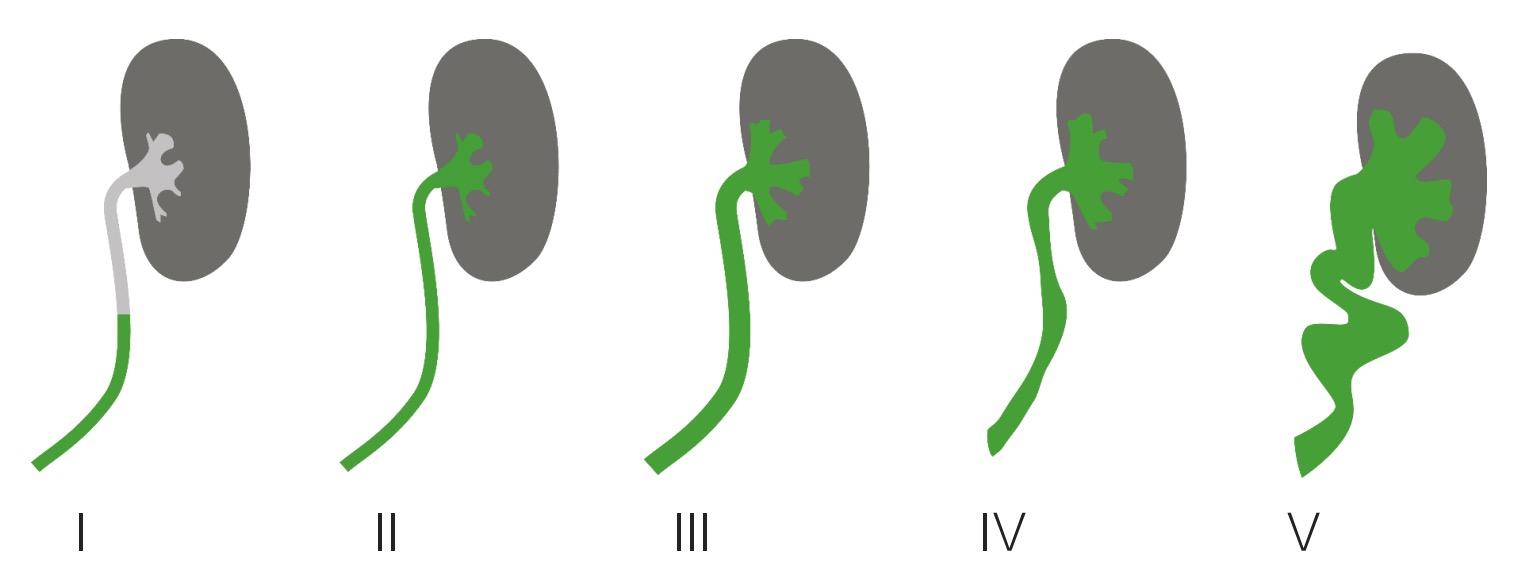
Grados de reflujo vesicoureteral

Grados de reflujo vesicoureteral: en el grado 5 puede observarse un megauréter.

Imagen por Lecturio.

Referencias

  1. Millner, R., M.D., & Becknell, Brian,M.D., PhD. (2019). Urinary tract infections. Pediatric Clinics of North America, 66(1), 1-13. doi://dx.doi.org/10.1016/j.pcl.2018.08.002
  2. Jerardi, K. E., & Jackson, E. C. (2020). Urinary tract infections. In R. M. Kliegman MD, J. W. St Geme MD, N. J. Blum MD, Shah, Samir S., MD,MSCE, Tasker, Robert C., MBBS,MD & Wilson, Karen M., MD,MPH (Eds.), Nelson textbook of pediatrics (pp. 278-2795.e1) https://www.clinicalkey.es/#!/content/3-s2.0-B9780323529501005538
  3. Gupta, K., & Trautner, B. W. (2018). Urinary tract infections, pyelonephritis, and prostatitis. In J. L. Jameson et al. (Eds.), Harrison’s principles of internal medicine. New York, NY: McGraw-Hill Education. accessmedicine.mhmedical.com/content.aspx?aid=1159153646
  4. Robinson J. Antibiotic prophylaxis in vesicoureteral reflux: A practice revisited. Can Pharm J (Ott). 2013;146(2):84-87. doi:10.1177/1715163513481570

¡Crea tu cuenta gratis o inicia una sesión para seguir leyendo!

Regístrate ahora y obtén acceso gratuito a Lecturio con páginas de concepto, videos médicos y cuestionarios para tu educación médica.

User Reviews

Que tengas una sesión de estudio alegre y navideña 🎁 Ahorra 50% en todos los planes >>

Details