Domina Conceptos Médicos

Estudia para la escuela de medicina y tus examenes con Lecturio.

Herpes Labial y Genital

Las infecciones por herpes genital son infecciones de transmisión sexual (ITS) comunes causadas por el virus Virus Viruses are infectious, obligate intracellular parasites composed of a nucleic acid core surrounded by a protein capsid. Viruses can be either naked (non-enveloped) or enveloped. The classification of viruses is complex and based on many factors, including type and structure of the nucleoid and capsid, the presence of an envelope, the replication cycle, and the host range. Virology del herpes simple (VHS) tipos 1 o 2. El virus Virus Viruses are infectious, obligate intracellular parasites composed of a nucleic acid core surrounded by a protein capsid. Viruses can be either naked (non-enveloped) or enveloped. The classification of viruses is complex and based on many factors, including type and structure of the nucleoid and capsid, the presence of an envelope, the replication cycle, and the host range. Virology del herpes simple tipo 1 se asocia más comúnmente con el herpes no genital, mientras que el VHS-2 se asocia más comúnmente con el herpes genital. La infección primaria suele presentarse con síntomas prodrómicos sistémicos, seguidos de grupos de vesículas dolorosas llenas de líquido sobre una base eritematosa, disuria y linfadenopatía dolorosa. La infección primaria también puede ser asintomática. Las infecciones por herpes tienen la particularidad de que el virus Virus Viruses are infectious, obligate intracellular parasites composed of a nucleic acid core surrounded by a protein capsid. Viruses can be either naked (non-enveloped) or enveloped. The classification of viruses is complex and based on many factors, including type and structure of the nucleoid and capsid, the presence of an envelope, the replication cycle, and the host range. Virology es capaz de permanecer latente en EN Erythema nodosum is an immune-mediated panniculitis (inflammation of the subcutaneous fat) caused by a type IV (delayed-type) hypersensitivity reaction. It commonly manifests in young women as tender, erythematous nodules on the shins. Erythema Nodosum los LOS Neisseria ganglios neuronales, lo que permite las infecciones recurrentes. Los LOS Neisseria brotes recurrentes suelen ser menos graves que la infección inicial. El tratamiento es con terapia antiviral Antiviral Antivirals for Hepatitis B, principalmente con aciclovir.

Last updated: Dec 15, 2025

Editorial responsibility: Stanley Oiseth, Lindsay Jones, Evelin Maza

Definición

El herpes genital es una enfermedad mucocutánea ulcerosa causada por el virus Virus Viruses are infectious, obligate intracellular parasites composed of a nucleic acid core surrounded by a protein capsid. Viruses can be either naked (non-enveloped) or enveloped. The classification of viruses is complex and based on many factors, including type and structure of the nucleoid and capsid, the presence of an envelope, the replication cycle, and the host range. Virology del herpes simple (VHS) tipos 1 o 2.

VHS-1:

  • Tradicionalmente asociado a la gingivoestomatitis (“herpes labial”) y a las infecciones no genitales
  • Sin embargo, actualmente el VHS-1 también se asocia al AL Amyloidosis herpes genital. La razón es desconocida, pero se cree que se debe a una disminución del número de infecciones orales por VHS-1, lo que hace HACE Altitude Sickness que las personas sean más susceptibles a las infecciones genitales por VHS-1.
  • Generalmente se adquiere en EN Erythema nodosum is an immune-mediated panniculitis (inflammation of the subcutaneous fat) caused by a type IV (delayed-type) hypersensitivity reaction. It commonly manifests in young women as tender, erythematous nodules on the shins. Erythema Nodosum la infancia.

VHS-2:

  • Tradicionalmente (y más comúnmente) asociado con el herpes genital
  • Generalmente se adquiere después de la pubertad.

Epidemiología

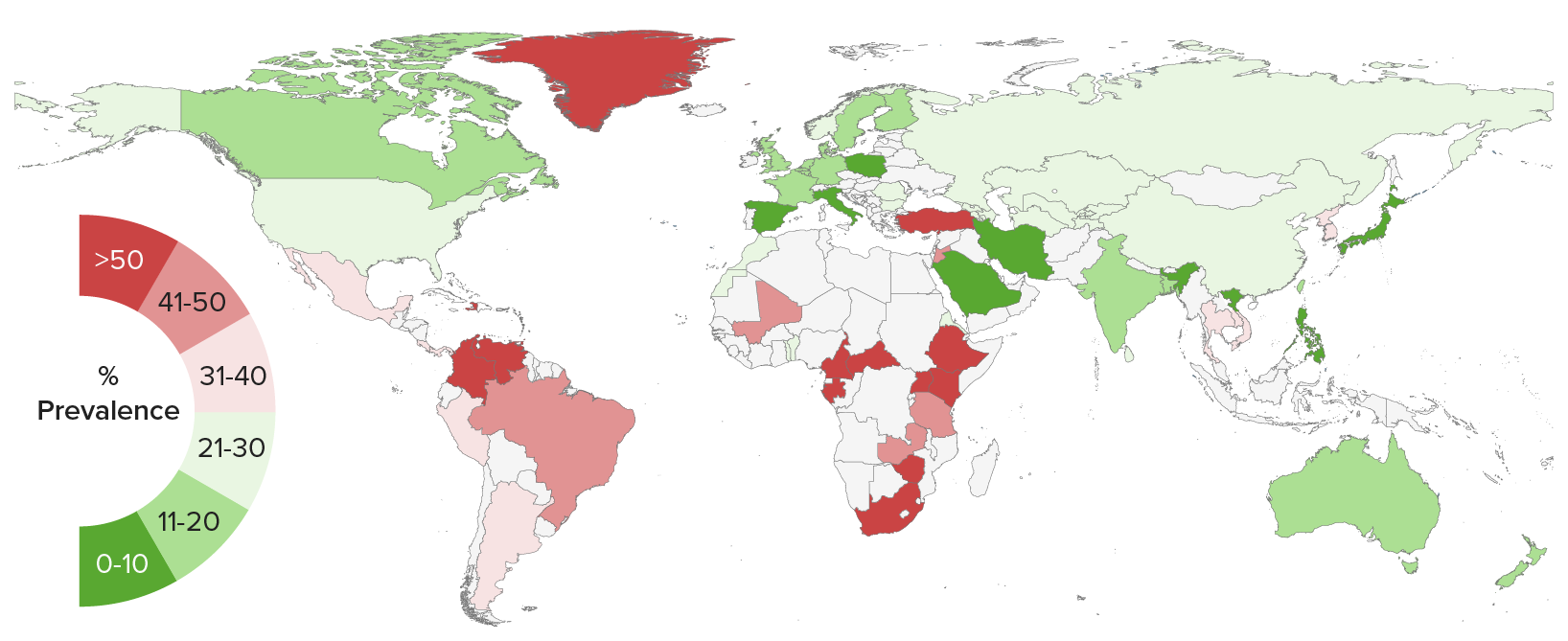
  • En EN Erythema nodosum is an immune-mediated panniculitis (inflammation of the subcutaneous fat) caused by a type IV (delayed-type) hypersensitivity reaction. It commonly manifests in young women as tender, erythematous nodules on the shins. Erythema Nodosum todo el mundo: mayor prevalencia en EN Erythema nodosum is an immune-mediated panniculitis (inflammation of the subcutaneous fat) caused by a type IV (delayed-type) hypersensitivity reaction. It commonly manifests in young women as tender, erythematous nodules on the shins. Erythema Nodosum los LOS Neisseria adultos jóvenes
  • El Centro de Control y Prevención de Enfermedades (CDC, por sus siglas en EN Erythema nodosum is an immune-mediated panniculitis (inflammation of the subcutaneous fat) caused by a type IV (delayed-type) hypersensitivity reaction. It commonly manifests in young women as tender, erythematous nodules on the shins. Erythema Nodosum inglés) estima ( en EN Erythema nodosum is an immune-mediated panniculitis (inflammation of the subcutaneous fat) caused by a type IV (delayed-type) hypersensitivity reaction. It commonly manifests in young women as tender, erythematous nodules on the shins. Erythema Nodosum Estados Unidos):
    • Incidencia (VHS-1 y -2): aproximadamente 800.000 nuevos casos/año
    • VHS-2:
      • Prevalencia: 12% de las personas de 14–49 años
      • La mayoría de las personas infectadas lo desconocen: aproximadamente el 88% de los LOS Neisseria infectados de 14–49 años nunca han sido diagnosticados.
  • Muy común en EN Erythema nodosum is an immune-mediated panniculitis (inflammation of the subcutaneous fat) caused by a type IV (delayed-type) hypersensitivity reaction. It commonly manifests in young women as tender, erythematous nodules on the shins. Erythema Nodosum países con epidemias de VIH
    • Prevalencia en EN Erythema nodosum is an immune-mediated panniculitis (inflammation of the subcutaneous fat) caused by a type IV (delayed-type) hypersensitivity reaction. It commonly manifests in young women as tender, erythematous nodules on the shins. Erythema Nodosum poblaciones con VIH ( en EN Erythema nodosum is an immune-mediated panniculitis (inflammation of the subcutaneous fat) caused by a type IV (delayed-type) hypersensitivity reaction. It commonly manifests in young women as tender, erythematous nodules on the shins. Erythema Nodosum África): aproximadamente el 70%
    • Dado que el herpes genital provoca roturas y ulceraciones en EN Erythema nodosum is an immune-mediated panniculitis (inflammation of the subcutaneous fat) caused by a type IV (delayed-type) hypersensitivity reaction. It commonly manifests in young women as tender, erythematous nodules on the shins. Erythema Nodosum la piel, se asocia con un mayor riesgo de transmisión del VIH.
  • Los LOS Neisseria pacientes inmunodeficientes corren el riesgo de desarrollar un herpes genital recurrente más grave con posible enfermedad sistémica invasiva.
Epidemiología del herpes

Seroprevalencia mundial de la infección por el virus del herpes simple tipo 2

Imagen por Lecturio.

Etiología

Agente causante: virus Virus Viruses are infectious, obligate intracellular parasites composed of a nucleic acid core surrounded by a protein capsid. Viruses can be either naked (non-enveloped) or enveloped. The classification of viruses is complex and based on many factors, including type and structure of the nucleoid and capsid, the presence of an envelope, the replication cycle, and the host range. Virology del herpes simple

  • Envuelto
  • ADN lineal de doble cadena
  • Se replica en EN Erythema nodosum is an immune-mediated panniculitis (inflammation of the subcutaneous fat) caused by a type IV (delayed-type) hypersensitivity reaction. It commonly manifests in young women as tender, erythematous nodules on the shins. Erythema Nodosum el núcleo de las células huésped.

Transmisión

  • La mayoría de las infecciones son transmitidas por individuos asintomáticos.
  • Transmisión de persona a persona durante la actividad sexual, por contacto directo con:
    • Superficies mucosas
    • Secreciones genitales
    • Secreciones orales
    • Lesiones herpéticas por VHS
  • Transmisión vertical (infección TORCH: toxoplasmosis Toxoplasmosis Toxoplasmosis is an infectious disease caused by Toxoplasma gondii, an obligate intracellular protozoan parasite. Felines are the definitive host, but transmission to humans can occur through contact with cat feces or the consumption of contaminated foods. The clinical presentation and complications depend on the host’s immune status. Toxoplasma/Toxoplasmosis, otros agentes, rubéola, citomegalovirus y serpes simple)
  • Con menor frecuencia, puede adquirirse a partir de lesiones herpéticas no genitales que se encuentran en EN Erythema nodosum is an immune-mediated panniculitis (inflammation of the subcutaneous fat) caused by a type IV (delayed-type) hypersensitivity reaction. It commonly manifests in young women as tender, erythematous nodules on the shins. Erythema Nodosum los LOS Neisseria dedos, los LOS Neisseria ojos o los LOS Neisseria labios de un individuo infectado.

Factores de riesgo

  • Género: femenino > masculino
  • Raza: afroamericanos > caucásicos
  • Prácticas sexuales
    • Nuevas relaciones sexuales
    • Uso poco frecuente del preservativo
    • Hombres que tienen sexo con hombres (HSH)

Fisiopatología

Infección primaria

La infección primaria se produce cuando el virus Virus Viruses are infectious, obligate intracellular parasites composed of a nucleic acid core surrounded by a protein capsid. Viruses can be either naked (non-enveloped) or enveloped. The classification of viruses is complex and based on many factors, including type and structure of the nucleoid and capsid, the presence of an envelope, the replication cycle, and the host range. Virology viaja a través de pequeñas roturas o incluso abrasiones microscópicas en EN Erythema nodosum is an immune-mediated panniculitis (inflammation of the subcutaneous fat) caused by a type IV (delayed-type) hypersensitivity reaction. It commonly manifests in young women as tender, erythematous nodules on the shins. Erythema Nodosum la piel o en EN Erythema nodosum is an immune-mediated panniculitis (inflammation of the subcutaneous fat) caused by a type IV (delayed-type) hypersensitivity reaction. It commonly manifests in young women as tender, erythematous nodules on the shins. Erythema Nodosum las membranas mucosas de la boca o las zonas genitales.

  • La replicación comienza en EN Erythema nodosum is an immune-mediated panniculitis (inflammation of the subcutaneous fat) caused by a type IV (delayed-type) hypersensitivity reaction. It commonly manifests in young women as tender, erythematous nodules on the shins. Erythema Nodosum las células de la epidermis Epidermis The external, nonvascular layer of the skin. It is made up, from within outward, of five layers of epithelium: (1) basal layer (stratum basale epidermidis); (2) spinous layer (stratum spinosum epidermidis); (3) granular layer (stratum granulosum epidermidis); (4) clear layer (stratum lucidum epidermidis); and (5) horny layer (stratum corneum epidermidis). Skin: Structure and Functions y la dermis Dermis A layer of vascularized connective tissue underneath the epidermis. The surface of the dermis contains innervated papillae. Embedded in or beneath the dermis are sweat glands; hair follicles; and sebaceous glands. Skin: Structure and Functions.
    • Los LOS Neisseria virus Virus Viruses are infectious, obligate intracellular parasites composed of a nucleic acid core surrounded by a protein capsid. Viruses can be either naked (non-enveloped) or enveloped. The classification of viruses is complex and based on many factors, including type and structure of the nucleoid and capsid, the presence of an envelope, the replication cycle, and the host range. Virology se replican dentro del núcleo, formando cuerpos de inclusión en EN Erythema nodosum is an immune-mediated panniculitis (inflammation of the subcutaneous fat) caused by a type IV (delayed-type) hypersensitivity reaction. It commonly manifests in young women as tender, erythematous nodules on the shins. Erythema Nodosum el núcleo (cuerpos de Cowdry) que pueden ser visibles en EN Erythema nodosum is an immune-mediated panniculitis (inflammation of the subcutaneous fat) caused by a type IV (delayed-type) hypersensitivity reaction. It commonly manifests in young women as tender, erythematous nodules on the shins. Erythema Nodosum un frotis de Tzanck.
    • Las células infectadas se someten a lisis celular: Provoca vesículas y ulceraciones dolorosas.
  • Las terminaciones nerviosas sensoriales y autonómicas también están infectadas.
    • Después de la infección, las partículas virales son transportadas a los LOS Neisseria cuerpos de las células nerviosas de los LOS Neisseria ganglios sacros (mediante transporte retrógrado). Este transporte es independiente de la multiplicación del virus Virus Viruses are infectious, obligate intracellular parasites composed of a nucleic acid core surrounded by a protein capsid. Viruses can be either naked (non-enveloped) or enveloped. The classification of viruses is complex and based on many factors, including type and structure of the nucleoid and capsid, the presence of an envelope, the replication cycle, and the host range. Virology y de la inflamación local.
    • Una vez en EN Erythema nodosum is an immune-mediated panniculitis (inflammation of the subcutaneous fat) caused by a type IV (delayed-type) hypersensitivity reaction. It commonly manifests in young women as tender, erythematous nodules on the shins. Erythema Nodosum los LOS Neisseria ganglios, el virus Virus Viruses are infectious, obligate intracellular parasites composed of a nucleic acid core surrounded by a protein capsid. Viruses can be either naked (non-enveloped) or enveloped. The classification of viruses is complex and based on many factors, including type and structure of the nucleoid and capsid, the presence of an envelope, the replication cycle, and the host range. Virology es capaz de replicarse y entrar en EN Erythema nodosum is an immune-mediated panniculitis (inflammation of the subcutaneous fat) caused by a type IV (delayed-type) hypersensitivity reaction. It commonly manifests in young women as tender, erythematous nodules on the shins. Erythema Nodosum un estado inactivo conocido como latencia.
      • Protegido del sistema inmunitario, el virus Virus Viruses are infectious, obligate intracellular parasites composed of a nucleic acid core surrounded by a protein capsid. Viruses can be either naked (non-enveloped) or enveloped. The classification of viruses is complex and based on many factors, including type and structure of the nucleoid and capsid, the presence of an envelope, the replication cycle, and the host range. Virology es capaz de permanecer latente.
      • Esto permite la posibilidad de una reactivación de por vida.

Infección recurrente

La infección recurrente se debe a la reactivación del VHS.
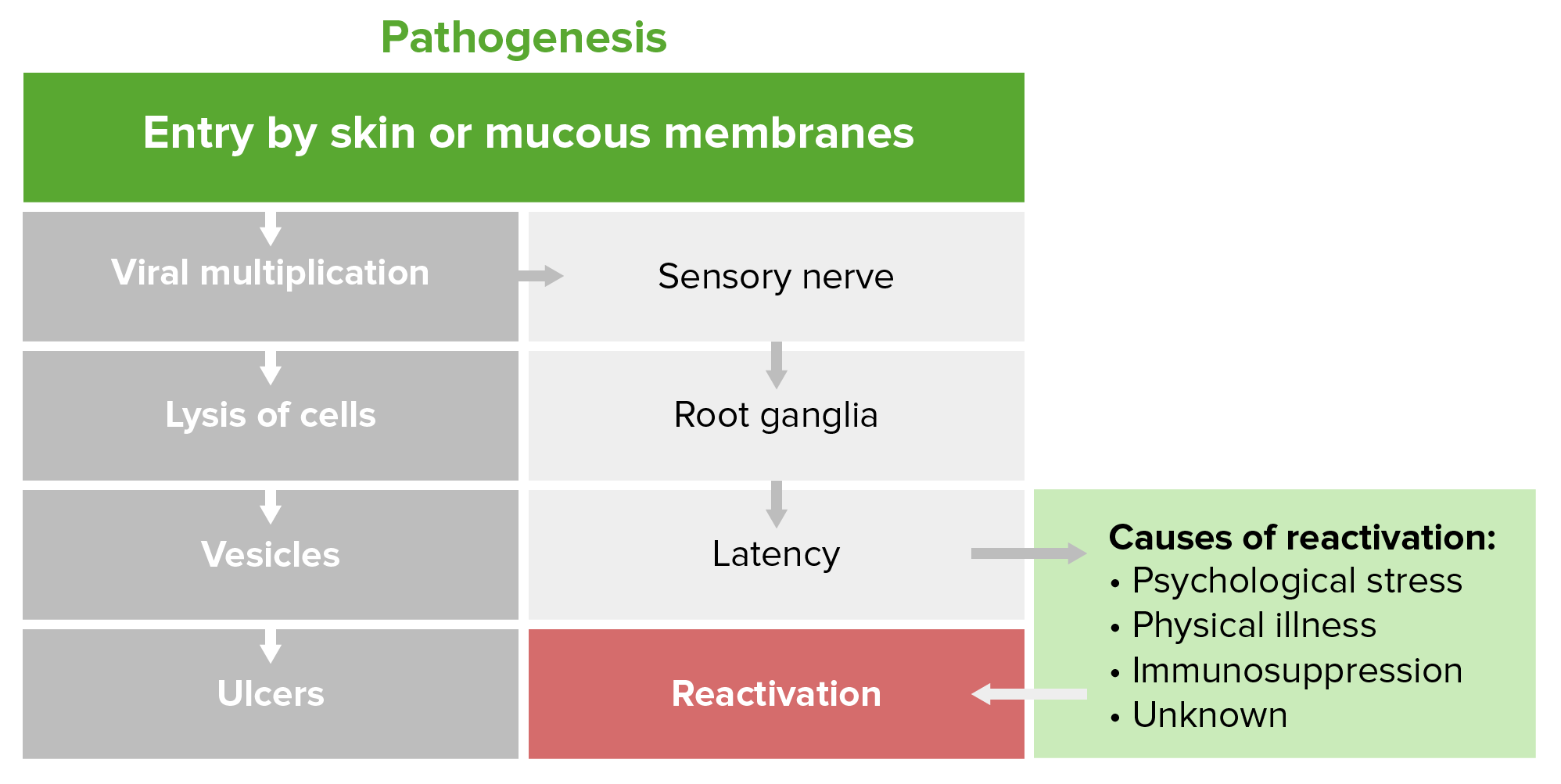
  • La reactivación puede producirse debido al AL Amyloidosis estrés psicológico (relacionado con la activación por hormonas del estrés epinefrina y corticosterona), una enfermedad física, inmunosupresión o sin motivo aparente.
  • La replicación del ADN viral comienza en EN Erythema nodosum is an immune-mediated panniculitis (inflammation of the subcutaneous fat) caused by a type IV (delayed-type) hypersensitivity reaction. It commonly manifests in young women as tender, erythematous nodules on the shins. Erythema Nodosum los LOS Neisseria ganglios.
    • Luego, los LOS Neisseria viriones migran por el nervio afectado siguiendo una distribución dermatómica.
    • Causa síntomas recurrentes de vesículas, úlceras y costras en EN Erythema nodosum is an immune-mediated panniculitis (inflammation of the subcutaneous fat) caused by a type IV (delayed-type) hypersensitivity reaction. It commonly manifests in young women as tender, erythematous nodules on the shins. Erythema Nodosum la piel.
Fisiopatología del herpes

Fisiopatología del herpes

Imagen por Lecturio.

Signos y Síntomas

La infección por herpes genital puede ser sintomática o asintomática/subclínica y se define como primaria, no primaria o recurrente.

Primaria

  • Se produce en EN Erythema nodosum is an immune-mediated panniculitis (inflammation of the subcutaneous fat) caused by a type IV (delayed-type) hypersensitivity reaction. It commonly manifests in young women as tender, erythematous nodules on the shins. Erythema Nodosum pacientes sin anticuerpos preexistentes.
  • Más frecuente en EN Erythema nodosum is an immune-mediated panniculitis (inflammation of the subcutaneous fat) caused by a type IV (delayed-type) hypersensitivity reaction. It commonly manifests in young women as tender, erythematous nodules on the shins. Erythema Nodosum pacientes que han iniciado su actividad sexual recientemente
  • Periodo de incubación: 2–12 días
  • La presentación es variable Variable Variables represent information about something that can change. The design of the measurement scales, or of the methods for obtaining information, will determine the data gathered and the characteristics of that data. As a result, a variable can be qualitative or quantitative, and may be further classified into subgroups. Types of Variables:
    • Los LOS Neisseria pacientes pueden desarrollar un pródromo de características sistémicas (fiebre, cefalea, malestar general) con dolor Dolor Inflammation localizado y prurito, disuria o linfadenopatía sensible.
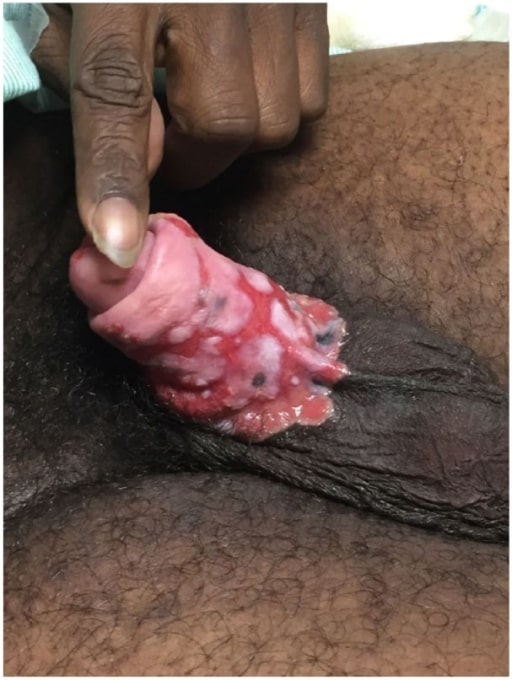
    • Úlceras genitales dolorosas: Comienzan como una lesión eritematosa y luego se convierten en EN Erythema nodosum is an immune-mediated panniculitis (inflammation of the subcutaneous fat) caused by a type IV (delayed-type) hypersensitivity reaction. It commonly manifests in young women as tender, erythematous nodules on the shins. Erythema Nodosum un grupo de vesículas y pústulas.
    • Distribución en EN Erythema nodosum is an immune-mediated panniculitis (inflammation of the subcutaneous fat) caused by a type IV (delayed-type) hypersensitivity reaction. It commonly manifests in young women as tender, erythematous nodules on the shins. Erythema Nodosum los LOS Neisseria hombres: zonas prepuciales y subprepuciales del pene
    • Distribución en EN Erythema nodosum is an immune-mediated panniculitis (inflammation of the subcutaneous fat) caused by a type IV (delayed-type) hypersensitivity reaction. It commonly manifests in young women as tender, erythematous nodules on the shins. Erythema Nodosum la mujer: vagina Vagina The vagina is the female genital canal, extending from the vulva externally to the cervix uteri internally. The structures have sexual, reproductive, and urinary functions and a rich blood supply, mainly arising from the internal iliac artery. Vagina, Vulva, and Pelvic Floor: Anatomy, vulva Vulva The vulva is the external genitalia of the female and includes the mons pubis, labia majora, labia minora, clitoris, vestibule, vestibular bulb, and greater vestibular glands. Vagina, Vulva, and Pelvic Floor: Anatomy y cuello uterino
  • La cicatrización suele producirse en EN Erythema nodosum is an immune-mediated panniculitis (inflammation of the subcutaneous fat) caused by a type IV (delayed-type) hypersensitivity reaction. It commonly manifests in young women as tender, erythematous nodules on the shins. Erythema Nodosum el plazo de un mes y no deja cicatrices.

No primaria

  • Adquisición del VHS-1 en EN Erythema nodosum is an immune-mediated panniculitis (inflammation of the subcutaneous fat) caused by a type IV (delayed-type) hypersensitivity reaction. It commonly manifests in young women as tender, erythematous nodules on the shins. Erythema Nodosum un paciente con anticuerpos preexistentes contra el VHS-2 (o viceversa)
  • La presentación suele estar asociada a menos lesiones y menos síntomas sistémicos que durante la infección primaria.

Recurrente

  • Se produce por la reactivación de una infección por VHS.
  • La recurrencia es más común con el VHS-2 y en EN Erythema nodosum is an immune-mediated panniculitis (inflammation of the subcutaneous fat) caused by a type IV (delayed-type) hypersensitivity reaction. It commonly manifests in young women as tender, erythematous nodules on the shins. Erythema Nodosum pacientes inmunodeficientes.
  • La presentación suele ser menos grave, con menos lesiones y de menor duración (7–10 días).
    • Puede ocurrir hasta 10 veces al AL Amyloidosis año.
    • La recurrencia suele disminuir con el tiempo.

Otras formas de infecciones herpéticas

Otras formas de infecciones herpéticas asociadas al AL Amyloidosis VHS-1 son:
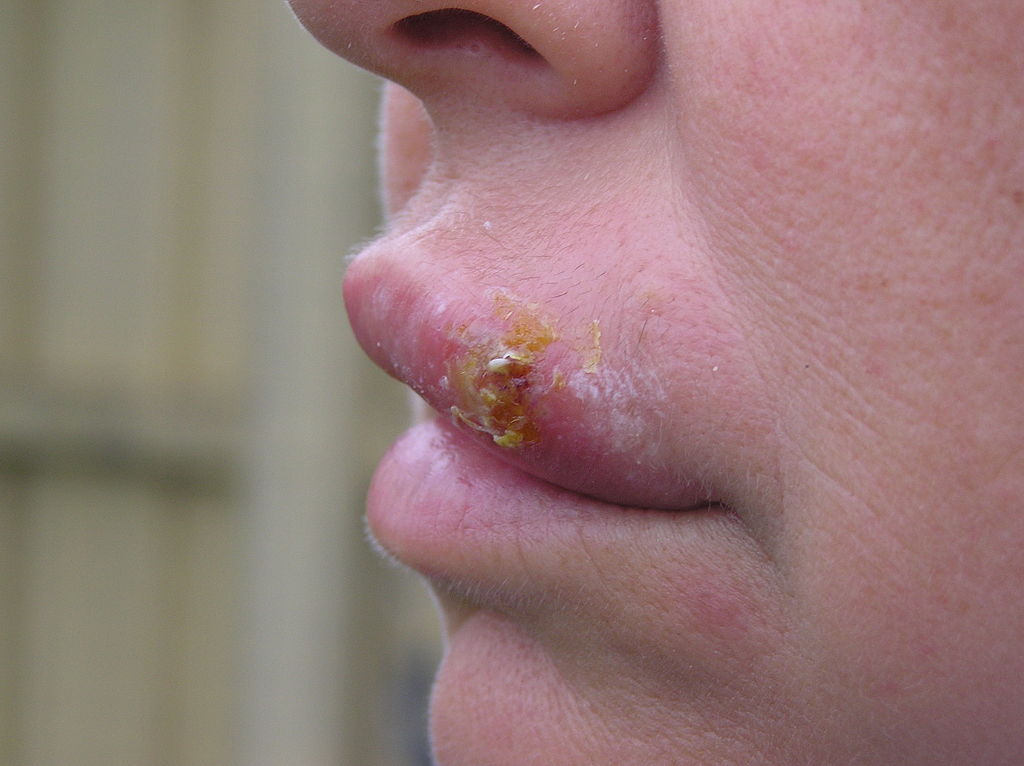
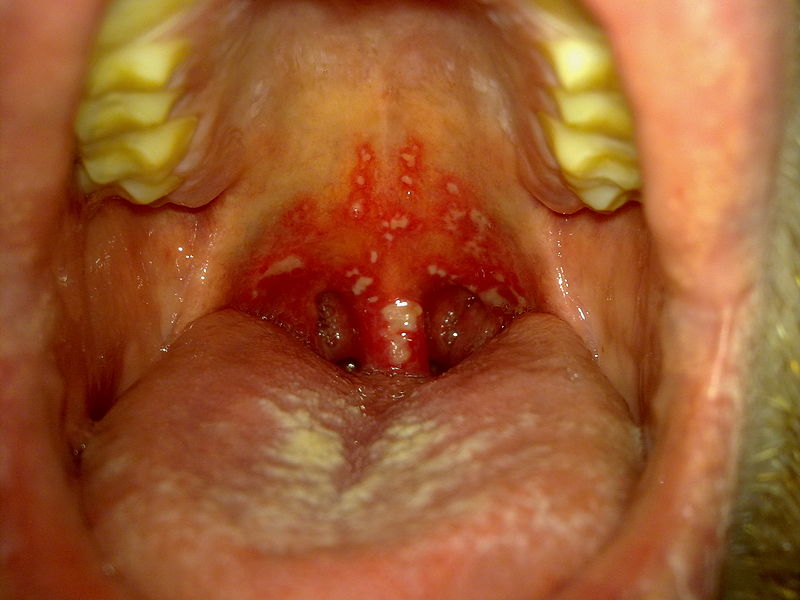
  • Gingivoestomatitis herpética
    • También conocida como herpes labial
    • Lesiones dolorosas y llenas de líquido sobre una base eritematosa
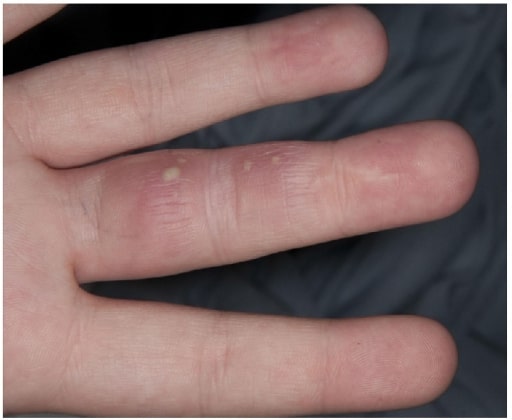
  • Panadizo herpético
    • Lesiones herpéticas en EN Erythema nodosum is an immune-mediated panniculitis (inflammation of the subcutaneous fat) caused by a type IV (delayed-type) hypersensitivity reaction. It commonly manifests in young women as tender, erythematous nodules on the shins. Erythema Nodosum el dedo o la mano
    • Más común en EN Erythema nodosum is an immune-mediated panniculitis (inflammation of the subcutaneous fat) caused by a type IV (delayed-type) hypersensitivity reaction. It commonly manifests in young women as tender, erythematous nodules on the shins. Erythema Nodosum:
      • Niños con lesiones orales activas por VHS que se chupan el dedo
      • Personal sanitario u otras personas que no usan guantes mientras alimentan a pacientes que no pueden alimentarse por sí mismos
      • Dentistas e higienistas dentales
  • Herpes del gladiador
    • Lesiones herpéticas en EN Erythema nodosum is an immune-mediated panniculitis (inflammation of the subcutaneous fat) caused by a type IV (delayed-type) hypersensitivity reaction. It commonly manifests in young women as tender, erythematous nodules on the shins. Erythema Nodosum el cuello/muñeca
    • Más común en EN Erythema nodosum is an immune-mediated panniculitis (inflammation of the subcutaneous fat) caused by a type IV (delayed-type) hypersensitivity reaction. It commonly manifests in young women as tender, erythematous nodules on the shins. Erythema Nodosum quienes participan en EN Erythema nodosum is an immune-mediated panniculitis (inflammation of the subcutaneous fat) caused by a type IV (delayed-type) hypersensitivity reaction. It commonly manifests in young women as tender, erythematous nodules on the shins. Erythema Nodosum deportes de contacto (por ejemplo, luchadores)

Diagnóstico

El diagnóstico de herpes genital debe confirmarse con pruebas de laboratorio. El aspecto clásico es el de múltiples vesículas claras llenas de líquido sobre una base eritematosa. Una pista diagnóstica es que las vesículas son dolorosas y tienden a agruparse en EN Erythema nodosum is an immune-mediated panniculitis (inflammation of the subcutaneous fat) caused by a type IV (delayed-type) hypersensitivity reaction. It commonly manifests in young women as tender, erythematous nodules on the shins. Erythema Nodosum pequeños grupos, aunque la presentación puede variar mucho.

Las posibilidades de pruebas de laboratorio incluyen:
  • Reacción en EN Erythema nodosum is an immune-mediated panniculitis (inflammation of the subcutaneous fat) caused by a type IV (delayed-type) hypersensitivity reaction. It commonly manifests in young women as tender, erythematous nodules on the shins. Erythema Nodosum cadena de la polimerasa ( PCR PCR Polymerase chain reaction (PCR) is a technique that amplifies DNA fragments exponentially for analysis. The process is highly specific, allowing for the targeting of specific genomic sequences, even with minuscule sample amounts. The PCR cycles multiple times through 3 phases: denaturation of the template DNA, annealing of a specific primer to the individual DNA strands, and synthesis/elongation of new DNA molecules. Polymerase Chain Reaction (PCR))
    • Se prefiere si hay lesiones activas; también puede detectar la excreción asintomática del VHS.
    • Tiene la mayor sensibilidad y especificidad.
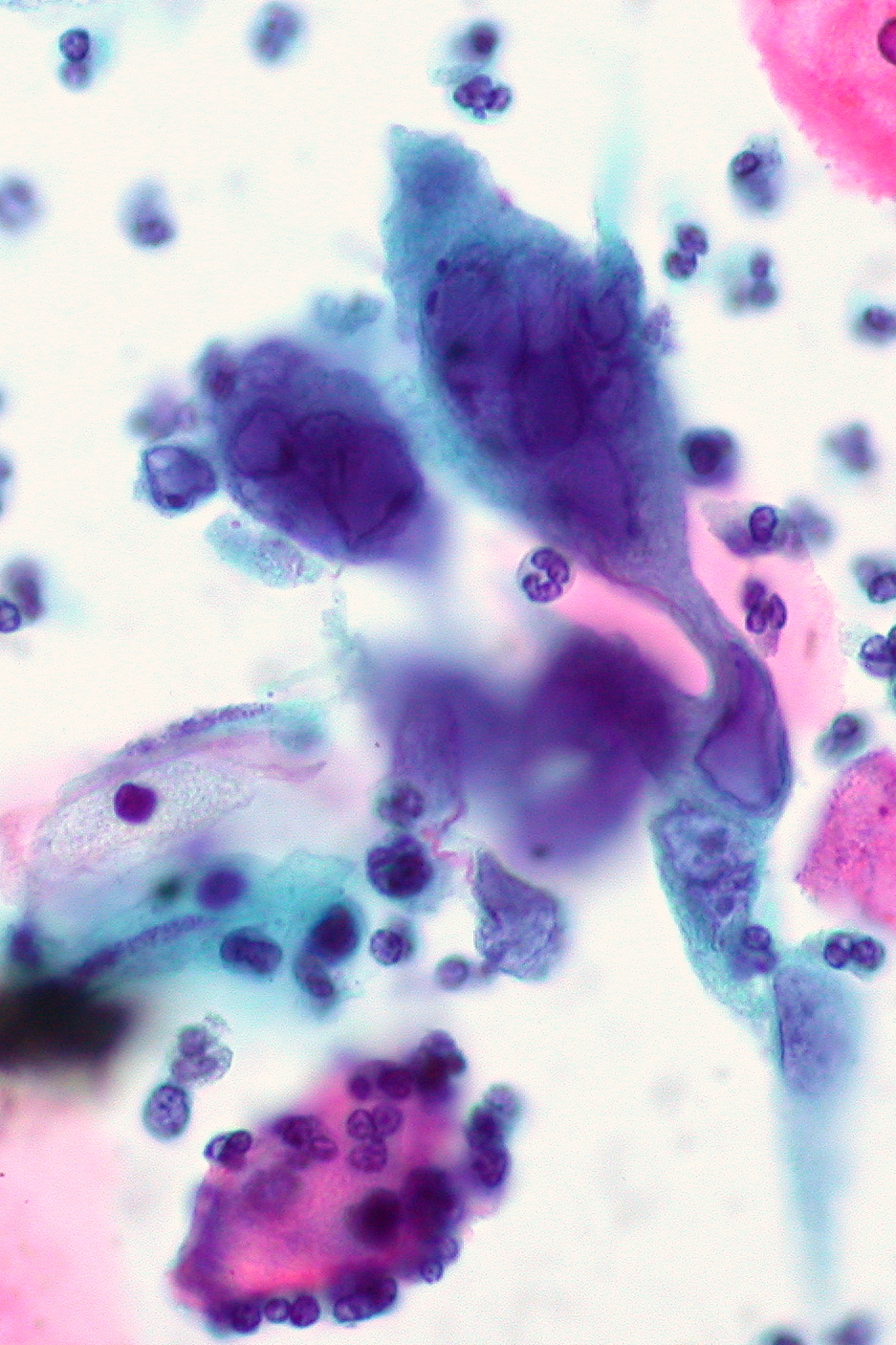
  • Microscopía directa: frotis de Tzanck
    • El líquido de las vesículas se dispone en EN Erythema nodosum is an immune-mediated panniculitis (inflammation of the subcutaneous fat) caused by a type IV (delayed-type) hypersensitivity reaction. It commonly manifests in young women as tender, erythematous nodules on the shins. Erythema Nodosum un portaobjetos y se tiñe con Giemsa.
    • Revela células gigantes multinucleadas, núcleos de vidrio esmerilado, moldeado nuclear y, posiblemente, inclusiones intranucleares eosinófilas (cuerpos de Cowdry tipo A).
  • Cultivo viral
    • Se prefiere si hay lesiones activas.
    • La lesión debe ser desobstruida y el líquido vesicular cultivado.
    • La sensibilidad es solo del 50 % aproximadamente; por lo tanto, la PCR PCR Polymerase chain reaction (PCR) is a technique that amplifies DNA fragments exponentially for analysis. The process is highly specific, allowing for the targeting of specific genomic sequences, even with minuscule sample amounts. The PCR cycles multiple times through 3 phases: denaturation of the template DNA, annealing of a specific primer to the individual DNA strands, and synthesis/elongation of new DNA molecules. Polymerase Chain Reaction (PCR) es la prueba diagnóstica de referencia.
  • Pruebas serológicas directas de anticuerpos fluorescentes o de tipo específico
    • Diferencia el VHS-1 y el VHS-2
    • Puede utilizarse para determinar la línea de base serológica para ayudar a determinar si una pareja sexual ha HA Hemolytic anemia (HA) is the term given to a large group of anemias that are caused by the premature destruction/hemolysis of circulating red blood cells (RBCs). Hemolysis can occur within (intravascular hemolysis) or outside the blood vessels (extravascular hemolysis). Hemolytic Anemia sido infectada, por ejemplo.

Tratamiento

Terapia antiviral Antiviral Antivirals for Hepatitis B

  • La terapia antiviral Antiviral Antivirals for Hepatitis B se utiliza para acortar la duración de los LOS Neisseria síntomas.
    • Debe iniciarse lo antes posible tras la aparición de la lesión
    • De primera línea:
      • Aciclovir oral (dosis TID)
      • Valaciclovir (dosis BID)
    • Para las cepas resistentes al AL Amyloidosis aciclovir: foscarnet Foscarnet An antiviral agent used in the treatment of cytomegalovirus retinitis. Foscarnet also shows activity against human herpesviruses and HIV. Antivirals for Herpes Virus
  • Para la afectación del sistema nervioso central (SNC) y la enfermedad sistémica: aciclovir IV
  • Para las infecciones recurrentes: Los LOS Neisseria pacientes pueden autoadministrarse la terapia antiviral Antiviral Antivirals for Hepatitis B oral para los LOS Neisseria brotes episódicos. Los LOS Neisseria pacientes deben iniciar el tratamiento cuando se presenten los LOS Neisseria síntomas prodrómicos (hormigueo, parestesias o prurito).
  • La terapia supresiva crónica puede ser necesaria para aquellos con brotes graves y frecuentes (> 6 brotes/año).

Tratamiento en EN Erythema nodosum is an immune-mediated panniculitis (inflammation of the subcutaneous fat) caused by a type IV (delayed-type) hypersensitivity reaction. It commonly manifests in young women as tender, erythematous nodules on the shins. Erythema Nodosum el embarazo

  • Las mujeres embarazadas que presenten lesiones por el VHS deben iniciar una terapia supresora antiviral Antiviral Antivirals for Hepatitis B diaria (aciclovir) a las 36 semanas de gestación.
  • Se recomienda el parto por cesárea si las lesiones están presentes durante el parto.
  • Disminuye pero no elimina el riesgo de infección neonatal por VHS.

Prevención

La prevención se lleva a cabo mediante la educación del paciente, el uso de dispositivos anticonceptivos de barrera y la terapia supresora crónica.

  • Promover la información a las parejas sexuales y el uso de dispositivos anticonceptivos de barrera: ¡El uso constante del preservativo puede disminuir la transmisión del VHS-2 hasta en EN Erythema nodosum is an immune-mediated panniculitis (inflammation of the subcutaneous fat) caused by a type IV (delayed-type) hypersensitivity reaction. It commonly manifests in young women as tender, erythematous nodules on the shins. Erythema Nodosum un 96%!
  • Recuerde que la terapia antiviral Antiviral Antivirals for Hepatitis B no erradica el virus Virus Viruses are infectious, obligate intracellular parasites composed of a nucleic acid core surrounded by a protein capsid. Viruses can be either naked (non-enveloped) or enveloped. The classification of viruses is complex and based on many factors, including type and structure of the nucleoid and capsid, the presence of an envelope, the replication cycle, and the host range. Virology latente.
    • Se espera una reaparición y probablemente será menos grave que el brote inicial.
    • La transmisión puede producirse durante los LOS Neisseria periodos asintomáticos debido a la excreción del virus Virus Viruses are infectious, obligate intracellular parasites composed of a nucleic acid core surrounded by a protein capsid. Viruses can be either naked (non-enveloped) or enveloped. The classification of viruses is complex and based on many factors, including type and structure of the nucleoid and capsid, the presence of an envelope, the replication cycle, and the host range. Virology.
    • Los LOS Neisseria pacientes deben permanecer en EN Erythema nodosum is an immune-mediated panniculitis (inflammation of the subcutaneous fat) caused by a type IV (delayed-type) hypersensitivity reaction. It commonly manifests in young women as tender, erythematous nodules on the shins. Erythema Nodosum abstinencia cuando se presenten lesiones o síntomas prodrómicos.

Complicaciones

  • Meningitis Meningitis Meningitis is inflammation of the meninges, the protective membranes of the brain, and spinal cord. The causes of meningitis are varied, with the most common being bacterial or viral infection. The classic presentation of meningitis is a triad of fever, altered mental status, and nuchal rigidity. Meningitis
    • Representa el 5% de todas las encefalitis víricas en EN Erythema nodosum is an immune-mediated panniculitis (inflammation of the subcutaneous fat) caused by a type IV (delayed-type) hypersensitivity reaction. It commonly manifests in young women as tender, erythematous nodules on the shins. Erythema Nodosum Estados Unidos.
    • La mayoría se debe al AL Amyloidosis VHS-2.
  • Encefalitis
    • El VHS causa entre el 10%–20% de todas las encefalitis víricas esporádicas en EN Erythema nodosum is an immune-mediated panniculitis (inflammation of the subcutaneous fat) caused by a type IV (delayed-type) hypersensitivity reaction. It commonly manifests in young women as tender, erythematous nodules on the shins. Erythema Nodosum Estados Unidos.
    • > 95% causada por el VHS-1
  • Herpes y encefalitis neonatales (pueden ser causados por el VHS-1 o el VHS-2)
  • En EN Erythema nodosum is an immune-mediated panniculitis (inflammation of the subcutaneous fat) caused by a type IV (delayed-type) hypersensitivity reaction. It commonly manifests in young women as tender, erythematous nodules on the shins. Erythema Nodosum pacientes inmunodeprimidos, el VHS puede causar:
    • Amplia afectación de la piel
    • Úlceras herpéticas crónicas
    • Daños generalizados en EN Erythema nodosum is an immune-mediated panniculitis (inflammation of the subcutaneous fat) caused by a type IV (delayed-type) hypersensitivity reaction. It commonly manifests in young women as tender, erythematous nodules on the shins. Erythema Nodosum las mucosas
    • Infecciones sistémicas con afectación del sistema nervioso central y periférico, del tracto gastrointestinal (GI) y del sistema ocular

Diagnóstico Diferencial

El diagnóstico diferencial del herpes genital incluye las siguientes afecciones:

  • Sífilis primaria:
    • Causada por la espiroqueta gram-negativa Treponema pallidum Treponema pallidum The causative agent of venereal and non-venereal syphilis as well as yaws. Treponema
    • Se presenta con ulceraciones induradas, indoloras y bien delimitadas
  • Chancroide:
    • Causado por el cocobacilo gram-negativo Haemophilus ducreyi Haemophilus ducreyi A species of Haemophilus that appears to be the pathogen or causative agent of the sexually transmitted disease, chancroid. Haemophilus
    • Se presenta como una úlcera profunda y purulenta con linfadenopatía dolorosa.
  • Granuloma inguinal:
    • Causada por Klebsiella Klebsiella Klebsiella are encapsulated gram-negative, lactose-fermenting bacilli. They form pink colonies on MacConkey agar due to lactose fermentation. The main virulence factor is a polysaccharide capsule. Klebsiella pneumoniae is the most important pathogenic species. Klebsiella granulomatis; no es común en EN Erythema nodosum is an immune-mediated panniculitis (inflammation of the subcutaneous fat) caused by a type IV (delayed-type) hypersensitivity reaction. It commonly manifests in young women as tender, erythematous nodules on the shins. Erythema Nodosum Estados Unidos.
    • Se presenta como una úlcera indolora, de color rojo carne, que sangra al AL Amyloidosis contacto.
  • Chlamydia trachomatis Chlamydia trachomatis Type species of Chlamydia causing a variety of ocular and urogenital diseases. Chlamydia serovares L1–3: los LOS Neisseria agentes causantes del linfogranuloma venéreo ( LGV LGV Subacute inflammation of the inguinal lymph glands caused by certain immunotypes of Chlamydia trachomatis. It is a sexually transmitted disease in the U.S. But is more widespread in developing countries. It is distinguished from granuloma venereum, which is caused by calymmatobacterium granulomatis. Chlamydial Infections)
  • Síndrome de Behcet:
    • Síndrome de vasculitis Vasculitis Inflammation of any one of the blood vessels, including the arteries; veins; and rest of the vasculature system in the body. Systemic Lupus Erythematosus poco frecuente
    • Presenta lesiones orales y genitales dolorosas que a menudo causan cicatrices, inflamación ocular, artritis, úlceras del tracto gastrointestinal y síntomas neurológicos.

Referencias

  1. Corey L. Herpes simplex virus infections. (2018). In Jameson JL, et al. (Ed.), Harrison’s principles of internal medicine (20th ed). Vol 1, pp 1345-1354. New York, NY: McGraw-Hill.
  2. Albrecht, MA. (2024). Epidemiology, clinical manifestations, and diagnosis of genital herpes simplex virus infection. UpToDate. Retrieved July 26, 2025, from https://www.uptodate.com/contents/epidemiology-clinical-manifestations-and-diagnosis-of-genital-herpes-simplex-virus-infection#H24
  3. Panwar, H., Joshi, D., Goel, G., Asati, D., Majumdar, K., & Kapoor, N. (2017). Diagnostic utility and pitfalls of Tzanck smear cytology in diagnosis of various cutaneous lesions. Journal of Cytology, 34(4), 179–182. https://doi.org/10.4103/JOC.JOC_88_16
  4. Kumar R. Understanding and managing acute encephalitis [version 1; peer review: 2 approved]. F1000Research 2020, 9(F1000 Faculty Rev):60 (https://doi.org/10.12688/f1000research.20634.1)
  5. Carbo EC, Buddingh EP, Karelioti Igor E, et al. (2020). Improved diagnosis of viral encephalitis in adult and pediatric hematological patients using viral metagenomics. Journal of Clinical Virology. https://reader.elsevier.com/reader/sd/pii/S1386653220303085?token=2F3AE335C3E1F12131389E6306C0494869186CE4D1725BC84168EF5678A93485D3AA79D7E9FA5DEED71B89D859F356FB

¡Crea tu cuenta gratis o inicia una sesión para seguir leyendo!

Regístrate ahora y obtén acceso gratuito a Lecturio con páginas de concepto, videos médicos y cuestionarios para tu educación médica.

User Reviews

Que tengas una sesión de estudio alegre y navideña 🎁 Ahorra 50% en todos los planes >>

Details