Domina Conceptos Médicos

Estudia para la escuela de medicina y tus examenes con Lecturio.

Enterobius/Enterobiasis

La enterobiasis Enterobiasis Enterobiasis is a helminth infection caused by Enterobius vermicularis, also known as a pinworm. This infection is typically seen in children and is transmitted through the fecal-oral route. The primary clinical feature is anal pruritus, but patients are often asymptomatic. Enterobius/Enterobiasis es una infección por helmintos causada por Enterobius vermicularis Enterobius Vermicularis Enterobius/Enterobiasis, también conocido como oxiuros. Esta infección se observa típicamente en EN Erythema nodosum is an immune-mediated panniculitis (inflammation of the subcutaneous fat) caused by a type IV (delayed-type) hypersensitivity reaction. It commonly manifests in young women as tender, erythematous nodules on the shins. Erythema Nodosum niños y se transmite por vía fecal-oral. La característica clínica principal es el prurito anal, pero los LOS Neisseria pacientes suelen ser asintomáticos. La visualización de los LOS Neisseria huevos o vermes en EN Erythema nodosum is an immune-mediated panniculitis (inflammation of the subcutaneous fat) caused by a type IV (delayed-type) hypersensitivity reaction. It commonly manifests in young women as tender, erythematous nodules on the shins. Erythema Nodosum la prueba de la cinta adhesiva suele ser necesaria para el diagnóstico. Para el tratamiento se utilizan medicamentos antihelmínticos. Para la prevención de la reinfección y de la transmisión se requiere un lavado de manos y corporal frecuente, así como el lavado de la ropa y las sábanas.

Last updated: Dec 15, 2025
Editorial responsibility: Stanley Oiseth, Lindsay Jones, Evelin Maza

Características Generales y Epidemiología

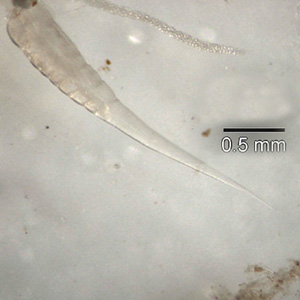
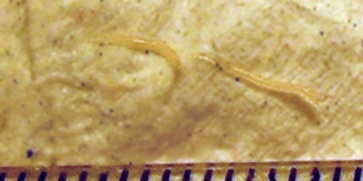
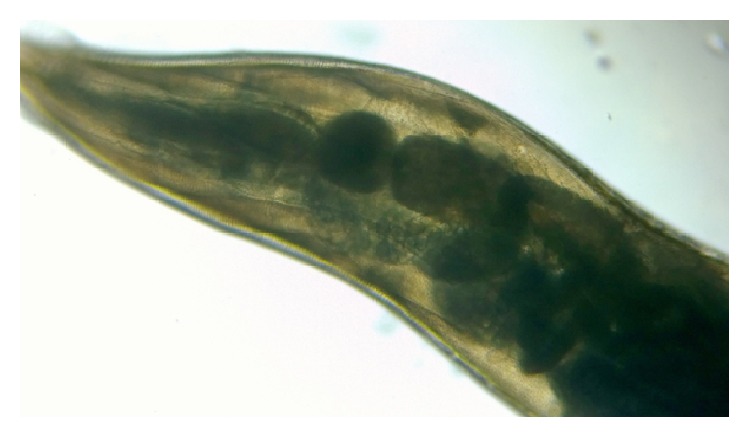
Características básicas de Enterobius Enterobius Enterobiasis is a helminth infection caused by Enterobius vermicularis, also known as a pinworm. This infection is typically seen in children and is transmitted through the fecal-oral route. The primary clinical feature is anal pruritus, but patients are often asymptomatic. Enterobius/Enterobiasis

  • Nemátodo
  • Apariencia:
    • Blanco
    • Esbelto
    • Cola puntiaguda, en EN Erythema nodosum is an immune-mediated panniculitis (inflammation of the subcutaneous fat) caused by a type IV (delayed-type) hypersensitivity reaction. It commonly manifests in young women as tender, erythematous nodules on the shins. Erythema Nodosum forma de alfiler en EN Erythema nodosum is an immune-mediated panniculitis (inflammation of the subcutaneous fat) caused by a type IV (delayed-type) hypersensitivity reaction. It commonly manifests in young women as tender, erythematous nodules on the shins. Erythema Nodosum las hembras
  • Tamaño:
    • Hembras: 8–13 mm de longitud
    • Machos: 2–5 mm de longitud
  • Huevos:
    • Alargados
    • Aplanados de 1 lado
    • Translúcidos

Especies clínicamente relevantes

Enterobius vermicularis Enterobius Vermicularis Enterobius/Enterobiasis, u oxiuros, causante de la enterobiasis Enterobiasis Enterobiasis is a helminth infection caused by Enterobius vermicularis, also known as a pinworm. This infection is typically seen in children and is transmitted through the fecal-oral route. The primary clinical feature is anal pruritus, but patients are often asymptomatic. Enterobius/Enterobiasis.

Epidemiología

La enterobiasis Enterobiasis Enterobiasis is a helminth infection caused by Enterobius vermicularis, also known as a pinworm. This infection is typically seen in children and is transmitted through the fecal-oral route. The primary clinical feature is anal pruritus, but patients are often asymptomatic. Enterobius/Enterobiasis es la infección por helmintos más común en EN Erythema nodosum is an immune-mediated panniculitis (inflammation of the subcutaneous fat) caused by a type IV (delayed-type) hypersensitivity reaction. It commonly manifests in young women as tender, erythematous nodules on the shins. Erythema Nodosum Estados Unidos y Europa Occidental.

  • Prevalencia:
    • Estados Unidos: 5%–15% de la población general (aproximadamente 40 millones de personas)
    • A nivel mundial: Entre 60 y 100 millones de infecciones anuales
  • Niños > adultos
    • Prevalencia en EN Erythema nodosum is an immune-mediated panniculitis (inflammation of the subcutaneous fat) caused by a type IV (delayed-type) hypersensitivity reaction. It commonly manifests in young women as tender, erythematous nodules on the shins. Erythema Nodosum niños de primaria: 34,7%
    • El 13% de los LOS Neisseria niños de todo el mundo han sido infectados por E. vermicularis
  • Hombres > mujeres

Patogénesis

Reservorio

Los LOS Neisseria humanos son los LOS Neisseria principales huéspedes de E. vermicularis.

Transmisión

  • Fecal-oral
  • Contacto con superficies y fómites contaminados

Factores de riesgo del huésped

  • Personas discapacitadas
  • Niños en EN Erythema nodosum is an immune-mediated panniculitis (inflammation of the subcutaneous fat) caused by a type IV (delayed-type) hypersensitivity reaction. It commonly manifests in young women as tender, erythematous nodules on the shins. Erythema Nodosum edad escolar
  • Prisioneros
  • Personal sanitario, escolar y penitenciario

Ciclo de vida

Todo el ciclo de vida de E. vermicularis tiene lugar en EN Erythema nodosum is an immune-mediated panniculitis (inflammation of the subcutaneous fat) caused by a type IV (delayed-type) hypersensitivity reaction. It commonly manifests in young women as tender, erythematous nodules on the shins. Erythema Nodosum el tracto gastrointestinal humano y dura de 2-8 semanas.
  • Ingestión de los LOS Neisseria huevos → eclosión y liberación de larvas en EN Erythema nodosum is an immune-mediated panniculitis (inflammation of the subcutaneous fat) caused by a type IV (delayed-type) hypersensitivity reaction. It commonly manifests in young women as tender, erythematous nodules on the shins. Erythema Nodosum la 1ra parte del intestino delgado (duodeno)
  • Los LOS Neisseria vermes adultos residen en EN Erythema nodosum is an immune-mediated panniculitis (inflammation of the subcutaneous fat) caused by a type IV (delayed-type) hypersensitivity reaction. It commonly manifests in young women as tender, erythematous nodules on the shins. Erythema Nodosum el ciego, el apéndice y el colon Colon The large intestines constitute the last portion of the digestive system. The large intestine consists of the cecum, appendix, colon (with ascending, transverse, descending, and sigmoid segments), rectum, and anal canal. The primary function of the colon is to remove water and compact the stool prior to expulsion from the body via the rectum and anal canal. Colon, Cecum, and Appendix: Anatomy ascendente.
  • Los LOS Neisseria vermes hembras migran por el recto (generalmente por la noche) → depositan los LOS Neisseria huevos en EN Erythema nodosum is an immune-mediated panniculitis (inflammation of the subcutaneous fat) caused by a type IV (delayed-type) hypersensitivity reaction. It commonly manifests in young women as tender, erythematous nodules on the shins. Erythema Nodosum la piel perianal
  • Reacción inflamatoria a los LOS Neisseria vermes y huevos en EN Erythema nodosum is an immune-mediated panniculitis (inflammation of the subcutaneous fat) caused by a type IV (delayed-type) hypersensitivity reaction. It commonly manifests in young women as tender, erythematous nodules on the shins. Erythema Nodosum la piel → prurito intenso
  • La autoinfección se produce cuando los LOS Neisseria pacientes se transfieren los LOS Neisseria huevos a la boca con las manos contaminadas tras el rascado de la región afectada.
  • La contaminación ambiental también puede producirse a través del consumo de alimentos contaminados o del contacto con superficies contaminadas con los LOS Neisseria huevos.

Presentación Clínica

  • La enterobiasis Enterobiasis Enterobiasis is a helminth infection caused by Enterobius vermicularis, also known as a pinworm. This infection is typically seen in children and is transmitted through the fecal-oral route. The primary clinical feature is anal pruritus, but patients are often asymptomatic. Enterobius/Enterobiasis suele ser asintomática.
  • Presentación más común: prurito perianal ( pruritus Pruritus An intense itching sensation that produces the urge to rub or scratch the skin to obtain relief. Atopic Dermatitis (Eczema) ani)
    • Más severo por la noche
    • La excoriación por el rascado puede dar lugar a infecciones bacterianas secundarias.
  • Síntomas poco frecuentes indicativos de una alta carga de vermes:
  • Manifestaciones extraintestinales poco frecuentes:
    • Vulvovaginitis Vulvovaginitis The term vulvovaginitis is used to describe an acute inflammation of the vulva and vagina. Vulvovaginitis can be caused by several infectious and non-infectious etiologies, and results from disruption of the normal vaginal environment. Common signs and symptoms include pain, pruritus, erythema, edema, vaginal discharge and dyspareunia. Vulvovaginitis
    • Salpingitis
    • Ooforitis
    • Granuloma cervical
    • Inflamación peritoneal

Diagnóstico y Tratamiento

Diagnóstico

  • Inspección visual de los LOS Neisseria vermes móviles:
    • Cerca del ano
    • En EN Erythema nodosum is an immune-mediated panniculitis (inflammation of the subcutaneous fat) caused by a type IV (delayed-type) hypersensitivity reaction. It commonly manifests in young women as tender, erythematous nodules on the shins. Erythema Nodosum la ropa o en EN Erythema nodosum is an immune-mediated panniculitis (inflammation of the subcutaneous fat) caused by a type IV (delayed-type) hypersensitivity reaction. It commonly manifests in young women as tender, erythematous nodules on the shins. Erythema Nodosum las sábanas
  • Prueba de la cinta de celofán (a menudo llamada “prueba de la cinta adhesiva”):
    • Aplicar un material similar a una cinta adhesiva en EN Erythema nodosum is an immune-mediated panniculitis (inflammation of the subcutaneous fat) caused by a type IV (delayed-type) hypersensitivity reaction. It commonly manifests in young women as tender, erythematous nodules on the shins. Erythema Nodosum la región perianal.
    • Los LOS Neisseria huevos se acumulan en EN Erythema nodosum is an immune-mediated panniculitis (inflammation of the subcutaneous fat) caused by a type IV (delayed-type) hypersensitivity reaction. It commonly manifests in young women as tender, erythematous nodules on the shins. Erythema Nodosum la superficie adhesiva.
    • El examen de la cinta al AL Amyloidosis microscopio puede mostrar huevos o vermes.
    • La prueba tiene mejor rendimiento si la muestra se obtiene por la noche o a primera hora de la mañana
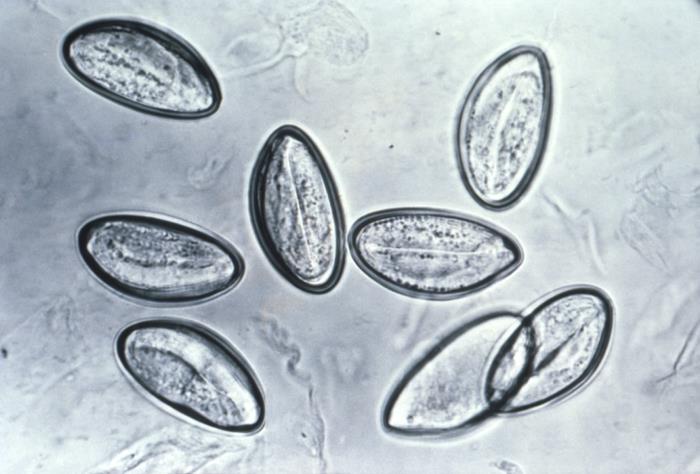
Microfotografía de Huevos de Enterobius vermicularis, Enterobiasis

Microfotografía de 8 huevos de Enterobius vermicularis en una cinta de celofán

Imagen: “Photomicrograph depicts eight eggs of the human pinworm, Enterobius vermicularis” por CDC. Licencia: Dominio Público

Tratamiento

Terapia médica:

  • Medicamentos antihelmínticos:
    • Mebendazol
    • Pamoato de pirantel
    • Albendazol
  • Los LOS Neisseria miembros de la familia y los LOS Neisseria compañeros del paciente deben ser tratados (debido a la alta tasa de transmisión).

Medidas para reducir la reinfección y la propagación:

  • Lavar la ropa y las sábanas del paciente
  • Lavarse las manos y bañarse con frecuencia
  • Cortarse las uñas.

Comparación de Helmintos Similares

Tabla: Comparación de helmintos similares y sus enfermedades asociadas
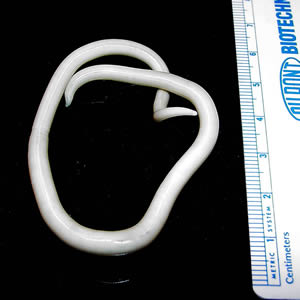
Organismo Enterobius vermicularis Enterobius Vermicularis Enterobius/Enterobiasis Toxocara canis Toxocara canis A species of parasitic nematode found in the intestine of dogs. Lesions in the brain, liver, eye, kidney, and lung are caused by migrating larvae. In humans, these larvae do not follow normal patterns and may produce visceral larva migrans (larva migrans, visceral). Toxocariasis Ascaris Ascaris Ascaris is a genus of parasitic nematodes. The infection, ascariasis, is most often caused by A. lumbricoides. Transmission occurs primarily via ingestion of water or food contaminated with Ascaris eggs. Most patients with ascariasis are asymptomatic. Ascaris/Ascariasis lumbricoides Strongyloides stercoralis Strongyloides stercoralis A species of parasitic nematode widely distributed in tropical and subtropical countries. The females and their larvae inhabit the mucosa of the intestinal tract, where they cause ulceration and diarrhea. Strongyloidiasis Schistosoma Schistosoma Schistosomiasis is an infection caused by Schistosoma, a trematode. Schistosomiasis occurs in developing countries with poor sanitation. Freshwater snails are the intermediate host and are transmitted to humans through skin contact with contaminated fresh water. The clinical presentation occurs as a result of the host’s immune response to antigens from the eggs. Schistosoma/Schistosomiasis mansoni
Características Nemátodo Nemátodo Nemátodo Nemátodo Trematodos
Reservorio Humanos Perros Humanos
  • Humanos
  • Perros
  • Gatos
Humanos
Transmisión Fecal-oral Fecal-oral Fecal-oral Contacto de la piel con suelo contaminado Contacto de la piel con agua contaminada
Cuadro clínico
  • Larva migrans visceral
  • Larva migrans ocular
  • Tos TOS Thoracic outlet syndrome (TOS) is a broad term used for a spectrum of syndromes related to the general region of the thoracic outlet, which involves the compression or irritation of elements of the brachial plexus, subclavian artery, or subclavian vein. Thoracic Outlet Syndrome
  • Sibilancias
  • Hemoptisis
  • Cólicos abdominales
  • Náuseas
  • Desnutrición
  • Tos TOS Thoracic outlet syndrome (TOS) is a broad term used for a spectrum of syndromes related to the general region of the thoracic outlet, which involves the compression or irritation of elements of the brachial plexus, subclavian artery, or subclavian vein. Thoracic Outlet Syndrome
  • Sibilancias
  • Dolor Dolor Inflammation abdominal
  • Diarrea
  • Erupción
  • Prurito del nadador
  • Fiebre de Katayama
  • Las infecciones crónicas conducen a la formación de granulomas Granulomas A relatively small nodular inflammatory lesion containing grouped mononuclear phagocytes, caused by infectious and noninfectious agents. Sarcoidosis, que causan enfermedad cerebral, pulmonar, intestinal y hepática.
Diagnóstico
  • Clínico
  • Prueba de la cinta de celofán
  • Serología
  • Biopsia
Análisis de heces
  • Análisis de heces
  • Serología
  • Análisis de heces
  • Serología
Tratamiento
  • Albendazol
  • Mebendazol
  • Pamoato de pirantel
  • Albendazol
  • Mebendazol
  • Albendazol
  • Mebendazol
  • Ivermectina
  • Albendazol
Praziquantel Praziquantel An anthelmintic used in most schistosome and many cestode infestations. Anthelmintic Drugs
Prevención Buena higiene
  • Buena higiene
  • Desparasitación de los LOS Neisseria perros.
  • Eliminación adecuada de las heces de los LOS Neisseria perros
  • Buena higiene
  • Limpiar frutas y verduras crudas antes de consumirlas.
  • Utilizar zapatos y ropa protectora.
  • Mejorar el saneamiento.
  • Evitar nadar o bañarse en EN Erythema nodosum is an immune-mediated panniculitis (inflammation of the subcutaneous fat) caused by a type IV (delayed-type) hypersensitivity reaction. It commonly manifests in young women as tender, erythematous nodules on the shins. Erythema Nodosum agua contaminada.
  • Beber agua hervida o embotellada.
  • Mejorar el saneamiento.

Diagnóstico Diferencial

  • Proctitis Proctitis Inflammation of the mucous membrane of the rectum, the distal end of the large intestine. Chronic Granulomatous Disease: inflamación de la mucosa rectal que puede ser causada por una enfermedad inflamatoria intestinal, organismos infecciosos (e.g., Salmonella Salmonella Salmonellae are gram-negative bacilli of the family Enterobacteriaceae. Salmonellae are flagellated, non-lactose-fermenting, and hydrogen sulfide-producing microbes. Salmonella enterica, the most common disease-causing species in humans, is further classified based on serotype as typhoidal (S. typhi and paratyphi) and nontyphoidal (S. enteritidis and typhimurium). Salmonella, Shigella Shigella Shigella is a genus of gram-negative, non-lactose-fermenting facultative intracellular bacilli. Infection spreads most commonly via person-to-person contact or through contaminated food and water. Humans are the only known reservoir. Shigella), radiación e isquemia: Los LOS Neisseria síntomas incluyen dolor Dolor Inflammation, tenesmo, prurito y hemorragia. El diagnóstico depende del examen físico, la proctoscopia o la colonoscopia, los LOS Neisseria cultivos y la biopsia. El tratamiento depende de la etiología y puede incluir antibióticos y esteroides.
  • Psoriasis Psoriasis Psoriasis is a common T-cell-mediated inflammatory skin condition. The etiology is unknown, but is thought to be due to genetic inheritance and environmental triggers. There are 4 major subtypes, with the most common form being chronic plaque psoriasis. Psoriasis: enfermedad inflamatoria crónica de la piel: La psoriasis Psoriasis Psoriasis is a common T-cell-mediated inflammatory skin condition. The etiology is unknown, but is thought to be due to genetic inheritance and environmental triggers. There are 4 major subtypes, with the most common form being chronic plaque psoriasis. Psoriasis inversa provoca placas simétricas, lisas, brillantes y eritematosas en EN Erythema nodosum is an immune-mediated panniculitis (inflammation of the subcutaneous fat) caused by a type IV (delayed-type) hypersensitivity reaction. It commonly manifests in young women as tender, erythematous nodules on the shins. Erythema Nodosum zonas intertriginosas, incluida la región interglútea. Los LOS Neisseria pacientes pueden experimentar prurito, especialmente por la noche. El diagnóstico es clínico y no se observarían huevos en EN Erythema nodosum is an immune-mediated panniculitis (inflammation of the subcutaneous fat) caused by a type IV (delayed-type) hypersensitivity reaction. It commonly manifests in young women as tender, erythematous nodules on the shins. Erythema Nodosum la prueba con cinta de celofán. El tratamiento puede incluir esteroides tópicos, inhibidores de la calcineurina, análogos de la vitamina D y emolientes. En EN Erythema nodosum is an immune-mediated panniculitis (inflammation of the subcutaneous fat) caused by a type IV (delayed-type) hypersensitivity reaction. It commonly manifests in young women as tender, erythematous nodules on the shins. Erythema Nodosum los LOS Neisseria casos graves pueden utilizarse medicamentos antirreumáticos modificadores de la enfermedad y productos biológicos.
  • Dermatitis Dermatitis Any inflammation of the skin. Atopic Dermatitis (Eczema) atópica: enfermedad inflamatoria crónica de la piel, generalmente debida a una combinación genética, disfunción inmunológica y factores ambientales: Los LOS Neisseria pacientes tendrán prurito y lesiones eritematosas en EN Erythema nodosum is an immune-mediated panniculitis (inflammation of the subcutaneous fat) caused by a type IV (delayed-type) hypersensitivity reaction. It commonly manifests in young women as tender, erythematous nodules on the shins. Erythema Nodosum las superficies de flexión, pero raramente puede ocurrir en EN Erythema nodosum is an immune-mediated panniculitis (inflammation of the subcutaneous fat) caused by a type IV (delayed-type) hypersensitivity reaction. It commonly manifests in young women as tender, erythematous nodules on the shins. Erythema Nodosum la región glútea. El diagnóstico se basa en EN Erythema nodosum is an immune-mediated panniculitis (inflammation of the subcutaneous fat) caused by a type IV (delayed-type) hypersensitivity reaction. It commonly manifests in young women as tender, erythematous nodules on the shins. Erythema Nodosum los LOS Neisseria antecedentes y el examen físico, la prueba de la cinta de celofán será negativa para los LOS Neisseria huevos. El tratamiento incluye evitar los LOS Neisseria factores desencadenantes, las cremas hidratantes y los LOS Neisseria esteroides tópicos.
  • Hemorroides internas: dilatación de los LOS Neisseria vasos del plexo hemorroidal en EN Erythema nodosum is an immune-mediated panniculitis (inflammation of the subcutaneous fat) caused by a type IV (delayed-type) hypersensitivity reaction. It commonly manifests in young women as tender, erythematous nodules on the shins. Erythema Nodosum el canal anal, comúnmente causados por el estreñimiento: Las hemorroides internas son indoloras, pero puede haber prurito en EN Erythema nodosum is an immune-mediated panniculitis (inflammation of the subcutaneous fat) caused by a type IV (delayed-type) hypersensitivity reaction. It commonly manifests in young women as tender, erythematous nodules on the shins. Erythema Nodosum las hemorroides prolapsadas. La visualización de las hemorroides en EN Erythema nodosum is an immune-mediated panniculitis (inflammation of the subcutaneous fat) caused by a type IV (delayed-type) hypersensitivity reaction. It commonly manifests in young women as tender, erythematous nodules on the shins. Erythema Nodosum el examen físico proporcionará el diagnóstico. El tratamiento incluye ablandadores de heces, hidrocortisona tópica y baños de asiento. Otras opciones de tratamiento son la ligadura con banda elástica y la extirpación quirúrgica.
  • Absceso perianal y perirrectal: colecciones de pus cerca de los LOS Neisseria tejidos perirrectales: Estas infecciones se originan por la obstrucción de las glándulas de la cripta anal. Los LOS Neisseria pacientes presentan un fuerte dolor Dolor Inflammation en EN Erythema nodosum is an immune-mediated panniculitis (inflammation of the subcutaneous fat) caused by a type IV (delayed-type) hypersensitivity reaction. It commonly manifests in young women as tender, erythematous nodules on the shins. Erythema Nodosum la zona anal o rectal. El prurito es menos frecuente. El hallazgo de una masa sensible y fluctuante en EN Erythema nodosum is an immune-mediated panniculitis (inflammation of the subcutaneous fat) caused by a type IV (delayed-type) hypersensitivity reaction. It commonly manifests in young women as tender, erythematous nodules on the shins. Erythema Nodosum el examen físico puede proporcionar el diagnóstico. El tratamiento requiere una rápida incisión quirúrgica y drenaje, que puede ir seguido de un curso de antibióticos en EN Erythema nodosum is an immune-mediated panniculitis (inflammation of the subcutaneous fat) caused by a type IV (delayed-type) hypersensitivity reaction. It commonly manifests in young women as tender, erythematous nodules on the shins. Erythema Nodosum algunos casos.
  • Enfermedad inflamatoria intestinal: incluye la enfermedad de Crohn y la colitis Colitis Inflammation of the colon section of the large intestine, usually with symptoms such as diarrhea (often with blood and mucus), abdominal pain, and fever. Pseudomembranous Colitis ulcerosa que se caracterizan por la inflamación crónica del tracto gastrointestinal debido a una respuesta inmunitaria celular en EN Erythema nodosum is an immune-mediated panniculitis (inflammation of the subcutaneous fat) caused by a type IV (delayed-type) hypersensitivity reaction. It commonly manifests in young women as tender, erythematous nodules on the shins. Erythema Nodosum la mucosa gastrointestinal: los LOS Neisseria síntomas incluyen diarrea, dolor Dolor Inflammation abdominal, pérdida de peso y manifestaciones extraintestinales. El diagnóstico incluye imagenología, endoscopia y biopsia. El tratamiento incluye esteroides, aminosalicilatos, inmunomoduladores y agentes biológicos.

Referencias

  1. Ramezani MA, Dehghani MR. (2007). Relationship between Enterobius vermicularis and the incidence of acute appendicitis. Southeast Asian J Trop Med Public Health. https://reference.medscape.com/medline/abstract/17539241
  2. Cho, S. Y., & Kang, S. Y. (1975). Significance of Scotch-tape anal swab technique in diagnosis of Enterobius vermicularis infection. Kisaengchunghak Chapchi, 13(2), 102–114. https://doi.org/10.3347/kjp.1975.13.2.102
  3. Bøås H, Tapia G, Sødahl JA, Rasmussen T, Rønningen KS. (2012). Enterobius vermicularis and risk factors in healthy Norwegian children. Pediatr Infect Dis J. https://reference.medscape.com/medline/abstract/22531241
  4. Centers for Disease Control and prevention. Parasitic Diseases Information. Retrieved January 31, 2025, from https://www.cdc.gov/pinworm/about/?CDC_AAref_Val=https://www.cdc.gov/parasites/pinworm/index.html
  5. Rawla P, Sharma S. (2023). Enterobius vermicularis. [online] StatPearls. Retrieved January 31, 2025, from https://www.ncbi.nlm.nih.gov/books/NBK536974/
  6. Pearson RD. (2025). Pinworm infestation. MSD Manual Professional Version. Retrieved January 31, 2025, from https://www.msdmanuals.com/professional/infectious-diseases/nematodes-roundworms/pinworm-infestation
  7. Wolfram W, Afuwape LO, Indra S. (2024). Enterobiasis. In Steele, R.W. (Ed.), Medscape. Retrieved January 31, 2025, from https://emedicine.medscape.com/article/997814-overview
  8. Leder K, Weller PF. (2025). Enterobiasis (pinworm) and trichuriasis (whipworm). In Baron, E.L. (Ed.), UpToDate. Retrieved January 31, 2025, from https://www.uptodate.com/contents/enterobiasis-pinworm-and-trichuriasis-whipworm
  9. Kia Lashaki, E., Mizani, A., Hosseini, S. A., Habibi, B., Taherkhani, K., Javadi, A., Taremiha, A., & Dodangeh, S. (2023). Global prevalence of enterobiasis in young children over the past 20 years: A systematic review and meta-analysis. Osong Public Health and Research Perspectives, 14(6), 441–450. https://doi.org/10.24171/j.phrp.2023.0204

¡Crea tu cuenta gratis o inicia una sesión para seguir leyendo!

Regístrate ahora y obtén acceso gratuito a Lecturio con páginas de concepto, videos médicos y cuestionarios para tu educación médica.

User Reviews

Que tengas una sesión de estudio alegre y navideña 🎁 Ahorra 50% en todos los planes >>

Details