Domina Conceptos Médicos

Estudia para la escuela de medicina y tus examenes con Lecturio.

Embolia No Trombótica

Un émbolo es un material sólido, líquido o gaseoso intravascular que es transportado por la sangre a un sitio distante de su punto de origen. Las embolias de todo tipo justifican una atención médica inmediata. La mayoría de los LOS Neisseria émbolos se desprenden de un trombo, formando un tromboembolismo. Otros tipos de émbolos no trombóticos menos comunes son el colesterol, la grasa, el aire, el líquido amniótico y los LOS Neisseria émbolos tumorales. La causa del émbolo depende del tipo, al AL Amyloidosis igual que la presentación clínica, el diagnóstico y el manejo de cada condición embólica. Debido a sus efectos en EN Erythema nodosum is an immune-mediated panniculitis (inflammation of the subcutaneous fat) caused by a type IV (delayed-type) hypersensitivity reaction. It commonly manifests in young women as tender, erythematous nodules on the shins. Erythema Nodosum la circulación, todos los LOS Neisseria émbolos tienen el potencial de provocar falla orgánica y la muerte.

Last updated: Dec 15, 2025

Editorial responsibility: Stanley Oiseth, Lindsay Jones, Evelin Maza

Embolia de Colesterol

Descripción general

  • También conocida como ateroembolismo o embolia de cristales de colesterol
  • Se produce cuando los LOS Neisseria cristales de colesterol dentro de una placa aterosclerótica se desprenden y embolizan
  • Los LOS Neisseria cristales de colesterol tienden a:
    • Desprenderse de las arterias proximales de gran calibre
    • Desplazarse a muchas más arterias distales, pequeñas y medianas → daño simultáneo a múltiples órganos diana

Epidemiología y etiología

  • Incidencia: desconocida (muchos casos no reconocidos)
  • Características típicas de los LOS Neisseria pacientes:
    • Edad: > 50 años
    • Género: mayor prevalencia en EN Erythema nodosum is an immune-mediated panniculitis (inflammation of the subcutaneous fat) caused by a type IV (delayed-type) hypersensitivity reaction. It commonly manifests in young women as tender, erythematous nodules on the shins. Erythema Nodosum hombres que en EN Erythema nodosum is an immune-mediated panniculitis (inflammation of the subcutaneous fat) caused by a type IV (delayed-type) hypersensitivity reaction. It commonly manifests in young women as tender, erythematous nodules on the shins. Erythema Nodosum mujeres
    • Antecedentes médicos: enfermedad aterosclerótica
  • Etiología:
    • Iatrogenia tras un procedimiento vascular invasivo (75%):
      • Angiografía
      • Cateterismo cardíaco
      • Injerto endovascular
    • Espontáneo (25%)
  • Factores de riesgo (similares a los LOS Neisseria asociados a la aterosclerosis):
    • Hipercolesterolemia
    • Hipertensión
    • Diabetes Diabetes Diabetes mellitus (DM) is a metabolic disease characterized by hyperglycemia and dysfunction of the regulation of glucose metabolism by insulin. Type 1 DM is diagnosed mostly in children and young adults as the result of autoimmune destruction of β cells in the pancreas and the resulting lack of insulin. Type 2 DM has a significant association with obesity and is characterized by insulin resistance. Diabetes Mellitus mellitus
    • Obesidad
    • Tabaquismo
    • Aneurismas aórticos abdominales
  • Peor enfermedad aterosclerótica → mayor riesgo de embolización del colesterol

Fisiopatología

  • Los cristales de colesterol dentro de una placa aterosclerótica rota se embolizan → “lluvia” de detritos en EN Erythema nodosum is an immune-mediated panniculitis (inflammation of the subcutaneous fat) caused by a type IV (delayed-type) hypersensitivity reaction. It commonly manifests in young women as tender, erythematous nodules on the shins. Erythema Nodosum la circulación → múltiples émbolos → se alojan en EN Erythema nodosum is an immune-mediated panniculitis (inflammation of the subcutaneous fat) caused by a type IV (delayed-type) hypersensitivity reaction. It commonly manifests in young women as tender, erythematous nodules on the shins. Erythema Nodosum las arteriolas
  • Da lugar a oclusiones múltiples que afectan a varios órganos

Presentación clínica

La presentación clásica incluye hallazgos cutáneos, dolor Dolor Inflammation abdominal e insuficiencia renal progresiva tras un procedimiento vascular. Los LOS Neisseria síntomas neurológicos y oculares también son comunes si los LOS Neisseria émbolos se desplazan superiormente.
  • Los LOS Neisseria síntomas varían y dependen de varios factores:
    • Ubicación del origen embólico:
    • Extensión de la embolización
    • Oclusión parcial versus completa de los LOS Neisseria vasos afectados
    • Presencia o ausencia de enfermedad vascular preexistente en EN Erythema nodosum is an immune-mediated panniculitis (inflammation of the subcutaneous fat) caused by a type IV (delayed-type) hypersensitivity reaction. It commonly manifests in young women as tender, erythematous nodules on the shins. Erythema Nodosum la zona afectada
  • Presentaciones dermatológicas comunes:
    • Cianosis
    • Úlceras
    • Púrpura
    • Petequias
    • Nódulos eritematosos firmes y dolorosos
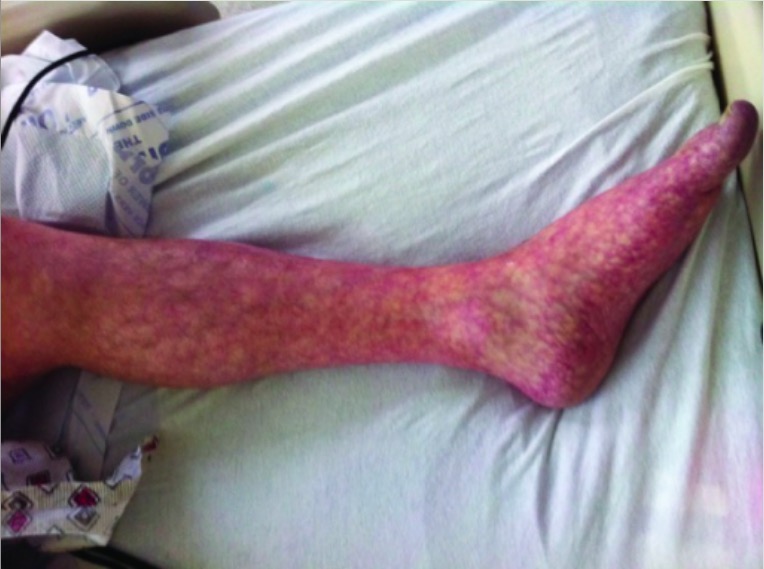
    • Livedo reticularis Livedo reticularis A condition characterized by a reticular or fishnet pattern on the skin of lower extremities and other parts of the body. This red and blue pattern is due to deoxygenated blood in unstable dermal blood vessels. The condition is intensified by cold exposure and relieved by rewarming. Chronic Kidney Disease: coloración reticular violácea de la piel que palidece con la presión
    • Síndrome del dedo azul: una púrpura retiforme, coloración azul de los LOS Neisseria dedos del pie
  • Presentaciones renales:
    • IRA:
      • La causa más común es la isquemia del parénquima distal
      • Los LOS Neisseria émbolos de forma irregular producen una oclusión incompleta → atrofia isquémica secundaria
      • Disfunción renal progresiva
      • Ocurre semanas después del posible evento incitante
      • Sedimento blando
      • El dolor Dolor Inflammation de costado y la hematuria Hematuria Presence of blood in the urine. Renal Cell Carcinoma son infrecuentes con los LOS Neisseria émbolos de colesterol (pero comunes con los LOS Neisseria tromboémbolos que causan infarto renal agudo)
    • Rabdomiólisis:
      • Orina de color rojo-marrón (debido a la mioglobinuria)
      • Anomalías electrolíticas
      • ↑ Creatincinasa
  • Presentaciones gastrointestinales:
    • Síntomas generales:
    • Isquemia gastrointestinal
    • Pancreatitis Pancreatitis Inflammation of the pancreas. Pancreatitis is classified as acute unless there are computed tomographic or endoscopic retrograde cholangiopancreatographic findings of chronic pancreatitis. The two most common forms of acute pancreatitis are alcoholic pancreatitis and gallstone pancreatitis. Acute Pancreatitis aguda
    • Necrosis Necrosis The death of cells in an organ or tissue due to disease, injury or failure of the blood supply. Ischemic Cell Damage de las células hepáticas
    • Colecistitis necrotizante
  • Presentaciones neurológicas:
    • Síntomas generales:
      • Cefalea
      • Mareo
      • Parálisis
      • Confusión
    • Ataque isquémico transitorio
    • Accidente cerebrovascular
  • Presentaciones oculares:
    • Amaurosis fugaz: pérdida aguda y temporal de la visión debido a la falta de flujo sanguíneo en EN Erythema nodosum is an immune-mediated panniculitis (inflammation of the subcutaneous fat) caused by a type IV (delayed-type) hypersensitivity reaction. It commonly manifests in young women as tender, erythematous nodules on the shins. Erythema Nodosum el ojo
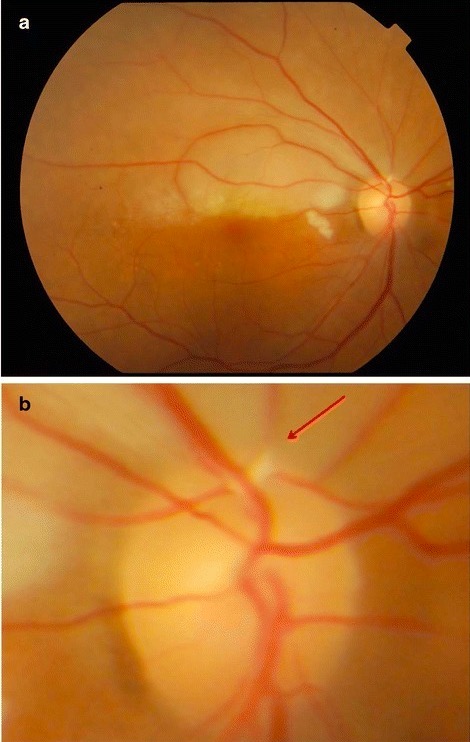
    • Placa de Hollenhorst en EN Erythema nodosum is an immune-mediated panniculitis (inflammation of the subcutaneous fat) caused by a type IV (delayed-type) hypersensitivity reaction. It commonly manifests in young women as tender, erythematous nodules on the shins. Erythema Nodosum la oftalmoscopia: lesiones brillantes y refractarias en EN Erythema nodosum is an immune-mediated panniculitis (inflammation of the subcutaneous fat) caused by a type IV (delayed-type) hypersensitivity reaction. It commonly manifests in young women as tender, erythematous nodules on the shins. Erythema Nodosum la retina Retina The ten-layered nervous tissue membrane of the eye. It is continuous with the optic nerve and receives images of external objects and transmits visual impulses to the brain. Its outer surface is in contact with the choroid and the inner surface with the vitreous body. The outermost layer is pigmented, whereas the inner nine layers are transparent. Eye: Anatomy que indican una embolización de cristales de colesterol desde un origen proximal (e.g., arteria carótida)
    • Dolor Dolor Inflammation ocular
    • Visión borrosa

Diagnóstico

El diagnóstico suele ser clínico. El diagnóstico definitivo requiere una biopsia.
  • Pruebas de laboratorio: generalmente inespecíficas
    • Hemograma: ↑ eosinófilos, ↓ eritrocitos, ↓ plaquetas
    • Marcadores inflamatorios: ↑ PCR PCR Polymerase chain reaction (PCR) is a technique that amplifies DNA fragments exponentially for analysis. The process is highly specific, allowing for the targeting of specific genomic sequences, even with minuscule sample amounts. The PCR cycles multiple times through 3 phases: denaturation of the template DNA, annealing of a specific primer to the individual DNA strands, and synthesis/elongation of new DNA molecules. Polymerase Chain Reaction (PCR), ↑ VES
    • Las pruebas específicas de órganos pueden ser anormales si el órgano está afectado:
      • ↑ Creatinina/BUN (riñones)
      • ↑ Amilasa (páncreas)
      • ↑ Transaminasas (hígado)
  • Imagenología:
    • Útil para evaluar la extensión de la enfermedad aterosclerótica
    • Rara vez es útil para identificar la placa índice
    • La identificación de múltiples placas complejas o múltiples accidentes cerebrovasculares isquémicos ayuda al AL Amyloidosis diagnóstico presuntivo.
    • Modalidades:
      • Ecocardiografía transesofágica: abordaje de 1ra línea para origen en EN Erythema nodosum is an immune-mediated panniculitis (inflammation of the subcutaneous fat) caused by a type IV (delayed-type) hypersensitivity reaction. It commonly manifests in young women as tender, erythematous nodules on the shins. Erythema Nodosum aorta Aorta The main trunk of the systemic arteries. Mediastinum and Great Vessels: Anatomy torácica
      • TC de tórax
      • RM de tórax
      • Imágenes cerebrales (pueden revelar múltiples lesiones isquémicas pequeñas)
  • Histopatología:
    • La biopsia puede obtenerse de cualquier órgano afectado (e.g., piel, riñón, músculo).
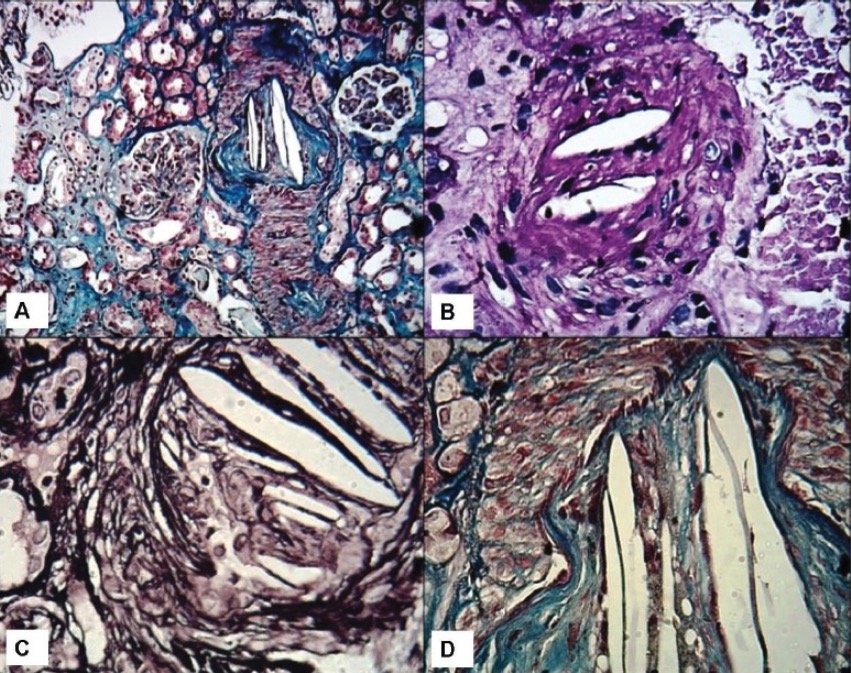
    • Hendiduras de colesterol (“fantasmas”) dentro de las arteriolas:
      • Los LOS Neisseria cristales de colesterol se disuelven durante la fijación de los LOS Neisseria tejidos dejando hendiduras.
      • Hendiduras en EN Erythema nodosum is an immune-mediated panniculitis (inflammation of the subcutaneous fat) caused by a type IV (delayed-type) hypersensitivity reaction. It commonly manifests in young women as tender, erythematous nodules on the shins. Erythema Nodosum forma de media luna con extremos puntiagudos
      • Espacios ovoides alargados
Nefropatía no trombótica inducida por contraste

Biopsias renales que muestran hendiduras de colesterol:

A: Vista de bajo poder que muestra una arteria interlobulillar con oclusión luminal y cristales en forma de aguja en el lumen. Se observan dos glomérulos en la vecindad con cambios menores en la microscopía de luz. Se observa una leve atrofia tubular en parches (tinción de tricrómico de Masson, ×100).
B: Vista a medio poder que muestra una pequeña arteria con hendiduras luminales de colesterol que causan oclusión luminal (tinción de ácido periódico-Schiff, ×200).
C: Vista de alto poder que muestra las típicas hendiduras de colesterol de aspecto vacío y en forma de aguja en las luces (tinción de plata con metenamina de Jones, ×400).
D: Vista de alto poder que muestra hendiduras luminales de colesterol y fibrosis de la íntima. Los medios aparecen rojos en esta tinción (tinción de tricrómico de Masson, ×400).

Imagen: “” por Department of Nephrology, Division of Nephropathology, Isfahan University of Medical Sciences, Isfahan, Iran. Licencia: CC BY 4.0

Tratamiento

  • Tratamiento de soporte para los LOS Neisseria síntomas que se presentan:
    • Tratamiento analgésico
    • Evitar en EN Erythema nodosum is an immune-mediated panniculitis (inflammation of the subcutaneous fat) caused by a type IV (delayed-type) hypersensitivity reaction. It commonly manifests in young women as tender, erythematous nodules on the shins. Erythema Nodosum lo posible la instrumentación vascular adicional.
    • La terapia antitrombótica es controvertida y generalmente no se recomienda.
  • Prevención de la lesión renal:
    • Hidratación salina agresiva
    • Bicarbonato
    • Manitol
    • La diálisis puede ser necesaria si la lesión es importante.
  • Extirpación o exclusión quirúrgica de la placa (si se identifica claramente la fuente embólica)
  • Reducción de los LOS Neisseria factores de riesgo para prevenir la enfermedad recurrente:
    • Aspirina
    • Estatinas
    • Control de la presión arterial
    • Cesación tabáquica
    • Control glucémico

Embolia Grasa

Descripción general

  • Se produce cuando los LOS Neisseria glóbulos de grasa entran en EN Erythema nodosum is an immune-mediated panniculitis (inflammation of the subcutaneous fat) caused by a type IV (delayed-type) hypersensitivity reaction. It commonly manifests in young women as tender, erythematous nodules on the shins. Erythema Nodosum la circulación pulmonar o sistémica
  • Más común en EN Erythema nodosum is an immune-mediated panniculitis (inflammation of the subcutaneous fat) caused by a type IV (delayed-type) hypersensitivity reaction. It commonly manifests in young women as tender, erythematous nodules on the shins. Erythema Nodosum pacientes con traumatismos ortopédicos, especialmente:
    • Fracturas múltiples
    • Fracturas abiertas ( en EN Erythema nodosum is an immune-mediated panniculitis (inflammation of the subcutaneous fat) caused by a type IV (delayed-type) hypersensitivity reaction. It commonly manifests in young women as tender, erythematous nodules on the shins. Erythema Nodosum lugar de cerradas)
  • Incidencia:
    • 20%–30% en EN Erythema nodosum is an immune-mediated panniculitis (inflammation of the subcutaneous fat) caused by a type IV (delayed-type) hypersensitivity reaction. It commonly manifests in young women as tender, erythematous nodules on the shins. Erythema Nodosum pacientes después de un traumatismo
    • 1%–11% en EN Erythema nodosum is an immune-mediated panniculitis (inflammation of the subcutaneous fat) caused by a type IV (delayed-type) hypersensitivity reaction. It commonly manifests in young women as tender, erythematous nodules on the shins. Erythema Nodosum fracturas de huesos largos
    • Ocurre en EN Erythema nodosum is an immune-mediated panniculitis (inflammation of the subcutaneous fat) caused by a type IV (delayed-type) hypersensitivity reaction. It commonly manifests in young women as tender, erythematous nodules on the shins. Erythema Nodosum el 90% de los LOS Neisseria individuos con lesiones esqueléticas graves, pero < 10% muestran algún hallazgo clínico
  • Sesgo de género: hombres > mujeres
  • Edad: más frecuente en EN Erythema nodosum is an immune-mediated panniculitis (inflammation of the subcutaneous fat) caused by a type IV (delayed-type) hypersensitivity reaction. It commonly manifests in young women as tender, erythematous nodules on the shins. Erythema Nodosum individuos de entre 10 y 40 años

Etiología

  • Causas traumáticas:
    • Causas ortopédicas (la gran mayoría de los LOS Neisseria casos):
      • Fracturas de huesos largos
      • Fracturas de pelvis Pelvis The pelvis consists of the bony pelvic girdle, the muscular and ligamentous pelvic floor, and the pelvic cavity, which contains viscera, vessels, and multiple nerves and muscles. The pelvic girdle, composed of 2 “hip” bones and the sacrum, is a ring-like bony structure of the axial skeleton that links the vertebral column with the lower extremities. Pelvis: Anatomy
      • Fracturas de otros huesos que contienen médula (e.g., costillas)
    • Causas no ortopédicas (raras):
      • Reanimación cardiopulmonar
      • Quemaduras graves
      • Lesiones por aplastamiento
      • Liposucción
      • Trasplante de médula ósea
  • Causas no traumáticas (muy raras):
    • Pancreatitis Pancreatitis Inflammation of the pancreas. Pancreatitis is classified as acute unless there are computed tomographic or endoscopic retrograde cholangiopancreatographic findings of chronic pancreatitis. The two most common forms of acute pancreatitis are alcoholic pancreatitis and gallstone pancreatitis. Acute Pancreatitis aguda
    • Hemoglobinopatías falciformes
    • Infusión de lípidos
    • Necrosis Necrosis The death of cells in an organ or tissue due to disease, injury or failure of the blood supply. Ischemic Cell Damage de la médula ósea

Patogénesis

La patogénesis puede ser por 1 o ambos de los LOS Neisseria siguientes mecanismos:

  • Los LOS Neisseria glóbulos de grasa provocan una obstrucción mecánica en EN Erythema nodosum is an immune-mediated panniculitis (inflammation of the subcutaneous fat) caused by a type IV (delayed-type) hypersensitivity reaction. It commonly manifests in young women as tender, erythematous nodules on the shins. Erythema Nodosum la vasculatura.
  • La grasa embolizada puede degradarse en EN Erythema nodosum is an immune-mediated panniculitis (inflammation of the subcutaneous fat) caused by a type IV (delayed-type) hypersensitivity reaction. It commonly manifests in young women as tender, erythematous nodules on the shins. Erythema Nodosum intermediarios tóxicos → provoca inflamación y lesión endotelial

Presentación clínica

Los LOS Neisseria signos y síntomas suelen desarrollarse entre 24–72 horas después del suceso desencadenante.

  • Tríada clásica de síntomas tras un traumatismo:
    • Hipoxemia
    • Anomalías neurológicas
    • Erupción petequial
  • Síntomas cardiopulmonares:
    • Taquipnea de aparición súbita
    • Disnea
    • Hipoxemia
    • Taquicardia
  • Síntomas neurológicos:
    • Cambios en EN Erythema nodosum is an immune-mediated panniculitis (inflammation of the subcutaneous fat) caused by a type IV (delayed-type) hypersensitivity reaction. It commonly manifests in young women as tender, erythematous nodules on the shins. Erythema Nodosum el estado mental
    • Convulsiones
  • Síntomas dermatológicos: Erupción petequial difusa
  • Signos hematológicos:
    • Anemia Anemia Anemia is a condition in which individuals have low Hb levels, which can arise from various causes. Anemia is accompanied by a reduced number of RBCs and may manifest with fatigue, shortness of breath, pallor, and weakness. Subtypes are classified by the size of RBCs, chronicity, and etiology. Anemia: Overview and Types
    • Trombocitopenia

Diagnóstico y tratamiento

La embolia grasa suele ser un diagnóstico clínico tras excluir otras posibilidades.

  • Imagenología:
    • Radiografía de tórax y/o TC en EN Erythema nodosum is an immune-mediated panniculitis (inflammation of the subcutaneous fat) caused by a type IV (delayed-type) hypersensitivity reaction. It commonly manifests in young women as tender, erythematous nodules on the shins. Erythema Nodosum pacientes con síntomas respiratorios
    • TC o RM cerebral en EN Erythema nodosum is an immune-mediated panniculitis (inflammation of the subcutaneous fat) caused by a type IV (delayed-type) hypersensitivity reaction. It commonly manifests in young women as tender, erythematous nodules on the shins. Erythema Nodosum pacientes con síntomas neurológicos
  • Tratamiento:
    • No hay tratamiento definitivo
    • Cuidados de soporte durante la resolución natural:
      • Garantizar la estabilidad hemodinámica
      • Oxigenación y ventilación según sea necesario
      • Nutrición e hidratación adecuadas
      • Profilaxis para trombosis venosa profunda (TVP)
    • Reducción y fijación precoz de fracturas de huesos largos

Embolia Aérea

Descripción general

Una embolia de aire se produce cuando las burbujas de gas entran en EN Erythema nodosum is an immune-mediated panniculitis (inflammation of the subcutaneous fat) caused by a type IV (delayed-type) hypersensitivity reaction. It commonly manifests in young women as tender, erythematous nodules on the shins. Erythema Nodosum la circulación y bloquean el flujo sanguíneo.

  • 2 tipos:
    • Embolia aérea venosa
    • Embolia aérea arterial
  • Incidencia: desconocida

Fisiopatología y etiología

  • Las embolias aéreas se producen cuando:
    • Existe una comunicación directa entre el aire y la vasculatura, Y el gradiente de presión favorece el movimiento del aire hacia el vaso ( en EN Erythema nodosum is an immune-mediated panniculitis (inflammation of the subcutaneous fat) caused by a type IV (delayed-type) hypersensitivity reaction. It commonly manifests in young women as tender, erythematous nodules on the shins. Erythema Nodosum lugar de la hemorragia, que provocaría el movimiento de la sangre fuera del vaso)
    • Ejemplo: Los LOS Neisseria procedimientos que implican una incisión quirúrgica por encima del corazón crean una presión venosa negativa con respecto a la presión atmosférica.
  • Embolia aérea venosa:
    • La obstrucción se produce cuando el volumen de aire en EN Erythema nodosum is an immune-mediated panniculitis (inflammation of the subcutaneous fat) caused by a type IV (delayed-type) hypersensitivity reaction. It commonly manifests in young women as tender, erythematous nodules on the shins. Erythema Nodosum un vaso supera la capacidad de los LOS Neisseria pulmones para eliminar el gas (aproximadamente 50 mL).
    • Las burbujas grandes obstruyen las arterias pulmonares → ↓ el flujo de sangre a los LOS Neisseria pulmones:
      • ↑ Presión venosa central
      • ↓ Presión arterial pulmonar
      • ↓ Presión arterial sistémica
    • Las pequeñas burbujas obstruyen las arteriolas pulmonares y la microcirculación:
      • ↑ Resistencia vascular pulmonar
      • ↑ Presión arterial pulmonar
      • ↑ Presión ventricular derecha
      • Inflamación local y daño endotelial → edema Edema Edema is a condition in which excess serous fluid accumulates in the body cavity or interstitial space of connective tissues. Edema is a symptom observed in several medical conditions. It can be categorized into 2 types, namely, peripheral (in the extremities) and internal (in an organ or body cavity). Edema pulmonar no cardiogénico, broncoconstricción e hipoxia
    • Las burbujas muy pequeñas pueden pasar a través de los LOS Neisseria capilares a la circulación arterial.
    • Volumen mortal: rango estimado entre 50 y 500 mL en EN Erythema nodosum is an immune-mediated panniculitis (inflammation of the subcutaneous fat) caused by a type IV (delayed-type) hypersensitivity reaction. It commonly manifests in young women as tender, erythematous nodules on the shins. Erythema Nodosum circulación venosa a una velocidad de 100 mL/seg.
  • Embolia aérea arterial:
    • El aire ocluye la microcirculación → isquemia de órganos diana
    • La isquemia induce la inflamación → el daño endotelial
    • Volúmenes fatales:
      • 2 mL en EN Erythema nodosum is an immune-mediated panniculitis (inflammation of the subcutaneous fat) caused by a type IV (delayed-type) hypersensitivity reaction. It commonly manifests in young women as tender, erythematous nodules on the shins. Erythema Nodosum las arterias cerebrales
      • 0,5-1 mL en EN Erythema nodosum is an immune-mediated panniculitis (inflammation of the subcutaneous fat) caused by a type IV (delayed-type) hypersensitivity reaction. It commonly manifests in young women as tender, erythematous nodules on the shins. Erythema Nodosum las arterias coronarias
Tabla: Etiologías de las embolias aéreas
Etiología Ejemplos
Procedimientos quirúrgicos
  • Cirugía de cabeza y cuello:
    • La más común
    • Afecta hasta el 80% de los LOS Neisseria pacientes sometidos a neurocirugía, especialmente cuando la cirugía se realiza en EN Erythema nodosum is an immune-mediated panniculitis (inflammation of the subcutaneous fat) caused by a type IV (delayed-type) hypersensitivity reaction. It commonly manifests in young women as tender, erythematous nodules on the shins. Erythema Nodosum pacientes sentados.
  • Bypass cardiopulmonar
  • Resección o biopsia pulmonar
  • Ablación con catéteres cardíacos
  • Colocación de marcapasos
  • Endoscopias cuando se utiliza gas como medio de distensión:
    • Artroscopia
    • Laparoscopia
    • Colonoscopia
    • Histeroscopia
Cateterismo intravenoso
  • Catéteres intravenosos de alto riesgo:
    • Líneas centrales
    • Catéteres de hemodiálisis
    • Inyección de contraste intravenoso
  • Puede ocurrir durante la inserción o la retirada del catéter, o mientras está colocado
Trauma
  • Lesiones en EN Erythema nodosum is an immune-mediated panniculitis (inflammation of the subcutaneous fat) caused by a type IV (delayed-type) hypersensitivity reaction. It commonly manifests in young women as tender, erythematous nodules on the shins. Erythema Nodosum la cabeza y en EN Erythema nodosum is an immune-mediated panniculitis (inflammation of the subcutaneous fat) caused by a type IV (delayed-type) hypersensitivity reaction. It commonly manifests in young women as tender, erythematous nodules on the shins. Erythema Nodosum el cuello
  • Traumatismo torácico/abdominal penetrante y contuso
Barotrauma Barotrauma Injury following pressure changes; includes injury to the eustachian tube, ear drum, lung and stomach. Invasive Mechanical Ventilation pulmonar
  • Ventilación con presión positiva
  • Enfermedad por descompresión en EN Erythema nodosum is an immune-mediated panniculitis (inflammation of the subcutaneous fat) caused by a type IV (delayed-type) hypersensitivity reaction. It commonly manifests in young women as tender, erythematous nodules on the shins. Erythema Nodosum buceadores

Presentación clínica

La presentación depende del lugar y del tamaño de la embolia.

Embolia aérea venosa → aire viaja al AL Amyloidosis ventrículo derecho → circulación pulmonar:

  • Imita una embolia pulmonar trombótica
  • Síntomas:
    • Disnea de inicio súbito
    • Taquicardia
    • Disminución de la saturación de oxígeno
    • Aturdimiento/mareo

Embolia aérea arterial → aire viaja a los LOS Neisseria órganos diana → isquemia:

  • Órganos más comúnmente afectados:
    • Cerebro → accidente cerebrovascular
    • Corazón → infarto de miocardio
  • Síntomas:
    • Aparición súbita de déficits neurológicos focales (e.g., hemiparesia)
    • Cambios en EN Erythema nodosum is an immune-mediated panniculitis (inflammation of the subcutaneous fat) caused by a type IV (delayed-type) hypersensitivity reaction. It commonly manifests in young women as tender, erythematous nodules on the shins. Erythema Nodosum el estado mental
    • Convulsiones
    • Dolor Dolor Inflammation torácico/disnea

Diagnóstico

El diagnóstico se realiza mediante la determinación de aire en EN Erythema nodosum is an immune-mediated panniculitis (inflammation of the subcutaneous fat) caused by a type IV (delayed-type) hypersensitivity reaction. It commonly manifests in young women as tender, erythematous nodules on the shins. Erythema Nodosum el espacio intravascular o en EN Erythema nodosum is an immune-mediated panniculitis (inflammation of the subcutaneous fat) caused by a type IV (delayed-type) hypersensitivity reaction. It commonly manifests in young women as tender, erythematous nodules on the shins. Erythema Nodosum los LOS Neisseria órganos de un paciente con factores de riesgo conocidos. Sin embargo, el aire suele reabsorberse rápidamente y dejar de estar presente en EN Erythema nodosum is an immune-mediated panniculitis (inflammation of the subcutaneous fat) caused by a type IV (delayed-type) hypersensitivity reaction. It commonly manifests in young women as tender, erythematous nodules on the shins. Erythema Nodosum el momento en EN Erythema nodosum is an immune-mediated panniculitis (inflammation of the subcutaneous fat) caused by a type IV (delayed-type) hypersensitivity reaction. It commonly manifests in young women as tender, erythematous nodules on the shins. Erythema Nodosum que el paciente se somete a las pruebas de diagnóstico; por lo tanto, el diagnóstico suele hacerse clínicamente.
  • Imagenología:
    • TC:
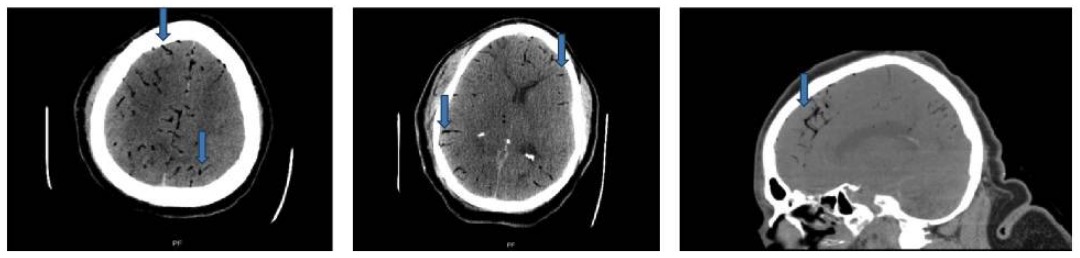
      • Cabeza (más útil): gas intraparenquimatoso, edema Edema Edema is a condition in which excess serous fluid accumulates in the body cavity or interstitial space of connective tissues. Edema is a symptom observed in several medical conditions. It can be categorized into 2 types, namely, peripheral (in the extremities) and internal (in an organ or body cavity). Edema difuso, áreas de infarto
      • Tórax: puede demostrar la presencia de aire en EN Erythema nodosum is an immune-mediated panniculitis (inflammation of the subcutaneous fat) caused by a type IV (delayed-type) hypersensitivity reaction. It commonly manifests in young women as tender, erythematous nodules on the shins. Erythema Nodosum las cámaras cardíacas o en EN Erythema nodosum is an immune-mediated panniculitis (inflammation of the subcutaneous fat) caused by a type IV (delayed-type) hypersensitivity reaction. It commonly manifests in young women as tender, erythematous nodules on the shins. Erythema Nodosum los LOS Neisseria grandes vasos
    • Ecocardiografía transtorácica: puede revelar aire en EN Erythema nodosum is an immune-mediated panniculitis (inflammation of the subcutaneous fat) caused by a type IV (delayed-type) hypersensitivity reaction. It commonly manifests in young women as tender, erythematous nodules on the shins. Erythema Nodosum las cámaras cardíacas o en EN Erythema nodosum is an immune-mediated panniculitis (inflammation of the subcutaneous fat) caused by a type IV (delayed-type) hypersensitivity reaction. It commonly manifests in young women as tender, erythematous nodules on the shins. Erythema Nodosum las venas grandes
  • ECG ECG An electrocardiogram (ECG) is a graphic representation of the electrical activity of the heart plotted against time. Adhesive electrodes are affixed to the skin surface allowing measurement of cardiac impulses from many angles. The ECG provides 3-dimensional information about the conduction system of the heart, the myocardium, and other cardiac structures. Electrocardiogram (ECG):
    • Embolia venosa: tensión cardíaca derecha (ondas T máximas, bloqueo de rama derecha, desviación del eje derecho)
    • Embolia arterial: Depresión o elevación del ST
  • Gasometría arterial:
    • Hipoxemia
    • Hipercarbia
    • Acidosis Acidosis A pathologic condition of acid accumulation or depletion of base in the body. The two main types are respiratory acidosis and metabolic acidosis, due to metabolic acid build up. Respiratory Acidosis metabólica
Gas en las arterias cerebrales de forma bilateral

TC de la cabeza: cortes axiales y sagitales que muestran focos de gas en las arterias cerebrales de forma bilateral (flechas azules)

Imagen: “Case 2 CT scan of head” por Rashmi Mishra et al. Licencia: CC BY 4.0

Tratamiento

Estabilizar al AL Amyloidosis paciente:

  • Vía aérea: asegurar la vía aérea (intubar), si es necesario.
  • Respiración
    • Alto flujo de oxígeno
    • Ventilación mecánica si es necesario
  • Circulación
    • Acceso IV
    • Reanimación con líquidos
    • Vasopresores
    • Soporte vital cardíaco avanzado si es necesario

Reposicionamiento:

  • Embolia venosa:
    • Posición en EN Erythema nodosum is an immune-mediated panniculitis (inflammation of the subcutaneous fat) caused by a type IV (delayed-type) hypersensitivity reaction. It commonly manifests in young women as tender, erythematous nodules on the shins. Erythema Nodosum decúbito lateral izquierdo con la cabeza hacia abajo
    • Mantiene el aire en EN Erythema nodosum is an immune-mediated panniculitis (inflammation of the subcutaneous fat) caused by a type IV (delayed-type) hypersensitivity reaction. It commonly manifests in young women as tender, erythematous nodules on the shins. Erythema Nodosum el ventrículo derecho y alejado del tracto de salida pulmonar
  • Embolia arterial:
    • Posición supina
    • Las arterias son lo suficientemente fuertes como para superar el posicionamiento; la posición supina intenta minimizar el edema Edema Edema is a condition in which excess serous fluid accumulates in the body cavity or interstitial space of connective tissues. Edema is a symptom observed in several medical conditions. It can be categorized into 2 types, namely, peripheral (in the extremities) and internal (in an organ or body cavity). Edema cerebral causado por una embolia aérea cerebral.

Terapias definitivas:

  • Oxígeno hiperbárico:
    • Los LOS Neisseria niveles de oxígeno ↑↑ en EN Erythema nodosum is an immune-mediated panniculitis (inflammation of the subcutaneous fat) caused by a type IV (delayed-type) hypersensitivity reaction. It commonly manifests in young women as tender, erythematous nodules on the shins. Erythema Nodosum sangre crean un gran gradiente para que el nitrógeno pase de las burbujas de aire a la sangre → ↓ el tamaño de las burbujas
    • El oxígeno ↑ ayuda a tratar la isquemia tisular (beneficio secundario)
  • Eliminación del aire embolizado (e.g., aspiración a través de un catéter)
  • Compresión torácica:
    • Obliga a que el aire entre en EN Erythema nodosum is an immune-mediated panniculitis (inflammation of the subcutaneous fat) caused by a type IV (delayed-type) hypersensitivity reaction. It commonly manifests in young women as tender, erythematous nodules on the shins. Erythema Nodosum los LOS Neisseria vasos más pequeños
    • Se utiliza como último recurso en EN Erythema nodosum is an immune-mediated panniculitis (inflammation of the subcutaneous fat) caused by a type IV (delayed-type) hypersensitivity reaction. It commonly manifests in young women as tender, erythematous nodules on the shins. Erythema Nodosum pacientes inestables
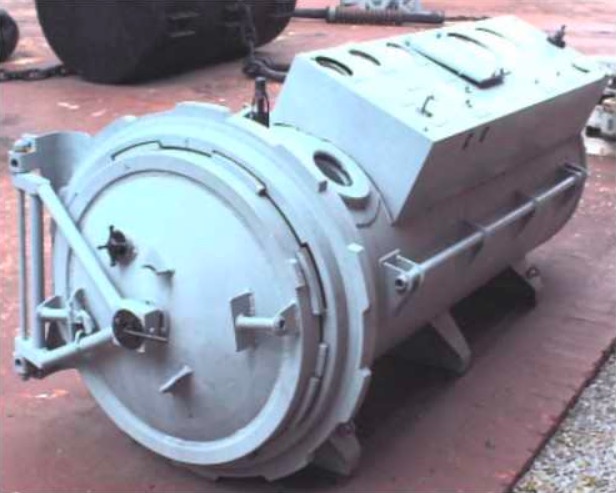
Oxigenoterapia hiperbárica

Cámara de oxigenoterapia hiperbárica

Imagen: “Hyperbaric oxygen therapy chamber” por Mark Murphy. Licencia: Dominio Público

Embolia de Líquido Amniótico

Descripción general

La embolia de líquido amniótico es una complicación durante el parto y el posparto inmediato.

  • Causada por la entrada del líquido amniótico en EN Erythema nodosum is an immune-mediated panniculitis (inflammation of the subcutaneous fat) caused by a type IV (delayed-type) hypersensitivity reaction. It commonly manifests in young women as tender, erythematous nodules on the shins. Erythema Nodosum la circulación materna por:
    • Desgarros de la placenta Placenta A highly vascularized mammalian fetal-maternal organ and major site of transport of oxygen, nutrients, and fetal waste products. It includes a fetal portion (chorionic villi) derived from trophoblasts and a maternal portion (decidua) derived from the uterine endometrium. The placenta produces an array of steroid, protein and peptide hormones (placental hormones). Placenta, Umbilical Cord, and Amniotic Cavity
    • Rotura de la vena uterina
  • Incidencia: 1:40 000 partos
  • Mortalidad:
    • La tasa de mortalidad es alta (estimada entre el 20 % y el 60 %).
    • La embolia de líquido amniótico causa el 10% de las muertes maternas en EN Erythema nodosum is an immune-mediated panniculitis (inflammation of the subcutaneous fat) caused by a type IV (delayed-type) hypersensitivity reaction. It commonly manifests in young women as tender, erythematous nodules on the shins. Erythema Nodosum los LOS Neisseria países desarrollados.

Factores de riesgo

  • Parto por cesárea
  • Parto vaginal instrumentado (e.g., partos con fórceps o asistido con ventosa)
  • Anomalías de la placenta Placenta A highly vascularized mammalian fetal-maternal organ and major site of transport of oxygen, nutrients, and fetal waste products. It includes a fetal portion (chorionic villi) derived from trophoblasts and a maternal portion (decidua) derived from the uterine endometrium. The placenta produces an array of steroid, protein and peptide hormones (placental hormones). Placenta, Umbilical Cord, and Amniotic Cavity (e.g., placenta previa Placenta Previa Abnormal placentation in which the placenta implants in the lower segment of the uterus (the zone of dilation) and may cover part or all of the opening of the cervix. It is often associated with serious antepartum bleeding and premature labor. Placental Abnormalities)
  • Preeclampsia Preeclampsia A complication of pregnancy, characterized by a complex of symptoms including maternal hypertension and proteinuria with or without pathological edema. Symptoms may range between mild and severe. Pre-eclampsia usually occurs after the 20th week of gestation, but may develop before this time in the presence of trophoblastic disease. Hypertensive Pregnancy Disorders/ eclampsia Eclampsia Onset of hyperreflexia; seizures; or coma in a previously diagnosed pre-eclamptic patient (pre-eclampsia). Hypertensive Pregnancy Disorders

Patogénesis

  • No está clara
  • El líquido amniótico entra en EN Erythema nodosum is an immune-mediated panniculitis (inflammation of the subcutaneous fat) caused by a type IV (delayed-type) hypersensitivity reaction. It commonly manifests in young women as tender, erythematous nodules on the shins. Erythema Nodosum la circulación materna y desencadena:
    • Vasoconstricción pulmonar intensa:
      • ↑ Presión pulmonar → insuficiencia ventricular derecha → hipotensión sistémica.
      • Insuficiencia respiratoria hipoxémica
      • Edema Edema Edema is a condition in which excess serous fluid accumulates in the body cavity or interstitial space of connective tissues. Edema is a symptom observed in several medical conditions. It can be categorized into 2 types, namely, peripheral (in the extremities) and internal (in an organ or body cavity). Edema pulmonar
    • Se activan respuestas inmunitarias anormales:
      • Respuesta inflamatoria intensa (similar al AL Amyloidosis SIRS)
      • Los LOS Neisseria mediadores inflamatorios activan la cascada de coagulación sistémicamente → coagulación intravascular diseminada (CID)
  • La CID conduce a:
    • Hemorragia → mayor inestabilidad hemodinámica
    • Fallo multiorgánico isquémico
  • Es probable que la obstrucción mecánica de los LOS Neisseria restos de líquido amniótico no desempeñe un papel importante.

Presentación clínica

La embolia de líquido amniótico suele presentarse de forma dramática, como un colapso cardiopulmonar de inicio súbito que se produce durante el parto o en EN Erythema nodosum is an immune-mediated panniculitis (inflammation of the subcutaneous fat) caused by a type IV (delayed-type) hypersensitivity reaction. It commonly manifests in young women as tender, erythematous nodules on the shins. Erythema Nodosum los LOS Neisseria 30 minutos posteriores al AL Amyloidosis mismo.

  • Signos:
    • Colapso cardiopulmonar: pérdida de la respiración y del pulso
    • Hipoxemia/cianosis
    • Disnea
    • Hipotensión
    • Taquicardia
  • Otros síntomas:
    • Náuseas y vómitos
    • Cambios en EN Erythema nodosum is an immune-mediated panniculitis (inflammation of the subcutaneous fat) caused by a type IV (delayed-type) hypersensitivity reaction. It commonly manifests in young women as tender, erythematous nodules on the shins. Erythema Nodosum el estado mental
    • Convulsión
  • CID:
    • Suele desarrollarse poco después de una embolia de líquido amniótico
    • Conduce a una hemorragia obstétrica
  • Anomalías de la frecuencia cardíaca fetal que indiquen sufrimiento (por ejemplo, desaceleraciones tardías, bradicardia terminal) si todavía está embarazada

Diagnóstico

La embolia de líquido amniótico es un diagnóstico clínico basado en EN Erythema nodosum is an immune-mediated panniculitis (inflammation of the subcutaneous fat) caused by a type IV (delayed-type) hypersensitivity reaction. It commonly manifests in young women as tender, erythematous nodules on the shins. Erythema Nodosum la presentación.
  • Evaluación por laboratorio (principalmente para ayudar a la reanimación):
    • Perfil de coagulación:
      • ↑ Tiempo de protrombina
      • ↓ Fibrinógeno
      • ↑ Dímero D
    • Hemograma
      • Anemia Anemia Anemia is a condition in which individuals have low Hb levels, which can arise from various causes. Anemia is accompanied by a reduced number of RBCs and may manifest with fatigue, shortness of breath, pallor, and weakness. Subtypes are classified by the size of RBCs, chronicity, and etiology. Anemia: Overview and Types
      • Leucocitosis
      • Trombocitopenia
    • Gasometría arterial:
      • Hipoxemia
      • Acidosis Acidosis A pathologic condition of acid accumulation or depletion of base in the body. The two main types are respiratory acidosis and metabolic acidosis, due to metabolic acid build up. Respiratory Acidosis (tanto respiratoria como metabólica)
  • Imagenología (una vez que el paciente esté estable):
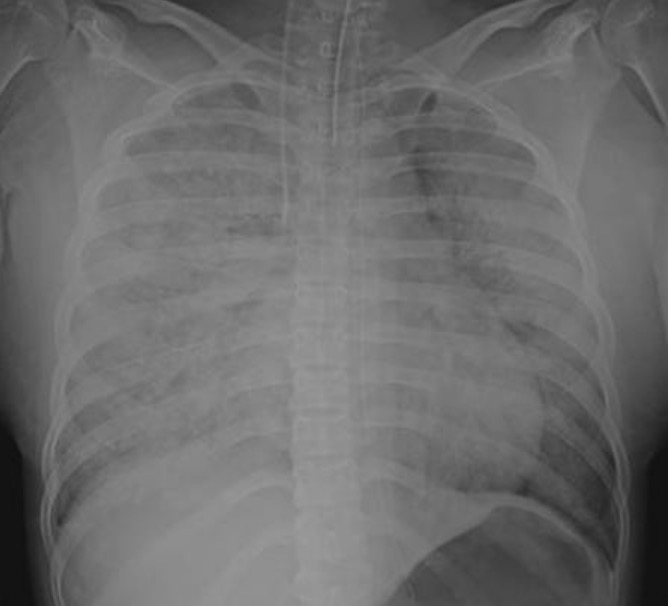
    • Radiografía de tórax: infiltrados difusos bilaterales
    • Ecocardiografía para evaluar la función cardíaca
Radiografía de embolia de líquido amniótico

Radiografía de tórax de una paciente con embolia de líquido amniótico:
Se observa una infiltración difusa en todos los pulmones.

Imagen: “X-ray” by Department of Emergency and Critical Care, The University of Tokushima Graduate School, Kuramoto Tokushima, 770-8503, Japan. Licencia: CC BY 2.0

Tratamiento

La supervivencia depende de un diagnóstico rápido y una reanimación eficaz.

  • Vía aérea: Asegurar la vía aérea.
  • Respiración: ventilación mecánica
  • Circulación:
    • RCP de alta calidad
    • 2 vías IV de gran calibre → reanimación con líquidos
    • Transfundir para combatir la CID; normalmente una proporción de 1:1:1 de:
      • Glóbulos rojos empacados
      • Plasma Plasma The residual portion of blood that is left after removal of blood cells by centrifugation without prior blood coagulation. Transfusion Products fresco congelado
      • Crioprecipitado
    • Vasopresores
  • Parto inmediato si la paciente está todavía embarazada

Complicaciones

  • Hematológicas: CID
  • Cardiovascular: Hemorragia y paro cardíaco
  • Complicaciones pulmonares: Edema Edema Edema is a condition in which excess serous fluid accumulates in the body cavity or interstitial space of connective tissues. Edema is a symptom observed in several medical conditions. It can be categorized into 2 types, namely, peripheral (in the extremities) and internal (in an organ or body cavity). Edema pulmonar y SDRA
  • Déficit neurológico permanente debido a la hipoxia cerebral (85% de los LOS Neisseria supervivientes)

Tumor y Embolia de Cuerpo Extraño

Embolia tumoral

  • Embolización del tumor Tumor Inflammation dentro de los LOS Neisseria vasos pulmonares
  • Raro, manifestación de malignidad en EN Erythema nodosum is an immune-mediated panniculitis (inflammation of the subcutaneous fat) caused by a type IV (delayed-type) hypersensitivity reaction. It commonly manifests in young women as tender, erythematous nodules on the shins. Erythema Nodosum fase terminal
  • Puede ocurrir con cualquier neoplasia, aunque se asocia más comúnmente con:
    • Carcinoma de células renales
    • Carcinoma hepatocelular
    • Adenocarcinomas:
      • Mamas
      • Estómago
      • Colon Colon The large intestines constitute the last portion of the digestive system. The large intestine consists of the cecum, appendix, colon (with ascending, transverse, descending, and sigmoid segments), rectum, and anal canal. The primary function of the colon is to remove water and compact the stool prior to expulsion from the body via the rectum and anal canal. Colon, Cecum, and Appendix: Anatomy
      • Pulmón
  • Presentación clínica:
    • Disnea progresiva subaguda
    • Tos TOS Thoracic outlet syndrome (TOS) is a broad term used for a spectrum of syndromes related to the general region of the thoracic outlet, which involves the compression or irritation of elements of the brachial plexus, subclavian artery, or subclavian vein. Thoracic Outlet Syndrome, con o sin hemoptisis
    • Puede presentarse con signos de tromboembolismo venoso (disnea, hipoxia, sobrecarga del corazón derecho)
  • El diagnóstico suele hacerse en EN Erythema nodosum is an immune-mediated panniculitis (inflammation of the subcutaneous fat) caused by a type IV (delayed-type) hypersensitivity reaction. It commonly manifests in young women as tender, erythematous nodules on the shins. Erythema Nodosum la autopsia:
  • Mal pronóstico

Embolia de cuerpo extraño

  • La mayoría de las veces involucra silicona y se produce después de una inyección cosmética o terapéutica
  • Presentación clínica:
    • Hipoxemia
    • Fiebre
    • Erupción petequial
    • Síntomas neurológicos
  • El tratamiento es de soporte.

Resumen

Tabla: Resumen de las embolias no trombóticas
Tipo de embolia Presentaciones clínicas más comunes Tratamiento
Embolia de colesterol Origen torácico:
  • Piel: livedo reticularis Livedo reticularis A condition characterized by a reticular or fishnet pattern on the skin of lower extremities and other parts of the body. This red and blue pattern is due to deoxygenated blood in unstable dermal blood vessels. The condition is intensified by cold exposure and relieved by rewarming. Chronic Kidney Disease, síndrome del dedo azul
  • Renal: IRA
  • Síntomas gastrointestinales
Origen en EN Erythema nodosum is an immune-mediated panniculitis (inflammation of the subcutaneous fat) caused by a type IV (delayed-type) hypersensitivity reaction. It commonly manifests in young women as tender, erythematous nodules on the shins. Erythema Nodosum el arco aórtico:
  • Cerebro: Accidente isquémico transitorio, accidente cerebrovascular
  • Síntomas oculares
Se enfoca en EN Erythema nodosum is an immune-mediated panniculitis (inflammation of the subcutaneous fat) caused by a type IV (delayed-type) hypersensitivity reaction. It commonly manifests in young women as tender, erythematous nodules on the shins. Erythema Nodosum la reducción de riesgos en EN Erythema nodosum is an immune-mediated panniculitis (inflammation of the subcutaneous fat) caused by a type IV (delayed-type) hypersensitivity reaction. It commonly manifests in young women as tender, erythematous nodules on the shins. Erythema Nodosum la enfermedad aterosclerótica:
  • Aspirina
  • Estatinas
  • Cesación tabáquica
  • Control de la presión arterial y de la glucemia
Embolia grasa Por un traumatismo ortopédico:
  • Hipoxemia
  • Anomalías neurológicas
  • Erupción petequial
Cuidados de soporte
Embolia de aire Por:
  • Cirugías de cabeza y cuello
  • Endoscopias
  • Cateterismo IV
Síntomas:
  • Venosos: imita a la EP EP Ectopic pregnancy refers to the implantation of a fertilized egg (embryo) outside the uterine cavity. The main cause is disruption of the normal anatomy of the fallopian tube. Ectopic Pregnancy
  • Arteriales: infarto cerebral o infarto de miocardio
  • Estabilización
  • Reanimación
  • Posicionamiento
  • Eliminar o excluir el aire
Embolia de líquido amniótico Durante el parto o dentro de los LOS Neisseria 30 minutos posteriores al AL Amyloidosis mismo:
  • Colapso cardiopulmonar agudo
  • CID
  • Estabilización
  • Reanimación
  • Transfusión
  • Dar a luz al AL Amyloidosis bebé (si todavía está embarazada)
Embolia tumoral De cualquier malignidad en EN Erythema nodosum is an immune-mediated panniculitis (inflammation of the subcutaneous fat) caused by a type IV (delayed-type) hypersensitivity reaction. It commonly manifests in young women as tender, erythematous nodules on the shins. Erythema Nodosum fase terminal:
  • Disnea progresiva
  • Puede imitar a la EP EP Ectopic pregnancy refers to the implantation of a fertilized egg (embryo) outside the uterine cavity. The main cause is disruption of the normal anatomy of the fallopian tube. Ectopic Pregnancy
  • Mal pronóstico
  • Cuidados de soporte
EP: embolia pulmonar trombótica
CID: coagulación intravascular diseminada

Referencias

  1. Shah. N., Nagalli, S. (2024) Cholesterol Emboli. StatPearls. https://www.ncbi.nlm.nih.gov/books/NBK556091/ 
  2. Kronzon, I., Saric, M. (2010). Cholesterol Embolization Syndrome. Circulation 122:631–641. https://doi.org/10.1161/CIRCULATIONAHA.109.886465
  3. Agrawal, A., et al. (2017). Cholesterol embolization syndrome: An under‐recognized entity in cardiovascular interventions. https://doi.org/10.1111/joic.12483
  4. Saric, M. (2024). Embolism from atherosclerotic plaque: Atheroembolism (cholesterol crystal embolism). UpToDate. Retrieved August 11, 2025, from https://www.uptodate.com/contents/embolism-from-atherosclerotic-plaque-atheroembolism-cholesterol-crystal-embolism
  5. Thompson, B. T., & Kabrhel, C. (2025). Pulmonary embolism: Epidemiology and pathogenesis in adults. UpToDate. Retrieved August 11, 2025, from https://www.uptodate.com/contents/pulmonary-embolism-epidemiology-and-pathogenesis-in-adults
  6. O’Dowd, C., Kelley, M. (2024). Air embolism. UpToDate. Retrieved August 11, 2025, from https://www.uptodate.com/contents/air-embolism
  7. Kerrigan, M. (2022). Venous gas embolism. In Cooper, J. (Ed.), StatPearls. Retrieved August 11, 2025, from https://www.statpearls.com/articlelibrary/viewarticle/31056/ 
  8. Alexander, A. (2024). Arterial gas embolism. In Martin, N. (Ed.), StatPearls. Retrieved August 11, 2025, from https://www.statpearls.com/articlelibrary/viewarticle/32891/ 
  9. Winehouse, G. (2024). Fat embolism syndrome. In Finlay, G. (Ed.), UpToDate. Retrieved August 11, 2025, from https://www.uptodate.com/contents/fat-embolism-syndrome 
  10. Adeyinka, A. (2022). Fat embolism. In Pierre, L. (Ed.), StatPearls. Retrieved August 11, 2025, from https://www.statpearls.com/articlelibrary/viewarticle/21632/ 
  11. Weinhouse, G. (2024). Pulmonary tumor embolism and lymphangitic carcinomatosis in adults: Diagnostic evaluation and management. In Finlay, G. (Ed.), UpToDate. Retrieved August 11, 2025, from https://www.uptodate.com/contents/pulmonary-tumor-embolism-and-lymphangitic-carcinomatosis-in-adults-diagnostic-evaluation-and-managemen

¡Crea tu cuenta gratis o inicia una sesión para seguir leyendo!

Regístrate ahora y obtén acceso gratuito a Lecturio con páginas de concepto, videos médicos y cuestionarios para tu educación médica.

User Reviews

Que tengas una sesión de estudio alegre y navideña 🎁 Ahorra 50% en todos los planes >>

Details