La ataxia-telangiectasiaAtaxia-telangiectasiaAtaxia-telangiectasia, also known as Louis-Bar syndrome, is a neurocutaneous syndrome, which involves multiple systems but mainly affects the neurological system. Ataxia-telangiectasia is an autosomal recessive genetic disorder caused by a mutation in the ATM gene (ATM serine/threonine kinase or the ataxia-telangiectasia mutated gene).Ataxia-telangiectasia, también conocida como síndrome de Louis-Bar, es un síndrome neurocutáneo que involucra múltiples sistemas, pero afecta principalmente alALAmyloidosis sistema neurológico. La ataxia-telangiectasiaAtaxia-telangiectasiaAtaxia-telangiectasia, also known as Louis-Bar syndrome, is a neurocutaneous syndrome, which involves multiple systems but mainly affects the neurological system. Ataxia-telangiectasia is an autosomal recessive genetic disorder caused by a mutation in the ATM gene (ATM serine/threonine kinase or the ataxia-telangiectasia mutated gene).Ataxia-telangiectasia es un trastorno genético autosómico recesivo causado por una mutación enENErythema nodosum is an immune-mediated panniculitis (inflammation of the subcutaneous fat) caused by a type IV (delayed-type) hypersensitivity reaction. It commonly manifests in young women as tender, erythematous nodules on the shins.Erythema Nodosum el gen ATM (ATM serina/treonina quinasa o el gen mutado de la ataxia-telangiectasiaAtaxia-telangiectasiaAtaxia-telangiectasia, also known as Louis-Bar syndrome, is a neurocutaneous syndrome, which involves multiple systems but mainly affects the neurological system. Ataxia-telangiectasia is an autosomal recessive genetic disorder caused by a mutation in the ATM gene (ATM serine/threonine kinase or the ataxia-telangiectasia mutated gene).Ataxia-telangiectasia). La ataxia-telangiectasiaAtaxia-telangiectasiaAtaxia-telangiectasia, also known as Louis-Bar syndrome, is a neurocutaneous syndrome, which involves multiple systems but mainly affects the neurological system. Ataxia-telangiectasia is an autosomal recessive genetic disorder caused by a mutation in the ATM gene (ATM serine/threonine kinase or the ataxia-telangiectasia mutated gene).Ataxia-telangiectasia se presenta con ataxiaAtaxiaImpairment of the ability to perform smoothly coordinated voluntary movements. This condition may affect the limbs, trunk, eyes, pharynx, larynx, and other structures. Ataxia may result from impaired sensory or motor function. Sensory ataxia may result from posterior column injury or peripheral nerve diseases. Motor ataxia may be associated with cerebellar diseases; cerebral cortex diseases; thalamic diseases; basal ganglia diseases; injury to the red nucleus; and other conditions.Ataxia-telangiectasia progresiva, telangiectasiasTelangiectasiasAtaxia-telangiectasia, síntomas extrapiramidales, manifestaciones dermatológicas, disfunción inmunitaria y enfermedad pulmonar progresiva. El diagnóstico se basa enENErythema nodosum is an immune-mediated panniculitis (inflammation of the subcutaneous fat) caused by a type IV (delayed-type) hypersensitivity reaction. It commonly manifests in young women as tender, erythematous nodules on the shins.Erythema Nodosum la presentación clínica y se confirma con neuroimagenología y pruebas genéticas. El tratamiento es de soporte con el tratamiento de losLOSNeisseria síntomas. El pronóstico es pobre debido a las numerosas complicaciones.
La ataxia-telangiectasiaAtaxia-telangiectasiaAtaxia-telangiectasia, also known as Louis-Bar syndrome, is a neurocutaneous syndrome, which involves multiple systems but mainly affects the neurological system. Ataxia-telangiectasia is an autosomal recessive genetic disorder caused by a mutation in the ATM gene (ATM serine/threonine kinase or the ataxia-telangiectasia mutated gene).Ataxia-telangiectasia es un trastorno neurodegenerativo autosómico recesivo raro caracterizado por ataxiaAtaxiaImpairment of the ability to perform smoothly coordinated voluntary movements. This condition may affect the limbs, trunk, eyes, pharynx, larynx, and other structures. Ataxia may result from impaired sensory or motor function. Sensory ataxia may result from posterior column injury or peripheral nerve diseases. Motor ataxia may be associated with cerebellar diseases; cerebral cortex diseases; thalamic diseases; basal ganglia diseases; injury to the red nucleus; and other conditions.Ataxia-telangiectasia progresiva y disfunción multisistémica debido a un defecto enENErythema nodosum is an immune-mediated panniculitis (inflammation of the subcutaneous fat) caused by a type IV (delayed-type) hypersensitivity reaction. It commonly manifests in young women as tender, erythematous nodules on the shins.Erythema Nodosum el gen ATM (ATM serina/treonina quinasa o el gen mutado de la ataxia-telangiectasiaAtaxia-telangiectasiaAtaxia-telangiectasia, also known as Louis-Bar syndrome, is a neurocutaneous syndrome, which involves multiple systems but mainly affects the neurological system. Ataxia-telangiectasia is an autosomal recessive genetic disorder caused by a mutation in the ATM gene (ATM serine/threonine kinase or the ataxia-telangiectasia mutated gene).Ataxia-telangiectasia).
Epidemiología
Incidencia: 1 por cada 20 000–100 000 nacimientos
Hombres = mujeres
1%–2% de losLOSNeisseria caucásicos enENErythema nodosum is an immune-mediated panniculitis (inflammation of the subcutaneous fat) caused by a type IV (delayed-type) hypersensitivity reaction. It commonly manifests in young women as tender, erythematous nodules on the shins.Erythema NodosumlosLOSNeisseria Estados Unidos portan 1 gen defectuoso de ataxia-telangiectasiaAtaxia-telangiectasiaAtaxia-telangiectasia, also known as Louis-Bar syndrome, is a neurocutaneous syndrome, which involves multiple systems but mainly affects the neurological system. Ataxia-telangiectasia is an autosomal recessive genetic disorder caused by a mutation in the ATM gene (ATM serine/threonine kinase or the ataxia-telangiectasia mutated gene).Ataxia-telangiectasia.
2da ataxiaAtaxiaImpairment of the ability to perform smoothly coordinated voluntary movements. This condition may affect the limbs, trunk, eyes, pharynx, larynx, and other structures. Ataxia may result from impaired sensory or motor function. Sensory ataxia may result from posterior column injury or peripheral nerve diseases. Motor ataxia may be associated with cerebellar diseases; cerebral cortex diseases; thalamic diseases; basal ganglia diseases; injury to the red nucleus; and other conditions.Ataxia-telangiectasia autosómica recesiva más común enENErythema nodosum is an immune-mediated panniculitis (inflammation of the subcutaneous fat) caused by a type IV (delayed-type) hypersensitivity reaction. It commonly manifests in young women as tender, erythematous nodules on the shins.Erythema Nodosum niños
Herencia
Herencia autosómica recesiva
El gen ATM defectuoso se encuentra enENErythema nodosum is an immune-mediated panniculitis (inflammation of the subcutaneous fat) caused by a type IV (delayed-type) hypersensitivity reaction. It commonly manifests in young women as tender, erythematous nodules on the shins.Erythema Nodosum el cromosoma 11 (11q22.3).
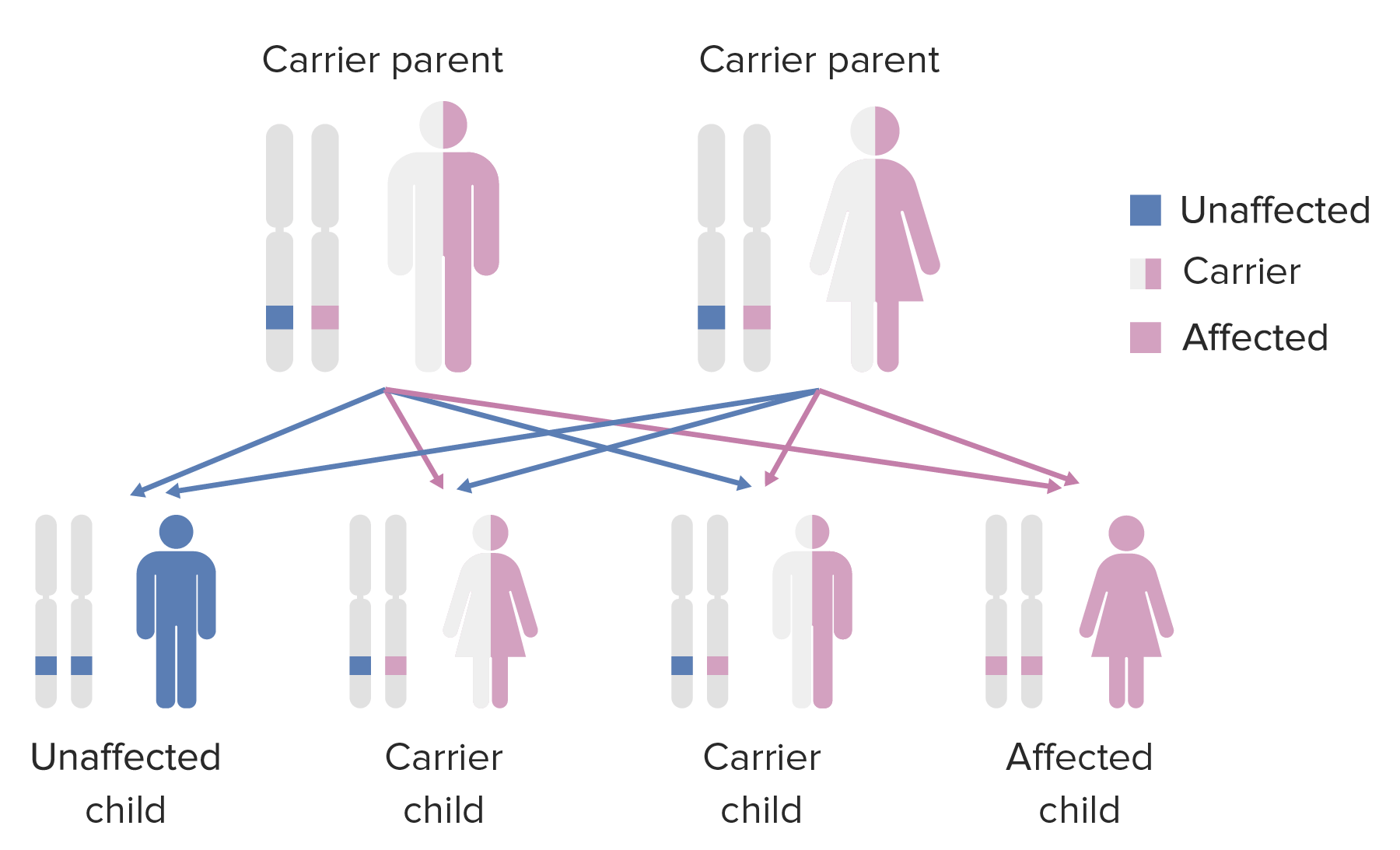
La herencia ocurre cuando 2 padres con un gen ATM recesivo (portadores) producen descendencia:
1 enENErythema nodosum is an immune-mediated panniculitis (inflammation of the subcutaneous fat) caused by a type IV (delayed-type) hypersensitivity reaction. It commonly manifests in young women as tender, erythematous nodules on the shins.Erythema Nodosum 4 posibilidades enENErythema nodosum is an immune-mediated panniculitis (inflammation of the subcutaneous fat) caused by a type IV (delayed-type) hypersensitivity reaction. It commonly manifests in young women as tender, erythematous nodules on the shins.Erythema Nodosum nacer un niño afectado
2 enENErythema nodosum is an immune-mediated panniculitis (inflammation of the subcutaneous fat) caused by a type IV (delayed-type) hypersensitivity reaction. It commonly manifests in young women as tender, erythematous nodules on the shins.Erythema Nodosum 4 posibilidades enENErythema nodosum is an immune-mediated panniculitis (inflammation of the subcutaneous fat) caused by a type IV (delayed-type) hypersensitivity reaction. It commonly manifests in young women as tender, erythematous nodules on the shins.Erythema Nodosum nacer y ser portadores
1 enENErythema nodosum is an immune-mediated panniculitis (inflammation of the subcutaneous fat) caused by a type IV (delayed-type) hypersensitivity reaction. It commonly manifests in young women as tender, erythematous nodules on the shins.Erythema Nodosum 4 posibilidades enENErythema nodosum is an immune-mediated panniculitis (inflammation of the subcutaneous fat) caused by a type IV (delayed-type) hypersensitivity reaction. It commonly manifests in young women as tender, erythematous nodules on the shins.Erythema Nodosum nacer y no estar no afectado
Diagrama del patrón de herencia de las afecciones autosómicas recesivas
Imagen por Lecturio.
Etiología
Gen ATM :
El producto proteico tiene una región que funciona de manera similar a la fosfatidilinositol-3 quinasa:
Detiene el ciclo celular enENErythema nodosum is an immune-mediated panniculitis (inflammation of the subcutaneous fat) caused by a type IV (delayed-type) hypersensitivity reaction. It commonly manifests in young women as tender, erythematous nodules on the shins.Erythema Nodosum presencia de daño enENErythema nodosum is an immune-mediated panniculitis (inflammation of the subcutaneous fat) caused by a type IV (delayed-type) hypersensitivity reaction. It commonly manifests in young women as tender, erythematous nodules on the shins.Erythema Nodosum el ácido desoxirribonucleico (ADN) para permitir la reparación
Inicia la detención del ciclo celular o la apoptosisApoptosisA regulated cell death mechanism characterized by distinctive morphologic changes in the nucleus and cytoplasm, including the endonucleolytic cleavage of genomic DNA, at regularly spaced, internucleosomal sites, I.e., DNA fragmentation. It is genetically-programmed and serves as a balance to mitosis in regulating the size of animal tissues and in mediating pathologic processes associated with tumor growth.Ischemic Cell Damage si losLOSNeisseria intentos de reparación del ADN son inadecuados
El producto proteico tiene una región involucrada enENErythema nodosum is an immune-mediated panniculitis (inflammation of the subcutaneous fat) caused by a type IV (delayed-type) hypersensitivity reaction. It commonly manifests in young women as tender, erythematous nodules on the shins.Erythema Nodosum la reparación del ADN:
Repara mutaciones somáticas para evitar el paso de ADN mutante a las células hijas
Protege las células del daño causado por las agresiones ambientales (e.g., radiación ionizante)
Expresado constitutivamente enENErythema nodosum is an immune-mediated panniculitis (inflammation of the subcutaneous fat) caused by a type IV (delayed-type) hypersensitivity reaction. It commonly manifests in young women as tender, erythematous nodules on the shins.Erythema Nodosum todos losLOSNeisseria tejidos corporales
Mutación del gen ATM:
La quinasa disfuncional no logra detener el ciclo celular enENErythema nodosum is an immune-mediated panniculitis (inflammation of the subcutaneous fat) caused by a type IV (delayed-type) hypersensitivity reaction. It commonly manifests in young women as tender, erythematous nodules on the shins.Erythema Nodosum presencia de ADN dañado:
Las células con mutaciones somáticas pueden dividirse sin control.
Las líneas celulares mutadas desprovistas de puntos de control normales pueden volverse tumorigénicas.
Las células normales y las células que ya portan mutaciones pueden adquirir nuevas mutaciones que fomentan la tumorigenicidad.
La mutación somática de losLOSNeisseria linfocitos afecta la función de control del sistema inmunitario para detectar y eliminar las líneas celulares mutadas.
La ataxia-telangiectasiaAtaxia-telangiectasiaAtaxia-telangiectasia, also known as Louis-Bar syndrome, is a neurocutaneous syndrome, which involves multiple systems but mainly affects the neurological system. Ataxia-telangiectasia is an autosomal recessive genetic disorder caused by a mutation in the ATM gene (ATM serine/threonine kinase or the ataxia-telangiectasia mutated gene).Ataxia-telangiectasia es causada por mutaciones enENErythema nodosum is an immune-mediated panniculitis (inflammation of the subcutaneous fat) caused by a type IV (delayed-type) hypersensitivity reaction. It commonly manifests in young women as tender, erythematous nodules on the shins.Erythema Nodosum el gen ATM. Las mutaciones pueden aparecer enENErythema nodosum is an immune-mediated panniculitis (inflammation of the subcutaneous fat) caused by a type IV (delayed-type) hypersensitivity reaction. It commonly manifests in young women as tender, erythematous nodules on the shins.Erythema Nodosum una variedad de formas:
Tipos de mutaciones
Mutaciones sin sentido
Mutaciones de cambio de marco
Mutaciones de sentido erróneo
Mutaciones de inserción-deleción
Patogénesis
Las mutaciones enENErythema nodosum is an immune-mediated panniculitis (inflammation of the subcutaneous fat) caused by a type IV (delayed-type) hypersensitivity reaction. It commonly manifests in young women as tender, erythematous nodules on the shins.Erythema Nodosum el gen ATM aumentan el riesgo de cáncer y radiosensibilidad. Las mutaciones conducen a una proteína disfuncional, que provoca:
Reparación defectuosa del ADN celular
Control defectuoso del ciclo celular
Respuesta celular defectuosa a desencadenantes externos:
Daño oxidativo
Radiación ionizante
Agentes alquilantes
Mecanismo
El gen ATM codifica la proteína quinasa ATM, que es un regulador clave de la respuesta celular a las roturas enENErythema nodosum is an immune-mediated panniculitis (inflammation of the subcutaneous fat) caused by a type IV (delayed-type) hypersensitivity reaction. It commonly manifests in young women as tender, erythematous nodules on the shins.Erythema Nodosum el ADN de doble cadena.
La presentación clínica observada enENErythema nodosum is an immune-mediated panniculitis (inflammation of the subcutaneous fat) caused by a type IV (delayed-type) hypersensitivity reaction. It commonly manifests in young women as tender, erythematous nodules on the shins.Erythema Nodosum la ataxiaAtaxiaImpairment of the ability to perform smoothly coordinated voluntary movements. This condition may affect the limbs, trunk, eyes, pharynx, larynx, and other structures. Ataxia may result from impaired sensory or motor function. Sensory ataxia may result from posterior column injury or peripheral nerve diseases. Motor ataxia may be associated with cerebellar diseases; cerebral cortex diseases; thalamic diseases; basal ganglia diseases; injury to the red nucleus; and other conditions.Ataxia-telangiectasia es la consecuencia directa de la respuesta alALAmyloidosis daño del ADN.
EnENErythema nodosum is an immune-mediated panniculitis (inflammation of the subcutaneous fat) caused by a type IV (delayed-type) hypersensitivity reaction. It commonly manifests in young women as tender, erythematous nodules on the shins.Erythema Nodosum presencia de daño enENErythema nodosum is an immune-mediated panniculitis (inflammation of the subcutaneous fat) caused by a type IV (delayed-type) hypersensitivity reaction. It commonly manifests in young women as tender, erythematous nodules on the shins.Erythema Nodosum el ADN, la ATMcinasa fosforila la proteína supresora de tumores p53, que detiene el ciclo celular o inicia la apoptosisApoptosisA regulated cell death mechanism characterized by distinctive morphologic changes in the nucleus and cytoplasm, including the endonucleolytic cleavage of genomic DNA, at regularly spaced, internucleosomal sites, I.e., DNA fragmentation. It is genetically-programmed and serves as a balance to mitosis in regulating the size of animal tissues and in mediating pathologic processes associated with tumor growth.Ischemic Cell Damage.
El defecto enENErythema nodosum is an immune-mediated panniculitis (inflammation of the subcutaneous fat) caused by a type IV (delayed-type) hypersensitivity reaction. It commonly manifests in young women as tender, erythematous nodules on the shins.Erythema Nodosum el gen ATM impide la reparación celular y promueve la progresión del ciclo celular del ADN dañado.
Manifestaciones
Anomalías del sistema nervioso central (SNC):
Pérdida de células de Purkinje → atrofia cerebelosa
Se presenta con ataxiaAtaxiaImpairment of the ability to perform smoothly coordinated voluntary movements. This condition may affect the limbs, trunk, eyes, pharynx, larynx, and other structures. Ataxia may result from impaired sensory or motor function. Sensory ataxia may result from posterior column injury or peripheral nerve diseases. Motor ataxia may be associated with cerebellar diseases; cerebral cortex diseases; thalamic diseases; basal ganglia diseases; injury to the red nucleus; and other conditions.Ataxia-telangiectasia y movimientos oculares anormales
Anomalías del sistema nervioso periférico (SNP):
Disfunción de las células de Schwann → mielinización defectuosa
La ataxiaAtaxiaImpairment of the ability to perform smoothly coordinated voluntary movements. This condition may affect the limbs, trunk, eyes, pharynx, larynx, and other structures. Ataxia may result from impaired sensory or motor function. Sensory ataxia may result from posterior column injury or peripheral nerve diseases. Motor ataxia may be associated with cerebellar diseases; cerebral cortex diseases; thalamic diseases; basal ganglia diseases; injury to the red nucleus; and other conditions.Ataxia-telangiectasia empeora a medida que se deterioran las habilidades motoras gruesas y finas.
Anomalías del sistema inmunológico:
Hipoplasia de la glándula del timo → disminución del número y disfunción de las células T
Presentan inmunodeficiencia
Presentación Clínica
LosLOSNeisseria síntomas de la ataxiaAtaxiaImpairment of the ability to perform smoothly coordinated voluntary movements. This condition may affect the limbs, trunk, eyes, pharynx, larynx, and other structures. Ataxia may result from impaired sensory or motor function. Sensory ataxia may result from posterior column injury or peripheral nerve diseases. Motor ataxia may be associated with cerebellar diseases; cerebral cortex diseases; thalamic diseases; basal ganglia diseases; injury to the red nucleus; and other conditions.Ataxia-telangiectasia se presentan enENErythema nodosum is an immune-mediated panniculitis (inflammation of the subcutaneous fat) caused by a type IV (delayed-type) hypersensitivity reaction. It commonly manifests in young women as tender, erythematous nodules on the shins.Erythema NodosumlosLOSNeisseria 1ros 5 años de vida y progresan con la edad del individuo afectado:
AtaxiaAtaxiaImpairment of the ability to perform smoothly coordinated voluntary movements. This condition may affect the limbs, trunk, eyes, pharynx, larynx, and other structures. Ataxia may result from impaired sensory or motor function. Sensory ataxia may result from posterior column injury or peripheral nerve diseases. Motor ataxia may be associated with cerebellar diseases; cerebral cortex diseases; thalamic diseases; basal ganglia diseases; injury to the red nucleus; and other conditions.Ataxia-telangiectasia
A menudo, la 1ra manifestación clínica aparente
LosLOSNeisseria individuos afectados pueden tener un retraso para caminar:
La fluidez de la marcha no se desarrolla
Inestabilidad postural
Marcha de base estrecha (a diferencia de otras ataxias infantiles)
Las caídas son menos frecuentes (a diferencia de otras ataxias infantiles).
A medida que las anomalías del SNC y del SNP se deterioran con la edad, la ataxiaAtaxiaImpairment of the ability to perform smoothly coordinated voluntary movements. This condition may affect the limbs, trunk, eyes, pharynx, larynx, and other structures. Ataxia may result from impaired sensory or motor function. Sensory ataxia may result from posterior column injury or peripheral nerve diseases. Motor ataxia may be associated with cerebellar diseases; cerebral cortex diseases; thalamic diseases; basal ganglia diseases; injury to the red nucleus; and other conditions.Ataxia-telangiectasia empeora:
A menudo acompañada de otros síntomas/signos de disfunción cerebelosa:
Disartria
Movimientos complejos retrasados o incómodos
LosLOSNeisseria individuos afectados a menudo requieren asistencia para la movilidad enENErythema nodosum is an immune-mediated panniculitis (inflammation of the subcutaneous fat) caused by a type IV (delayed-type) hypersensitivity reaction. It commonly manifests in young women as tender, erythematous nodules on the shins.Erythema Nodosum la 2da década de vida.
Movimientos oculares anormales
A menudo normales enENErythema nodosum is an immune-mediated panniculitis (inflammation of the subcutaneous fat) caused by a type IV (delayed-type) hypersensitivity reaction. It commonly manifests in young women as tender, erythematous nodules on the shins.Erythema Nodosum la edad preescolar
Un desarrollo posterior de anomalías enENErythema nodosum is an immune-mediated panniculitis (inflammation of the subcutaneous fat) caused by a type IV (delayed-type) hypersensitivity reaction. It commonly manifests in young women as tender, erythematous nodules on the shins.Erythema Nodosum el movimiento ocular voluntario e involuntario:
Movimiento descoordinado de la cabeza con losLOSNeisseria ojos alALAmyloidosis seguir un objeto enENErythema nodosum is an immune-mediated panniculitis (inflammation of the subcutaneous fat) caused by a type IV (delayed-type) hypersensitivity reaction. It commonly manifests in young women as tender, erythematous nodules on the shins.Erythema Nodosum movimiento
Retraso enENErythema nodosum is an immune-mediated panniculitis (inflammation of the subcutaneous fat) caused by a type IV (delayed-type) hypersensitivity reaction. It commonly manifests in young women as tender, erythematous nodules on the shins.Erythema Nodosum el inicio del movimiento ocular
Se pierde la fluidez del movimiento de losLOSNeisseria ojos (i.e., losLOSNeisseria ojos se mueven enENErythema nodosum is an immune-mediated panniculitis (inflammation of the subcutaneous fat) caused by a type IV (delayed-type) hypersensitivity reaction. It commonly manifests in young women as tender, erythematous nodules on the shins.Erythema Nodosum pequeños “saltos”).
Incapacidad para mantener la mirada enENErythema nodosum is an immune-mediated panniculitis (inflammation of the subcutaneous fat) caused by a type IV (delayed-type) hypersensitivity reaction. It commonly manifests in young women as tender, erythematous nodules on the shins.Erythema NodosumlosLOSNeisseria extremos del movimiento ocular:
Dificultad para leer textos largos
Desarrollo de estrabismo
Deterioro cognitivo
Se presenta a una edad temprana
Progresa con la edad
Gravedad leve a moderada
LosLOSNeisseria retrasos enENErythema nodosum is an immune-mediated panniculitis (inflammation of the subcutaneous fat) caused by a type IV (delayed-type) hypersensitivity reaction. It commonly manifests in young women as tender, erythematous nodules on the shins.Erythema Nodosum el habla son comunes.
Las dificultades para masticar y tragar a menudo acompañan a las dificultades del habla.
Síntomas extrapiramidales
Responsables de muchas de las anomalías motoras características de la ataxia-telangiectasiaAtaxia-telangiectasiaAtaxia-telangiectasia, also known as Louis-Bar syndrome, is a neurocutaneous syndrome, which involves multiple systems but mainly affects the neurological system. Ataxia-telangiectasia is an autosomal recessive genetic disorder caused by a mutation in the ATM gene (ATM serine/threonine kinase or the ataxia-telangiectasia mutated gene).Ataxia-telangiectasia:
Temblor
Mioclonías
Distonía
Corea
Retraso enENErythema nodosum is an immune-mediated panniculitis (inflammation of the subcutaneous fat) caused by a type IV (delayed-type) hypersensitivity reaction. It commonly manifests in young women as tender, erythematous nodules on the shins.Erythema Nodosum el tiempo de reacción
Disfunciones neurológicas misceláneas
La neuropatía periférica a menudo está presente, pero juega un papel menor enENErythema nodosum is an immune-mediated panniculitis (inflammation of the subcutaneous fat) caused by a type IV (delayed-type) hypersensitivity reaction. It commonly manifests in young women as tender, erythematous nodules on the shins.Erythema Nodosum comparación con la disfunción neurológica que está manifiesta.
La debilidad de la neurona motora inferior suele estar presente y contribuye a la progresión de la ataxiaAtaxiaImpairment of the ability to perform smoothly coordinated voluntary movements. This condition may affect the limbs, trunk, eyes, pharynx, larynx, and other structures. Ataxia may result from impaired sensory or motor function. Sensory ataxia may result from posterior column injury or peripheral nerve diseases. Motor ataxia may be associated with cerebellar diseases; cerebral cortex diseases; thalamic diseases; basal ganglia diseases; injury to the red nucleus; and other conditions.Ataxia-telangiectasia.
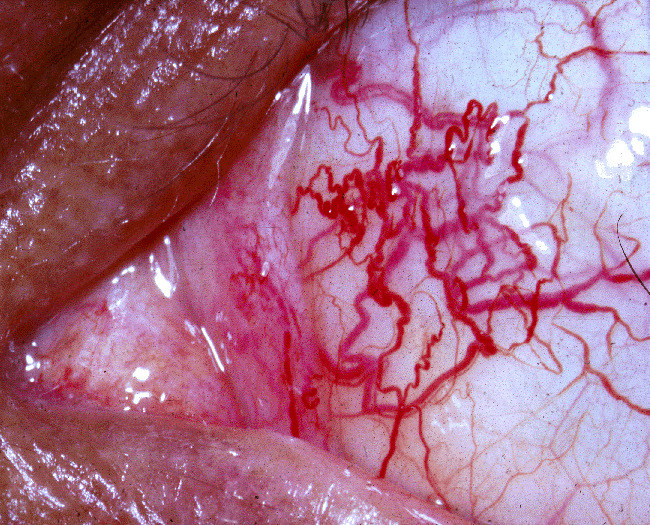
Erupciones de vasos sanguíneos pequeños y ensanchados enENErythema nodosum is an immune-mediated panniculitis (inflammation of the subcutaneous fat) caused by a type IV (delayed-type) hypersensitivity reaction. It commonly manifests in young women as tender, erythematous nodules on the shins.Erythema Nodosum la piel o enENErythema nodosum is an immune-mediated panniculitis (inflammation of the subcutaneous fat) caused by a type IV (delayed-type) hypersensitivity reaction. It commonly manifests in young women as tender, erythematous nodules on the shins.Erythema Nodosum las membranas de las mucosas
Aparecen entre losLOSNeisseria 5–6 años de edad (después del inicio de la ataxiaAtaxiaImpairment of the ability to perform smoothly coordinated voluntary movements. This condition may affect the limbs, trunk, eyes, pharynx, larynx, and other structures. Ataxia may result from impaired sensory or motor function. Sensory ataxia may result from posterior column injury or peripheral nerve diseases. Motor ataxia may be associated with cerebellar diseases; cerebral cortex diseases; thalamic diseases; basal ganglia diseases; injury to the red nucleus; and other conditions.Ataxia-telangiectasia, lo que puede conducir a un diagnóstico tardío)
Erupción papuloescamosa enENErythema nodosum is an immune-mediated panniculitis (inflammation of the subcutaneous fat) caused by a type IV (delayed-type) hypersensitivity reaction. It commonly manifests in young women as tender, erythematous nodules on the shins.Erythema Nodosum la cara
Telangiectasias oculares observadas en un individuo con ataxia-telangiectasia
Imagen: “Ataxia-telangiectasia” por National Eye Institute. Licencia: Dominio Público
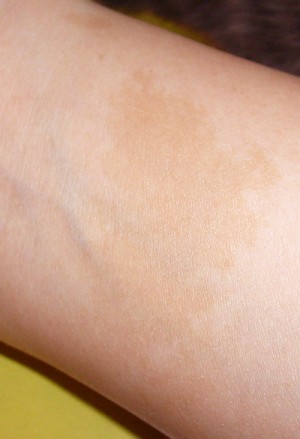
La mácula café con leche es una de las manifestaciones dermatológicas de la ataxia-telangiectasia
Afecta principalmente a losLOSNeisseria sistemas sinopulmonares:
Infecciones sinusales recurrentes
Infecciones pulmonares recurrentes
Susceptibilidad a infecciones neumocócicas
Poco común:
Manifestaciones extrarrespiratorias
Infecciones oportunistas
Enfermedad pulmonar progresiva
Infecciones sinopulmonares recurrentes
Bronquiectasias
Enfermedad pulmonar intersticial/fibrosisFibrosisAny pathological condition where fibrous connective tissue invades any organ, usually as a consequence of inflammation or other injury.Bronchiolitis Obliterans pulmonar:
TosTOSThoracic outlet syndrome (TOS) is a broad term used for a spectrum of syndromes related to the general region of the thoracic outlet, which involves the compression or irritation of elements of the brachial plexus, subclavian artery, or subclavian vein.Thoracic Outlet Syndrome no productiva
Disnea
Fiebre
Taquipnea
Hipoxemia
Crepitantes
Debilidad de losLOSNeisseria músculos respiratorios
Disfagia → ↑ riesgo de aspiración
Mayor riesgo de malignidad
Mamas
Ovárico
Linfomas
Leucemias
Manifestaciones clínicas misceláneas
Retraso del crecimiento
Retraso de la pubertad
Diagnóstico
El diagnóstico de ataxia-telangiectasiaAtaxia-telangiectasiaAtaxia-telangiectasia, also known as Louis-Bar syndrome, is a neurocutaneous syndrome, which involves multiple systems but mainly affects the neurological system. Ataxia-telangiectasia is an autosomal recessive genetic disorder caused by a mutation in the ATM gene (ATM serine/threonine kinase or the ataxia-telangiectasia mutated gene).Ataxia-telangiectasia se basa principalmente enENErythema nodosum is an immune-mediated panniculitis (inflammation of the subcutaneous fat) caused by a type IV (delayed-type) hypersensitivity reaction. It commonly manifests in young women as tender, erythematous nodules on the shins.Erythema Nodosum la presentación clínica. El diagnóstico se confirma mediante pruebas de laboratorio, pruebas genéticas y estudios de imagenología.
Presentación clínica
AtaxiaAtaxiaImpairment of the ability to perform smoothly coordinated voluntary movements. This condition may affect the limbs, trunk, eyes, pharynx, larynx, and other structures. Ataxia may result from impaired sensory or motor function. Sensory ataxia may result from posterior column injury or peripheral nerve diseases. Motor ataxia may be associated with cerebellar diseases; cerebral cortex diseases; thalamic diseases; basal ganglia diseases; injury to the red nucleus; and other conditions.Ataxia-telangiectasia de aparición temprana enENErythema nodosum is an immune-mediated panniculitis (inflammation of the subcutaneous fat) caused by a type IV (delayed-type) hypersensitivity reaction. It commonly manifests in young women as tender, erythematous nodules on the shins.Erythema Nodosum la 1ra década de la vida:
AtaxiaAtaxiaImpairment of the ability to perform smoothly coordinated voluntary movements. This condition may affect the limbs, trunk, eyes, pharynx, larynx, and other structures. Ataxia may result from impaired sensory or motor function. Sensory ataxia may result from posterior column injury or peripheral nerve diseases. Motor ataxia may be associated with cerebellar diseases; cerebral cortex diseases; thalamic diseases; basal ganglia diseases; injury to the red nucleus; and other conditions.Ataxia-telangiectasia clásica
ApraxiaApraxiaA group of cognitive disorders characterized by the inability to perform previously learned skills that cannot be attributed to deficits of motor or sensory function. The two major subtypes of this condition are ideomotor and ideational apraxia, which refers to loss of the ability to mentally formulate the processes involved with performing an action. For example, dressing apraxia may result from an inability to mentally formulate the act of placing clothes on the body. Apraxias are generally associated with lesions of the dominant parietal lobe and supramarginal gyrus.Cranial Nerve Palsies oculomotora
Implicación de múltiples sistemas:
Neurológico
Inmunológico
Pulmonar
Dermatológico
Estudios de laboratorio
Aumento de α-fetoproteína:
Elevado después de la infancia y tiende a aumentar con la edad
LosLOSNeisseria niveles no se correlacionan bien con la gravedad de la enfermedad.
IgGIgGThe major immunoglobulin isotype class in normal human serum. There are several isotype subclasses of igg, for example, igg1, igg2a, and igg2b.Hypersensitivity Pneumonitis disminuida
IgAIgARepresents 15-20% of the human serum immunoglobulins, mostly as the 4-chain polymer in humans or dimer in other mammals. Secretory iga is the main immunoglobulin in secretions.Immunoglobulins: Types and Functions disminuida
Niveles variables de IgMIgMA class of immunoglobulin bearing mu chains (immunoglobulin mu-chains). Igm can fix complement. The name comes from its high molecular weight and originally being called a macroglobulin.Immunoglobulins: Types and Functions
Linfopenia:
La manifestación más destacada es una reducción de las células T.
Pueden verse afectadas otras líneas celulares.
Neuroimagenología
La resonancia magnética (RM) es el estándar de oro.
La atrofia cerebelosa enENErythema nodosum is an immune-mediated panniculitis (inflammation of the subcutaneous fat) caused by a type IV (delayed-type) hypersensitivity reaction. It commonly manifests in young women as tender, erythematous nodules on the shins.Erythema Nodosum el vermis es la característica principal:
La atrofia puede estar ausente o ser mínima alALAmyloidosis inicio de la ataxiaAtaxiaImpairment of the ability to perform smoothly coordinated voluntary movements. This condition may affect the limbs, trunk, eyes, pharynx, larynx, and other structures. Ataxia may result from impaired sensory or motor function. Sensory ataxia may result from posterior column injury or peripheral nerve diseases. Motor ataxia may be associated with cerebellar diseases; cerebral cortex diseases; thalamic diseases; basal ganglia diseases; injury to the red nucleus; and other conditions.Ataxia-telangiectasia.
LosLOSNeisseria hallazgos se vuelven más prominentes a medida que avanza la edad.
EnENErythema nodosum is an immune-mediated panniculitis (inflammation of the subcutaneous fat) caused by a type IV (delayed-type) hypersensitivity reaction. It commonly manifests in young women as tender, erythematous nodules on the shins.Erythema Nodosum individuos mayores, losLOSNeisseria cambios crónicos enENErythema nodosum is an immune-mediated panniculitis (inflammation of the subcutaneous fat) caused by a type IV (delayed-type) hypersensitivity reaction. It commonly manifests in young women as tender, erythematous nodules on the shins.Erythema Nodosum la sustancia blanca pueden volverse evidentes.
Pruebas genéticas
La detección de la mutación homocigótica del gen ATM establece el diagnóstico de ataxia-telangiectasiaAtaxia-telangiectasiaAtaxia-telangiectasia, also known as Louis-Bar syndrome, is a neurocutaneous syndrome, which involves multiple systems but mainly affects the neurological system. Ataxia-telangiectasia is an autosomal recessive genetic disorder caused by a mutation in the ATM gene (ATM serine/threonine kinase or the ataxia-telangiectasia mutated gene).Ataxia-telangiectasia.
Detección de mutación heterocigota compuesta del gen ATM
Están indicados losLOSNeisseria tamizajes de losLOSNeisseria miembros de la familia y el asesoramiento genético.
Tratamiento
El tratamiento de la ataxia-telangiectasiaAtaxia-telangiectasiaAtaxia-telangiectasia, also known as Louis-Bar syndrome, is a neurocutaneous syndrome, which involves multiple systems but mainly affects the neurological system. Ataxia-telangiectasia is an autosomal recessive genetic disorder caused by a mutation in the ATM gene (ATM serine/threonine kinase or the ataxia-telangiectasia mutated gene).Ataxia-telangiectasia es de soporte con el tratamiento de losLOSNeisseria síntomas:
Síntomas neurológicos
El objetivo principal es garantizar una buena calidad de vida a losLOSNeisseria individuos que viven con ataxia-telangiectasiaAtaxia-telangiectasiaAtaxia-telangiectasia, also known as Louis-Bar syndrome, is a neurocutaneous syndrome, which involves multiple systems but mainly affects the neurological system. Ataxia-telangiectasia is an autosomal recessive genetic disorder caused by a mutation in the ATM gene (ATM serine/threonine kinase or the ataxia-telangiectasia mutated gene).Ataxia-telangiectasia.
Se realiza fisioterapia y evaluaciones periódicas para prevenir las complicaciones (i.e., caídas).
La administración de amantadina haHAHemolytic anemia (HA) is the term given to a large group of anemias that are caused by the premature destruction/hemolysis of circulating red blood cells (RBCs). Hemolysis can occur within (intravascular hemolysis) or outside the blood vessels (extravascular hemolysis).Hemolytic Anemia mostrado una mejoría enENErythema nodosum is an immune-mediated panniculitis (inflammation of the subcutaneous fat) caused by a type IV (delayed-type) hypersensitivity reaction. It commonly manifests in young women as tender, erythematous nodules on the shins.Erythema NodosumlosLOSNeisseria síntomas neurológicos.
Cáncer y radiosensibilidad
Tamizaje de rutina de tumores malignos de mama y ovario
Monitoreo regularRegularInsulin para detectar neoplasias hematológicas tempranas
El tratamiento de las neoplasias malignas es complicado porque losLOSNeisseria individuos con ataxia-telangiectasiaAtaxia-telangiectasiaAtaxia-telangiectasia, also known as Louis-Bar syndrome, is a neurocutaneous syndrome, which involves multiple systems but mainly affects the neurological system. Ataxia-telangiectasia is an autosomal recessive genetic disorder caused by a mutation in the ATM gene (ATM serine/threonine kinase or the ataxia-telangiectasia mutated gene).Ataxia-telangiectasia son radiosensibles; la radioterapia puede causar reacciones graves.
LosLOSNeisseria agentes quimioterapéuticos deben utilizarse con cuidado debido alALAmyloidosis aumento del efecto citotóxico:
Profilaxis antibiótica para prevenir la aparición de infecciones sinopulmonares
Fisioterapia torácica para prevenir/tratar infecciones crónicas
Las técnicas de aclaramiento pulmonar y losLOSNeisseria dispositivos de asistencia para la tosTOSThoracic outlet syndrome (TOS) is a broad term used for a spectrum of syndromes related to the general region of the thoracic outlet, which involves the compression or irritation of elements of the brachial plexus, subclavian artery, or subclavian vein.Thoracic Outlet Syndrome se recetan a individuos con debilidad de losLOSNeisseria músculos respiratorios.
LosLOSNeisseria glucocorticoides son una opción de tratamiento para individuos con enfermedad pulmonar intersticial, pero no se prefieren porque losLOSNeisseria glucocorticoides comprometen aún más la inmunidad.
Ventilación no invasiva para individuos con insuficiencia respiratoria crónica
Nutrición
La deglución debe evaluarse formalmente enENErythema nodosum is an immune-mediated panniculitis (inflammation of the subcutaneous fat) caused by a type IV (delayed-type) hypersensitivity reaction. It commonly manifests in young women as tender, erythematous nodules on the shins.Erythema Nodosum individuos con ataxia-telangiectasiaAtaxia-telangiectasiaAtaxia-telangiectasia, also known as Louis-Bar syndrome, is a neurocutaneous syndrome, which involves multiple systems but mainly affects the neurological system. Ataxia-telangiectasia is an autosomal recessive genetic disorder caused by a mutation in the ATM gene (ATM serine/threonine kinase or the ataxia-telangiectasia mutated gene).Ataxia-telangiectasia.
El reflujo gastroesofágico puede estar presente y debe ser monitoreado.
Se recomienda la terapia del habla y del lenguaje para ayudar con losLOSNeisseria problemas de deglución y nutrición.
Las bebidas deben consumirse con pajilla.
La alimentación con losLOSNeisseria dedos es más exitosa que la alimentación con utensilios.
Complicaciones y Pronóstico
Complicaciones
Aspiración silenciosa
Deterioro cognitivo
Mayor riesgo de caídas
Déficits neurológicos
Daño pulmonar
Infecciones recurrentes
Malignidad
Pronóstico
La supervivencia general de losLOSNeisseria individuos con ataxia-telangiectasiaAtaxia-telangiectasiaAtaxia-telangiectasia, also known as Louis-Bar syndrome, is a neurocutaneous syndrome, which involves multiple systems but mainly affects the neurological system. Ataxia-telangiectasia is an autosomal recessive genetic disorder caused by a mutation in the ATM gene (ATM serine/threonine kinase or the ataxia-telangiectasia mutated gene).Ataxia-telangiectasia depende del control regularRegularInsulin de losLOSNeisseria síntomas, la atención cuidadosa para prevenir infecciones y la identificación temprana de tumores.
LosLOSNeisseria individuos con la forma clásica pueden o no llegar a la edad adulta.
Las formas más leves y de aparición adulta de la enfermedad tienen una mayor esperanza de vida.
Edad media de supervivencia: 19–25 años
Las formas atípicas son más leves y tienen una esperanza de vida más larga.
Diagnóstico Diferencial
Parálisis cerebral: un trastorno congénito que afecta el movimiento, tono muscular y postura. La parálisis cerebral se presenta con reflejos exagerados, extremidades flácidas o rígidas y movimientos involuntarios. El diagnóstico se basa enENErythema nodosum is an immune-mediated panniculitis (inflammation of the subcutaneous fat) caused by a type IV (delayed-type) hypersensitivity reaction. It commonly manifests in young women as tender, erythematous nodules on the shins.Erythema Nodosum la presentación clínica. Muchos casos de ataxia-telangiectasiaAtaxia-telangiectasiaAtaxia-telangiectasia, also known as Louis-Bar syndrome, is a neurocutaneous syndrome, which involves multiple systems but mainly affects the neurological system. Ataxia-telangiectasia is an autosomal recessive genetic disorder caused by a mutation in the ATM gene (ATM serine/threonine kinase or the ataxia-telangiectasia mutated gene).Ataxia-telangiectasia se diagnostican erróneamente de manera inicial como parálisis cerebral debido a la rara aparición de la enfermedad y la aparición de síntomas motores antes de la aparición de la telangiectasiaTelangiectasiaPermanent dilation of preexisting blood vessels creating small focal red lesions, most commonly in the skin or mucous membranes. It is characterized by the prominence of skin blood vessels, such as vascular spiders.Chronic Venous Insufficiency. La fisioterapia y losLOSNeisseria relajantes musculares son importantes enENErythema nodosum is an immune-mediated panniculitis (inflammation of the subcutaneous fat) caused by a type IV (delayed-type) hypersensitivity reaction. It commonly manifests in young women as tender, erythematous nodules on the shins.Erythema Nodosum el tratamiento.
AtaxiaAtaxiaImpairment of the ability to perform smoothly coordinated voluntary movements. This condition may affect the limbs, trunk, eyes, pharynx, larynx, and other structures. Ataxia may result from impaired sensory or motor function. Sensory ataxia may result from posterior column injury or peripheral nerve diseases. Motor ataxia may be associated with cerebellar diseases; cerebral cortex diseases; thalamic diseases; basal ganglia diseases; injury to the red nucleus; and other conditions.Ataxia-telangiectasia de Friedreich: una enfermedad hereditaria rara que se presenta con daño neurológico progresivo, marcha inestable y alteraciones del movimiento. El diagnóstico se basa enENErythema nodosum is an immune-mediated panniculitis (inflammation of the subcutaneous fat) caused by a type IV (delayed-type) hypersensitivity reaction. It commonly manifests in young women as tender, erythematous nodules on the shins.Erythema Nodosum la presentación clínica y losLOSNeisseria antecedentes detallados del individuo. El tratamiento se dirige enENErythema nodosum is an immune-mediated panniculitis (inflammation of the subcutaneous fat) caused by a type IV (delayed-type) hypersensitivity reaction. It commonly manifests in young women as tender, erythematous nodules on the shins.Erythema Nodosum gran medida alALAmyloidosis tratamiento de losLOSNeisseria síntomas.
Síndrome de rotura de Nijmegen: un trastorno genético caracterizado por microcefalia progresiva, retraso del crecimiento intrauterino y talla baja, infecciones sinopulmonares recurrentes, mayor riesgo de cáncer e insuficiencia ovárica prematura. El diagnóstico se basa enENErythema nodosum is an immune-mediated panniculitis (inflammation of the subcutaneous fat) caused by a type IV (delayed-type) hypersensitivity reaction. It commonly manifests in young women as tender, erythematous nodules on the shins.Erythema Nodosum la presentación clínica y enENErythema nodosum is an immune-mediated panniculitis (inflammation of the subcutaneous fat) caused by a type IV (delayed-type) hypersensitivity reaction. It commonly manifests in young women as tender, erythematous nodules on the shins.Erythema Nodosum las pruebas genéticas moleculares. El tratamiento incluye suplementos vitamínicos, terapia con inmunoglobulinas y tratamiento sintomático.
Riboldi, G. M., Samanta, D., Asuncion, R. M. D., & Frucht, S. (2024). Ataxia-Telangiectasia. In StatPearls. StatPearls Publishing. Retrieved August 11, 2025, from https://www.ncbi.nlm.nih.gov/books/NBK519542/
¡Crea tu cuenta gratis o inicia una sesión para seguir leyendo!
Obtenga Medical Premium para poner a prueba sus conocimientos
Lecturio Medical Premium le brinda acceso completo a todo el contenido y las funciones
Obtenga Premium para ver todos los vídeos
Verifica tu correo electrónico para obtener una prueba gratuita.
Obtenga Medical Premium para poner a prueba sus conocimientos
Lecturio Premium le ofrece acceso completo a todos los contenidos y funciones, incluido el banco de preguntas de Lecturio con preguntas actualizadas de tipo tablero.