Domina Conceptos Médicos

Estudia para la escuela de medicina y tus examenes con Lecturio.

Amigdalitis

La amigdalitis es la inflamación de las amígdalas palatinas. Cuando la amigdalitis es causada por una infección, se denomina amigdalitis infecciosa, causada por virus Virus Viruses are infectious, obligate intracellular parasites composed of a nucleic acid core surrounded by a protein capsid. Viruses can be either naked (non-enveloped) or enveloped. The classification of viruses is complex and based on many factors, including type and structure of the nucleoid and capsid, the presence of an envelope, the replication cycle, and the host range. Virology (el más común), bacterias u hongos. Entre las bacterias, el estreptococo del grupo A es la etiología más frecuente. El diagnóstico se basa en EN Erythema nodosum is an immune-mediated panniculitis (inflammation of the subcutaneous fat) caused by a type IV (delayed-type) hypersensitivity reaction. It commonly manifests in young women as tender, erythematous nodules on the shins. Erythema Nodosum los LOS Neisseria antecedentes, los LOS Neisseria factores de riesgo y los LOS Neisseria hallazgos clínicos, con la realización de pruebas, si están indicadas, en EN Erythema nodosum is an immune-mediated panniculitis (inflammation of the subcutaneous fat) caused by a type IV (delayed-type) hypersensitivity reaction. It commonly manifests in young women as tender, erythematous nodules on the shins. Erythema Nodosum la evaluación inicial. Las pruebas para detectar la infección por Streptococcus Streptococcus Streptococcus is one of the two medically important genera of gram-positive cocci, the other being Staphylococcus. Streptococci are identified as different species on blood agar on the basis of their hemolytic pattern and sensitivity to optochin and bacitracin. There are many pathogenic species of streptococci, including S. pyogenes, S. agalactiae, S. pneumoniae, and the viridans streptococci. Streptococcus del grupo A (GAS, por sus siglas en EN Erythema nodosum is an immune-mediated panniculitis (inflammation of the subcutaneous fat) caused by a type IV (delayed-type) hypersensitivity reaction. It commonly manifests in young women as tender, erythematous nodules on the shins. Erythema Nodosum inglés) en EN Erythema nodosum is an immune-mediated panniculitis (inflammation of the subcutaneous fat) caused by a type IV (delayed-type) hypersensitivity reaction. It commonly manifests in young women as tender, erythematous nodules on the shins. Erythema Nodosum el contexto de la amigdalitis son esenciales, ya que esta infección puede provocar fiebre reumática y glomerulonefritis en EN Erythema nodosum is an immune-mediated panniculitis (inflammation of the subcutaneous fat) caused by a type IV (delayed-type) hypersensitivity reaction. It commonly manifests in young women as tender, erythematous nodules on the shins. Erythema Nodosum niños y adolescentes. Se recomienda el tratamiento antibiótico en EN Erythema nodosum is an immune-mediated panniculitis (inflammation of the subcutaneous fat) caused by a type IV (delayed-type) hypersensitivity reaction. It commonly manifests in young women as tender, erythematous nodules on the shins. Erythema Nodosum una infección confirmada por GAS para esta población. Para otras etiologías, el manejo depende del organismo causante y del tratamiento disponible.

Last updated: Dec 15, 2025
Editorial responsibility: Stanley Oiseth, Lindsay Jones, Evelin Maza

Epidemiología y Etiología

Epidemiología

  • Amigdalitis viral: niños < 5 años y adultos jóvenes
  • Amigdalitis estreptocócica:
    • Niños de 5–15 años (no se observa en EN Erythema nodosum is an immune-mediated panniculitis (inflammation of the subcutaneous fat) caused by a type IV (delayed-type) hypersensitivity reaction. It commonly manifests in young women as tender, erythematous nodules on the shins. Erythema Nodosum niños < 3 años de edad)
    • En EN Erythema nodosum is an immune-mediated panniculitis (inflammation of the subcutaneous fat) caused by a type IV (delayed-type) hypersensitivity reaction. It commonly manifests in young women as tender, erythematous nodules on the shins. Erythema Nodosum adultos: a menudo antes de los LOS Neisseria 40 años
    • Más frecuentes en EN Erythema nodosum is an immune-mediated panniculitis (inflammation of the subcutaneous fat) caused by a type IV (delayed-type) hypersensitivity reaction. It commonly manifests in young women as tender, erythematous nodules on the shins. Erythema Nodosum invierno y primavera

Etiología

  • Viral (la más común):
    • Virus Virus Viruses are infectious, obligate intracellular parasites composed of a nucleic acid core surrounded by a protein capsid. Viruses can be either naked (non-enveloped) or enveloped. The classification of viruses is complex and based on many factors, including type and structure of the nucleoid and capsid, the presence of an envelope, the replication cycle, and the host range. Virology de Epstein-Barr ( EBV EBV Epstein-barr virus (EBV) is a linear, double-stranded DNA virus belonging to the herpesviridae family. This highly prevalent virus is mostly transmitted through contact with oropharyngeal secretions from an infected individual. The virus can infect epithelial cells and B lymphocytes, where it can undergo lytic replication or latency. Epstein-Barr Virus, por sus siglas en EN Erythema nodosum is an immune-mediated panniculitis (inflammation of the subcutaneous fat) caused by a type IV (delayed-type) hypersensitivity reaction. It commonly manifests in young women as tender, erythematous nodules on the shins. Erythema Nodosum inglés): causa el 90% de las mononucleosis Mononucleosis Infectious mononucleosis (IM), also known as “the kissing disease,” is a highly contagious viral infection caused by the Epstein-Barr virus. Its common name is derived from its main method of transmission: the spread of infected saliva via kissing. Clinical manifestations of IM include fever, tonsillar pharyngitis, and lymphadenopathy. Mononucleosis infecciosas
    • Adenovirus Adenovirus Adenovirus (member of the family Adenoviridae) is a nonenveloped, double-stranded DNA virus. Adenovirus is transmitted in a variety of ways, and it can have various presentations based on the site of entry. Presentation can include febrile pharyngitis, conjunctivitis, acute respiratory disease, atypical pneumonia, and gastroenteritis. Adenovirus
    • Coxsackie
    • Citomegalovirus (CMV)
    • Influenza A Influenza A Antivirals for Influenza y B
    • Virus Virus Viruses are infectious, obligate intracellular parasites composed of a nucleic acid core surrounded by a protein capsid. Viruses can be either naked (non-enveloped) or enveloped. The classification of viruses is complex and based on many factors, including type and structure of the nucleoid and capsid, the presence of an envelope, the replication cycle, and the host range. Virology de la parainfluenza
    • Virus Virus Viruses are infectious, obligate intracellular parasites composed of a nucleic acid core surrounded by a protein capsid. Viruses can be either naked (non-enveloped) or enveloped. The classification of viruses is complex and based on many factors, including type and structure of the nucleoid and capsid, the presence of an envelope, the replication cycle, and the host range. Virology respiratorio sincitial
    • Coronavirus Coronavirus Coronaviruses are a group of related viruses that contain positive-sense, single-stranded RNA. Coronavirus derives its name from “κορώνη korṓnē” in Greek, which translates as “crown,” after the small club-shaped proteins visible as a ring around the viral envelope in electron micrographs. Coronavirus de tipo 2 causante del síndrome respiratorio agudo severo (SARS-CoV-2, por sus siglas en EN Erythema nodosum is an immune-mediated panniculitis (inflammation of the subcutaneous fat) caused by a type IV (delayed-type) hypersensitivity reaction. It commonly manifests in young women as tender, erythematous nodules on the shins. Erythema Nodosum inglés)
    • Virus Virus Viruses are infectious, obligate intracellular parasites composed of a nucleic acid core surrounded by a protein capsid. Viruses can be either naked (non-enveloped) or enveloped. The classification of viruses is complex and based on many factors, including type and structure of the nucleoid and capsid, the presence of an envelope, the replication cycle, and the host range. Virology de la inmunodeficiencia humana (VIH)
  • Bacteriana:
    • Streptococcus Streptococcus Streptococcus is one of the two medically important genera of gram-positive cocci, the other being Staphylococcus. Streptococci are identified as different species on blood agar on the basis of their hemolytic pattern and sensitivity to optochin and bacitracin. There are many pathogenic species of streptococci, including S. pyogenes, S. agalactiae, S. pneumoniae, and the viridans streptococci. Streptococcus del grupo A (GAS, por sus siglas en EN Erythema nodosum is an immune-mediated panniculitis (inflammation of the subcutaneous fat) caused by a type IV (delayed-type) hypersensitivity reaction. It commonly manifests in young women as tender, erythematous nodules on the shins. Erythema Nodosum inglés): la causa bacteriana más común
    • Mycoplasma pneumoniae Mycoplasma pneumoniae Short filamentous organism of the genus mycoplasma, which binds firmly to the cells of the respiratory epithelium. It is one of the etiologic agents of non-viral primary atypical pneumonia in man. Mycoplasma
    • Corynebacterium Corynebacterium Corynebacteria are gram-positive, club-shaped bacilli. Corynebacteria are commonly isolated on tellurite or Loeffler’s media and have characteristic metachromatic granules. The major pathogenic species is Corynebacterium diphtheriae, which causes a severe respiratory infection called diphtheria. Corynebacterium diphtheriae
    • Neisseria Neisseria Neisseria is a genus of bacteria commonly present on mucosal surfaces. Several species exist, but only 2 are pathogenic to humans: N. gonorrhoeae and N. meningitidis. Neisseria species are non-motile, gram-negative diplococci most commonly isolated on modified Thayer-Martin (MTM) agar. Neisseria gonorrhoeae
    • Fusobacterium Fusobacterium A genus of gram-negative, anaerobic, rod-shaped bacteria found in cavities of humans and other animals. No endospores are formed. Some species are pathogenic and occur in various purulent or gangrenous infections. Dog and Cat Bites
  • Micótica: Candida Candida Candida is a genus of dimorphic, opportunistic fungi. Candida albicans is part of the normal human flora and is the most common cause of candidiasis. The clinical presentation varies and can include localized mucocutaneous infections (e.g., oropharyngeal, esophageal, intertriginous, and vulvovaginal candidiasis) and invasive disease (e.g., candidemia, intraabdominal abscess, pericarditis, and meningitis). Candida/Candidiasis (observada en EN Erythema nodosum is an immune-mediated panniculitis (inflammation of the subcutaneous fat) caused by a type IV (delayed-type) hypersensitivity reaction. It commonly manifests in young women as tender, erythematous nodules on the shins. Erythema Nodosum portadores de prótesis dentales, pacientes asmáticos que utilizan inhaladores de corticosteroides, pacientes inmunocomprometidos)

Presentación Clínica

Infección viral

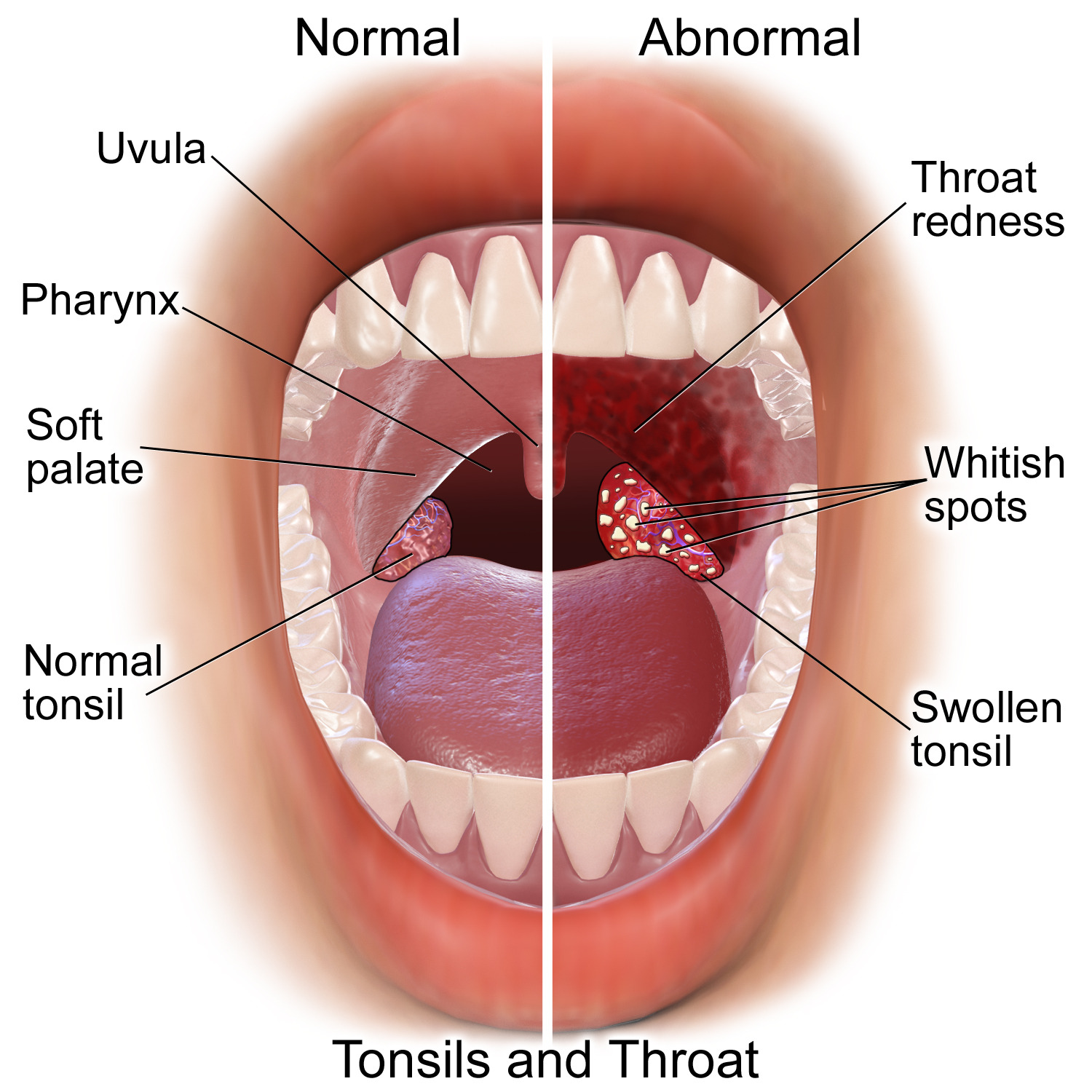
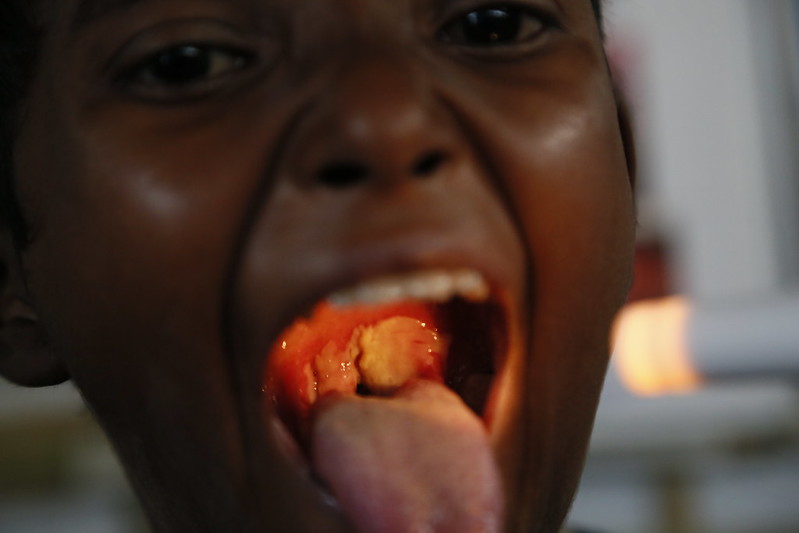
  • Exudados amigdalinos leves
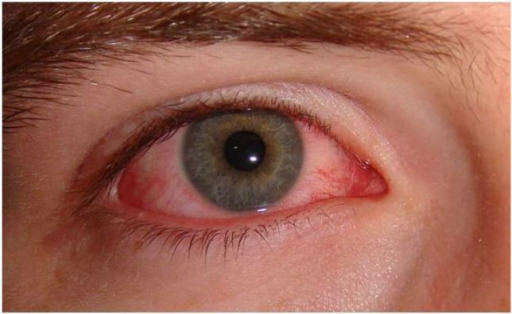
  • Conjuntivitis
  • Tos TOS Thoracic outlet syndrome (TOS) is a broad term used for a spectrum of syndromes related to the general region of the thoracic outlet, which involves the compression or irritation of elements of the brachial plexus, subclavian artery, or subclavian vein. Thoracic Outlet Syndrome (infección de las vías respiratorias superiores)
  • Rinorrea
  • Mononucleosis Mononucleosis Infectious mononucleosis (IM), also known as “the kissing disease,” is a highly contagious viral infection caused by the Epstein-Barr virus. Its common name is derived from its main method of transmission: the spread of infected saliva via kissing. Clinical manifestations of IM include fever, tonsillar pharyngitis, and lymphadenopathy. Mononucleosis infecciosa: fatiga, bazo/esplenomegalia palpable o adenopatías axilares

Infección bacteriana

  • Amigdalitis por GAS:
    • Febril (> 38°C (100,4°F))
    • Dolor Dolor Inflammation de garganta (puede ser grave), malestar general
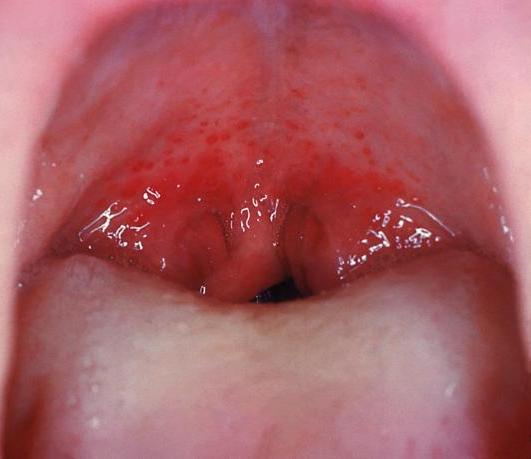
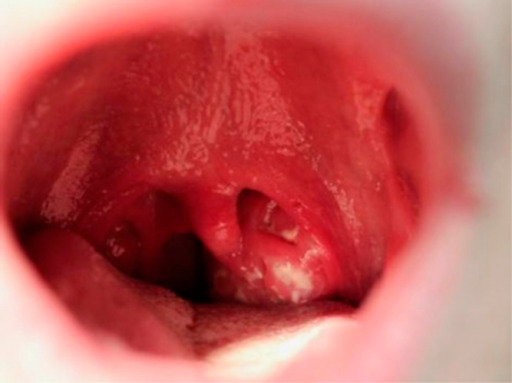
    • Eritema y exudado en EN Erythema nodosum is an immune-mediated panniculitis (inflammation of the subcutaneous fat) caused by a type IV (delayed-type) hypersensitivity reaction. It commonly manifests in young women as tender, erythematous nodules on the shins. Erythema Nodosum la faringe y amígdalas
    • Adenopatías cervicales anteriores sensibles e inflamadas
    • Petequias palatinas
    • Lengua de fresa
    • Erupción escarlatiniforme
  • Amigdalitis por C. diphtheriae:
    • Se presenta con dolor Dolor Inflammation de garganta y fiebre
    • Comúnmente visto en EN Erythema nodosum is an immune-mediated panniculitis (inflammation of the subcutaneous fat) caused by a type IV (delayed-type) hypersensitivity reaction. It commonly manifests in young women as tender, erythematous nodules on the shins. Erythema Nodosum individuos no vacunados
    • Paciente con una pseudomembrana amigdalina gris (característica distintiva de la enfermedad)
  • Amigdalitis por N. gonorrhoeae:
    • Dolor Dolor Inflammation de garganta y fiebre en EN Erythema nodosum is an immune-mediated panniculitis (inflammation of the subcutaneous fat) caused by a type IV (delayed-type) hypersensitivity reaction. It commonly manifests in young women as tender, erythematous nodules on the shins. Erythema Nodosum personas sexualmente activas
    • Junto con el dolor Dolor Inflammation de garganta, es frecuente que aparezcan síntomas relacionados con la infección del tracto genital.

Infección micótica

  • Muguet o tordo ( candidiasis Candidiasis Candida is a genus of dimorphic, opportunistic fungi. Candida albicans is part of the normal human flora and is the most common cause of candidiasis. The clinical presentation varies and can include localized mucocutaneous infections (e.g., oropharyngeal, esophageal, intertriginous, and vulvovaginal candidiasis) and invasive disease (e.g., candidemia, intraabdominal abscess, pericarditis, and meningitis). Candida/Candidiasis orofaríngea): placas blancas en EN Erythema nodosum is an immune-mediated panniculitis (inflammation of the subcutaneous fat) caused by a type IV (delayed-type) hypersensitivity reaction. It commonly manifests in young women as tender, erythematous nodules on the shins. Erythema Nodosum la orofaringe
  • Muchos pacientes son asintomáticos; algunos con sensación algodonosa en EN Erythema nodosum is an immune-mediated panniculitis (inflammation of the subcutaneous fat) caused by a type IV (delayed-type) hypersensitivity reaction. It commonly manifests in young women as tender, erythematous nodules on the shins. Erythema Nodosum la boca y dolor Dolor Inflammation oral al AL Amyloidosis comer
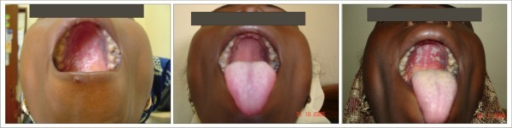
Candidiasis pseudomembranosa

Candidiasis pseudomembranosa en un paciente con infección por candidiasis orofaríngea
En estas imágenes, se observa que la infección afecta el paladar.

Imagen: “PMC2903493_1742-6405-7-19-2” por Taiwo OO, Hassan Z. Licencia: CC BY 2.0

Diagnóstico

El diagnóstico es clínico, ya que se basa en EN Erythema nodosum is an immune-mediated panniculitis (inflammation of the subcutaneous fat) caused by a type IV (delayed-type) hypersensitivity reaction. It commonly manifests in young women as tender, erythematous nodules on the shins. Erythema Nodosum los LOS Neisseria antecedentes y los LOS Neisseria hallazgos de la exploración física.

Evaluación inicial

  • Edad del paciente
  • Síntomas acompañantes: Las enfermedades virales comunes tienen otros síntomas, como tos TOS Thoracic outlet syndrome (TOS) is a broad term used for a spectrum of syndromes related to the general region of the thoracic outlet, which involves the compression or irritation of elements of the brachial plexus, subclavian artery, or subclavian vein. Thoracic Outlet Syndrome, conjuntivitis y rinorrea.
  • Factores de riesgo (exposición escolar, compromiso inmunitario, estado de vacunación, antecedentes sexuales y de drogas ilícitas, estación del año)

Pruebas

Infección por Streptococcus Streptococcus Streptococcus is one of the two medically important genera of gram-positive cocci, the other being Staphylococcus. Streptococci are identified as different species on blood agar on the basis of their hemolytic pattern and sensitivity to optochin and bacitracin. There are many pathogenic species of streptococci, including S. pyogenes, S. agalactiae, S. pneumoniae, and the viridans streptococci. Streptococcus del grupo A:

  • Pruebas del GAS:
    • Prueba rápida de antígeno estreptocócico o prueba rápida de detección de antígeno (RADT, por sus siglas en EN Erythema nodosum is an immune-mediated panniculitis (inflammation of the subcutaneous fat) caused by a type IV (delayed-type) hypersensitivity reaction. It commonly manifests in young women as tender, erythematous nodules on the shins. Erythema Nodosum inglés): preferible para el estudio inicial
    • Cultivo de muestra faríngea
    • Ensayos moleculares
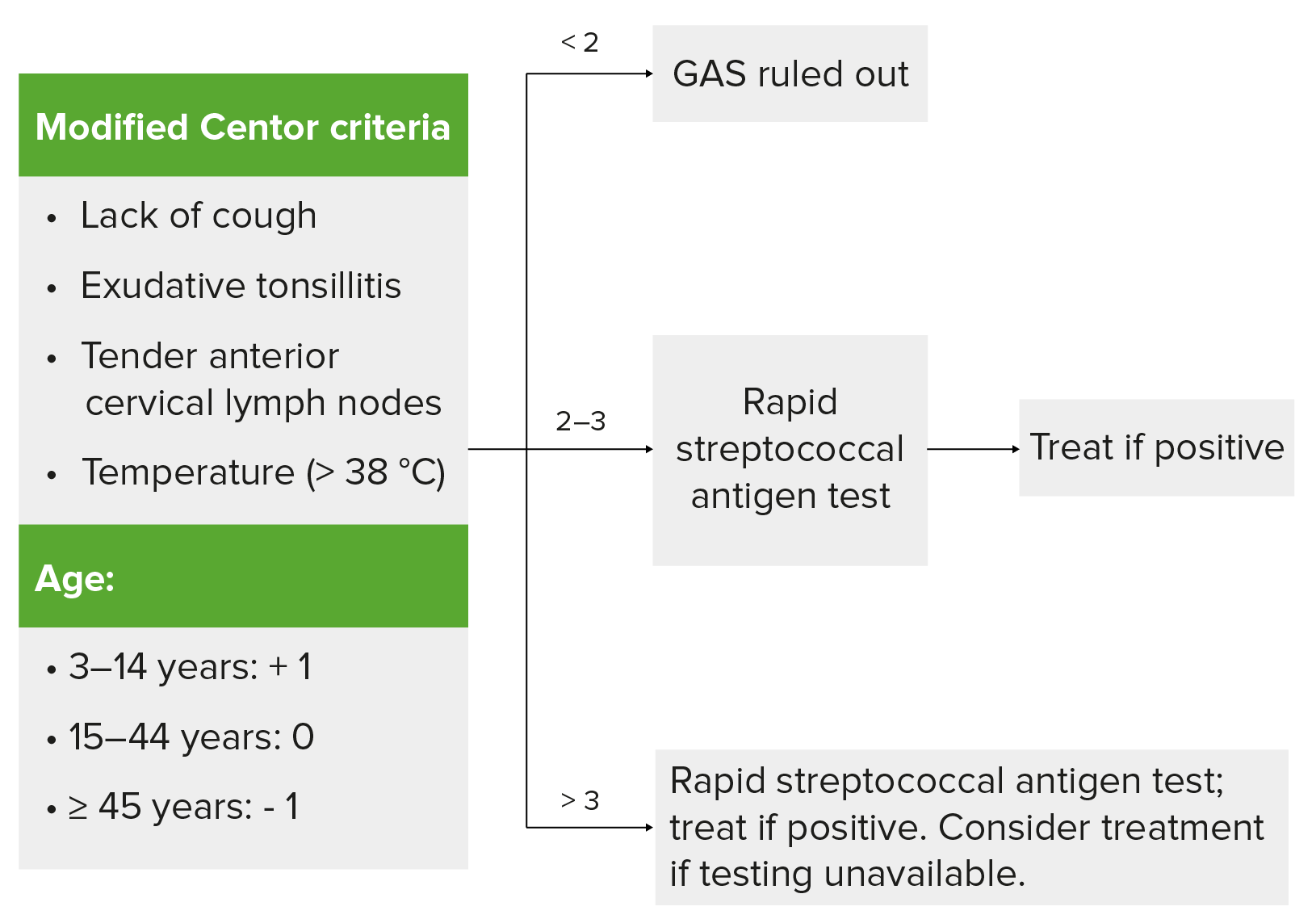
  • Uso de los LOS Neisseria criterios de Centor en EN Erythema nodosum is an immune-mediated panniculitis (inflammation of the subcutaneous fat) caused by a type IV (delayed-type) hypersensitivity reaction. It commonly manifests in young women as tender, erythematous nodules on the shins. Erythema Nodosum la amigdalitis por GAS:
    • 4 hallazgos con 1 punto cada uno
    • Modificado para incluir la edad del paciente
    • La probabilidad de GAS aumenta a medida que aumenta el total de puntos.
    • Las características de los LOS Neisseria criterios de Centor ( en EN Erythema nodosum is an immune-mediated panniculitis (inflammation of the subcutaneous fat) caused by a type IV (delayed-type) hypersensitivity reaction. It commonly manifests in young women as tender, erythematous nodules on the shins. Erythema Nodosum inglés):
      • C – Cough (ausencia de tos TOS Thoracic outlet syndrome (TOS) is a broad term used for a spectrum of syndromes related to the general region of the thoracic outlet, which involves the compression or irritation of elements of the brachial plexus, subclavian artery, or subclavian vein. Thoracic Outlet Syndrome)
      • E Exudate Exudate Exudates are fluids, cells, or other cellular substances that are slowly discharged from blood vessels usually from inflamed tissues. Pleural Effusion (exudado)
      • N – Cervical Nodes (nódulos cervicales)
      • T – Temperature (temperatura, fiebre)
      • OR – Modificador “joven” o (OR, en inglés) “viejo”: edad 3–14 años: + 1, edad 15–44 años: 0, edad ≥ 45 años: – 1
    • Puntuación:
      • < 2 amigdalitis por GAS improbable
      • 2–3: realizar pruebas para detectar GAS
      • > 3: realizar pruebas para detectar GAS; en EN Erythema nodosum is an immune-mediated panniculitis (inflammation of the subcutaneous fat) caused by a type IV (delayed-type) hypersensitivity reaction. It commonly manifests in young women as tender, erythematous nodules on the shins. Erythema Nodosum casos raros, tratamiento empírico si no se dispone de pruebas
  • Se sigue recomendando la evaluación del riesgo y el juicio clínico para las pruebas:
    • La infección estreptocócica se presenta de forma similar a otras etiologías.
    • Los LOS Neisseria hallazgos de la exploración física por sí solos pueden llevar a un tratamiento excesivo con antibióticos.
  • En EN Erythema nodosum is an immune-mediated panniculitis (inflammation of the subcutaneous fat) caused by a type IV (delayed-type) hypersensitivity reaction. It commonly manifests in young women as tender, erythematous nodules on the shins. Erythema Nodosum adultos:
    • RADT positivo: se administra el tratamiento
    • RADT negativo: sin antibióticos; generalmente, no es necesario el cultivo (baja incidencia de complicaciones como la fiebre reumática)
  • En EN Erythema nodosum is an immune-mediated panniculitis (inflammation of the subcutaneous fat) caused by a type IV (delayed-type) hypersensitivity reaction. It commonly manifests in young women as tender, erythematous nodules on the shins. Erythema Nodosum niños y adolescentes:
    • Descartar síntomas virales.
    • Prueba inicial con RADT
    • Si la RADT es negativa, se recomienda un cultivo de garganta de seguimiento (ya que la RADT puede fallar hasta en EN Erythema nodosum is an immune-mediated panniculitis (inflammation of the subcutaneous fat) caused by a type IV (delayed-type) hypersensitivity reaction. It commonly manifests in young women as tender, erythematous nodules on the shins. Erythema Nodosum un 30%).
    • Si el RADT es positivo: Tratar la infección.
    • Es importante determinar la infección por GAS, debido a que el grupo etario tiene riesgo de fiebre reumática, glomerulonefritis y complicaciones supurativas

Chequeo de otras etiologías:

  • Mononucleosis Mononucleosis Infectious mononucleosis (IM), also known as “the kissing disease,” is a highly contagious viral infection caused by the Epstein-Barr virus. Its common name is derived from its main method of transmission: the spread of infected saliva via kissing. Clinical manifestations of IM include fever, tonsillar pharyngitis, and lymphadenopathy. Mononucleosis infecciosa:
    • Monospot (prueba de anticuerpos heterófilos): positivo en EN Erythema nodosum is an immune-mediated panniculitis (inflammation of the subcutaneous fat) caused by a type IV (delayed-type) hypersensitivity reaction. It commonly manifests in young women as tender, erythematous nodules on the shins. Erythema Nodosum la infección por EBV EBV Epstein-barr virus (EBV) is a linear, double-stranded DNA virus belonging to the herpesviridae family. This highly prevalent virus is mostly transmitted through contact with oropharyngeal secretions from an infected individual. The virus can infect epithelial cells and B lymphocytes, where it can undergo lytic replication or latency. Epstein-Barr Virus
    • El hemograma mostraría linfocitosis.
  • Dependiendo de los LOS Neisseria antecedentes y los LOS Neisseria factores de riesgo:
    • Prueba del VIH
    • Prueba de amplificación del ácido nucleico o cultivo para N. gonorrhoeae N. gonorrhoeae A species of gram-negative, aerobic bacteria primarily found in purulent venereal discharges. It is the causative agent of gonorrhea. Neisseria
    • Preparación de hidróxido de potasio (KOH) en EN Erythema nodosum is an immune-mediated panniculitis (inflammation of the subcutaneous fat) caused by a type IV (delayed-type) hypersensitivity reaction. It commonly manifests in young women as tender, erythematous nodules on the shins. Erythema Nodosum raspados de lesiones orales: levaduras +/- hifas en EN Erythema nodosum is an immune-mediated panniculitis (inflammation of the subcutaneous fat) caused by a type IV (delayed-type) hypersensitivity reaction. It commonly manifests in young women as tender, erythematous nodules on the shins. Erythema Nodosum la infección por cándida

Tratamiento

Tratamiento complementario

  • Analgésicos (acetaminofén) y antiinflamatorios no esteroideos (AINE)
  • Corticosteroides ( en EN Erythema nodosum is an immune-mediated panniculitis (inflammation of the subcutaneous fat) caused by a type IV (delayed-type) hypersensitivity reaction. It commonly manifests in young women as tender, erythematous nodules on the shins. Erythema Nodosum casos de inflamación grave de las amígdalas)
  • Hidratación y gárgaras con agua salada

Infección viral

  • Manejo de soporte
  • Enfermedades virales con tratamiento específico disponible:
    • Influenza Influenza Influenza viruses are members of the Orthomyxoviridae family and the causative organisms of influenza, a highly contagious febrile respiratory disease. There are 3 primary influenza viruses (A, B, and C) and various subtypes, which are classified based on their virulent surface antigens, hemagglutinin (HA) and neuraminidase (NA). Influenza typically presents with a fever, myalgia, headache, and symptoms of an upper respiratory infection. Influenza Viruses/Influenza (para indicaciones específicas): oseltamivir Oseltamivir An acetamido cyclohexene that is a structural homolog of sialic acid and inhibits neuraminidase. Antivirals for Influenza, zanamivir Zanamivir A guanido-neuraminic acid that is used to inhibit neuraminidase. Antivirals for Influenza, baloxavir Baloxavir Antivirals for Influenza, peramivir Peramivir Antivirals for Influenza
    • VIH: iniciar la terapia antirretroviral

Infección por Streptococcus Streptococcus Streptococcus is one of the two medically important genera of gram-positive cocci, the other being Staphylococcus. Streptococci are identified as different species on blood agar on the basis of their hemolytic pattern and sensitivity to optochin and bacitracin. There are many pathogenic species of streptococci, including S. pyogenes, S. agalactiae, S. pneumoniae, and the viridans streptococci. Streptococcus del grupo A

  • Penicilina V o amoxicilina; cefalosporina de primera generación como alternativa
  • Clindamicina/claritromicina/azitromicina, en EN Erythema nodosum is an immune-mediated panniculitis (inflammation of the subcutaneous fat) caused by a type IV (delayed-type) hypersensitivity reaction. It commonly manifests in young women as tender, erythematous nodules on the shins. Erythema Nodosum caso de alergia a la penicilina
  • La ampicilina debe evitarse si se sospecha de mononucleosis Mononucleosis Infectious mononucleosis (IM), also known as “the kissing disease,” is a highly contagious viral infection caused by the Epstein-Barr virus. Its common name is derived from its main method of transmission: the spread of infected saliva via kissing. Clinical manifestations of IM include fever, tonsillar pharyngitis, and lymphadenopathy. Mononucleosis (induce una erupción generalizada).
  • Profilaxis (amigdalectomía) para la amigdalitis estreptocócica recurrente:
    • Indicado para pacientes de 1–18 años (criterios de Paradise):
      • 3 episodios anuales durante 3 o más años
      • 5 episodios anuales durante 2 años
      • 7 episodios en EN Erythema nodosum is an immune-mediated panniculitis (inflammation of the subcutaneous fat) caused by a type IV (delayed-type) hypersensitivity reaction. It commonly manifests in young women as tender, erythematous nodules on the shins. Erythema Nodosum 1 año
    • Los LOS Neisseria episodios de amigdalitis deben tener documentación de ≥ 1 de los LOS Neisseria siguientes:
      • Temperatura de 38,3°C (101°F)
      • Adenopatía cervical
      • Exudado amigdalino
      • Prueba positiva de GAS

Otras infecciones bacterianas

  • Difteria: eritromicina o penicilina G/V
  • Amigdalitis por gonorrea: ceftriaxona y azitromicina

Infección por cándida ( candidiasis Candidiasis Candida is a genus of dimorphic, opportunistic fungi. Candida albicans is part of the normal human flora and is the most common cause of candidiasis. The clinical presentation varies and can include localized mucocutaneous infections (e.g., oropharyngeal, esophageal, intertriginous, and vulvovaginal candidiasis) and invasive disease (e.g., candidemia, intraabdominal abscess, pericarditis, and meningitis). Candida/Candidiasis orofaríngea)

  • Agentes tópicos: pastillas de clotrimazol, tableta bucal de miconazol, suspensión oral de nistatina
  • Agentes sistémicos: fluconazol

Relevancia Clínica

Las siguientes son las complicaciones asociadas a la amigdalitis/faringitis bacteriana:

  • Otitis media aguda: un tipo de infección de oído dolorosa que se produce cuando el oído medio se inflama e infecta. Esta afección puede producirse por una faringitis a través del recorrido por la trompa de Eustaquio.
  • Absceso retrofaríngeo: acumulación de pus en EN Erythema nodosum is an immune-mediated panniculitis (inflammation of the subcutaneous fat) caused by a type IV (delayed-type) hypersensitivity reaction. It commonly manifests in young women as tender, erythematous nodules on the shins. Erythema Nodosum el interior del espacio retrofaríngeo, que se extiende a partir de infecciones locales o que proviene de un traumatismo, como los LOS Neisseria procedimientos dentales. Si está presente, puede extenderse rápidamente, causar obstrucción de las vías respiratorias y provocar la muerte. El diagnóstico y el tratamiento inmediatos son esenciales.
  • Sepsis Sepsis Systemic inflammatory response syndrome with a proven or suspected infectious etiology. When sepsis is associated with organ dysfunction distant from the site of infection, it is called severe sepsis. When sepsis is accompanied by hypotension despite adequate fluid infusion, it is called septic shock. Sepsis and Septic Shock/bacteriemia: fiebre, taquicardia, taquipnea, hipotensión y/o alteración del estado mental que conllevan una disfunción orgánica sistémica. La sepsis Sepsis Systemic inflammatory response syndrome with a proven or suspected infectious etiology. When sepsis is associated with organ dysfunction distant from the site of infection, it is called severe sepsis. When sepsis is accompanied by hypotension despite adequate fluid infusion, it is called septic shock. Sepsis and Septic Shock es el resultado de la entrada de bacterias en EN Erythema nodosum is an immune-mediated panniculitis (inflammation of the subcutaneous fat) caused by a type IV (delayed-type) hypersensitivity reaction. It commonly manifests in young women as tender, erythematous nodules on the shins. Erythema Nodosum el torrente sanguíneo desde una infección previamente localizada.
  • Adenitis cervical: inflamación e infección en EN Erythema nodosum is an immune-mediated panniculitis (inflammation of the subcutaneous fat) caused by a type IV (delayed-type) hypersensitivity reaction. It commonly manifests in young women as tender, erythematous nodules on the shins. Erythema Nodosum los LOS Neisseria ganglios linfáticos de la cadena cervical a lo largo del cuello. La afección puede producirse a través de la translocación de bacterias desde la faringe infectada.
  • Absceso periamigdalino: colección purulenta entre la cápsula de la amígdala palatina y los LOS Neisseria músculos faríngeos. La afección se presenta con fiebre, dolor Dolor Inflammation de garganta y odinofagia y, al AL Amyloidosis examinarla, se observa un abultamiento alrededor (principalmente superior) de las amígdalas faríngeas.
  • Escarlatina: fiebre, dolor Dolor Inflammation de garganta, lengua de fresa y erupción cutánea generalizada en EN Erythema nodosum is an immune-mediated panniculitis (inflammation of the subcutaneous fat) caused by a type IV (delayed-type) hypersensitivity reaction. It commonly manifests in young women as tender, erythematous nodules on the shins. Erythema Nodosum forma de papel de lija debido a una reacción de hipersensibilidad a la exotoxina producida por el GAS. El reconocimiento temprano de la faringitis por GAS y el tratamiento antibiótico posterior pueden prevenir esta complicación.
  • Fiebre reumática aguda: miocarditis, valvulitis Valvulitis Rheumatic Fever (regurgitación mitral) y valvulopatía (regurgitación/estenosis mitral +/- aórtica) por reacción cruzada de anticuerpos de una infección por GAS. El reconocimiento temprano de la faringitis por GAS y el tratamiento antibiótico posterior pueden prevenir esta complicación.
  • Glomerulonefritis postestreptocócica: reacción de hipersensibilidad de tipo III que puede producirse entre 1–3 semanas después de la infección inicial por GAS. La presentación clínica incluye hematuria Hematuria Presence of blood in the urine. Renal Cell Carcinoma microscópica o macroscópica, edema Edema Edema is a condition in which excess serous fluid accumulates in the body cavity or interstitial space of connective tissues. Edema is a symptom observed in several medical conditions. It can be categorized into 2 types, namely, peripheral (in the extremities) and internal (in an organ or body cavity). Edema e hipertensión. El diagnóstico se realiza a través de títulos elevados de anticuerpos contra antígenos estreptocócicos y niveles bajos de C3.

Las siguientes condiciones son diagnósticos diferenciales de la amigdalitis:

  • Epiglotitis: también se presenta con fiebre, dolor Dolor Inflammation de garganta y odinofagia; sin embargo, la presencia de linfadenopatía y exudado alrededor de las amígdalas distingue la amigdalitis de la epiglotitis.
  • Crup: también llamado laringotraqueobronquitis. El crup es causado por una infección viral o, en EN Erythema nodosum is an immune-mediated panniculitis (inflammation of the subcutaneous fat) caused by a type IV (delayed-type) hypersensitivity reaction. It commonly manifests in young women as tender, erythematous nodules on the shins. Erythema Nodosum raras ocasiones, por una infección bacteriana que provoca inflamación en EN Erythema nodosum is an immune-mediated panniculitis (inflammation of the subcutaneous fat) caused by a type IV (delayed-type) hypersensitivity reaction. It commonly manifests in young women as tender, erythematous nodules on the shins. Erythema Nodosum el interior de la tráquea. La infección interfiere con la respiración normal. Los LOS Neisseria pacientes desarrollan una tos TOS Thoracic outlet syndrome (TOS) is a broad term used for a spectrum of syndromes related to the general region of the thoracic outlet, which involves the compression or irritation of elements of the brachial plexus, subclavian artery, or subclavian vein. Thoracic Outlet Syndrome perruna característica y estridor, pero también pueden presentar un agrandamiento agudo de las amígdalas.
  • Síndrome de Lemierre: tromboflebitis supurativa de la vena yugular, a menudo causada por Fusobacterium Fusobacterium A genus of gram-negative, anaerobic, rod-shaped bacteria found in cavities of humans and other animals. No endospores are formed. Some species are pathogenic and occur in various purulent or gangrenous infections. Dog and Cat Bites necrophorum. Los LOS Neisseria síntomas incluyen fiebre alta, inflamación unilateral del cuello (que puede ser similar a una linfadenopatía) y dolor Dolor Inflammation con síntomas respiratorios. Esta enfermedad afecta a adolescentes y adultos sanos.

Referencias

  1. Ashurst, J. V., Weiss, E., Tristram, D., & Edgerley-Gibb, L. (2025). Streptococcal pharyngitis. In StatPearls. StatPearls Publishing. https://www.ncbi.nlm.nih.gov/books/NBK525997/
  2. Kalra, M., Higgins, K., Perez, E. (2016). Common Questions about Streptococcal Pharyngitis. Am Fam Physician 94(1), 24-31.
  3. Mitchell, R. B., Archer, S. M., Ishman, S., et al. (2019). Clinical practice guideline: Tonsillectomy in children (Update). Otolaryngology–Head and Neck Surgery, 160(1_suppl), S1–S42. https://doi.org/10.1177/0194599818801757 
  4. Shah, U., Meyers, A. (2024). Tonsillitis and Peritonsillar Abscess. Medscape. Retrieved on August 12, 2025, from https://emedicine.medscape.com/article/871977-overview
  5. Wald, E., Edwards, M., Messner, A., Torchia, M. (2025). Group A streptococcal tonsillopharyngitis in children and adolescents: Clinical features and diagnosis. UpToDate. Retrieved on August 12, 2025, from https://www.uptodate.com/contents/group-a-streptococcal-tonsillopharyngitis-in-children-and-adolescents-clinical-features-and-diagnosis

¡Crea tu cuenta gratis o inicia una sesión para seguir leyendo!

Regístrate ahora y obtén acceso gratuito a Lecturio con páginas de concepto, videos médicos y cuestionarios para tu educación médica.

User Reviews

Que tengas una sesión de estudio alegre y navideña 🎁 Ahorra 50% en todos los planes >>

Details