StaphylococcusStaphylococcusStaphylococcus is a medically important genera of Gram-positive, aerobic cocci. These bacteria form clusters resembling grapes on culture plates. Staphylococci are ubiquitous for humans, and many strains compose the normal skin flora.Staphylococcus é um género clinicamente importante de cocos Gram-positivos aeróbios. Estas bactérias formam aglomerados semelhantes a uvas em placas de cultura. Os estafilococos são omnipresentes nos seres humanos, e muitas estirpes compõem a flora normal da pele. Staphylococcus aureusStaphylococcus aureusPotentially pathogenic bacteria found in nasal membranes, skin, hair follicles, and perineum of warm-blooded animals. They may cause a wide range of infections and intoxications.Brain Abscess é a espécie maisMAISAndrogen Insensitivity Syndrome virulenta; S. epidermidisS. epidermidisA species of staphylococcus that is a spherical, non-motile, gram-positive, chemoorganotrophic, facultative anaerobe. Mainly found on the skin and mucous membrane of warm-blooded animals, it can be primary pathogen or secondary invader.Staphylococcus e S. saprophyticusS. saprophyticusA species of gram-positive bacteria in the family staphylococcaceae. It commonly causes urinary tract infections in humans.Staphylococcus são menos virulentos, mas também clinicamente significativos. A infeção pode causar uma grande variedade de doenças, incluindo celulite, abcessos, endocardite, osteomielite e infeções através de dispositivos médicos. As toxinas formadas por S. aureusS. aureusPotentially pathogenic bacteria found in nasal membranes, skin, hair follicles, and perineum of warm-blooded animals. They may cause a wide range of infections and intoxications.Staphylococcus podem causar gastroenterite, SSSSSSSSStaphylococcal scalded skin syndrome (SSSS), also known as Ritter disease and staphylococcal epidermal necrolysis, is a toxin-mediated condition caused by Staphylococcus aureus. The exfoliative toxin produced disseminates and cleaves desmoglein 1 in the epidermis, causing separation and detachment of the skin. Staphylococcal Scalded Skin Syndrome (SSSS) e síndrome do choque tóxico (TSSTSSToxic shock syndrome (TSS) is an acute, multi-systemic disease caused by the toxin-producing bacteria, Staphylococcus aureus and Streptococcus pyogenes. Staphylococcal TSS is more common and associated with tampons and nasal packing. Toxic Shock Syndrome). A antibioterapia depende do tipo de infeção, gravidade e sensibilidade.
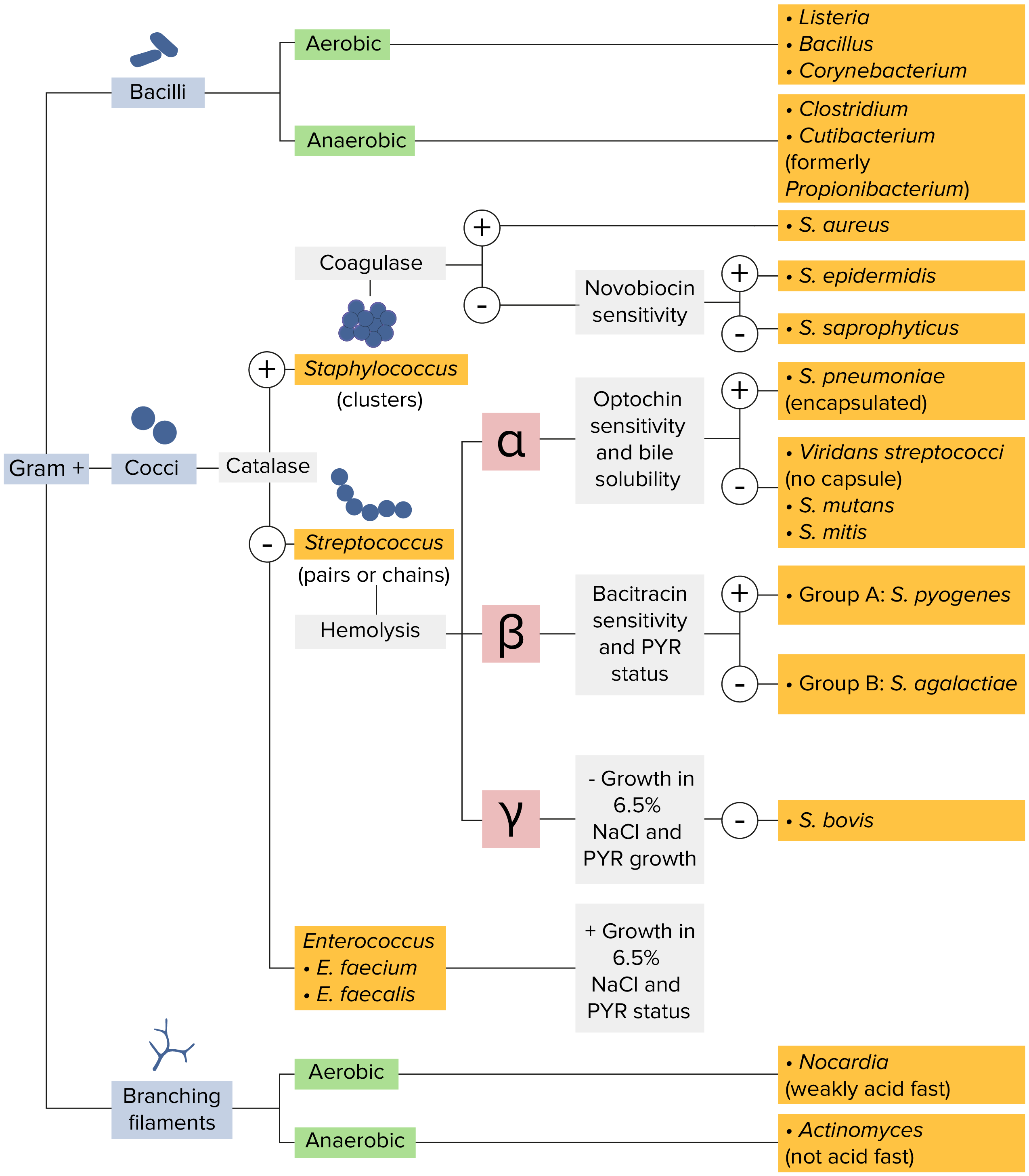
Bactérias gram-positivas: A maioria das bactérias pode ser classificada de acordo com um procedimento de laboratório chamado coloração de Gram. As bactérias com paredes celulares que possuem uma camada espessa de peptidoglicano retêm a coloração de cristal violeta utilizada na coloração de Gram, mas não são afetadas pela contracoloração de safranina. Estas bactérias aparecem azul-púrpura na coloração, o que indica que são gram-positivas. As bactérias podem ainda ser classificadas de acordo com a morfologia (filamentos ramificados, bacilos e cocos em aglomerados ou cadeias) e capacidade de crescer na presença de oxigénio (aeróbio versus anaeróbio). Os cocos também podem ser identificados. Os estafilococos podem ser reduzidos com base na presença da enzima coagulase e na sua sensibilidade ao antibiótico novobiocina. Os estreptococos são cultivados no meio agar de sangue e classificados com base no padrão de hemólise (α, β ou γ). Os estreptococos são ainda mais reduzidos com base na sua resposta ao teste de pirrolidonil-β-naftilamida (PYR), sensibilidade a antimicrobianos específicos (optoquina e bacitracina) e capacidade de crescer em meio de cloreto de sódio (NaCl).
Imagem por Lecturio.
Características Gerais e Epidemiologia
Principais características do StaphylococcusStaphylococcusStaphylococcus is a medically important genera of Gram-positive, aerobic cocci. These bacteria form clusters resembling grapes on culture plates. Staphylococci are ubiquitous for humans, and many strains compose the normal skin flora.Staphylococcus
Cocos gram-positivos
Cresce em clusters
Assemelha-se a um cacho de uvas
Imóvel
Não formador de esporos
Aeróbios e anaeróbios facultativos
Catalase-positivos:
Enzima que cliva o peróxido de hidrogénio → água e oxigénio
Característica distintiva dos estreptococos (que são catalase-negativos)
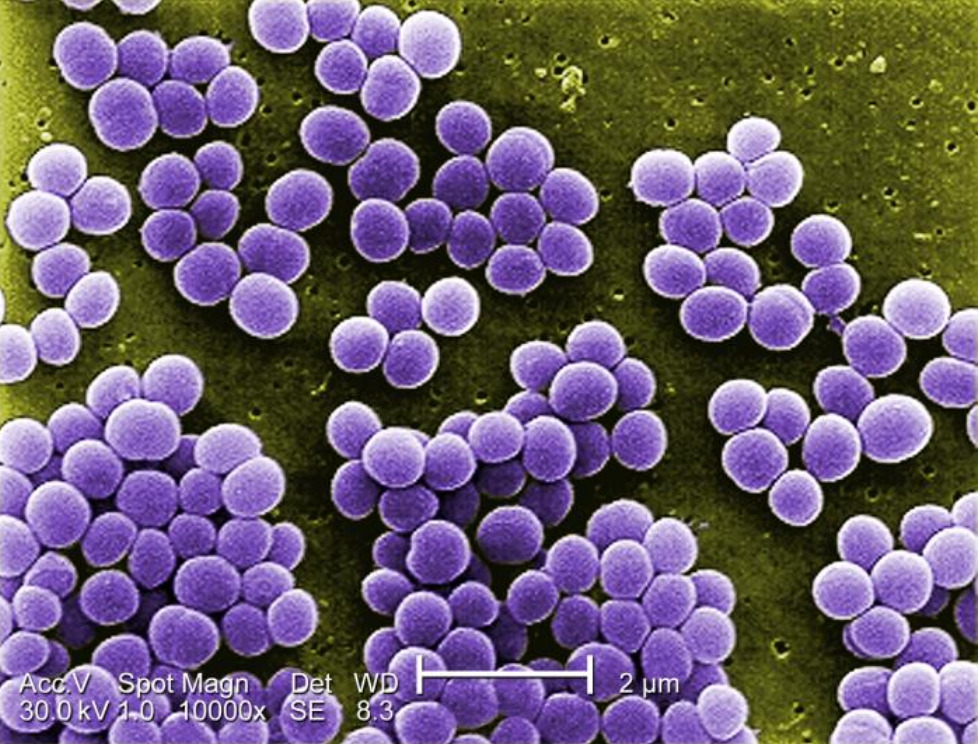
Imagem microscópica eletrónica de varredura sob ampliação de 10.000X de Staphylococcus aureus: Observam-se os cocos que se assemelham a “cachos de uvas”.
Imagem: “10.000x Magnification of Staphylococcus aureus” por CDC/ Matthew J. Arduino, DRPH. Licença: Domínio Público
Espécies clinicamente relevantes
As espécies clinicamente relevantes podem ser classificadas com base na presença (ou ausência) de coagulaseCoagulaseEnzymes that cause coagulation in plasma by forming a complex with human prothrombin. Coagulases are produced by certain staphylococcus and yersinia pestis. Staphylococci produce two types of coagulase: staphylocoagulase, a free coagulase that produces true clotting of plasma, and staphylococcal clumping factor, a bound coagulase in the cell wall that induces clumping of cells in the presence of fibrinogen.Staphylococcus:
Estafilococos coagulase-positivos: S. aureusS. aureusPotentially pathogenic bacteria found in nasal membranes, skin, hair follicles, and perineum of warm-blooded animals. They may cause a wide range of infections and intoxications.Staphylococcus
Espécies de estafilococos coagulase-negativos (CoNSCoNSStaphylococcus) (geralmente agrupadas):
S. epidermidisS. epidermidisA species of staphylococcus that is a spherical, non-motile, gram-positive, chemoorganotrophic, facultative anaerobe. Mainly found on the skin and mucous membrane of warm-blooded animals, it can be primary pathogen or secondary invader.Staphylococcus
S. saprophyticusS. saprophyticusA species of gram-positive bacteria in the family staphylococcaceae. It commonly causes urinary tract infections in humans.Staphylococcus
Agentes patogénicos pouco frequentes (a lista não é exaustiva):
S. lugdunensis
S. hominis
S. capitis
S. haemolyticus
Características distintas
Tabela: Características distintivas entre as espécies patogénicas comuns de StaphylococcusStaphylococcusStaphylococcus is a medically important genera of Gram-positive, aerobic cocci. These bacteria form clusters resembling grapes on culture plates. Staphylococci are ubiquitous for humans, and many strains compose the normal skin flora.Staphylococcus
Espécies
CoagulaseCoagulaseEnzymes that cause coagulation in plasma by forming a complex with human prothrombin. Coagulases are produced by certain staphylococcus and yersinia pestis. Staphylococci produce two types of coagulase: staphylocoagulase, a free coagulase that produces true clotting of plasma, and staphylococcal clumping factor, a bound coagulase in the cell wall that induces clumping of cells in the presence of fibrinogen.Staphylococcus
Agar de sangue
Agar de Manitol Sal
Novobiocina* sensibilidade
S. aureusS. aureusPotentially pathogenic bacteria found in nasal membranes, skin, hair follicles, and perineum of warm-blooded animals. They may cause a wide range of infections and intoxications.Staphylococcus
Positivo
Beta-hemólise
Colónias amarelas
Sensível
S. epidermidisS. epidermidisA species of staphylococcus that is a spherical, non-motile, gram-positive, chemoorganotrophic, facultative anaerobe. Mainly found on the skin and mucous membrane of warm-blooded animals, it can be primary pathogen or secondary invader.Staphylococcus
Negativo
Não hemolítico
Colónias rosa ou vermelhas
Sensível
S. saprophyticusS. saprophyticusA species of gram-positive bacteria in the family staphylococcaceae. It commonly causes urinary tract infections in humans.Staphylococcus
Negativo
Não hemolítico
Colónias amarelas ou vermelhas (dependendo da estirpe)
Resistente
*Antibiótico produzido por Streptomyces nivens
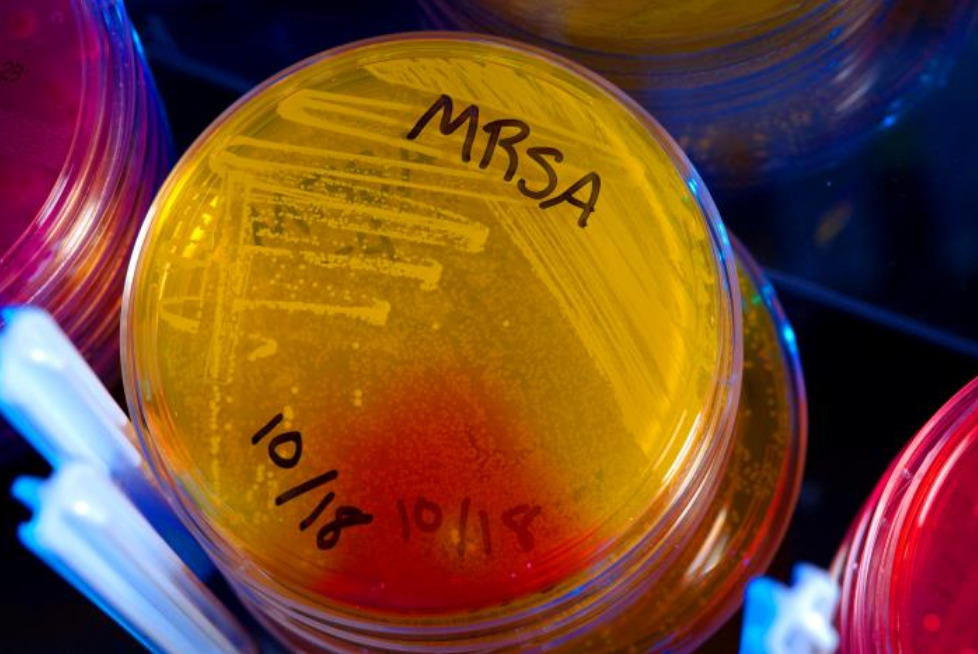
Staphylococcus aureus resistente à meticilina (MRSA): O S. aureus coagulase-positivo fermenta o manitol (vermelho), produzindo colónias amarelas em placas de agar sal manitol.
S. aureusS. aureusPotentially pathogenic bacteria found in nasal membranes, skin, hair follicles, and perineum of warm-blooded animals. They may cause a wide range of infections and intoxications.Staphylococcus:
Coloniza aproximadamente 30% da população geral
Principais causas de infeções adquiridas na comunidade e nosocomiais
S. epidermidisS. epidermidisA species of staphylococcus that is a spherical, non-motile, gram-positive, chemoorganotrophic, facultative anaerobe. Mainly found on the skin and mucous membrane of warm-blooded animals, it can be primary pathogen or secondary invader.Staphylococcus:
Espécies de StaphylococcusStaphylococcusStaphylococcus is a medically important genera of Gram-positive, aerobic cocci. These bacteria form clusters resembling grapes on culture plates. Staphylococci are ubiquitous for humans, and many strains compose the normal skin flora.StaphylococcusmaisMAISAndrogen Insensitivity Syndrome frequentemente identificadas na pele humana
Causa comum de bacteriemia nosocomial
S. saprophyticusS. saprophyticusA species of gram-positive bacteria in the family staphylococcaceae. It commonly causes urinary tract infections in humans.Staphylococcus: causa comum de infeções do trato urinário (ITUs) em mulheres jovens sexualmente ativas
As espécies de StaphylococcusStaphylococcusStaphylococcus is a medically important genera of Gram-positive, aerobic cocci. These bacteria form clusters resembling grapes on culture plates. Staphylococci are ubiquitous for humans, and many strains compose the normal skin flora.Staphylococcus fazem parte da flora humana normal:
Mucosa nasal
Trato respiratório
Pele
Trato GI
Trato genitourinário (S. saprophyticusS. saprophyticusA species of gram-positive bacteria in the family staphylococcaceae. It commonly causes urinary tract infections in humans.Staphylococcus)
Transmissão
Staphylococcus aureusStaphylococcus aureusPotentially pathogenic bacteria found in nasal membranes, skin, hair follicles, and perineum of warm-blooded animals. They may cause a wide range of infections and intoxications.Brain Abscess pode ser transmitido por aerossóis e contacto com:
Indivíduos infetados
Fluidos corporais
Objetos contaminados
Fatores de risco
Os fatores de risco para infeção grave por StaphylococcusStaphylococcusStaphylococcus is a medically important genera of Gram-positive, aerobic cocci. These bacteria form clusters resembling grapes on culture plates. Staphylococci are ubiquitous for humans, and many strains compose the normal skin flora.Staphylococcus incluem:
Hospitalização
Tratamento cirúrgico
Procedimentos de ambulatório (por exemplo, diálise)
Material implantado ou protésico:
Pacemakers/desfibrilhadores
Cateteres intravasculares
Cateteres uretrais
Implantes cirúrgicos
Válvulas protésicas
Indivíduos imunodeprimidos
Residentes em lares
Utilizadores de drogas injetáveis
Fatores de virulência
Comuns à maioria dos estafilococos:
Desoxirribonuclease (DNase): despolimeriza o DNADNAA deoxyribonucleotide polymer that is the primary genetic material of all cells. Eukaryotic and prokaryotic organisms normally contain DNA in a double-stranded state, yet several important biological processes transiently involve single-stranded regions. DNA, which consists of a polysugar-phosphate backbone possessing projections of purines (adenine and guanine) and pyrimidines (thymine and cytosine), forms a double helix that is held together by hydrogen bonds between these purines and pyrimidines (adenine to thymine and guanine to cytosine).DNA Types and Structure, componente das armadilhas extracelulares de neutrófilos → ↓ viscosidade do pús
Fibrinolisina: lisa as paredes de fibrina usadas para conter a infeção → ajudam na disseminação
Matriz polissacarídica extracelular que envolve a bactéria após ligar-se ao material estranho
Funciona como uma barreira protetora contra os antibióticos e o sistema imune do hospedeiro
Staphylococcus aureusStaphylococcus aureusPotentially pathogenic bacteria found in nasal membranes, skin, hair follicles, and perineum of warm-blooded animals. They may cause a wide range of infections and intoxications.Brain Abscess:
Hialuronidase:
Desdobra o ácido hialurónico
Facilita a invasão de agentes patogénicos nos tecidos
LipaseLipaseAn enzyme of the hydrolase class that catalyzes the reaction of triacylglycerol and water to yield diacylglycerol and a fatty acid anion. It is produced by glands on the tongue and by the pancreas and initiates the digestion of dietary fats.Malabsorption and Maldigestion e hidrolase:
Degradam lípidos
Desempenham um papel na invasão
Hemolisinas e leucocidinas: provocam a morte das células-alvo, incluindo glóbulos vermelhos e células imunes
Fator de agregação A:
Liga-se ao fibrinogénio e a outras proteínas
Causa a aglomeração de bactérias no plasmaPlasmaThe residual portion of blood that is left after removal of blood cells by centrifugation without prior blood coagulation.Transfusion Products
Particularmente importante na patogénese da endocardite e infeções endovasculares
CoagulaseCoagulaseEnzymes that cause coagulation in plasma by forming a complex with human prothrombin. Coagulases are produced by certain staphylococcus and yersinia pestis. Staphylococci produce two types of coagulase: staphylocoagulase, a free coagulase that produces true clotting of plasma, and staphylococcal clumping factor, a bound coagulase in the cell wall that induces clumping of cells in the presence of fibrinogen.Staphylococcus:
Converte o fibrinogénio em fibrina para formar uma parede em redor do local da infeção (pseudocápsula)
Promove a formação de abcessos
Toxinas esfoliativas A e B:
Exotoxinas
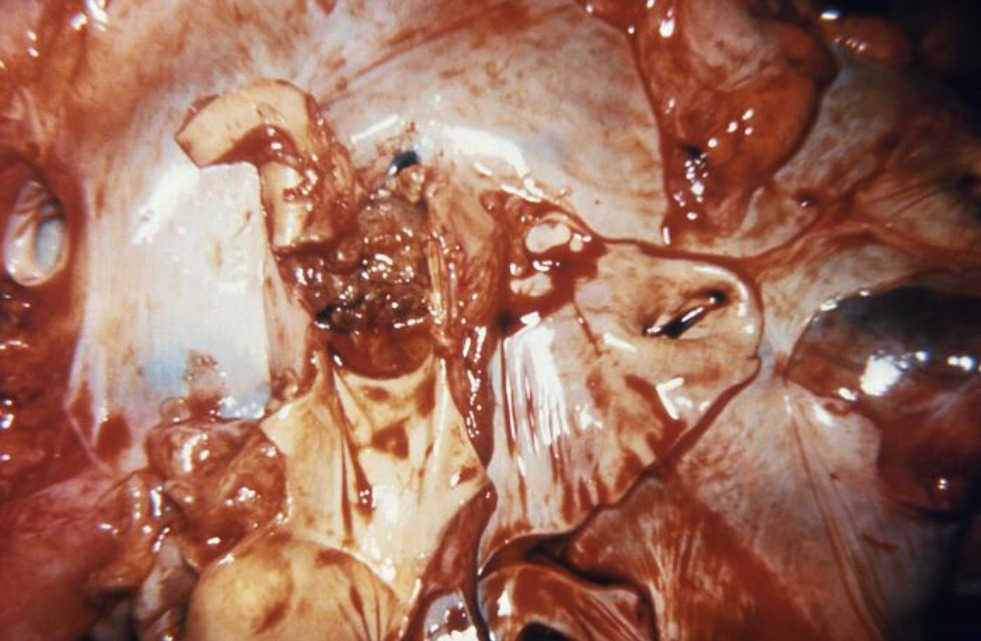
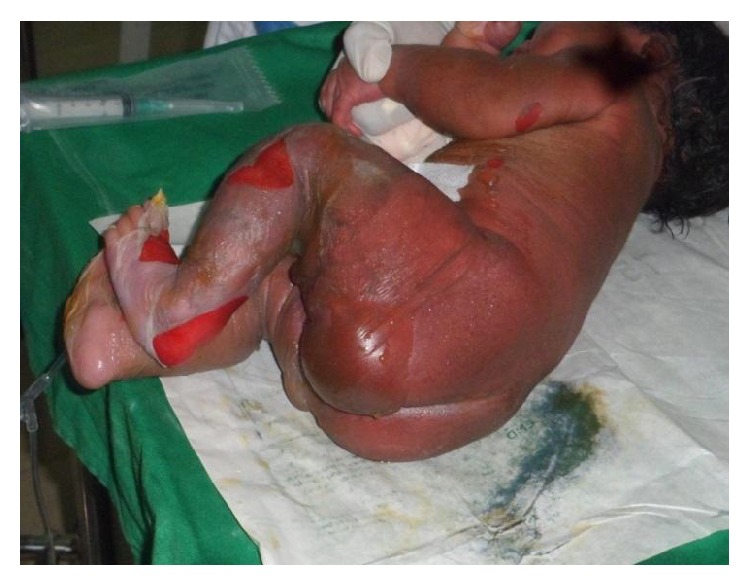
Causam SSSSSSSSStaphylococcal scalded skin syndrome (SSSS), also known as Ritter disease and staphylococcal epidermal necrolysis, is a toxin-mediated condition caused by Staphylococcus aureus. The exfoliative toxin produced disseminates and cleaves desmoglein 1 in the epidermis, causing separation and detachment of the skin. Staphylococcal Scalded Skin Syndrome (SSSS)
Clivagem do complexo desmogleína-1 no estrato granuloso
Interrompem a adesão queratinócitos-queratinócitos
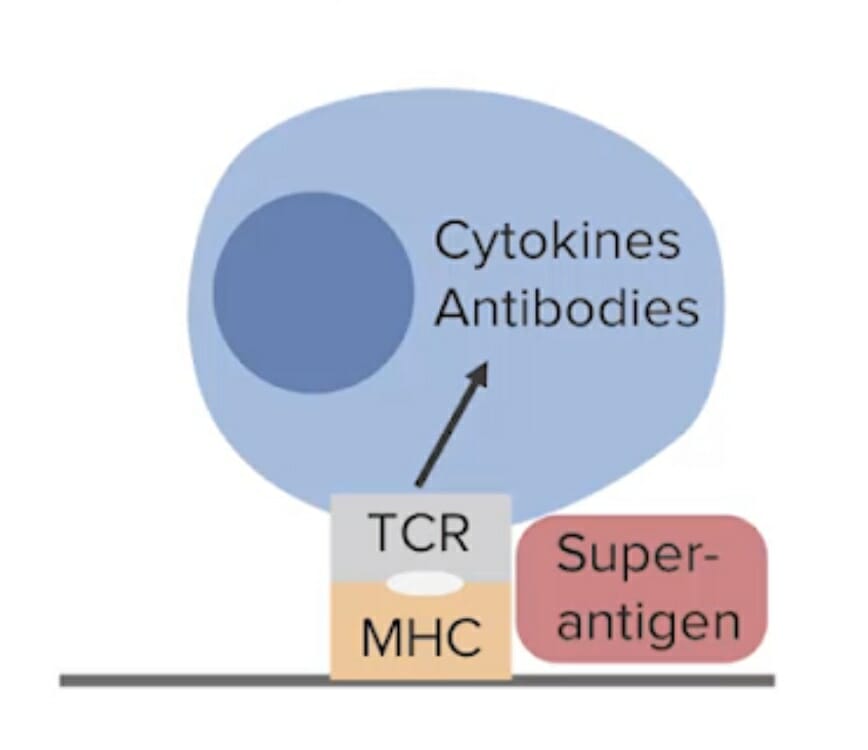
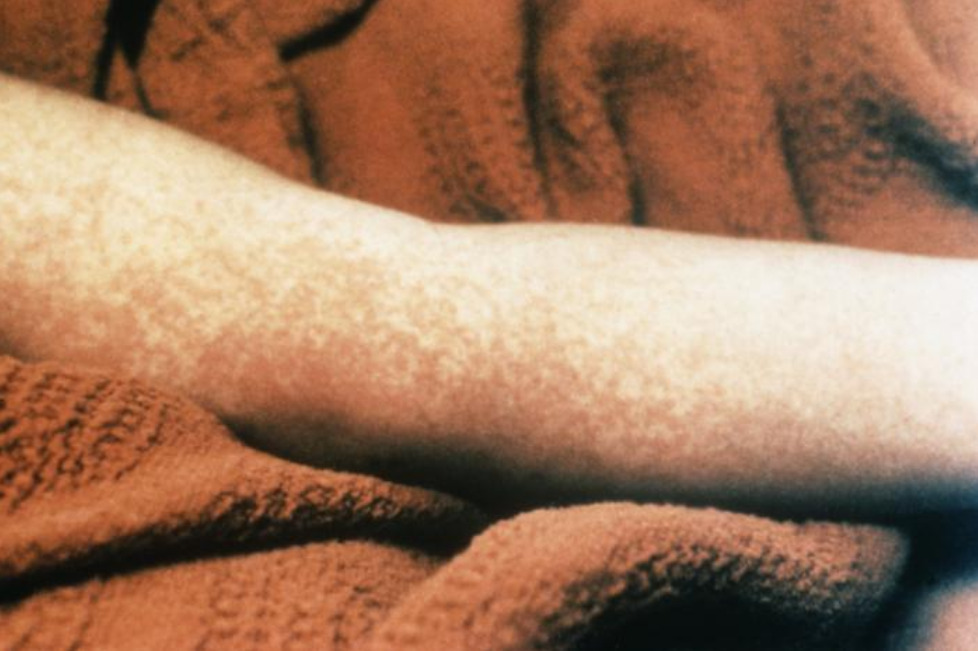
Causam síndrome do choque tóxico (TSSTSSToxic shock syndrome (TSS) is an acute, multi-systemic disease caused by the toxin-producing bacteria, Staphylococcus aureus and Streptococcus pyogenes. Staphylococcal TSS is more common and associated with tampons and nasal packing. Toxic Shock Syndrome):
Ligam-se ao MHC classe II das células apresentadoras de antigénio → reticulações com a região β do recetor de células T (TCRTCRMolecules on the surface of T-lymphocytes that recognize and combine with antigens. The receptors are non-covalently associated with a complex of several polypeptides collectively called CD3 antigens. Recognition of foreign antigen and the major histocompatibility complex is accomplished by a single heterodimeric antigen-receptor structure, composed of either alpha-beta or gamma-delta chains.Adaptive Cell-mediated Immunity)
Estimulam a ativação de células T e levam à libertação exagerada de citocinas
Resultam numa resposta inflamatória excessiva
Outras enterotoxinas:
Exotoxinas termoestáveis
Modo de ação desconhecido
Podem causar gastroenterite (intoxicação alimentar)
Adesinas: auxiliam na adesão de CoNSCoNSStaphylococcus às células hospedeiras
UreaseUreaseAn enzyme that catalyzes the conversion of urea and water to carbon dioxide and ammonia.Nocardia/Nocardiosis:
Produzida por S. saprophyticusS. saprophyticusA species of gram-positive bacteria in the family staphylococcaceae. It commonly causes urinary tract infections in humans.Staphylococcus
Hidrolisa a ureia → C02 e amónia → ↑ pHpHThe quantitative measurement of the acidity or basicity of a solution.Acid-Base Balance da urina
Torna-o particularmente virulento no trato urinário
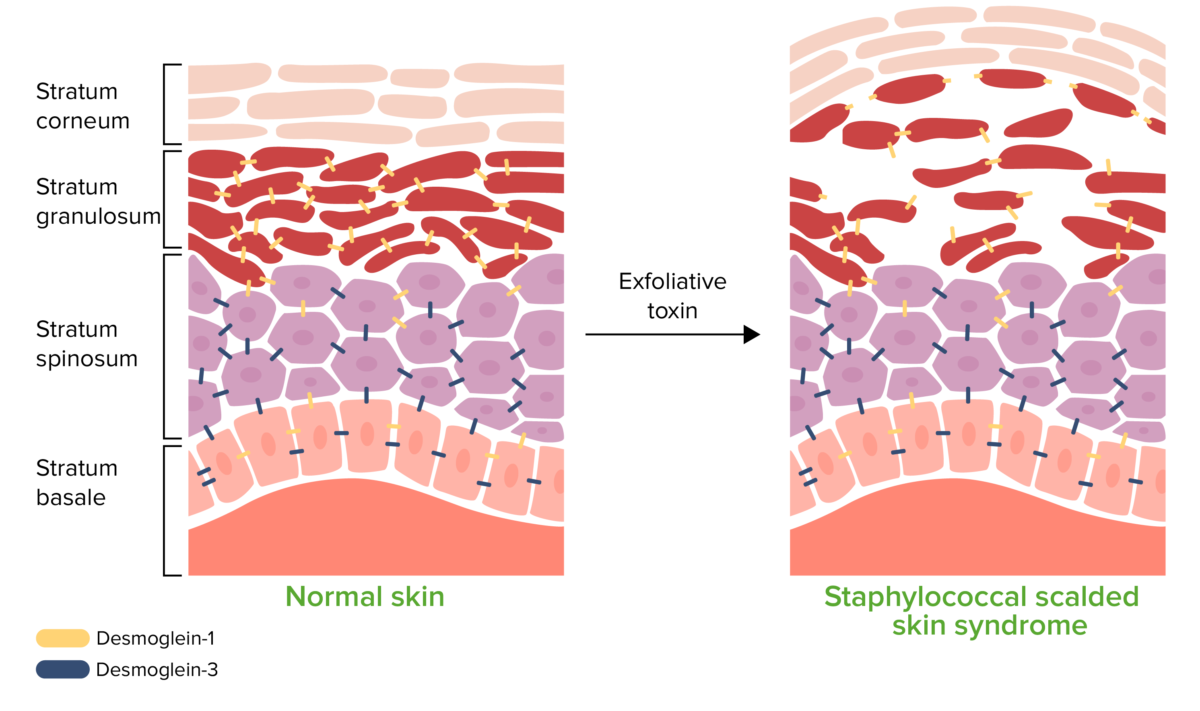
Fisiopatologia da síndrome da pele escaldada estafilocócica: A toxina esfoliativa cliva a desmogleína (Dsg) 1, interrompendo a adesão célula a célula do estrato granuloso. O descolamento da epiderme superficial causa a formação de bolhas e descamação.
Imagem por Lecturio.
Os superantigénios ligam-se aos recetores de células T (TCRs) de classe II do MHC, que estimulam uma libertação exagerada de citocinas e uma resposta inflamatória. Isso inclui a toxina da síndrome do choque tóxico tipo 1 (TSST-1), que pode ser produzida por Staphylococcus aureus .
Imagem por Lecturio.
Doenças Causadas por S. aureu s
Infeções
A espécie Staphylococcus aureusStaphylococcus aureusPotentially pathogenic bacteria found in nasal membranes, skin, hair follicles, and perineum of warm-blooded animals. They may cause a wide range of infections and intoxications.Brain Abscess pode causar uma ampla gama de infeções, incluindo (mas não limitado a):
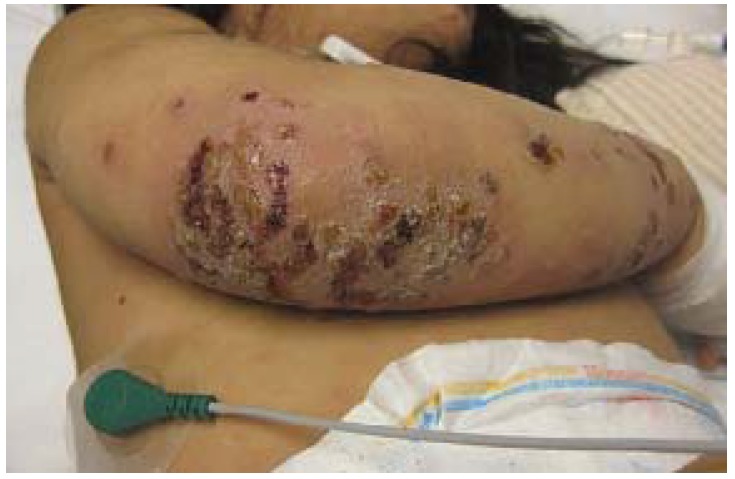
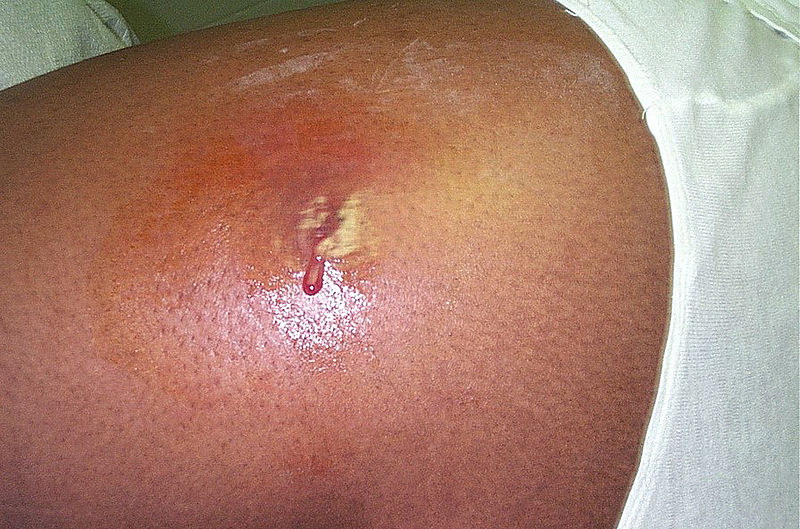
ImpetigoImpetigoImpetigo is a highly contagious superficial bacterial infection typically caused by Staphylococcus aureus (most common) and Streptococcus pyogenes. Impetigo most commonly presents in children aged 2 to 5 years with lesions that evolve from papules to vesicles to pustules, which eventually break down to form characteristic “honey-colored” crusts. Impetigo
Celulite
Abcesso
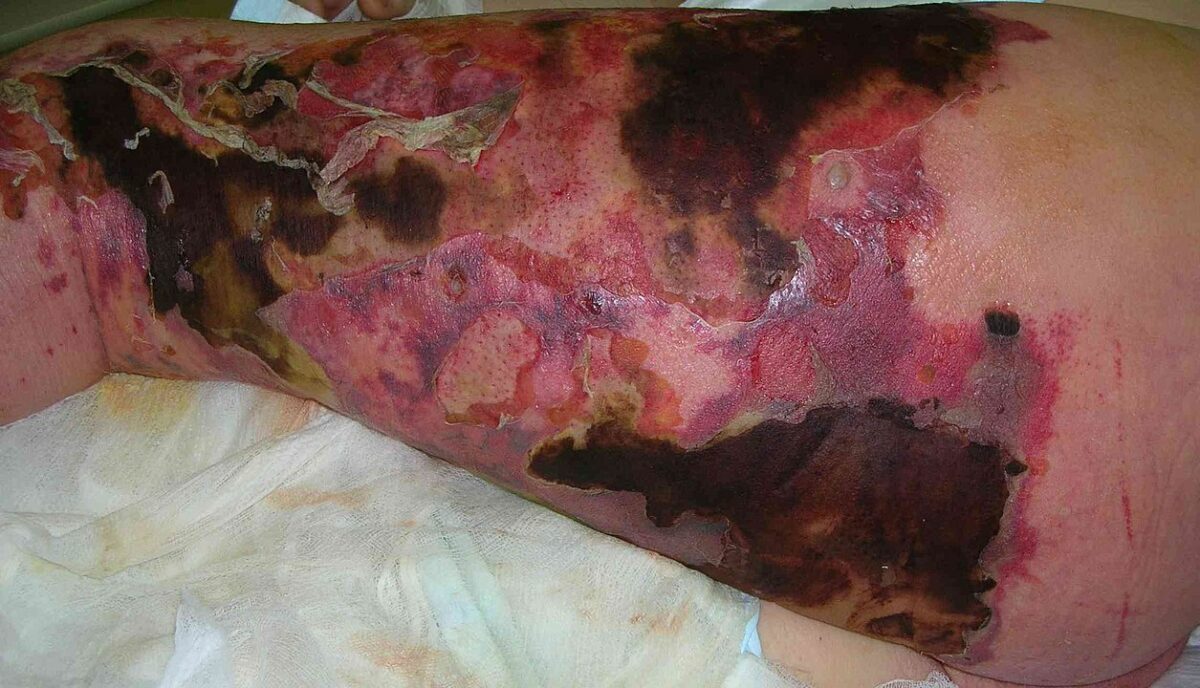
Fasceíte necrotizante
Infeção da ferida cirúrgica
Infeção da circulação sanguínea → pode propagar a infeção para outros tecidos
Endocardite infeciosa (EI)
Formação de vegetações valvulares cardíacas
Pode libertar êmbolos sépticos → complicações embólicas e/ou infeção metastática
O S. aureusS. aureusPotentially pathogenic bacteria found in nasal membranes, skin, hair follicles, and perineum of warm-blooded animals. They may cause a wide range of infections and intoxications.Staphylococcus está associado à infeção aguda e rapidamente progressiva.
PneumoniaPneumoniaPneumonia or pulmonary inflammation is an acute or chronic inflammation of lung tissue. Causes include infection with bacteria, viruses, or fungi. In more rare cases, pneumonia can also be caused through toxic triggers through inhalation of toxic substances, immunological processes, or in the course of radiotherapy.Pneumonia
O S. aureusS. aureusPotentially pathogenic bacteria found in nasal membranes, skin, hair follicles, and perineum of warm-blooded animals. They may cause a wide range of infections and intoxications.Staphylococcus causa pneumoniaPneumoniaPneumonia or pulmonary inflammation is an acute or chronic inflammation of lung tissue. Causes include infection with bacteria, viruses, or fungi. In more rare cases, pneumonia can also be caused through toxic triggers through inhalation of toxic substances, immunological processes, or in the course of radiotherapy.Pneumonia bacteriana secundária em indivíduos com influenzaInfluenzaInfluenza viruses are members of the Orthomyxoviridae family and the causative organisms of influenza, a highly contagious febrile respiratory disease. There are 3 primary influenza viruses (A, B, and C) and various subtypes, which are classified based on their virulent surface antigens, hemagglutinin (HA) and neuraminidase (NA). Influenza typically presents with a fever, myalgia, headache, and symptoms of an upper respiratory infection. Influenza Viruses/Influenza.
Tabela: Características de doenças mediadas por toxinas causadas por S. aureusS. aureusPotentially pathogenic bacteria found in nasal membranes, skin, hair follicles, and perineum of warm-blooded animals. They may cause a wide range of infections and intoxications.Staphylococcus
Doença
Exotoxina
Apresentação clínica
SSSSSSSSStaphylococcal scalded skin syndrome (SSSS), also known as Ritter disease and staphylococcal epidermal necrolysis, is a toxin-mediated condition caused by Staphylococcus aureus. The exfoliative toxin produced disseminates and cleaves desmoglein 1 in the epidermis, causing separation and detachment of the skin. Staphylococcal Scalded Skin Syndrome (SSSS)
Toxinas esfoliativas A e B
Sintomas prodrómicos
Erupção eritematosa → bolhas → descamação
Dor na pele
Poupa a camada mucosa
Síndrome do choque tóxico (TSSTSSToxic shock syndrome (TSS) is an acute, multi-systemic disease caused by the toxin-producing bacteria, Staphylococcus aureus and Streptococcus pyogenes. Staphylococcal TSS is more common and associated with tampons and nasal packing. Toxic Shock Syndrome)
Os estafilococos coagulase-negativos podem causar muitas das mesmas condições que S. aureusS. aureusPotentially pathogenic bacteria found in nasal membranes, skin, hair follicles, and perineum of warm-blooded animals. They may cause a wide range of infections and intoxications.Staphylococcus. Dentro das principais infeções estão incluídas:
Infeções de dispositivos médicos (particularmente S. epidermidisS. epidermidisA species of staphylococcus that is a spherical, non-motile, gram-positive, chemoorganotrophic, facultative anaerobe. Mainly found on the skin and mucous membrane of warm-blooded animals, it can be primary pathogen or secondary invader.Staphylococcus)
Cateteres IV
Válvulas protésicas
Pacemakers
Articulações protésicas
Derivações do SNC
Implantes mamários
Infeção da ferida cirúrgica
EI (válvula nativa e protésica)
Osteomielite
ITUs (particularmente S. saprophyticusS. saprophyticusA species of gram-positive bacteria in the family staphylococcaceae. It commonly causes urinary tract infections in humans.Staphylococcus )
Antibióticos e Resistência
Suscetibilidade aos antibióticos
As espécies de StaphylococcusStaphylococcusStaphylococcus is a medically important genera of Gram-positive, aerobic cocci. These bacteria form clusters resembling grapes on culture plates. Staphylococci are ubiquitous for humans, and many strains compose the normal skin flora.Staphylococcus podem desenvolver resistência a antibióticos, sendo necessária a identificação da suscetibilidade para o tratamento adequado. As espécies são frequentemente designadas como:
Sensíveis à meticilina
Resistentes à meticilina
Resistentes à vancomicina
Mecanismo de resistência
Meticilina: resistência mediada pela proteína de ligação à penicilina (PBP)
Mutações nas PBPsPBPsBacterial proteins that share the property of binding irreversibly to penicillins and other antibacterial agents derived from lactams. The penicillin-binding proteins are primarily enzymes involved in cell wall biosynthesis including muramoylpentapeptide carboxypeptidase; peptide synthases; transpeptidases; and hexosyltransferases.Penicillins (codificadas pelo geneGeneA category of nucleic acid sequences that function as units of heredity and which code for the basic instructions for the development, reproduction, and maintenance of organisms.Basic Terms of GeneticsmecA ) → ↓ afinidade das penicilinas para a PBP
Apesar das mutações, estas PBPsPBPsBacterial proteins that share the property of binding irreversibly to penicillins and other antibacterial agents derived from lactams. The penicillin-binding proteins are primarily enzymes involved in cell wall biosynthesis including muramoylpentapeptide carboxypeptidase; peptide synthases; transpeptidases; and hexosyltransferases.Penicillins ainda são capazes de produzir uma parede celular.
Vancomicina: alteração na síntese de peptidoglicano
Conferido pelo geneGeneA category of nucleic acid sequences that function as units of heredity and which code for the basic instructions for the development, reproduction, and maintenance of organisms.Basic Terms of GeneticsvanA (no plasmídeo)
Adquirido por EnterococcusEnterococcusEnterococcus is a genus of oval-shaped gram-positive cocci that are arranged in pairs or short chains. Distinguishing factors include optochin resistance and the presence of pyrrolidonyl arylamidase (PYR) and Lancefield D antigen. Enterococcus is part of the normal flora of the human GI tract.Enterococcus resistente à vancomicina (VRE)
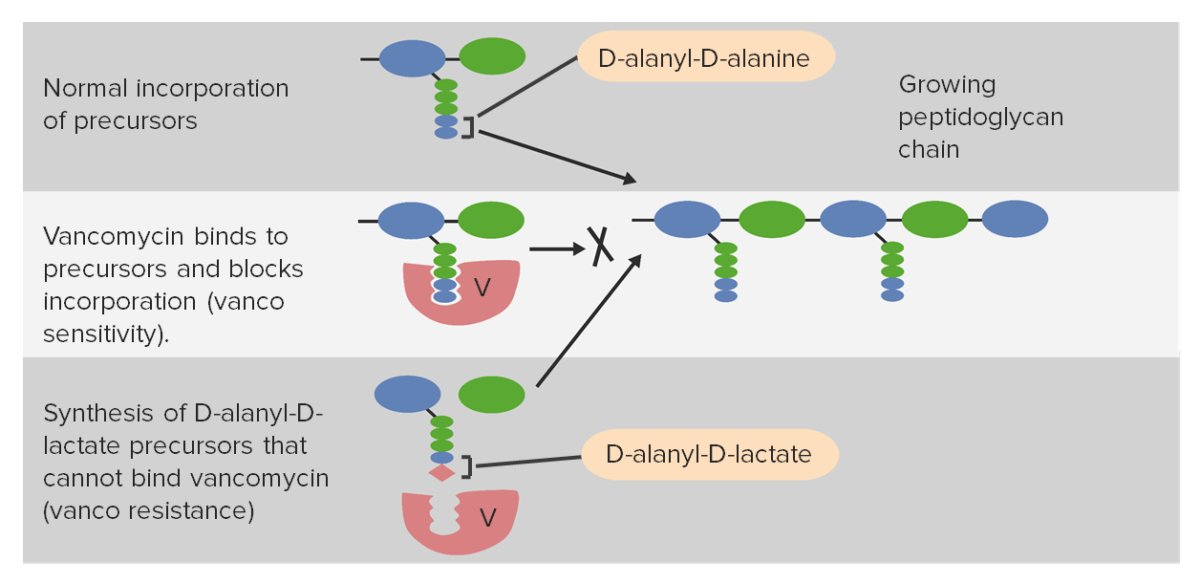
Altera o alvo de peptidoglicano D-alanil-D-alanina para D-alanil-D-lactato ou D-alanil-D-serina → ligação pobre de glicopeptídeos e sem interrupção da síntese da parede celular
A proteína de ligação à penicilina (PBP) forma pontes reticuladas entre as cadeias de peptidoglicano adjacentes durante a síntese da parede celular bacteriana. Um antibiótico beta-lactâmico liga-se irreversivelmente e inibe o PBP, impedindo-o de formar novas ligações cruzadas. Isto inibe a síntese da parede celular de forma efetiva, o que acaba por levar à morte celular. As alterações no PBP conferem resistência estafilocócica aos antibióticos da penicilina, como a meticilina.
Resistência à vancomicina: A síntese de D-alanil-D-lactato em precursores de peptidoglicano na parede celular causa má ligação com a vancomicina, reduzindo assim a eficácia do antibiótico.
Imagem por Lecturio.
Escolhas de antibióticos
O agente de escolha e a duração do tratamento para infecção por StaphylococcusStaphylococcusStaphylococcus is a medically important genera of Gram-positive, aerobic cocci. These bacteria form clusters resembling grapes on culture plates. Staphylococci are ubiquitous for humans, and many strains compose the normal skin flora.Staphylococcus dependem da área do corpo afetada, da gravidade da infecção e da sensibilidade antibiótica da cepa.
Tabela: Escolha de antibióticos para StaphylococcusStaphylococcusStaphylococcus is a medically important genera of Gram-positive, aerobic cocci. These bacteria form clusters resembling grapes on culture plates. Staphylococci are ubiquitous for humans, and many strains compose the normal skin flora.Staphylococcus com base na resistência
MRSAMRSAA strain of Staphylococcus aureus that is non-susceptible to the action of methicillin. The mechanism of resistance usually involves modification of normal or the presence of acquired penicillin binding proteins.Staphylococcus
VRSAVRSAIsolates of the Staphylococcus aureus that are resistant to the antibiotic vancomycin. The S. aureus becomes resistant by acquiring plasmids carrying genes for vancomycin resistance. Vancomycin‐intermediate S. aureus has low-level vancomycin resistance requiring an intermediate concentration of vancomycin between sensitive and resistant isolates. These S. aureus with reduced susceptibility to vancomycin and related glycopeptide antibiotics are often seen in healthcare associated infections.Staphylococcus
Carroll, KC, & Hobden, JA. (2015). The staphylococci. In Brooks, JE, et al. (Eds.), Jawetz, Melnick, & Adelberg’s Medical Microbiology. (27th ed). [VitalSource Bookshelf 9.4.3].
Cong, Y, Yang, S, & Rao, X. (2020). Vancomycin-resistant Staphylococcus aureus infections: A review of case updating and clinical features. Journal of Advanced Research. 21:169-176. Retrieved July 10, 2026, from https://www.sciencedirect.com/science/article/pii/S2090123219301638
Gardete, S., & Tomasz, A. (2014). Mechanism of vancomycin resistance in Staphylococcus aureus. The Journal of Clinical Investigation. 124(7):2836-40. Retrieved July 10, 2026, from https://www.ncbi.nlm.nih.gov/pmc/articles/PMC4071404/
Vandenesch, F, Lina, G, & Henry, T. (2012). Staphylococcus aureus hemolysins, bicomponent leukocidins, and cytolytic peptides: A redundant arsenal of membrane-damaging virulence factors? Frontiers in Cellular and Infection Microbiology. 2:12. Retrieved July 10, 2026, from https://www.ncbi.nlm.nih.gov/pmc/articles/PMC3417661/
¡Crea tu cuenta gratis o inicia una sesión para seguir leyendo!
A Lecturio Medical complementa o teu estudo através de métodos de ensino baseados em evidência, vídeos de palestras, perguntas e muito mais – tudo combinado num só lugar e fácil de usar.
User Reviews
Details
×
Obtenha Premium para testar os seus conhecimentos
Lecturio Premium dá-lhe acesso total a todos os conteúdos e características
Obtenha Premium para ver todos os vídeos
Verifique agora o seu e-mail para obter um teste gratuito.
Crie uma conta gratuita para testar os seus conhecimentos
Lecturio Premium dá-lhe acesso total a todos os conteúdos e características - incluindo o Qbank de Lecturio com perguntas actualizadas ao estilo do board-.