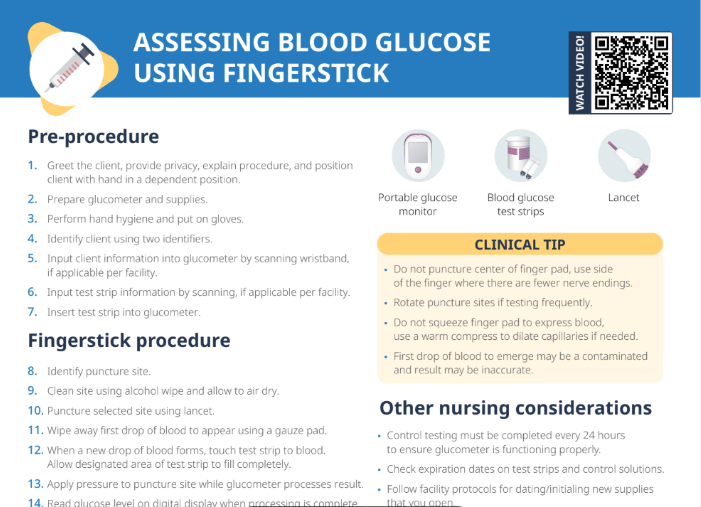
Clean catch urine tests are very common in practice, as the samples are needed for a variety of diagnostic urine tests. Instructing clients on how to properly obtain a clean sample is important to minimize contamination of the sample with external bacteria.
A clean catch urine specimen is a urine sample that has been taken with precautions against contamination with external bacteria from the skin.
The goal is to obtain a sample of urine that is not contaminated with bacteria from the skin of the penis or vulva. Excluding or minimizing these external bacteria helps to identify “internal bacteria” that may be present in the urine.
For what type of testing is a clean catch midstream urine specimen needed?
Analyzing a clean catch urine sample helps in the diagnosis of infections of the urinary tract. Common tests that require clean catch samples include:
Urinalysis
Urine culture
Sensitivity testing
Microscopic examinations
Urine cytology
Pregnancy tests
How to do a clean catch urine sample
Supplies needed
Gloves
Collection container
Label with client identifiers
Urinary-prep wipe
For catheter-obtained samples:
Luer-lock syringe
Prep pad
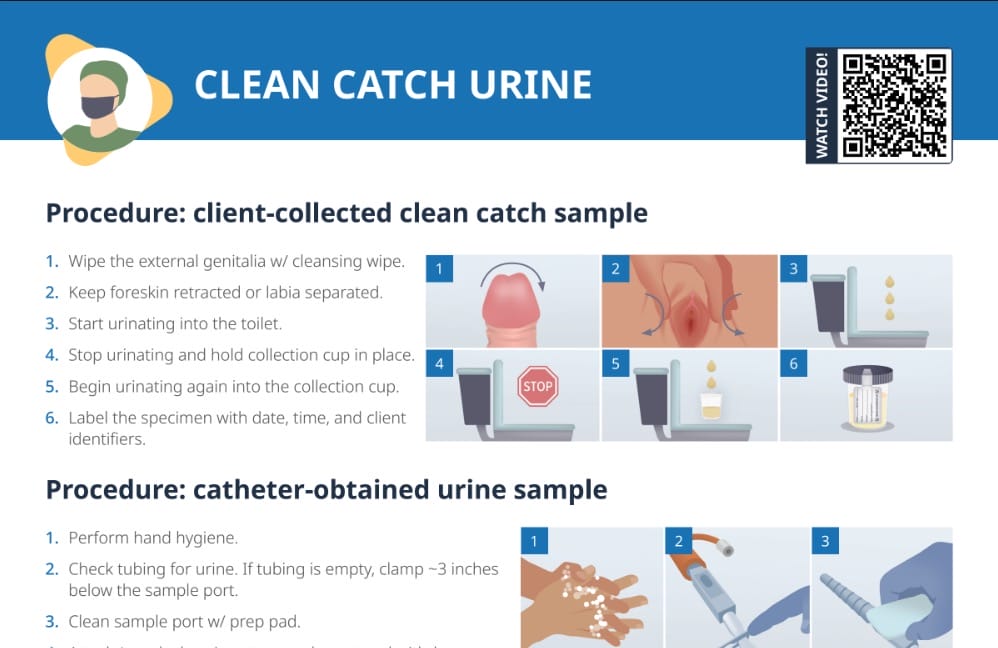
Steps for client-obtained samples
Clean catch urine samples are usually collected by the clients, but some may need assistance.
Wipe the external genitalia w/ a cleansing wipe. Instruct clients to keep foreskin retracted; separate labia and wipe front to back left, right, and middle with separate towelettes.
Start urinating into the toilet.
Stop urinating and hold the collection cup in place.
Begin urinating again into the collection cup.
Label the specimen with date, time, and client identifiers.
Steps for catheter-obtained samples
Perform hand hygiene.
Check tubing for urine. If tubing is empty, clamp ~ 3 inches below the sample port.
Clean sample port w/ prep pad.*
Attach Luer-lock syringe to sample port and withdraw 10–30 mL of urine.
Detach syringe and unclamp tube.
Open sterile container, transfer urine, avoiding touching the syringe to the container.
Close container, label specimen.
*If sample port is not present (step 3), clean the catheter valve with a prep wipe and transfer urine into sterile container, avoiding touching valve to container. Close container, label specimen.