Domina Conceptos Médicos

Estudia para la escuela de medicina y tus examenes con Lecturio.

Ingestión De Cáusticos (Productos De Limpieza)

Los LOS Neisseria agentes cáusticos son sustancias ácidas o alcalinas que dañan gravemente los LOS Neisseria tejidos si se ingieren. La ingestión de álcali suele dañar el esófago mediante necrosis Necrosis The death of cells in an organ or tissue due to disease, injury or failure of the blood supply. Ischemic Cell Damage licuefactiva, mientras que los LOS Neisseria ácidos causan lesiones gástricas más graves que provocan necrosis Necrosis The death of cells in an organ or tissue due to disease, injury or failure of the blood supply. Ischemic Cell Damage coagulativa. La ingestión de grandes volúmenes y altas concentraciones de agentes cáusticos puede provocar lesiones graves y extensas. Además, la aspiración afecta a las estructuras laríngeas y traqueobronquiales. Los LOS Neisseria signos y síntomas incluyen dolor Dolor Inflammation oral, quemaduras, disfagia, vómitos y dolor Dolor Inflammation abdominal. Las lesiones graves pueden presentarse con shock Shock Shock is a life-threatening condition associated with impaired circulation that results in tissue hypoxia. The different types of shock are based on the underlying cause: distributive (↑ cardiac output (CO), ↓ systemic vascular resistance (SVR)), cardiogenic (↓ CO, ↑ SVR), hypovolemic (↓ CO, ↑ SVR), obstructive (↓ CO), and mixed. Types of Shock, rigidez abdominal, dificultad respiratoria y/o alteración del estado mental. El diagnóstico se basa en EN Erythema nodosum is an immune-mediated panniculitis (inflammation of the subcutaneous fat) caused by a type IV (delayed-type) hypersensitivity reaction. It commonly manifests in young women as tender, erythematous nodules on the shins. Erythema Nodosum pruebas de laboratorio, imagenología abdominal y torácica, y endoscopia en EN Erythema nodosum is an immune-mediated panniculitis (inflammation of the subcutaneous fat) caused by a type IV (delayed-type) hypersensitivity reaction. It commonly manifests in young women as tender, erythematous nodules on the shins. Erythema Nodosum un plazo de 24 horas (si no hay contraindicaciones) para determinar el alcance del daño. El tratamiento implica la estabilización del estado cardiorrespiratorio, la descontaminación y la terapia de soporte. Las lesiones graves pueden requerir cirugía.

Last updated: Dec 15, 2025

Editorial responsibility: Stanley Oiseth, Lindsay Jones, Evelin Maza

Descripción General

Introducción

Los LOS Neisseria cáusticos y los LOS Neisseria corrosivos provocan lesiones en EN Erythema nodosum is an immune-mediated panniculitis (inflammation of the subcutaneous fat) caused by a type IV (delayed-type) hypersensitivity reaction. It commonly manifests in young women as tender, erythematous nodules on the shins. Erythema Nodosum los LOS Neisseria tejidos por una reacción química.

Los LOS Neisseria daños causados por sustancias químicas alcalinas son en EN Erythema nodosum is an immune-mediated panniculitis (inflammation of the subcutaneous fat) caused by a type IV (delayed-type) hypersensitivity reaction. It commonly manifests in young women as tender, erythematous nodules on the shins. Erythema Nodosum general más tóxicos que los LOS Neisseria causados por sustancias ácidas:

  • Sustancias alcalinas:
    • El tipo más común
    • Incluyen el hidróxido de sodio o de potasio (“lejía”) presente en EN Erythema nodosum is an immune-mediated panniculitis (inflammation of the subcutaneous fat) caused by a type IV (delayed-type) hypersensitivity reaction. It commonly manifests in young women as tender, erythematous nodules on the shins. Erythema Nodosum los LOS Neisseria limpiadores de desagües, los LOS Neisseria productos de limpieza domésticos y las baterías de botón.
  • Las sustancias ácidas incluyen los LOS Neisseria ácidos clorhídrico, sulfúrico y fosfórico concentrados presentes en EN Erythema nodosum is an immune-mediated panniculitis (inflammation of the subcutaneous fat) caused by a type IV (delayed-type) hypersensitivity reaction. It commonly manifests in young women as tender, erythematous nodules on the shins. Erythema Nodosum los LOS Neisseria limpiadores de inodoros y en EN Erythema nodosum is an immune-mediated panniculitis (inflammation of the subcutaneous fat) caused by a type IV (delayed-type) hypersensitivity reaction. It commonly manifests in young women as tender, erythematous nodules on the shins. Erythema Nodosum los LOS Neisseria fluidos de las baterías.

Ingestión de cáusticos:

  • Suele ser accidental en EN Erythema nodosum is an immune-mediated panniculitis (inflammation of the subcutaneous fat) caused by a type IV (delayed-type) hypersensitivity reaction. It commonly manifests in young women as tender, erythematous nodules on the shins. Erythema Nodosum los LOS Neisseria niños
  • Suele ser intencional en EN Erythema nodosum is an immune-mediated panniculitis (inflammation of the subcutaneous fat) caused by a type IV (delayed-type) hypersensitivity reaction. It commonly manifests in young women as tender, erythematous nodules on the shins. Erythema Nodosum los LOS Neisseria adultos
  • Asociado a enfermedades psiquiátricas

Epidemiología

  • En EN Erythema nodosum is an immune-mediated panniculitis (inflammation of the subcutaneous fat) caused by a type IV (delayed-type) hypersensitivity reaction. It commonly manifests in young women as tender, erythematous nodules on the shins. Erythema Nodosum Estados Unidos, las sustancias de limpieza suponen más de 190 000 exposiciones anuales.
  • El 80% de las ingestas de sustancias cáusticas se observan en EN Erythema nodosum is an immune-mediated panniculitis (inflammation of the subcutaneous fat) caused by a type IV (delayed-type) hypersensitivity reaction. It commonly manifests in young women as tender, erythematous nodules on the shins. Erythema Nodosum niños < 5 años de edad
  • Las exposiciones laborales suelen ser más graves porque los LOS Neisseria productos industriales están más concentrados que los LOS Neisseria domésticos.

Etiología

Productos comunes que contienen ácido:

  • Limpiadores de inodoros
  • Productos para eliminar el óxido
  • Productos para la limpieza de metales
  • Productos para la limpieza del cemento
  • Limpiadores de drenaje
  • Líquido de baterías de automóviles

Productos comunes que contienen álcali:

  • Limpiadores de drenaje
  • Productos de limpieza que contienen amoníaco
  • Limpiadores de piscinas
  • Limpiadores de hornos
  • Detergentes para lavavajillas automáticos
  • Alisadores para el cabello
  • Lejía
  • Cemento

Fisiopatología

La lesión de los LOS Neisseria tejidos se produce al AL Amyloidosis cambiar el estado ionizado y la estructura de las moléculas, con lo que se interrumpen los LOS Neisseria enlaces covalentes.

Ingesta alcalina

  • El ion hidróxido (OH-) de las sustancias alcalinas es el responsable de la toxicidad.
  • Acepta un protón en EN Erythema nodosum is an immune-mediated panniculitis (inflammation of the subcutaneous fat) caused by a type IV (delayed-type) hypersensitivity reaction. It commonly manifests in young women as tender, erythematous nodules on the shins. Erythema Nodosum soluciones acuosas y provoca una reacción química → necrosis Necrosis The death of cells in an organ or tissue due to disease, injury or failure of the blood supply. Ischemic Cell Damagelicuefactiva:
    • Saponificación de las grasas
    • Solubilización de proteínas
    • Alteración de las membranas celulares y emulsión → muerte celular
  • Efectos:
    • Quemadura de espesor total/lesión penetrante:
      • Se produce a los LOS Neisseria pocos segundos de la ingestión y dura entre 3–4 días
      • Conlleva a la perforación y a la mediastinitis Mediastinitis Mediastinitis refers to an infection or inflammation involving the mediastinum (a region in the thoracic cavity containing the heart, thymus gland, portions of the esophagus, and trachea). Acute mediastinitis can be caused by bacterial infection due to direct contamination, hematogenous or lymphatic spread, or extension of infection from nearby structures. Mediastinitis en EN Erythema nodosum is an immune-mediated panniculitis (inflammation of the subcutaneous fat) caused by a type IV (delayed-type) hypersensitivity reaction. It commonly manifests in young women as tender, erythematous nodules on the shins. Erythema Nodosum los LOS Neisseria casos graves
    • Trombosis vascular e inflamación de la mucosa → descamación y ulceración focal o extensa
    • Adelgazamiento progresivo del esófago por desprendimiento, y desarrollo de fibrosis Fibrosis Any pathological condition where fibrous connective tissue invades any organ, usually as a consequence of inflammation or other injury. Bronchiolitis Obliterans en EN Erythema nodosum is an immune-mediated panniculitis (inflammation of the subcutaneous fat) caused by a type IV (delayed-type) hypersensitivity reaction. It commonly manifests in young women as tender, erythematous nodules on the shins. Erythema Nodosum 2 semanas
    • El proceso de reepitelización puede durar hasta 3 meses.
  • La neutralización parcial del álcali ingerido por la acidez gástrica da lugar a una disminución general de las lesiones estomacales.
  • Lesión específica con pilas de botón:
    • Puede adherirse a la mucosa esofágica o gástrica
    • La adherencia conduce a la perforación debido al AL Amyloidosis contacto prolongado con los LOS Neisseria productos químicos extruidos (hidróxido de sodio o hidróxido de potasio) y la descarga eléctrica residual.

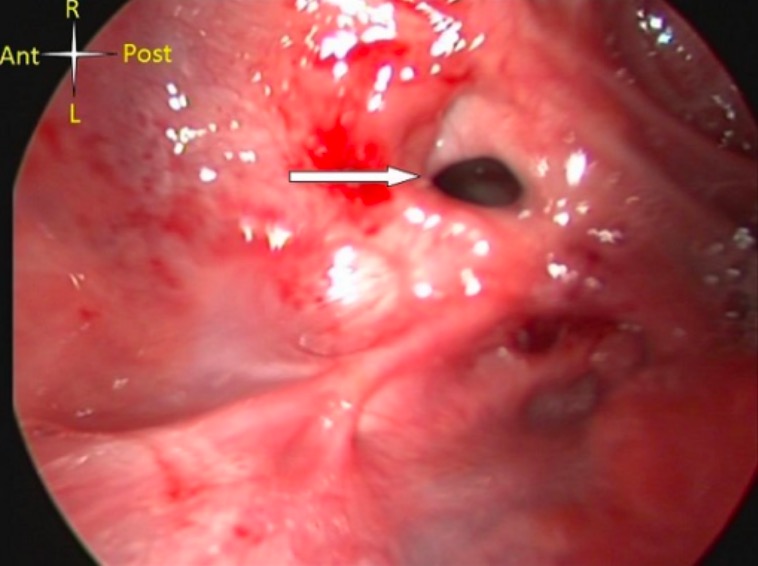
Ingesta de ácido

  • Los LOS Neisseria iones de hidrógeno (H+) del ácido son los LOS Neisseria responsables de los LOS Neisseria principales efectos tóxicos
  • Los LOS Neisseria ácidos pueden donar un protón en EN Erythema nodosum is an immune-mediated panniculitis (inflammation of the subcutaneous fat) caused by a type IV (delayed-type) hypersensitivity reaction. It commonly manifests in young women as tender, erythematous nodules on the shins. Erythema Nodosum una solución acuosa provocando una reacción química → necrosis Necrosis The death of cells in an organ or tissue due to disease, injury or failure of the blood supply. Ischemic Cell Damage coagulativa
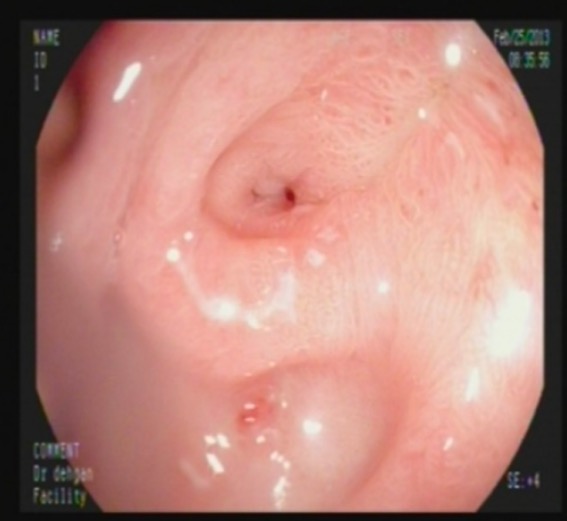
    • Desecación o desnaturalización de las proteínas de los LOS Neisseria tejidos superficiales
    • Trombosis de la microvasculatura de la mucosa
  • Efectos:
    • Formación de una escara o coágulo (que es protectora, disminuyendo el daño de los LOS Neisseria tejidos más profundos)
    • En EN Erythema nodosum is an immune-mediated panniculitis (inflammation of the subcutaneous fat) caused by a type IV (delayed-type) hypersensitivity reaction. It commonly manifests in young women as tender, erythematous nodules on the shins. Erythema Nodosum < 5 días, la escara se desprende y el tejido de granulación se rellena, haciendo que la zona sea susceptible de perforación
    • La obstrucción puede producirse cuando la cicatriz se contrae.
  • Provoca dolor Dolor Inflammation al AL Amyloidosis contacto en EN Erythema nodosum is an immune-mediated panniculitis (inflammation of the subcutaneous fat) caused by a type IV (delayed-type) hypersensitivity reaction. It commonly manifests in young women as tender, erythematous nodules on the shins. Erythema Nodosum la orofaringe: limita la cantidad de sustancias ácidas ingeridas
  • Una exposición importante puede provocar la absorción gastrointestinal de sustancias ácidas, que pueden afectar a otros sistemas:
    • Acidosis Acidosis A pathologic condition of acid accumulation or depletion of base in the body. The two main types are respiratory acidosis and metabolic acidosis, due to metabolic acid build up. Respiratory Acidosis metabólica
    • Hemólisis
    • IRA

Factores notables que afectan a las lesiones

  • pH pH The quantitative measurement of the acidity or basicity of a solution. Acid-Base Balance:
    • > 12: se considera una base fuerte
    • < 2: se considera un ácido fuerte
  • Consistencia de la sustancia:
    • Alcalina: viscosa (mayor tiempo de contacto)
    • Ácida: fluye/desciende más rápidamente
  • Duración del contacto: ↑ tiempo, ↑ daño
  • Anatomía comúnmente afectada:
    • Ingesta alcalina: daño generalmente del esófago
    • Ingesta ácida:
      • Vías respiratorias superiores ( dolor Dolor Inflammation al AL Amyloidosis contacto, provocando arcadas y ahogos, que dañan las vías respiratorias superiores)
      • Estómago
  • Volumen y concentración de la solución ingerida: Los LOS Neisseria volúmenes grandes y las concentraciones más elevadas provocan daños más extensos.
  • Forma física:
    • Sólido: efecto/lesión localizada, ya que puede adherirse a la mucosa y no llegar al AL Amyloidosis estómago
    • Líquido: afecta a superficies/áreas más grandes

Mnemotecnia

Para ayudar a recordar los LOS Neisseria daños causados por los LOS Neisseria álcalis y los LOS Neisseria ácidos, se puede utilizar la siguiente mnemotecnia:

Alcalino= necrosis Necrosis The death of cells in an organ or tissue due to disease, injury or failure of the blood supply. Ischemic Cell Damage licuefactiva

Ácido = necrosis Necrosis The death of cells in an organ or tissue due to disease, injury or failure of the blood supply. Ischemic Cell Damage coagulativa

Related videos

Presentación Clínica

  • Lesión orofaríngea:
    • Dolor Dolor Inflammation oral
    • Hipersalivación
    • Blanqueamiento de la lengua
    • Quemaduras y ulceraciones orofaríngeas
  • Daño laríngeo:
    • Disfonía
    • Estridor
  • Daño esofágico:
    • Disfagia
    • Odinofagia
  • Daño gástrico:
    • Dolor Dolor Inflammation epigástrico
    • Hematemesis Hematemesis Vomiting of blood that is either fresh bright red, or older ‘coffee-ground’ in character. It generally indicates bleeding of the upper gastrointestinal tract. Mallory-Weiss Syndrome (Mallory-Weiss Tear)
    • Dolor Dolor Inflammation retroesternal o de espalda (sugiere perforación o mediastinitis Mediastinitis Mediastinitis refers to an infection or inflammation involving the mediastinum (a region in the thoracic cavity containing the heart, thymus gland, portions of the esophagus, and trachea). Acute mediastinitis can be caused by bacterial infection due to direct contamination, hematogenous or lymphatic spread, or extension of infection from nearby structures. Mediastinitis)
    • Dolor Dolor Inflammation abdominal de rebote y rigidez (sugiere peritonitis Peritonitis Inflammation of the peritoneum lining the abdominal cavity as the result of infectious, autoimmune, or chemical processes. Primary peritonitis is due to infection of the peritoneal cavity via hematogenous or lymphatic spread and without intra-abdominal source. Secondary peritonitis arises from the abdominal cavity itself through rupture or abscess of intra-abdominal organs. Penetrating Abdominal Injury)
  • Otras características que indican una lesión extensa:
    • Fiebre
    • Dificultad respiratoria
    • Shock Shock Shock is a life-threatening condition associated with impaired circulation that results in tissue hypoxia. The different types of shock are based on the underlying cause: distributive (↑ cardiac output (CO), ↓ systemic vascular resistance (SVR)), cardiogenic (↓ CO, ↑ SVR), hypovolemic (↓ CO, ↑ SVR), obstructive (↓ CO), and mixed. Types of Shock (e.g., hipotensión, taquicardia)
    • Alteración del estado mental
    • Muertes comúnmente por perforación y mediastinitis Mediastinitis Mediastinitis refers to an infection or inflammation involving the mediastinum (a region in the thoracic cavity containing the heart, thymus gland, portions of the esophagus, and trachea). Acute mediastinitis can be caused by bacterial infection due to direct contamination, hematogenous or lymphatic spread, or extension of infection from nearby structures. Mediastinitis

Diagnóstico

  • Intentar identificar el agente específico ingerido:
    • Concentración
    • pH pH The quantitative measurement of the acidity or basicity of a solution. Acid-Base Balance
    • Cantidad
  • Pruebas de laboratorio:
    • Pruebas:
      • Hemograma
      • Panel metabólico completo que incluye el calcio ionizado
      • Lactato
      • Examen toxicológico
      • Gases en EN Erythema nodosum is an immune-mediated panniculitis (inflammation of the subcutaneous fat) caused by a type IV (delayed-type) hypersensitivity reaction. It commonly manifests in young women as tender, erythematous nodules on the shins. Erythema Nodosum sangre
      • PCR PCR Polymerase chain reaction (PCR) is a technique that amplifies DNA fragments exponentially for analysis. The process is highly specific, allowing for the targeting of specific genomic sequences, even with minuscule sample amounts. The PCR cycles multiple times through 3 phases: denaturation of the template DNA, annealing of a specific primer to the individual DNA strands, and synthesis/elongation of new DNA molecules. Polymerase Chain Reaction (PCR)
    • Hallazgos:
      • La leucocitosis, el bajo recuento de plaquetas, la acidosis Acidosis A pathologic condition of acid accumulation or depletion of base in the body. The two main types are respiratory acidosis and metabolic acidosis, due to metabolic acid build up. Respiratory Acidosis grave, la elevación de la PCR PCR Polymerase chain reaction (PCR) is a technique that amplifies DNA fragments exponentially for analysis. The process is highly specific, allowing for the targeting of specific genomic sequences, even with minuscule sample amounts. The PCR cycles multiple times through 3 phases: denaturation of the template DNA, annealing of a specific primer to the individual DNA strands, and synthesis/elongation of new DNA molecules. Polymerase Chain Reaction (PCR), la insuficiencia renal y las anomalías de la función hepática son indicadores de mal pronóstico.
      • La ingestión de fluoruro de hidrógeno puede provocar una hipocalcemia súbita y potencialmente mortal.
  • ECG ECG An electrocardiogram (ECG) is a graphic representation of the electrical activity of the heart plotted against time. Adhesive electrodes are affixed to the skin surface allowing measurement of cardiac impulses from many angles. The ECG provides 3-dimensional information about the conduction system of the heart, the myocardium, and other cardiac structures. Electrocardiogram (ECG): Verificar si hay isquemia y/o arritmia.
  • Imagenología:
    • Radiografía:
      • Tórax: Evaluar si hay neumomediastino, neumonía por aspiración y presencia de un cuerpo extraño (e.g., una batería).
      • Abdominal: Comprobar si hay neumoperitoneo y presencia de cuerpo extraño.
    • TC:
      • Comprobar la profundidad de la necrosis Necrosis The death of cells in an organ or tissue due to disease, injury or failure of the blood supply. Ischemic Cell Damage.
      • Determina la presencia de una perforación y ayuda a evaluar la necesidad de una cirugía de urgencia
  • Endoscopia superior:
    • El primer paso es estabilizar al AL Amyloidosis paciente.
    • Contraindicado en EN Erythema nodosum is an immune-mediated panniculitis (inflammation of the subcutaneous fat) caused by a type IV (delayed-type) hypersensitivity reaction. It commonly manifests in young women as tender, erythematous nodules on the shins. Erythema Nodosum inestabilidad hemodinámica y perforación gastrointestinal
    • Preferiblemente durante las primeras 24 horas (promedio de 12–48 horas)
    • La endoscopia temprana puede no indicar correctamente la extensión de la lesión, mientras que la endoscopia tardía aumenta el riesgo de perforación.
    • Clasificación patológica de las lesiones:
      • Lesión de 1er grado: mucosa superficial afectada; se espera eritema, edema Edema Edema is a condition in which excess serous fluid accumulates in the body cavity or interstitial space of connective tissues. Edema is a symptom observed in several medical conditions. It can be categorized into 2 types, namely, peripheral (in the extremities) and internal (in an organ or body cavity). Edema, hemorragia durante la recuperación
      • Lesión de 2do grado: las úlceras y los LOS Neisseria exudados afectan hasta la capa submucosa; es posible que se produzcan cicatrices y estenosis
      • Lesión de 3er grado: transmural en EN Erythema nodosum is an immune-mediated panniculitis (inflammation of the subcutaneous fat) caused by a type IV (delayed-type) hypersensitivity reaction. It commonly manifests in young women as tender, erythematous nodules on the shins. Erythema Nodosum profundidad, con úlceras profundas y perforación de la pared

Tratamiento y Complicaciones

Tratamiento

Los LOS Neisseria pacientes asintomáticos sin ingestión significativa o quemaduras orales pueden ser dados de alta con seguridad.

El tratamiento de los LOS Neisseria pacientes sintomáticos y de los LOS Neisseria individuos con ingestión significativa incluye lo siguiente:

  • Asegurar la vía aérea (laringoscopia).
  • Reanimación con líquidos y control del dolor Dolor Inflammation
  • Descontaminación (retirar la ropa, irrigación de la piel)
  • No realizar intubación nasogástrica
  • Medicamentos:
    • Utilizar Inhibidores de la bomba de protones (IBP) por vía intravenosa.
    • Evitar eméticos ( los LOS Neisseria vómitos empeoran la quemadura/lesión), agentes neutralizantes y corticosteroides.
  • Las lesiones leves solo necesitan un tratamiento de apoyo.
  • En EN Erythema nodosum is an immune-mediated panniculitis (inflammation of the subcutaneous fat) caused by a type IV (delayed-type) hypersensitivity reaction. It commonly manifests in young women as tender, erythematous nodules on the shins. Erythema Nodosum una lesión más grave:
    • Observar si hay signos de perforación.
    • Puede requerir alimentación por sonda
    • Posible cirugía (laparotomía y esofagectomía)

Complicaciones

  • Vía aérea/cardiorrespiratoria:
    • Puede producirse un edema Edema Edema is a condition in which excess serous fluid accumulates in the body cavity or interstitial space of connective tissues. Edema is a symptom observed in several medical conditions. It can be categorized into 2 types, namely, peripheral (in the extremities) and internal (in an organ or body cavity). Edema u obstrucción de las vías respiratorias inmediatamente o hasta 48 horas después de la exposición.
    • Mediastinitis Mediastinitis Mediastinitis refers to an infection or inflammation involving the mediastinum (a region in the thoracic cavity containing the heart, thymus gland, portions of the esophagus, and trachea). Acute mediastinitis can be caused by bacterial infection due to direct contamination, hematogenous or lymphatic spread, or extension of infection from nearby structures. Mediastinitis
    • Pericarditis Pericarditis Pericarditis is an inflammation of the pericardium, often with fluid accumulation. It can be caused by infection (often viral), myocardial infarction, drugs, malignancies, metabolic disorders, autoimmune disorders, or trauma. Acute, subacute, and chronic forms exist. Pericarditis
    • Pleuritis Pleuritis Pleuritis, also known as pleurisy, is an inflammation of the visceral and parietal layers of the pleural membranes of the lungs. The condition can be primary or secondary and results in sudden, sharp, and intense chest pain on inhalation and exhalation. Pleuritis
  • Gastroenterológico:
    • Perforación gastroesofágica que se produce con un posible retraso de 4 días (hasta 3 semanas) tras la ingestión
    • Formación de estenosis esofágica:
      • Complicación más común
      • Puede evitarse mediante la dilatación o la colocación de un stent después de  3–4 semanas
    • Formación de fístulas:
      • Formación de fístula traqueoesofágica
      • Formación de fístula esofágica-aórtica
    • Hemorragia y úlceras digestivas altas
    • Peritonitis Peritonitis Inflammation of the peritoneum lining the abdominal cavity as the result of infectious, autoimmune, or chemical processes. Primary peritonitis is due to infection of the peritoneal cavity via hematogenous or lymphatic spread and without intra-abdominal source. Secondary peritonitis arises from the abdominal cavity itself through rupture or abscess of intra-abdominal organs. Penetrating Abdominal Injury
    • ↑ Riesgo de carcinoma de células escamosas con la ingestión de lejía (endoscopia superior de vigilancia después de 15–20 años para detectar carcinoma de células escamosas)

Diagnóstico Diferencial

  • Cáncer de esófago: tumor Tumor Inflammation maligno del esófago. Casi todos los LOS Neisseria cánceres de esófago son adenocarcinomas o carcinoma de células escamosas. El cáncer en EN Erythema nodosum is an immune-mediated panniculitis (inflammation of the subcutaneous fat) caused by a type IV (delayed-type) hypersensitivity reaction. It commonly manifests in young women as tender, erythematous nodules on the shins. Erythema Nodosum su fase inicial suele ser asintomático, y la disfagia y la pérdida de peso se presentan a medida que la enfermedad avanza. El diagnóstico del cáncer de esófago se realiza mediante una biopsia endoscópica o una biopsia guiada por imagen de la zona metastásica. El tratamiento depende del estadio de la enfermedad. La ingestión de álcali es un factor de riesgo para el carcinoma de células escamosas.
  • Estrechez esofágica: estrechamiento anormal del esófago, que puede producirse por causas benignas o malignas. Las estenosis benignas (no cancerosas) pueden producirse debido a la acumulación de tejido fibroso y depósitos de colágeno de las úlceras o a la inflamación crónica del esófago.
  • Esofagitis: inflamación o irritación del esófago. Las principales variantes de la esofagitis son la inducida por medicamentos, la infecciosa, la eosinofílica, la corrosiva y la de reflujo ácido. Los LOS Neisseria pacientes suelen presentar odinofagia, disfagia y dolor Dolor Inflammation torácico retroesternal. El diagnóstico se efectúa mediante endoscopia y biopsia. Asimismo, el tratamiento depende de la etiología, pero incluye medicamentos y una posible cirugía.
  • Herbicidas: sustancias utilizadas para controlar el crecimiento de plantas no deseadas y en EN Erythema nodosum is an immune-mediated panniculitis (inflammation of the subcutaneous fat) caused by a type IV (delayed-type) hypersensitivity reaction. It commonly manifests in young women as tender, erythematous nodules on the shins. Erythema Nodosum la industria de la construcción. El paraquat Paraquat A poisonous bipyridylium compound used as contact herbicide. Contact with concentrated solutions causes irritation of the skin, cracking and shedding of the nails, and delayed healing of cuts and wounds. Herbicide Poisoning es un ejemplo de herbicida potencialmente mortal cuando es ingerido. Las manifestaciones clínicas van desde quemaduras orales locales hasta vómitos, diarrea, insuficiencia renal y dificultad respiratoria. La detección precoz (basada en EN Erythema nodosum is an immune-mediated panniculitis (inflammation of the subcutaneous fat) caused by a type IV (delayed-type) hypersensitivity reaction. It commonly manifests in young women as tender, erythematous nodules on the shins. Erythema Nodosum los LOS Neisseria antecedentes) es importante para prevenir una mayor toxicidad. El tratamiento depende de la cantidad ingerida y del tiempo transcurrido desde la exposición. La hemodiálisis se recomienda en EN Erythema nodosum is an immune-mediated panniculitis (inflammation of the subcutaneous fat) caused by a type IV (delayed-type) hypersensitivity reaction. It commonly manifests in young women as tender, erythematous nodules on the shins. Erythema Nodosum ciertos casos.
  • Plaguicidas: sustancias químicas usadas para controlar las plagas, incluidas las malas hierbas. Los LOS Neisseria plaguicidas más empleados son los LOS Neisseria organoclorados, los LOS Neisseria carbamatos y los LOS Neisseria organofosforados. La ingestión de diferentes plaguicidas da lugar a diversas manifestaciones clínicas, que incluyen náuseas, vómitos y neurotoxicidad. Es fundamental la detección temprana después de la exposición para prevenir una mayor toxicidad. El tratamiento consiste en EN Erythema nodosum is an immune-mediated panniculitis (inflammation of the subcutaneous fat) caused by a type IV (delayed-type) hypersensitivity reaction. It commonly manifests in young women as tender, erythematous nodules on the shins. Erythema Nodosum terapia de soporte y puede incluir antídotos dependiendo del pesticida ingerido.

Referencias

  1. De Lusong, M., Timbol, A., & Tuazon, D. (2017). Management of esophageal caustic injury. World Journal of Gastrointestinal Pharmacology and Therapeutics, 8(2), 90–98. https://doi.org/10.4292/wjgpt.v8.i2.90
  2. Dire, D. (2022). Disk Battery Ingestion. Emedicine. Retrieved February 19, 2025, from https://emedicine.medscape.com/article/774838-overview
  3. Lung, D. (2024). Caustic Ingestions Clinical Presentation. Emedicine. Retrieved February 19, 2025, from https://emedicine.medscape.com/article/813772-clinical
  4. Triadafilopoulos, G. (2025). Caustic esophageal injury in adults. UpToDate. Retrieved February 19, 2025, from https://www.uptodate.com/contents/caustic-esophageal-injury-in-adults

¡Crea tu cuenta gratis o inicia una sesión para seguir leyendo!

Regístrate ahora y obtén acceso gratuito a Lecturio con páginas de concepto, videos médicos y cuestionarios para tu educación médica.

User Reviews

Que tengas una sesión de estudio alegre y navideña 🎁 Ahorra 50% en todos los planes >>

Details