
Domina Conceptos Médicos

Estudia para la escuela de medicina y tus examenes con Lecturio.

Endometriosis

La endometriosis Endometriosis Endometriosis is a common disease in which patients have endometrial tissue implanted outside of the uterus. Endometrial implants can occur anywhere in the pelvis, including the ovaries, the broad and uterosacral ligaments, the pelvic peritoneum, and the urinary and gastrointestinal tracts. Endometriosis es una enfermedad común en EN Erythema nodosum is an immune-mediated panniculitis (inflammation of the subcutaneous fat) caused by a type IV (delayed-type) hypersensitivity reaction. It commonly manifests in young women as tender, erythematous nodules on the shins. Erythema Nodosum la cual las pacientes tienen tejido endometrial implantado fuera del útero. Los LOS Neisseria implantes endometriales pueden ocurrir en EN Erythema nodosum is an immune-mediated panniculitis (inflammation of the subcutaneous fat) caused by a type IV (delayed-type) hypersensitivity reaction. It commonly manifests in young women as tender, erythematous nodules on the shins. Erythema Nodosum cualquier parte de la pelvis Pelvis The pelvis consists of the bony pelvic girdle, the muscular and ligamentous pelvic floor, and the pelvic cavity, which contains viscera, vessels, and multiple nerves and muscles. The pelvic girdle, composed of 2 "hip" bones and the sacrum, is a ring-like bony structure of the axial skeleton that links the vertebral column with the lower extremities. Pelvis: Anatomy, incluidos los LOS Neisseria ovarios, los LOS Neisseria ligamentos anchos y uterosacros, el peritoneo pélvico y los LOS Neisseria tractos urinario y gastrointestinal. Los LOS Neisseria implantes fuera de la cavidad abdominopélvica también son posibles, aunque poco frecuentes. La endometriosis Endometriosis Endometriosis is a common disease in which patients have endometrial tissue implanted outside of the uterus. Endometrial implants can occur anywhere in the pelvis, including the ovaries, the broad and uterosacral ligaments, the pelvic peritoneum, and the urinary and gastrointestinal tracts. Endometriosis generalmente se presenta en EN Erythema nodosum is an immune-mediated panniculitis (inflammation of the subcutaneous fat) caused by a type IV (delayed-type) hypersensitivity reaction. It commonly manifests in young women as tender, erythematous nodules on the shins. Erythema Nodosum una mujer en EN Erythema nodosum is an immune-mediated panniculitis (inflammation of the subcutaneous fat) caused by a type IV (delayed-type) hypersensitivity reaction. It commonly manifests in young women as tender, erythematous nodules on the shins. Erythema Nodosum edad reproductiva con dolor Dolor Inflammation pélvico que empeora alrededor de la menstruación. Los LOS Neisseria implantes endometriales tienden a ser inflamatorios, lo que lleva a un dolor Dolor Inflammation crónico cíclico, adherencias y un mayor riesgo de infertilidad. El diagnóstico suele hacerse clínicamente, aunque el diagnóstico definitivo requiere una laparoscopia. Los LOS Neisseria exámenes de laboratorio rara vez son útiles. El tratamiento implica la supresión del crecimiento endometrial con progestinas, típicamente con píldoras anticonceptivas orales. En EN Erythema nodosum is an immune-mediated panniculitis (inflammation of the subcutaneous fat) caused by a type IV (delayed-type) hypersensitivity reaction. It commonly manifests in young women as tender, erythematous nodules on the shins. Erythema Nodosum casos severos, la cirugía es útil para confirmar el diagnóstico y tratar cualquier implante.

Last updated: Dec 15, 2025

Editorial responsibility: Stanley Oiseth, Lindsay Jones, Evelin Maza

Descripción General

Definición

La endometriosis Endometriosis Endometriosis is a common disease in which patients have endometrial tissue implanted outside of the uterus. Endometrial implants can occur anywhere in the pelvis, including the ovaries, the broad and uterosacral ligaments, the pelvic peritoneum, and the urinary and gastrointestinal tracts. Endometriosis es una condición en EN Erythema nodosum is an immune-mediated panniculitis (inflammation of the subcutaneous fat) caused by a type IV (delayed-type) hypersensitivity reaction. It commonly manifests in young women as tender, erythematous nodules on the shins. Erythema Nodosum la que las glándulas endometriales y el estroma se implantan fuera del útero. Estos implantes pueden ser altamente inflamatorios, pero generalmente no son malignos.
Epidemiología

  • Incidencia en EN Erythema nodosum is an immune-mediated panniculitis (inflammation of the subcutaneous fat) caused by a type IV (delayed-type) hypersensitivity reaction. It commonly manifests in young women as tender, erythematous nodules on the shins. Erythema Nodosum población general femenina: aproximadamente 10%
    • Las estimaciones varían ampliamente según la población estudiada.
    • Muchos casos son asintomáticos.
  • Incidencia en EN Erythema nodosum is an immune-mediated panniculitis (inflammation of the subcutaneous fat) caused by a type IV (delayed-type) hypersensitivity reaction. It commonly manifests in young women as tender, erythematous nodules on the shins. Erythema Nodosum pacientes infértiles: hasta el 50%
  • Incidencia en EN Erythema nodosum is an immune-mediated panniculitis (inflammation of the subcutaneous fat) caused by a type IV (delayed-type) hypersensitivity reaction. It commonly manifests in young women as tender, erythematous nodules on the shins. Erythema Nodosum pacientes con dolor Dolor Inflammation pélvico: 70 %–80%
  • Edad promedio al AL Amyloidosis diagnóstico: 27 años
  • Los LOS Neisseria casos son poco frecuentes, pero también posibles en EN Erythema nodosum is an immune-mediated panniculitis (inflammation of the subcutaneous fat) caused by a type IV (delayed-type) hypersensitivity reaction. It commonly manifests in young women as tender, erythematous nodules on the shins. Erythema Nodosum:
    • Niñas premenárquicas
    • Mujeres posmenopáusicas (2%–5% de los LOS Neisseria casos)

Factores de riesgo

  • Exposición prolongada a estrógenos endógenos:
    • Nuliparidad
    • Edad temprana en EN Erythema nodosum is an immune-mediated panniculitis (inflammation of the subcutaneous fat) caused by a type IV (delayed-type) hypersensitivity reaction. It commonly manifests in young women as tender, erythematous nodules on the shins. Erythema Nodosum la menarquia
    • Menopausia tardía
    • Ciclos menstruales más cortos
  • Sangrado menstrual abundante
  • Antecedentes de la infertilidad
  • Antecedentes de flujo de salida obstruido (e.g., anomalías müllerianas)
  • Bajo índice de masa corporal (IMC)
  • Antecedentes familiares de endometriosis Endometriosis Endometriosis is a common disease in which patients have endometrial tissue implanted outside of the uterus. Endometrial implants can occur anywhere in the pelvis, including the ovaries, the broad and uterosacral ligaments, the pelvic peritoneum, and the urinary and gastrointestinal tracts. Endometriosis

Fisiopatología

Factores contribuyentes

  • Factores genéticos
  • Señalización endocrina anormal:
    • El estrógeno estimula la proliferación endometrial.
    • A diferencia del endometrio normal, los LOS Neisseria implantes de endometriosis Endometriosis Endometriosis is a common disease in which patients have endometrial tissue implanted outside of the uterus. Endometrial implants can occur anywhere in the pelvis, including the ovaries, the broad and uterosacral ligaments, the pelvic peritoneum, and the urinary and gastrointestinal tracts. Endometriosis expresan enzimas que:
      • Convierten andrógenos en EN Erythema nodosum is an immune-mediated panniculitis (inflammation of the subcutaneous fat) caused by a type IV (delayed-type) hypersensitivity reaction. It commonly manifests in young women as tender, erythematous nodules on the shins. Erythema Nodosum estrógenos.
      • Inhiben la desactivación de estrógenos.
    • Resultados en EN Erythema nodosum is an immune-mediated panniculitis (inflammation of the subcutaneous fat) caused by a type IV (delayed-type) hypersensitivity reaction. It commonly manifests in young women as tender, erythematous nodules on the shins. Erythema Nodosum ↑ estimulación de estrógeno dentro de los LOS Neisseria implantes de endometriosis Endometriosis Endometriosis is a common disease in which patients have endometrial tissue implanted outside of the uterus. Endometrial implants can occur anywhere in the pelvis, including the ovaries, the broad and uterosacral ligaments, the pelvic peritoneum, and the urinary and gastrointestinal tracts. Endometriosis en EN Erythema nodosum is an immune-mediated panniculitis (inflammation of the subcutaneous fat) caused by a type IV (delayed-type) hypersensitivity reaction. It commonly manifests in young women as tender, erythematous nodules on the shins. Erythema Nodosum comparación con el endometrio normal
  • Inmunidad alterada:
    • ↑ Respuesta inflamatoria
    • Pensada para contribuir al AL Amyloidosis proceso de implantación
  • Anomalías en EN Erythema nodosum is an immune-mediated panniculitis (inflammation of the subcutaneous fat) caused by a type IV (delayed-type) hypersensitivity reaction. It commonly manifests in young women as tender, erythematous nodules on the shins. Erythema Nodosum la proliferación celular y la apoptosis Apoptosis A regulated cell death mechanism characterized by distinctive morphologic changes in the nucleus and cytoplasm, including the endonucleolytic cleavage of genomic DNA, at regularly spaced, internucleosomal sites, I.e., DNA fragmentation. It is genetically-programmed and serves as a balance to mitosis in regulating the size of animal tissues and in mediating pathologic processes associated with tumor growth. Ischemic Cell Damage
  • Obstrucción del tracto de salida reproductivo

Teorías sobre el establecimiento de implantes

  • Menstruación retrógrada (teoría de Sampson):
    • Salida menstrual de células endometriales hacia la cavidad peritoneal a través de las trompas de Falopio
    • No explica implantes fuera de la cavidad abdominopélvica ni casos en EN Erythema nodosum is an immune-mediated panniculitis (inflammation of the subcutaneous fat) caused by a type IV (delayed-type) hypersensitivity reaction. It commonly manifests in young women as tender, erythematous nodules on the shins. Erythema Nodosum niñas premenstruales
  • Metaplasia Metaplasia A condition in which there is a change of one adult cell type to another similar adult cell type. Cellular Adaptation celómica:
    • El epitelio celómico se transforma en EN Erythema nodosum is an immune-mediated panniculitis (inflammation of the subcutaneous fat) caused by a type IV (delayed-type) hypersensitivity reaction. It commonly manifests in young women as tender, erythematous nodules on the shins. Erythema Nodosum glándulas similares al AL Amyloidosis endometrio.
    • El epitelio celómico normalmente se convierte en EN Erythema nodosum is an immune-mediated panniculitis (inflammation of the subcutaneous fat) caused by a type IV (delayed-type) hypersensitivity reaction. It commonly manifests in young women as tender, erythematous nodules on the shins. Erythema Nodosum:
      • Endometrio
      • Ovario
      • Peritoneo
      • Pleura Pleura The pleura is a serous membrane that lines the walls of the thoracic cavity and the surface of the lungs. This structure of mesodermal origin covers both lungs, the mediastinum, the thoracic surface of the diaphragm, and the inner part of the thoracic cage. The pleura is divided into a visceral pleura and parietal pleura. Pleura: Anatomy
  • Diseminación vascular o linfática:
    • Mecanismos similares a cómo el cáncer se propaga a través de la sangre y el sistema linfático
    • Explica los LOS Neisseria casos de lesiones de endometriosis Endometriosis Endometriosis is a common disease in which patients have endometrial tissue implanted outside of the uterus. Endometrial implants can occur anywhere in the pelvis, including the ovaries, the broad and uterosacral ligaments, the pelvic peritoneum, and the urinary and gastrointestinal tracts. Endometriosis fuera de la cavidad abdominopélvica.

Sitios de implantación ectópica

  • Ovario (sitio más común)
  • Peritoneo pélvico (segundo más común)
  • Ligamentos uterinos (ancho, uterosacro)
  • Dentro del miometrio uterino → adenomiosis
  • Tabique rectovaginal
  • Trompas de Falopio
  • Colon Colon The large intestines constitute the last portion of the digestive system. The large intestine consists of the cecum, appendix, colon (with ascending, transverse, descending, and sigmoid segments), rectum, and anal canal. The primary function of the colon is to remove water and compact the stool prior to expulsion from the body via the rectum and anal canal. Colon, Cecum, and Appendix: Anatomy, recto y apéndice
  • Vejiga y uréteres
  • Sitios de incisión quirúrgica previa
  • Órganos distantes (raro):
    • Pulmones
    • Mamas
    • Huesos
    • Hígado, vesícula biliar, páncreas y bazo

Causas del dolor Dolor Inflammation

  • Fluctuaciones hormonales cíclicas → sangrado de los LOS Neisseria implantes → ↑ producción de mediadores inflamatorios
  • Inflamación crónica → depósito de fibrina → adherencias pélvicas y cicatrización → distorsión de las superficies peritoneales → dolor Dolor Inflammation
  • Sensibilización nerviosa cerca de los LOS Neisseria implantes, posiblemente causada por:
    • Inflamación crónica
    • Estrógeno actuando como neuromodulador
    • Invasión neuronal directa de implantes endometriales
  • La severidad del dolor Dolor Inflammation no está directamente relacionada con la extensión de la enfermedad.

Presentación Clínica

Consideraciones generales

  • La ubicación de los LOS Neisseria implantes determina la presentación clínica.
  • Los LOS Neisseria síntomas pueden ser cíclicos o crónicos .
  • Algunas pacientes son asintomáticas.
  • Los LOS Neisseria síntomas a menudo mejoran durante el embarazo.

Dolor Dolor Inflammation pélvico

  • Síntoma de presentación en EN Erythema nodosum is an immune-mediated panniculitis (inflammation of the subcutaneous fat) caused by a type IV (delayed-type) hypersensitivity reaction. It commonly manifests in young women as tender, erythematous nodules on the shins. Erythema Nodosum el 80% de los LOS Neisseria casos
  • Dismenorrea severa
    • Dolor Dolor Inflammation sordo o cólico
    • Cíclico, a menudo comienza unos días antes del inicio del sangrado.
  • Dolor Dolor Inflammation no cíclico:
    • Pélvico o abdominal
    • Puede ser focal o generalizado.
    • Sordo, palpitante, agudo o presión
  • Dispareunia

Esterilidad

  • Síntoma de presentación en EN Erythema nodosum is an immune-mediated panniculitis (inflammation of the subcutaneous fat) caused by a type IV (delayed-type) hypersensitivity reaction. It commonly manifests in young women as tender, erythematous nodules on the shins. Erythema Nodosum el 25% de los LOS Neisseria casos
  • Debido a:
    • Adherencias pélvicas en EN Erythema nodosum is an immune-mediated panniculitis (inflammation of the subcutaneous fat) caused by a type IV (delayed-type) hypersensitivity reaction. It commonly manifests in young women as tender, erythematous nodules on the shins. Erythema Nodosum las trompas de Falopio
    • Medio inflamatorio y/o hormonal que afecta la foliculogénesis

Masa ovárica

  • Síntoma de presentación en EN Erythema nodosum is an immune-mediated panniculitis (inflammation of the subcutaneous fat) caused by a type IV (delayed-type) hypersensitivity reaction. It commonly manifests in young women as tender, erythematous nodules on the shins. Erythema Nodosum el 20% de los LOS Neisseria casos
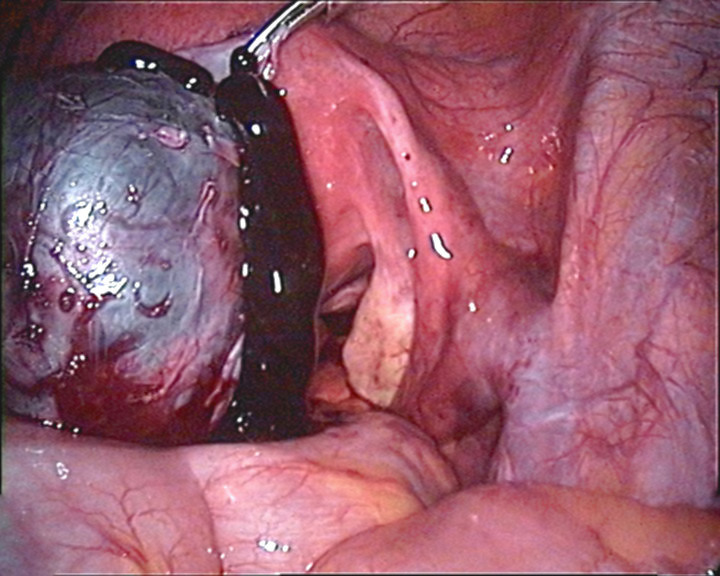
  • Llamada endometrioma Endometrioma Endometriosis:
    • Quiste ovárico benigno con tejido endometrial
    • También llamados “quistes de chocolate
Perforierte Endometriosezyste

Endometrioma perforado: tejido endometrial ectópico implantado sobre o dentro del ovario. Estas masas son benignas y se llaman endometriomas o quistes de chocolate.

Imagen : “Perforierte Endometriosezyste” de Hic et nunc. Licencia: Dominio Público

Síntomas adicionales o asociados

Diagnóstico

El diagnóstico definitivo solo se puede hacer en EN Erythema nodosum is an immune-mediated panniculitis (inflammation of the subcutaneous fat) caused by a type IV (delayed-type) hypersensitivity reaction. It commonly manifests in young women as tender, erythematous nodules on the shins. Erythema Nodosum el examen histológico de una biopsia quirúrgica. Por lo tanto, el diagnóstico a menudo se realiza clínicamente basándose únicamente en EN Erythema nodosum is an immune-mediated panniculitis (inflammation of the subcutaneous fat) caused by a type IV (delayed-type) hypersensitivity reaction. It commonly manifests in young women as tender, erythematous nodules on the shins. Erythema Nodosum los LOS Neisseria antecedentes y los LOS Neisseria hallazgos del examen, a menos que las imágenes sugieran un endometrioma Endometrioma Endometriosis.

Examen físico

Hallazgos sugestivos de endometriosis Endometriosis Endometriosis is a common disease in which patients have endometrial tissue implanted outside of the uterus. Endometrial implants can occur anywhere in the pelvis, including the ovaries, the broad and uterosacral ligaments, the pelvic peritoneum, and the urinary and gastrointestinal tracts. Endometriosis:
  • Sensibilidad en EN Erythema nodosum is an immune-mediated panniculitis (inflammation of the subcutaneous fat) caused by a type IV (delayed-type) hypersensitivity reaction. It commonly manifests in young women as tender, erythematous nodules on the shins. Erythema Nodosum el examen vaginal
  • Implantes endometriales vaginales visibles
  • Nódulos palpables en EN Erythema nodosum is an immune-mediated panniculitis (inflammation of the subcutaneous fat) caused by a type IV (delayed-type) hypersensitivity reaction. It commonly manifests in young women as tender, erythematous nodules on the shins. Erythema Nodosum fórnix posterior o tabique rectovaginal
  • Masa anexial
  • “Pelvis congelada”:
    • Inmovilidad del cuello uterino y/o útero en EN Erythema nodosum is an immune-mediated panniculitis (inflammation of the subcutaneous fat) caused by a type IV (delayed-type) hypersensitivity reaction. It commonly manifests in young women as tender, erythematous nodules on the shins. Erythema Nodosum el examen bimanual
    • Por adherencias y cicatrices

Laboratorios

  • Las pruebas de laboratorio no son clínicamente útiles.
  • Prueba de gonorrea y clamidia si está considerando la enfermedad inflamatoria pélvica (EIP)
  • El antígeno del cáncer 125 ( CA CA Condylomata acuminata are a clinical manifestation of genital HPV infection. Condylomata acuminata are described as raised, pearly, flesh-colored, papular, cauliflower-like lesions seen in the anogenital region that may cause itching, pain, or bleeding. Condylomata Acuminata (Genital Warts) 125) puede ser ↑ en EN Erythema nodosum is an immune-mediated panniculitis (inflammation of the subcutaneous fat) caused by a type IV (delayed-type) hypersensitivity reaction. It commonly manifests in young women as tender, erythematous nodules on the shins. Erythema Nodosum la endometriosis Endometriosis Endometriosis is a common disease in which patients have endometrial tissue implanted outside of the uterus. Endometrial implants can occur anywhere in the pelvis, including the ovaries, the broad and uterosacral ligaments, the pelvic peritoneum, and the urinary and gastrointestinal tracts. Endometriosis
    • CA CA Condylomata acuminata are a clinical manifestation of genital HPV infection. Condylomata acuminata are described as raised, pearly, flesh-colored, papular, cauliflower-like lesions seen in the anogenital region that may cause itching, pain, or bleeding. Condylomata Acuminata (Genital Warts) 125 se asocia más comúnmente con el carcinoma de ovario.
    • Debe solicitarse en EN Erythema nodosum is an immune-mediated panniculitis (inflammation of the subcutaneous fat) caused by a type IV (delayed-type) hypersensitivity reaction. It commonly manifests in young women as tender, erythematous nodules on the shins. Erythema Nodosum pacientes con una masa ovárica sospechosa de cáncer.

Pruebas de imagen

  • Ultrasonido transvaginal:
    • Endometrioma Endometrioma Endometriosis (quistes de chocolate)
    • Nódulos en EN Erythema nodosum is an immune-mediated panniculitis (inflammation of the subcutaneous fat) caused by a type IV (delayed-type) hypersensitivity reaction. It commonly manifests in young women as tender, erythematous nodules on the shins. Erythema Nodosum el tabique rectovaginal, la pared abdominal o la vejiga
    • Útero de tamaño normal ( en EN Erythema nodosum is an immune-mediated panniculitis (inflammation of the subcutaneous fat) caused by a type IV (delayed-type) hypersensitivity reaction. It commonly manifests in young women as tender, erythematous nodules on the shins. Erythema Nodosum comparación con un útero agrandado con adenomiosis)
  • Imágenes por resonancia magnética (RM):
    • Más sensible que el ultrasonido para la detección de enfermedades localizadas
    • No es útil en EN Erythema nodosum is an immune-mediated panniculitis (inflammation of the subcutaneous fat) caused by a type IV (delayed-type) hypersensitivity reaction. It commonly manifests in young women as tender, erythematous nodules on the shins. Erythema Nodosum casos de endometriosis Endometriosis Endometriosis is a common disease in which patients have endometrial tissue implanted outside of the uterus. Endometrial implants can occur anywhere in the pelvis, including the ovaries, the broad and uterosacral ligaments, the pelvic peritoneum, and the urinary and gastrointestinal tracts. Endometriosis difusa.

Laparoscopia

  • El estándar de oro para el diagnóstico
  • Apariencia del implante:
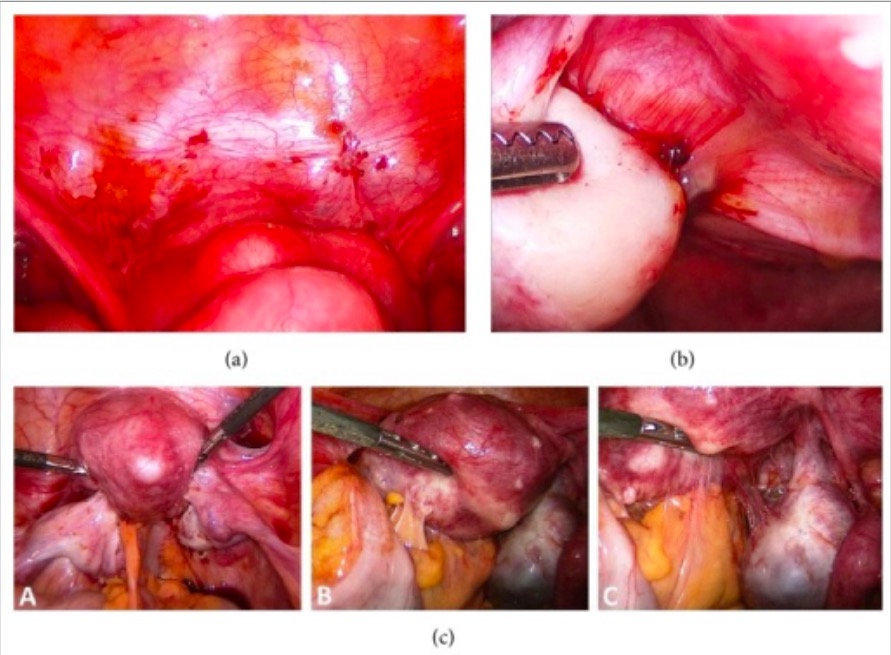
    • Las lesiones pueden ser de color rojo, blanco, transparente o negripúrpura.
    • Lesiones por quemadura de pólvora: implantes superficiales con apariencia de polvo espolvoreado
  • La biopsia se utiliza para la confirmación histológica definitiva.
  • Otros hallazgos:
    • Defectos o agujeros peritoneales
    • Endometriomas
    • Adherencias pélvicas
Tratamiento quirúrgico de la endometriosis

Lesiones endometriales y adherencias pélvicas vistas en laparoscopia

Imagen: “Endoscopic image of endometriosis” by Department of Obstetrics and Gynecology, University Clinics of Schleswig-Holstein, Campus Kiel, Arnold-Heller-Straße 3/24, 24105 Kiel, Germany. Licencia: CC BY 3.0

Tratamiento y Complicaciones

Consideraciones generales

  • La terapia se puede iniciar con base en EN Erythema nodosum is an immune-mediated panniculitis (inflammation of the subcutaneous fat) caused by a type IV (delayed-type) hypersensitivity reaction. It commonly manifests in young women as tender, erythematous nodules on the shins. Erythema Nodosum un diagnóstico clínico ( en EN Erythema nodosum is an immune-mediated panniculitis (inflammation of the subcutaneous fat) caused by a type IV (delayed-type) hypersensitivity reaction. It commonly manifests in young women as tender, erythematous nodules on the shins. Erythema Nodosum lugar de quirúrgico).
  • Requiere un plan de manejo crónico para ↓ cirugías repetidas.
  • Objetivos del tratamiento:
    • Mejorar el dolor Dolor Inflammation
    • Suprimir el crecimiento del endometrio
    • Tratar la infertilidad:
      • Tratamiento estándar hasta que la paciente esté lista para concebir
      • Referir a un especialista en EN Erythema nodosum is an immune-mediated panniculitis (inflammation of the subcutaneous fat) caused by a type IV (delayed-type) hypersensitivity reaction. It commonly manifests in young women as tender, erythematous nodules on the shins. Erythema Nodosum endocrinología reproductiva

Manejo médico de primera línea

  • Medicamentos antiinflamatorios no esteroideos (AINE)
  • Anticonceptivos hormonales:
    • Tratamiento inicial primario
    • A menudo se administra de forma continua (sin días de placebo Placebo Any dummy medication or treatment. Although placebos originally were medicinal preparations having no specific pharmacological activity against a targeted condition, the concept has been extended to include treatments or procedures, especially those administered to control groups in clinical trials in order to provide baseline measurements for the experimental protocol. Epidemiological Studies) para suprimir completamente la menstruación.
    • Las progestinas suprimen el crecimiento endometrial.
    • Las opciones incluyen:
      • Píldoras anticonceptivas orales combinadas
      • Píldoras anticonceptivas de progesterona sola
      • Parche anticonceptivo
      • Anillo vaginal anticonceptivo
      • Dispositivos intrauterinos (DIU) que contienen levonorgestrel Levonorgestrel A synthetic progestational hormone with actions similar to those of progesterone and about twice as potent as its racemic or (+-)-isomer (norgestrel). It is used for contraception, control of menstrual disorders, and treatment of endometriosis. Hormonal Contraceptives
      • Implante anticonceptivo de etonogestrel Etonogestrel Hormonal Contraceptives
      • Inyecciones de acetato de medroxiprogesterona

Manejo médico de segunda línea

Los LOS Neisseria siguientes se utilizan en EN Erythema nodosum is an immune-mediated panniculitis (inflammation of the subcutaneous fat) caused by a type IV (delayed-type) hypersensitivity reaction. It commonly manifests in young women as tender, erythematous nodules on the shins. Erythema Nodosum pacientes que no pueden tomar o no obtienen ningún beneficio del tratamiento de primera línea:

  • Agonistas y antagonistas de la hormona liberadora de gonadotropina (GnRH):
    • Suprime el eje hipotálamo-hipófisis-ovárico (HPO) eliminando el pulso de la GnRH
    • Da como resultado ↓ estrógenos → atrofia endometrial
    • Se utilizan para tratar el dolor Dolor Inflammation intenso.
    • Solo deben usarse durante 6 a 12 meses para prevenir la osteoporosis Osteoporosis Osteoporosis refers to a decrease in bone mass and density leading to an increased number of fractures. There are 2 forms of osteoporosis: primary, which is commonly postmenopausal or senile; and secondary, which is a manifestation of immobilization, underlying medical disorders, or long-term use of certain medications. Osteoporosis.
    • Opciones:
  • Andrógenos
    • Danazol Danazol A synthetic steroid with antigonadotropic and anti-estrogenic activities that acts as an anterior pituitary suppressant by inhibiting the pituitary output of gonadotropins. It possesses some androgenic properties. Danazol has been used in the treatment of endometriosis and some benign breast disorders. Antiestrogens
    • Eficaces en EN Erythema nodosum is an immune-mediated panniculitis (inflammation of the subcutaneous fat) caused by a type IV (delayed-type) hypersensitivity reaction. It commonly manifests in young women as tender, erythematous nodules on the shins. Erythema Nodosum el tratamiento del dolor Dolor Inflammation
    • No se usan comúnmente debido a los LOS Neisseria efectos secundarios androgénicos.
  • Agentes neuropáticos
    • Para tratar el dolor Dolor Inflammation, especialmente cuando se sospecha de sensibilización nerviosa
    • Opciones:
      • Antidepresivos tricíclicos
      • Inhibidores de la recaptación de serotonina y norepinefrina
      • Medicamentos antiepilépticos (e.g., gabapentina)

Tratamiento quirúrgico

El objetivo es proporcionar un diagnóstico histológico definitivo y resecar cualquier lesión visible para tratar el dolor Dolor Inflammation.

  • Cistectomía de ovario por endometriomas
  • Resección o ablación de las lesiones endometriales
  • Lisis de adherencias
  • Histerectomía con o sin salpingooforectomía:
    • Reservada para pacientes con dolor Dolor Inflammation moderado a severo
    • Procedimiento definitivo
    • Si los LOS Neisseria ovarios permanecen → producción persistente de estrógenos → estimula cualquier implante restante → es posible que tenga dolor Dolor Inflammation persistente.
    • Se puede considerar la terapia hormonal suplementaria si se extirpan los LOS Neisseria ovarios.
  • Ablación o transección de nervios para tratar el dolor Dolor Inflammation refractario.

Complicaciones

  • Implicaciones del embarazo:
    • ↑ Riesgo de parto prematuro
    • Esterilidad
    • Embarazo ectópico
  • ↑ Riesgo de cáncer de ovario epitelial de células claras
  • Obstrucción intestinal por adherencias
  • Posible ↑ riesgo de enfermedad cardiovascular debido a inflamación sistémica crónica

Diagnóstico Diferencial

  • Adenomiosis: Similar a la endometriosis Endometriosis Endometriosis is a common disease in which patients have endometrial tissue implanted outside of the uterus. Endometrial implants can occur anywhere in the pelvis, including the ovaries, the broad and uterosacral ligaments, the pelvic peritoneum, and the urinary and gastrointestinal tracts. Endometriosis; sin embargo, los LOS Neisseria implantes endometriales se limitan específicamente al AL Amyloidosis miometrio uterino, lo que provoca un sangrado menstrual abundante y doloroso. En EN Erythema nodosum is an immune-mediated panniculitis (inflammation of the subcutaneous fat) caused by a type IV (delayed-type) hypersensitivity reaction. It commonly manifests in young women as tender, erythematous nodules on the shins. Erythema Nodosum el ultrasonido, el útero suele estar agrandado y puede mostrar quistes miometriales o heterogeneidad. El manejo implica la supresión del endometrio, generalmente con progestinas o el tratamiento definitivo con histerectomía. La adenomiosis a menudo coexiste con la endometriosis Endometriosis Endometriosis is a common disease in which patients have endometrial tissue implanted outside of the uterus. Endometrial implants can occur anywhere in the pelvis, including the ovaries, the broad and uterosacral ligaments, the pelvic peritoneum, and the urinary and gastrointestinal tracts. Endometriosis.
  • Leiomioma (fibromas): Tumores fibrosos benignos de origen miometrial. Los LOS Neisseria leiomiomas son más comunes en EN Erythema nodosum is an immune-mediated panniculitis (inflammation of the subcutaneous fat) caused by a type IV (delayed-type) hypersensitivity reaction. It commonly manifests in young women as tender, erythematous nodules on the shins. Erythema Nodosum mujeres negras que en EN Erythema nodosum is an immune-mediated panniculitis (inflammation of the subcutaneous fat) caused by a type IV (delayed-type) hypersensitivity reaction. It commonly manifests in young women as tender, erythematous nodules on the shins. Erythema Nodosum mujeres caucásicas y, por lo general, se presentan con sangrado menstrual abundante, dismenorrea o presión pélvica. Los LOS Neisseria leiomiomas suelen identificarse fácilmente en EN Erythema nodosum is an immune-mediated panniculitis (inflammation of the subcutaneous fat) caused by a type IV (delayed-type) hypersensitivity reaction. It commonly manifests in young women as tender, erythematous nodules on the shins. Erythema Nodosum el ultrasonido. El tratamiento implica la supresión hormonal con anticonceptivos orales para fibromas más pequeños o si una mujer desea conservar su útero. La resección quirúrgica es el tratamiento definitivo.
  • EIP: Un proceso infeccioso ascendente que involucra el útero, las trompas de Falopio y los LOS Neisseria ovarios. La enfermedad inflamatoria pélvica está estrechamente relacionada con las enfermedades de transmisión sexual (especialmente Chlamydia trachomatis Chlamydia trachomatis Type species of Chlamydia causing a variety of ocular and urogenital diseases. Chlamydia y Neisseria gonorrhoeae Neisseria gonorrhoeae A species of gram-negative, aerobic bacteria primarily found in purulent venereal discharges. It is the causative agent of gonorrhea. Neisseria) y la vaginosis bacteriana. A diferencia de la endometriosis Endometriosis Endometriosis is a common disease in which patients have endometrial tissue implanted outside of the uterus. Endometrial implants can occur anywhere in the pelvis, including the ovaries, the broad and uterosacral ligaments, the pelvic peritoneum, and the urinary and gastrointestinal tracts. Endometriosis, que es crónica, la EIP es un proceso agudo y provoca una sensibilidad extrema en EN Erythema nodosum is an immune-mediated panniculitis (inflammation of the subcutaneous fat) caused by a type IV (delayed-type) hypersensitivity reaction. It commonly manifests in young women as tender, erythematous nodules on the shins. Erythema Nodosum el examen pélvico y fiebre. El diagnóstico implica la identificación del organismo causante. El tratamiento es con antibióticos.
  • Quiste ovárico hemorrágico: Un quiste funcional que surge de un folículo ovárico normal que se ha HA Hemolytic anemia (HA) is the term given to a large group of anemias that are caused by the premature destruction/hemolysis of circulating red blood cells (RBCs). Hemolysis can occur within (intravascular hemolysis) or outside the blood vessels (extravascular hemolysis). Hemolytic Anemia desangrado. Estos quistes a menudo son dolorosos, generalmente con un inicio de dolor Dolor Inflammation más agudo. Los LOS Neisseria quistes hemorrágicos pueden parecer clínicamente indistinguibles de los LOS Neisseria endometriomas. Sin embargo, los LOS Neisseria quistes hemorrágicos se resolverán espontáneamente (generalmente dentro de 1 a 2 ciclos menstruales) mientras que los LOS Neisseria endometriomas no lo harán. Es importante repetir el ultrasonido pélvico para confirmar la resolución.
  • Cistitis intersticial/síndrome de dolor Dolor Inflammation vesical: Una afección inflamatoria no infecciosa que implica dolor Dolor Inflammation vesical crónico que puede ser intenso. Se desconoce la causa. El dolor Dolor Inflammation es típicamente peor cuando la vejiga está distendida, con alivio del dolor Dolor Inflammation después de orinar y no está relacionado con el ciclo menstrual. El análisis de orina es normal y el diagnóstico es de exclusión. El tratamiento es complejo y puede incluir modificaciones en EN Erythema nodosum is an immune-mediated panniculitis (inflammation of the subcutaneous fat) caused by a type IV (delayed-type) hypersensitivity reaction. It commonly manifests in young women as tender, erythematous nodules on the shins. Erythema Nodosum el estilo de vida, terapia médica y procedimientos quirúrgicos.
  • Síndrome del intestino irritable: Un trastorno funcional del tracto gastrointestinal que típicamente se presenta con dolor Dolor Inflammation abdominal crónico y hábitos intestinales alterados. La endometriosis Endometriosis Endometriosis is a common disease in which patients have endometrial tissue implanted outside of the uterus. Endometrial implants can occur anywhere in the pelvis, including the ovaries, the broad and uterosacral ligaments, the pelvic peritoneum, and the urinary and gastrointestinal tracts. Endometriosis puede presentarse de manera similar si hay compromiso intestinal. En EN Erythema nodosum is an immune-mediated panniculitis (inflammation of the subcutaneous fat) caused by a type IV (delayed-type) hypersensitivity reaction. It commonly manifests in young women as tender, erythematous nodules on the shins. Erythema Nodosum la endometriosis Endometriosis Endometriosis is a common disease in which patients have endometrial tissue implanted outside of the uterus. Endometrial implants can occur anywhere in the pelvis, including the ovaries, the broad and uterosacral ligaments, the pelvic peritoneum, and the urinary and gastrointestinal tracts. Endometriosis, los LOS Neisseria síntomas a menudo tendrán un componente cíclico. Este es también un diagnóstico de exclusión. El manejo del SII implica la modificación de la dieta y medidas de control de los LOS Neisseria síntomas.

Referencias

  1. Schenken, R. S. (2024). Endometriosis in adults: Pathogenesis, epidemiology, and clinical impact. UpToDate. Retrieved March 28, 2025, from https://www.uptodate.com/contents/endometriosis-in-adults-pathogenesis-epidemiology-and-clinical-impact
  2. Schenken, R. S. (2025). Endometriosis: Medical treatment of pelvic pain. UpToDate. Retrieved March 28, 2025, from https://www.uptodate.com/contents/endometriosis-medical-treatment-of-pelvic-pain-pain
  3. Schorge JO, Schaffer JI, et al. (2008). Williams Gynecology, 1st ed. (pp. 225-240).
  4. Liu, J. H. (2024). Endometriosis. Merck Manual Professional Version. Retrieved March 28, 2025, from https://www.merckmanuals.com/professional/gynecology-and-obstetrics/endometriosis/endometriosis
  5. Davila, G.W., Kapoor, D., Alderman, E., et al. (2023). Endometriosis. In Rivlin, M.E. (Ed.), Medscape. Retrieved March 28, 2025, from https://emedicine.medscape.com/article/271899-overview

¡Crea tu cuenta gratis o inicia una sesión para seguir leyendo!

Regístrate ahora y obtén acceso gratuito a Lecturio con páginas de concepto, videos médicos y cuestionarios para tu educación médica.

User Reviews

Que tengas una sesión de estudio alegre y navideña 🎁 Ahorra 50% en todos los planes >>

Details